Holiday Driving After Dark: How Tire Condition Supports Safety During the Christmas Season

Safer Nights on the Road

The Christmas season brings shorter days, longer nights, and a noticeable increase in driving after dark. Whether families are traveling to visit loved ones, running evening errands, or attending holiday gatherings, nighttime driving becomes a routine part of daily life in December. While headlights and visibility often receive the most attention, tire condition plays an equally important role in keeping drivers safe during holiday travel.


At Raymond’s Tire Shop, we encourage drivers to think about tire safety as a critical part of Christmas season preparedness, especially when driving after sunset.

Interior car view at night, headlights ahead with blurry orange lights.

Why Nighttime Driving Is More Demanding

Driving after dark requires greater reaction time and vehicle control. Reduced visibility makes it harder to spot hazards such as debris, uneven pavement, or sudden stops. During the Christmas season, traffic patterns change as well. Drivers may be unfamiliar with routes, distracted by schedules, or navigating congested roads near shopping areas and residential neighborhoods.


Tires are the only point of contact between a vehicle and the road. When tire condition is compromised, nighttime driving becomes more challenging and less predictable.

Car interior view driving through a dark tunnel with lights.

The Connection Between Tires and Vehicle Control

Tire tread depth and rubber condition directly affect traction, particularly during braking and cornering. At night, when visual cues are limited, drivers rely more heavily on the vehicle’s ability to respond smoothly and consistently. Worn or uneven tires can reduce grip and increase stopping distances, which is especially concerning during holiday traffic.


Cold December temperatures can also impact tire performance. As temperatures drop, tire pressure decreases. Underinflated tires may flex more than intended, affecting handling and stability. During nighttime driving, these subtle performance changes can make a significant difference.
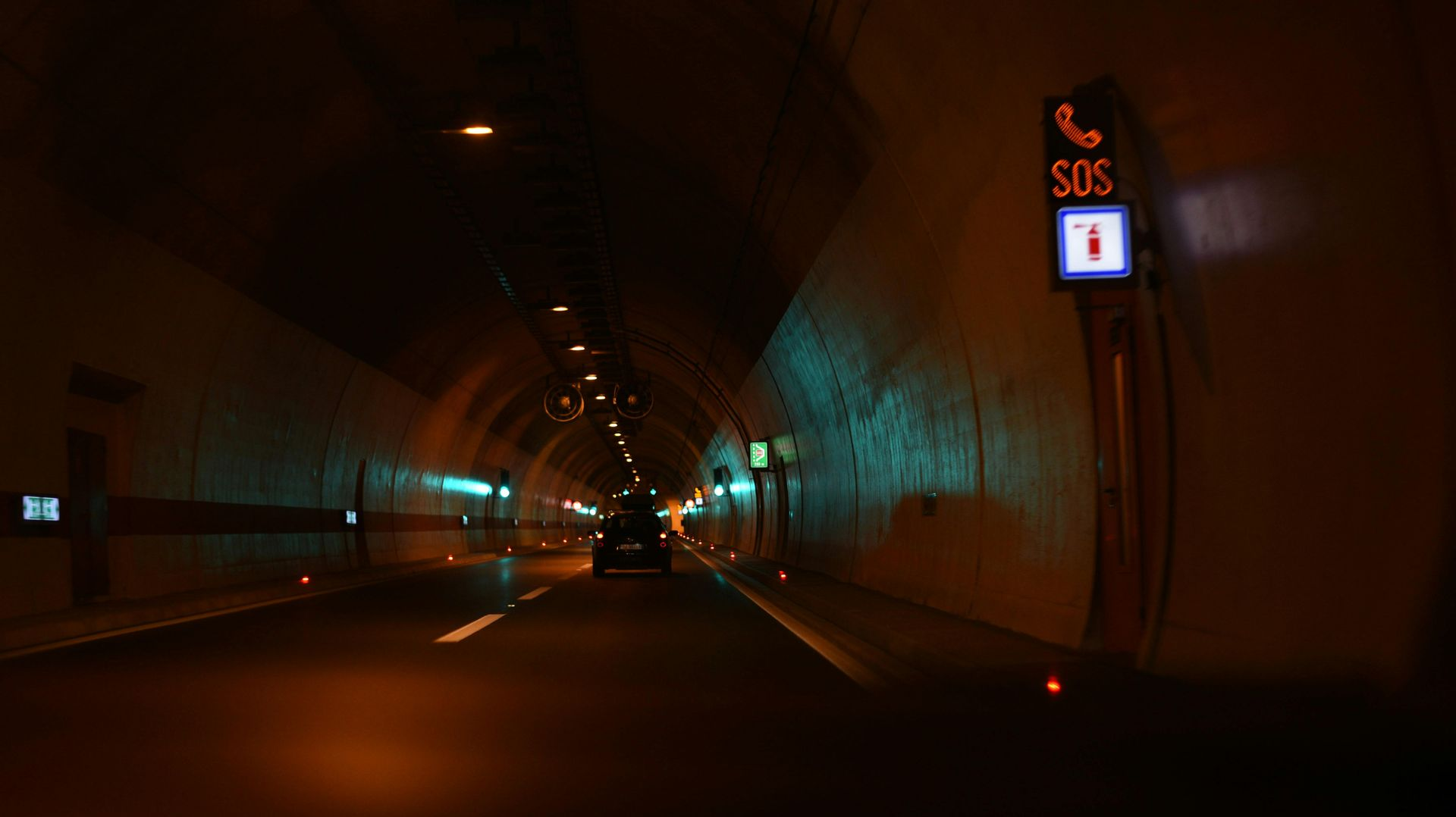
Car driving through a dark tunnel with emergency phone sign lit on the right.

Christmas Weather and Road Conditions

The Christmas season often brings unpredictable weather. Rain, frost, and occasional snow create slick surfaces that demand reliable traction. After dark, these conditions are harder to see and react to in time.


Properly maintained tires help channel water away from the contact patch and maintain grip on wet or slushy roads. Adequate tread depth and correct inflation support better control when visibility is limited and road conditions change quickly.


Increased Holiday Traffic After Dark

Evening hours during December tend to be busier than usual. Drivers are out later attending holiday events or completing last minute errands. This increase in traffic raises the likelihood of sudden stops and unexpected maneuvers.


Tires in good condition help vehicles respond more effectively in these situations. Reliable braking and predictable handling allow drivers to maintain control, even when traffic patterns are unpredictable.

Night sky over trees, car headlights illuminate road, stars visible.

Tire Inspections as Part of Holiday Preparation

Preparing for Christmas travel often includes checking lights, fluids, and windshield wipers. Tires should be part of this checklist. A professional tire inspection can identify issues such as uneven wear, low tread depth, or improper inflation before they become problems.


At Raymond’s Tire Shop, we regularly work with drivers who are surprised by how much tire condition affects nighttime driving confidence. Addressing tire concerns before the holiday rush helps reduce stress and improves safety throughout the season.

Person in a cap looks at night city traffic. Cars on wet road, lit by streetlights. Bridge overhead.

Protecting Passengers and Peace of Mind

Holiday driving often involves carrying passengers, gifts, and luggage. Additional weight can affect tire performance and braking behavior. Ensuring that tires are properly rated, inflated, and in good condition supports safe travel for everyone in the vehicle.


Knowing that tires are prepared for winter conditions and nighttime driving allows drivers to focus on the road rather than worrying about vehicle reliability.


A Safer Way to Navigate the Christmas Season

Christmas is a time for gathering and travel, but it should not come with unnecessary risk. Tire condition plays a crucial role in how a vehicle performs after dark, especially during winter weather and increased holiday traffic.


At Raymond’s Tire Shop, we believe that taking care of tires before Christmas travel is a practical step toward safer nights on the road. Proper tire maintenance supports control, confidence, and peace of mind throughout the holiday season and into the new year.


Car driving on a foggy, dark road through a forest at night. Headlights illuminate the wet asphalt.
Cars driving on a wet city street at night. Rain reflects the blue and pink streetlights.
View from inside a car at night, looking at city lights. Red traffic lights glow.
Dark-colored SUV with cargo on its roof parked on a winding road at dusk; mountains in the background.
Nighttime aerial view of a winding road with blurred car lights snaking through a dark forest.
Car driving on a dirt road through a dark forest, with headlights illuminating the path.
October 7, 2026
Tire tread gets a lot of attention, but tread depth is not the only factor that matters. Tires also age . Even when a tire still has visible tread, the rubber compounds can gradually change over time because of heat, sunlight, weather exposure, and normal use. That is why knowing how to read the DOT date code can help drivers understand how old a tire really is.  The date code does not tell you everything about tire condition, but it provides an important piece of the overall picture.
October 1, 2026
A hard pothole impact can do more than damage a tire. The force can also bend a wheel, especially if the pothole is deep, the vehicle is moving quickly, or the tire has a lower-profile sidewall with less cushioning between the road and rim. Sometimes the damage is obvious. In other cases, the wheel may look normal but cause vibration, air loss, or handling problems.  Knowing what to watch for after a pothole strike can help drivers catch wheel damage before it creates additional tire or suspension problems.
September 23, 2026
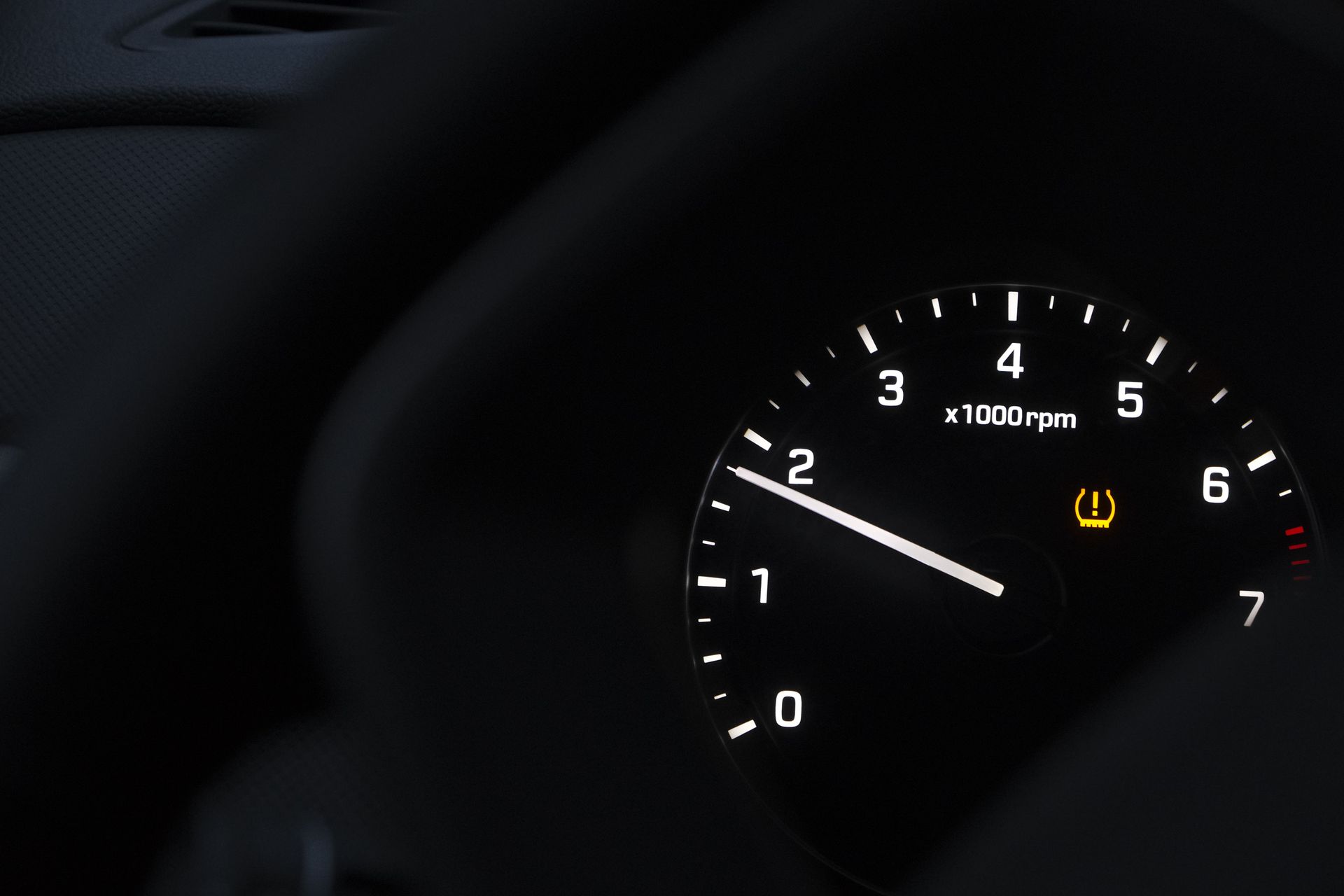
Most drivers are familiar with the tire pressure monitoring system , or TPMS, warning light. When it stays on steadily, it usually means one or more tires may be underinflated. A flashing TPMS light often means something different. Instead of simply warning about low tire pressure, a flashing light can indicate a problem with the monitoring system itself. That could involve a sensor, sensor battery, communication issue, or another TPMS-related fault.  Knowing the difference can help drivers avoid assuming that adding air will automatically solve the problem.
September 22, 2026
Tread depth is one of the first things drivers look at when deciding whether a tire still has life left. Deep grooves can make a tire appear healthy, especially if the vehicle is not driven very often. But tread is only part of the picture. Tires age even when they are not being used heavily. Over time, rubber compounds can harden, dry out, and become less flexible. That means an older tire may still have plenty of tread while no longer performing the way it did when it was newer. Rubber Changes With Age Tires are constantly exposed to oxygen, heat, sunlight, moisture, and changing temperatures. Those conditions gradually affect the rubber. As a tire ages, the material can lose some of its elasticity. That may reduce its ability to flex properly as it rolls and responds to the road. A tire that looks acceptable at a quick glance may therefore be significantly older than its appearance suggests. This is especially important for vehicles that accumulate very few miles each year.
September 11, 2026
A flat tire does not always mean the tire has to be replaced. In many cases, a small puncture can be repaired safely and returned to service. The key is where the puncture occurred, how large it is, and whether the tire suffered additional damage while losing air. That is why a professional inspection matters. Two punctures that lo ok similar from the outside may require completely different solutions once the tire is removed and examined internally. Location Matters Most One of the first things a technician looks at is where the puncture is located. Damage in the central tread area is often the best candidate for repair. This part of the tire is designed to handle contact with the road and can sometimes be repaired when the puncture is small and otherwise straightforward. Punctures near the shoulder or sidewall are much more concerning.  These areas flex significantly while the tire is moving and cannot usually be repaired safely using standard puncture-repair methods. If a nail, screw, or other object damages the sidewall or outer shoulder, replacement is often the safer option.
September 6, 2026
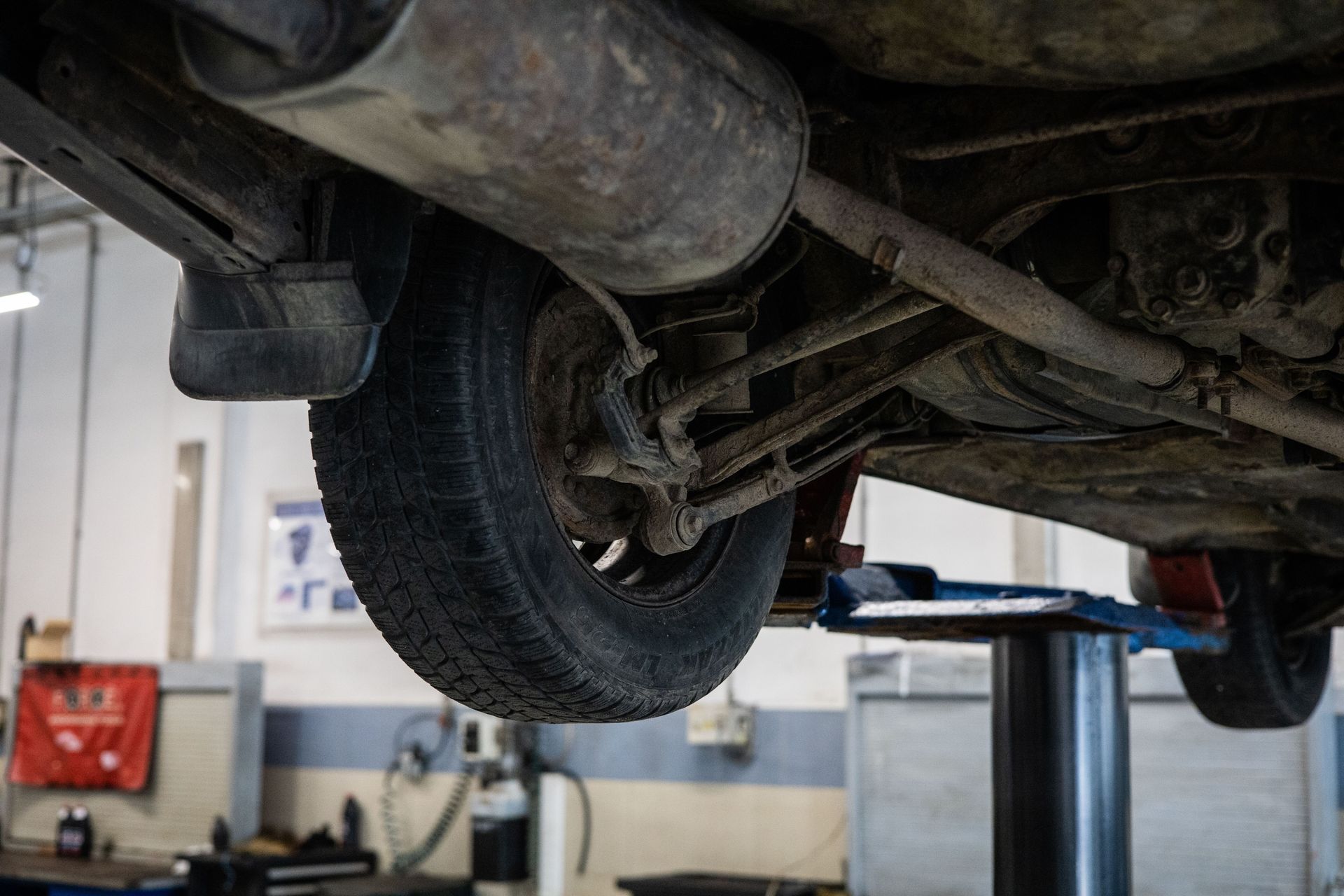
A wheel alignment can correct important steering and tire-angle settings, but the alignment itself depends on the suspension being in good mechanical condition. If ball joints, tie rods, control arm bushings, wheel bearings, or other components are worn, the wheels may not stay in the position the technician sets.  That is why some vehicles continue pulling , wearing tires unevenly, or developing an off-center steering wheel even after an alignment. In those cases, the problem may not be the alignment machine or the adjustment. It may be worn suspension or steering components underneath the vehicle.