How Driving Through Construction Zones Impacts Tires
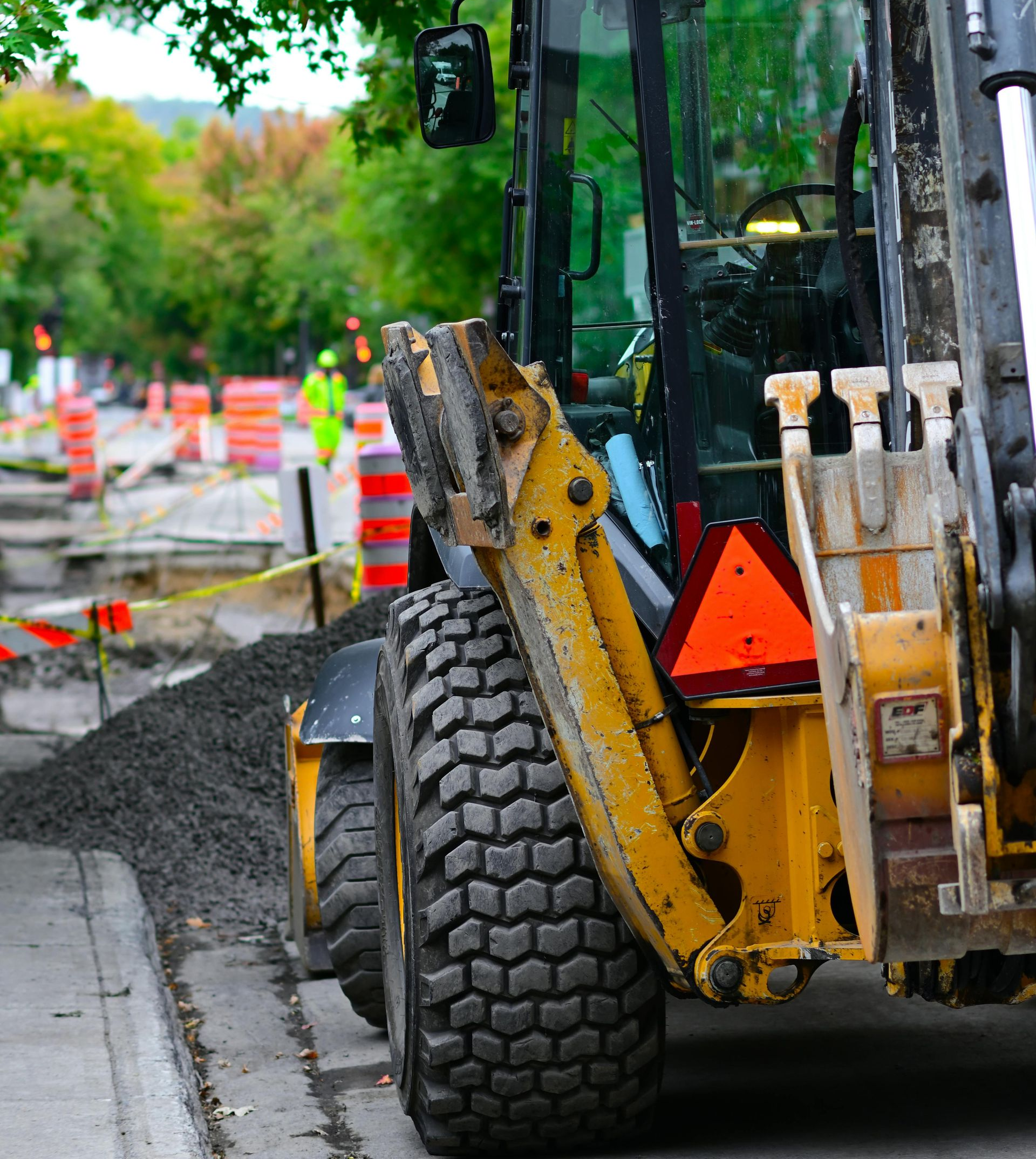
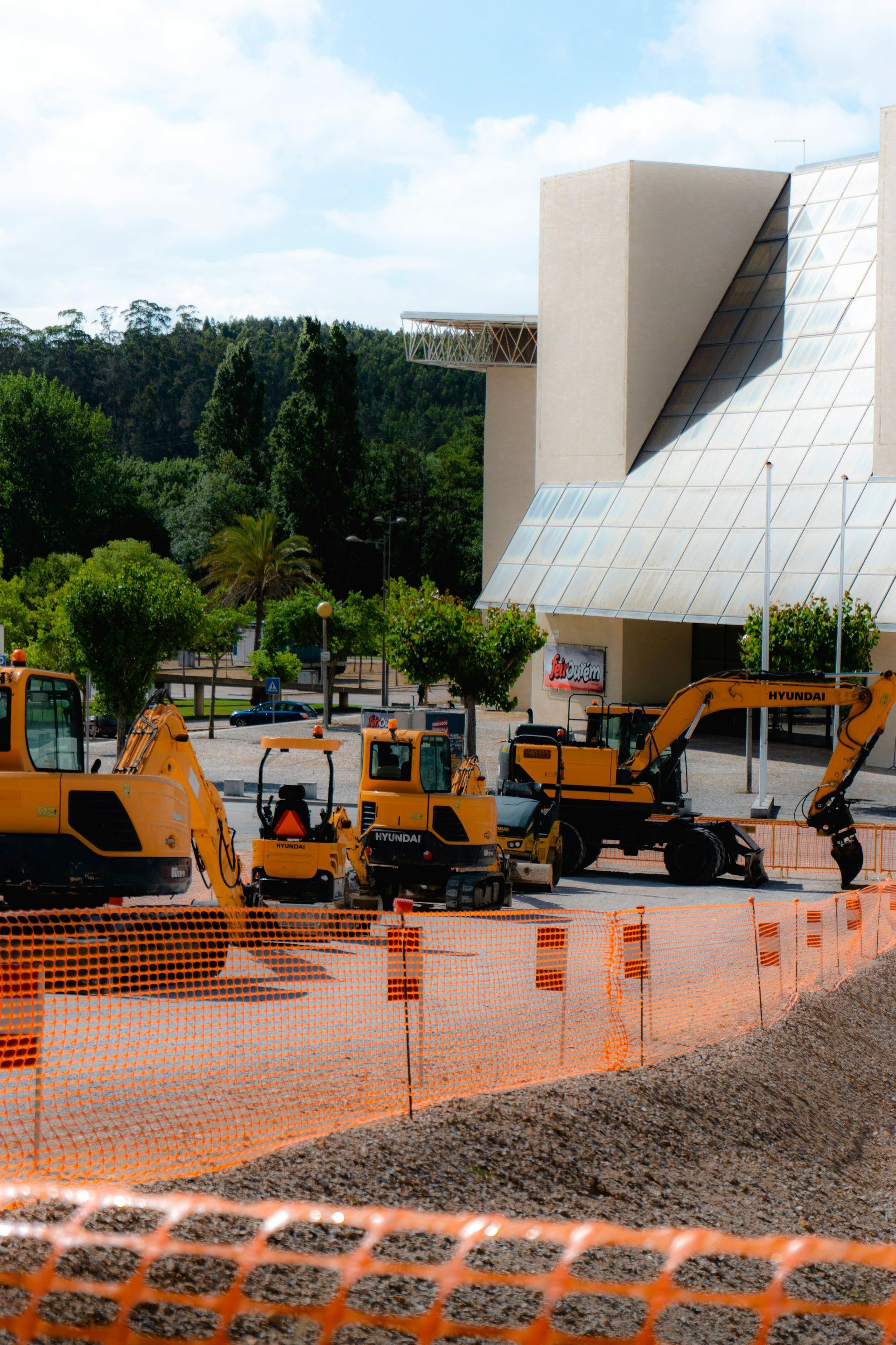
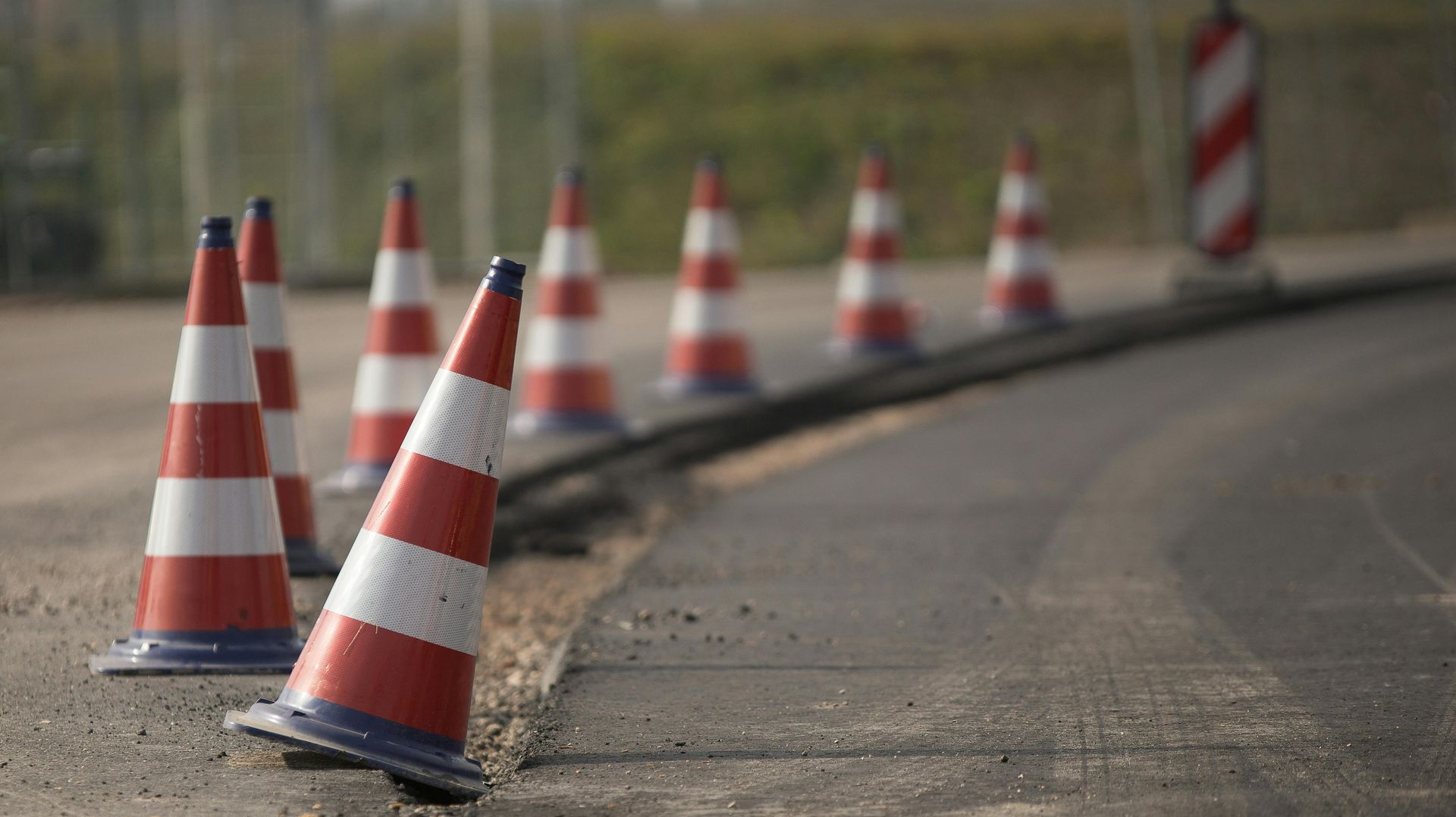
Construction zones are a routine part of driving, especially during warmer months when roadwork projects increase. Most drivers focus on delays, lane shifts, and traffic congestion when passing through these areas. What is often overlooked is the effect construction zones can have on vehicle tires. Rough pavement, loose debris, uneven surfaces, and sudden changes in road conditions all place additional stress on tires in ways that may not be immediately noticeable.
Understanding how construction zones affect tire health can help drivers reduce wear, prevent damage, and maintain better long-term vehicle performance.
Uneven Road Surfaces Create Additional Stress
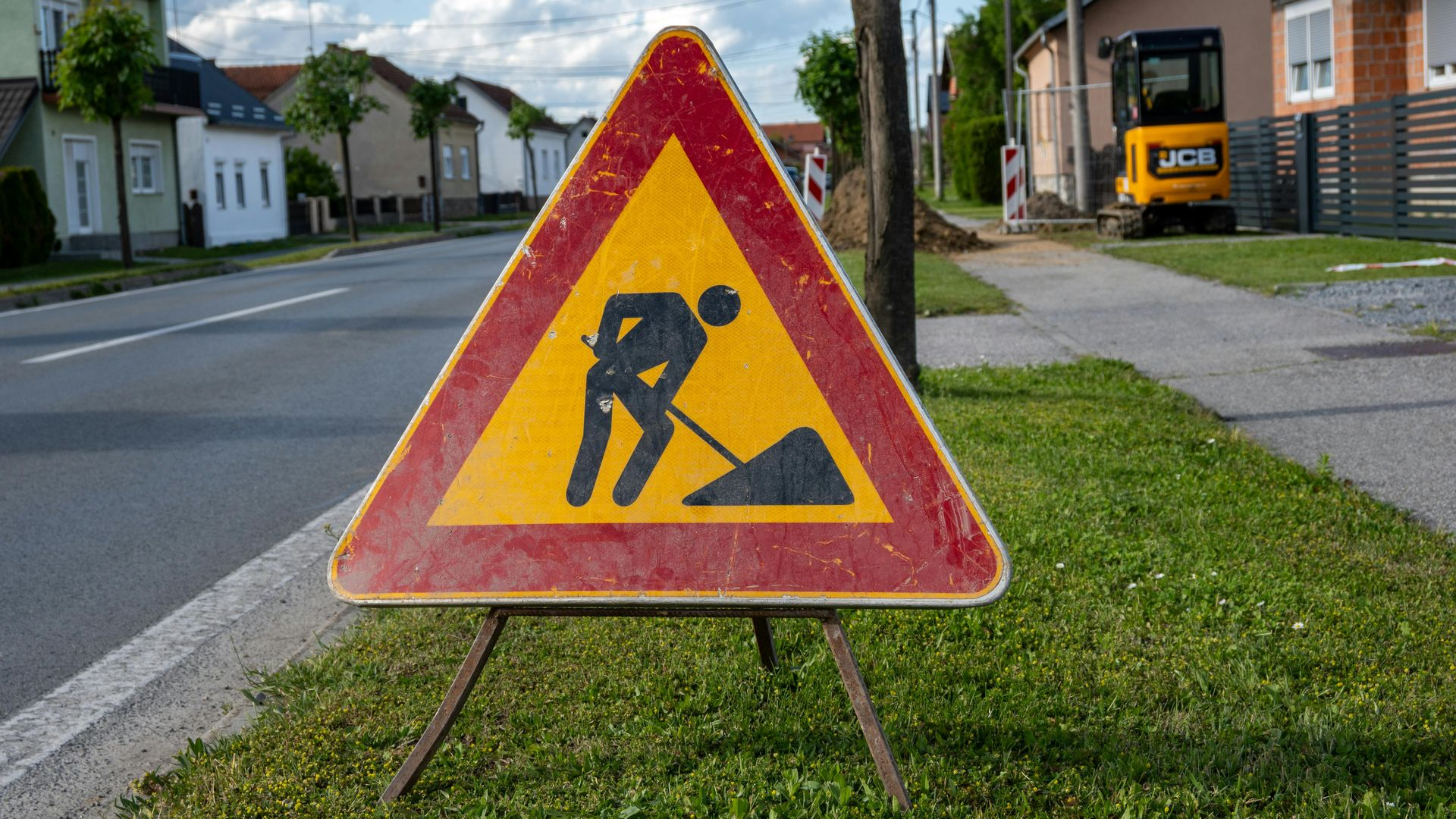
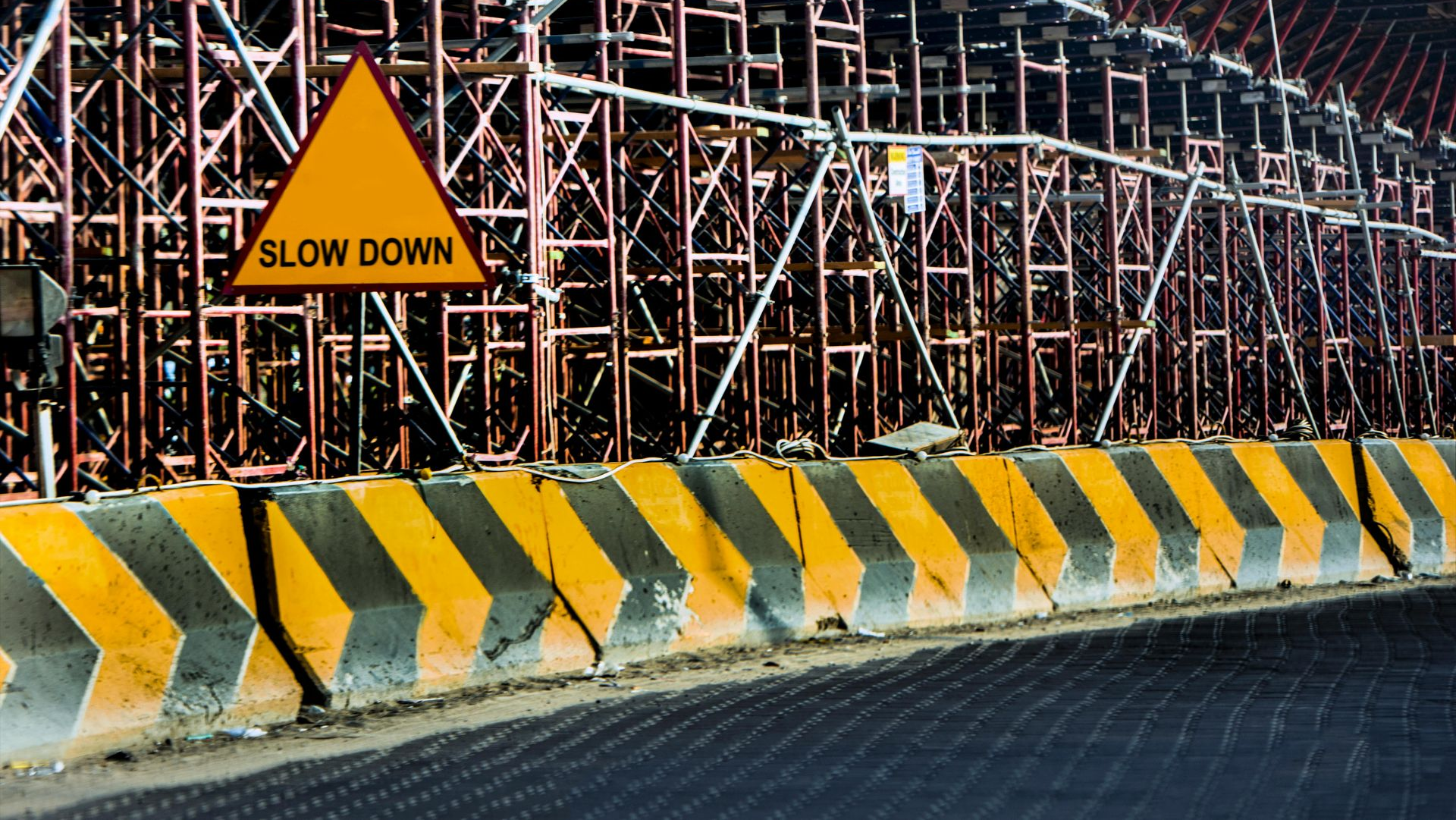
One of the most common characteristics of construction zones is uneven pavement. Temporary road surfaces, milled asphalt, steel plates, and abrupt elevation changes all create irregular driving conditions.
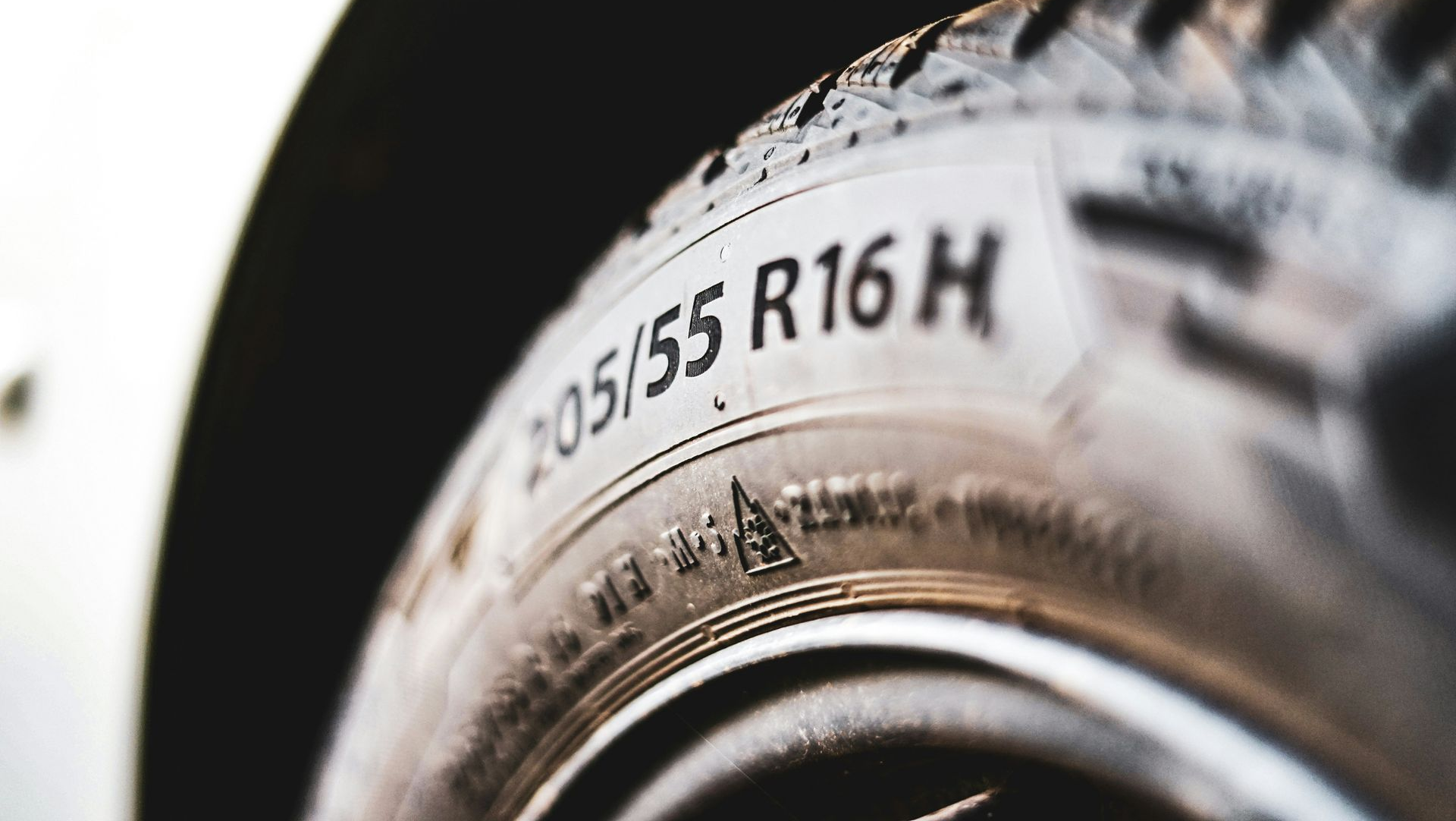
As tires move across these uneven surfaces, they absorb repeated impacts and vibrations. While tires are designed to handle normal road conditions, construction areas introduce sharper and less predictable stress points. Over time, repeated exposure to these conditions can contribute to faster tread wear and additional strain on the internal structure of the tire.
The effect is often gradual, making it easy for drivers to overlook until problems become more noticeable.
Loose Debris and Tire Damage
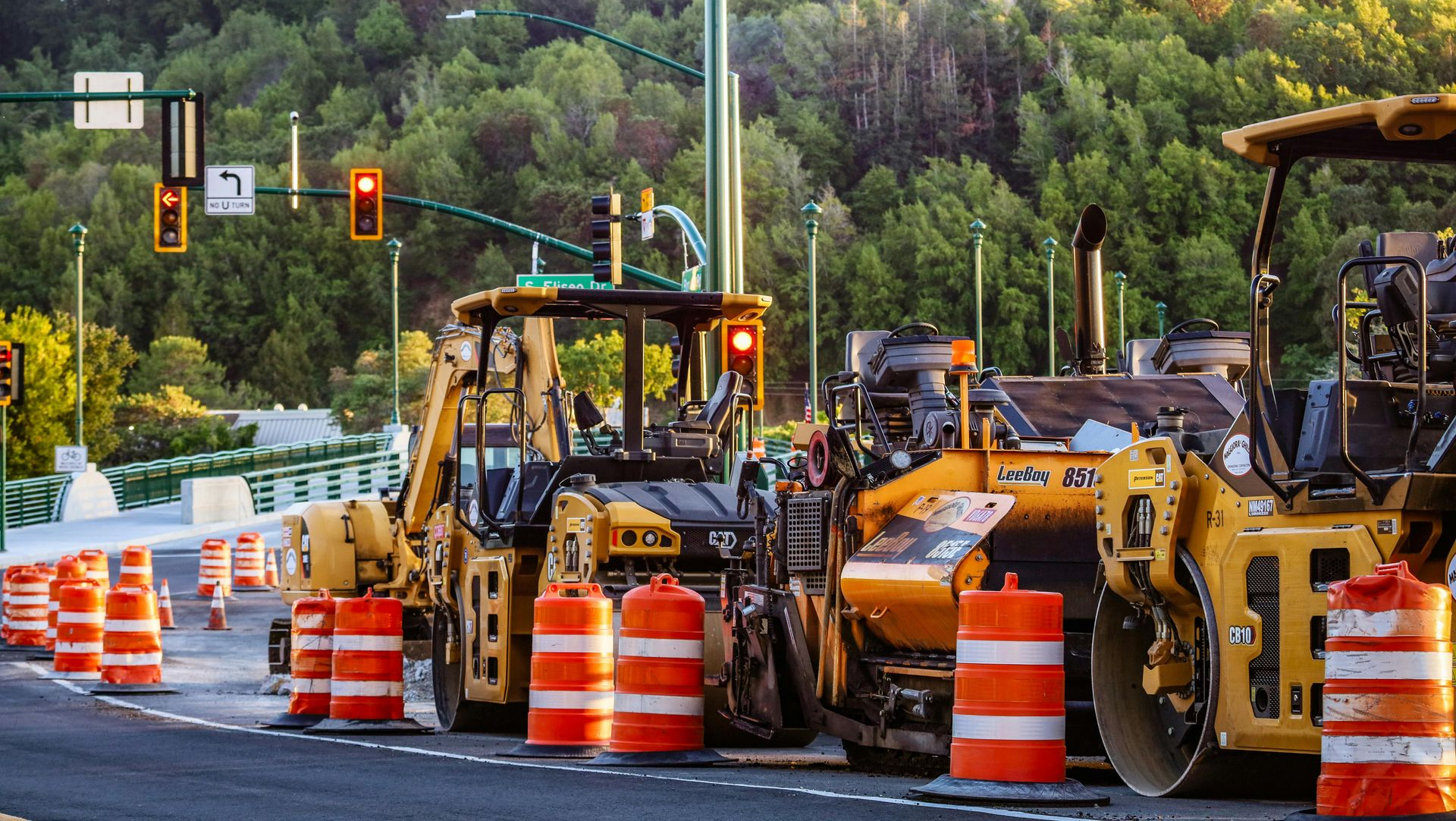
Construction zones frequently contain loose gravel, broken pavement, nails, and other debris. Even when roads are regularly cleaned, small objects can remain in driving lanes and shoulders.
As vehicles pass through these areas, tires are more vulnerable to punctures and cuts. In some cases, the damage is immediate, such as a nail penetrating the tread. In other situations, debris may create smaller abrasions that weaken the tire over time.
Sidewalls are especially vulnerable because they are thinner and less reinforced than the tread surface. Contact with sharp materials or road edges can cause damage that may not be visible right away.
Increased Heat and Friction
Construction zones often involve slower traffic, sudden braking, and repeated acceleration. These driving patterns increase friction and heat within the tires.
Heat is a natural part of tire operation, but excessive heat contributes to faster rubber degradation. During warmer months, hot pavement combined with stop-and-go traffic can intensify this effect.
When heat builds repeatedly over time, tire performance may gradually decline. This can affect traction, ride quality, and overall longevity.
Alignment and Suspension Stress
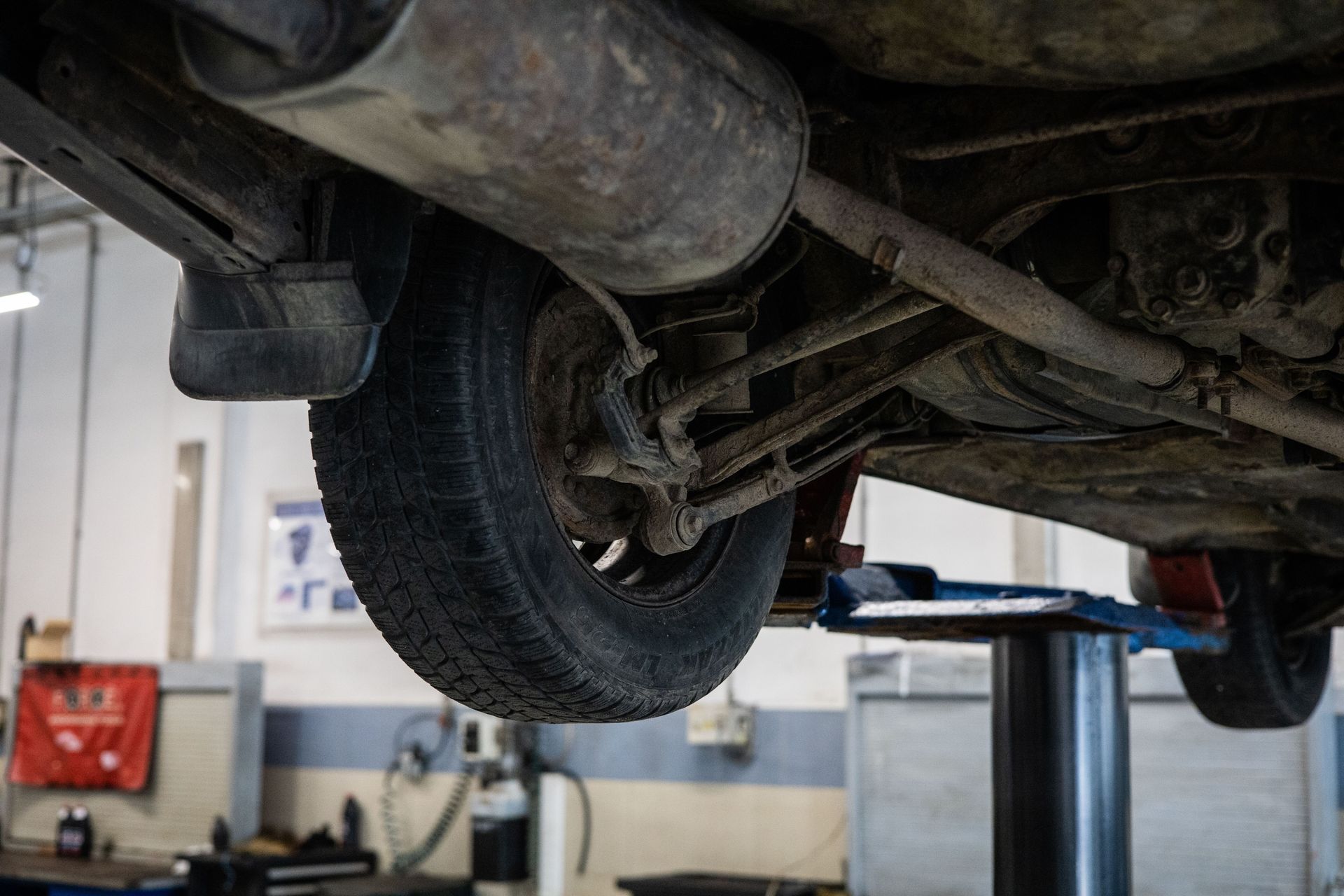
Construction zones can also impact wheel alignment and suspension systems. Potholes, uneven transitions, and temporary surfaces place uneven pressure on the vehicle as it moves through the area.
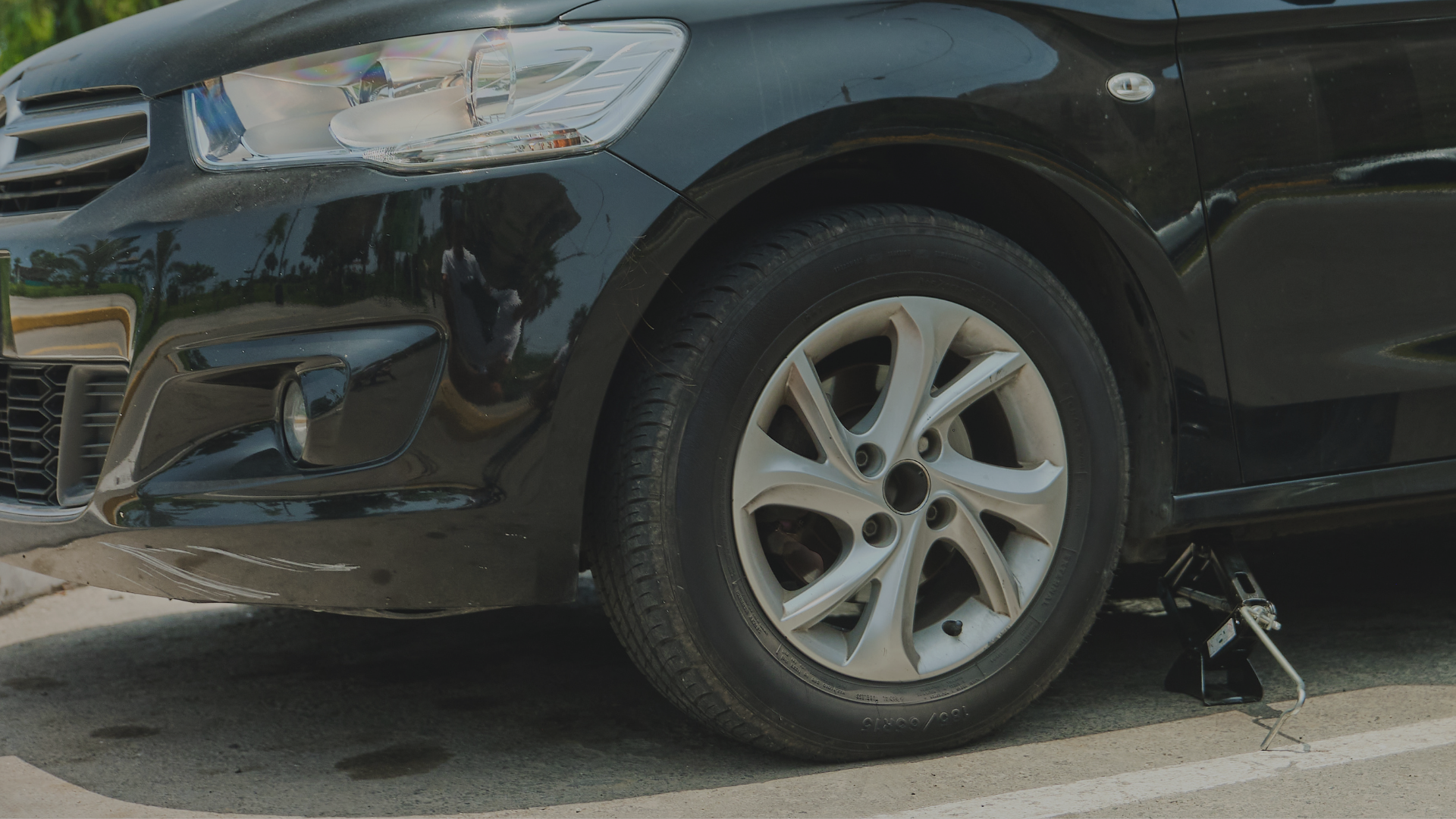
Even small impacts can gradually shift alignment settings. When alignment changes, tires no longer contact the road evenly, leading to irregular wear patterns.
Drivers may not notice these changes immediately. In many cases, the first sign is uneven tread wear or a slight pulling sensation while driving.
Why Damage Is Often Delayed
One of the challenges with construction-related tire issues is that they do not always appear immediately after driving through the area. A tire may absorb repeated stress for weeks before symptoms become noticeable.
For example, small alignment changes may slowly wear down one section of the tread. Minor punctures or sidewall damage may weaken the tire over time before causing visible problems.
This delayed effect makes routine inspections especially important during heavy construction seasons.
How Drivers Can Reduce Tire Stress
While construction zones cannot always be avoided, drivers can take steps to reduce the impact on their tires.
Reducing speed helps minimize the force of impacts from rough surfaces and debris. Maintaining proper tire pressure also allows tires to absorb stress more effectively. In addition, avoiding sudden braking or aggressive acceleration in these areas reduces excess friction and heat buildup.
Routine tire inspections are equally important. Identifying small issues early helps prevent more expensive problems later.
Protecting Your Tires Through Changing Road Conditions
Construction zones are temporary, but the wear they place on tires can have lasting effects. Rough surfaces, debris, and repeated impacts gradually contribute to damage that many drivers do not notice until performance begins to decline.
At Raymond’s Tire Service, we help drivers identify and address tire issues before they become larger problems. From tire inspections and alignments to replacements and maintenance, our team is committed to helping vehicles stay safe and reliable through changing road conditions.
If your vehicle has been spending time in construction zones or rough road environments, contact Raymond’s Tire Service to schedule a professional tire inspection and keep your tires performing at their best.