Como dirigir em zonas de construção afeta os pneus

As zonas de construção fazem parte da rotina de direção, especialmente durante os meses mais quentes, quando os projetos de obras nas estradas aumentam. A maioria dos motoristas se concentra nos atrasos, mudanças de faixa e congestionamentos ao passar por essas áreas. O que muitas vezes é ignorado é o efeito que as zonas de construção podem ter nos pneus do veículo. Pavimento irregular, detritos soltos, superfícies desniveladas e mudanças repentinas nas condições da estrada colocam estresse adicional nos pneus de maneiras que podem não ser percebidas imediatamente.


Entender como as zonas de construção afetam a condição dos pneus pode ajudar os motoristas a reduzir o desgaste, evitar danos e manter um melhor desempenho do veículo a longo prazo.
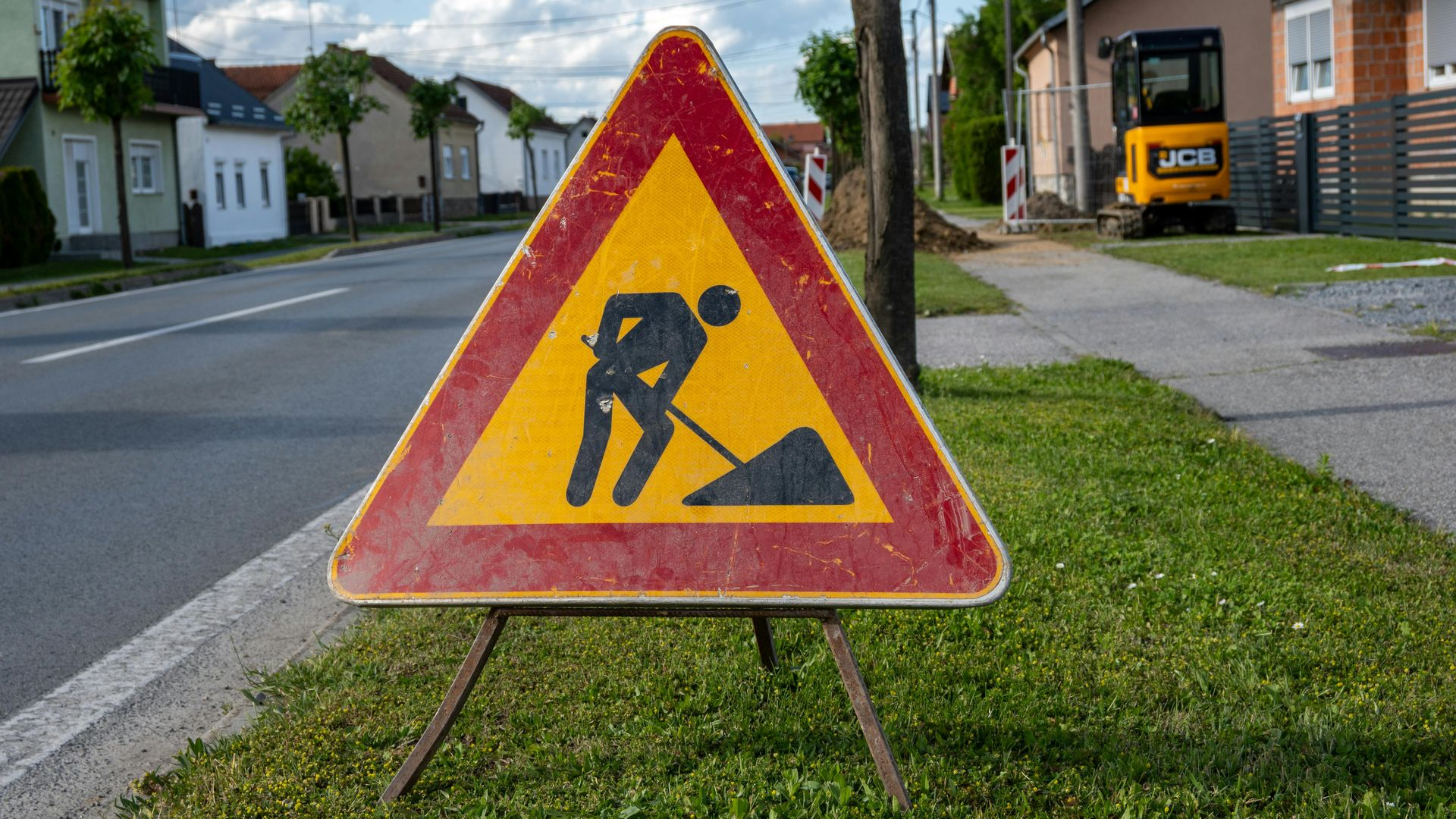
Roadwork warning sign on a grassy roadside in a suburban neighborhood

Superfícies irregulares criam estresse adicional

Uma das características mais comuns das zonas de construção é o pavimento irregular. Superfícies temporárias, asfalto fresado, placas de aço e mudanças bruscas de elevação criam condições de direção irregulares.


À medida que os pneus passam por essas superfícies desniveladas, eles absorvem impactos e vibrações repetidas. Embora os pneus sejam projetados para suportar condições normais de estrada, as áreas de construção introduzem pontos de estresse mais severos e imprevisíveis. Com o tempo, a exposição repetida a essas condições pode contribuir para um desgaste mais rápido da banda de rodagem e maior tensão na estrutura interna do pneu.


O efeito costuma ser gradual, o que facilita que os motoristas não percebam o problema até que ele se torne mais evidente.
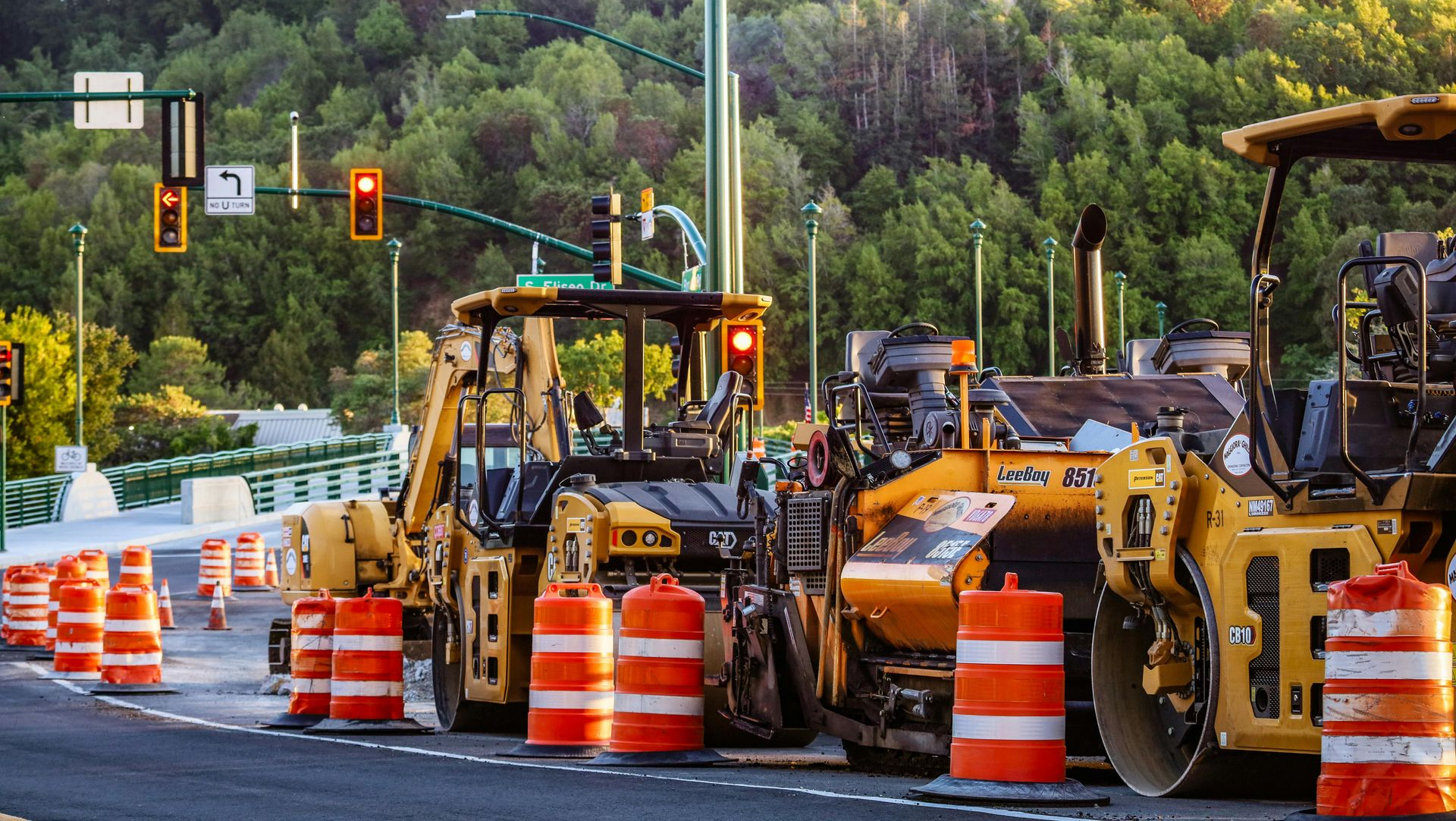
Road construction with yellow heavy equipment, orange barrels, and traffic lights at an intersection

Detritos soltos e danos aos pneus

As zonas de construção frequentemente contêm cascalho solto, pedaços de pavimento quebrado, pregos e outros detritos. Mesmo quando as estradas são limpas regularmente, pequenos objetos podem permanecer nas faixas de rodagem e acostamentos.


À medida que os veículos passam por essas áreas, os pneus ficam mais vulneráveis a perfurações e cortes. Em alguns casos, o dano é imediato, como um prego perfurando a banda de rodagem. Em outras situações, os detritos podem causar pequenas abrasões que enfraquecem o pneu ao longo do tempo.


As laterais dos pneus são especialmente vulneráveis porque são mais finas e menos reforçadas do que a superfície da banda de rodagem. O contato com materiais afiados ou bordas da estrada pode causar danos que talvez não sejam visíveis imediatamente.
Red-and-white traffic cones lining a curved roadside edge beside a blurred roadway.

Aumento de calor e fricção

As zonas de construção geralmente envolvem tráfego mais lento, frenagens repentinas e acelerações frequentes. Esses padrões de direção aumentam a fricção e o calor dentro dos pneus.


O calor é uma parte natural do funcionamento dos pneus, mas o excesso de calor contribui para uma degradação mais rápida da borracha. Durante os meses mais quentes, o pavimento quente combinado com o tráfego de para e anda pode intensificar esse efeito.


Quando o calor se acumula repetidamente ao longo do tempo, o desempenho dos pneus pode diminuir gradualmente. Isso pode afetar a tração, o conforto ao dirigir e a durabilidade geral.
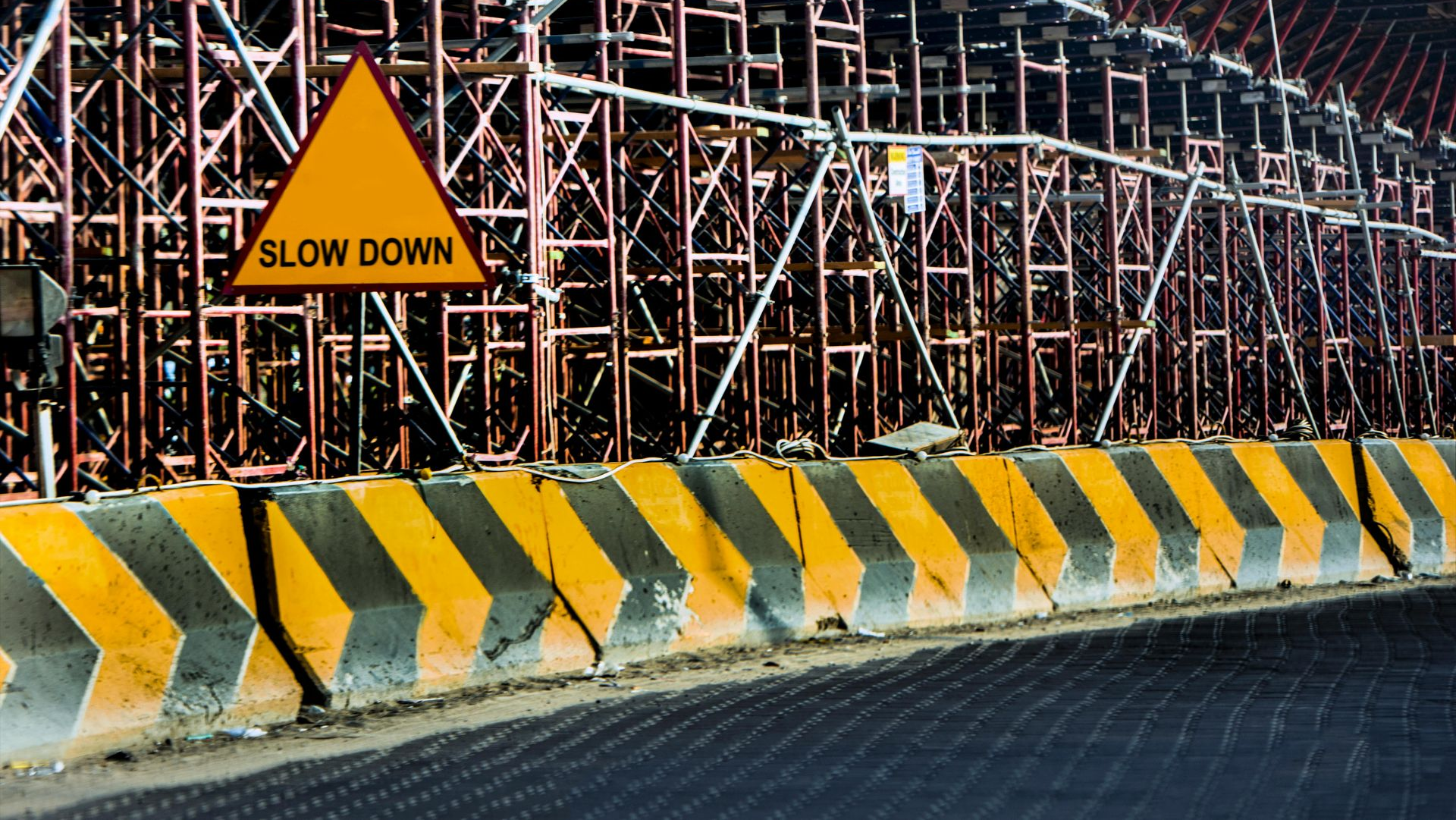
Road construction site with yellow-black barriers and a slow down sign under scaffolding

Estresse no alinhamento e na suspensão

As zonas de construção também podem afetar o alinhamento das rodas e os sistemas de suspensão. Buracos, transições irregulares e superfícies temporárias colocam pressão desigual sobre o veículo enquanto ele passa pela área.


Mesmo pequenos impactos podem alterar gradualmente as configurações de alinhamento. Quando o alinhamento muda, os pneus deixam de tocar a estrada de maneira uniforme, levando a padrões de desgaste irregulares.


Os motoristas podem não perceber essas mudanças imediatamente. Em muitos casos, o primeiro sinal é o desgaste irregular da banda de rodagem ou uma leve sensação de puxar para um lado ao dirigir.


Por que os danos muitas vezes são percebidos mais tarde

Um dos desafios relacionados aos problemas nos pneus causados por zonas de construção é que eles nem sempre aparecem imediatamente após passar por essas áreas. Um pneu pode absorver estresse repetido por semanas antes que os sintomas se tornem perceptíveis.


Por exemplo, pequenas alterações no alinhamento podem desgastar lentamente uma seção da banda de rodagem. Pequenas perfurações ou danos nas laterais podem enfraquecer o pneu ao longo do tempo antes de causar problemas visíveis.


Esse efeito tardio torna as inspeções de rotina especialmente importantes durante períodos de obras intensas.
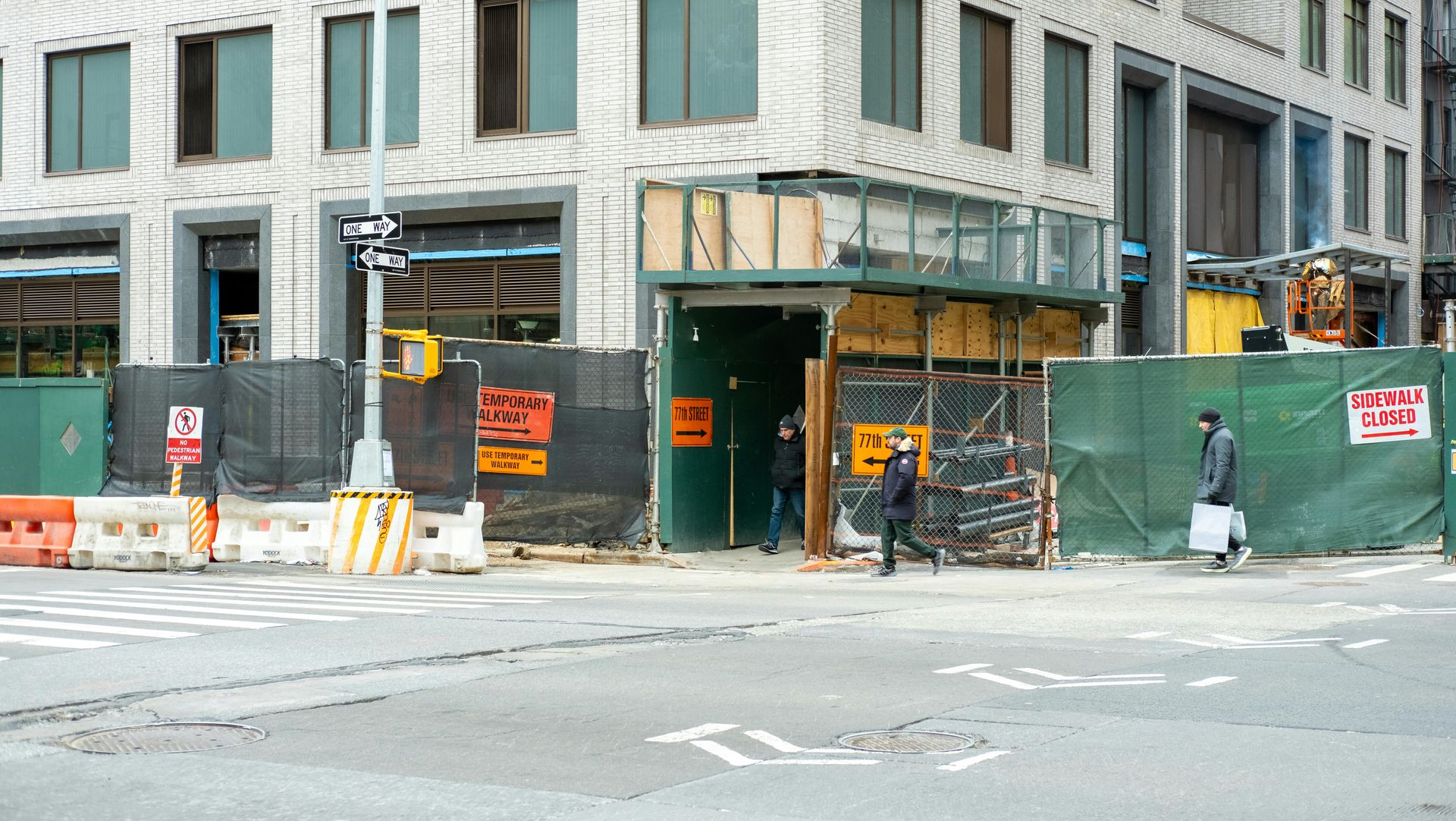
Street-level view of a construction site beside a stone building, with green barriers and traffic cones at the corner.

Como os motoristas podem reduzir o estresse nos pneus

Embora nem sempre seja possível evitar zonas de construção, os motoristas podem tomar medidas para reduzir o impacto nos pneus.


Reduzir a velocidade ajuda a minimizar a força dos impactos causados por superfícies irregulares e detritos. Manter a calibragem correta dos pneus também permite que eles absorvam o estresse de forma mais eficiente. Além disso, evitar frenagens bruscas ou acelerações agressivas nessas áreas reduz o excesso de fricção e o acúmulo de calor.


As inspeções regulares dos pneus são igualmente importantes. Identificar pequenos problemas cedo ajuda a evitar reparos mais caros no futuro.
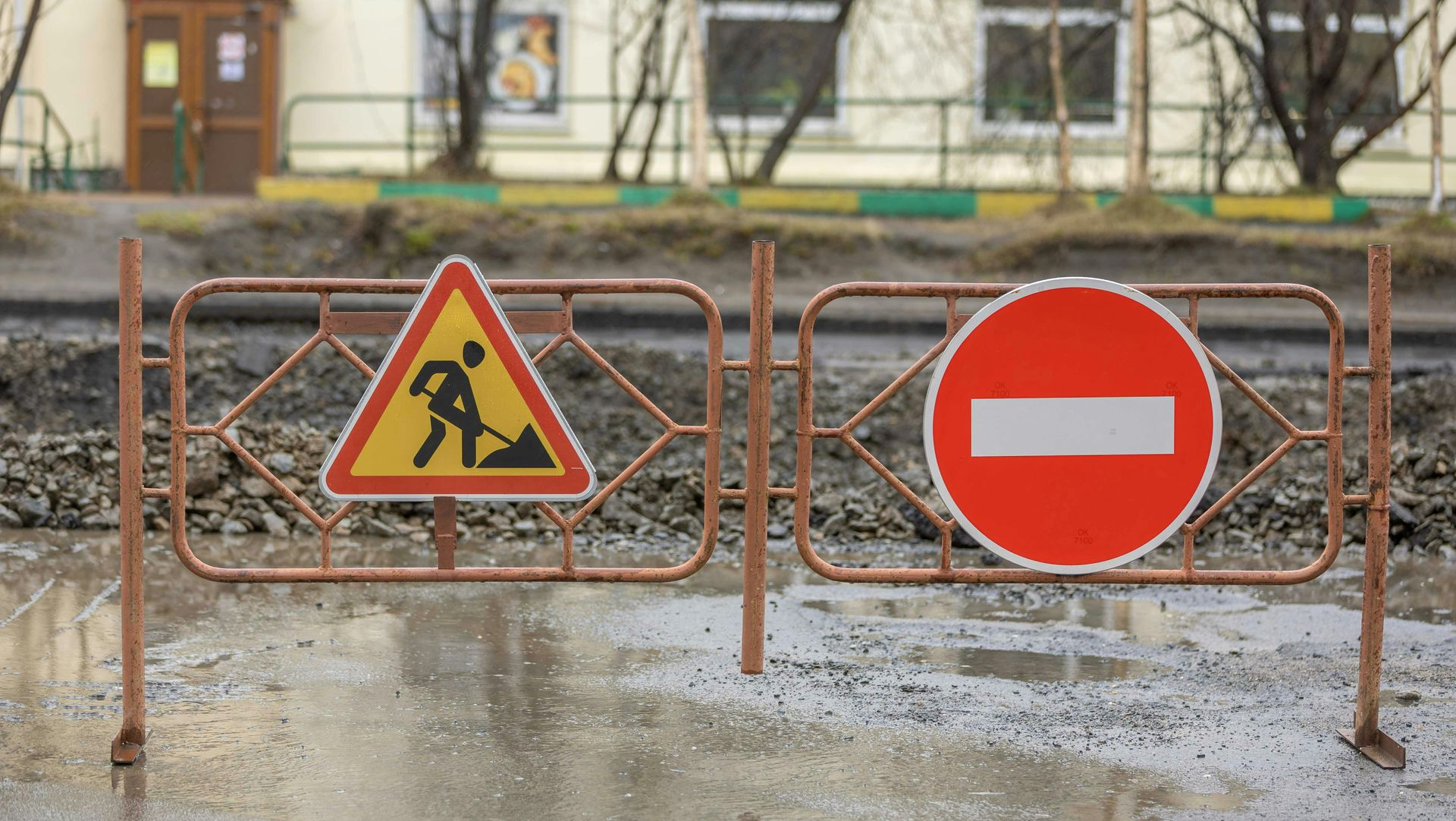
Roadworks barrier with warning signs and a no-entry sign on a wet street.

Protegendo seus pneus em condições variáveis de estrada

As zonas de construção são temporárias, mas o desgaste que causam nos pneus pode ter efeitos duradouros. Superfícies irregulares, detritos e impactos repetidos contribuem gradualmente para danos que muitos motoristas não percebem até que o desempenho comece a diminuir.


Na Raymond’s Tire Service, ajudamos os motoristas a identificar e resolver problemas nos pneus antes que eles se tornem situações maiores. Desde inspeções e alinhamentos até substituições e manutenção, nossa equipe está comprometida em ajudar os veículos a permanecerem seguros e confiáveis diante das mudanças nas condições das estradas.


Se o seu veículo tem circulado frequentemente em zonas de construção ou estradas em más condições, entre em contato com a Raymond’s Tire Service para agendar uma inspeção profissional dos pneus e manter seus pneus funcionando da melhor forma possível.
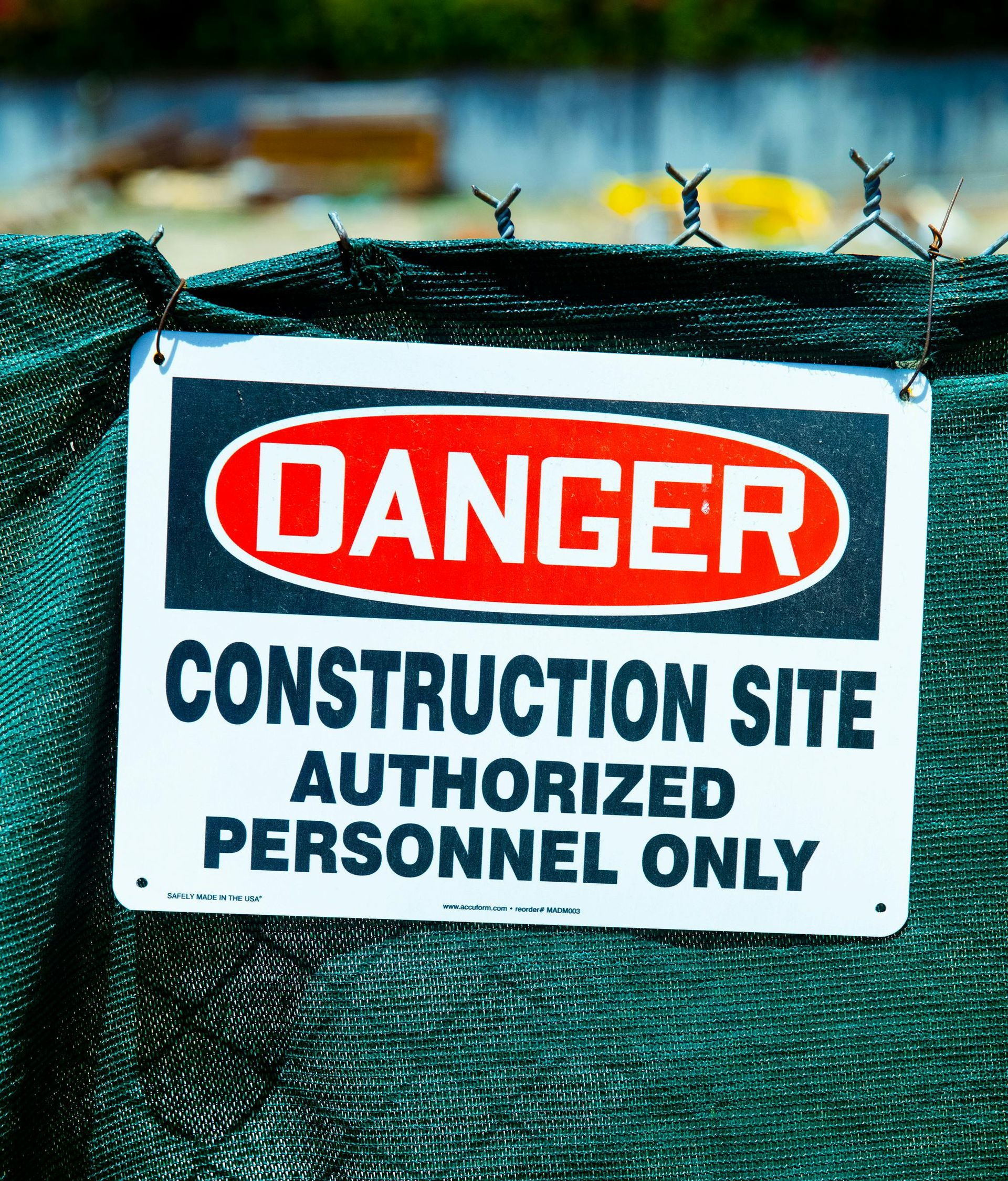

Danger sign on green fence: Construction site, authorized personnel only
Construction cones and barriers in front of a building with green awning and reflective glass.
Orange construction sign on a city sidewalk at night, with storefront lights in the background
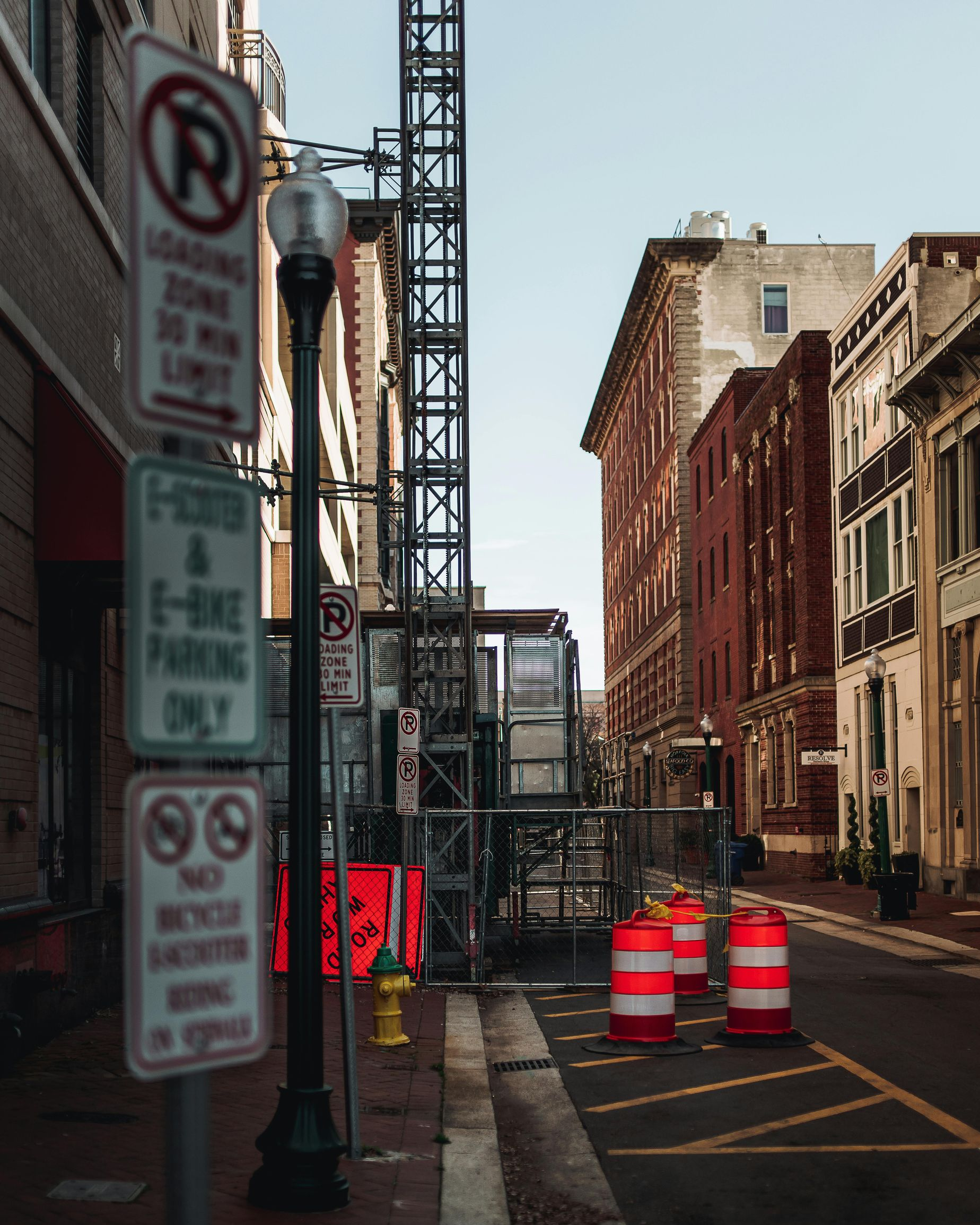
Urban street with construction barrels and signposts beside old brick buildings.
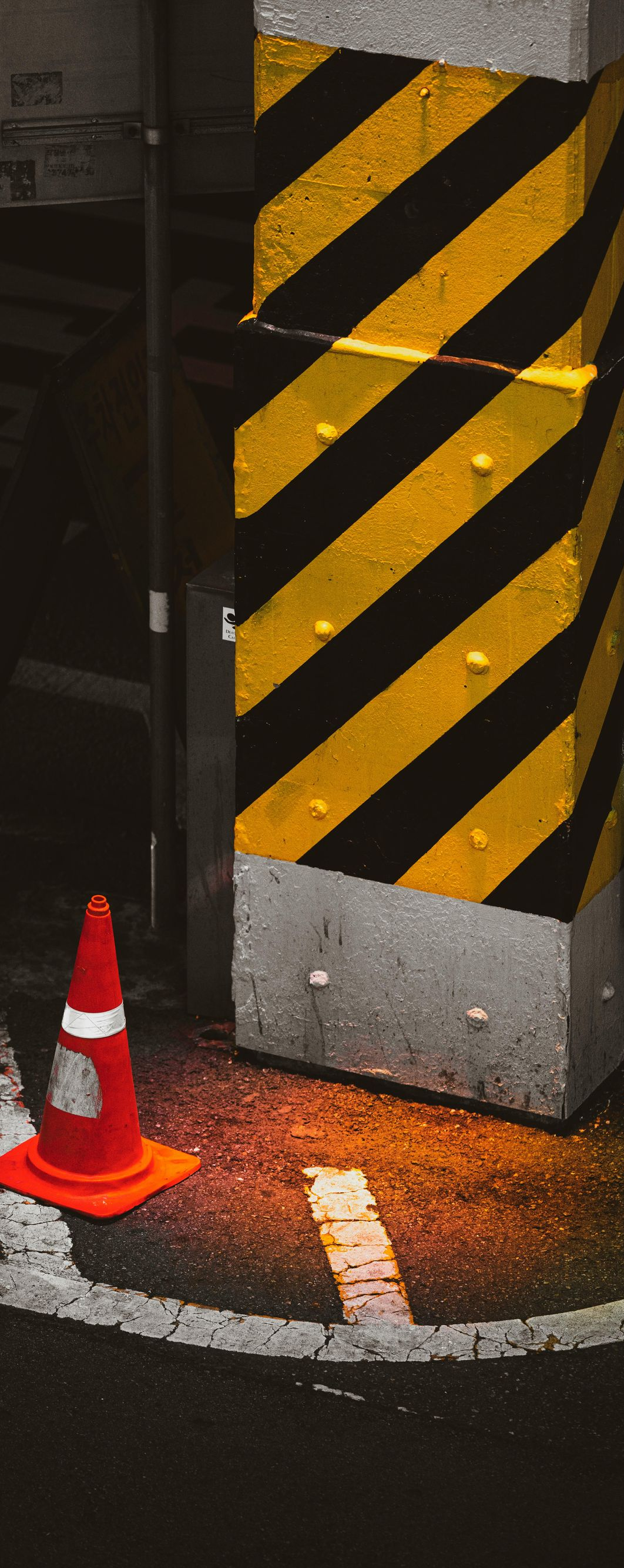
Black-and-yellow striped pillar with orange traffic cone at its base in a dim parking area
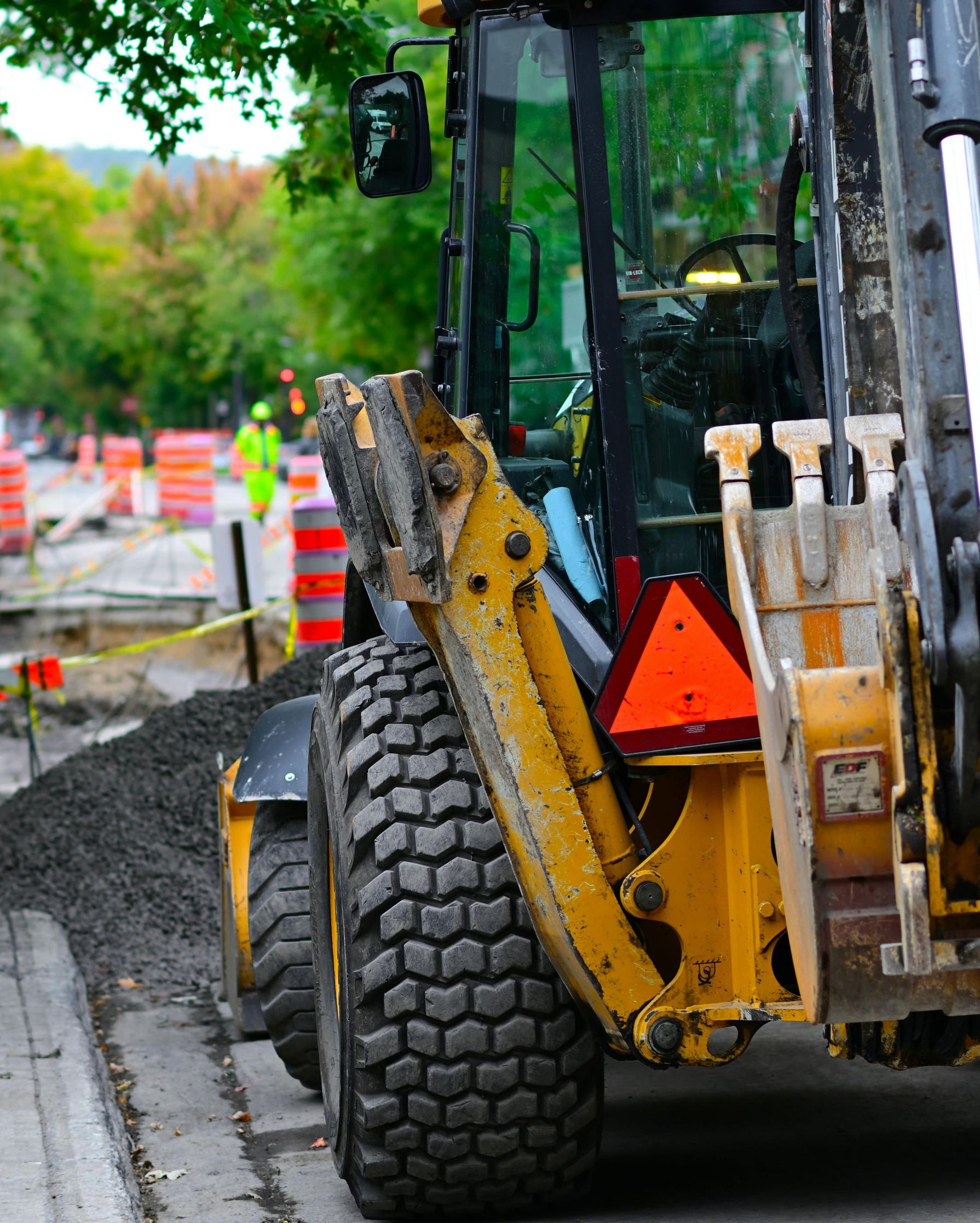
Yellow backhoe on a wet roadside beside a tree and traffic cones, with a large tire in the foreground
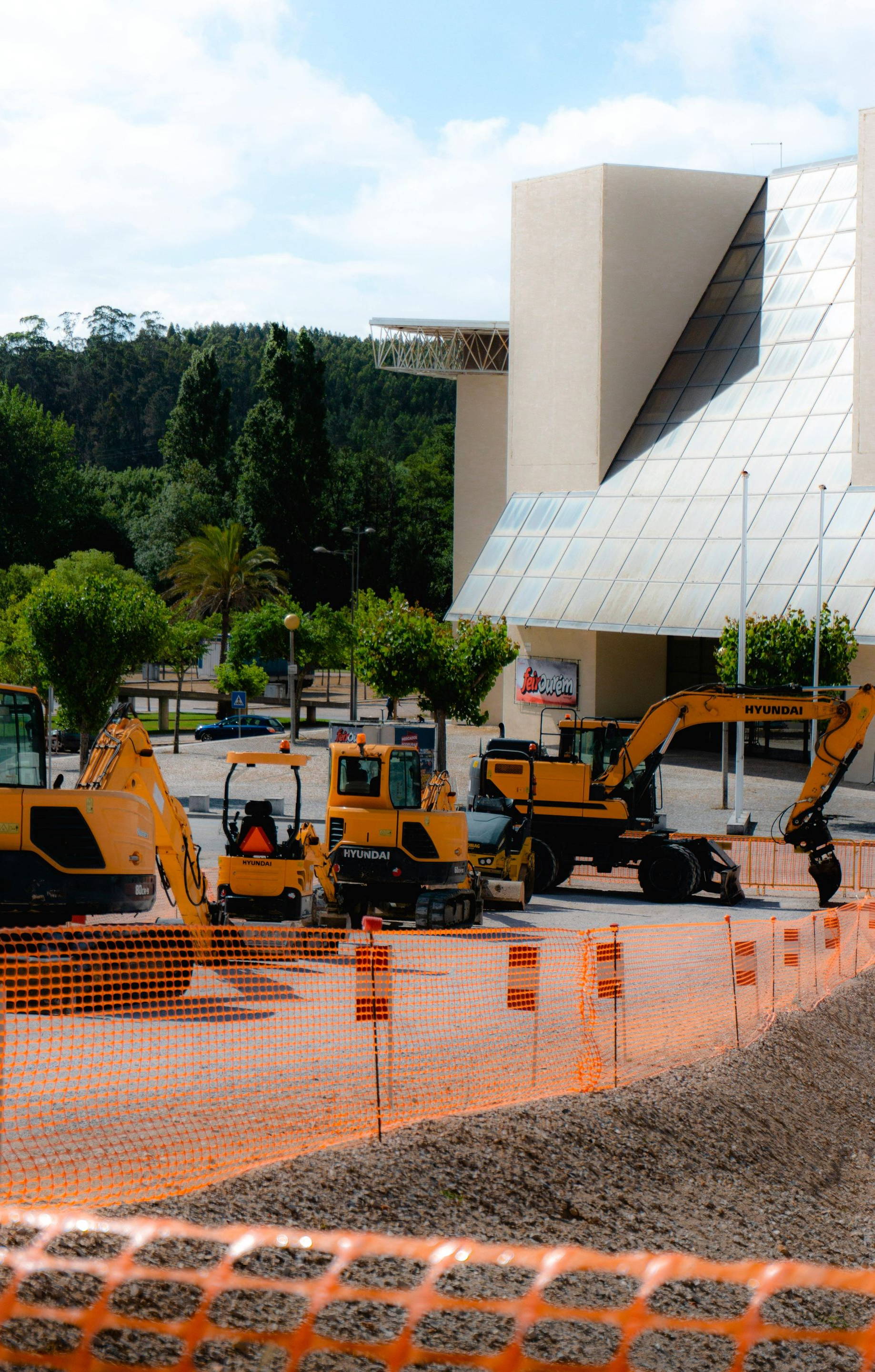
Construction site with yellow excavators behind orange safety fencing beside a modern white building
October 1, 2026
A hard pothole impact can do more than damage a tire. The force can also bend a wheel, especially if the pothole is deep, the vehicle is moving quickly, or the tire has a lower-profile sidewall with less cushioning between the road and rim. Sometimes the damage is obvious. In other cases, the wheel may look normal but cause vibration, air loss, or handling problems.  Knowing what to watch for after a pothole strike can help drivers catch wheel damage before it creates additional tire or suspension problems.
September 23, 2026
Most drivers are familiar with the tire pressure monitoring system , or TPMS, warning light. When it stays on steadily, it usually means one or more tires may be underinflated. A flashing TPMS light often means something different. Instead of simply warning about low tire pressure, a flashing light can indicate a problem with the monitoring system itself. That could involve a sensor, sensor battery, communication issue, or another TPMS-related fault.  Knowing the difference can help drivers avoid assuming that adding air will automatically solve the problem.
September 22, 2026
Tread depth is one of the first things drivers look at when deciding whether a tire still has life left. Deep grooves can make a tire appear healthy, especially if the vehicle is not driven very often. But tread is only part of the picture. Tires age even when they are not being used heavily. Over time, rubber compounds can harden, dry out, and become less flexible. That means an older tire may still have plenty of tread while no longer performing the way it did when it was newer. Rubber Changes With Age Tires are constantly exposed to oxygen, heat, sunlight, moisture, and changing temperatures. Those conditions gradually affect the rubber. As a tire ages, the material can lose some of its elasticity. That may reduce its ability to flex properly as it rolls and responds to the road. A tire that looks acceptable at a quick glance may therefore be significantly older than its appearance suggests. This is especially important for vehicles that accumulate very few miles each year.
September 11, 2026
A flat tire does not always mean the tire has to be replaced. In many cases, a small puncture can be repaired safely and returned to service. The key is where the puncture occurred, how large it is, and whether the tire suffered additional damage while losing air. That is why a professional inspection matters. Two punctures that lo ok similar from the outside may require completely different solutions once the tire is removed and examined internally. Location Matters Most One of the first things a technician looks at is where the puncture is located. Damage in the central tread area is often the best candidate for repair. This part of the tire is designed to handle contact with the road and can sometimes be repaired when the puncture is small and otherwise straightforward. Punctures near the shoulder or sidewall are much more concerning.  These areas flex significantly while the tire is moving and cannot usually be repaired safely using standard puncture-repair methods. If a nail, screw, or other object damages the sidewall or outer shoulder, replacement is often the safer option.
September 6, 2026
A wheel alignment can correct important steering and tire-angle settings, but the alignment itself depends on the suspension being in good mechanical condition. If ball joints, tie rods, control arm bushings, wheel bearings, or other components are worn, the wheels may not stay in the position the technician sets.  That is why some vehicles continue pulling , wearing tires unevenly, or developing an off-center steering wheel even after an alignment. In those cases, the problem may not be the alignment machine or the adjustment. It may be worn suspension or steering components underneath the vehicle.
August 28, 2026
When a tire repeatedly loses air but there is no obvious nail, screw, or visible puncture, the problem may be where the tire meets the wheel. This area is known as the tire bead, and a poor seal between the bead and the rim can allow air to escape gradually. Tire bead leaks are a common cause of slow pressure loss. Understanding why they happen can help drivers recognize when a tire needs professional inspection rather than repeatedly adding air. What Is the Tire Bead? The bead is the reinforced inner edge of the tire that sits tightly against the wheel rim. When a tire is properly mounted and inflated, air pressure helps hold the bead securely against the wheel, creating an airtight seal. If that sealing surface becomes damaged, dirty, corroded, or distorted, a small pathway can develop for air to escape.  Because these leaks may be very small, the tire can lose pressure over several days or weeks rather than going flat immediately.