How Tire Aging Occurs Even When Tread Looks Good
The Hidden Risks of Old Tires With Good Tread
Many drivers judge the condition of their tires by looking at the tread, and it is understandable why. Tread depth affects traction, braking, and safety, and worn tread is a clear indicator that replacement is needed. However, tread depth alone does not tell the whole story. Tires age over time, and rubber can deteriorate regardless of how much tread remains. This means a tire that appears healthy at first glance may no longer be safe for daily driving. At Raymond’s Tire Shop, we help drivers understand how tire aging occurs, why it matters, and how to identify when replacement is necessary even if the tread still looks acceptable.
Why Tires Age Over Time
Tires are made from rubber compounds that are exposed to stress every day. Even when a vehicle is parked, the rubber is reacting to oxygen, sunlight, temperature changes, and humidity. These environmental factors slowly affect the structure of the rubber. Over time, oxidation causes the rubber to harden, which reduces its ability to grip the road. This process occurs naturally and continues regardless of how often the vehicle is driven.
Although modern tires are designed to resist environmental wear, no tire can prevent oxidation entirely. The aging process is gradual, and its early stages are often invisible to the driver. By the time cracks or stiffness appear, the tire may already have lost some of its original performance capabilities.

How Age Affects Tire Safety
Aging rubber becomes less flexible. Tires rely on flexibility to maintain traction, absorb road impact, and respond to steering inputs. When flexibility decreases, the tire may not conform to the road surface as well, which affects ride comfort and grip. Reduced traction can increase stopping distance and decrease control in wet conditions.
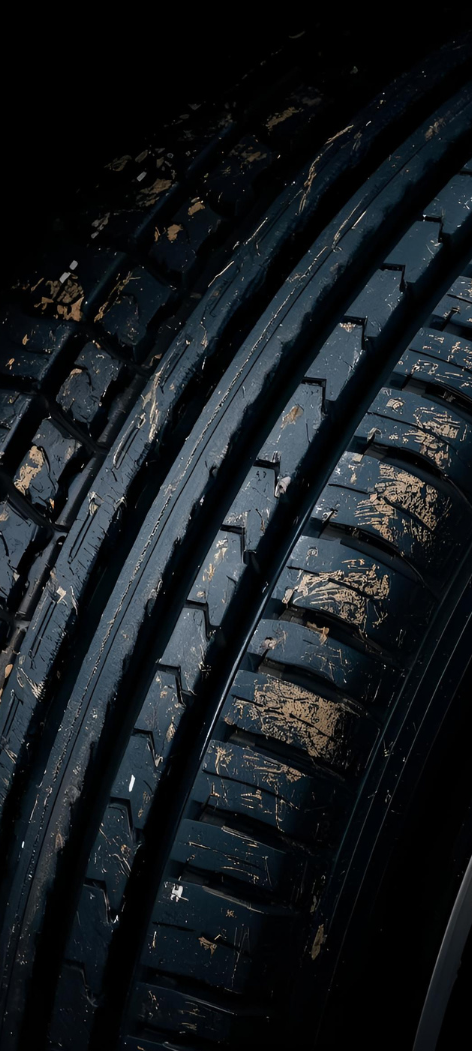
As rubber ages, cracks may develop in the sidewall or tread area. These cracks weaken the structural integrity of the tire. If the cracks deepen, they may lead to air loss or a sudden failure. This risk increases when tires are exposed to high temperatures, heavy loads, or high speeds. Even if the tread looks nearly new, the tire may no longer withstand everyday driving conditions safely.
Why Low Mileage Does Not Prevent Aging
Some drivers assume that low mileage means the tires are still in excellent condition. However, mileage is only one factor. A vehicle that is driven infrequently may actually experience faster rubber hardening because the tires remain stationary for long periods. Regular driving flexes the rubber and helps distribute protective compounds throughout the tread. Without this movement, aging can accelerate.
Additionally, vehicles that sit outdoors experience constant exposure to sunlight and heat.
UV rays can weaken rubber compounds over time. Even in shaded or covered areas, temperature fluctuations contribute to aging.

Signs That a Tire May Be Aging
Although early aging is not always visible, there are several signs that indicate a tire is losing its integrity:
- Small cracks in the sidewall or between tread blocks
- A stiff or brittle feel when pressing on the rubber
- Vibration during driving that is not caused by balancing issues
- Loss of traction despite adequate tread depth
- A manufacture date older than six years
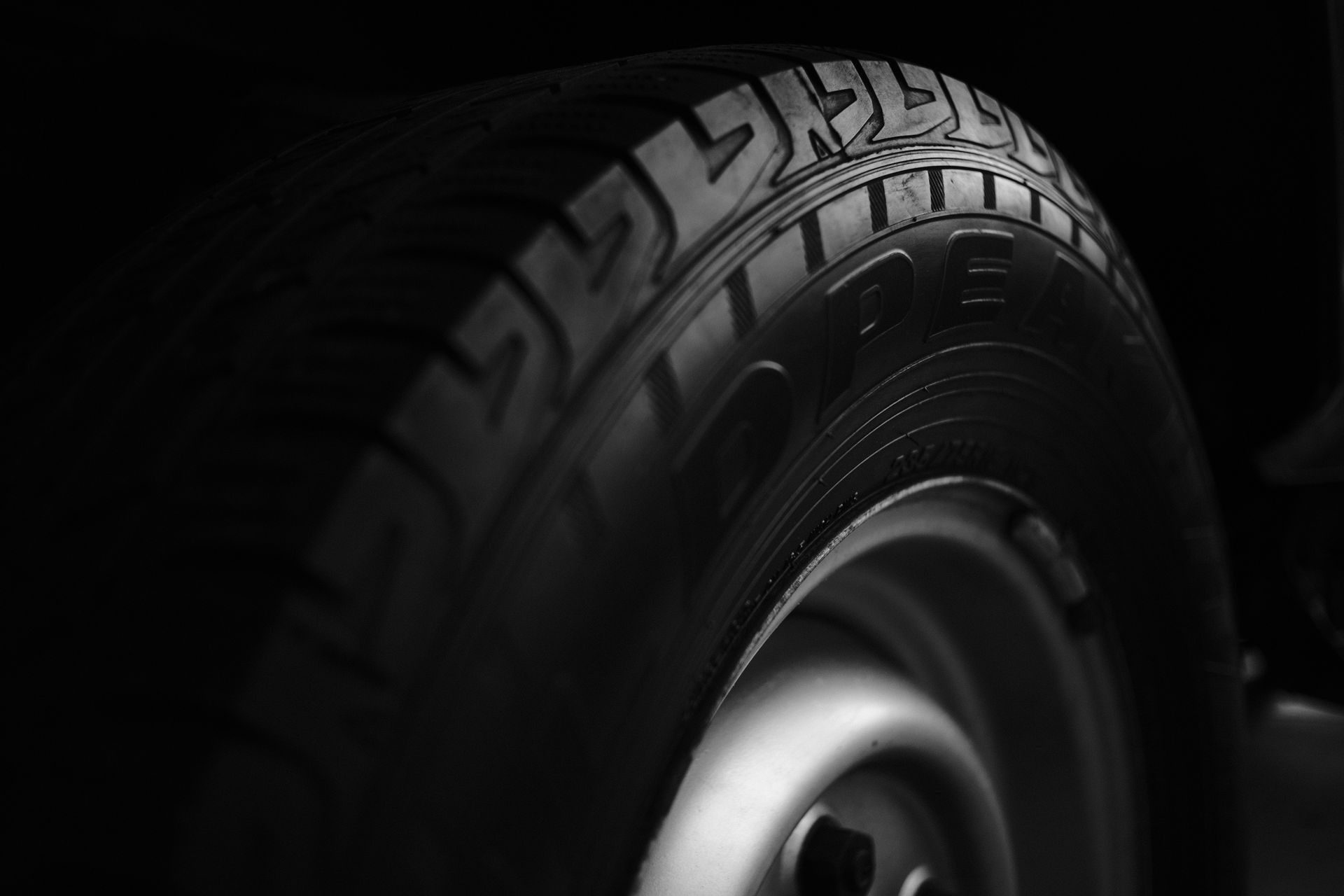
The manufacturing date is an important indicator. It is located on the tire sidewall as part of the
DOT code. Most manufacturers suggest that tires older than six to ten years should be inspected carefully or replaced, regardless of appearance.

The Value of Professional Tire Inspection
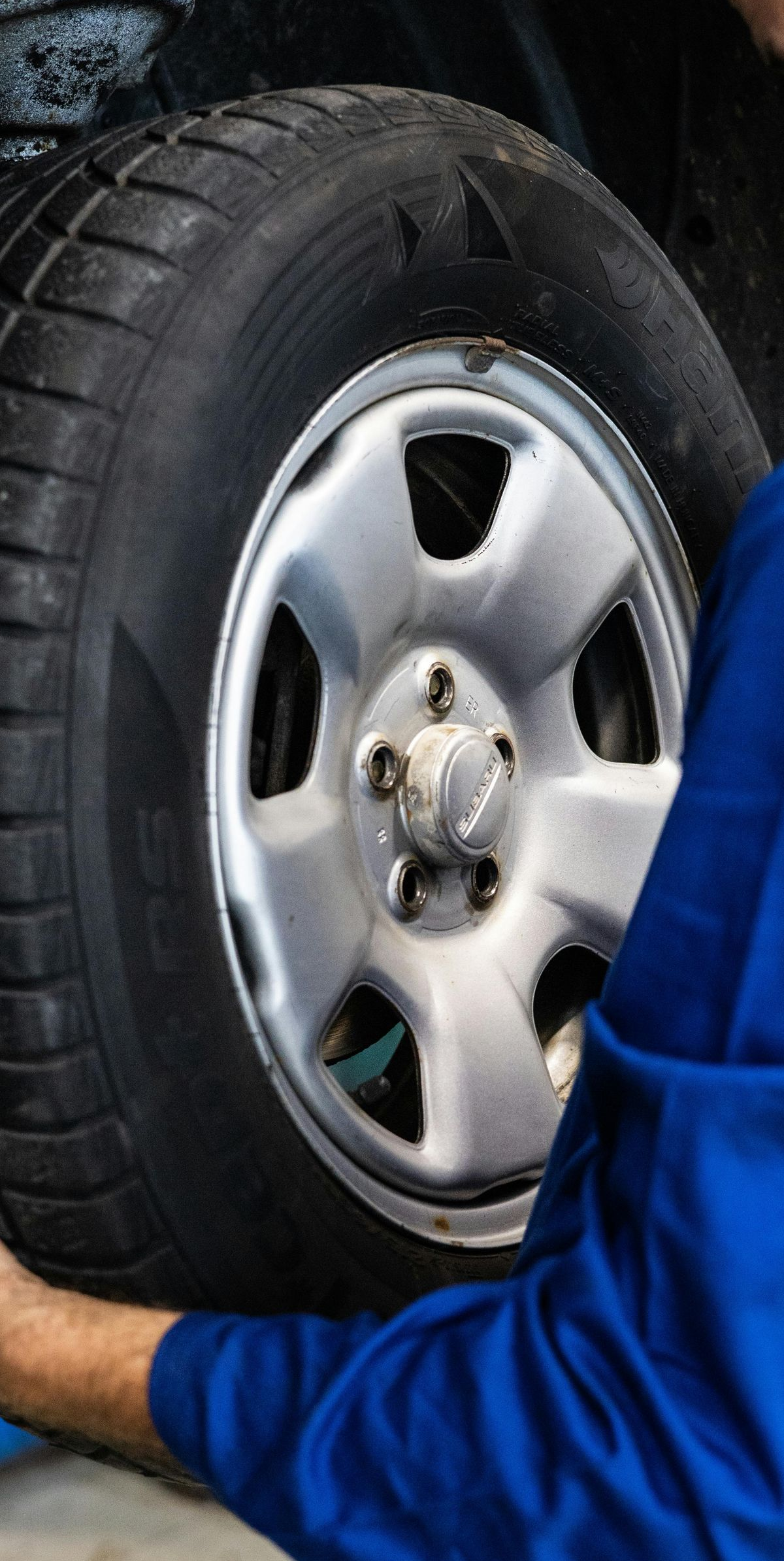
Professional inspection is essential because trained technicians can identify aging signs that may not be obvious. At Raymond’s Tire Shop, we evaluate the age, condition, and structural safety of each tire. We look for sidewall cracking, rubber stiffness, internal separation, and heat damage. This evaluation helps drivers make informed decisions about replacement.
Replacing an aging tire before it fails is always safer and more cost effective than waiting until a problem arises. New tires restore traction, improve handling, and enhance driving confidence in every season.
Supporting Safe and Reliable Driving
Tire tread is important, but tire age plays an equally significant role in safety. A tire may look acceptable externally while its internal structure is no longer capable of performing as intended. By understanding how tires age and by seeking regular inspections, drivers can prevent unexpected failures and maintain dependable performance on the road. At Raymond’s Tire Shop, we are committed to helping every customer stay safe with tires that meet the demands of daily driving.