Comprender los índices de carga y velocidad al seleccionar llantas nuevas
La conexión crítica entre el desgaste de los neumáticos y la seguridad vial
Seleccionar llantas nuevas implica mucho más que elegir una marca o un diseño de banda de rodadura. Dos factores importantes, los índices de carga y los índices de velocidad, desempeñan un papel fundamental en determinar qué tan bien funcionará una llanta para su vehículo. Estos índices ayudan a garantizar que las llantas que elija puedan manejar de manera segura el peso de su vehículo y las velocidades a las que conduce habitualmente. En Raymond’s Tire Shop, queremos que nuestros clientes comprendan estos índices para que puedan tomar decisiones informadas y elegir llantas que ofrezcan seguridad, durabilidad y un rendimiento confiable.
Qué representan los índices de carga
El índice de carga de una llanta indica el peso máximo que puede soportar de manera segura cuando está correctamente inflada. A cada llanta se le asigna un número de índice de carga, el cual corresponde a una capacidad de peso específica. Cuanto mayor sea el número, más peso podrá soportar la llanta. Este índice es esencial porque ayuda a garantizar que las llantas sean capaces de soportar el peso del vehículo, sus pasajeros y cualquier carga adicional.
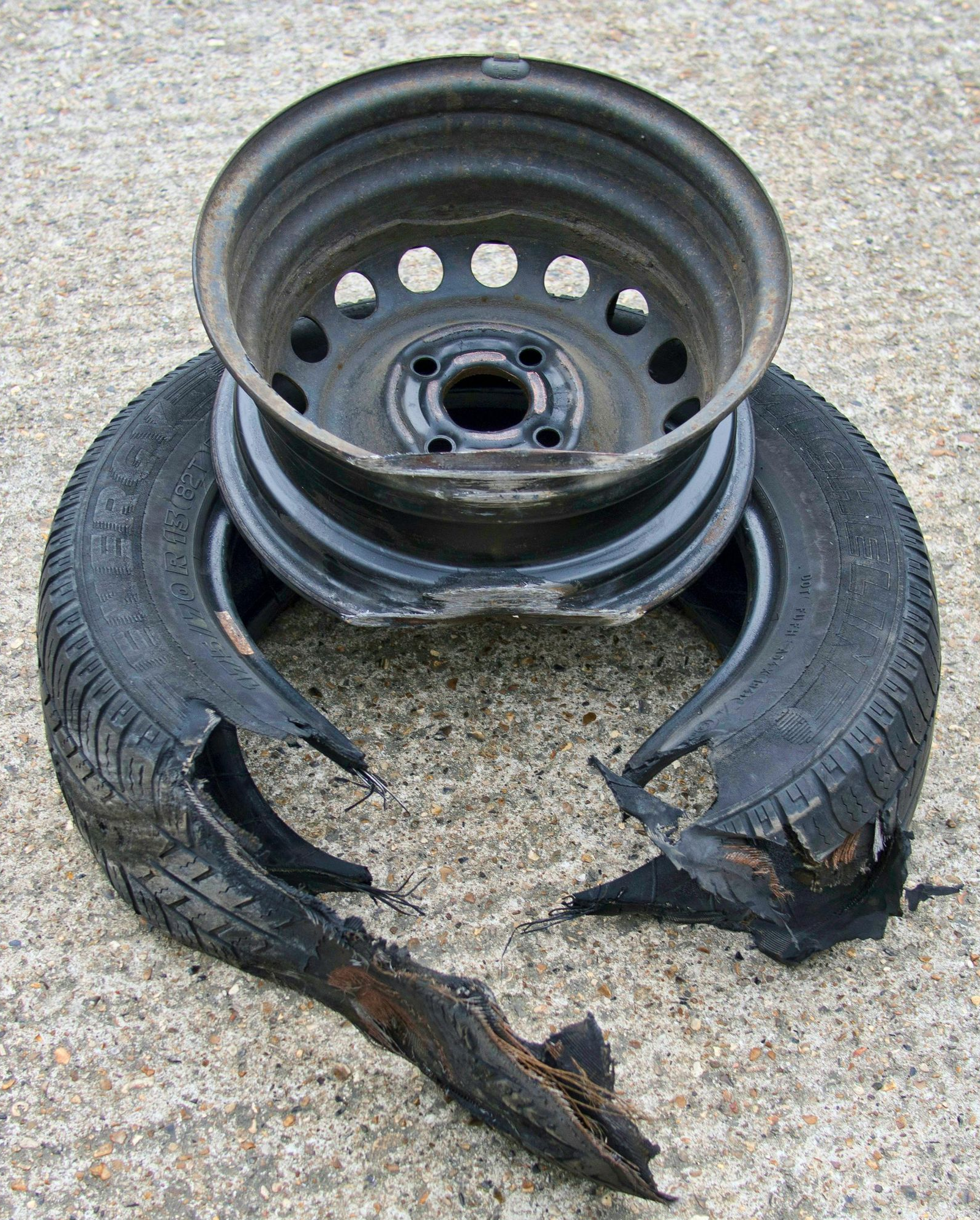
Seleccionar una llanta con un índice de carga inferior al que requiere su vehículo puede provocar desgaste excesivo, acumulación de calor y posibles fallas en la llanta. Las llantas sobrecargadas o con baja presión pueden deformarse mientras giran, lo que coloca tensión en su estructura interna. En nuestro taller, revisamos las recomendaciones del fabricante de su vehículo para asegurarnos de que el índice de carga coincida o supere el requisito especificado. Esto ofrece la confianza de que la llanta soportará su vehículo en condiciones de manejo diario.

Por qué los índices de carga son importantes para diferentes tipos de vehículos
Los diferentes vehículos tienen distintas exigencias de peso. Camionetas, SUVs, vans y vehículos utilizados para remolque requieren una mayor capacidad de carga en comparación con autos compactos o sedanes. Incluso dentro del mismo tipo de vehículo, el nivel de equipamiento, el tamaño del motor y los paquetes adicionales pueden influir en el peso total. Por ejemplo, los vehículos equipados con techos panorámicos, sistemas de sonido premium o motores más grandes suelen pesar más y pueden requerir llantas con índices de carga más altos.
Los conductores que transportan carga pesada o que regularmente llevan varios pasajeros también deben prestar mucha atención a los índices de carga. Elegir una llanta que cumpla con las necesidades del vehículo ayuda a mantener la estabilidad de la dirección, el rendimiento de frenado y la seguridad en general.

Comprender los índices de velocidad
Los índices de velocidad indican la velocidad máxima a la que una llanta puede transportar su carga especificada de manera segura. Estos índices se representan con letras como S, T, H, V y otras. Cada letra corresponde a una velocidad máxima específica bajo condiciones de prueba controladas. Aunque la velocidad máxima indicada pueda superar las velocidades típicas de manejo, seleccionar el índice correcto es importante para un rendimiento consistente.
Los índices de velocidad están influenciados por la construcción de la llanta, los compuestos de goma y el diseño. Una llanta con un índice de velocidad más alto generalmente proporciona mejor resistencia al calor, mejor manejo y mayor capacidad de respuesta. Incluso si no conduce a altas velocidades, usar una llanta con el índice de velocidad recomendado por el fabricante de su vehículo ayuda a mantener un rendimiento predecible en todas las condiciones.

Cómo elegir índices de velocidad según sus necesidades de manejo
Muchos vehículos de pasajeros vienen equipados con llantas clasificadas para velocidades más altas de las que la mayoría de los conductores alcanzarán. Esto se debe a que los índices de velocidad están relacionados con las características de manejo y el rendimiento general de la llanta. Los vehículos diseñados para una conducción más dinámica pueden requerir llantas con índices de velocidad más altos para mantener el control adecuado.
Los conductores que viajan con frecuencia por autopistas o que transportan cargas pesadas también se benefician al elegir llantas con el índice de velocidad adecuado, ya que los índices más altos suelen ofrecer mayor estabilidad durante la conducción prolongada. En Raymond’s Tire Shop, ayudamos a los clientes a combinar sus hábitos de manejo y los requisitos de su vehículo con el índice de velocidad correcto para que sus llantas funcionen bien bajo sus condiciones típicas.

Por qué estos índices son importantes al comprar llantas nuevas
Seleccionar llantas con los índices de carga y velocidad correctos ayuda a mantener la seguridad y el rendimiento del vehículo. Estos índices trabajan juntos para garantizar que la llanta pueda soportar tanto el peso físico del vehículo como el esfuerzo de conducir a diferentes velocidades. Elegir llantas por debajo de los índices recomendados por el fabricante puede provocar desgaste prematuro, menor estabilidad y mayor riesgo de fallas.
Las llantas que cumplen o superan las especificaciones del fabricante ayudan a preservar la efectividad de frenado, la estabilidad en curvas y la comodidad general de la conducción. También favorecen la duración de la llanta al garantizar que opere dentro de sus capacidades previstas.
Confianza a través de una selección informada de llantas
Comprender los índices de carga y velocidad ayuda a los conductores a tomar decisiones seguras al reemplazar sus llantas. En Raymond’s Tire Shop, guiamos a los clientes a través de estas especificaciones para que puedan elegir llantas que se adapten a las necesidades de su vehículo y a sus hábitos de manejo. Con la combinación correcta de capacidad de carga y rendimiento de velocidad, su vehículo se sentirá más estable, más receptivo y más seguro en cada viaje.
Avanzando con el soporte adecuado
Elegir la llanta correcta es una inversión en seguridad y rendimiento a largo plazo. Cuando comprende el significado detrás de los índices de carga y velocidad, puede seleccionar llantas que ofrezcan el soporte, la resistencia y la confiabilidad que su vehículo necesita. Nuestro equipo está aquí para ayudarlo a evaluar sus opciones y a encontrar llantas que lo mantengan protegido y seguro en el camino