Prepara tus neumáticos para el invierno
Conducción invernal en Boston más segura
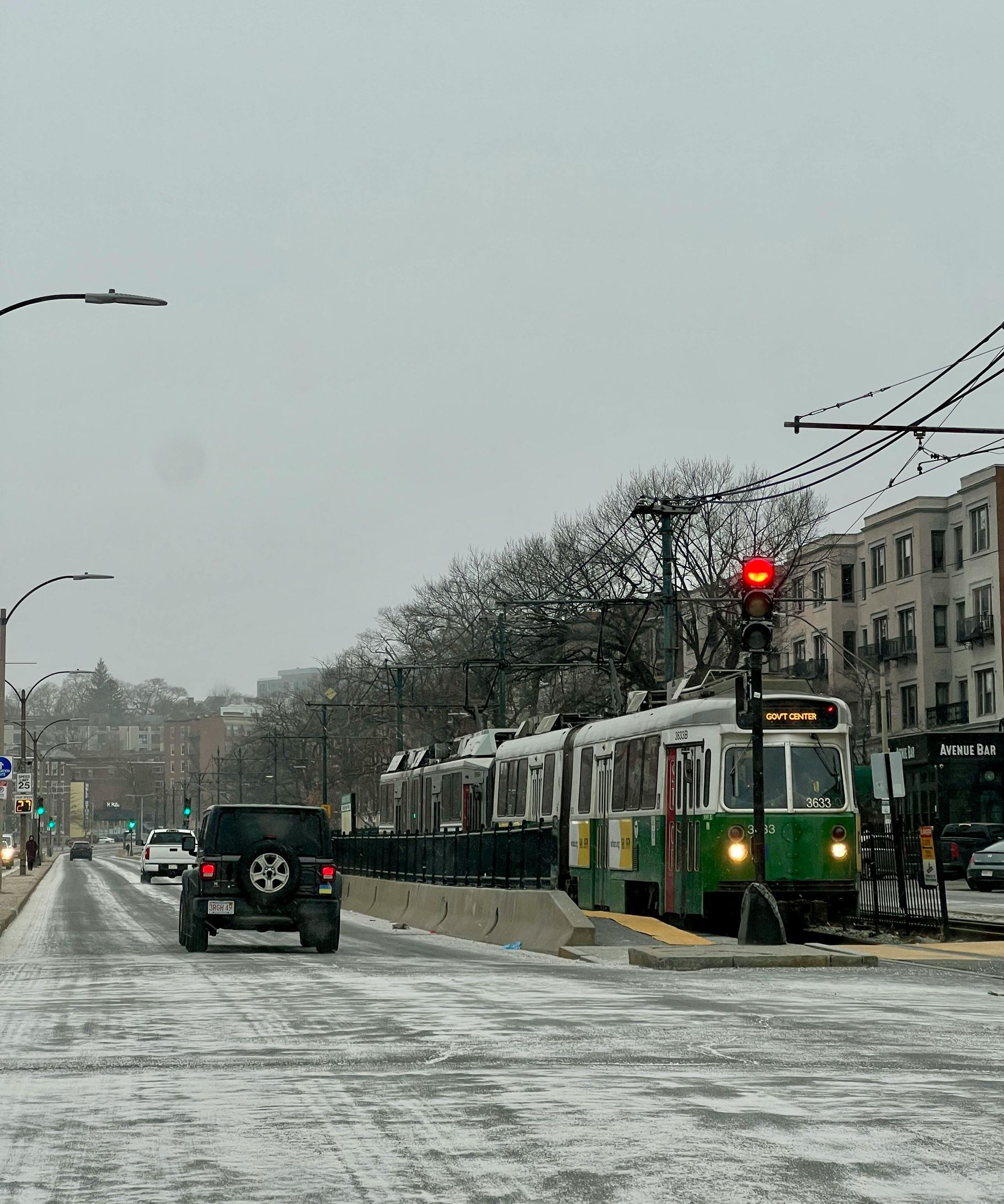
Los inviernos en Boston no son para los débiles. Entre la lluvia helada, las carreteras cubiertas de hielo y las tormentas de nieve repentinas, conducir durante los meses fríos puede pasar rápidamente de ser algo rutinario a ser peligroso. Tus neumáticos son la primera línea de defensa contra estas condiciones, y si no están en buenas condiciones, incluso el conductor más experimentado puede perder el control en una superficie resbaladiza. Preparar tus neumáticos antes de que llegue el mal tiempo es una de las formas más efectivas de mantenerte seguro y evitar daños costosos. En Raymond’s Tire Shop, ayudamos a los conductores de todo Boston a prepararse para el invierno con inspecciones, reemplazos y servicios de mantenimiento de neumáticos realizados por expertos, garantizando que los vehículos se mantengan confiables cuando bajan las temperaturas.

Cómo afectan las condiciones invernales a tus neumáticos
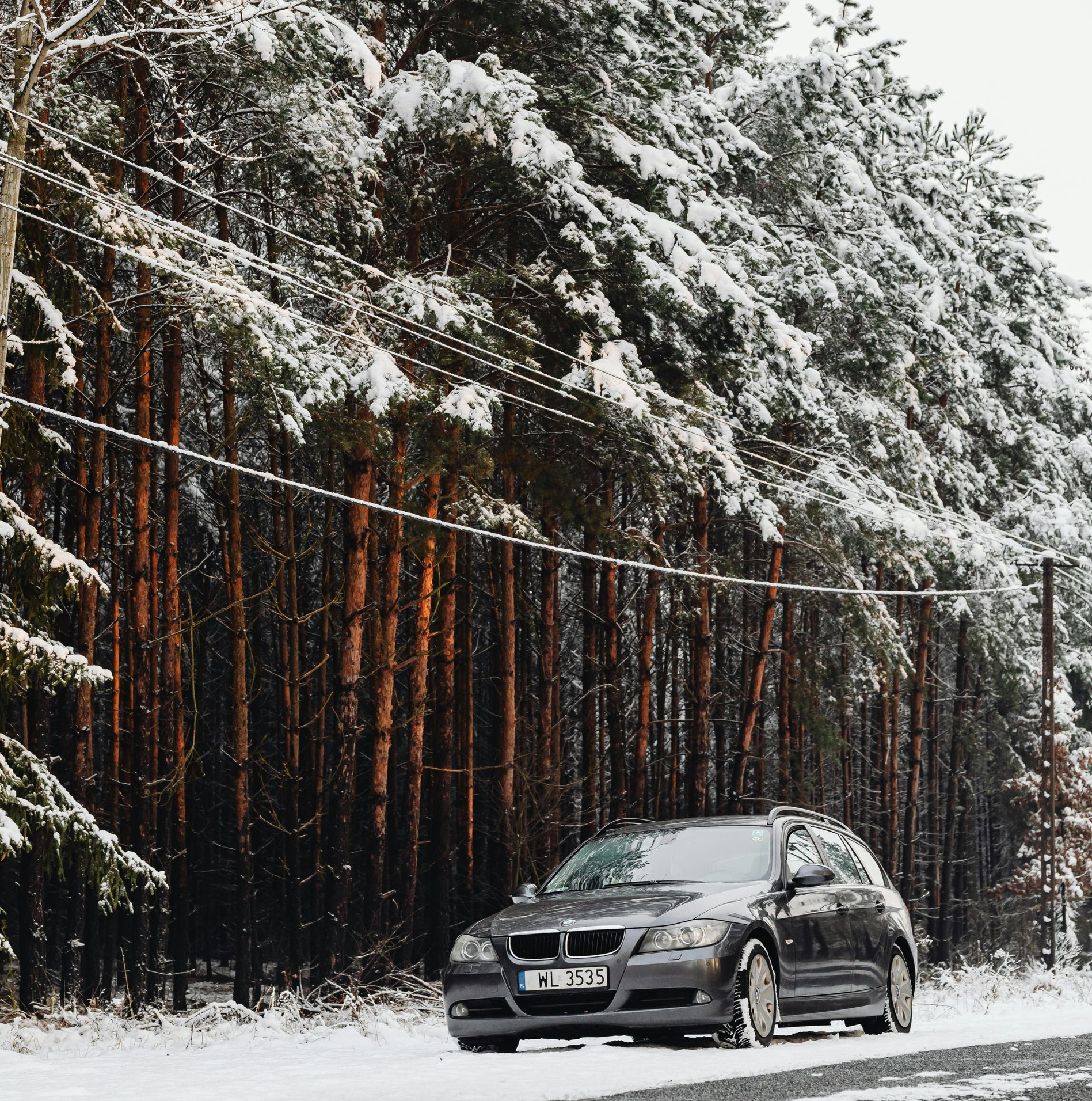
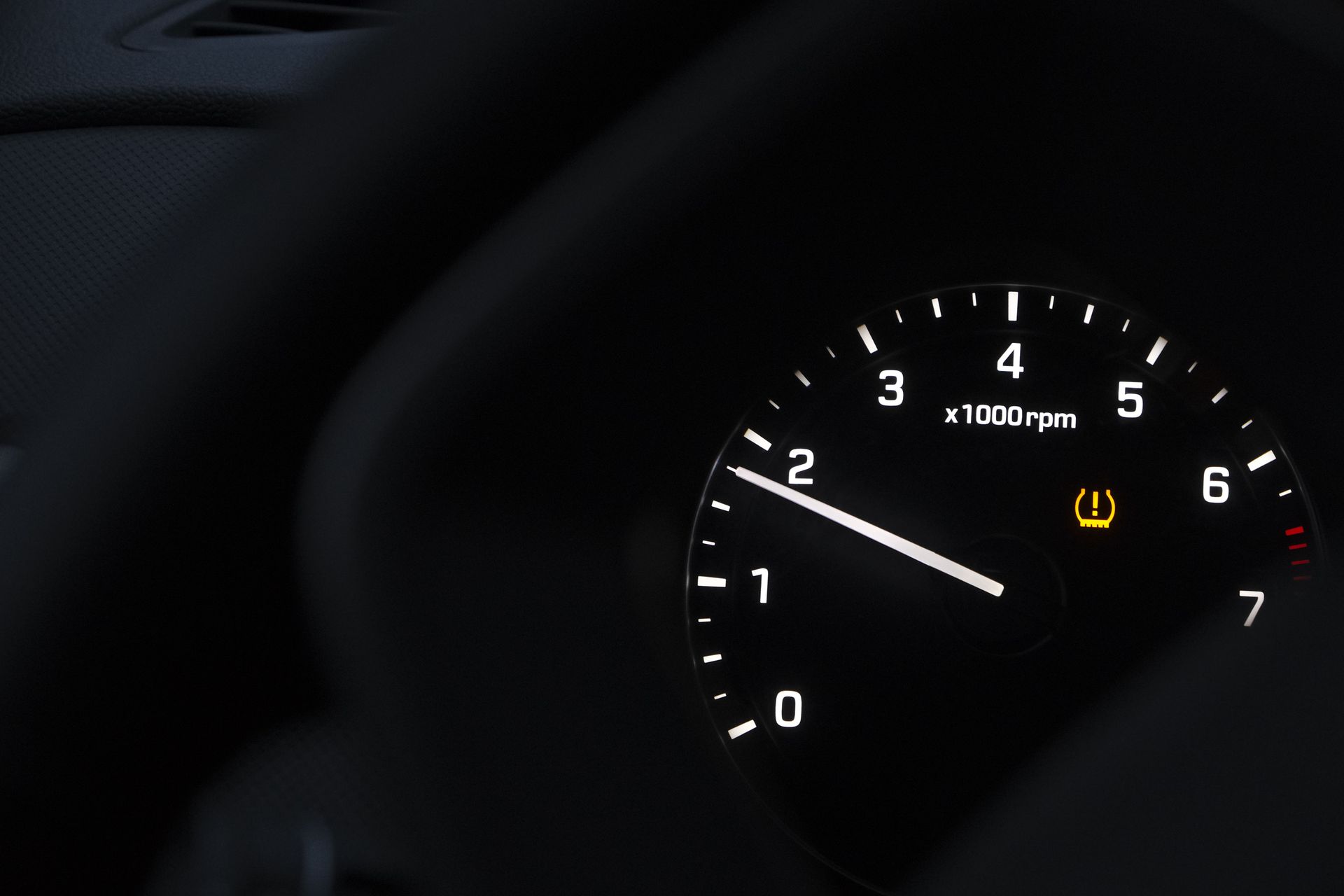
El clima frío tiene un impacto directo en el rendimiento de los neumáticos. A medida que bajan las temperaturas, el aire dentro de los neumáticos se contrae, lo que hace que la presión disminuya. Los neumáticos con baja presión reducen la tracción, aumentan la resistencia al rodamiento y hacen que el vehículo sea más difícil de controlar, especialmente al girar o frenar sobre hielo.
Además de la baja presión, la mezcla de nieve, aguanieve y sal en las calles de Boston daña el caucho de los neumáticos. La sal y los productos químicos para derretir el hielo aceleran el desgaste, y las condiciones de congelación hacen que el caucho sea menos flexible, reduciendo el agarre sobre la carretera. Cuando los neumáticos ya están desgastados o desequilibrados, estos problemas se agravan, lo que dificulta aún más mantener la tracción y el control.
Los peligros de conducir con neumáticos desgastados
Conducir con neumáticos en mal estado durante el invierno representa un grave riesgo para la seguridad. Los neumáticos lisos o con baja presión no pueden evacuar el agua y la nieve de manera eficiente, lo que aumenta la probabilidad de hidroplaneo. Una menor profundidad del dibujo también significa menos agarre sobre el hielo, lo que provoca distancias de frenado más largas y una mayor probabilidad de derrapar en una frenada repentina.
En las condiciones invernales impredecibles de Boston, estos riesgos se intensifican. El hielo negro, los montones de nieve y la lluvia helada pueden aparecer sin previo aviso. Sin una tracción adecuada, incluso un trayecto corto puede convertirse en una situación peligrosa. Mantener los neumáticos en buen estado no solo se trata del rendimiento del vehículo, sino de protegerte a ti, a tus pasajeros y a todos los demás en la carretera.
Pasos para preparar tus neumáticos para el invierno
- Inspecciona la profundidad del dibujo:
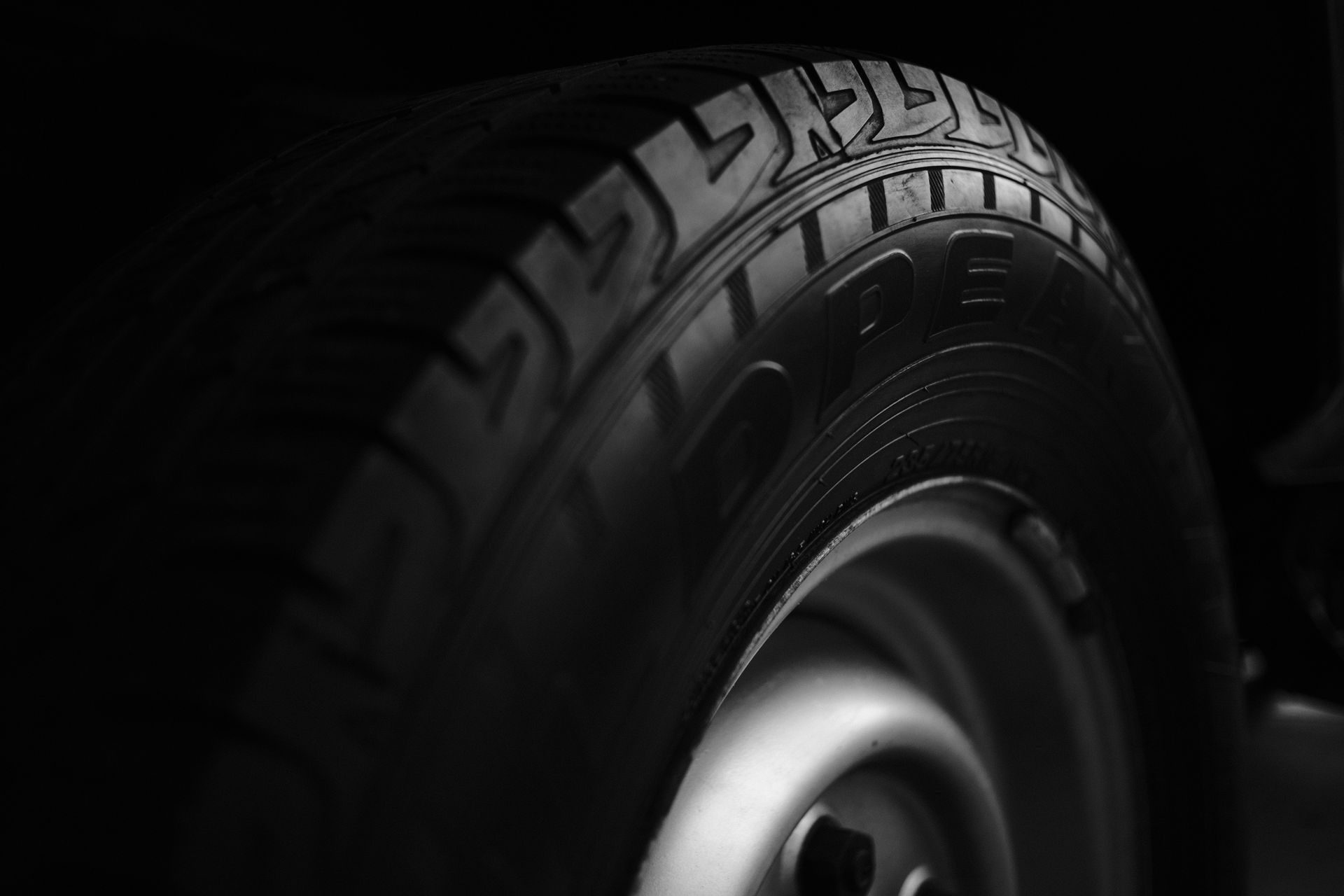
El dibujo del neumático es lo que se adhiere al pavimento, por lo que debe ser lo suficientemente profundo para manejar la nieve y el hielo. Usa un medidor de profundidad o la prueba del centavo: si puedes ver la parte superior de la cabeza de Lincoln, es momento de reemplazar el neumático. Para conducir en invierno, cuanto más profundo sea el dibujo, mejor. - Verifica la presión de los neumáticos regularmente:
La presión del aire disminuye cuando bajan las temperaturas. Revísala al menos una vez al mes y siempre antes de viajes largos. Consulta el manual de tu vehículo para conocer la presión recomendada (PSI) y mantenla de manera constante. - Rota y balancea tus neumáticos:
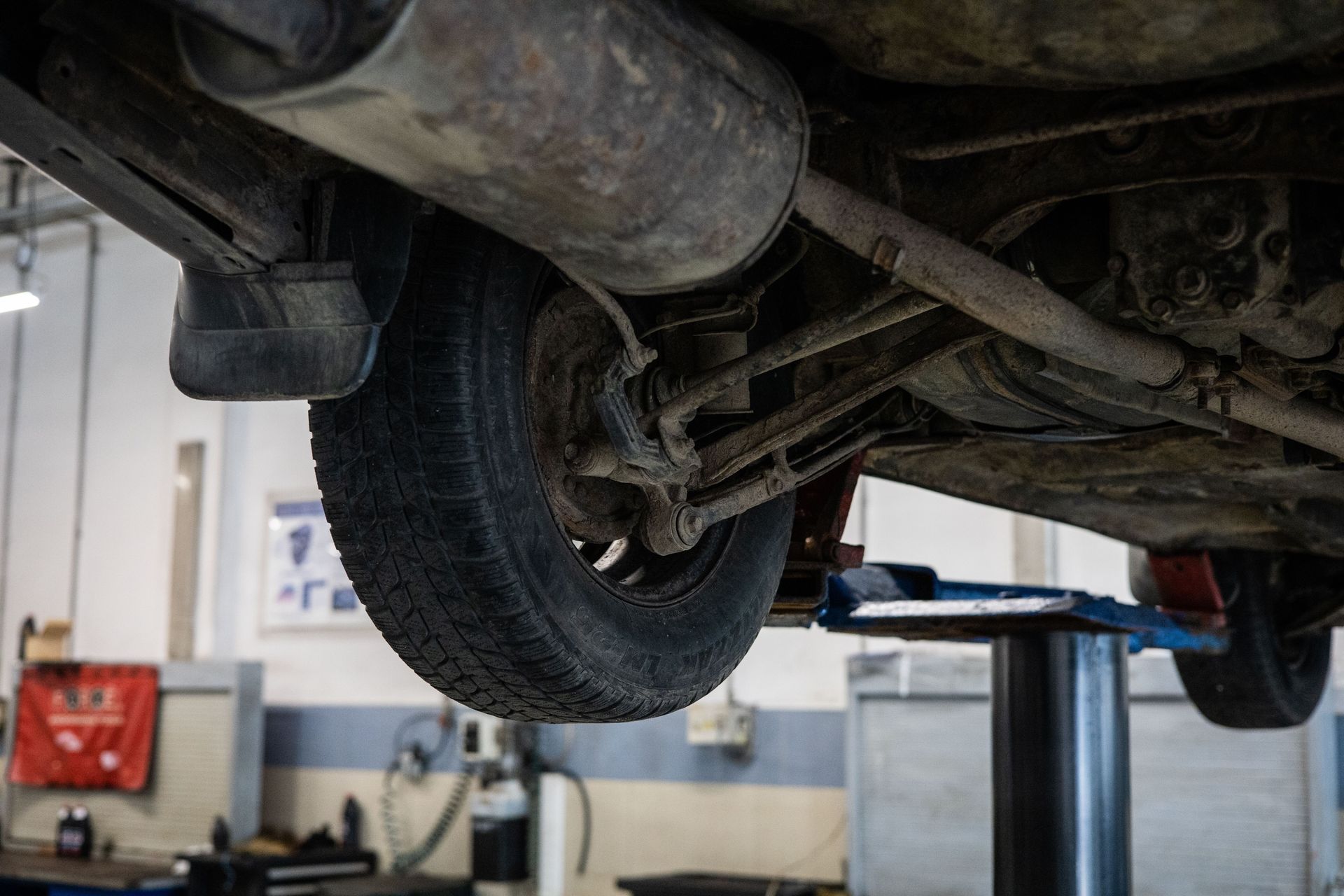
La rotación de los neumáticos garantiza un desgaste uniforme, mientras que el balanceo evita vibraciones y tracción desigual. Ambos servicios son esenciales para mantener el control del vehículo durante la conducción invernal. - Considera neumáticos de invierno:
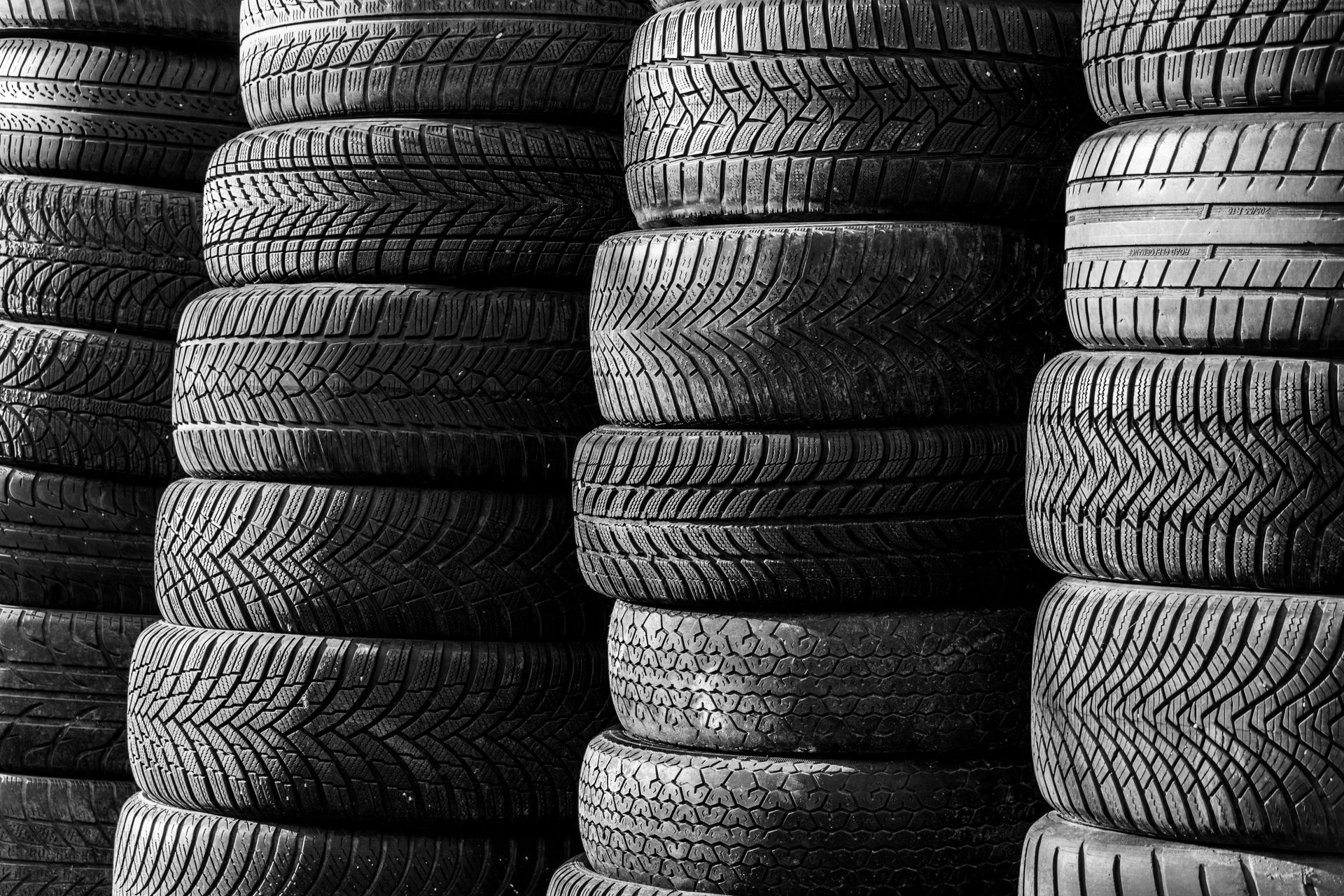
Los neumáticos para todas las estaciones pueden soportar temperaturas frías moderadas, pero los neumáticos de invierno están diseñados específicamente para la nieve y el hielo. Su compuesto de caucho más blando se mantiene flexible a bajas temperaturas, y su dibujo más profundo proporciona un agarre superior. - Inspecciona si hay daños:
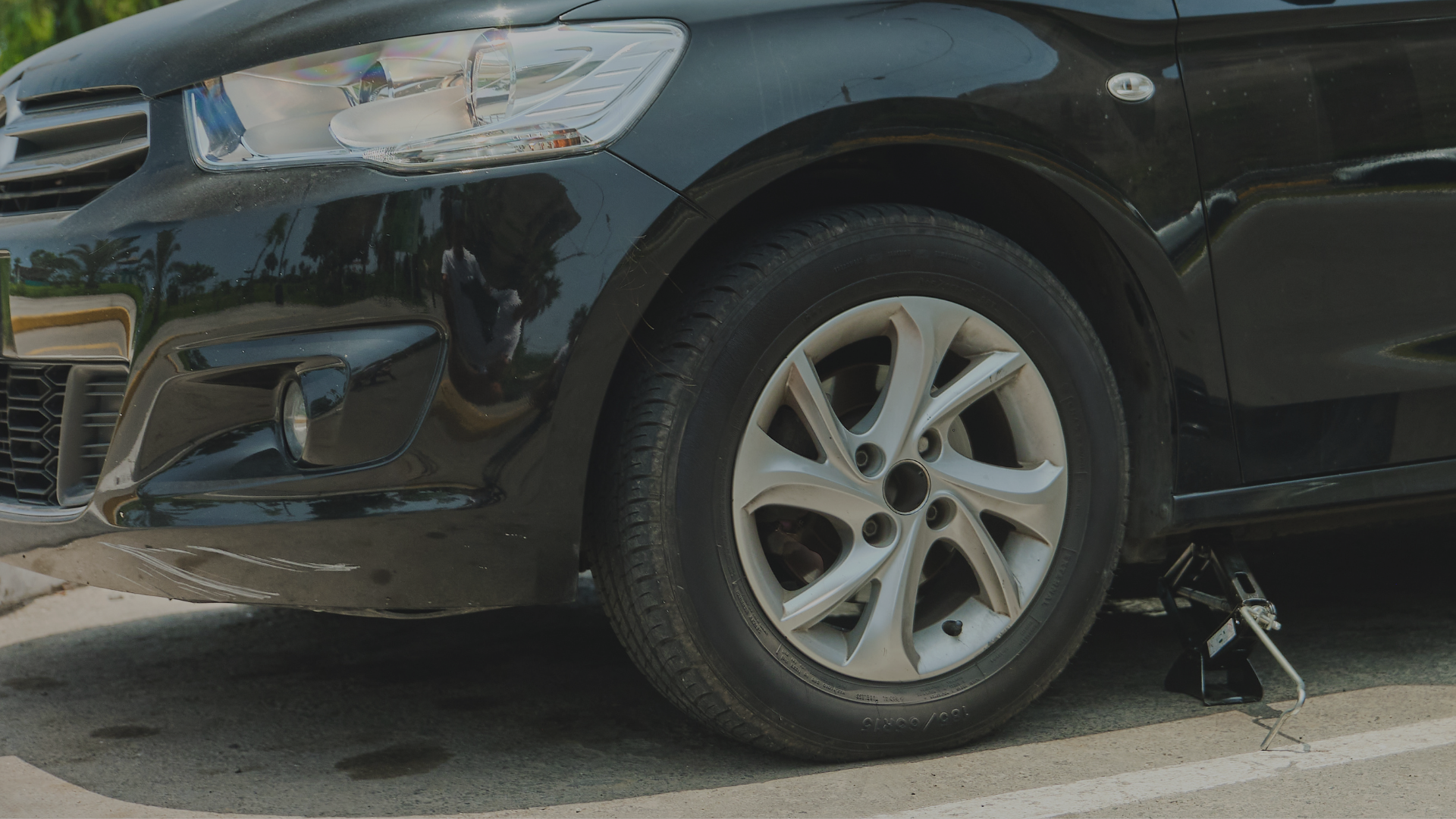
Busca grietas, protuberancias u objetos incrustados. Incluso las perforaciones pequeñas pueden causar fugas que empeoran con el frío.

Cómo puede ayudarte Raymond’s Tire Shop
En Raymond’s Tire Shop, sabemos que la preparación es la clave para una conducción segura en invierno. Nuestros técnicos realizan inspecciones completas de los neumáticos para evaluar la profundidad del dibujo, la presión y el estado general. Si tus neumáticos necesitan ser reemplazados, ofrecemos una amplia selección de marcas de calidad adecuadas para las exigentes carreteras invernales de Boston.
También realizamos servicios de rotación, balanceo y alineación para garantizar un desgaste uniforme y una tracción óptima. Para los conductores que buscan la mejor protección, te ayudamos a elegir e instalar neumáticos de invierno diseñados específicamente para un rendimiento confiable en climas fríos. Cada servicio se realiza con precisión, asegurando que tu vehículo esté listo para enfrentar la nieve, el aguanieve y el hielo con confianza.
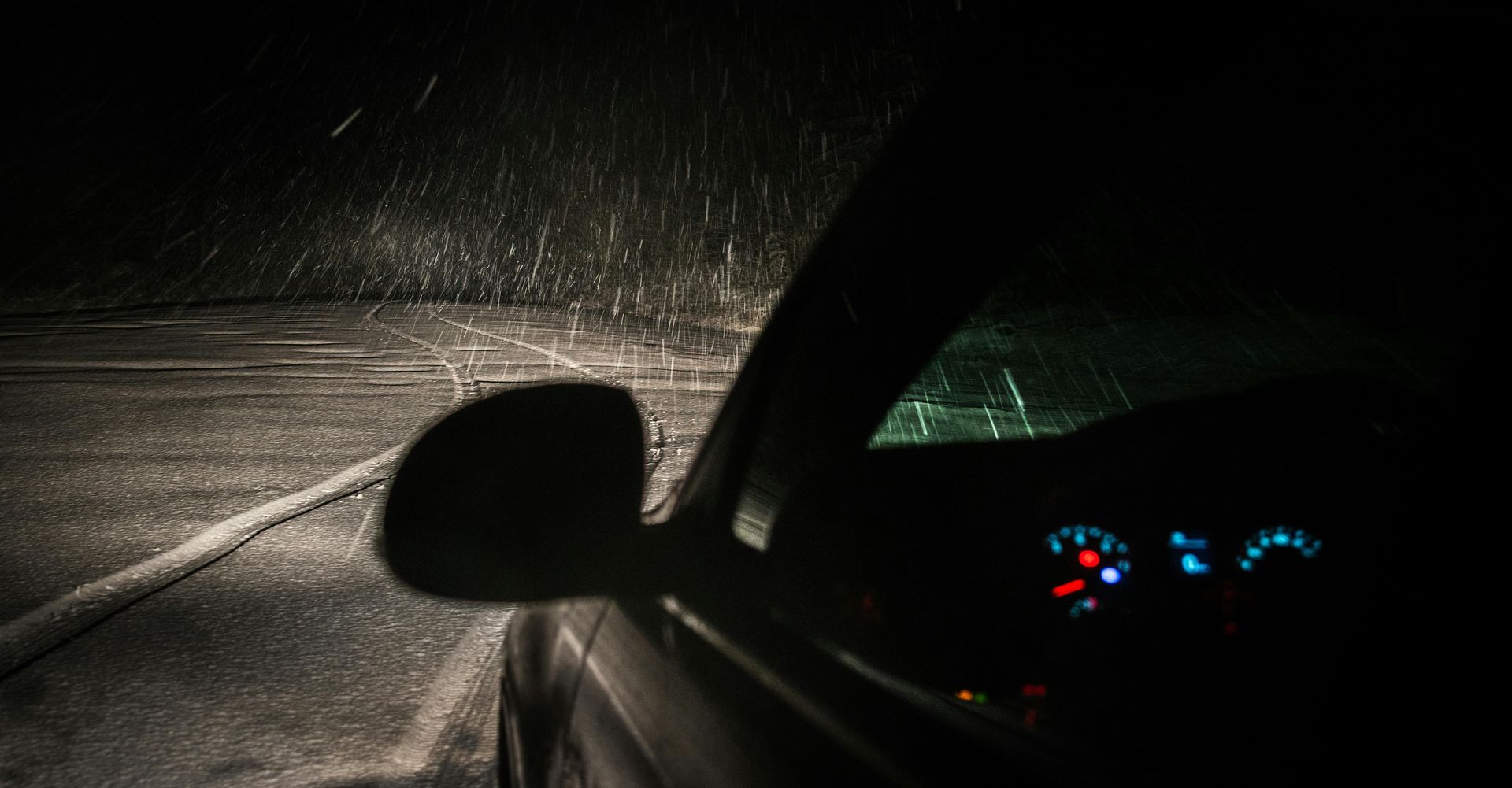
Mantente seguro este invierno
El mantenimiento de los neumáticos puede parecer algo rutinario, pero en invierno puede ser la diferencia entre llegar a salvo o perder el control en una calle helada. Un poco de preparación ahora puede prevenir averías, mejorar la eficiencia del combustible y brindarte tranquilidad durante toda la temporada.
Antes de que empiece a nevar, visita Raymond’s Tire Shop en Boston para una revisión completa de tus neumáticos y asesoramiento experto sobre cómo prepararte para el invierno. Nuestro equipo está aquí para ayudarte a mantenerte seguro, ahorrar dinero y disfrutar de una conducción más suave, sin importar cuán severo sea el clima.