Prepare seus pneus para o inverno
Dirigir no inverno em Boston com mais segurança
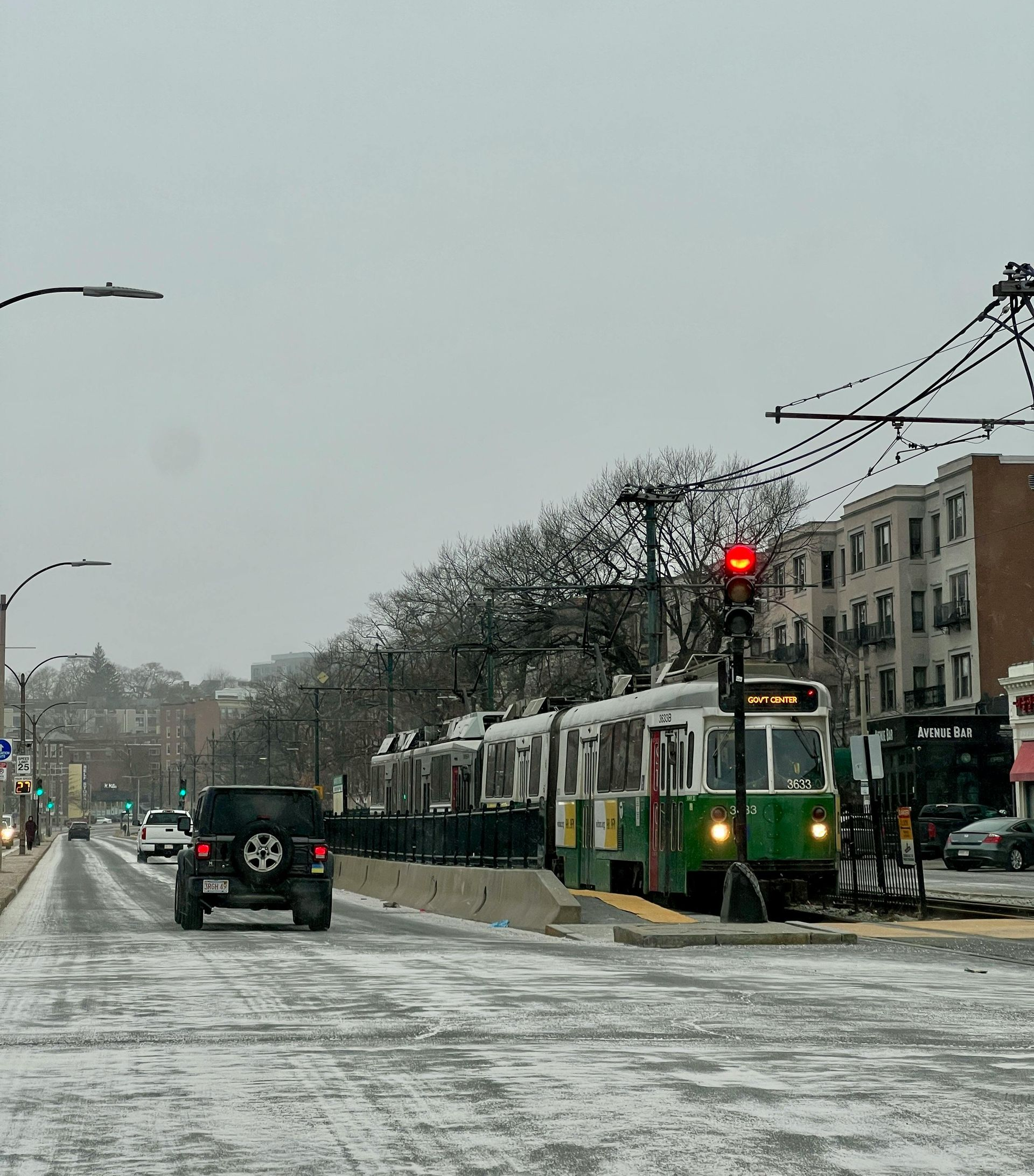
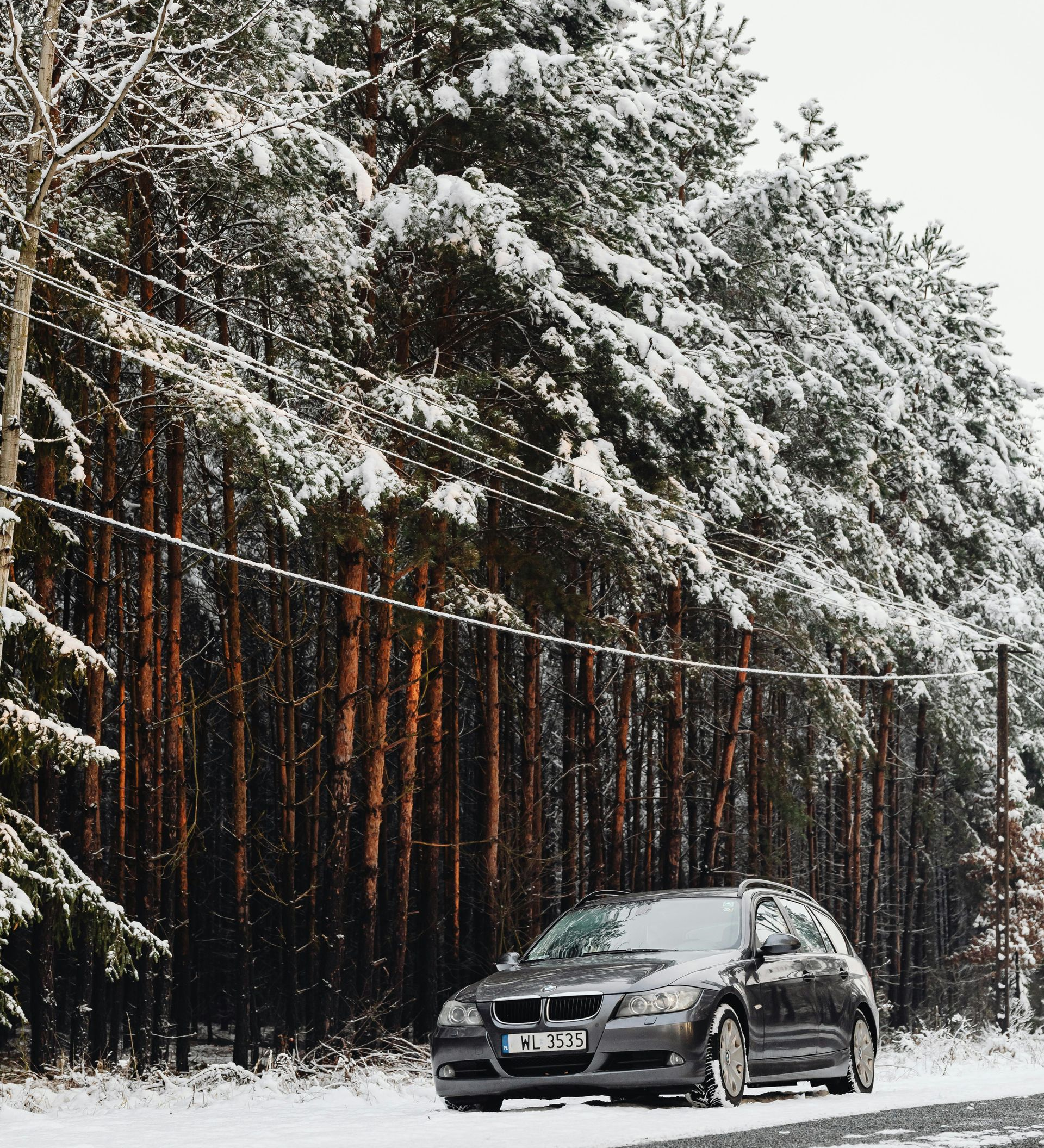
Os invernos de Boston não são para os fracos. Entre a chuva congelante, as estradas cobertas de gelo e as tempestades de neve repentinas, dirigir durante os meses frios pode rapidamente deixar de ser uma rotina para se tornar um risco. Seus pneus são a primeira linha de defesa contra essas condições, e se não estiverem em bom estado, até mesmo o motorista mais experiente pode perder o controle em uma pista escorregadia. Preparar seus pneus antes que o pior clima chegue é uma das maneiras mais eficazes de se manter seguro e evitar danos caros. Na Raymond’s Tire Shop, ajudamos motoristas em toda Boston a se prepararem para o inverno com inspeções, substituições e serviços de manutenção de pneus realizados por especialistas, garantindo que os veículos continuem confiáveis quando as temperaturas caem.

Como as condições de inverno afetam seus pneus
O frio tem um impacto direto no desempenho dos pneus. À medida que as temperaturas diminuem, o ar dentro dos pneus se contrai, fazendo com que a pressão caia. Pneus com baixa pressão reduzem a tração, aumentam a resistência ao rolamento e dificultam o controle do veículo, especialmente ao fazer curvas ou frear em estradas escorregadias.
Além da baixa pressão, a combinação de neve, lama e sal usada nas ruas de Boston desgasta o borracha dos pneus. O sal e os produtos químicos descongelantes aceleram o desgaste, e as temperaturas congelantes tornam a borracha menos flexível, reduzindo a aderência à estrada. Quando os pneus já estão desgastados ou desequilibrados, esses problemas se agravam, tornando ainda mais difícil manter a tração e o controle.
Os perigos de dirigir com pneus desgastados
Dirigir com pneus ruins no inverno é um risco sério à segurança. Pneus carecas ou com baixa pressão não conseguem eliminar eficientemente a água e a lama, o que aumenta a probabilidade de aquaplanagem. A profundidade reduzida dos sulcos também significa menos aderência no gelo, resultando em maiores distâncias de frenagem e maior chance de derrapagem em frenagens repentinas.
Nas condições de inverno imprevisíveis de Boston, esses riscos são amplificados. Gelo negro, montes de neve e chuva congelante podem surgir sem aviso. Sem a tração adequada, até mesmo um trajeto curto pode se tornar perigoso. Manter seus pneus em boas condições não é apenas uma questão de desempenho do veículo — é uma questão de segurança para você, seus passageiros e todos os outros na estrada.
Etapas para preparar seus pneus para o inverno
- Verifique a profundidade dos sulcos:
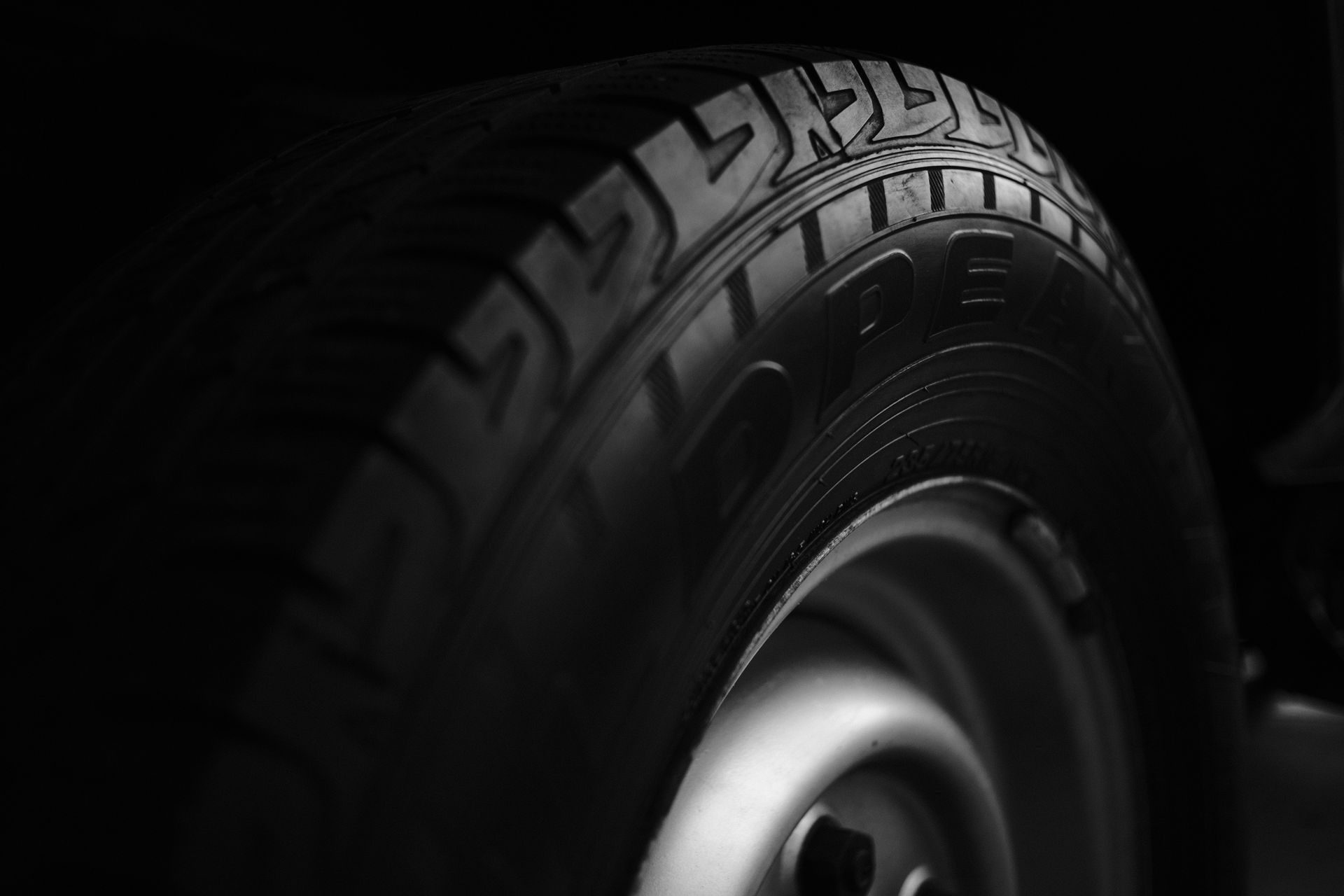
Os sulcos dos pneus são responsáveis pela aderência à estrada, por isso precisam ser profundos o suficiente para lidar com neve e gelo. Use um medidor de profundidade ou o teste da moeda: se você consegue ver o topo da cabeça de Lincoln, está na hora de trocar o pneu. Para dirigir no inverno, quanto mais profundos os sulcos, melhor. - Verifique a pressão dos pneus regularmente:
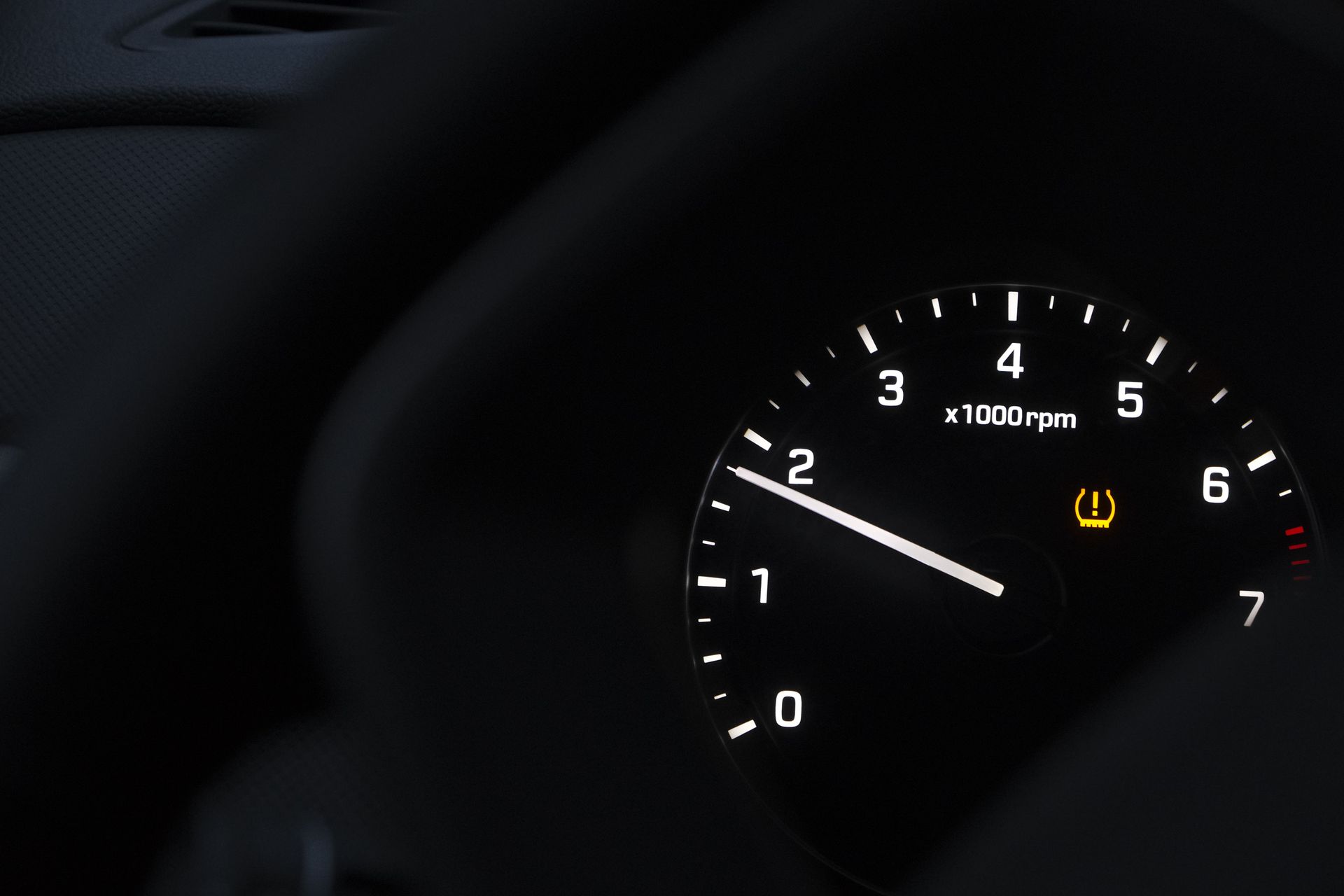
A pressão cai à medida que a temperatura diminui. Verifique-a pelo menos uma vez por mês e sempre antes de viagens longas. Consulte o manual do veículo para saber a pressão recomendada (PSI) e mantenha esse nível de forma consistente. - Faça o rodízio e o balanceamento dos pneus:
O rodízio dos pneus garante desgaste uniforme, enquanto o balanceamento evita vibrações e tração desigual. Ambos são essenciais para manter o controle do veículo durante a condução no inverno. - Considere pneus de inverno:
Os pneus para todas as estações podem lidar com frio moderado, mas os pneus de inverno são projetados especificamente para neve e gelo. Seu composto de borracha mais macio permanece flexível em baixas temperaturas, e os sulcos mais profundos proporcionam melhor aderência. - Inspecione os pneus quanto a danos:
Procure rachaduras, bolhas ou objetos presos. Mesmo pequenos furos podem causar vazamentos que pioram com o frio.

Como a Raymond’s Tire Shop pode ajudar
Na Raymond’s Tire Shop, sabemos que a preparação é a chave para uma direção segura no inverno. Nossos técnicos realizam inspeções completas para avaliar a profundidade dos sulcos, a pressão e o estado geral dos pneus. Se for necessário trocar os pneus, oferecemos uma ampla seleção de marcas de qualidade adequadas às exigentes estradas de inverno de Boston.
Também realizamos serviços de rodízio, balanceamento e alinhamento para garantir desgaste uniforme e tração máxima. Para quem busca a melhor proteção, ajudamos a escolher e instalar pneus de inverno projetados especialmente para desempenho em clima frio. Cada serviço é realizado com precisão, garantindo que seu veículo esteja pronto para enfrentar neve, lama e gelo com segurança e confiança.

Mantenha-se seguro neste inverno
A manutenção dos pneus pode parecer algo rotineiro, mas no inverno, pode ser a diferença entre chegar em segurança ou perder o controle em uma estrada congelada. Um pouco de preparação agora pode evitar panes, melhorar a eficiência do combustível e proporcionar tranquilidade durante toda a estação.
Antes que a neve comece a cair, visite a Raymond’s Tire Shop em Boston para uma verificação completa dos pneus e conselhos especializados sobre como preparar seu veículo para o inverno. Nossa equipe está aqui para ajudá-lo a se manter seguro, economizar dinheiro e desfrutar de uma direção mais suave — não importa o quão rigoroso o inverno seja.