Why Regular Tire Rotation Extends the Life of Your Tires

The Key to Safer, Longer-Lasting Performance

Tires are one of the most important components of any vehicle, yet they are often among the most overlooked. They are the only parts of your car that make contact with the road, influencing everything from handling and braking to fuel efficiency and comfort. Regular tire rotation is one of the simplest and most effective ways to ensure that your tires perform safely and last as long as possible.


What Is Tire Rotation?

Tire rotation is the process of moving each tire from one position on the vehicle to another, such as from front to back or side to side. The purpose of this routine maintenance is to ensure that all tires wear evenly. Because each tire performs a slightly different role depending on the drivetrain and vehicle weight distribution, they tend to wear at different rates.


For example, in a front-wheel-drive vehicle, the front tires handle both steering and the majority of the engine’s power, which causes them to wear more quickly. By rotating the tires periodically, wear patterns are distributed more evenly across all four tires. This helps maximize their lifespan and maintain consistent performance.

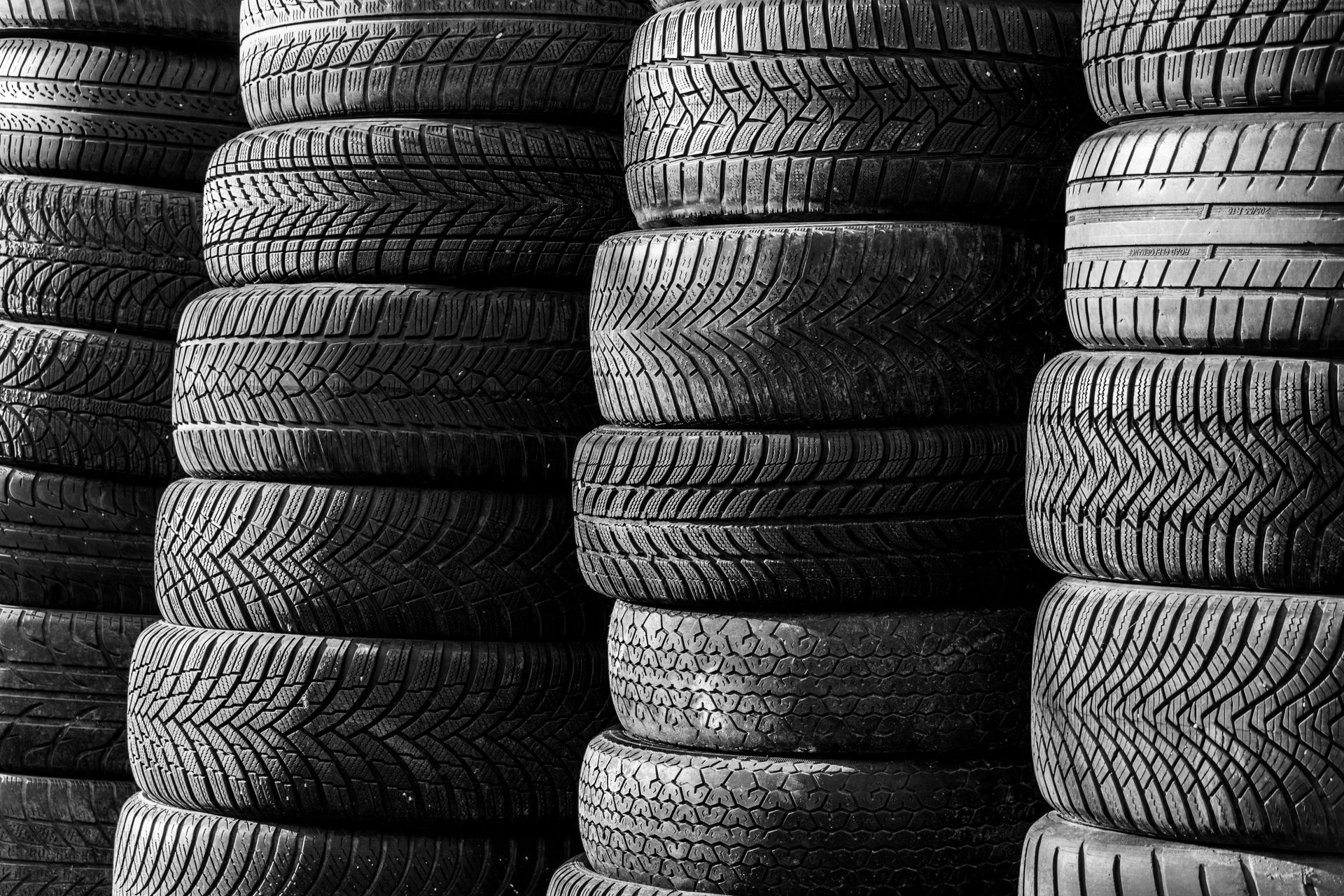
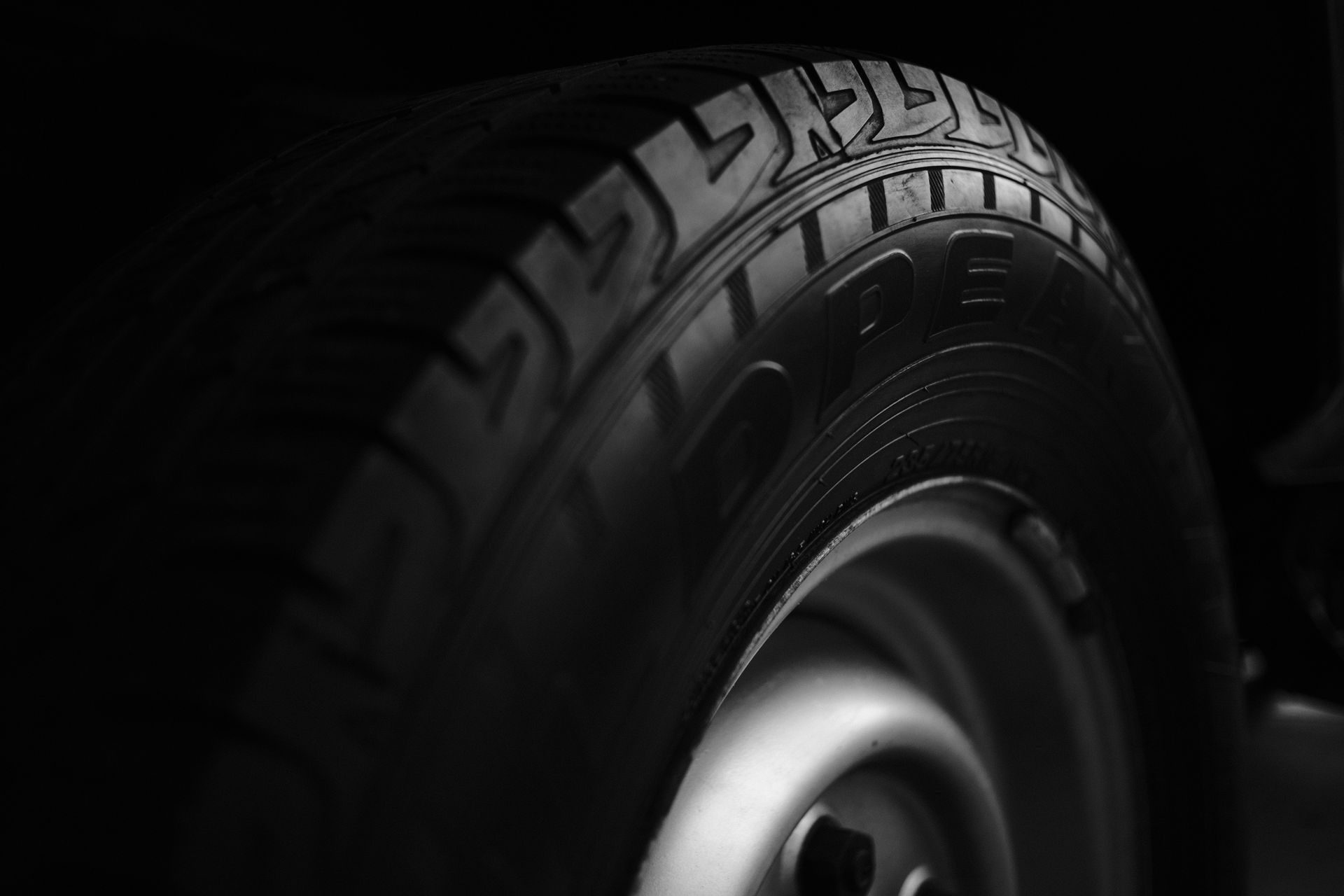
Close-up of a worn tire with a textured tread pattern, showing wear and tear.

Why Uneven Tire Wear Matters

Uneven wear can affect far more than appearance. When certain tires wear down faster than others, the vehicle’s balance and traction begin to suffer. You may notice vibrations, pulling to one side, or longer stopping distances, especially on wet or icy roads. In Boston’s unpredictable weather, these small differences can translate into significant safety concerns.


Uneven wear also puts stress on the suspension system and steering components, potentially leading to costly repairs. Regular rotation helps prevent this by ensuring that the tires wear in a balanced, predictable way that keeps the entire system working smoothly.


How Often Should Tires Be Rotated?

Most manufacturers recommend rotating your tires every 5,000 to 7,500 miles, although the ideal interval depends on your vehicle type, driving style, and tire brand. Many drivers find that scheduling a rotation with every oil change is a simple way to stay consistent.


If your vehicle experiences heavy use, long commutes, or regular highway driving, more frequent rotations may be beneficial. Professional technicians can evaluate your tread patterns and driving habits to create a maintenance schedule tailored to your needs.
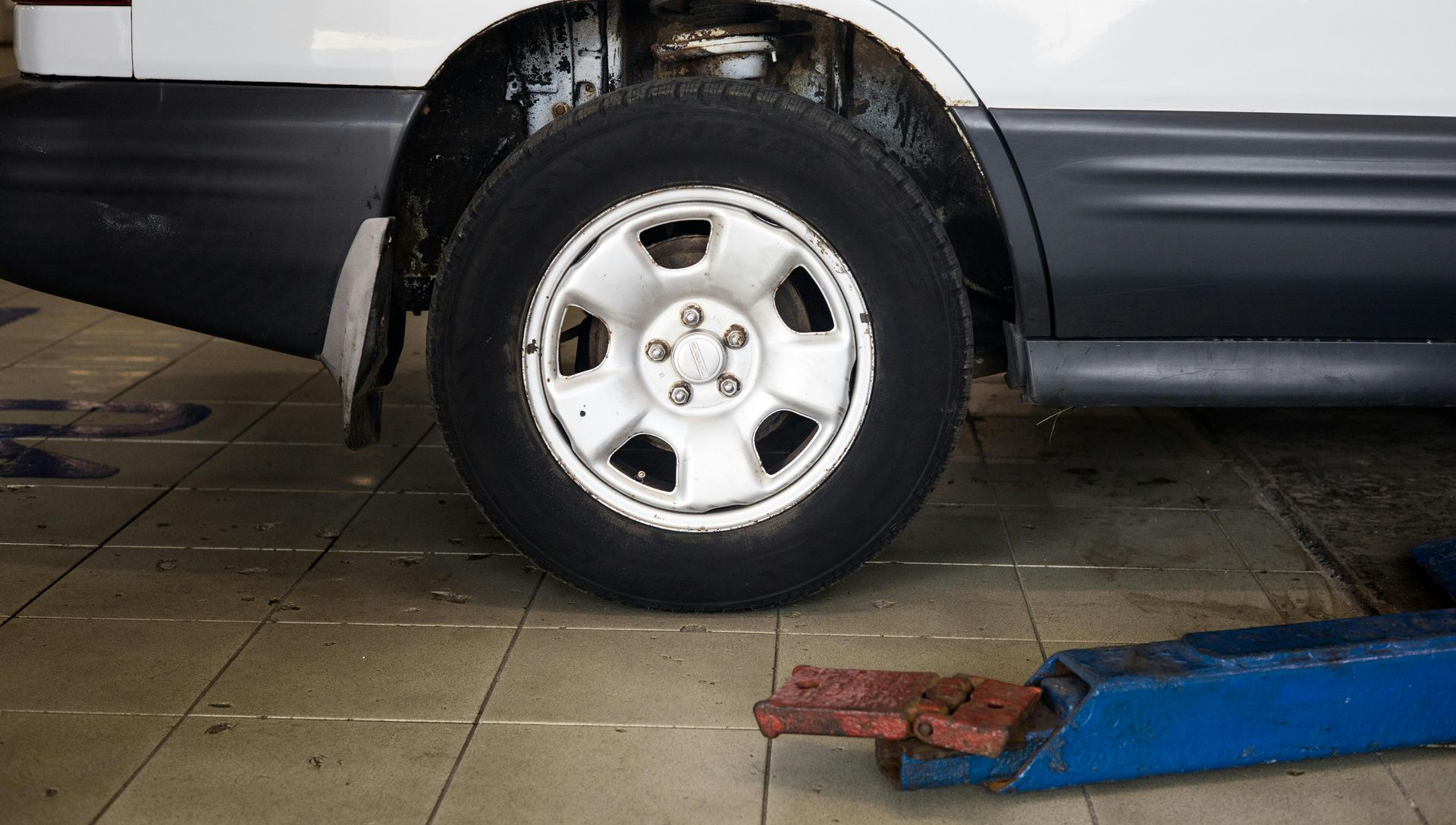
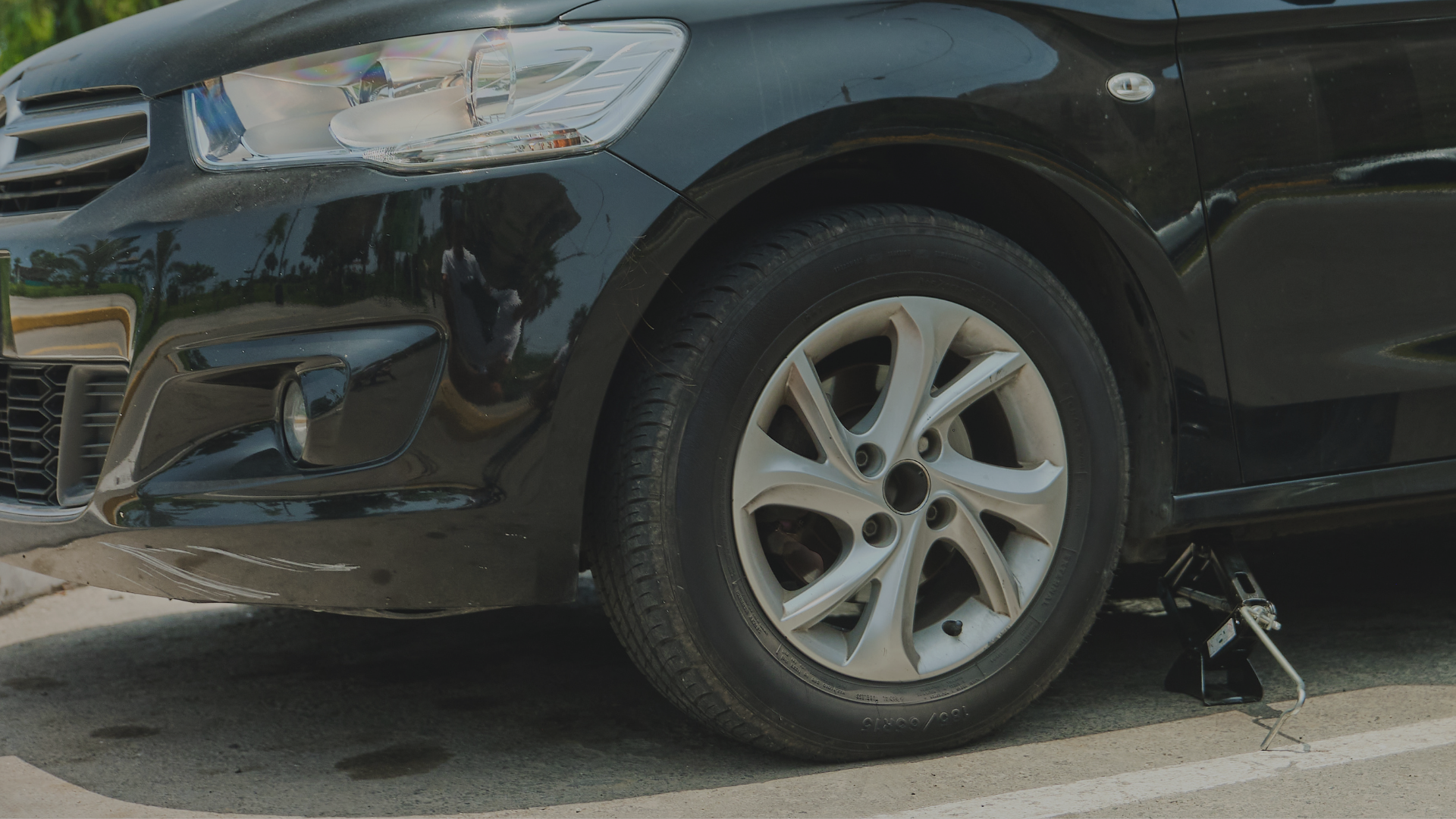
White car with rear tire removed, in a garage.

The Benefits of Regular Tire Rotation

The most obvious benefit of regular rotation is a longer tire lifespan. Evenly worn tires maintain better contact with the road, improving traction, braking, and handling in all conditions. They also wear down more predictably, reducing the likelihood of premature replacement.


Another key benefit is improved fuel efficiency. When tires wear unevenly, they create additional rolling resistance, forcing the engine to work harder. Properly rotated tires reduce that resistance, allowing your vehicle to operate more efficiently and saving you money at the pump.


Additionally, regular rotations allow technicians to inspect tires closely for other issues such as punctures, embedded debris, or sidewall damage. Early detection means problems can be addressed before they lead to flats or blowouts.
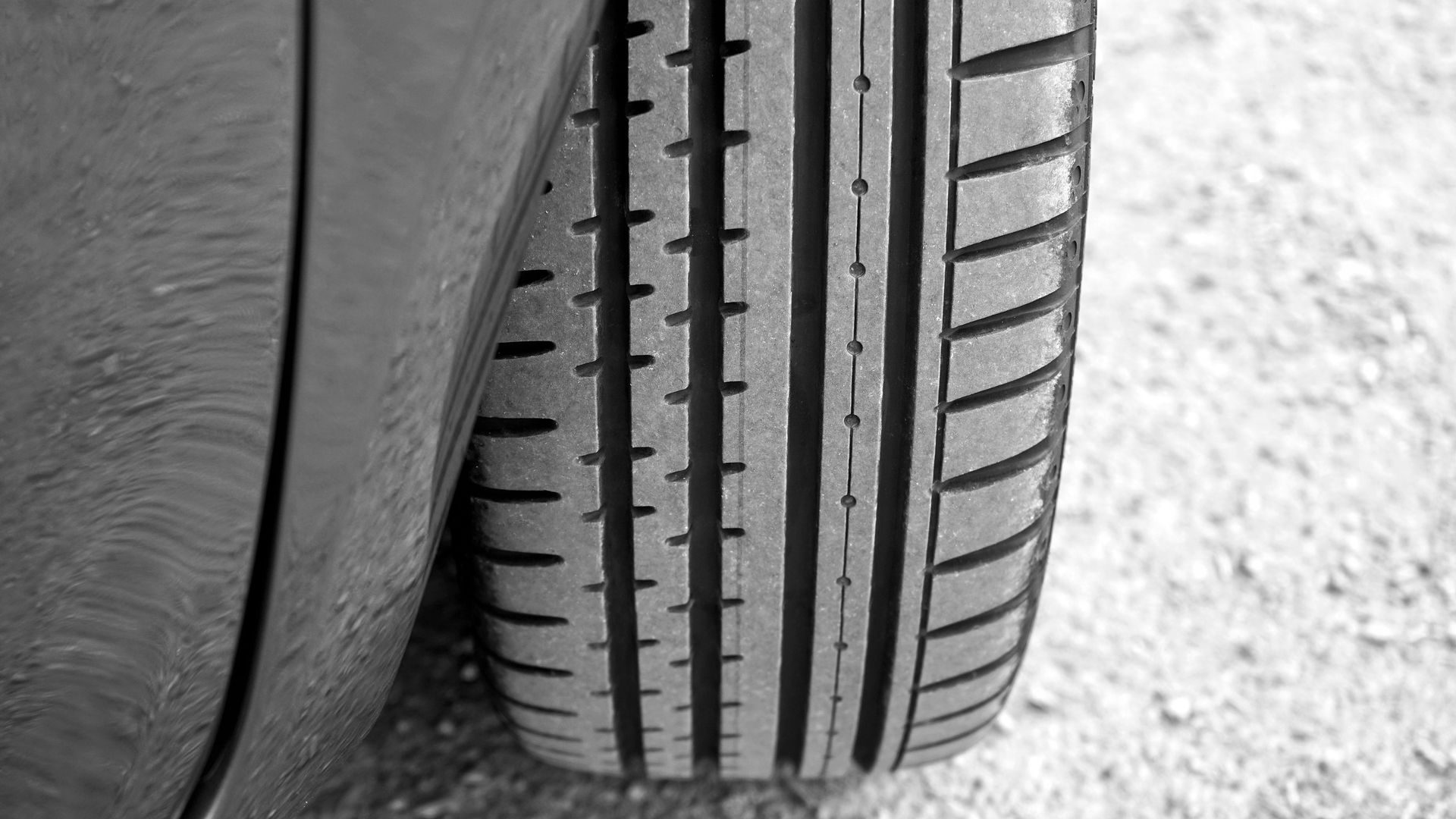
Black and white close-up of a car tire with tread lines on a gravel surface.

Professional Tire Rotation and Alignment

While tire rotation might seem simple, professional service ensures that it is done correctly and safely. Tire patterns vary depending on whether a vehicle is front-, rear-, or all-wheel drive, and some tires are directional, meaning they can only rotate in one direction. A professional technician understands the correct rotation pattern for your specific setup and ensures that each tire is properly balanced and torqued.


Rotation appointments also provide an opportunity to check wheel alignment. Poor alignment causes tires to wear unevenly even after rotation. Keeping both alignment and balance in good condition maximizes the benefits of regular maintenance.
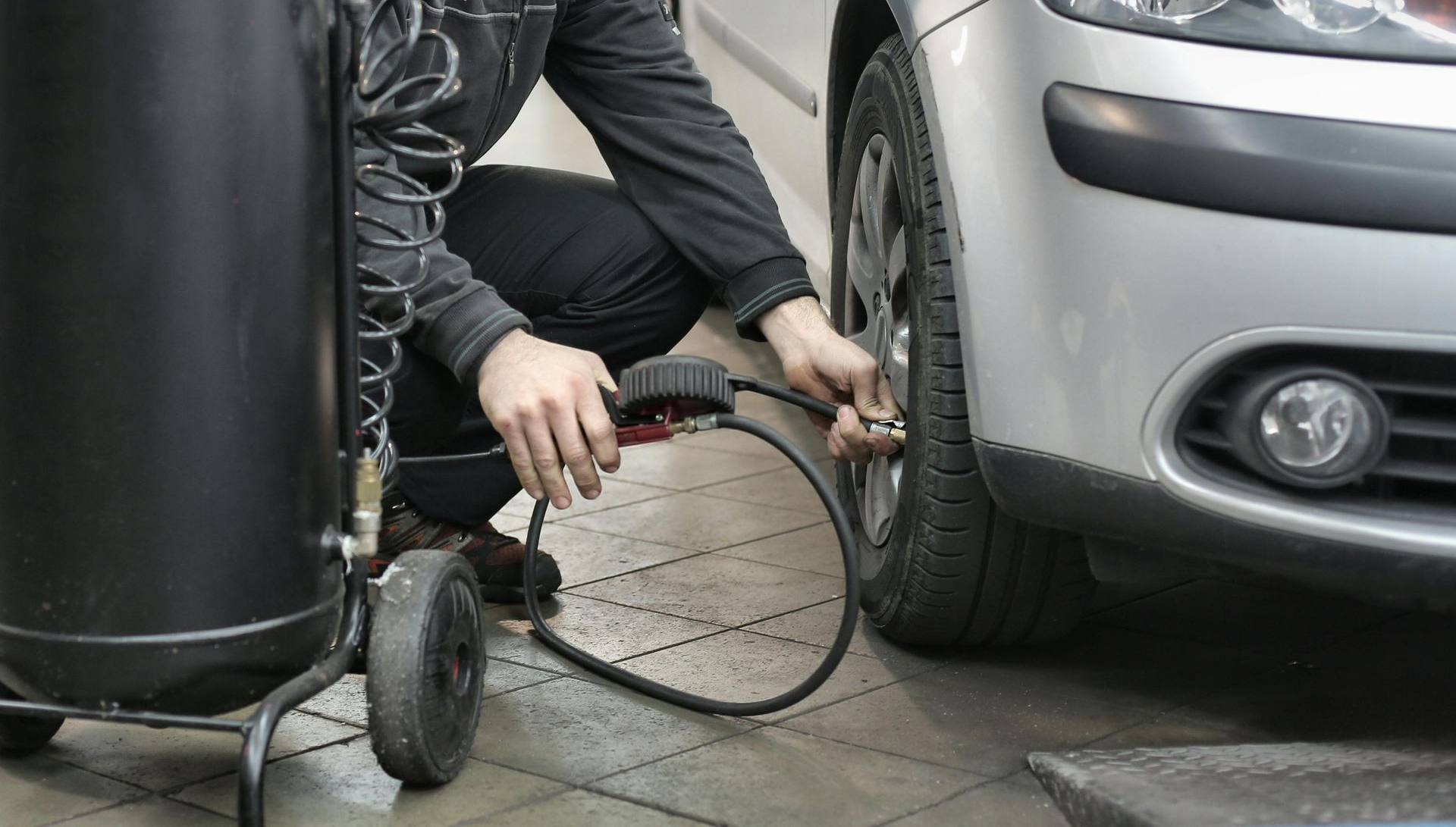
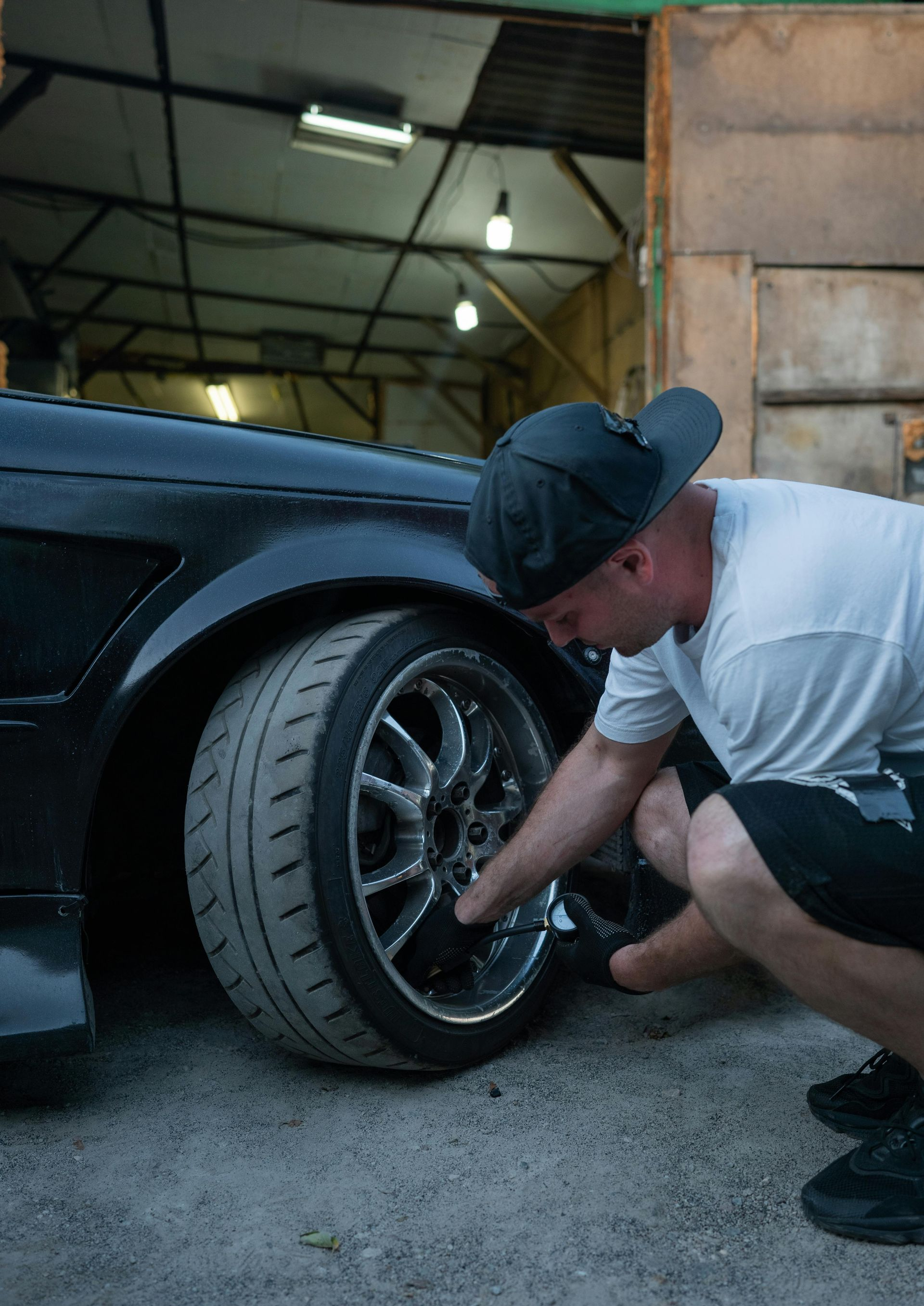
Person inflating car tire with air compressor in garage. Silver car, black equipment.

A Smart Investment in Safety and Savings

Regular tire rotation is a small investment that yields significant returns. It prolongs tire life, enhances safety, improves fuel economy, and preserves the overall health of your vehicle. It also helps you plan for replacements in a more predictable and cost-effective way.


At Raymond’s Tire Shop, we provide professional tire rotation and alignment services designed to keep your vehicle performing at its best through every season. By maintaining a consistent rotation schedule, you not only protect your tires but also ensure a smoother, safer, and more efficient driving experience across Boston’s ever-changing roads.
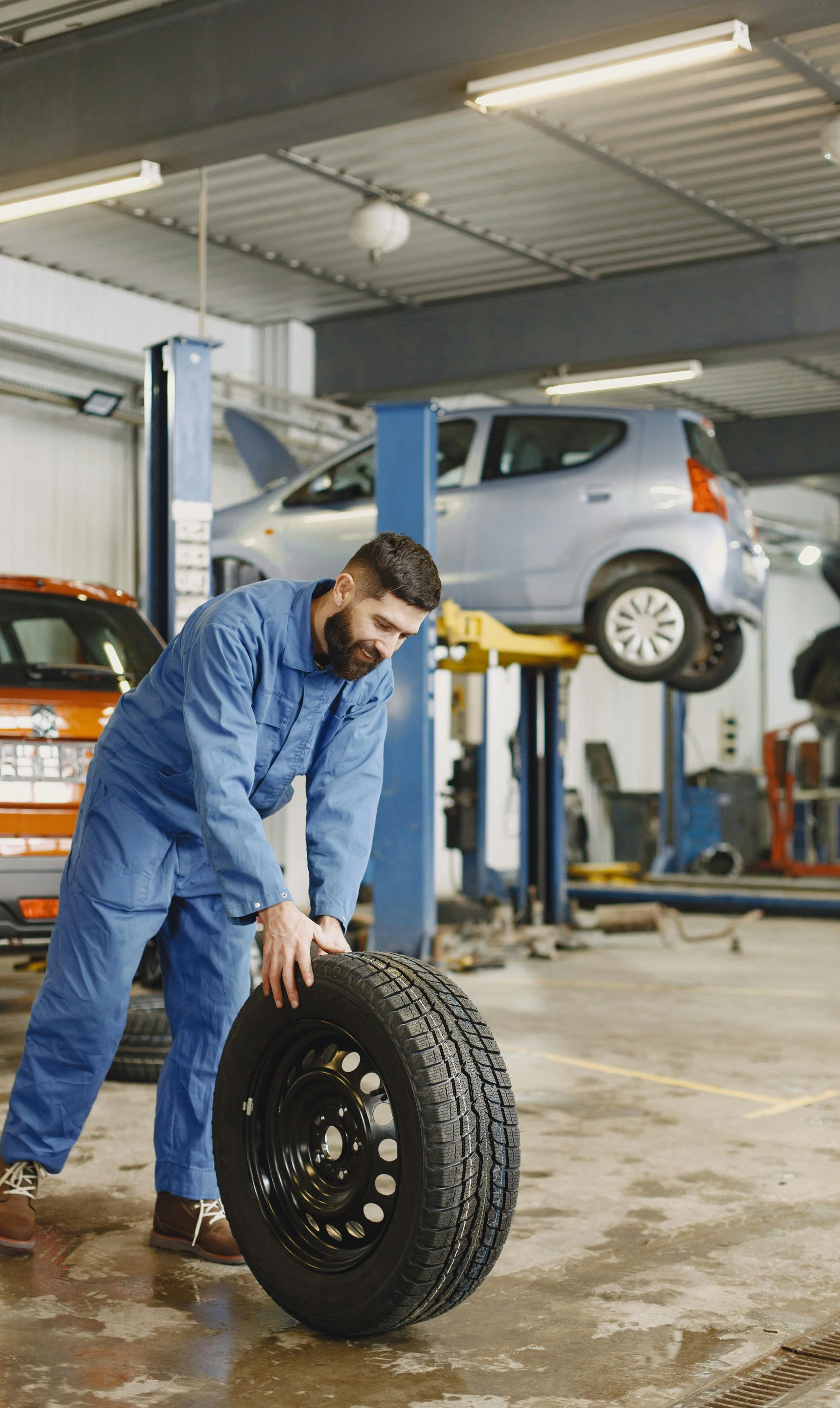
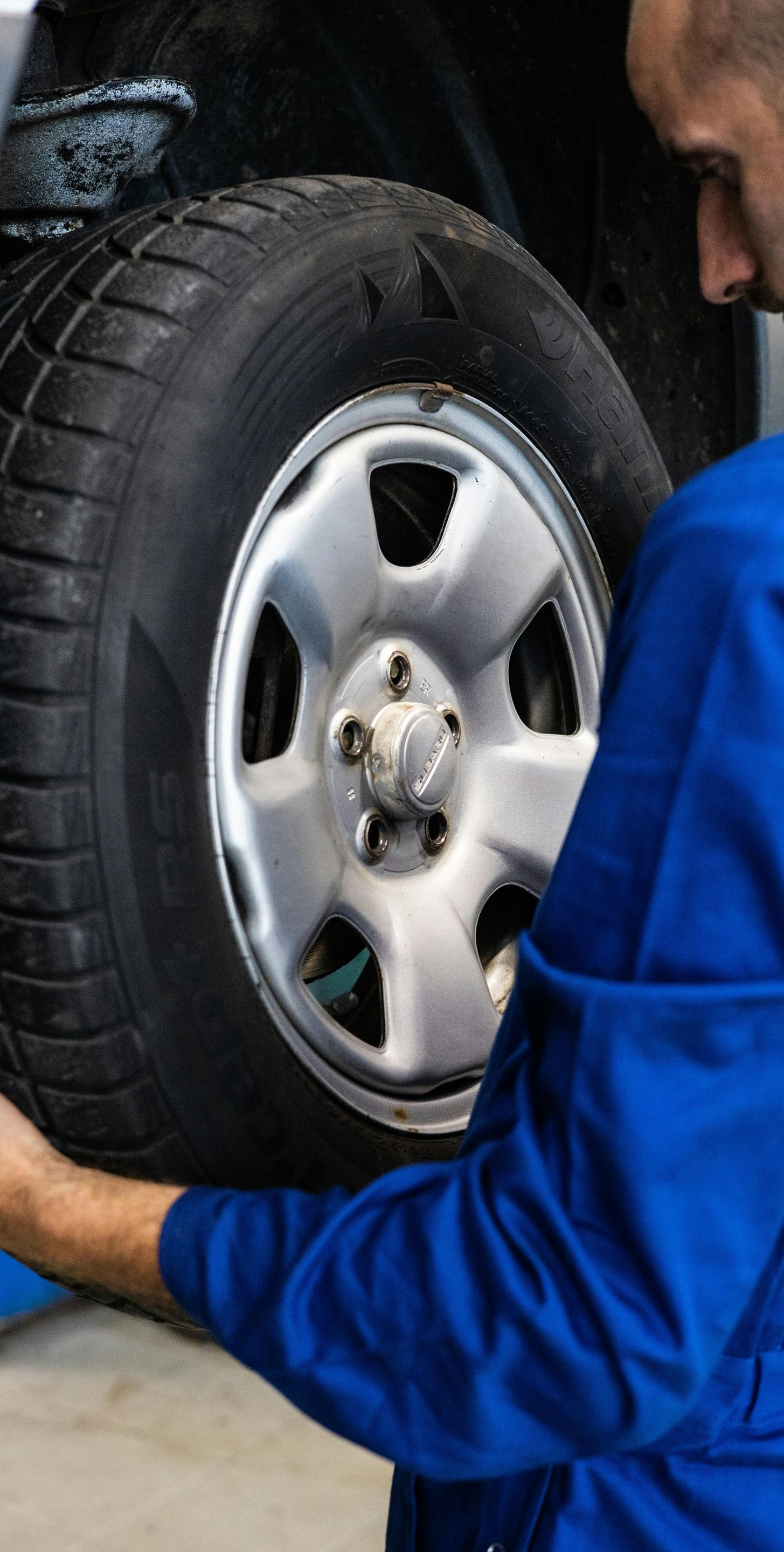
Mechanic in blue overalls rolls a tire across a garage floor. Car is raised on a lift in the background.
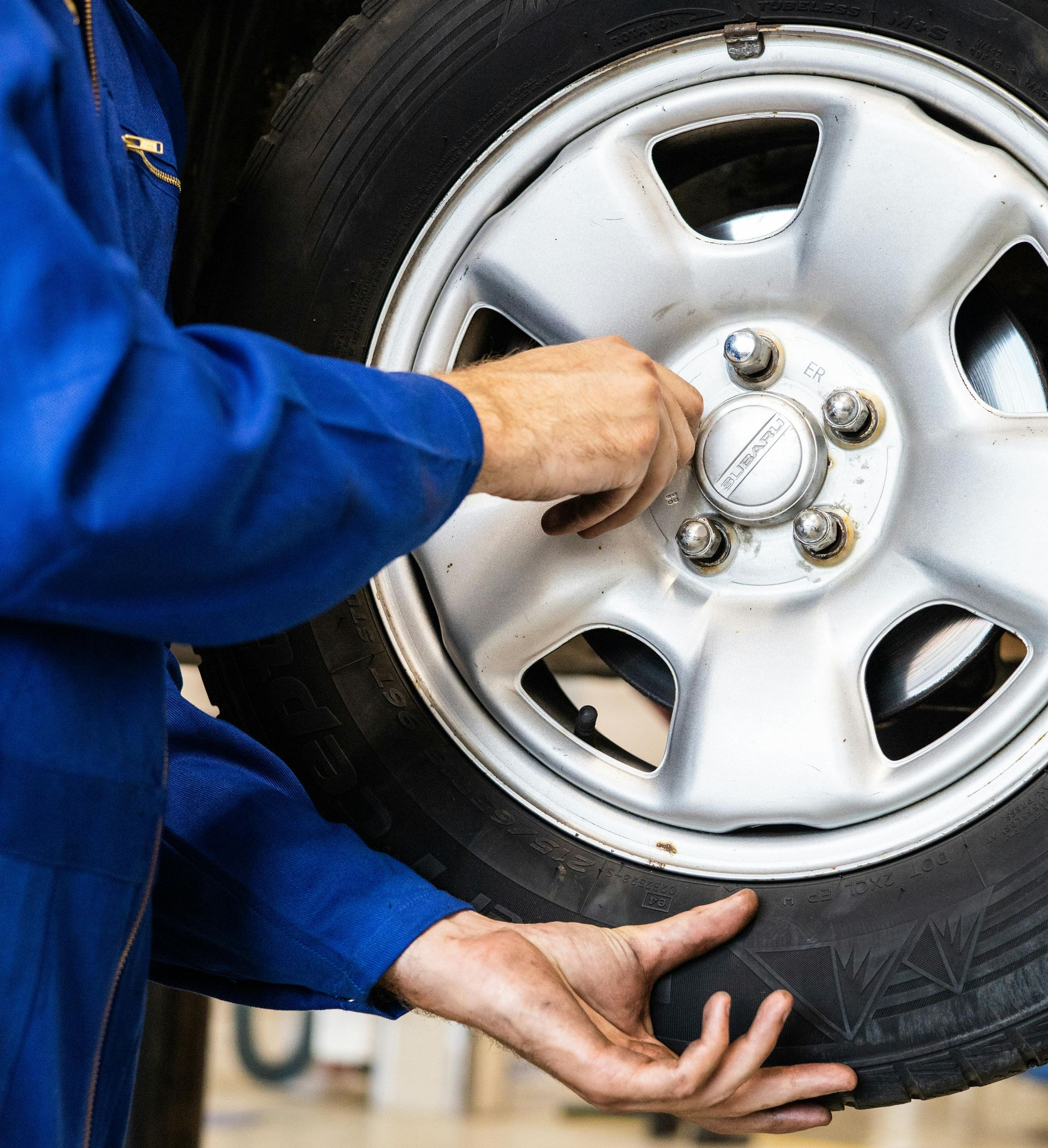
Mechanic in blue coveralls handling a car tire in a garage.
Man checking the wheel of a black car in a garage. He’s wearing a hat, shorts, and a white t-shirt.
Mechanic in blue coveralls changing a car tire, hands on wheel and hubcap.
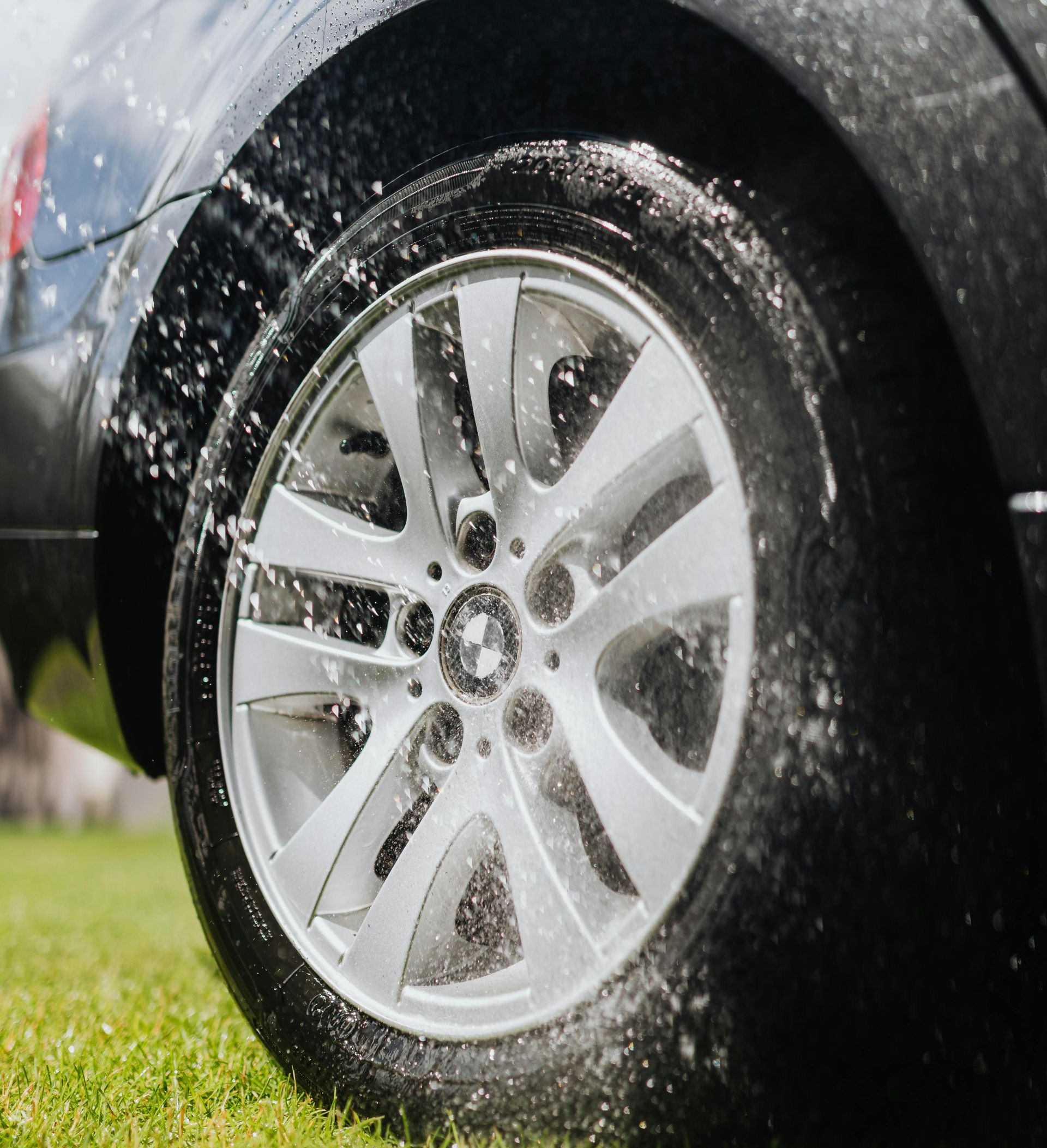
Car tire being sprayed with water and suds during washing.
August 23, 2026
A pothole impact can feel like a quick jolt, but the forces involved can affect several parts of the tire and wheel assembly. The faster the vehicle is moving, the less time the tire has to absorb the impact. In some cases, the damage is immediately obvious. In others, problems may not become noticeable until later. Raymond’s Tire Shop helps drivers inspect tires, wheels, balancing, and alignment after hard road impacts. Understanding what can happen during a pothole strike can make it easier to recognize when a tire needs professional attention. The Tire Is Compressed Extremely Quickly When a tire drops into a pothole and strikes the far edge, the sidewall and tread can be compressed between the road and the wheel. Tires are designed to flex, but a severe impact can exceed what the internal structure can safely absorb.  The risk can be greater when tire pressure is too low because there is less air cushioning between the road surface and the wheel. However, even a properly inflated tire can be damaged by a deep pothole at sufficient speed.
August 16, 2026
Tires are one of the most important safety components on any vehicle because they are the only parts that maintain direct contact with the road. As tires wear, their ability to grip pavement, channel water, and respond predictably can gradually decline. The challenge is that unsafe tire conditions are not always obvious until performance has already been affected.  Raymond’s Tire Shop helps drivers evaluate tread wear, tire damage, pressure issues, alignment problems, and other conditions that can affect tire safety. Knowing what to look for can help you recognize when a tire needs professional attention or replacement.
August 7, 2026
Most drivers think of tires simply as the round rubber components that allow a vehicle to roll down the road. In reality, tires are sophisticated pieces of engineering that perform several essential functions every time a vehicle is in motion. They support the weight of the vehicle, transmit steering and braking forces, absorb road irregularities, and maintain traction in changing driving conditions. Every acceleration, turn, and stop depends on these four small contact patches where the tires meet the road.  Understanding the primary functions of a tire helps drivers appreciate why routine maintenance and timely replacement are so important. Raymond’s Tire Shop helps customers choose quality tires and maintain them properly so their vehicles continue to perform safely and efficiently throughout the life of the tire.
July 31, 2026
Understanding how your tires interact with wet pavement is one of the most important parts of safe driving. While most drivers know that rain can make roads slippery, fewer understand how hydroplaning occurs or why it can cause a vehicle to suddenly lose traction. Knowing what causes hydroplaning—and how proper tire maintenance can reduce the risk—can help you stay safer during wet weather.  At Raymond’s Tire Shop, we believe that informed drivers make safer decisions. Keeping your tires in excellent condition is one of the best ways to improve vehicle performance when road conditions are less than ideal.
July 23, 2026
Your tires are one of the hardest-working components of your vehicle. They provide traction, support your vehicle’s weight, absorb impacts from the road, and help you maintain control in a wide range of driving conditions. Because they experience constant wear, replacing tires is an expected part of vehicle ownership. However, proper maintenance can help maximize their lifespan, improve performance, and save you money over time. Many of the factors that affect tire longevity are within a driver’s control. By following a few simple maintenance practices, you can help your tires wear more evenly and perform as intended throughout their service life.
July 17, 2026
Your tires are the only part of your vehicle that remains in constant contact with the road, making them one of the most important components for safety, performance, and fuel efficiency. While many drivers remember to check their oil or schedule routine maintenance, tire pressure is often overlooked until a problem develops.  Maintaining proper tire inflation is one of the simplest and most effective ways to extend the life of your tires. It takes only a few minutes to check your tire pressure, yet this small maintenance task can help improve vehicle performance and protect your investment over the long term.