5 Signs That Your Tires Need to Be Serviced

Stay Safe and Save More

Your tires are the only part of your vehicle that make contact with the road, which means they play a direct role in safety, handling, and fuel efficiency. Over time, even the best tires wear down and lose performance. Recognizing the early warning signs that your tires need service can prevent more serious issues, extend their lifespan, and save you money in the long run. At Raymond’s Tire Shop in Boston, we help drivers keep their tires balanced, aligned, rotated, and inflated for smooth, efficient driving in all seasons.


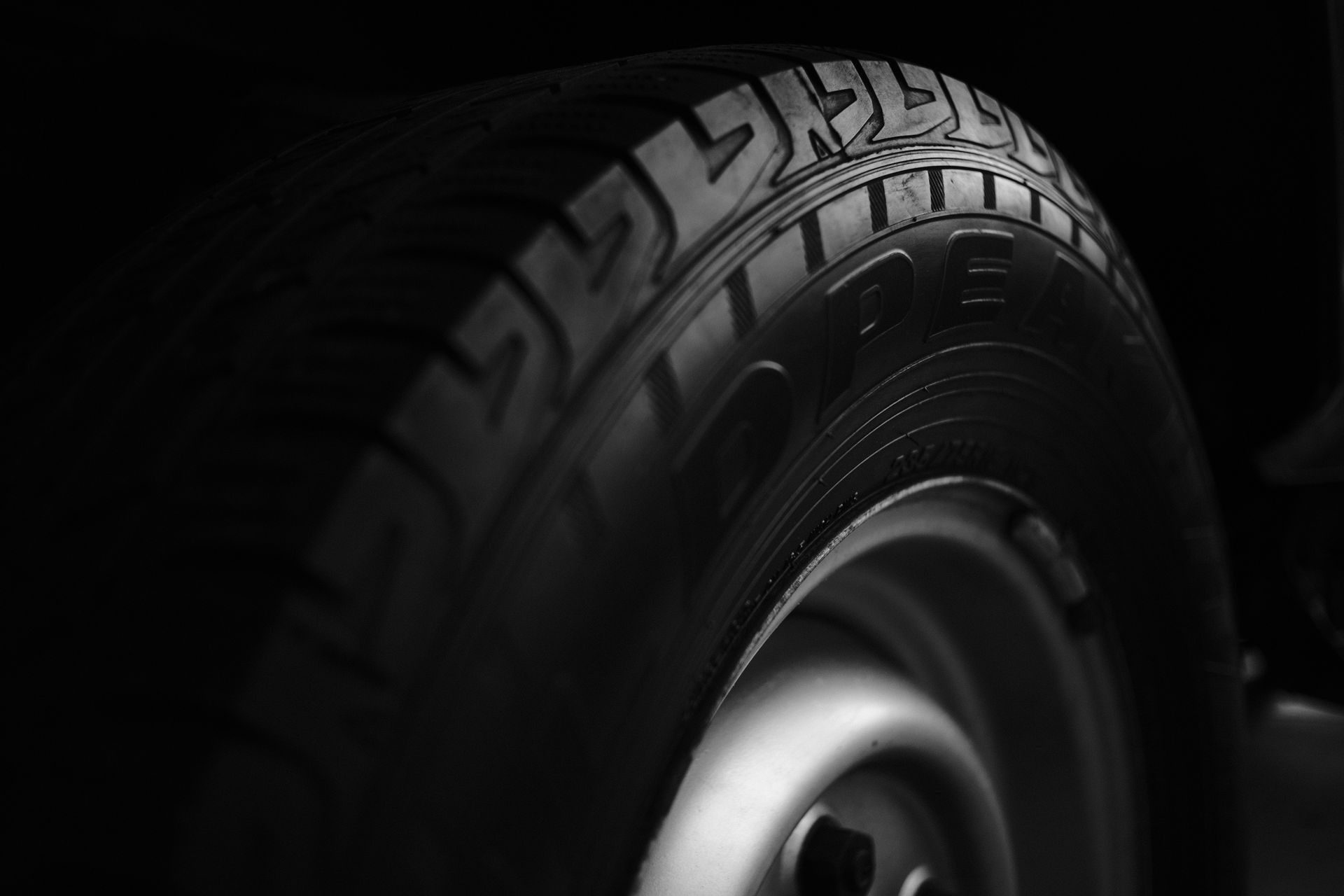
1. Uneven Tread Wear

Uneven tread wear is one of the most common signs that your tires need professional attention. If one side of the tire appears more worn than the other, it may indicate improper alignment or suspension problems. When tires are misaligned, they do not sit evenly on the road, which causes certain sections of the tread to wear faster.


Not only does this shorten the lifespan of your tires, but it also affects your vehicle’s handling. If you notice that your car pulls to one side or that the steering wheel vibrates, it is time to schedule a wheel alignment. Regular alignment service helps keep your tires in contact with the road evenly, improving both safety and fuel economy.

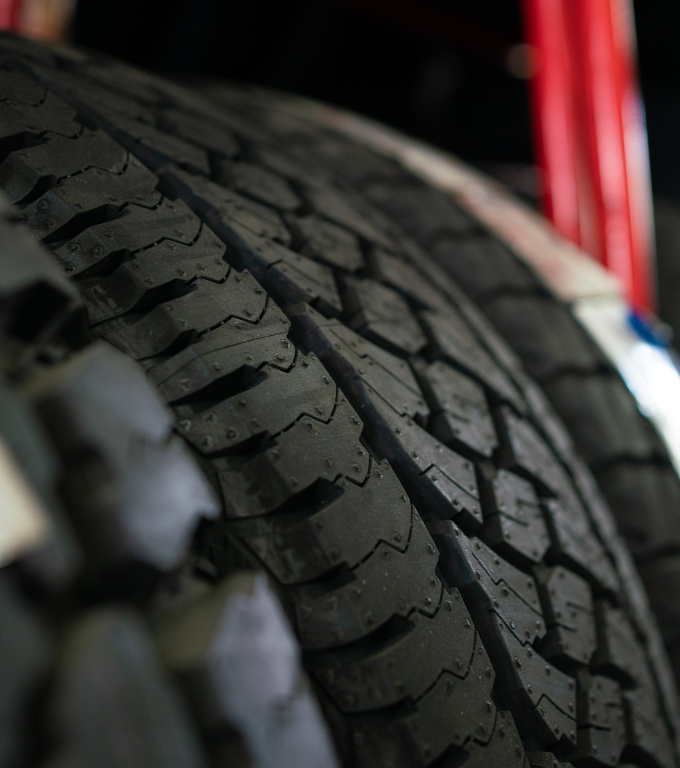
tire tread

2. Vibration While Driving

Feeling vibration in the steering wheel or through the floorboard can be a sign that your tires are out of balance. Every tire and wheel assembly has a slightly different weight distribution. Over time, small imbalances can create noticeable vibrations, especially at higher speeds.


Tire balancing corrects this issue by ensuring the weight of the wheel and tire assembly is evenly distributed. When your tires are properly balanced, you will experience a smoother ride, less wear on suspension components, and greater comfort behind the wheel.


3. Low Tire Pressure

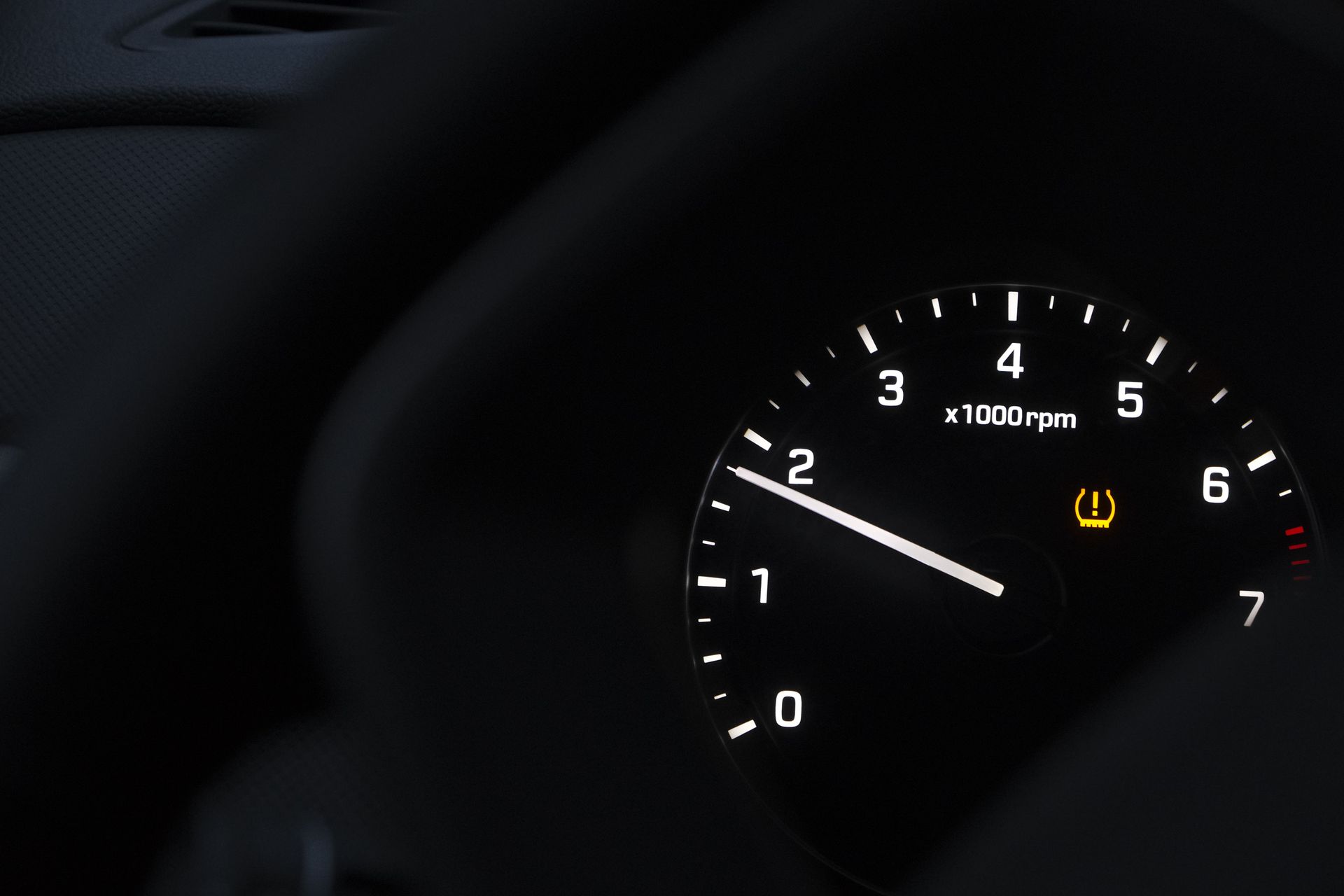
Proper tire inflation is essential for safe driving and fuel efficiency. Underinflated tires create excess friction and heat, which leads to premature wear and decreased gas mileage. Overinflated tires, on the other hand, reduce traction and increase the risk of a blowout.


Checking your tire pressure monthly, or before long trips, helps maintain optimal performance. Most vehicles have a tire pressure monitoring system, but it is still wise to verify pressure with a manual gauge. At Raymond’s Tire Shop, we provide quick inflation checks and adjustments to help customers maintain the ideal balance between comfort, control, and efficiency.
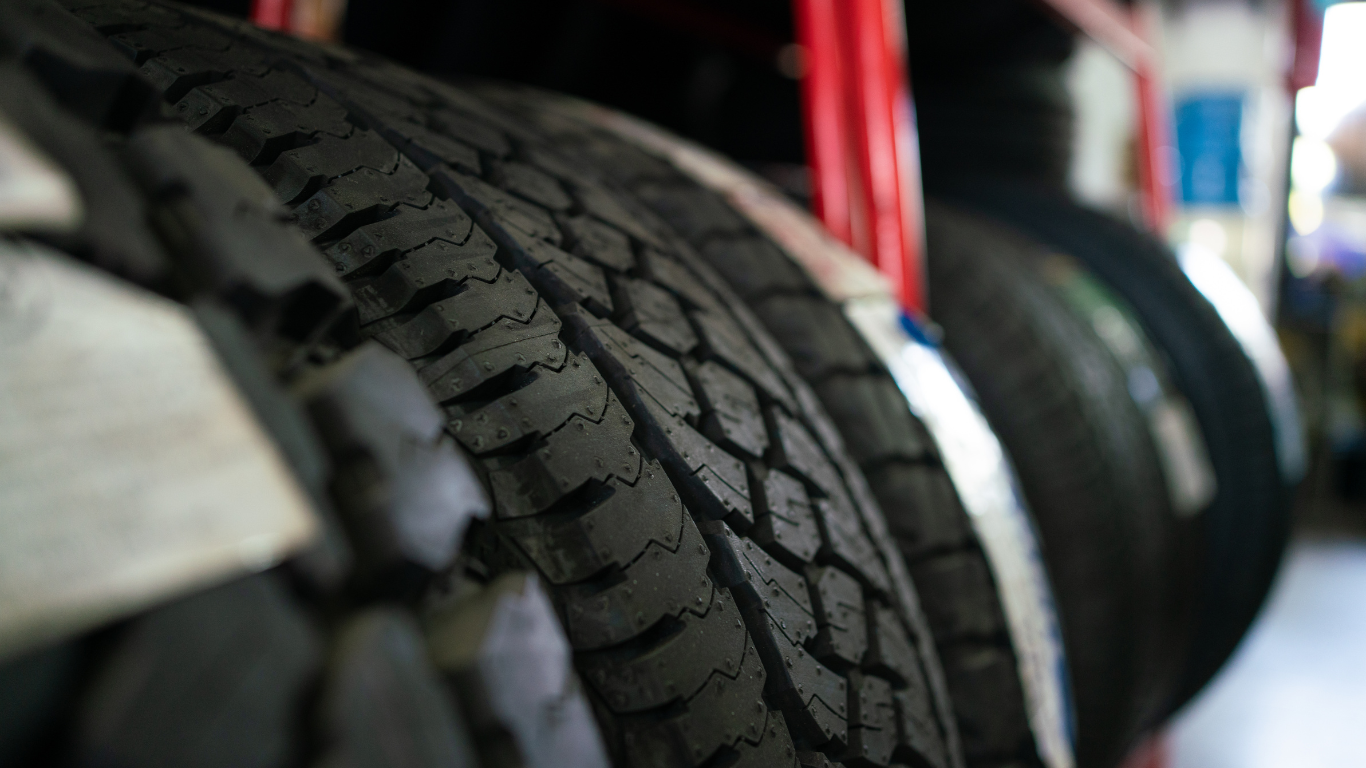
Close-up view of a row of black tires with tread patterns stored on a rack, likely at a tire shop.

4. Vehicle Pulling or Drifting

If your car pulls to one side while driving on a straight road, your tires may need alignment or rotation. Over time, tires wear differently depending on their position on the vehicle. Regular tire rotation—typically every 5,000 to 7,000 miles—helps ensure that all four tires wear evenly, which extends their lifespan and maintains even traction.


Rotating your tires also supports balanced handling and improves braking performance. Neglecting this routine service can lead to irregular tread patterns and premature tire replacement.
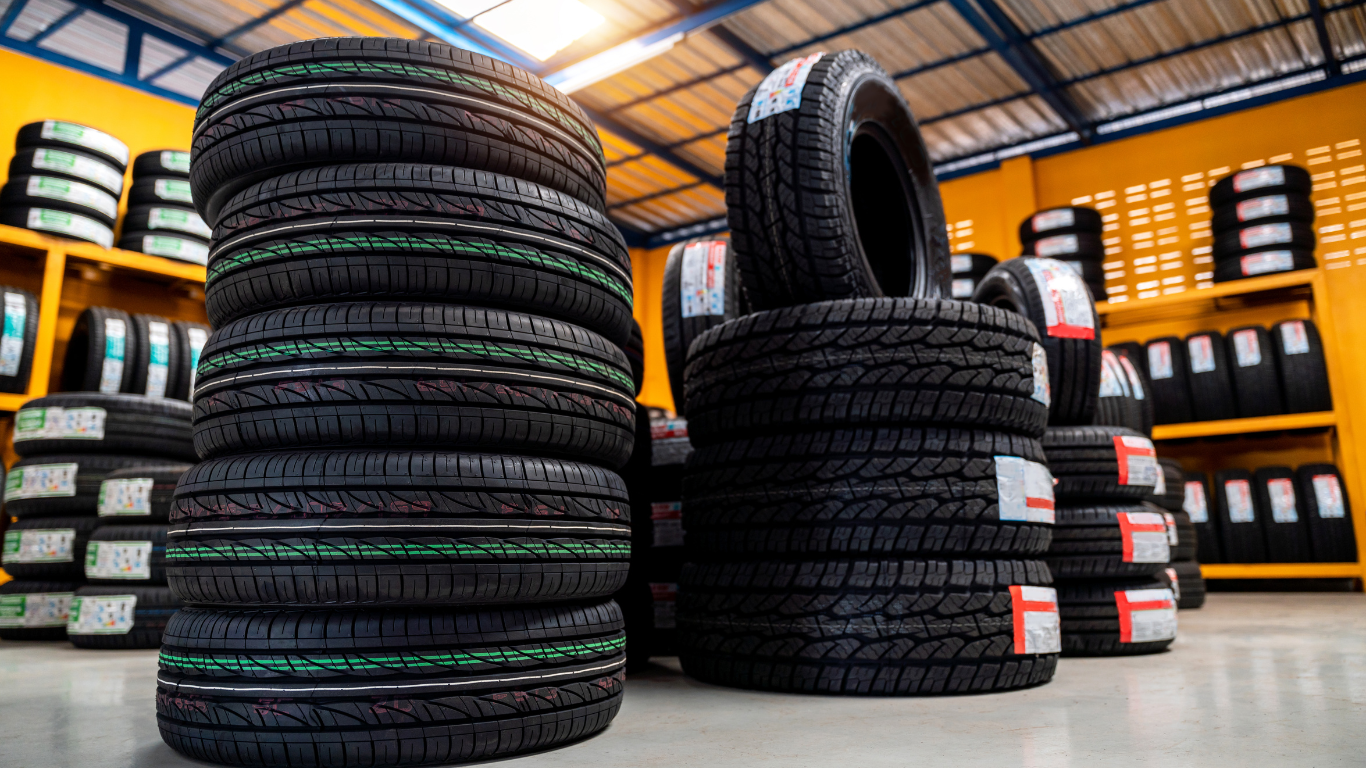
Stacks of new black tires in a tire shop, ready for sale.

5. Decreased Fuel Efficiency

If you notice that you are filling your gas tank more often than usual, your tires could be the reason. Misaligned, unbalanced, or improperly inflated tires cause the engine to work harder, using more fuel to maintain speed. Studies show that maintaining correct tire pressure alone can improve gas mileage by up to three percent, which translates into significant savings over time.


When all four tires are in good working order, your vehicle rolls more smoothly and requires less energy to move. This not only saves money at the pump but also reduces wear on other vehicle components.
Stacks of new black tires in a tire shop, with more tires visible on shelves in the background.

When It Is Time for Replacement

Regular maintenance can extend the life of your tires, but even the best care cannot prevent natural wear. If your tires have shallow tread depth, visible cracking, or frequent pressure loss, replacement may be the safest option. Driving on worn tires increases stopping distances and the risk of blowouts, especially on wet or icy roads.


At Raymond’s Tire Shop, we offer a wide selection of high-quality tires from trusted brands, professional installation, and expert guidance to help you choose the right set for your driving habits and local conditions. Whether your tires need service or replacement, our team is here to keep you driving safely and efficiently through Boston’s ever-changing seasons.
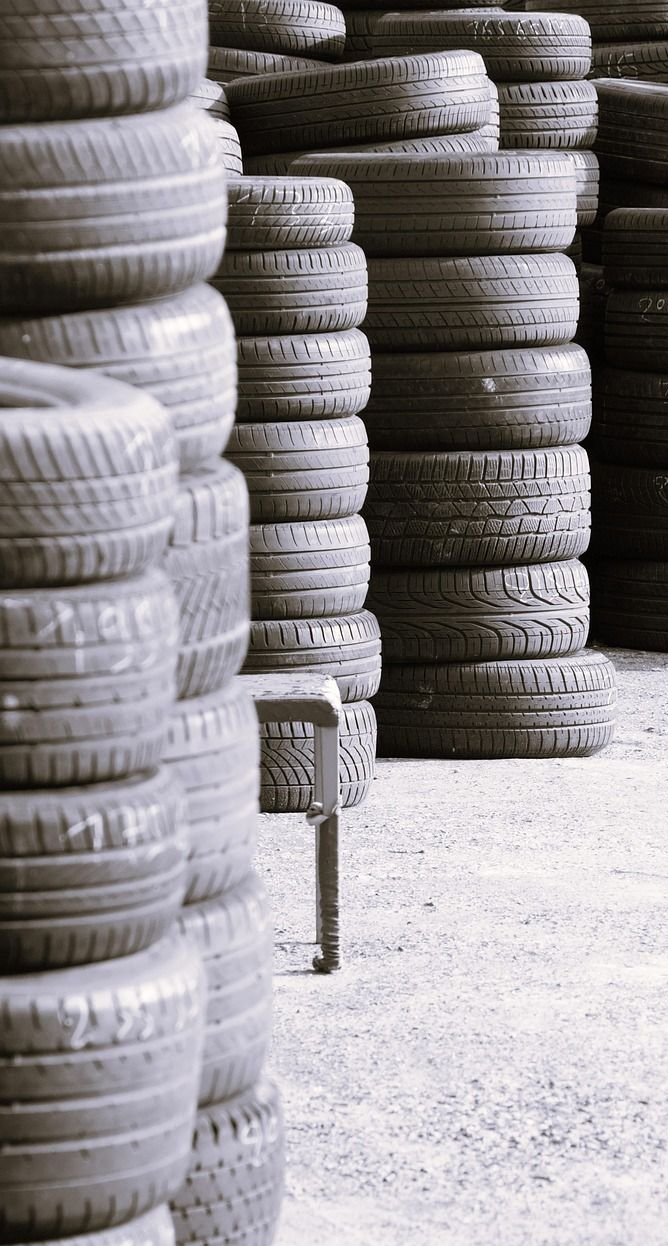
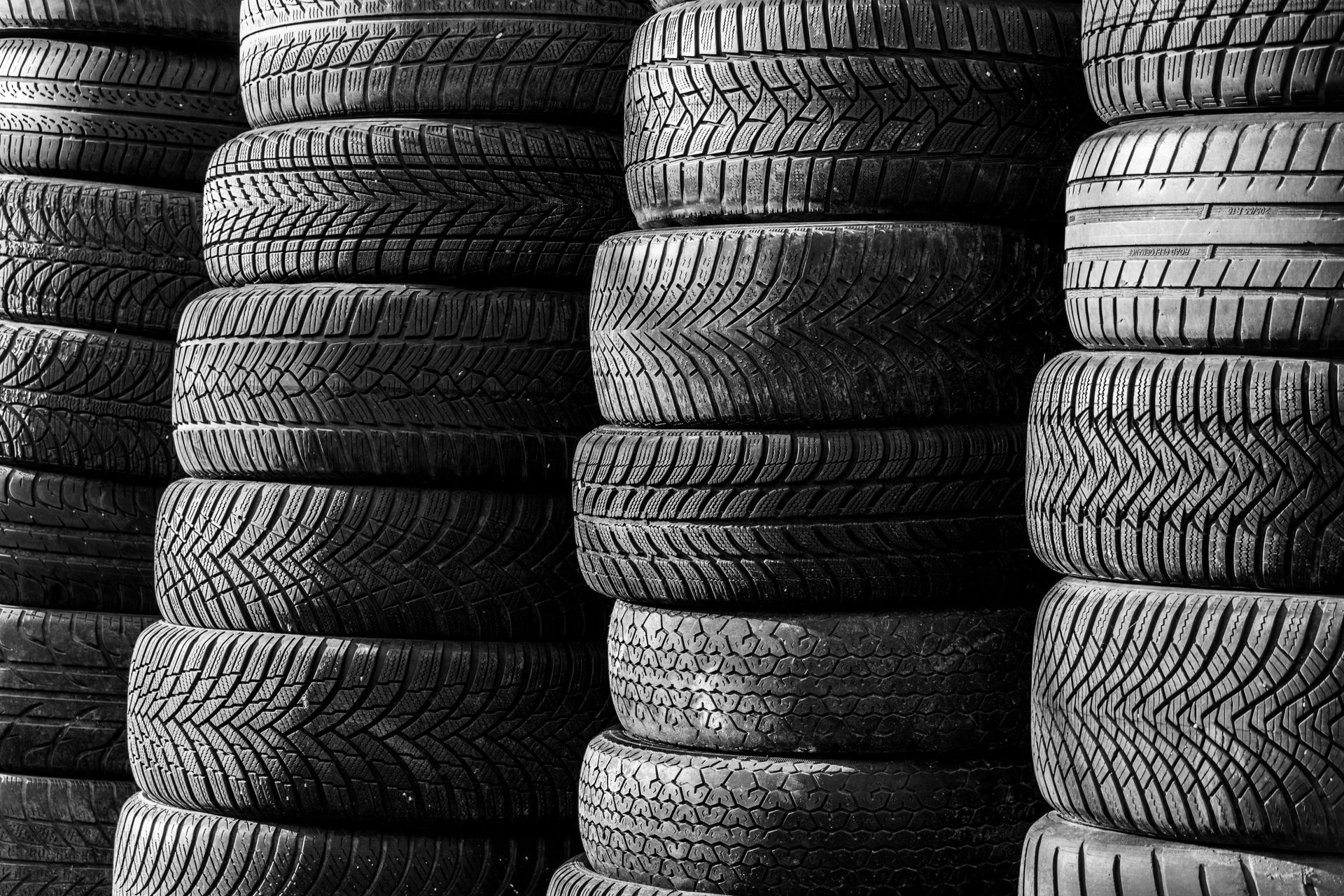
Stacks of used tires in an outdoor setting, arranged vertically, gray tones.
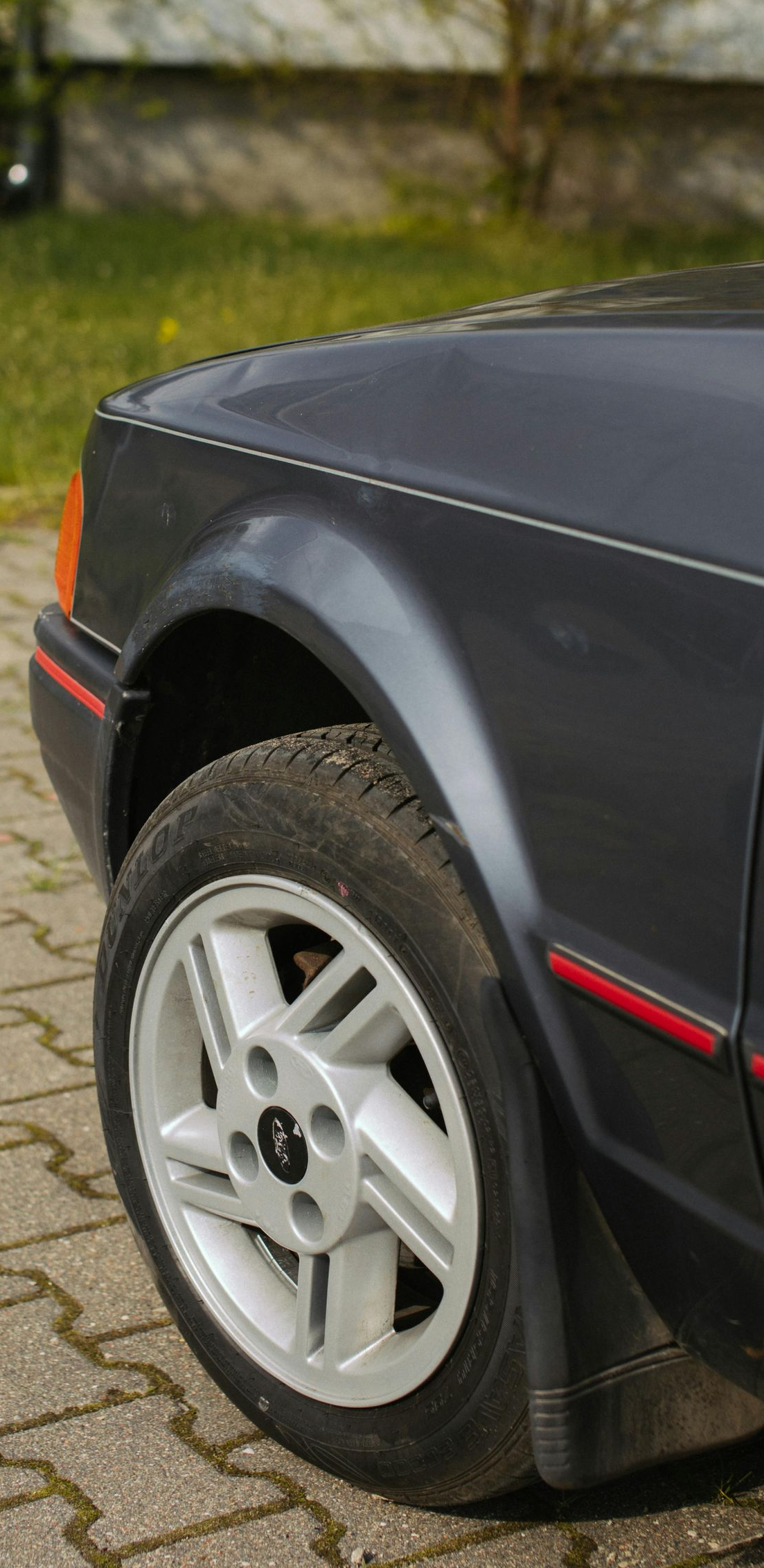
Front quarter view of a dark gray car with a silver rim. Red detail along the car's body.
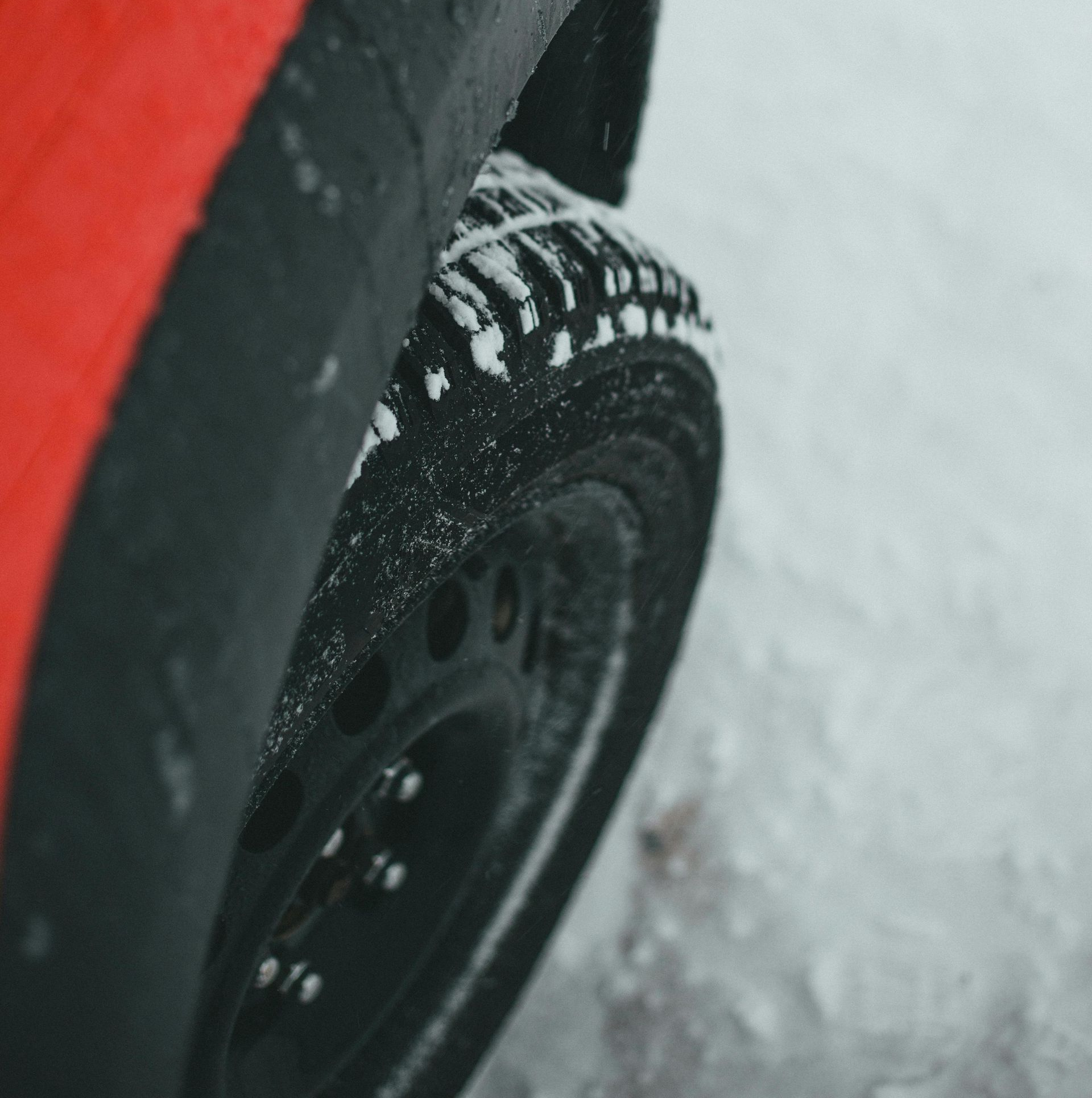
Red car tire covered in snow on a winter road.
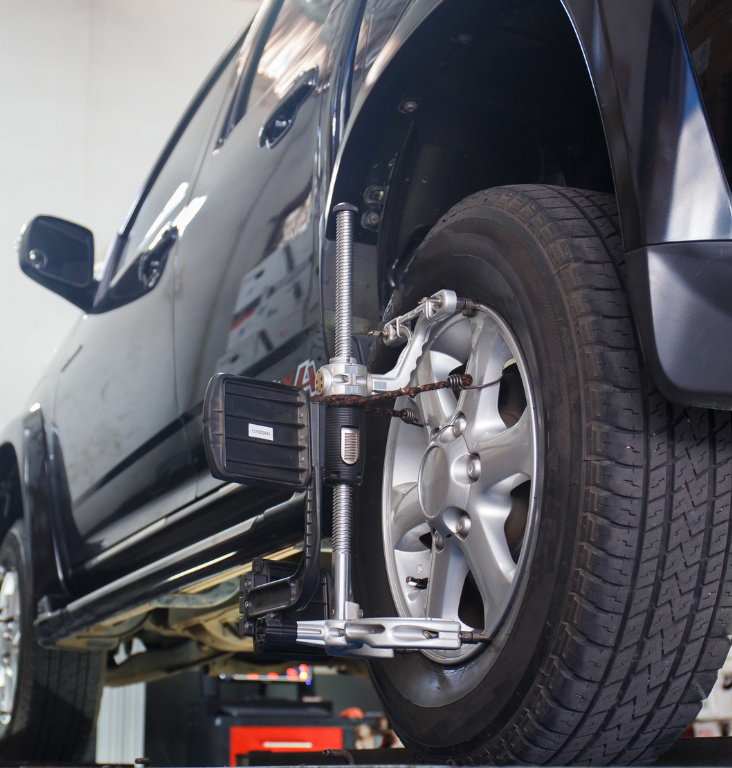
Black car undergoing wheel alignment in a garage.
Close-up of a stack of black car tires with deep treads.
August 23, 2026
A pothole impact can feel like a quick jolt, but the forces involved can affect several parts of the tire and wheel assembly. The faster the vehicle is moving, the less time the tire has to absorb the impact. In some cases, the damage is immediately obvious. In others, problems may not become noticeable until later. Raymond’s Tire Shop helps drivers inspect tires, wheels, balancing, and alignment after hard road impacts. Understanding what can happen during a pothole strike can make it easier to recognize when a tire needs professional attention. The Tire Is Compressed Extremely Quickly When a tire drops into a pothole and strikes the far edge, the sidewall and tread can be compressed between the road and the wheel. Tires are designed to flex, but a severe impact can exceed what the internal structure can safely absorb.  The risk can be greater when tire pressure is too low because there is less air cushioning between the road surface and the wheel. However, even a properly inflated tire can be damaged by a deep pothole at sufficient speed.
August 16, 2026
Tires are one of the most important safety components on any vehicle because they are the only parts that maintain direct contact with the road. As tires wear, their ability to grip pavement, channel water, and respond predictably can gradually decline. The challenge is that unsafe tire conditions are not always obvious until performance has already been affected.  Raymond’s Tire Shop helps drivers evaluate tread wear, tire damage, pressure issues, alignment problems, and other conditions that can affect tire safety. Knowing what to look for can help you recognize when a tire needs professional attention or replacement.
August 7, 2026
Most drivers think of tires simply as the round rubber components that allow a vehicle to roll down the road. In reality, tires are sophisticated pieces of engineering that perform several essential functions every time a vehicle is in motion. They support the weight of the vehicle, transmit steering and braking forces, absorb road irregularities, and maintain traction in changing driving conditions. Every acceleration, turn, and stop depends on these four small contact patches where the tires meet the road.  Understanding the primary functions of a tire helps drivers appreciate why routine maintenance and timely replacement are so important. Raymond’s Tire Shop helps customers choose quality tires and maintain them properly so their vehicles continue to perform safely and efficiently throughout the life of the tire.
July 31, 2026
Understanding how your tires interact with wet pavement is one of the most important parts of safe driving. While most drivers know that rain can make roads slippery, fewer understand how hydroplaning occurs or why it can cause a vehicle to suddenly lose traction. Knowing what causes hydroplaning—and how proper tire maintenance can reduce the risk—can help you stay safer during wet weather.  At Raymond’s Tire Shop, we believe that informed drivers make safer decisions. Keeping your tires in excellent condition is one of the best ways to improve vehicle performance when road conditions are less than ideal.
July 23, 2026
Your tires are one of the hardest-working components of your vehicle. They provide traction, support your vehicle’s weight, absorb impacts from the road, and help you maintain control in a wide range of driving conditions. Because they experience constant wear, replacing tires is an expected part of vehicle ownership. However, proper maintenance can help maximize their lifespan, improve performance, and save you money over time. Many of the factors that affect tire longevity are within a driver’s control. By following a few simple maintenance practices, you can help your tires wear more evenly and perform as intended throughout their service life.
July 17, 2026
Your tires are the only part of your vehicle that remains in constant contact with the road, making them one of the most important components for safety, performance, and fuel efficiency. While many drivers remember to check their oil or schedule routine maintenance, tire pressure is often overlooked until a problem develops.  Maintaining proper tire inflation is one of the simplest and most effective ways to extend the life of your tires. It takes only a few minutes to check your tire pressure, yet this small maintenance task can help improve vehicle performance and protect your investment over the long term.