Why Tire Pressure Changes So Much When Temperatures Drop
A colder morning can make a perfectly normal tire suddenly look underinflated.
That surprises a lot of drivers.
The reason is simple: the air inside a tire contracts as temperatures fall. When that happens, tire pressure drops too.
The tire may not have a leak at all.
But lower pressure still matters because it can affect handling, tread wear, fuel efficiency, and the amount of heat the tire generates while driving.
That is why temperature changes are a good reminder to check tire pressure instead of relying only on appearance.
Cold Air Means Lower Pressure
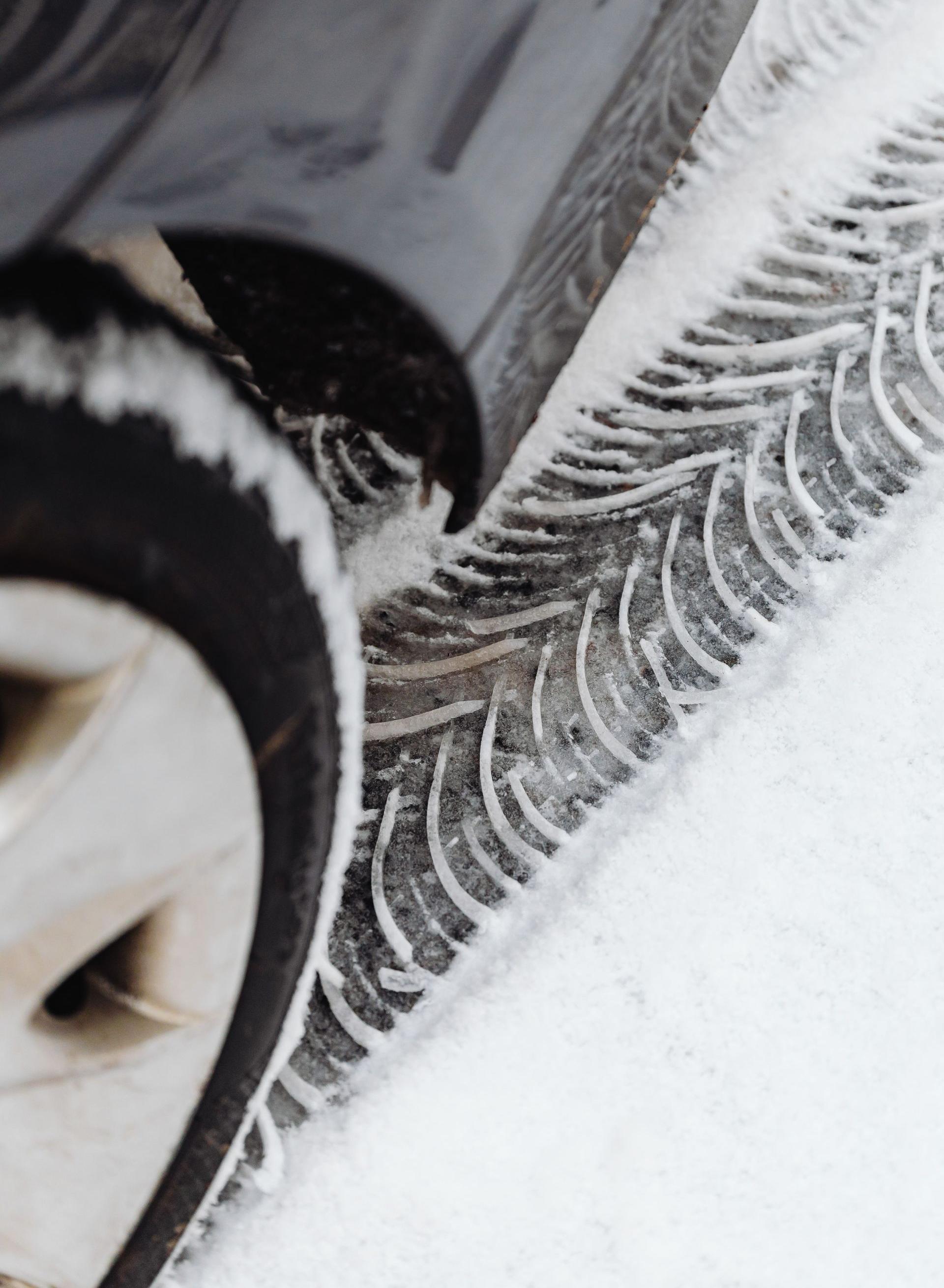
As outside temperatures fall, the air inside the tire becomes denser and occupies less volume.
That typically causes the tire's pressure reading to drop.
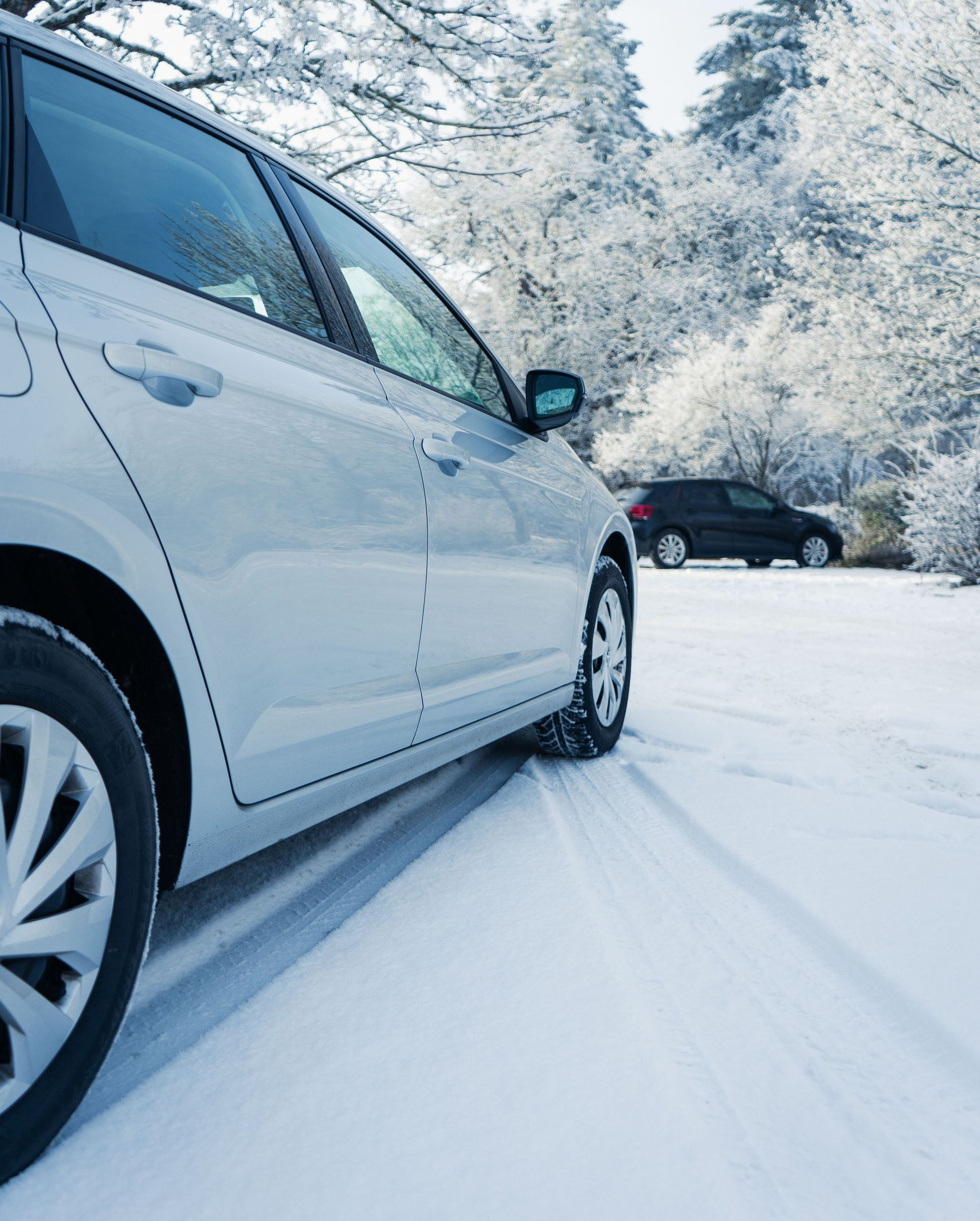
That means a vehicle that was properly inflated during a warm afternoon may show noticeably lower pressure during a cold morning.
The effect becomes especially obvious during sudden seasonal temperature swings.

The TPMS Light May Be the First Sign
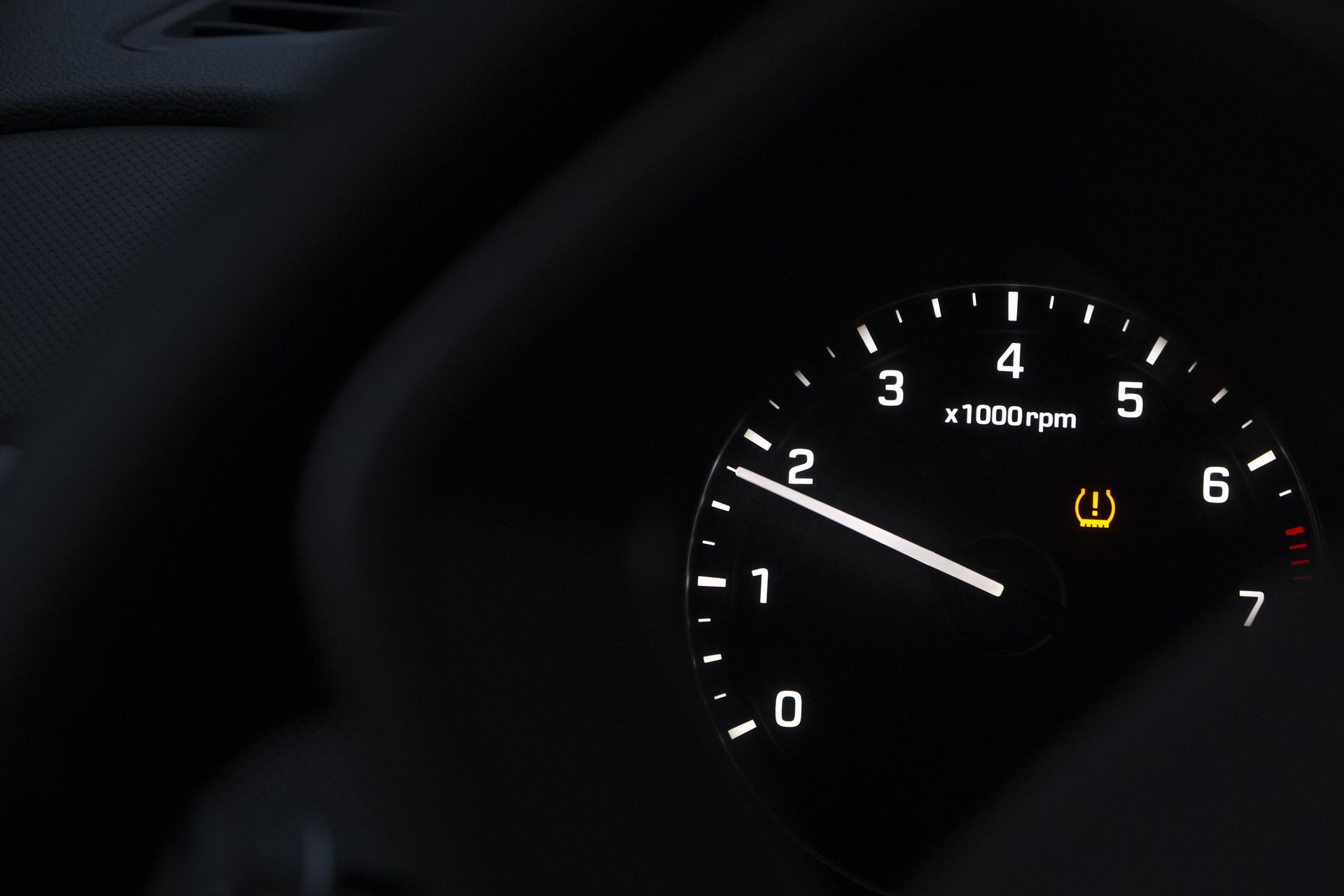
Many drivers first notice the change when the tire pressure monitoring system light comes on.
That warning does not automatically mean the tire has been punctured.
A cold snap can lower pressure enough to trigger the system even when all four tires are otherwise healthy.
The important thing is not to ignore the light.
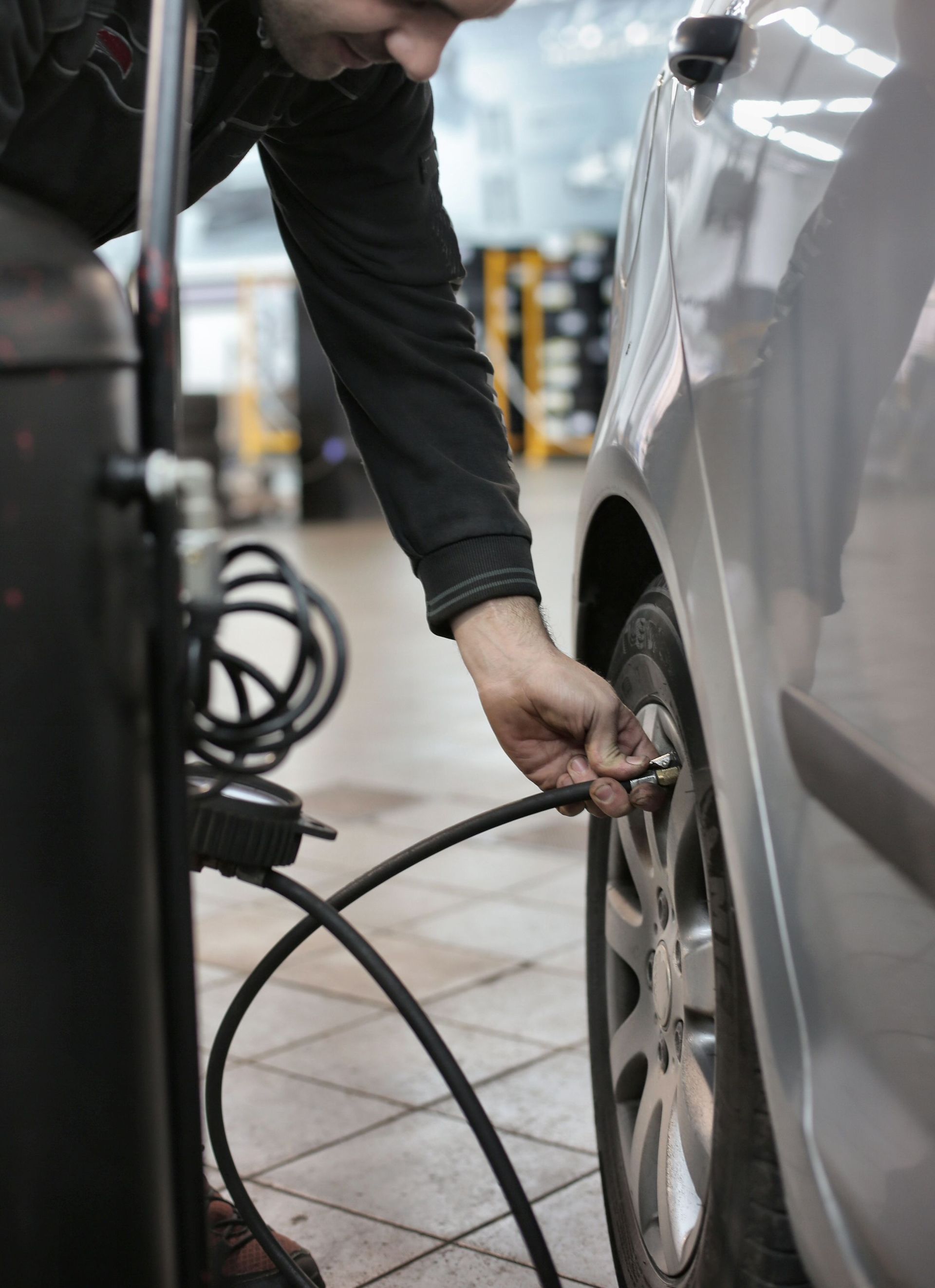
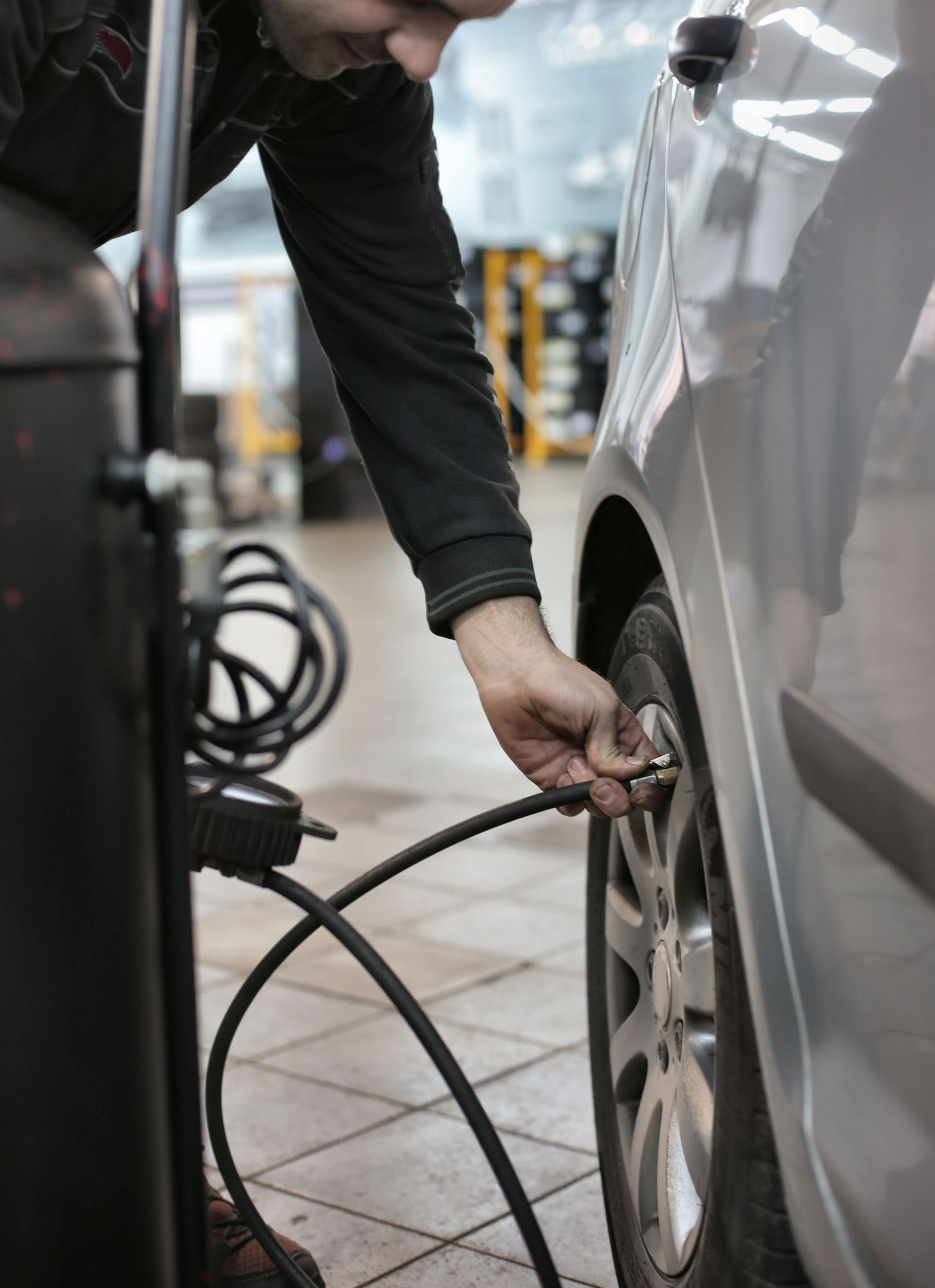
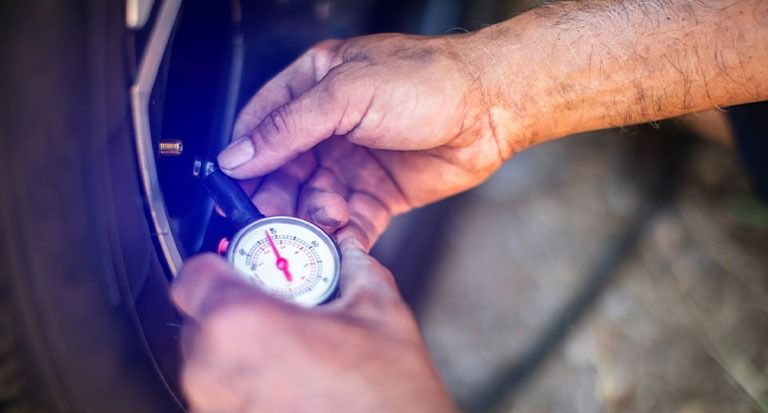
Check the actual pressure in each tire and compare it with the vehicle manufacturer's recommended cold inflation pressure.
If one tire is much lower than the others, there may be a leak that deserves inspection.
Do Not Inflate Based on the Tire Sidewall
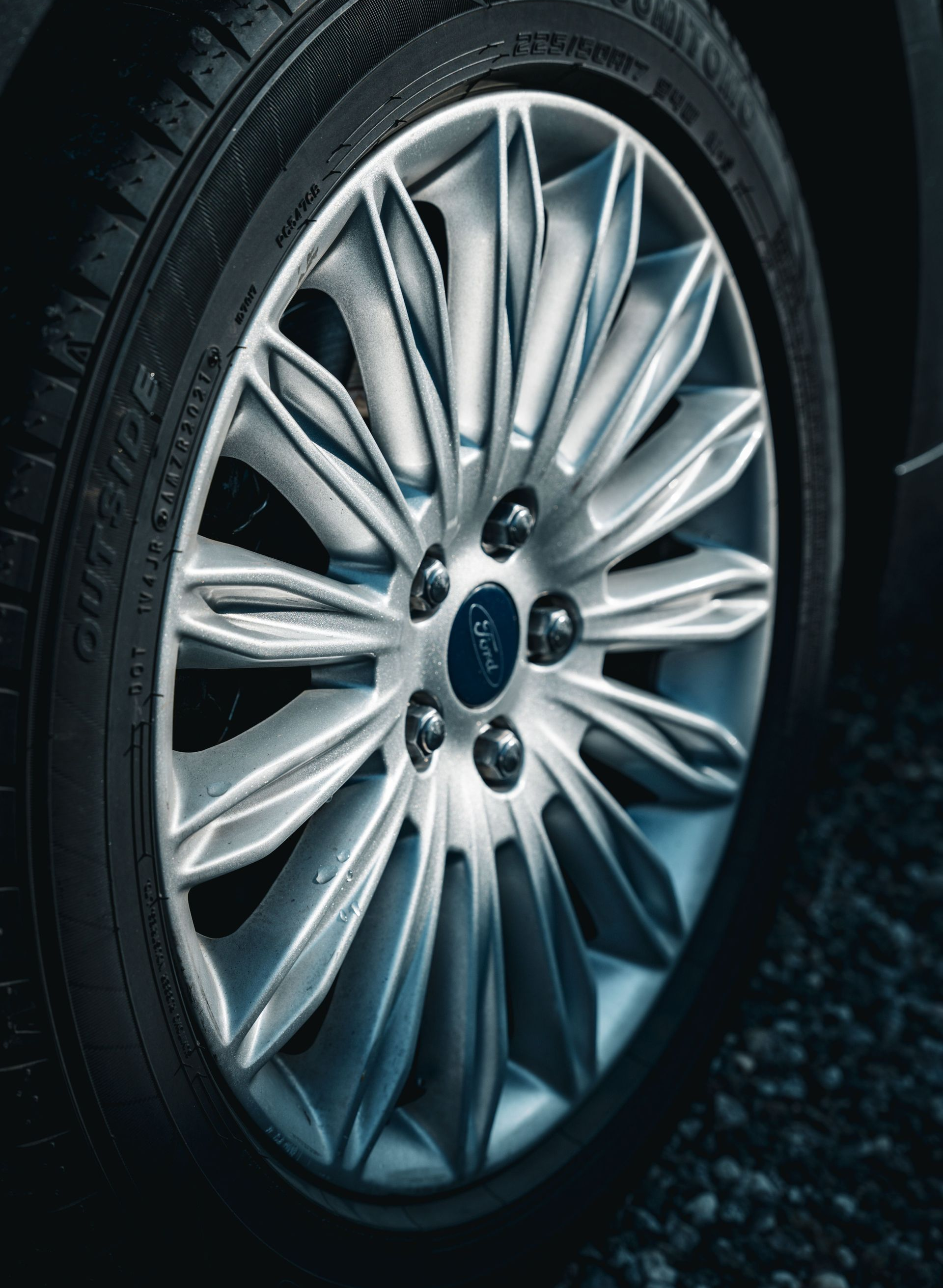
One of the most common mistakes is using the maximum pressure printed on the tire itself as the target.
That number is not usually the correct everyday inflation recommendation for the vehicle.
Instead, look for the vehicle manufacturer's pressure specifications, which are often found on a label inside the driver's door jamb or in the owner's manual.
Those numbers are designed around the vehicle's weight, handling characteristics, and tire setup.
Raymond’s Tire Shop can also help confirm the correct pressure if you are unsure.

Underinflation Changes How the Tire Works
When pressure drops too low, more of the tire flexes as it rolls.
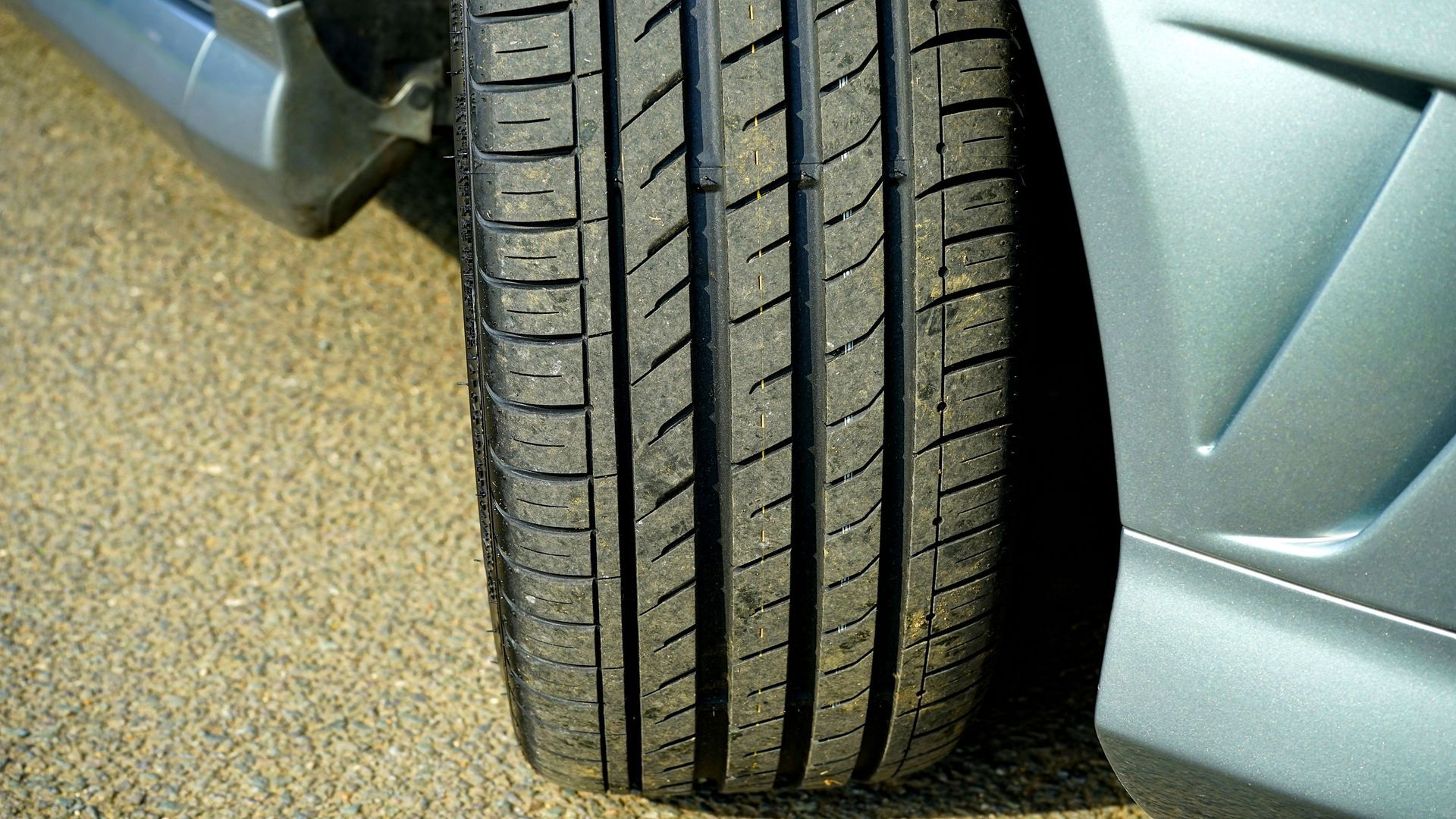
That can increase heat buildup and contribute to faster wear along the shoulders of the tread.
The vehicle may also feel less responsive when steering.
Underinflated tires can also increase rolling resistance, which may affect fuel economy.
The tire does not have to look visibly flat for these effects to begin.
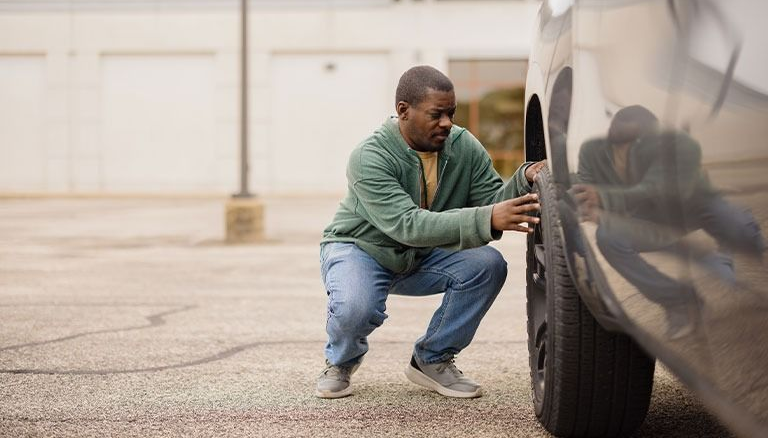
That is why a pressure gauge provides better information than simply looking at the tire from across the driveway.
Pressure Rises Again While Driving
Tires warm up as they roll.
As the air inside warms, pressure rises.
That is normal.
Because of this, tire pressure should generally be checked when the tires are cold, before the vehicle has been driven very far.
If you check pressure after a long highway trip and let air out because the reading looks higher, the tires may end up underinflated once they cool down.
The cold specification should remain the reference point.
Repeated Pressure Loss Deserves Attention
Cold weather can explain a general drop across several tires.
It does not explain everything.
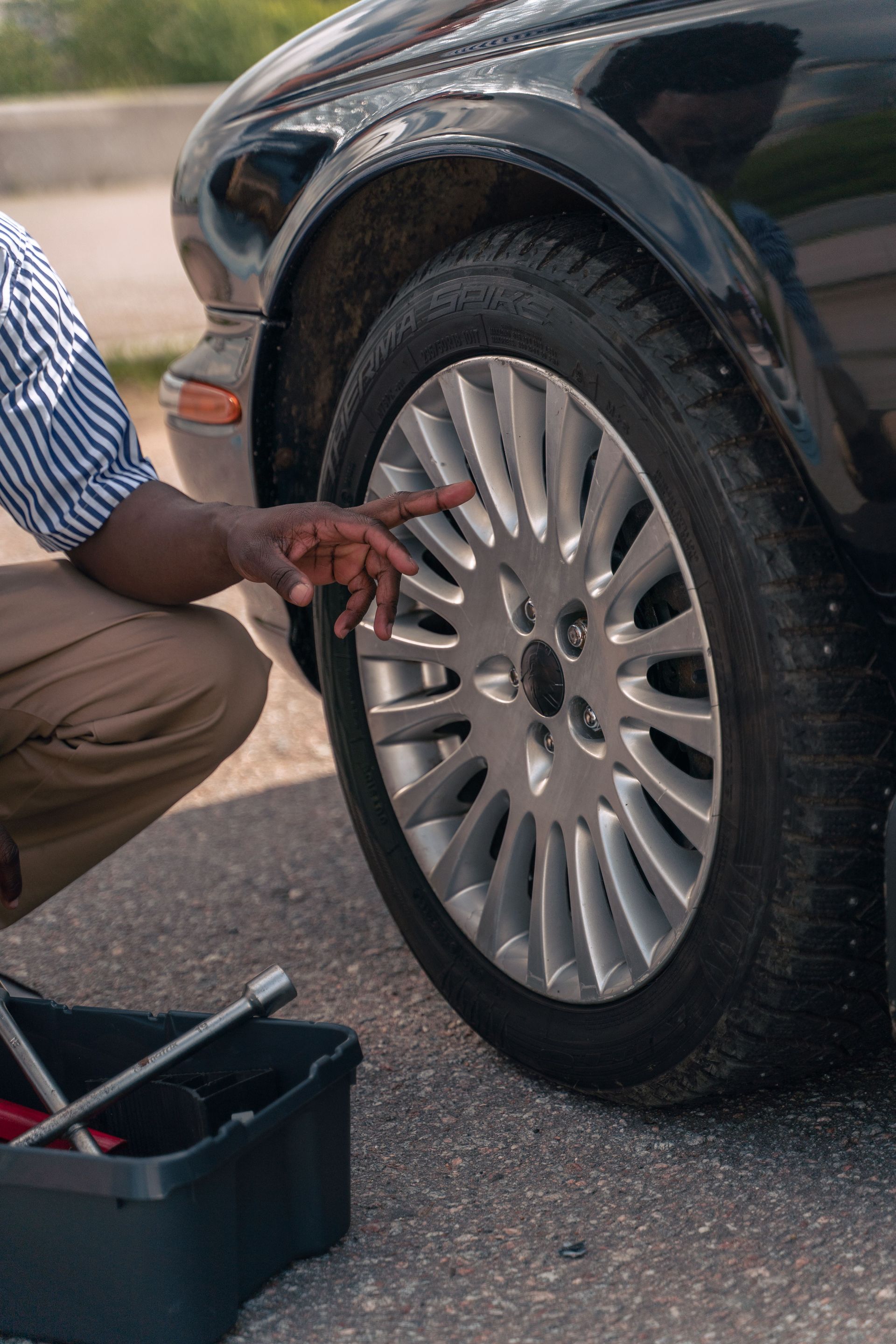
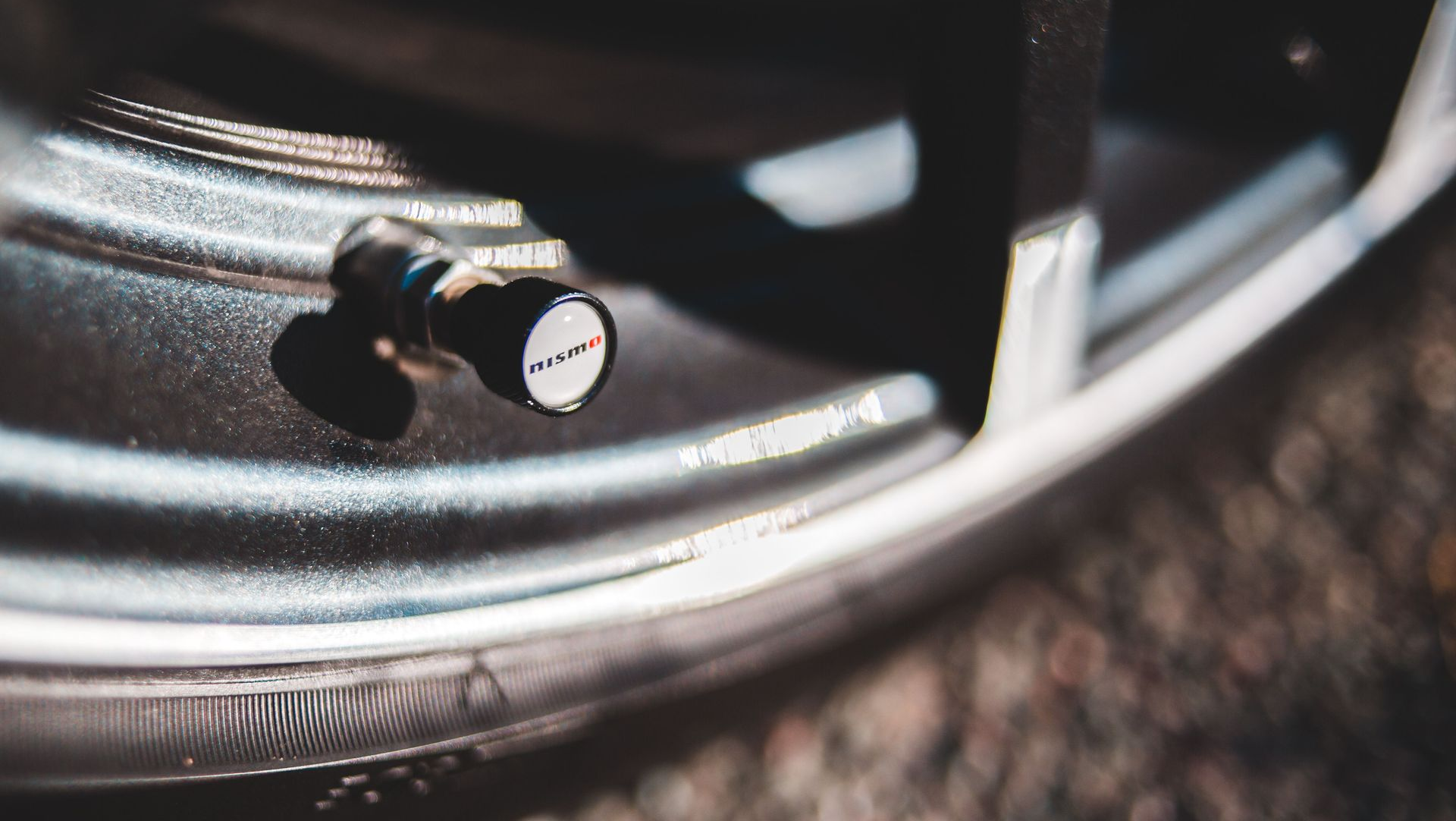
If one tire repeatedly loses pressure while the others remain stable, the problem may involve a puncture, damaged valve stem, wheel corrosion, bead leak, or another issue.
Adding air over and over without identifying the cause can allow a small problem to continue.
Raymond’s Tire Shop can inspect the tire and wheel to determine why the pressure keeps falling.
Make Pressure Checks Part of Seasonal Maintenance
Fall and winter are especially good times to pay attention to tire pressure because temperatures can change quickly.
Check the tires when a major cold front arrives, before long trips, and whenever the TPMS warning appears.
Do not forget the spare tire if your vehicle carries one.
Raymond’s Tire Shop can help with pressure checks, tire inspections, balancing, alignment, flats, and tire replacement when needed.
Cold weather may naturally lower tire pressure, but regular checks can help keep a normal seasonal change from turning into uneven wear or a roadside problem.