How Driving Habits Can Shorten Tire Life
Tires do not wear out based on mileage alone.
How a vehicle is driven can have a major effect on how quickly the tread disappears, how evenly the tires wear, and how often problems develop.
Two drivers can use the same type of tire on similar vehicles and get very different service life simply because their driving habits are different.
That is why tire care is not only about checking air pressure and scheduling rotations.
It is also about how the vehicle is handled every day.

Hard Acceleration Can Increase Tread Wear
Rapid acceleration puts additional force through the drive tires.
That can be especially noticeable on vehicles with more horsepower or torque, where the tires are asked to transfer a lot of power to the road at once.
Occasional brisk acceleration is not likely to ruin a set of tires by itself, but repeated aggressive starts can contribute to faster wear over time.
The effect may also be uneven depending on whether the vehicle is front-wheel drive, rear-wheel drive, or all-wheel drive.

Heavy Braking Can Be Hard on Tires Too
Braking places a different kind of stress on the tread.
Frequent hard stops can increase wear, especially on the front tires, which often handle a large share of the braking load.
Drivers who routinely follow too closely may also find themselves braking harder and more often than necessary.
Leaving more space between vehicles and anticipating traffic can reduce sudden stops.
That is better for the tires, and it can make the entire drive smoother.

Fast Cornering Wears the Edges
Tires are designed to handle cornering forces, but repeatedly taking turns aggressively can accelerate wear on the shoulder areas.
The effect may become more noticeable on winding roads or in vehicles with performance-oriented suspension setups.
If edge wear is appearing quickly, driving style may be one factor.
However, uneven shoulder wear can also point to inflation or alignment issues.
That is why it is worth having the tires inspected rather than assuming driving habits are the only cause.

Potholes and Curbs Can Create Bigger Problems
Driving habits include how carefully you navigate rough roads.
Hitting potholes at speed can damage a tire internally, bend a wheel, or knock alignment out of specification.
Clipping curbs can cause similar problems.
Sometimes the damage is obvious.
Other times, the first sign is a slow leak, steering pull, vibration, or unusual tread wear weeks later.
Avoiding road hazards when it is safe to do so can help protect the entire tire and wheel assembly.
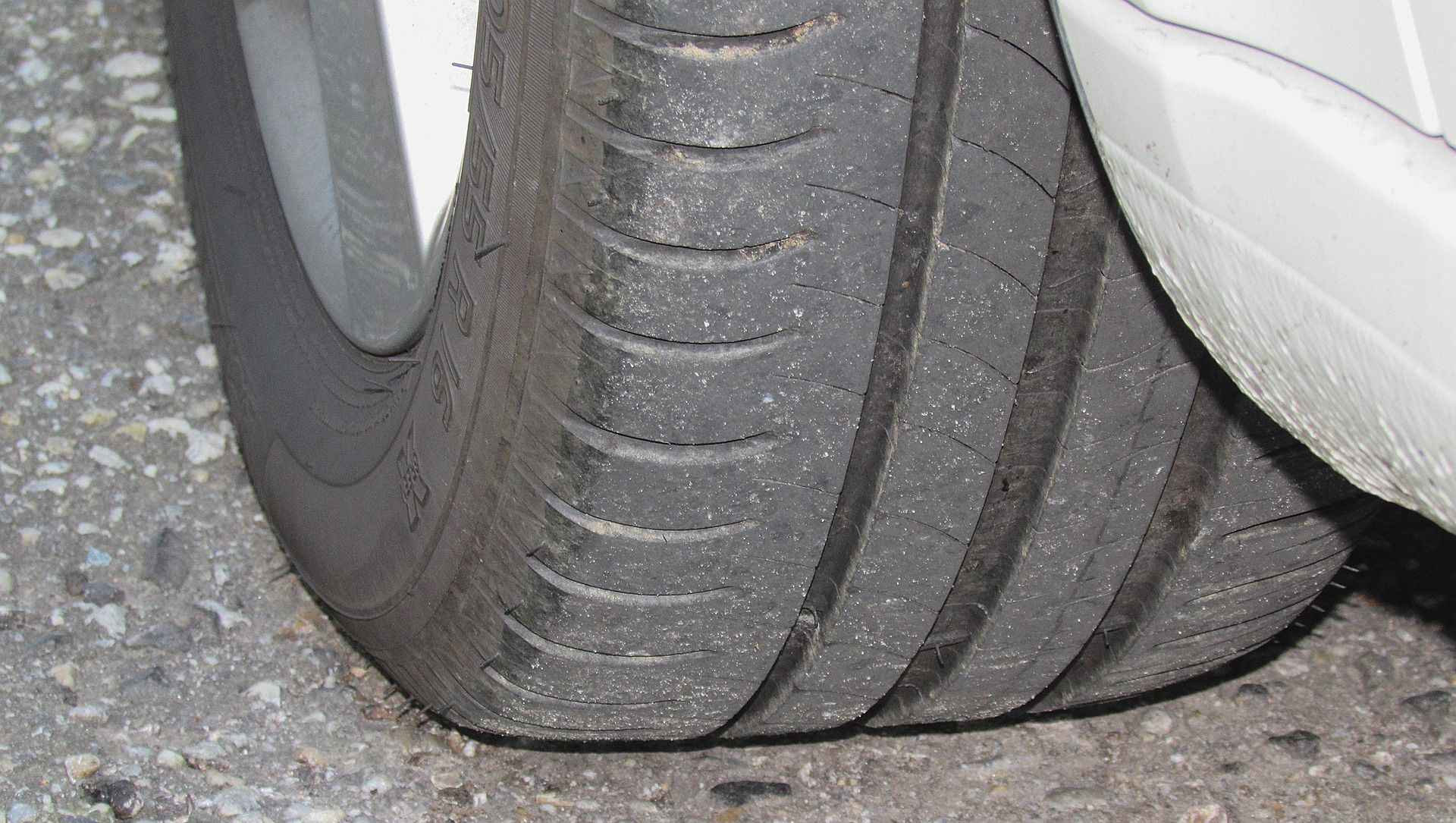
Highway and City Driving Wear Tires Differently
City driving often involves more acceleration, braking, turning, and stopping.
Highway driving generally involves steadier speeds but can expose tires to prolonged heat and higher-speed operation.
Neither type of driving is automatically bad for tires.
The important factor is how aggressively the vehicle is operated and whether tire pressure and alignment are kept in good condition.
A driver who spends most of the day in stop-and-go traffic may simply need to pay closer attention to tread wear patterns.
Overloading the Vehicle Can Increase Stress
Carrying more weight than usual can also affect tire life. Heavy cargo increases the load each tire has to support.
If the vehicle is frequently used for hauling tools, equipment, passengers, or other heavy loads, proper inflation becomes even more important.
Consistently operating with too much weight can increase heat and wear.
Drivers should stay within the vehicle manufacturer's load limits and use the recommended tire pressure.

Good Habits Help Tires Last Longer
Smooth driving can make a difference.
Gradual acceleration, controlled braking, reasonable cornering speeds, avoiding potholes when possible, and checking tire pressure regularly all support more even wear.
Regular rotation and alignment checks can also help prevent one set of tires from doing more work than the others.
Pay Attention to the Wear Pattern
Driving habits leave clues behind.
Uneven shoulders, rapid tread loss, cupping, feathering, or unusual vibration can all indicate that something deserves attention.
Raymond’s Tire Shop can inspect your tires, check wear patterns, balance wheels, and evaluate alignment to help determine why your tires are wearing the way they are.
Good tires are an investment.
Driving them smoothly and maintaining them properly can help you get more useful life from that investment before replacement becomes necessary.