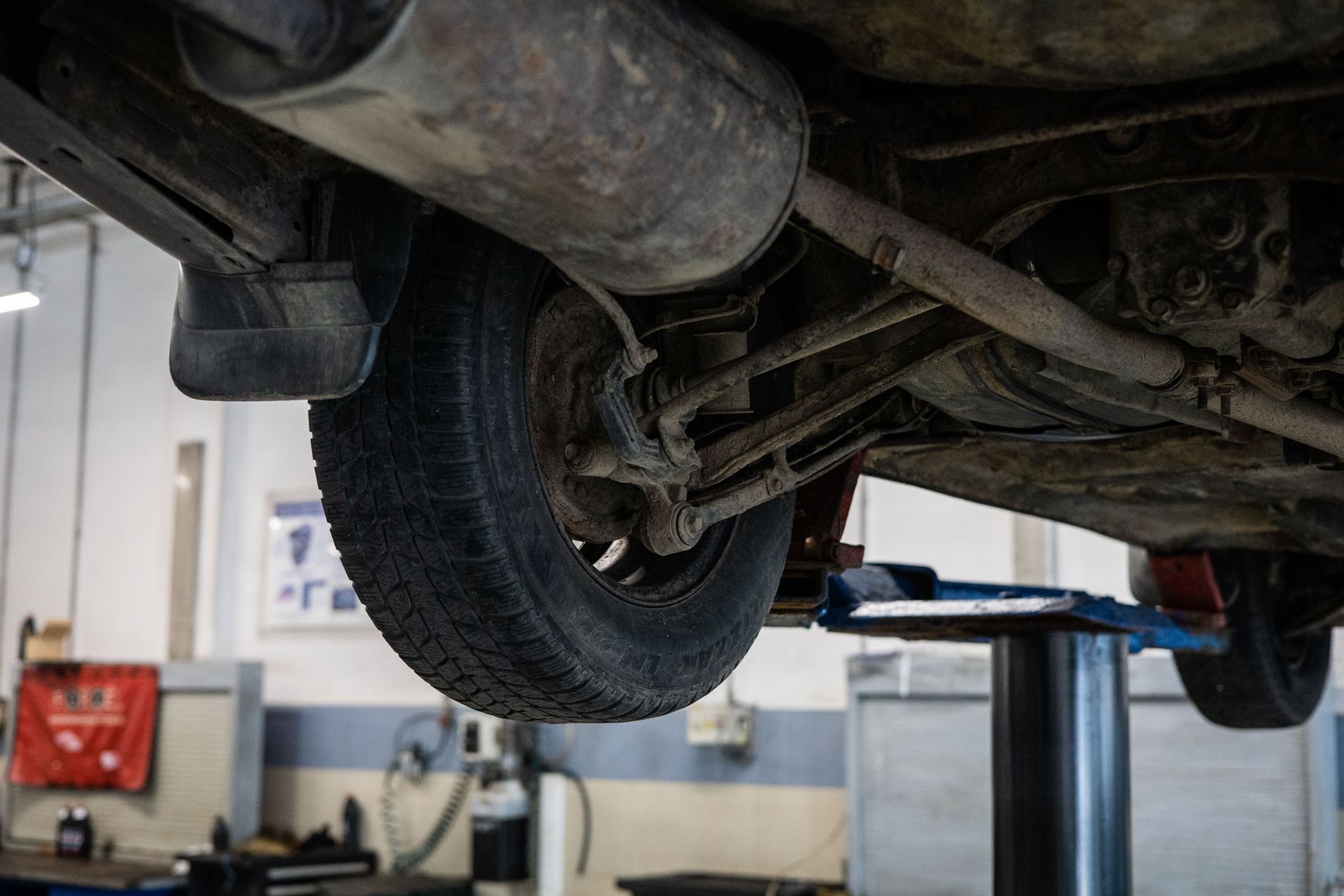
Why One Tire Can Wear Out Faster Than the Other Three
It can be frustrating to inspect your tires and discover that one is wearing much faster than the others.
At first glance, it may seem like a problem with that tire alone. In reality, uneven wear often points to something happening elsewhere in the vehicle.
Alignment, suspension condition, tire pressure, wheel damage, and even driving patterns can all cause one tire to lose tread faster than the other three.
Understanding the reason matters because replacing the worn tire without correcting the cause may lead to the same problem happening again.
Alignment Can Concentrate Wear on One Tire
Wheel alignment is one of the most common reasons for uneven tire wear.
If one wheel has too much positive or negative camber, or if the toe is out of specification, that tire may scrub against the road differently than the others.
The result can be accelerated wear along the inner or outer edge.
The vehicle may still seem to drive normally, especially if the misalignment is minor.
That is why visual tire inspection can sometimes reveal an alignment problem before the driver notices pulling or steering changes.
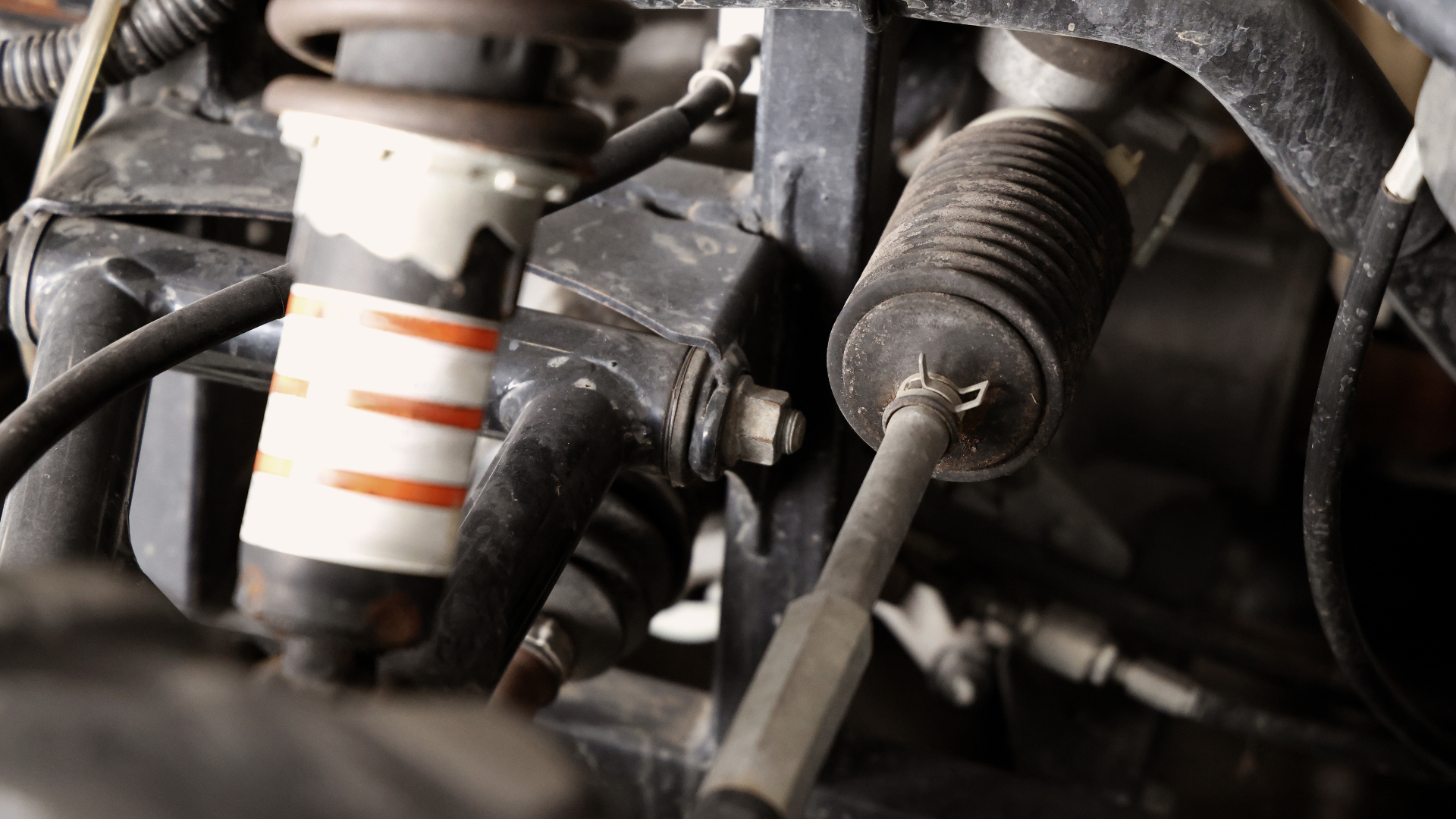
Suspension Wear Can Change Tire Contact
Worn suspension components can also affect how a tire sits on the road.
Ball joints, control arm bushings, struts, shocks, and other components help keep the wheel positioned correctly as the vehicle moves.
When those parts wear, the tire may no longer maintain consistent contact with the pavement.
This can lead to irregular patterns such as cupping, scalloping, or one-sided wear.
In those cases, an alignment alone may not solve the problem. The worn component may need to be addressed first.
Tire Pressure Can Make One Tire Wear Differently
A tire that consistently runs underinflated or overinflated can wear faster than the others.
Low pressure often increases wear toward the outer shoulders, while excessive pressure can concentrate wear closer to the center of the tread.
If only one tire keeps losing air, there may be a slow leak caused by a puncture, valve stem problem, bead leak, or wheel corrosion.
Repeatedly adding air without finding the cause can allow the wear pattern to continue.
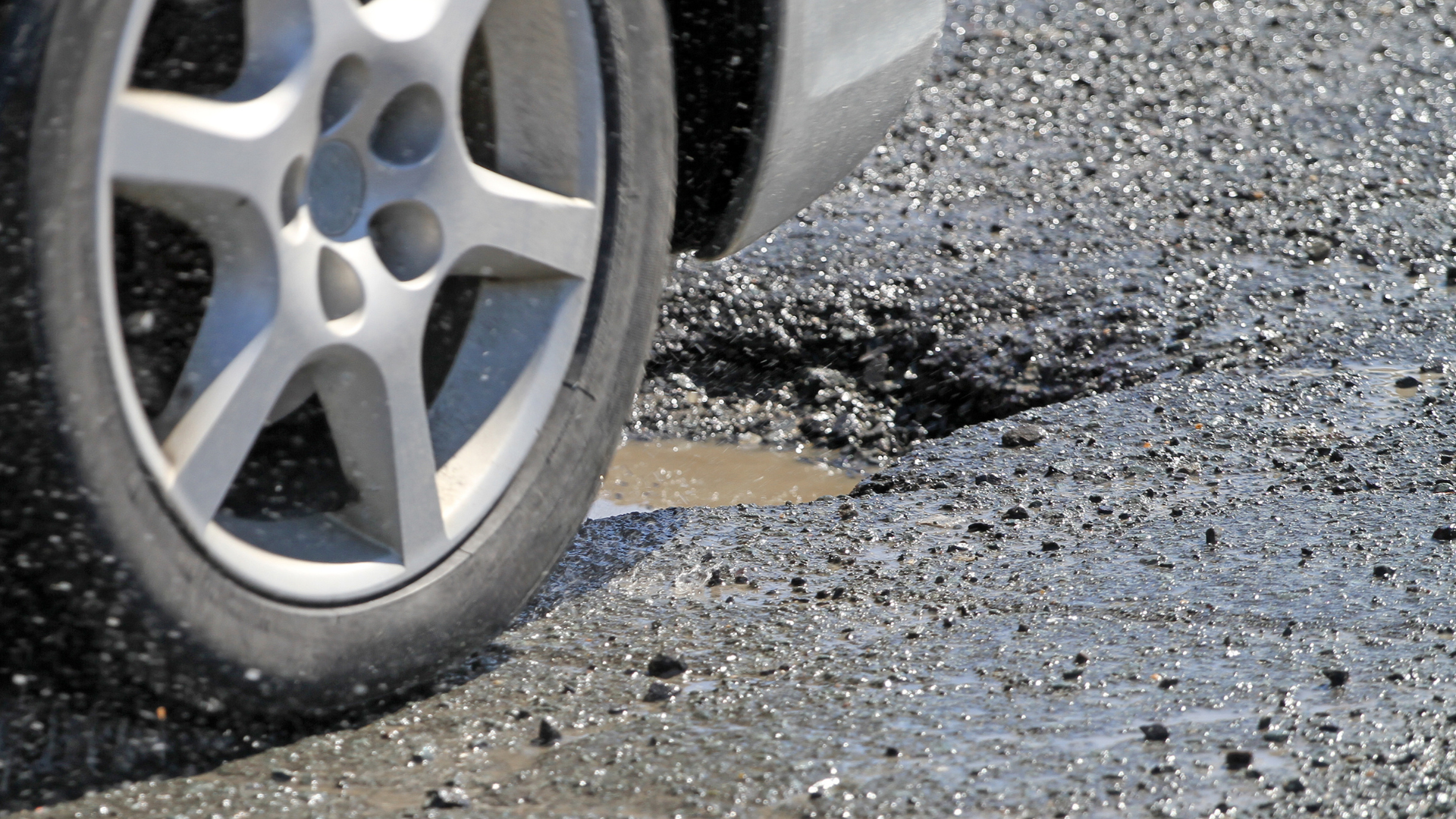
Wheel Damage Can Create Hidden Problems
A bent or damaged wheel can also affect tire wear.
Potholes, curbs, and road debris can change the way a wheel rotates or sits under load.
Even a small bend may create vibration or uneven contact that becomes more noticeable over time.
If one tire repeatedly develops unusual wear despite balancing and alignment service, the wheel itself may deserve a closer look.
Rotation History Matters
Tire rotation is designed to help distribute wear more evenly.
Front and rear tires perform different jobs, and front tires often handle a larger share of steering and braking forces.
If rotations are skipped for long periods, one position may wear faster than the others.
The same thing can happen if one tire was replaced earlier than the rest and the set now has different tread depths.
Knowing the service history can help explain why one tire looks different from the others.
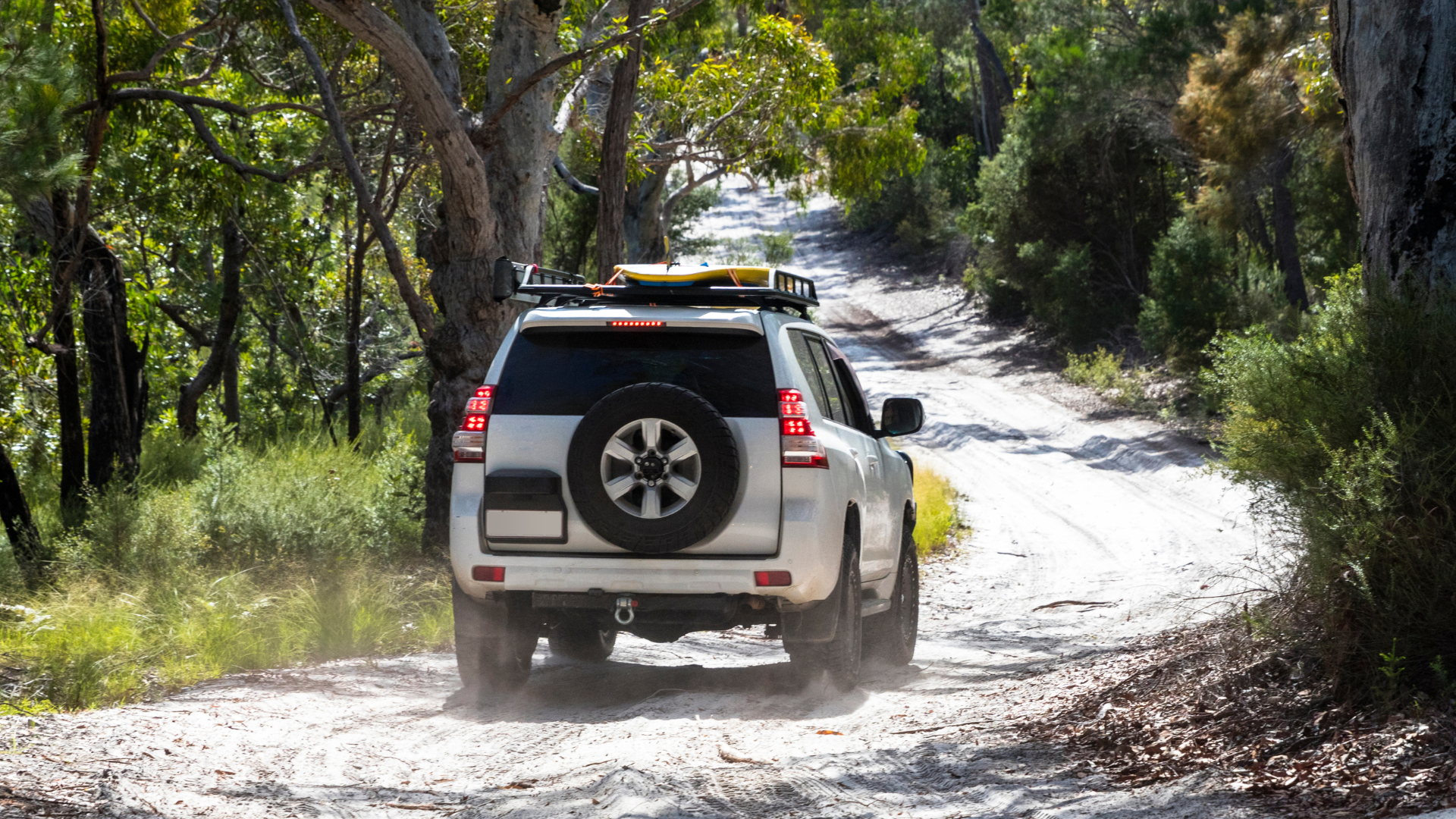
Driving Conditions Can Play a Role
Certain driving habits and routes can also create uneven wear.
Frequent tight turns, repeated curb contact, rough roads, or a daily route filled with potholes can place extra stress on one side of the vehicle.
A delivery vehicle that repeatedly makes the same turning pattern may also wear tires differently than a vehicle that spends most of its time on straight highway roads.
The wear pattern should be considered alongside how the vehicle is actually used.
Do Not Just Replace the Tire and Move On
If one tire is significantly more worn than the other three, replacing it may be necessary, but that should not be the end of the diagnosis.
The cause should be identified before the new tire begins wearing the same way.
Raymond’s Tire Shop provides tire service, wheel balancing, alignment, wheel inspection, and related maintenance to help drivers get more consistent life from their tires.
If one tire is wearing faster than the rest, contact Raymond’s Tire Shop for an inspection. A closer look at alignment, suspension, pressure, and wheel condition can help correct the underlying problem before it costs you another tire.