5 Sinais de que é hora de substituir seus pneus

Dirija com segurança

Seus pneus são a única parte do seu veículo que entra em contato com a estrada. Isso significa que sua condição influencia diretamente como seu carro responde, quão seguro ele freia e o conforto da sua condução. Ainda assim, muitos motoristas demoram demais para substituir pneus desgastados ou inseguros—geralmente porque não sabem o que procurar.

Na Raymond’s Tire Shop em Dorchester, ajudamos os motoristas de Boston a se manterem seguros ao identificar sinais de problemas antes que eles se transformem em panes à beira da estrada. Se você está se perguntando se seus pneus ainda têm vida útil, aqui estão cinco sinais claros de que está na hora de substituí-los.

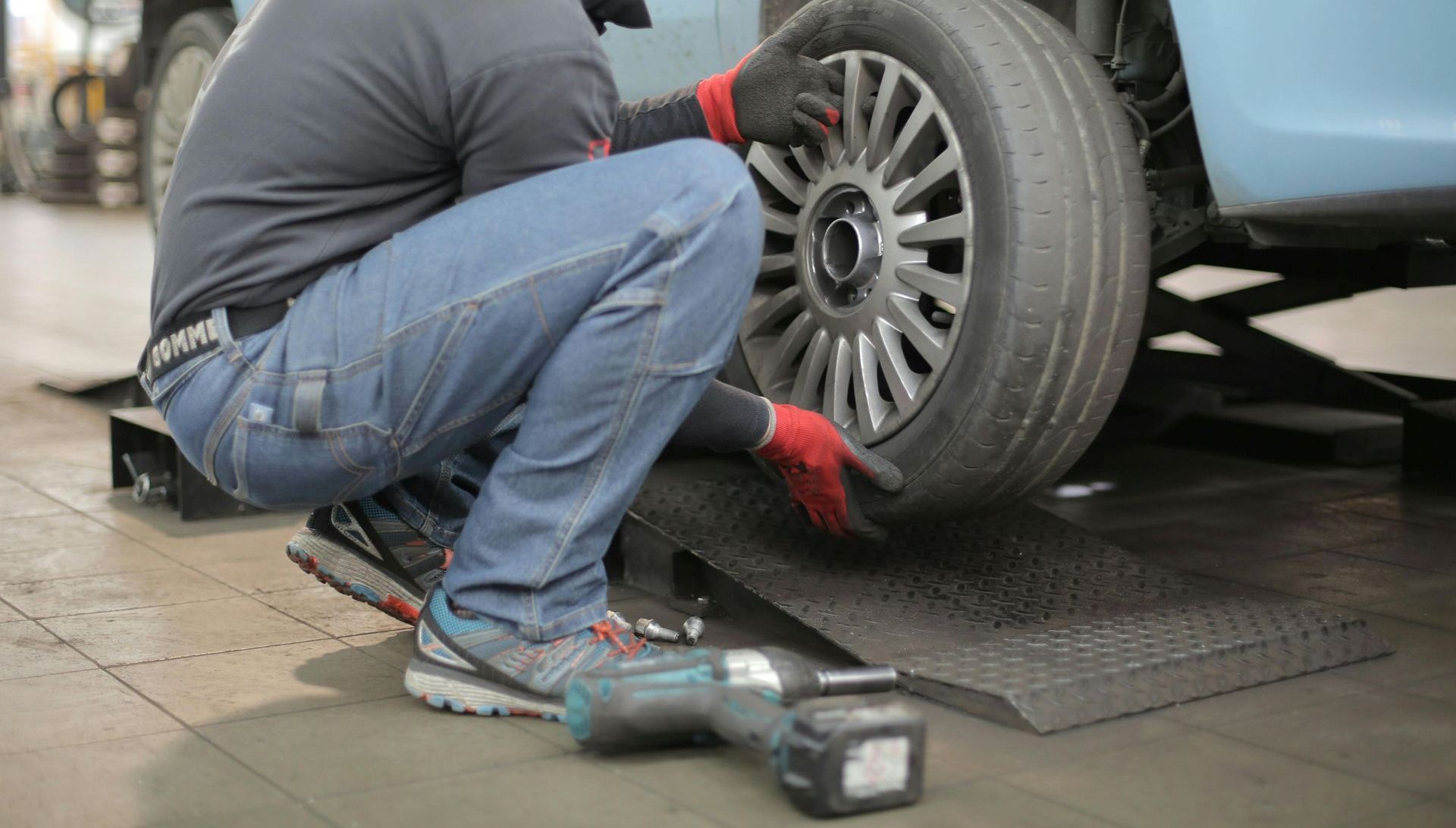
A man is changing a tire on a car in front of a pile of tires.

1. A profundidade da banda de rodagem está muito baixa
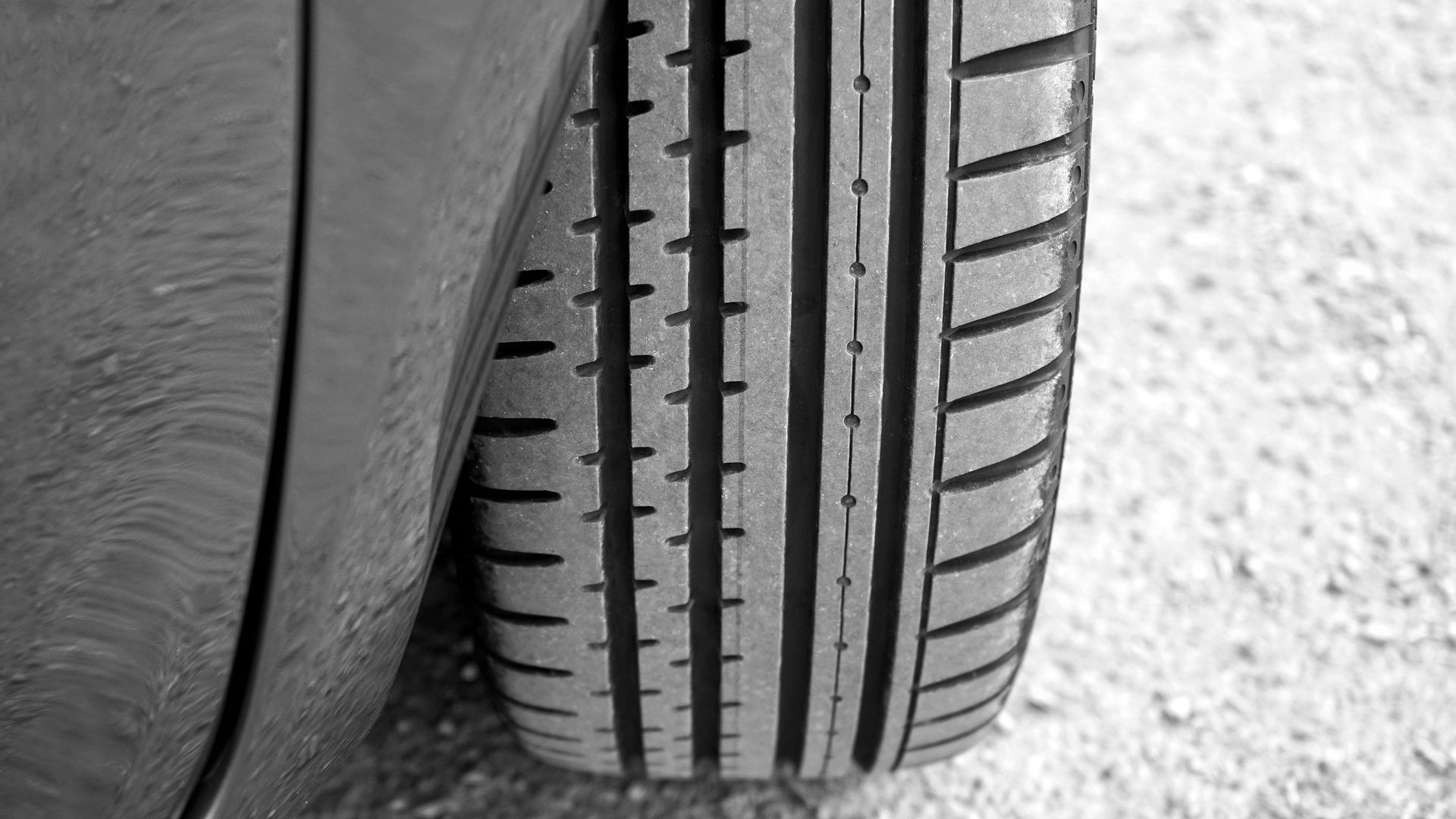
A profundidade da banda de rodagem é um dos indicadores mais importantes da saúde de um pneu. As ranhuras na banda ajudam o pneu a aderir à estrada, especialmente em condições úmidas ou escorregadias. À medida que a banda se desgasta, o risco de aquaplanagem, derrapagem ou perda de tração aumenta significativamente.

Uma dica prática: use o teste da moeda de um centavo. Insira a moeda na banda com a cabeça de Lincoln voltada para baixo. Se você conseguir ver o topo da cabeça, sua banda de rodagem está abaixo de 2/32 de polegada—e está na hora de trocar o pneu. Muitos especialistas recomendam a substituição com 4/32” por segurança, especialmente em climas úmidos.


Na Raymond’s, medimos a profundidade da banda em cada inspeção e ajudamos você a decidir se a substituição é urgente ou apenas algo a se considerar em breve.
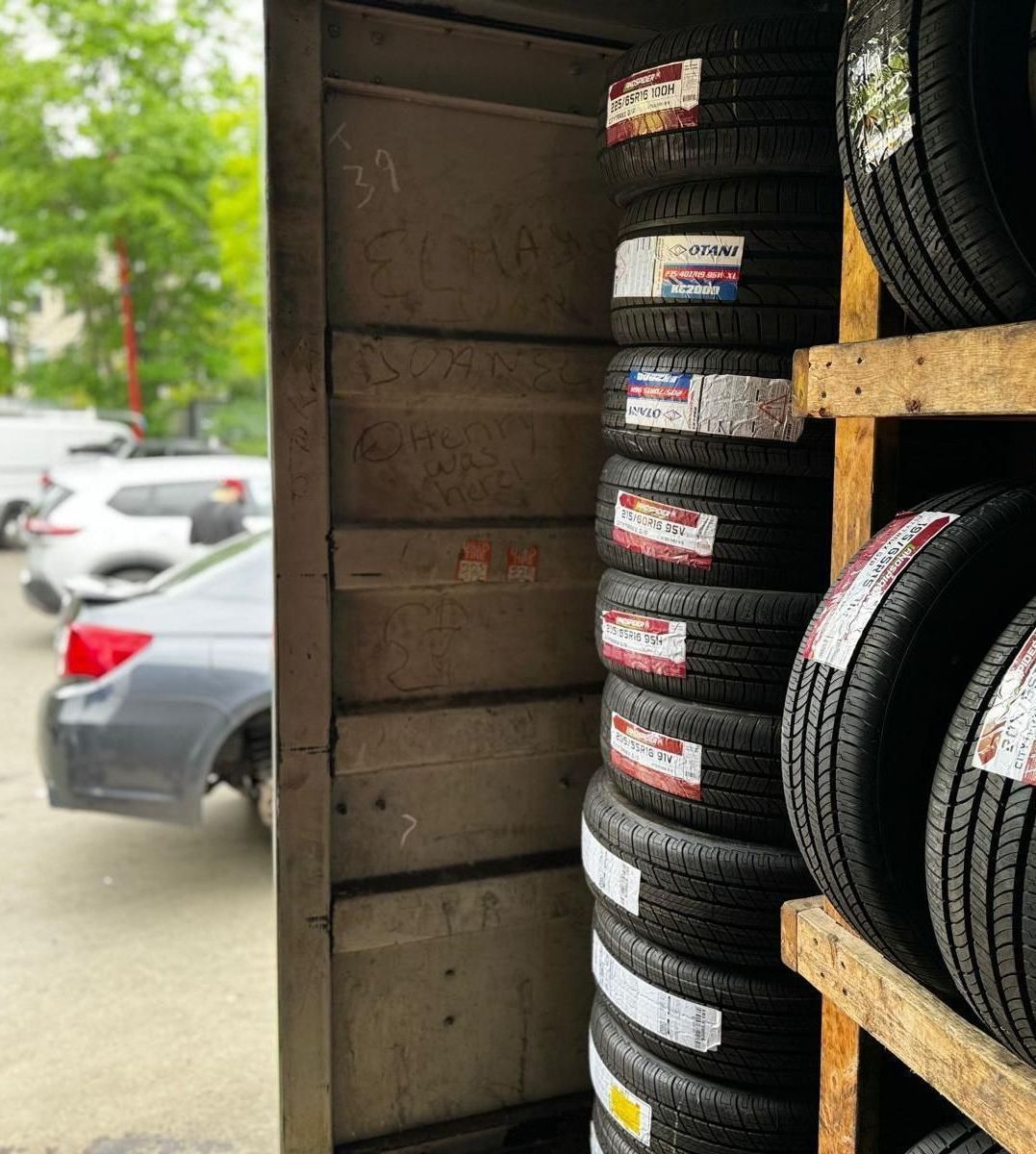
A bunch of tires are stacked on shelves in a garage

2. Você nota rachaduras ou protuberâncias
A borracha naturalmente se degrada com o tempo, especialmente sob temperaturas extremas. Se você vir rachaduras nas laterais ou na superfície da banda, isso pode indicar ressecamento ou falha estrutural. Da mesma forma, protuberâncias ou bolhas nos flancos geralmente indicam que as camadas internas do pneu foram danificadas—geralmente por buracos, guias ou detritos na estrada.

Esses problemas não são apenas estéticos. Um pneu com protuberância pode estourar sem aviso, especialmente em altas velocidades. Se você notar algo fora do comum, não espere—faça uma verificação imediata dos seus pneus.
A man is working on a tire in a tire shop.

3. Você sente vibração ao dirigir
Alguma vibração é normal nas ruas esburacadas de Boston, mas se você perceber uma vibração nova ou persistente—especialmente em baixa velocidade ou em pavimento liso—isso pode indicar desgaste irregular, desalinhamento ou dano interno do pneu.

Em alguns casos, a vibração significa que o pneu está desequilibrado ou que as cintas internas começaram a se separar. De qualquer forma, é um sinal de que seus pneus não estão mais fornecendo uma condução estável e uniforme.

Se você não sabe o que está causando a vibração, leve seu carro à Raymond’s Tire Shop. Podemos inspecionar os danos, balancear as rodas e informar se é hora de trocar os pneus.
A man is changing a tire on a car in a parking lot

4. Muitos remendos
Consertar um pneu furado é uma solução econômica—mas até certo ponto. Se um pneu foi remendado várias vezes, especialmente perto do flanco ou da borda, ele é mais propenso a falhar sob pressão. A maioria dos fabricantes recomenda no máximo dois remendos por pneu, e apenas em locais reparáveis.

Se o seu pneu parece ter sido costurado várias vezes, provavelmente está na hora de aposentá-lo e investir em um conjunto mais seguro.

5. Eles estão simplesmente velhos
Mesmo que seus pneus pareçam bons, a idade sozinha pode torná-los inseguros. A maioria dos fabricantes sugere substituir os pneus a cada seis a dez anos, independentemente do desgaste da banda. Com o tempo, a borracha endurece e perde flexibilidade, tornando os pneus mais propensos a rachaduras ou falhas.

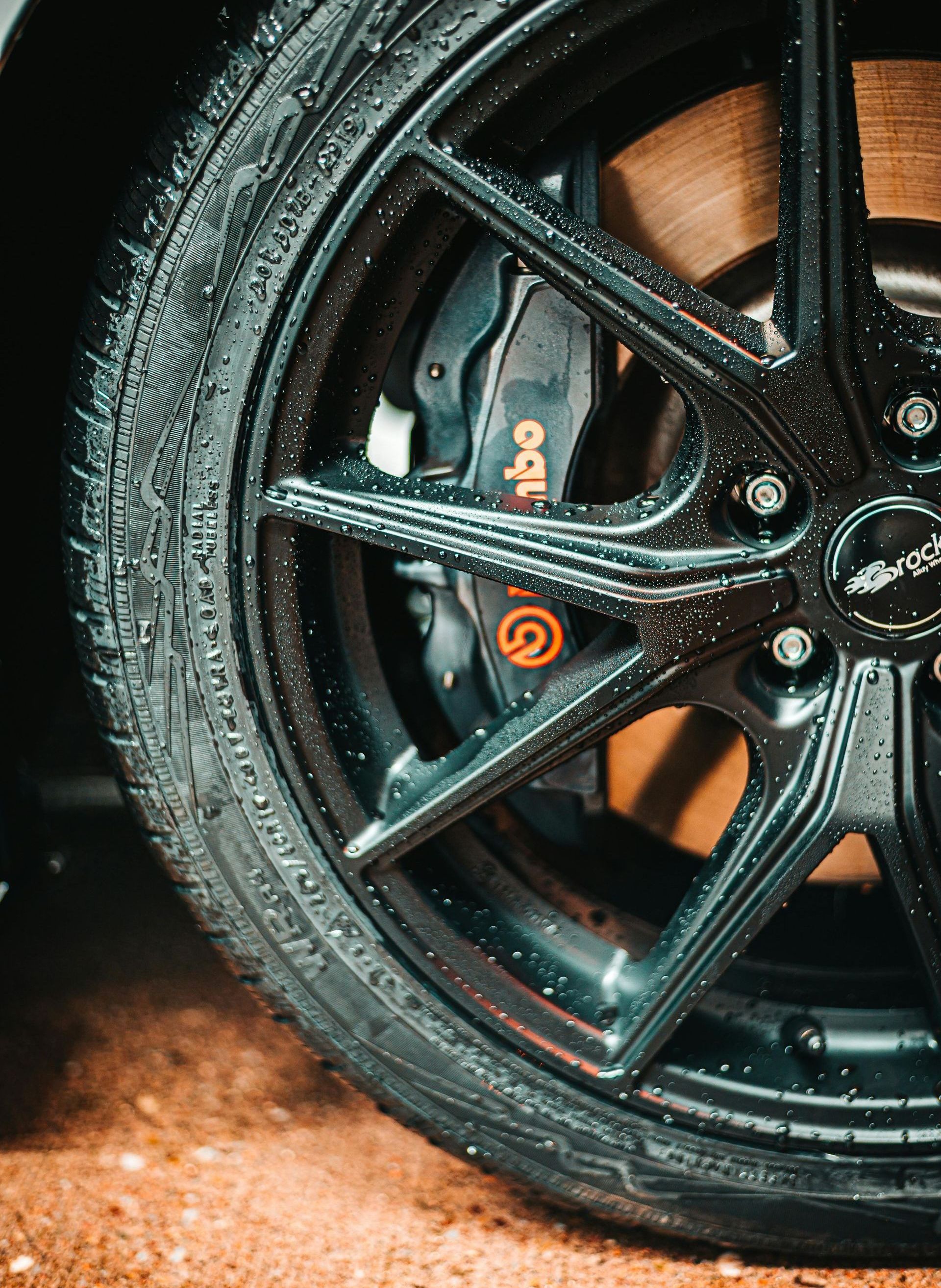
Você pode verificar a idade dos seus pneus lendo o código DOT na lateral. Os quatro últimos dígitos indicam a semana e o ano de fabricação. Por exemplo, um pneu com a marca “3219” foi fabricado na 32ª semana de 2019.

Se seus pneus têm mais de seis anos—especialmente se estiveram expostos ao sol ou ao clima severo—vale a pena considerar a substituição, mesmo que a banda ainda pareça boa.
Fique atento aos sinais e evite problemas
Os pneus não duram para sempre, mas prestar atenção a esses cinco sinais pode ajudar a evitar problemas maiores na estrada. Seja para substituir um único pneu ou um jogo completo, a Raymond’s Tire Shop oferece opções acessíveis—novas e usadas—para todos os orçamentos.

Passe em nossa loja na Blue Hill Ave para uma inspeção rápida ou ligue para nosso serviço de assistência rodoviária em caso de pneu furado. Colocaremos você de volta na estrada com pneus confiáveis—rápido, honesto e feitos para durar.
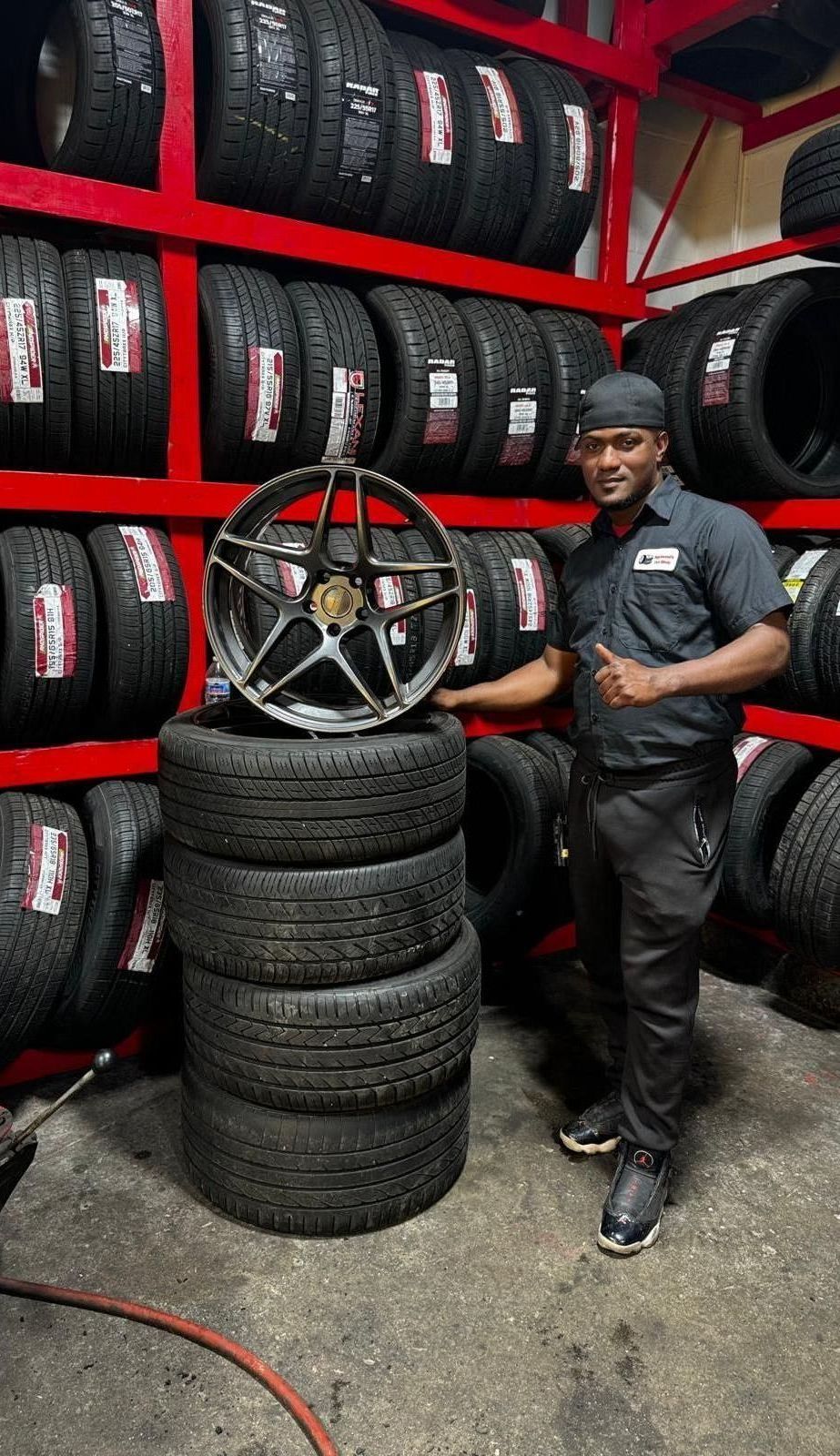
A man is standing next to a pile of tires in a tire store.
A man is changing a tire in a garage.
A man is standing next to a tire in front of a pile of tires.
A man is working on a tire in a tire shop.
A man is standing in front of a pile of tires.
October 7, 2026
Tire tread gets a lot of attention, but tread depth is not the only factor that matters. Tires also age . Even when a tire still has visible tread, the rubber compounds can gradually change over time because of heat, sunlight, weather exposure, and normal use. That is why knowing how to read the DOT date code can help drivers understand how old a tire really is.  The date code does not tell you everything about tire condition, but it provides an important piece of the overall picture.
October 1, 2026
A hard pothole impact can do more than damage a tire. The force can also bend a wheel, especially if the pothole is deep, the vehicle is moving quickly, or the tire has a lower-profile sidewall with less cushioning between the road and rim. Sometimes the damage is obvious. In other cases, the wheel may look normal but cause vibration, air loss, or handling problems.  Knowing what to watch for after a pothole strike can help drivers catch wheel damage before it creates additional tire or suspension problems.
September 23, 2026
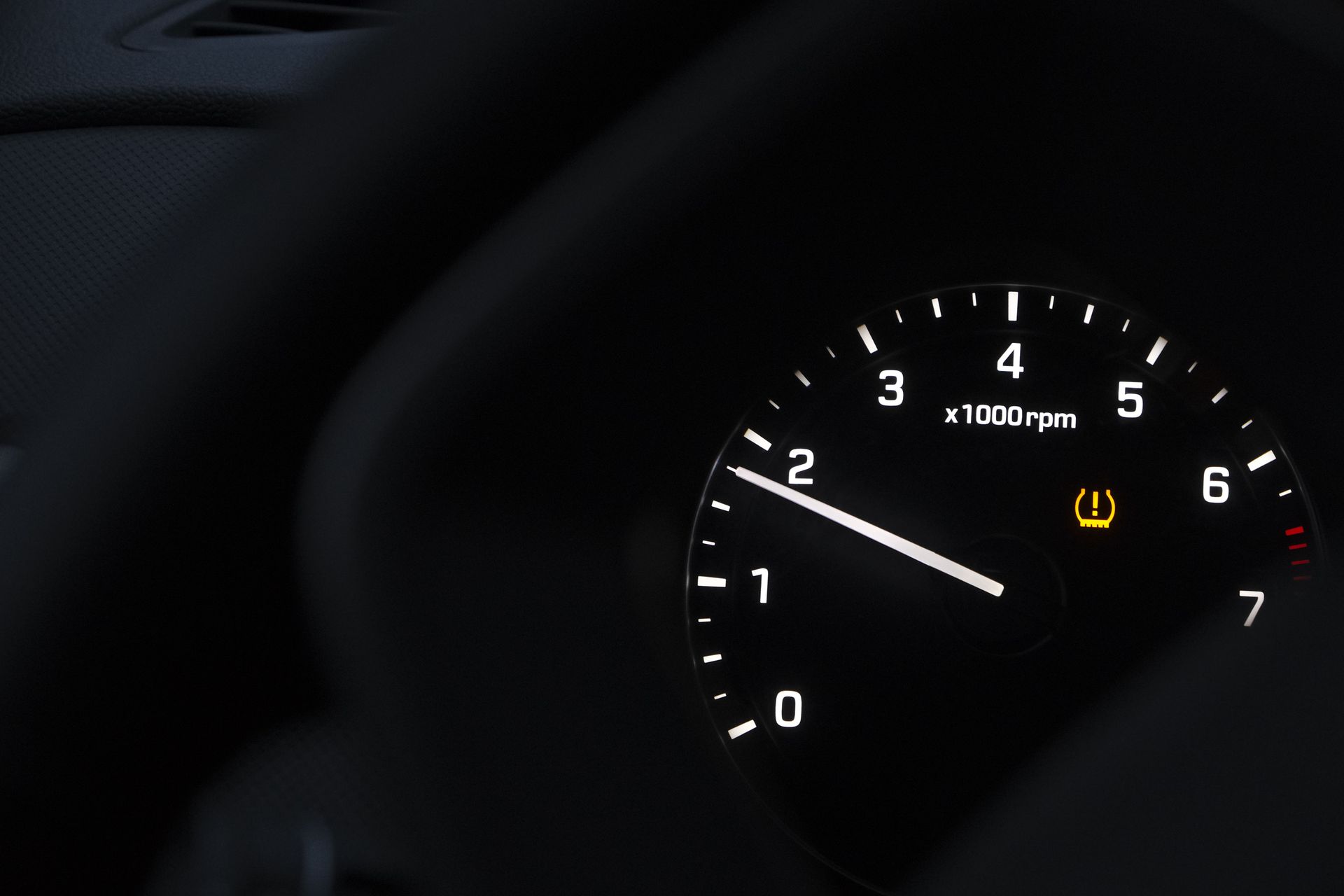
Most drivers are familiar with the tire pressure monitoring system , or TPMS, warning light. When it stays on steadily, it usually means one or more tires may be underinflated. A flashing TPMS light often means something different. Instead of simply warning about low tire pressure, a flashing light can indicate a problem with the monitoring system itself. That could involve a sensor, sensor battery, communication issue, or another TPMS-related fault.  Knowing the difference can help drivers avoid assuming that adding air will automatically solve the problem.
September 22, 2026
Tread depth is one of the first things drivers look at when deciding whether a tire still has life left. Deep grooves can make a tire appear healthy, especially if the vehicle is not driven very often. But tread is only part of the picture. Tires age even when they are not being used heavily. Over time, rubber compounds can harden, dry out, and become less flexible. That means an older tire may still have plenty of tread while no longer performing the way it did when it was newer. Rubber Changes With Age Tires are constantly exposed to oxygen, heat, sunlight, moisture, and changing temperatures. Those conditions gradually affect the rubber. As a tire ages, the material can lose some of its elasticity. That may reduce its ability to flex properly as it rolls and responds to the road. A tire that looks acceptable at a quick glance may therefore be significantly older than its appearance suggests. This is especially important for vehicles that accumulate very few miles each year.
September 11, 2026
A flat tire does not always mean the tire has to be replaced. In many cases, a small puncture can be repaired safely and returned to service. The key is where the puncture occurred, how large it is, and whether the tire suffered additional damage while losing air. That is why a professional inspection matters. Two punctures that lo ok similar from the outside may require completely different solutions once the tire is removed and examined internally. Location Matters Most One of the first things a technician looks at is where the puncture is located. Damage in the central tread area is often the best candidate for repair. This part of the tire is designed to handle contact with the road and can sometimes be repaired when the puncture is small and otherwise straightforward. Punctures near the shoulder or sidewall are much more concerning.  These areas flex significantly while the tire is moving and cannot usually be repaired safely using standard puncture-repair methods. If a nail, screw, or other object damages the sidewall or outer shoulder, replacement is often the safer option.
September 6, 2026
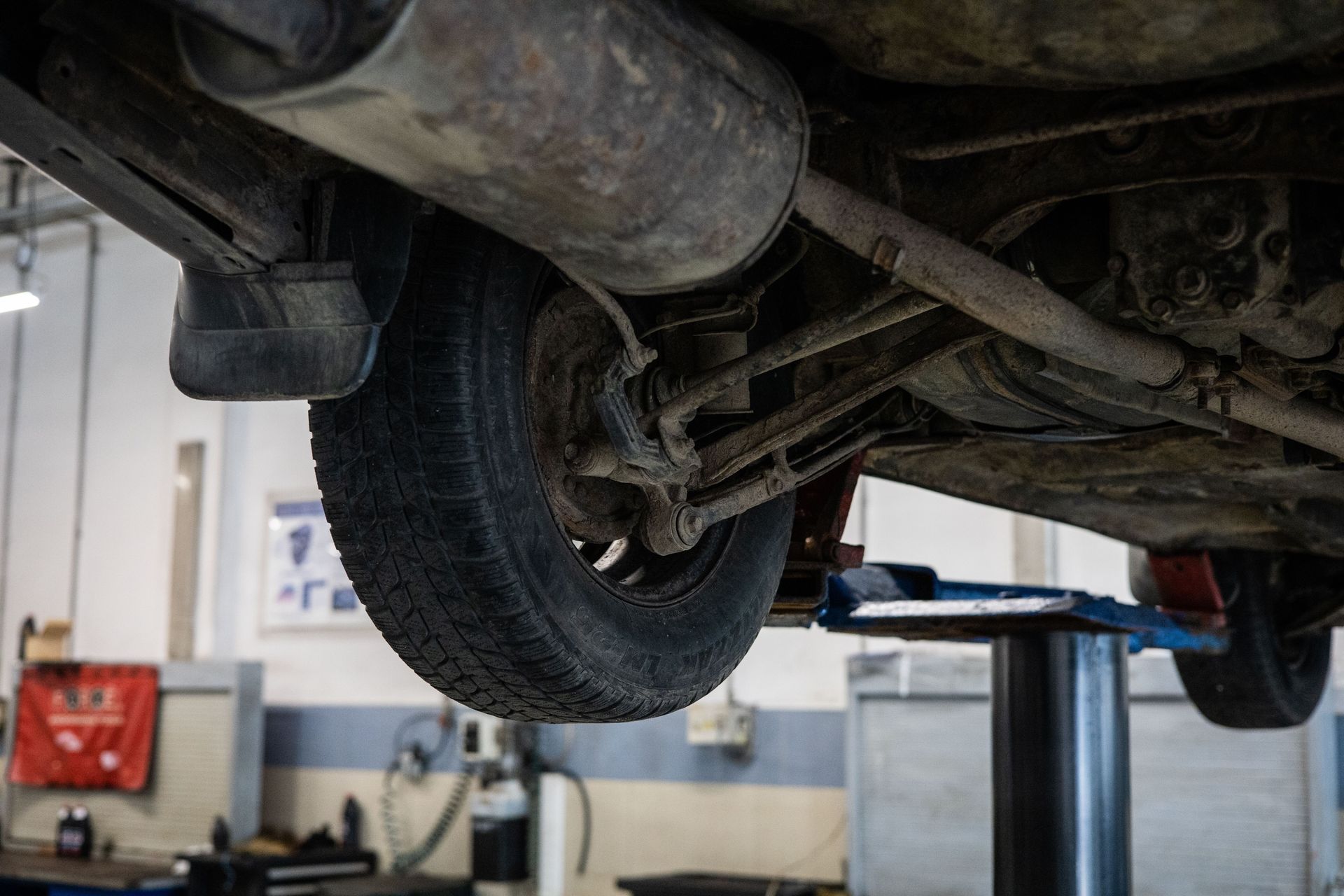
A wheel alignment can correct important steering and tire-angle settings, but the alignment itself depends on the suspension being in good mechanical condition. If ball joints, tie rods, control arm bushings, wheel bearings, or other components are worn, the wheels may not stay in the position the technician sets.  That is why some vehicles continue pulling , wearing tires unevenly, or developing an off-center steering wheel even after an alignment. In those cases, the problem may not be the alignment machine or the adjustment. It may be worn suspension or steering components underneath the vehicle.