Como fazer seus pneus durarem mais no trânsito de Boston

Manutenção inteligente, pneus mais fortes

Em uma cidade como Boston, seus pneus fazem muito mais do que apenas rodar — eles enfrentam buracos, ruas irregulares, curvas fechadas, tráfego intenso e condições climáticas extremas durante o ano todo. Cada trajeto diário, ida ao mercado ou viagem de fim de semana afeta o desgaste da banda de rodagem, o alinhamento e a saúde geral dos pneus.


Mas aqui está a boa notícia: com um pouco de manutenção rotineira e alguns hábitos de direção inteligentes, você pode prolongar significativamente a vida útil dos seus pneus.

Na Raymond’s Tire Shop, ajudamos os motoristas de Boston a tirar o máximo proveito dos seus pneus há décadas. Aqui está o nosso guia para garantir que os seus durem o máximo possível.

A city street with cars parked on the side of it

1. Mantenha seus pneus bem calibrados

Este pode ser o hábito mais importante que você pode adotar. Pneus com pressão baixa ou alta se desgastam de forma irregular e se deterioram mais rápido — especialmente em ruas urbanas, que já são duras para a suspensão e o borrachão. A baixa pressão também reduz a eficiência do combustível e pode causar danos laterais se for ignorada por muito tempo.


Verifique a pressão dos pneus pelo menos uma vez por mês (com mais frequência durante mudanças de clima) e sempre use a pressão recomendada no batente da porta do motorista ou no manual do proprietário — não a indicada na lateral do pneu.


2. Faça o rodízio regularmente — deixe que a gente cuide disso

Os pneus se desgastam de forma diferente dependendo da posição. Os dianteiros geralmente se desgastam mais rápido por causa da direção, frenagem e peso do motor. Sem o rodízio regular, esse desgaste desigual pode levar à substituição prematura.


Recomendamos fazer o rodízio a cada 8.000 a 11.000 km (5.000 a 7.000 milhas), ou a cada duas trocas de óleo, aproximadamente. Na Raymond’s, fazemos o rodízio de forma rápida e acessível — sem necessidade de agendamento, é só passar que cuidamos de tudo.
A rear view mirror shows a row of cars on a street

3. O balanceamento é mais importante do que parece

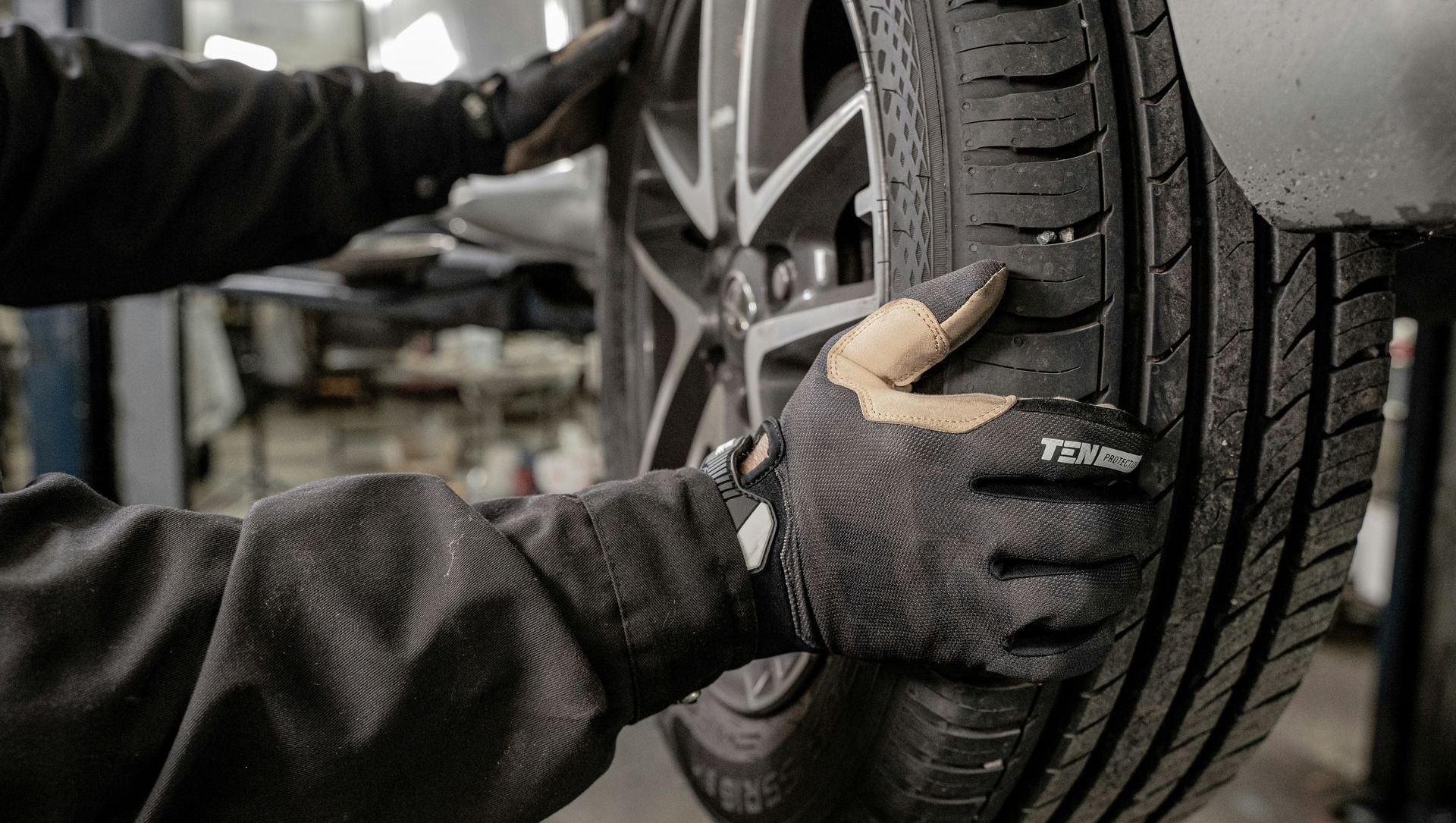
Pneus desbalanceados podem causar vibração, desgaste irregular e esforço desnecessário na suspensão. Se o carro estiver vibrando em velocidades mais altas ou o volante estiver tremendo, é possível que as rodas estejam desbalanceadas.


O balanceamento costuma ser negligenciado, mas desempenha um papel importante na durabilidade dos pneus — especialmente em Boston, onde as ruas esburacadas são comuns.
A man is changing a tire on a car in a garage.

4. Fique de olho no alinhamento

As ruas de Boston não são nada suaves. Um impacto forte em um buraco pode desalinhar seu veículo. Rodas desalinhadas fazem com que os pneus se desgastem de forma desigual, geralmente nas bordas internas ou externas, encurtando sua vida útil e até afetando o controle do carro.


Se o carro puxa para um lado ou se a direção parece imprecisa, verifique o alinhamento. Embora não realizemos alinhamento em nossa loja, informaremos se houver um problema e indicaremos um local confiável.


5. Dirija com inteligência nas ruas da cidade

A forma como você dirige faz toda a diferença. Acelerações rápidas, freadas bruscas, curvas fechadas e passar por cima de guias ou buracos podem acabar com seus pneus rapidamente. Reduza a velocidade em lombadas, evite manobras agressivas e mantenha distância para frear com suavidade. Quanto mais suave for sua direção, mais seus pneus vão durar.

A large yacht is docked in front of a city skyline

6. Inspecione seus pneus com frequência

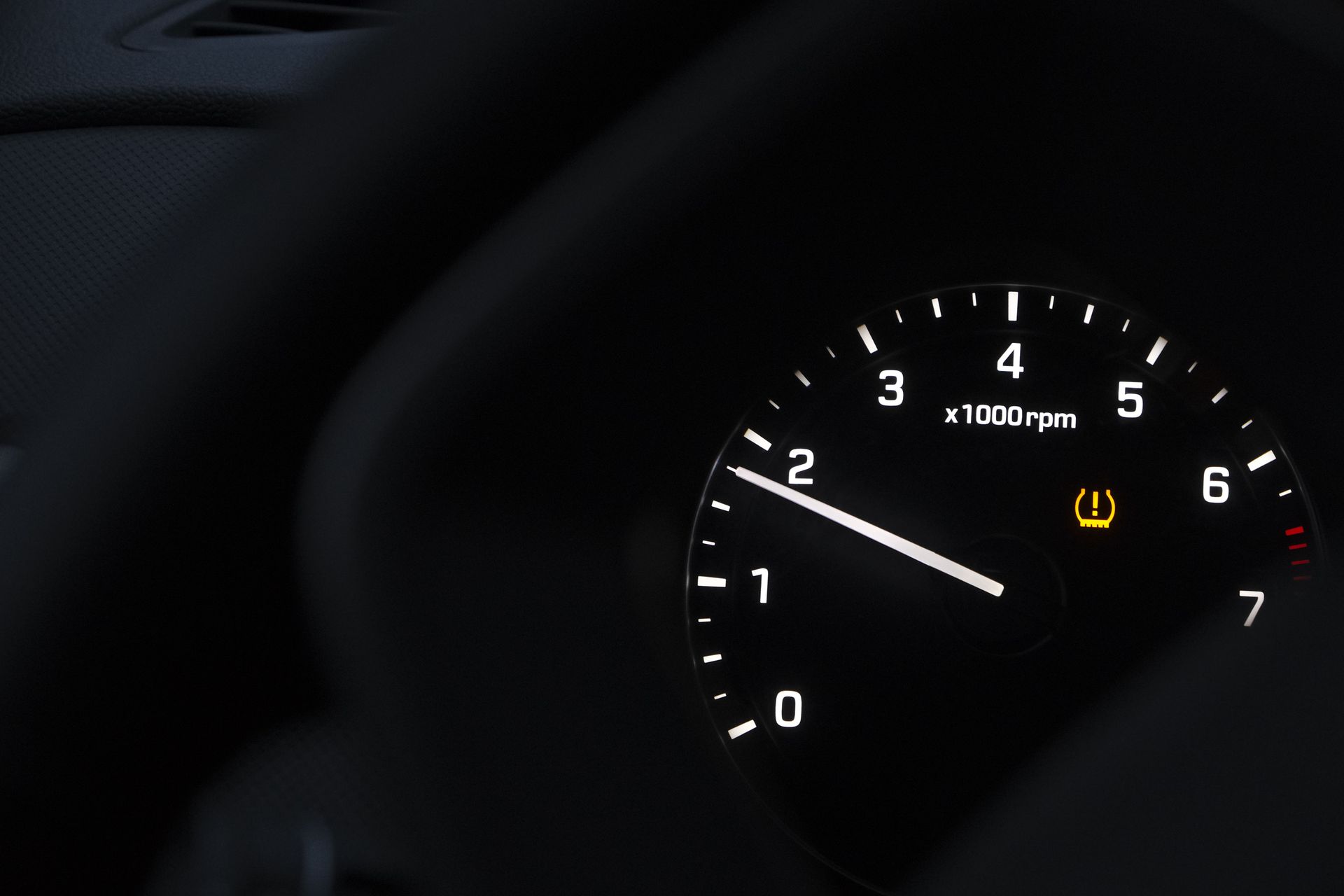
Não espere o alerta no painel. Tire um minuto a cada poucas semanas para verificar:

  • Desgaste irregular da banda de rodagem
  • Cortes, rachaduras ou bolhas nas laterais
  • Objetos encravados como pregos ou vidro
  • Desgaste excessivo (use a técnica da moeda, se tiver dúvida)


Detectar esses problemas cedo pode evitar complicações maiores — e economizar dinheiro.
A pile of tires stacked on top of each other.

Precisa de ajuda? É só passar aqui

Na Raymond’s Tire Shop, somos especialistas em manter os pneus dos motoristas de Boston em ótimo estado — mesmo que você não os tenha comprado conosco. De rodízios rápidos e consertos de furos até pneus novos e usados a preços acessíveis, nosso objetivo é te colocar de volta na estrada com segurança — sem pesar no bolso.


Estamos abertos todos os dias da semana, e não é necessário agendamento. Passe na 760 Blue Hill Ave em Dorchester, ou ligue para nós se precisar de serviço de pneu na estrada.


Dirija com inteligência. Economize. Deixe a Raymond’s ajudar seus pneus a irem mais longe.
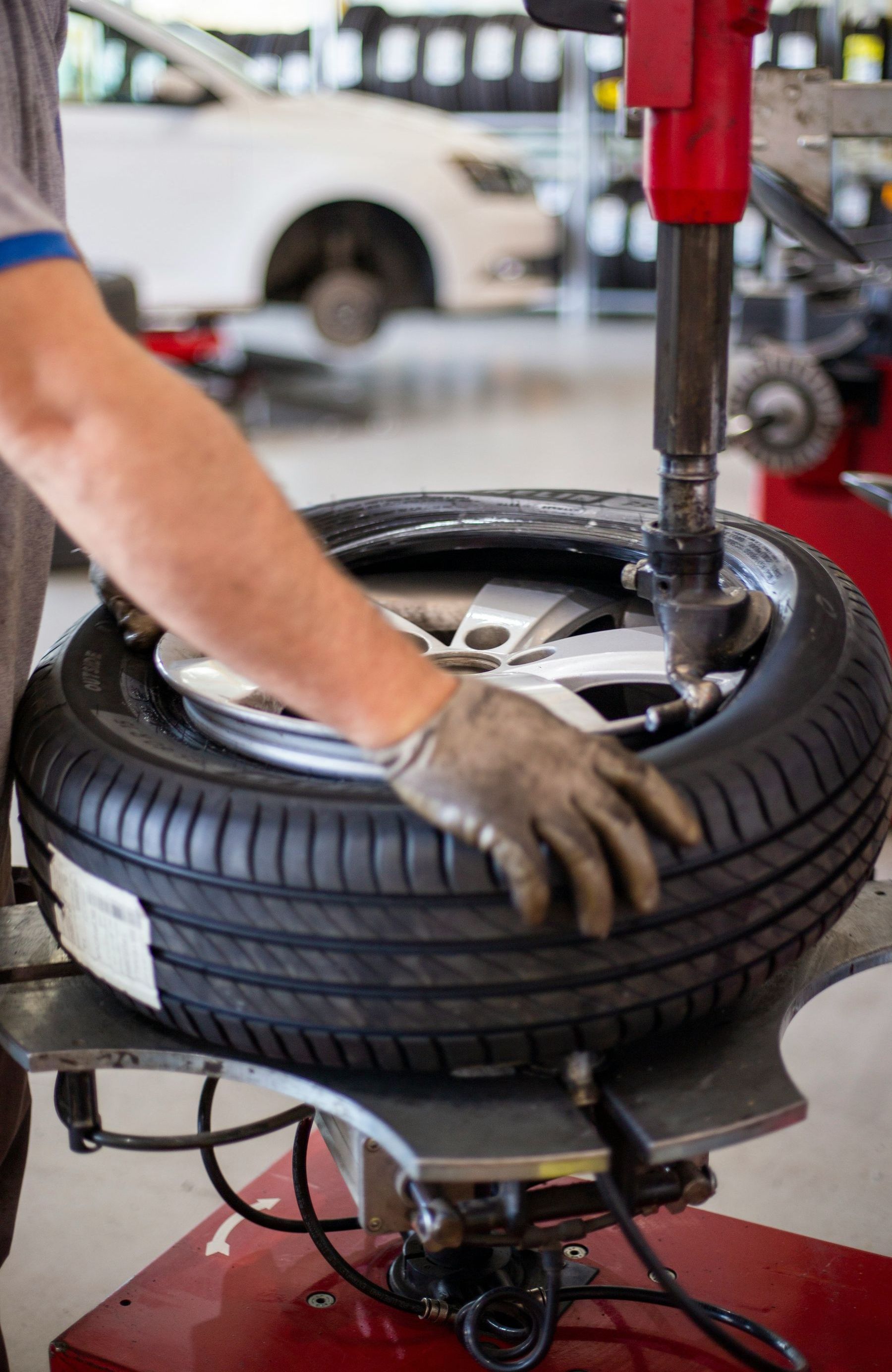
A man is changing a tire on a machine in a garage.
A group of people are crossing a street in front of a large stone building.
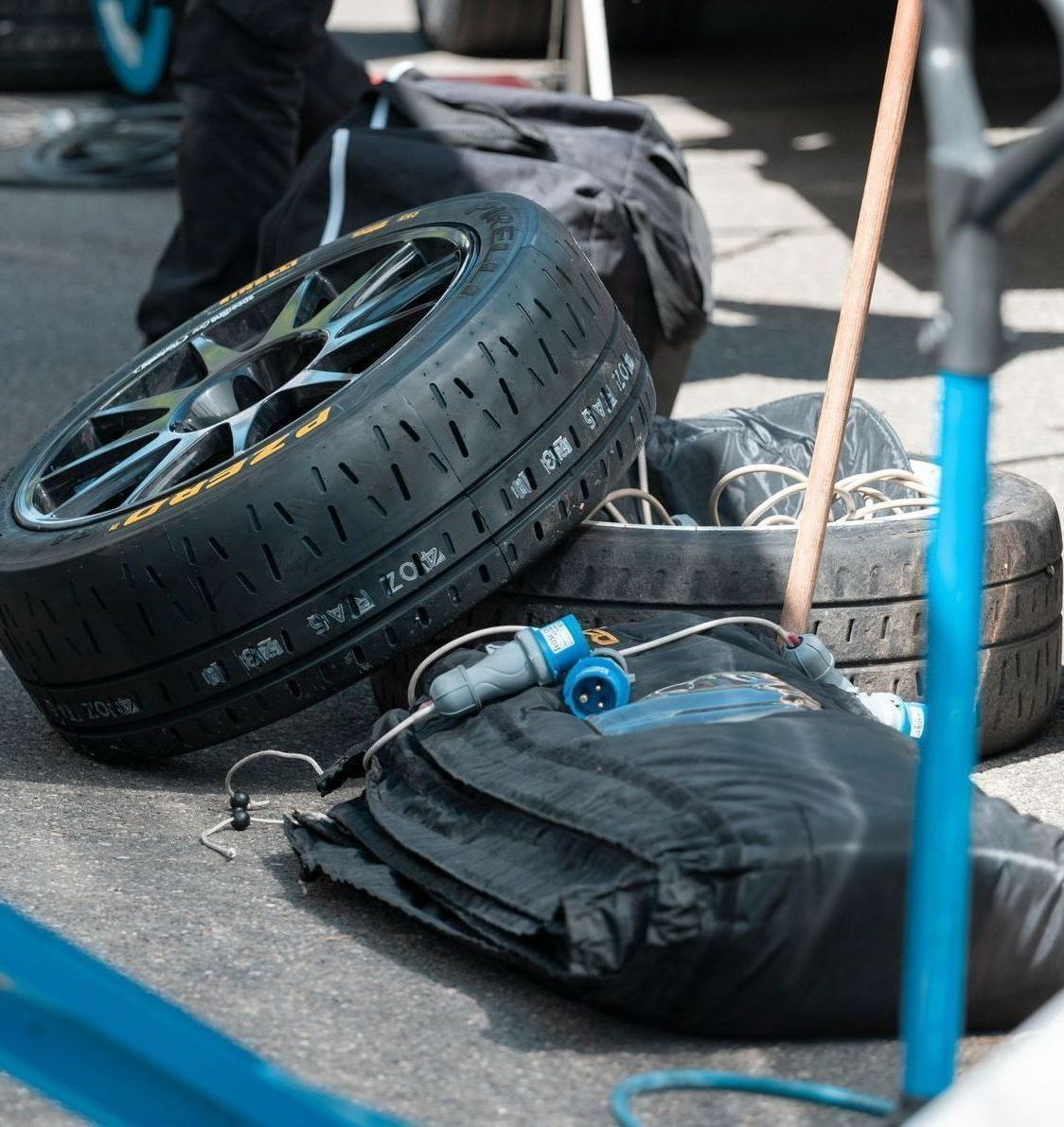
A tire that has the number 20 on it
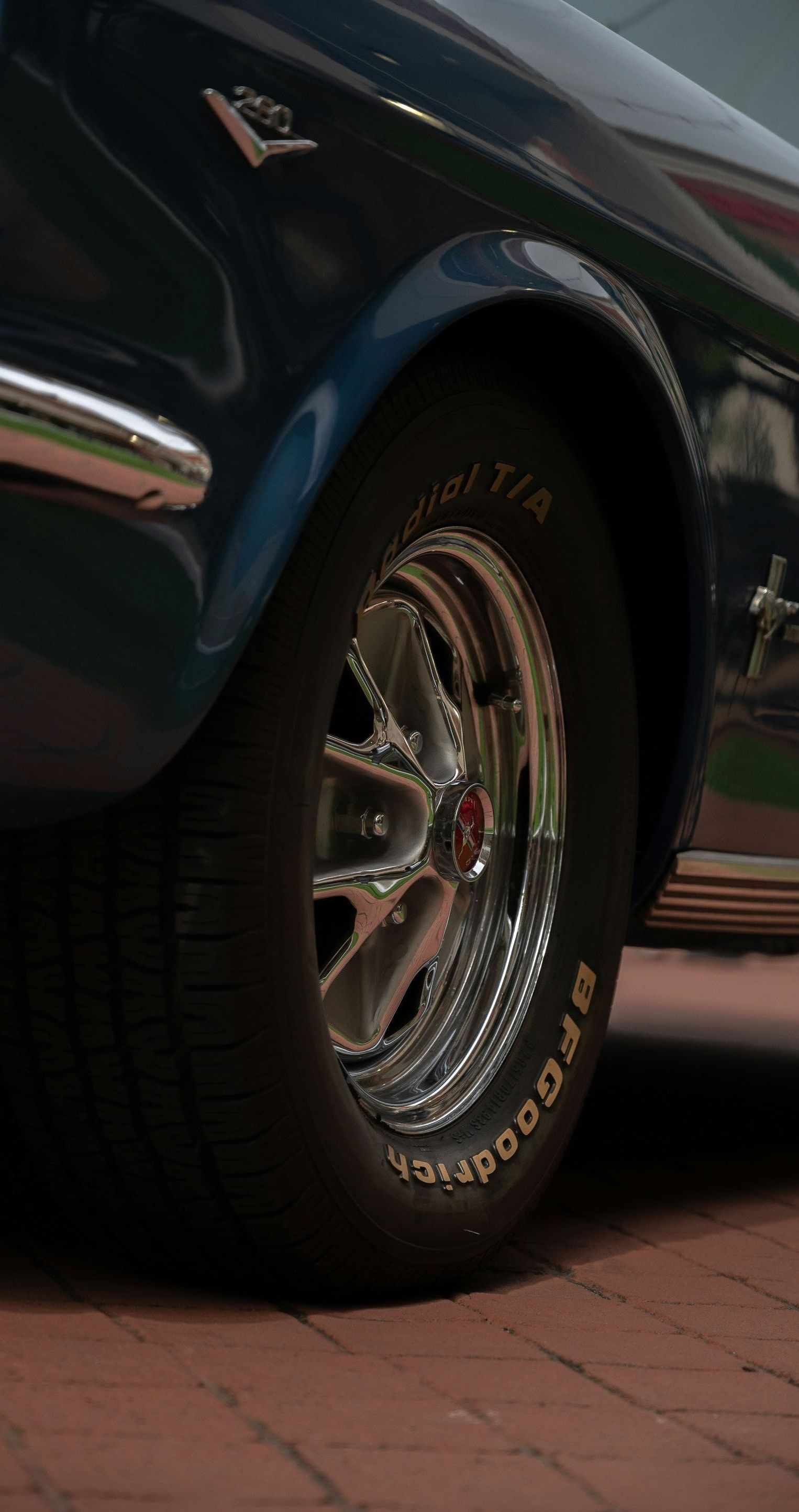
A close up of a car wheel on a brick road.
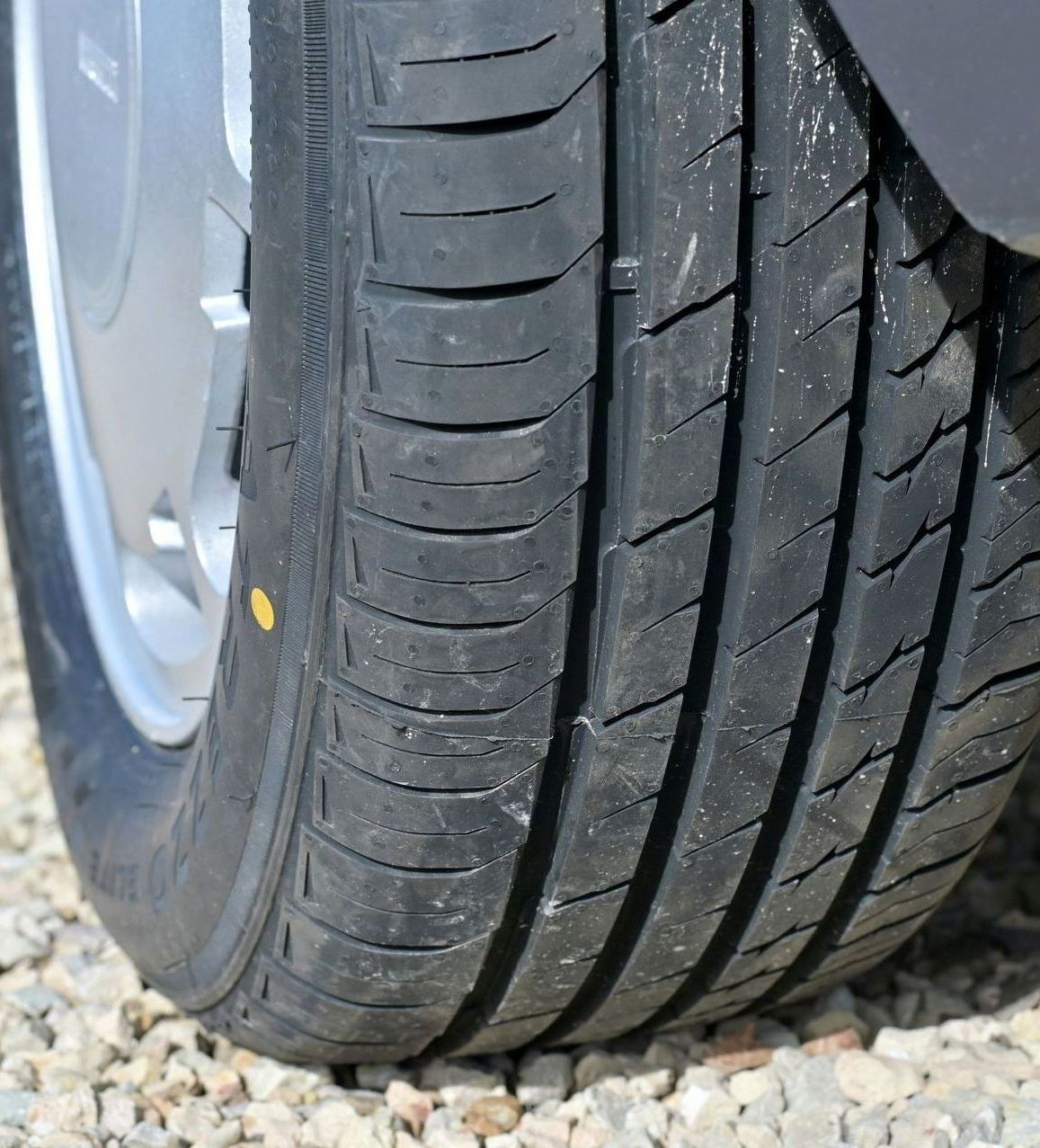
A close up of a tire on a gravel road
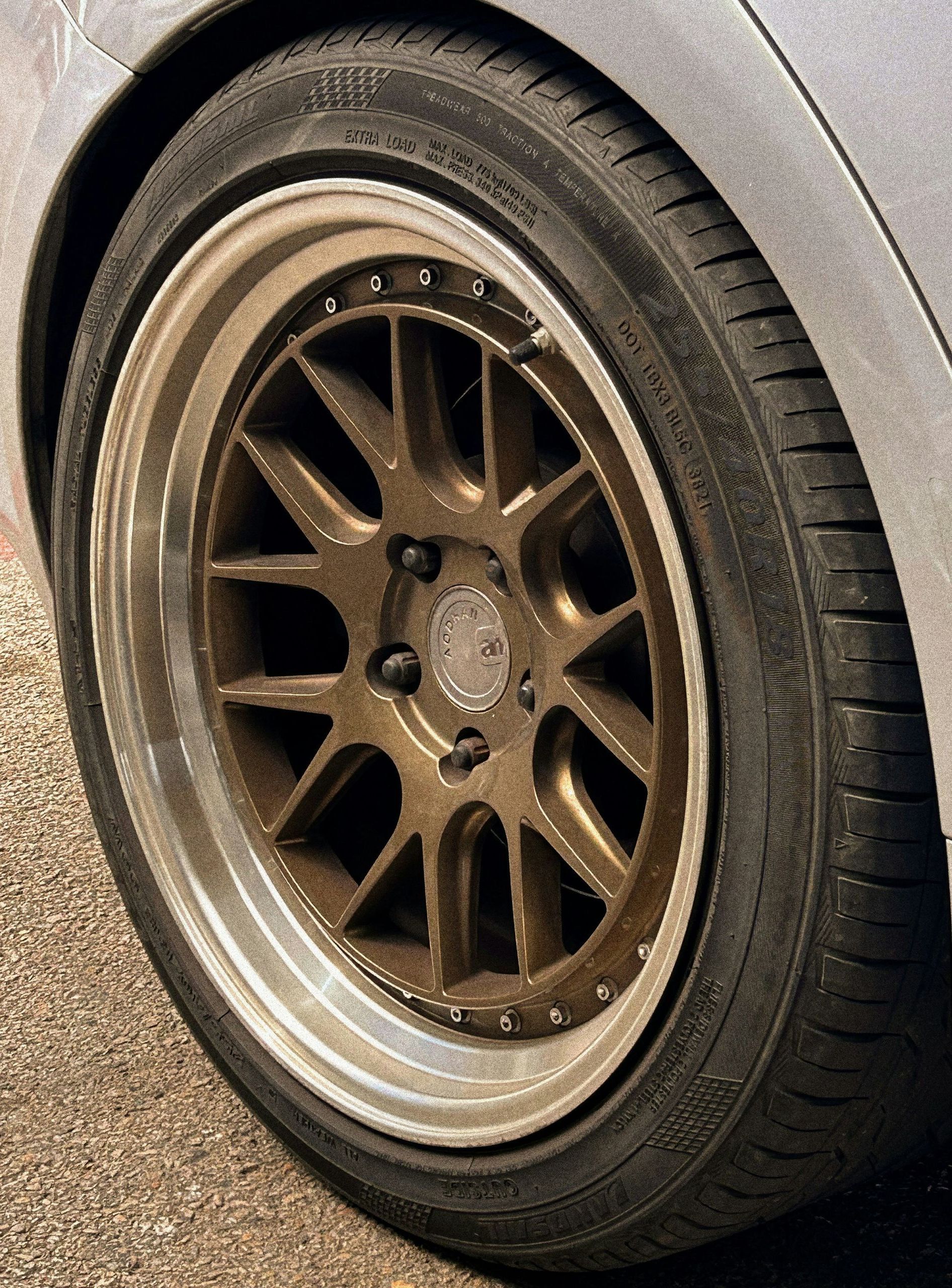
A close up of a car wheel with a tire on it
August 23, 2026
A pothole impact can feel like a quick jolt, but the forces involved can affect several parts of the tire and wheel assembly. The faster the vehicle is moving, the less time the tire has to absorb the impact. In some cases, the damage is immediately obvious. In others, problems may not become noticeable until later. Raymond’s Tire Shop helps drivers inspect tires, wheels, balancing, and alignment after hard road impacts. Understanding what can happen during a pothole strike can make it easier to recognize when a tire needs professional attention. The Tire Is Compressed Extremely Quickly When a tire drops into a pothole and strikes the far edge, the sidewall and tread can be compressed between the road and the wheel. Tires are designed to flex, but a severe impact can exceed what the internal structure can safely absorb.  The risk can be greater when tire pressure is too low because there is less air cushioning between the road surface and the wheel. However, even a properly inflated tire can be damaged by a deep pothole at sufficient speed.
August 16, 2026
Tires are one of the most important safety components on any vehicle because they are the only parts that maintain direct contact with the road. As tires wear, their ability to grip pavement, channel water, and respond predictably can gradually decline. The challenge is that unsafe tire conditions are not always obvious until performance has already been affected.  Raymond’s Tire Shop helps drivers evaluate tread wear, tire damage, pressure issues, alignment problems, and other conditions that can affect tire safety. Knowing what to look for can help you recognize when a tire needs professional attention or replacement.
August 7, 2026
Most drivers think of tires simply as the round rubber components that allow a vehicle to roll down the road. In reality, tires are sophisticated pieces of engineering that perform several essential functions every time a vehicle is in motion. They support the weight of the vehicle, transmit steering and braking forces, absorb road irregularities, and maintain traction in changing driving conditions. Every acceleration, turn, and stop depends on these four small contact patches where the tires meet the road.  Understanding the primary functions of a tire helps drivers appreciate why routine maintenance and timely replacement are so important. Raymond’s Tire Shop helps customers choose quality tires and maintain them properly so their vehicles continue to perform safely and efficiently throughout the life of the tire.
July 31, 2026
Understanding how your tires interact with wet pavement is one of the most important parts of safe driving. While most drivers know that rain can make roads slippery, fewer understand how hydroplaning occurs or why it can cause a vehicle to suddenly lose traction. Knowing what causes hydroplaning—and how proper tire maintenance can reduce the risk—can help you stay safer during wet weather.  At Raymond’s Tire Shop, we believe that informed drivers make safer decisions. Keeping your tires in excellent condition is one of the best ways to improve vehicle performance when road conditions are less than ideal.
July 23, 2026
Your tires are one of the hardest-working components of your vehicle. They provide traction, support your vehicle’s weight, absorb impacts from the road, and help you maintain control in a wide range of driving conditions. Because they experience constant wear, replacing tires is an expected part of vehicle ownership. However, proper maintenance can help maximize their lifespan, improve performance, and save you money over time. Many of the factors that affect tire longevity are within a driver’s control. By following a few simple maintenance practices, you can help your tires wear more evenly and perform as intended throughout their service life.
July 17, 2026
Your tires are the only part of your vehicle that remains in constant contact with the road, making them one of the most important components for safety, performance, and fuel efficiency. While many drivers remember to check their oil or schedule routine maintenance, tire pressure is often overlooked until a problem develops.  Maintaining proper tire inflation is one of the simplest and most effective ways to extend the life of your tires. It takes only a few minutes to check your tire pressure, yet this small maintenance task can help improve vehicle performance and protect your investment over the long term.