What Does a Flashing TPMS Light Usually Mean?
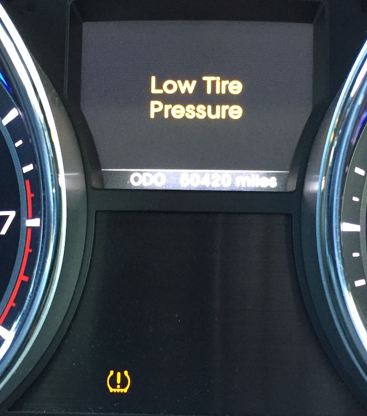
Most drivers are familiar with the tire pressure monitoring system, or TPMS, warning light. When it stays on steadily, it usually means one or more tires may be underinflated.
A flashing TPMS light often means something different.
Instead of simply warning about low tire pressure, a flashing light can indicate a problem with the monitoring system itself. That could involve a sensor, sensor battery, communication issue, or another TPMS-related fault.
Knowing the difference can help drivers avoid assuming that adding air will automatically solve the problem.
A Steady Light Usually Points to Tire Pressure
A solid TPMS warning light is generally associated with tire pressure that has fallen below the vehicle’s programmed threshold.
Cold weather, a slow leak, a puncture, or normal pressure loss over time can all trigger the warning.
In that situation, checking all four tires with an accurate pressure gauge is a good first step.
The recommended inflation pressure is usually listed on the driver-side door placard or in the owner’s manual.

Flashing Often Means a System Fault
If the TPMS light flashes for a period of time and then stays illuminated, the system may be having trouble communicating with one or more sensors.
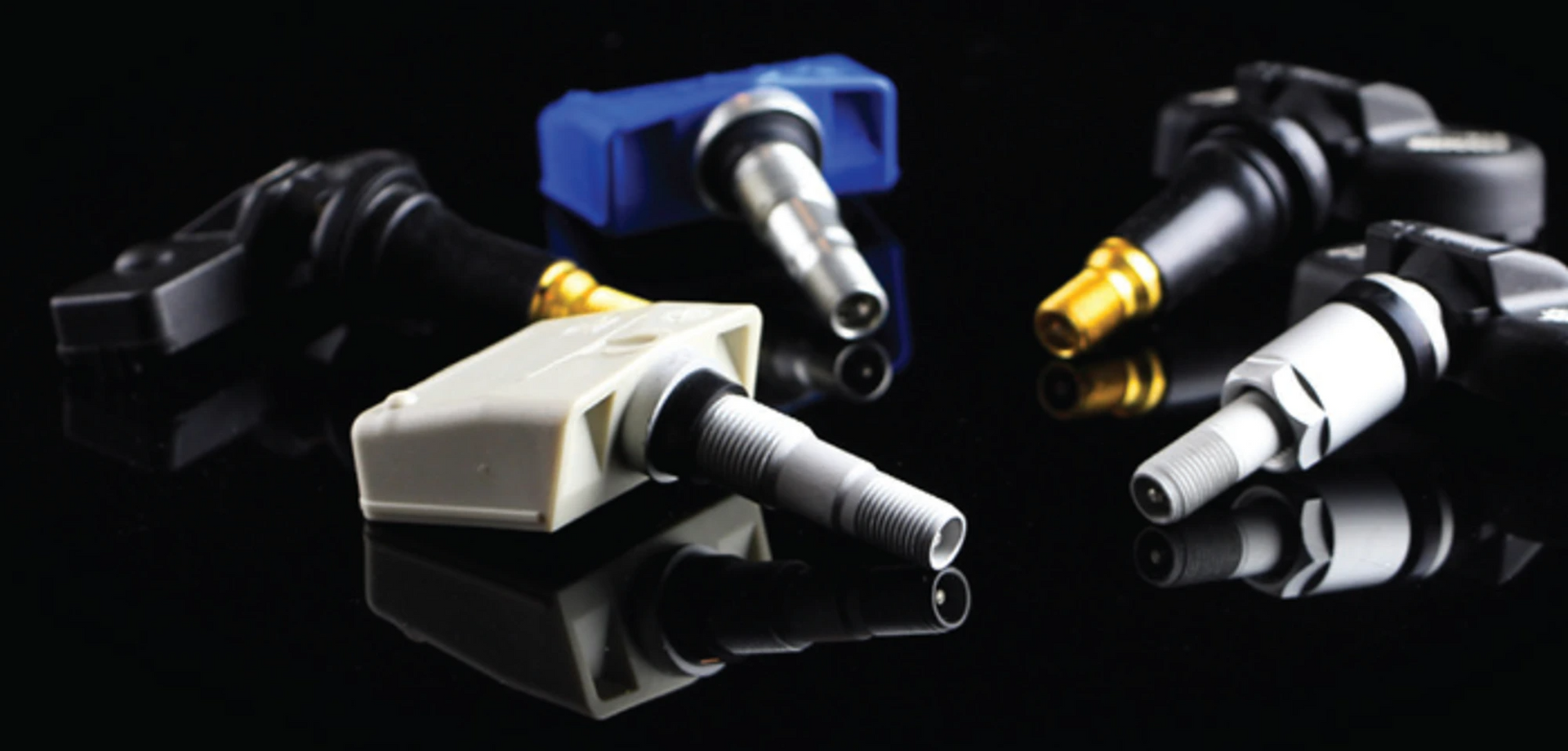
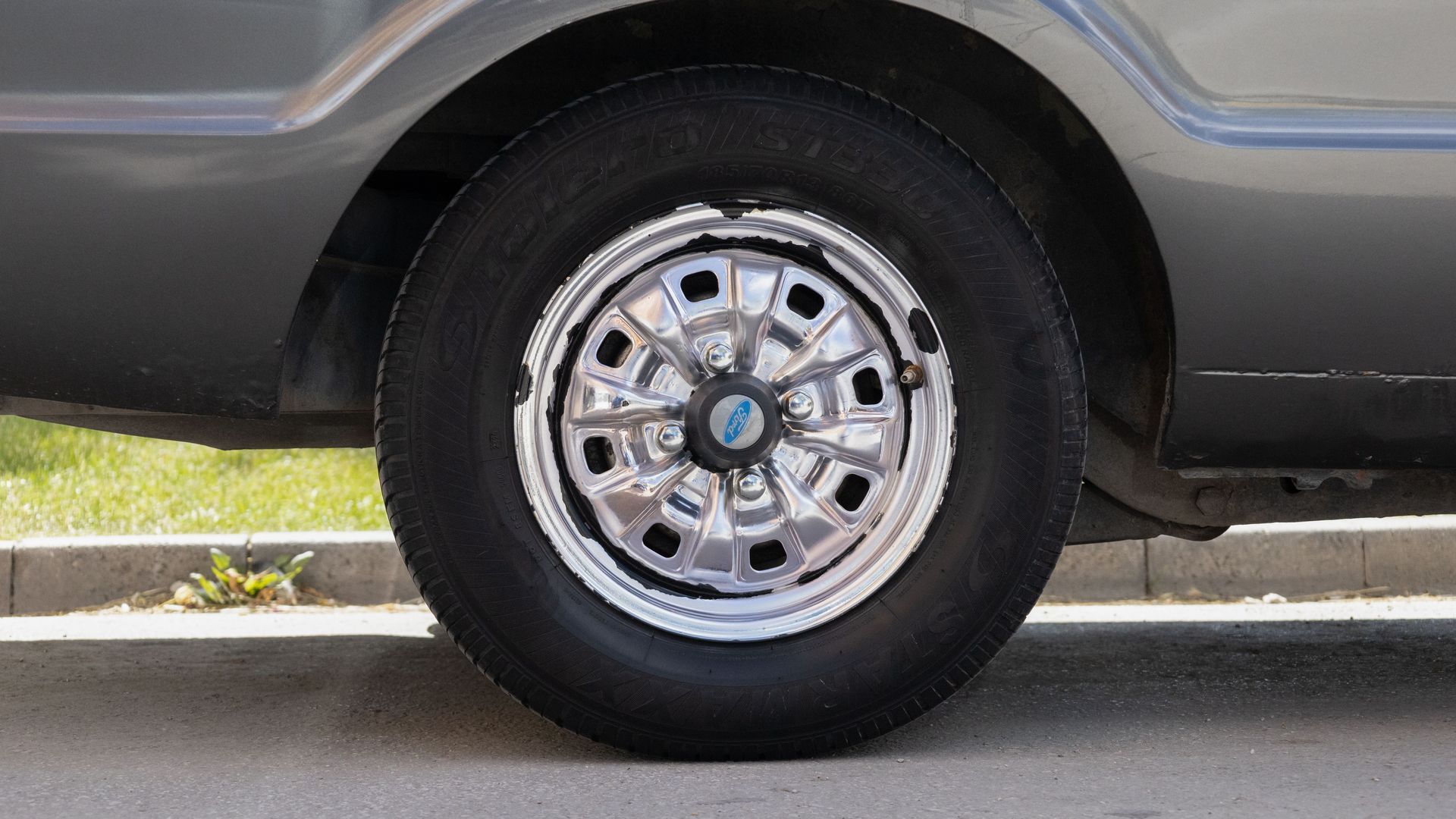
Each wheel typically contains a sensor that monitors tire pressure and sends information to the vehicle.
When one of those sensors stops responding correctly, the system may trigger a flashing warning.
This is different from a simple low-pressure condition because the vehicle may no longer be receiving reliable information from the affected wheel.
Sensor Batteries Do Not Last Forever
TPMS sensors are powered by small internal batteries.
Those batteries are not usually designed to be replaced separately. When the battery becomes weak or dies, the sensor itself may need replacement.
Because these batteries can last for years, drivers sometimes first encounter the issue on an older vehicle or after several years of normal use.
One failed sensor may be enough to trigger the warning.

Tire Service Can Sometimes Reveal TPMS Problems
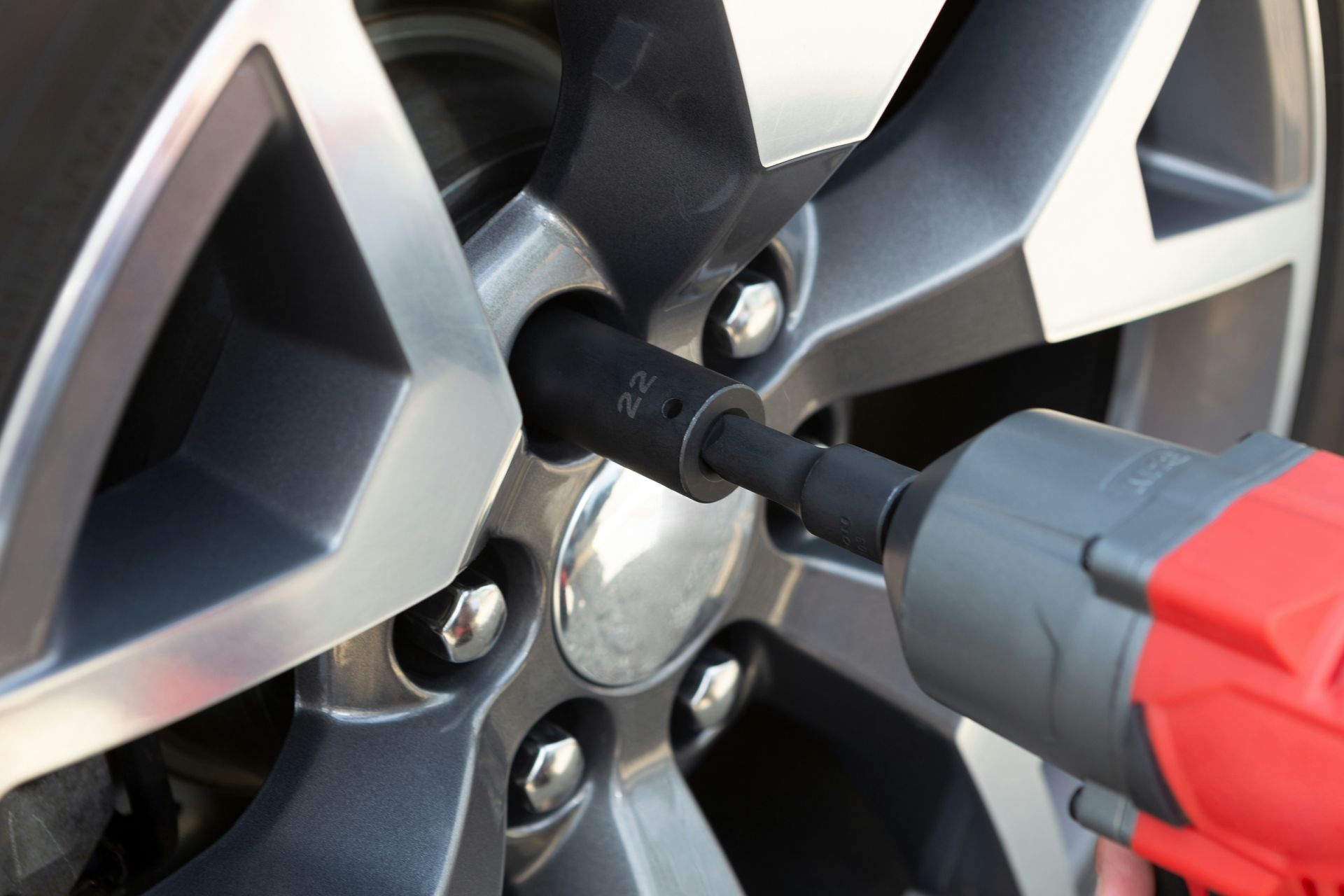
A flashing TPMS light may also appear after tire replacement, wheel replacement, rotation, or sensor service.
Some vehicles require sensors to be relearned or reprogrammed after certain procedures.
If a sensor was damaged during previous tire work or a new sensor was not properly recognized by the vehicle, the warning can remain active.
That is why TPMS service often requires more than checking air pressure.
A technician may need to scan the sensors and verify that each one is transmitting correctly.

Wheel Changes Can Affect the System
Drivers who switch between different sets of wheels may also encounter TPMS warnings.
If the alternate wheels do not have compatible sensors, or if the vehicle has not learned the new sensor IDs, the system may not function normally.
This is especially common when seasonal wheels or aftermarket wheels are installed.
The tires themselves may be properly inflated even though the monitoring system is reporting a fault.

Do Not Ignore Actual Tire Pressure
A flashing warning does not mean tire pressure can be ignored.
If the TPMS system is malfunctioning, it may not be able to warn you when a tire actually becomes low.
That makes manual pressure checks even more important until the system is repaired.
Driving on an underinflated tire can increase heat buildup, accelerate wear, affect handling, and reduce fuel efficiency.
The TPMS is helpful, but it should never replace regular tire inspection.
A Scan Can Help Identify the Problem
Diagnosing a TPMS fault usually involves checking more than the dashboard light.
A technician can verify tire pressures, scan individual sensors, inspect for damaged valve stems, confirm sensor communication, and determine whether the vehicle needs relearning or programming.
This prevents unnecessary sensor replacement and helps identify whether the issue is truly in the TPMS system.
Get the Warning Checked
A flashing TPMS light usually deserves more attention than simply adding air and continuing to drive.
It may indicate that one or more sensors are no longer communicating properly, which means the system may not be able to monitor tire pressure accurately.
Raymond’s Tire Shop provides tire service, pressure checks, TPMS diagnostics, balancing, alignment, flat repair, and wheel service.
If your TPMS light is flashing or repeatedly returning after you adjust tire pressure, contact Raymond’s Tire Shop for an inspection.
Identifying the cause can help restore the system and make sure you are getting reliable tire-pressure warnings when you need them.