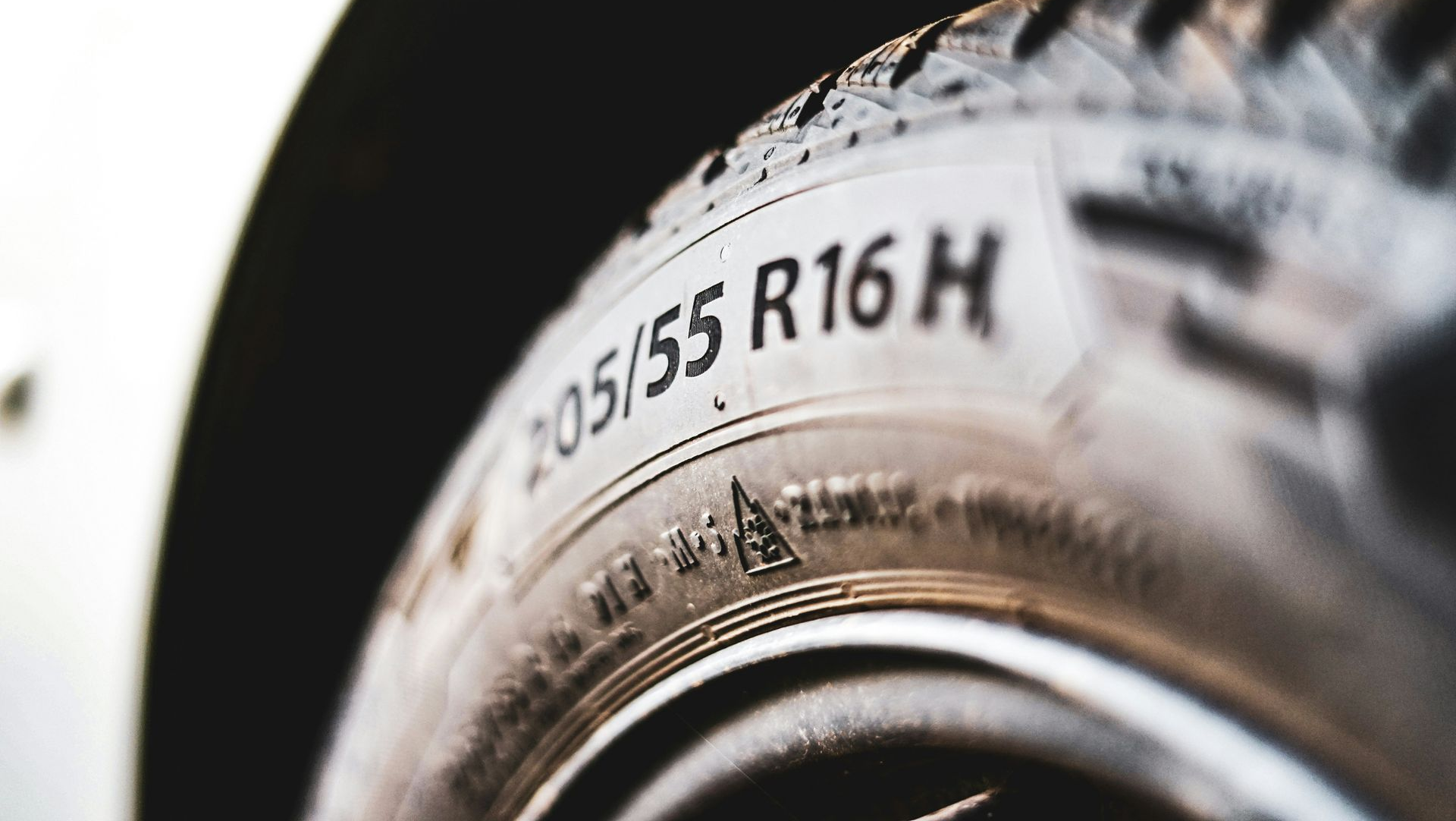
What the DOT Date Code on a Tire Can Tell You
Tire tread gets a lot of attention, but tread depth is not the only factor that matters.
Even when a tire still has visible tread, the rubber compounds can gradually change over time because of heat, sunlight, weather exposure, and normal use. That is why knowing how to read the DOT date code can help drivers understand how old a tire really is.
The date code does not tell you everything about tire condition, but it provides an important piece of the overall picture.
Where to Find the DOT Code
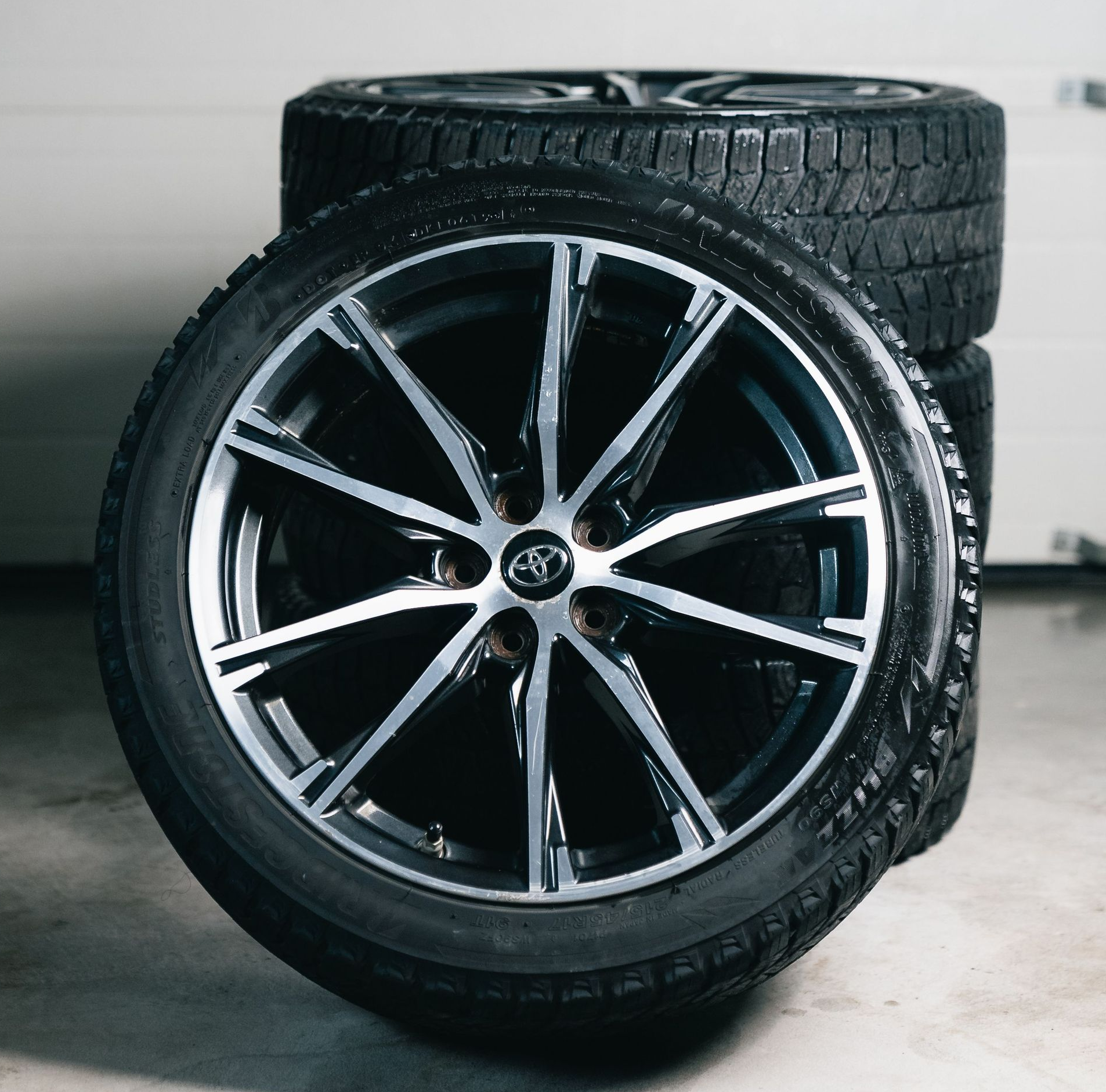
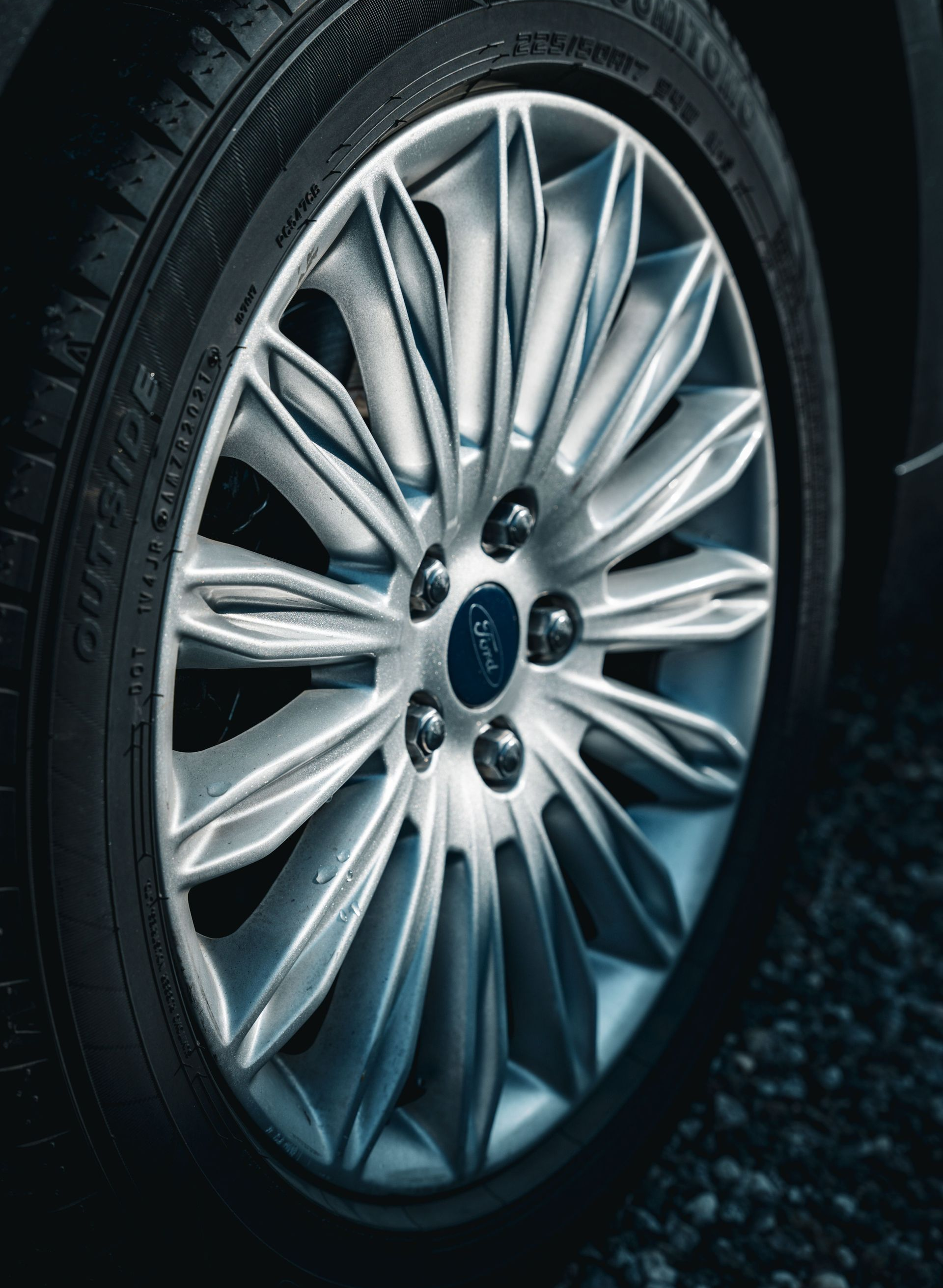
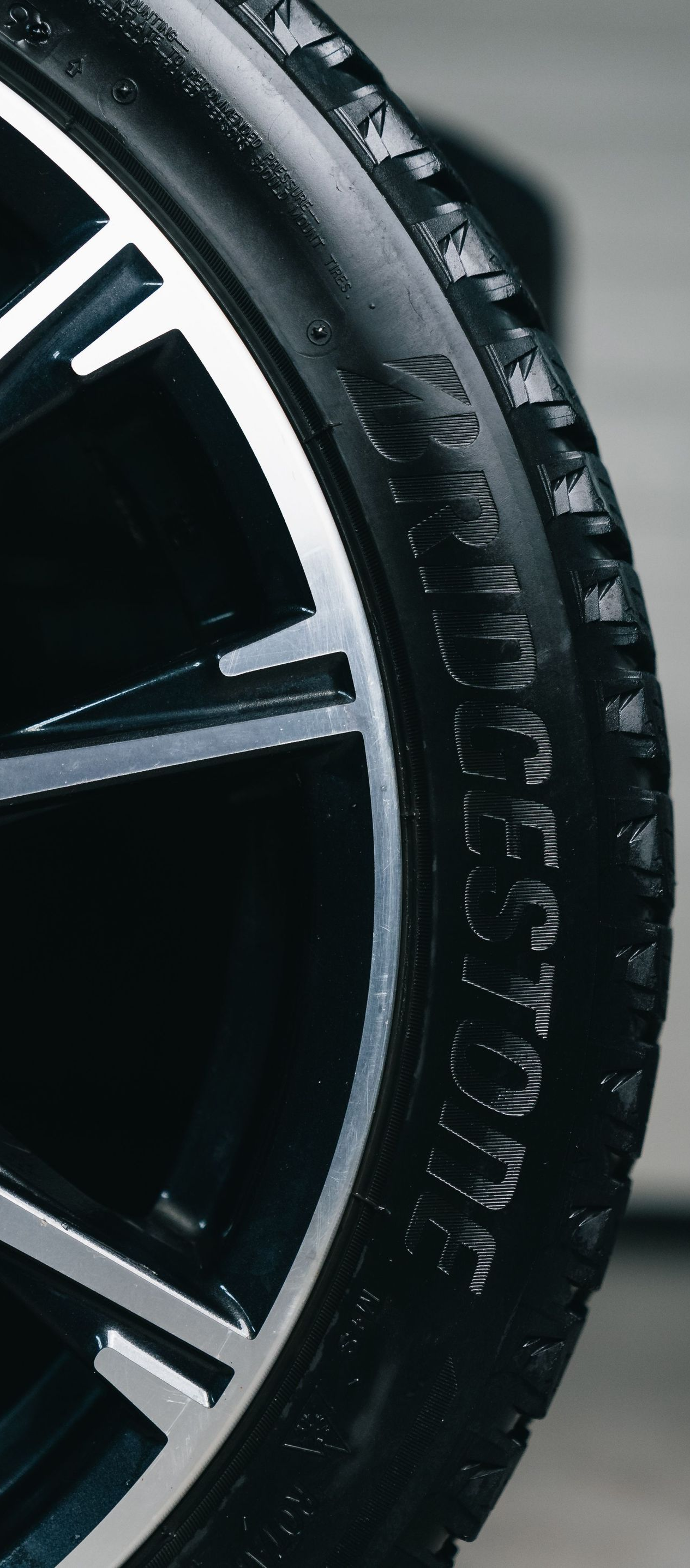
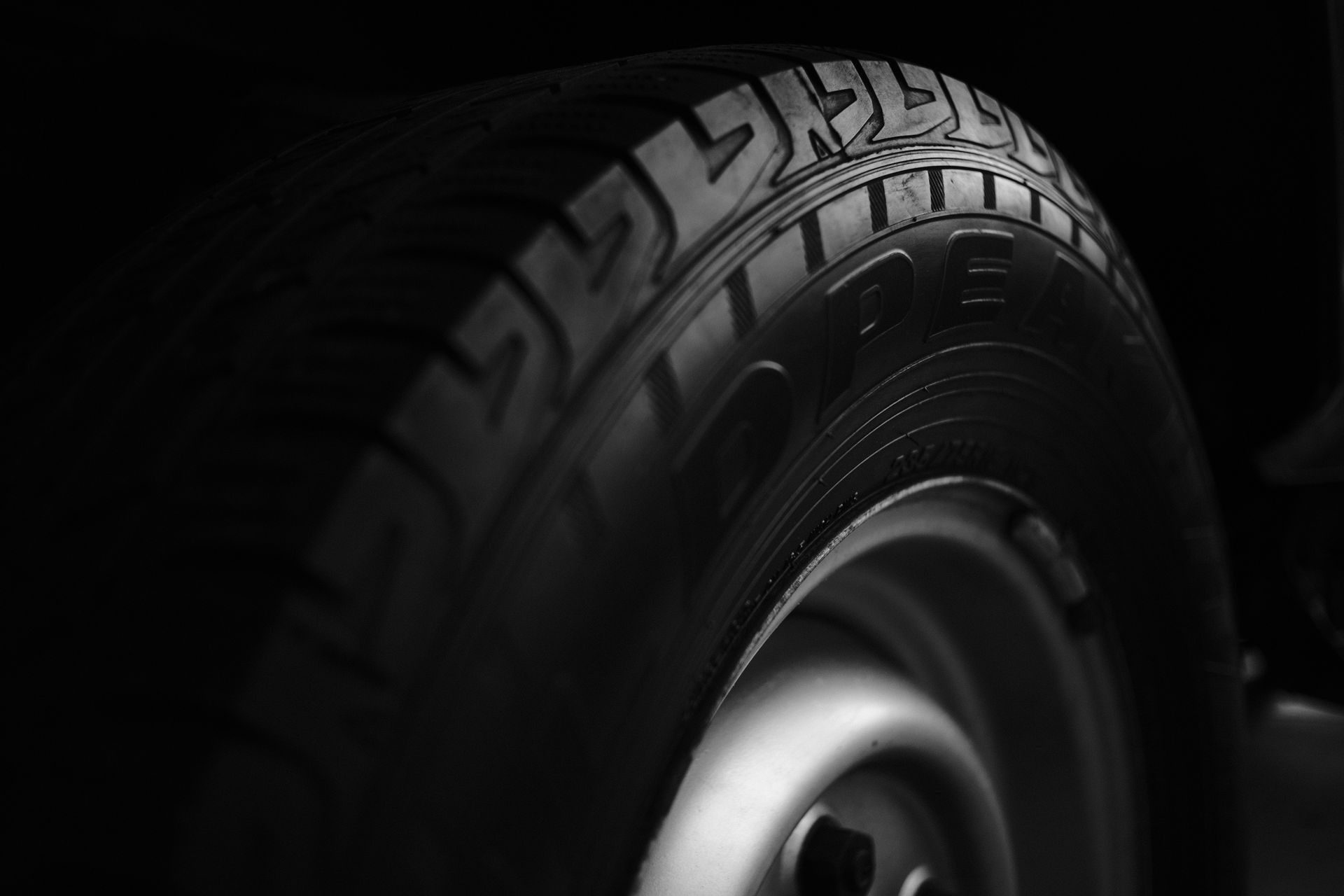
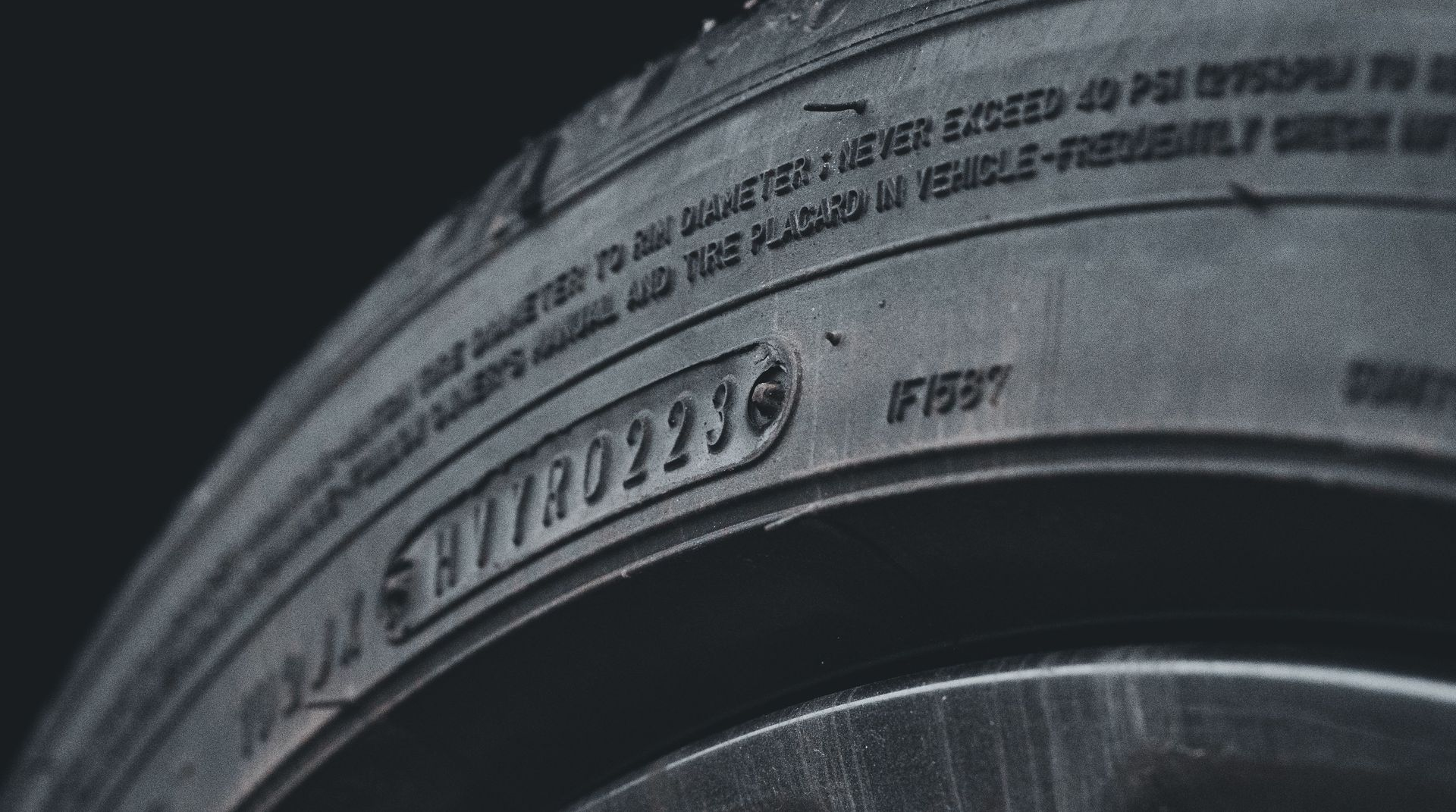
The DOT code is molded into the tire sidewall.
It typically begins with the letters “DOT,” followed by a series of letters and numbers that identify information related to the tire’s manufacture.
The part most drivers care about is the final four-digit date code.
On some tires, the complete DOT code appears on only one sidewall, so you may need to look on the inside of the tire to find it.
What the Four Digits Mean
The last four digits indicate the week and year the tire was manufactured.
For example, a code ending in 2324 means the tire was produced during the 23rd week of 2024.
A code ending in 4122 would indicate the 41st week of 2022.
This makes it easy to estimate the tire’s age without relying on a purchase receipt or service record.
That can be especially useful when buying a used vehicle or inspecting a spare tire that has been sitting for years.
Tire Age Is Different From Tread Wear
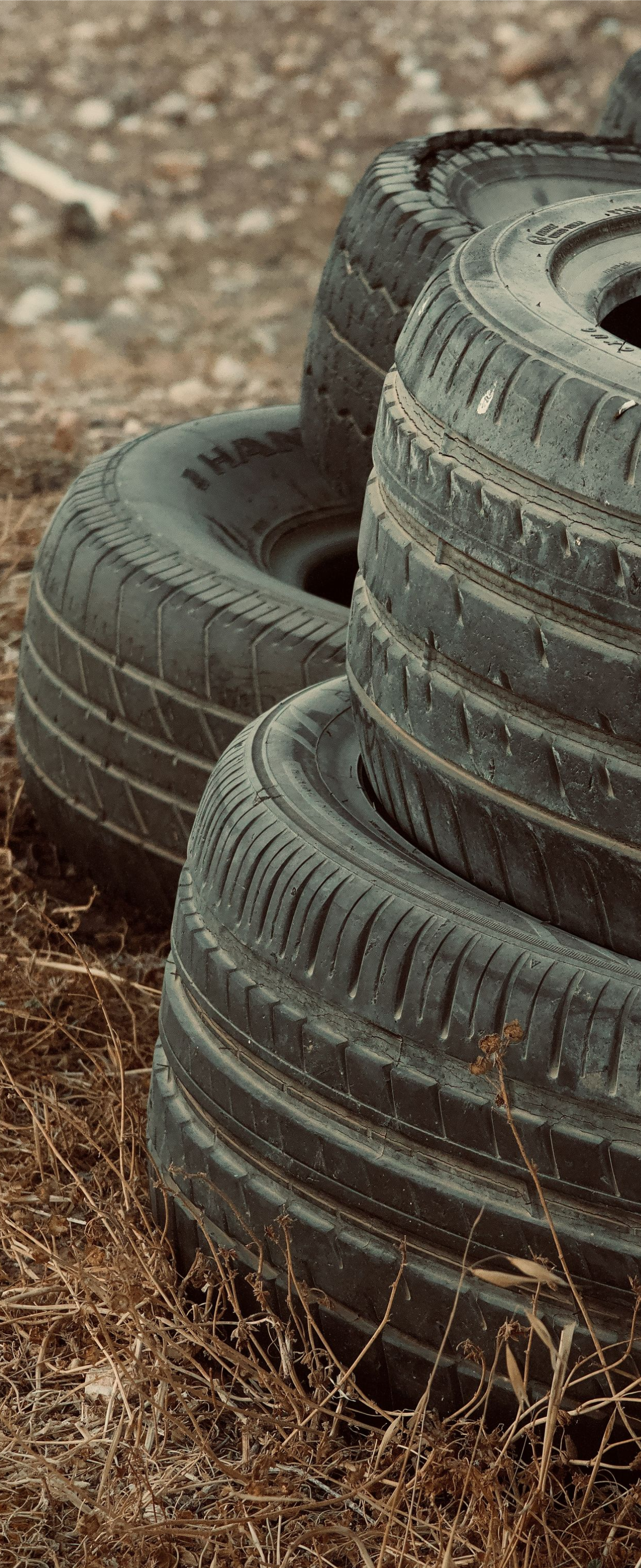
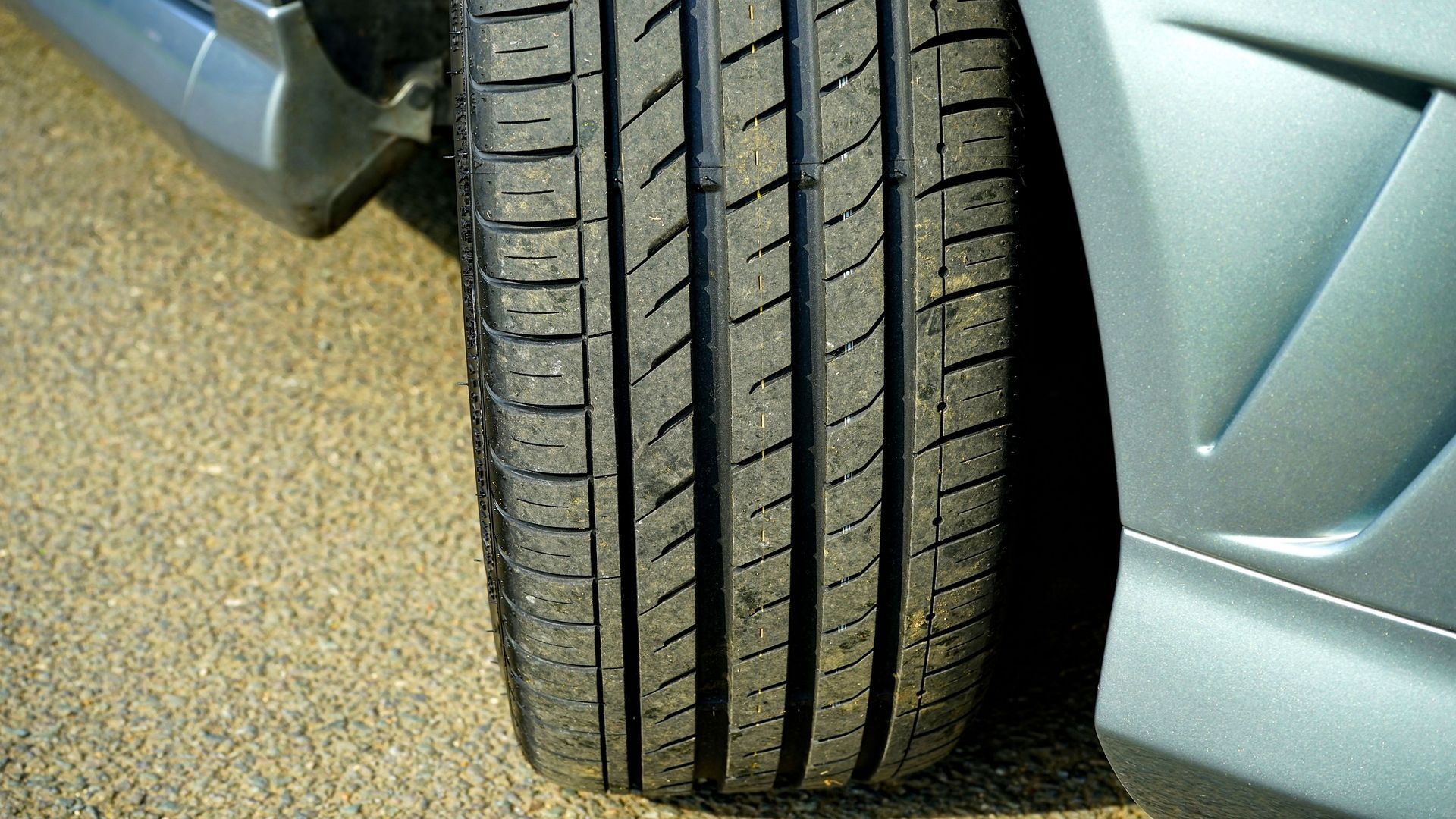
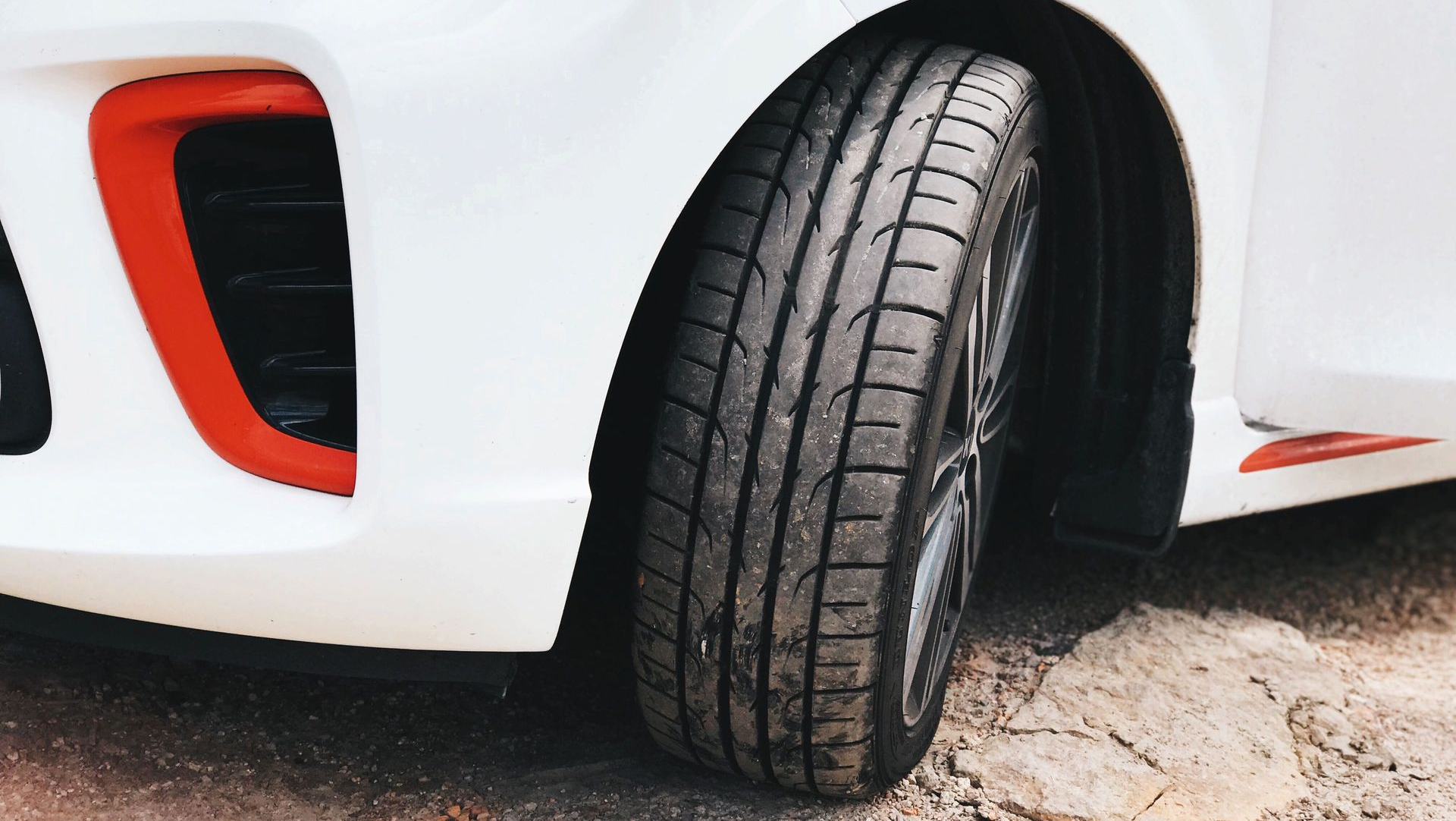
A tire can have plenty of tread and still be old.
That is common with vehicles that are driven only occasionally, seasonal vehicles, spare tires, and cars owned by people with short daily commutes.
Low mileage does not stop rubber from aging.
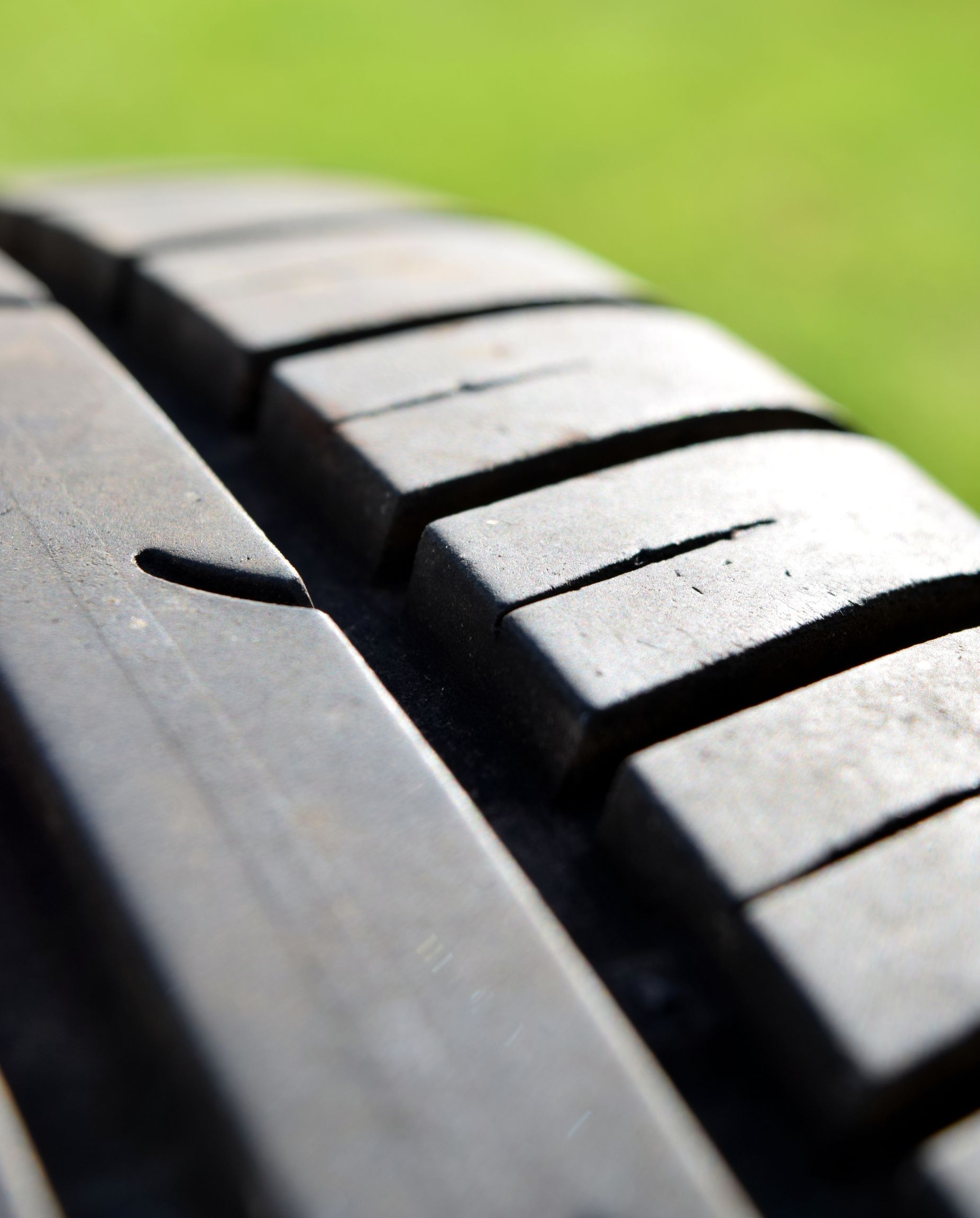
Over time, the tire may become harder or begin developing small cracks.
That is why tire age should be considered alongside tread depth, pressure, visible damage, and overall condition.

Climate Can Affect How Tires Age
Heat can accelerate tire aging.
Vehicles that spend a lot of time outdoors in hot conditions may see tires age differently from those stored indoors or used in cooler environments.
Sunlight and ozone exposure can also contribute to cracking and deterioration.
Driving conditions matter too.
A tire that has been repeatedly underinflated, overloaded, or exposed to pothole impacts may have more wear or internal stress than its age alone would suggest.

Inspect for Cracking and Other Changes
As tires age, drivers should pay closer attention to the sidewalls and tread area.
Warning signs can include:
- Cracks in the sidewall
- Cracking between tread blocks
- Bulges or bubbles
- Uneven tread wear
- Repeated pressure loss
- Unusual vibration
- Changes in ride quality
These symptoms should be inspected regardless of the tire’s age.
A DOT code helps establish when the tire was made, but it cannot tell you whether the tire is safe by itself.
Do Not Forget the Spare Tire
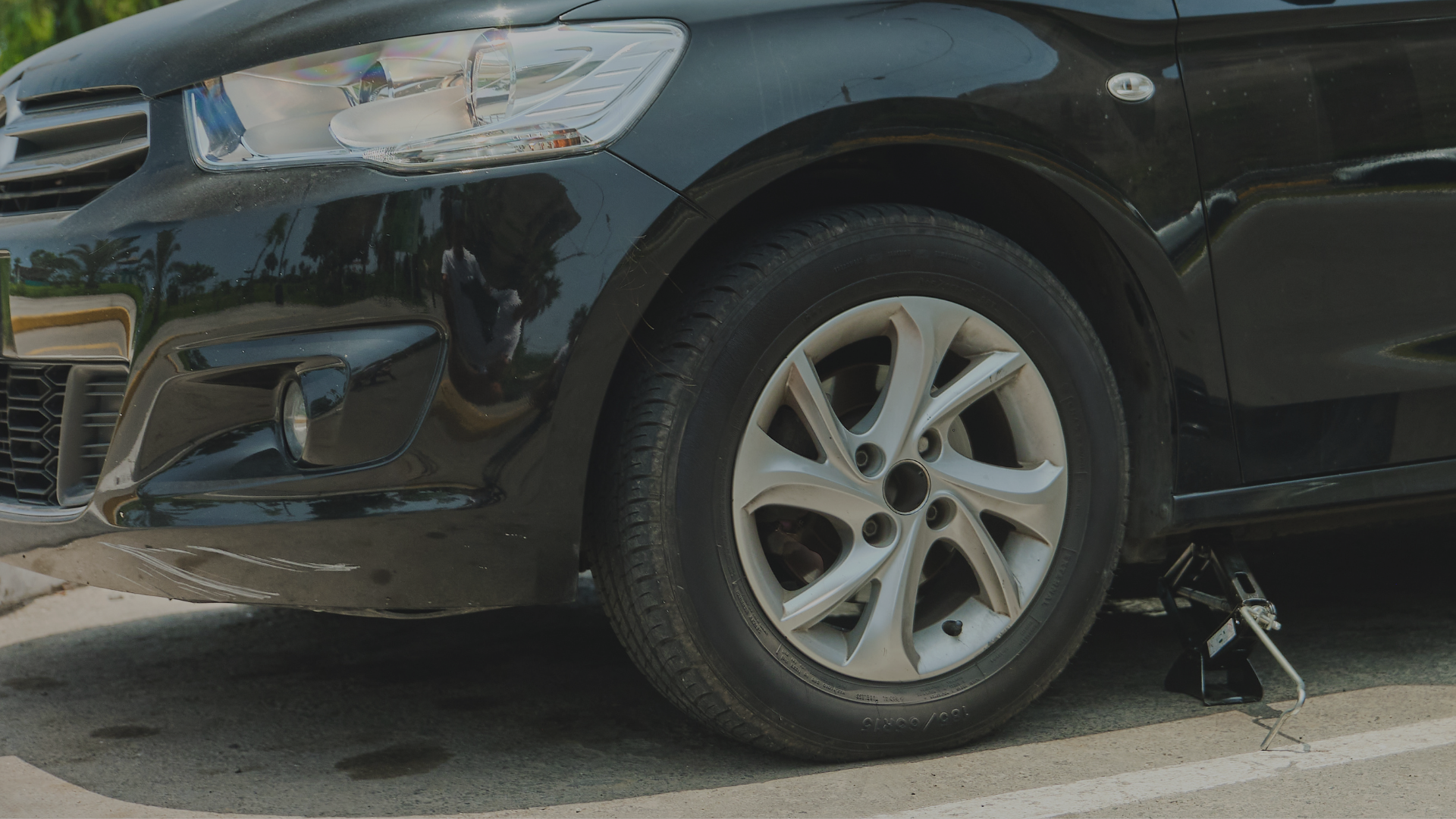
Spare tires are easy to overlook because they may rarely, if ever, touch the road. But they age too.
A spare that has been stored in the trunk or underneath a vehicle for many years may have little or no tread wear while still being significantly older than the tires currently on the car.
Checking the DOT date code and pressure on the spare can help prevent an unpleasant surprise during a roadside emergency.

Age Should Be Part of a Full Tire Inspection
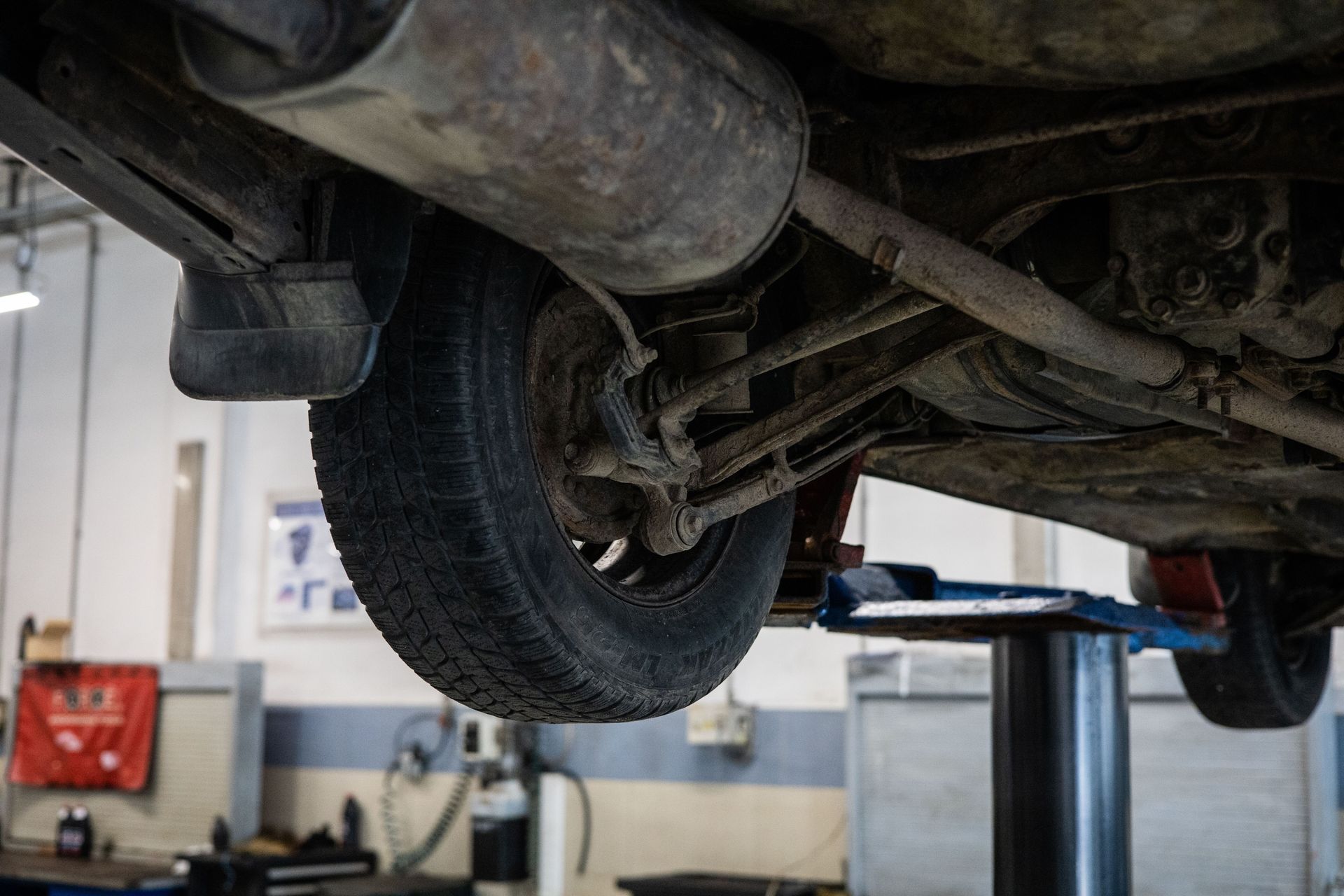
There is no substitute for inspecting the entire tire.
A newer tire can still be damaged, and an older tire should not be judged only by the calendar.
Vehicle manufacturers and tire manufacturers may also provide recommendations about inspection and replacement based on age, so owners should review the guidance specific to their vehicle and tire brand.
When there is uncertainty, a professional inspection is the safer approach.
Know More Than Just Your Tread Depth
The DOT date code is a simple tool that can tell you when a tire was manufactured and help put its condition into context.
Raymond’s Tire Shop provides tire inspections, replacements, balancing, alignments, flat repair, wheel service, and other tire-related services.
If you are unsure how old your tires are or whether they should still be in service, contact Raymond’s Tire Shop. A complete inspection can help evaluate tire age, tread condition, sidewall condition, pressure, and wear before small concerns turn into bigger road problems.