Cómo hacer que tus llantas duren más en el tráfico de Boston

Llantas resistentes para una ciudad exigente

En una ciudad como Boston, tus llantas hacen mucho más que rodar: enfrentan baches, calles irregulares, giros cerrados, tráfico denso y condiciones climáticas extremas durante todo el año. Cada trayecto, diligencia y salida de fin de semana afecta el desgaste de la banda de rodamiento, la alineación y la salud general de tus llantas. Pero la buena noticia es esta: con un poco de mantenimiento rutinario y algunos hábitos de manejo inteligentes, puedes extender significativamente su vida útil.


En Raymond’s Tire Shop, llevamos décadas ayudando a los conductores de Boston a sacar el máximo provecho de sus llantas. Aquí te dejamos nuestra guía para que las tuyas duren lo más posible.

A city street with cars parked on the side of it

1. Mantén tus llantas con la presión correcta

Este podría ser el hábito más importante que puedes adoptar. Las llantas con presión baja o alta se desgastan de forma irregular y se deterioran más rápido, especialmente en calles urbanas que ya son duras para la suspensión y el caucho. La presión baja también reduce la eficiencia del combustible y puede causar daños en los laterales si no se atiende a tiempo.


Revisa la presión de tus llantas al menos una vez al mes (con más frecuencia si hay cambios de clima), y usa siempre el PSI recomendado en la etiqueta de la puerta del conductor o el manual del vehículo—no el número impreso en la llanta.


2. Rótalas con regularidad — y déjanos encargarnos

Las llantas se desgastan de manera distinta según su posición. Las delanteras suelen desgastarse más rápido por la dirección, el frenado y el peso del motor. Si no las rotas con frecuencia, este desgaste desigual puede llevarte a reemplazarlas antes de tiempo.


Recomendamos rotarlas cada 5,000 a 7,000 millas, o más o menos cada dos cambios de aceite. En Raymond’s, hacemos rotaciones rápidas y accesibles—no necesitas cita, solo pasa y lo hacemos en el momento.

A rear view mirror shows a row of cars on a street

3. El Balanceo importa más de lo que crees

Las llantas desbalanceadas pueden causar vibraciones, desgaste irregular y estrés innecesario en la suspensión. Si tu auto vibra a altas velocidades o el volante tiembla, puede que las ruedas estén desbalanceadas.


El balanceo suele pasarse por alto, pero es clave para alargar la vida de las llantas—especialmente en Boston, donde las calles siempre están llenas de baches.
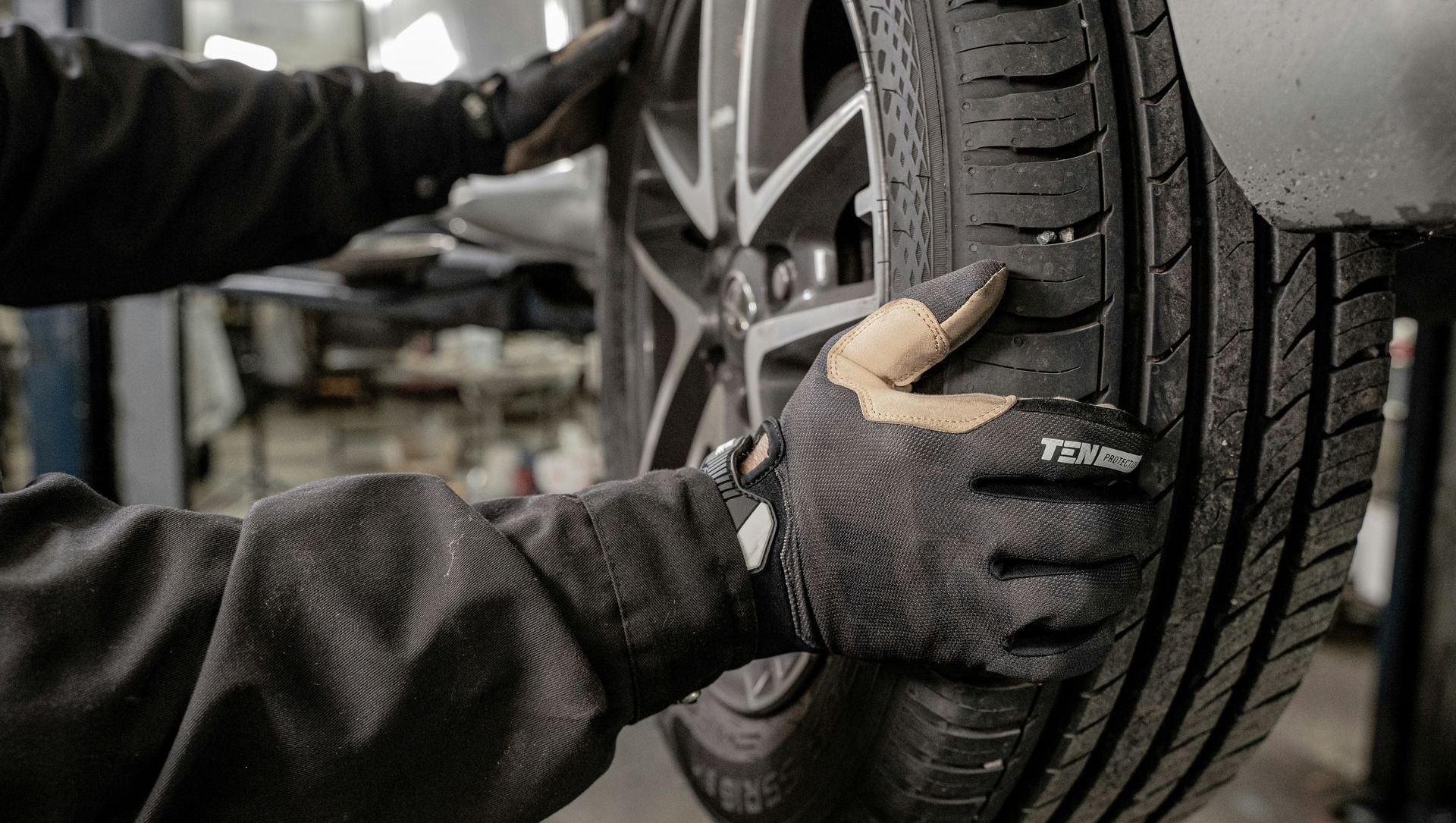
A man is changing a tire on a car in a garage.

4. Vigila la alineación

Las calles de Boston no son precisamente suaves. Un solo golpe fuerte con un bache puede desalinear tu vehículo. Las ruedas desalineadas causan desgaste desigual, especialmente en los bordes interiores o exteriores, lo cual reduce la vida útil de las llantas y puede afectar la dirección.


Si tu auto se desvía hacia un lado o notas que el volante está fuera de centro, revisa la alineación. Aunque no realizamos alineaciones en nuestro taller, te avisaremos si vemos un problema y te indicaremos dónde hacerlo.


5. Maneja con inteligencia en las calles de la ciudad

La forma en que manejas influye mucho. Aceleraciones bruscas, frenazos, giros agresivos y subir bordillos o pasar por baches sin cuidado pueden desgastar tus llantas rápidamente. Reduce la velocidad en los topes, evita giros cerrados, y mantén distancia con otros vehículos para frenar de forma gradual. Mientras más suave manejes, más te durarán las llantas.

A large yacht is docked in front of a city skyline

6. Inspecciona tus llantas con frecuencia

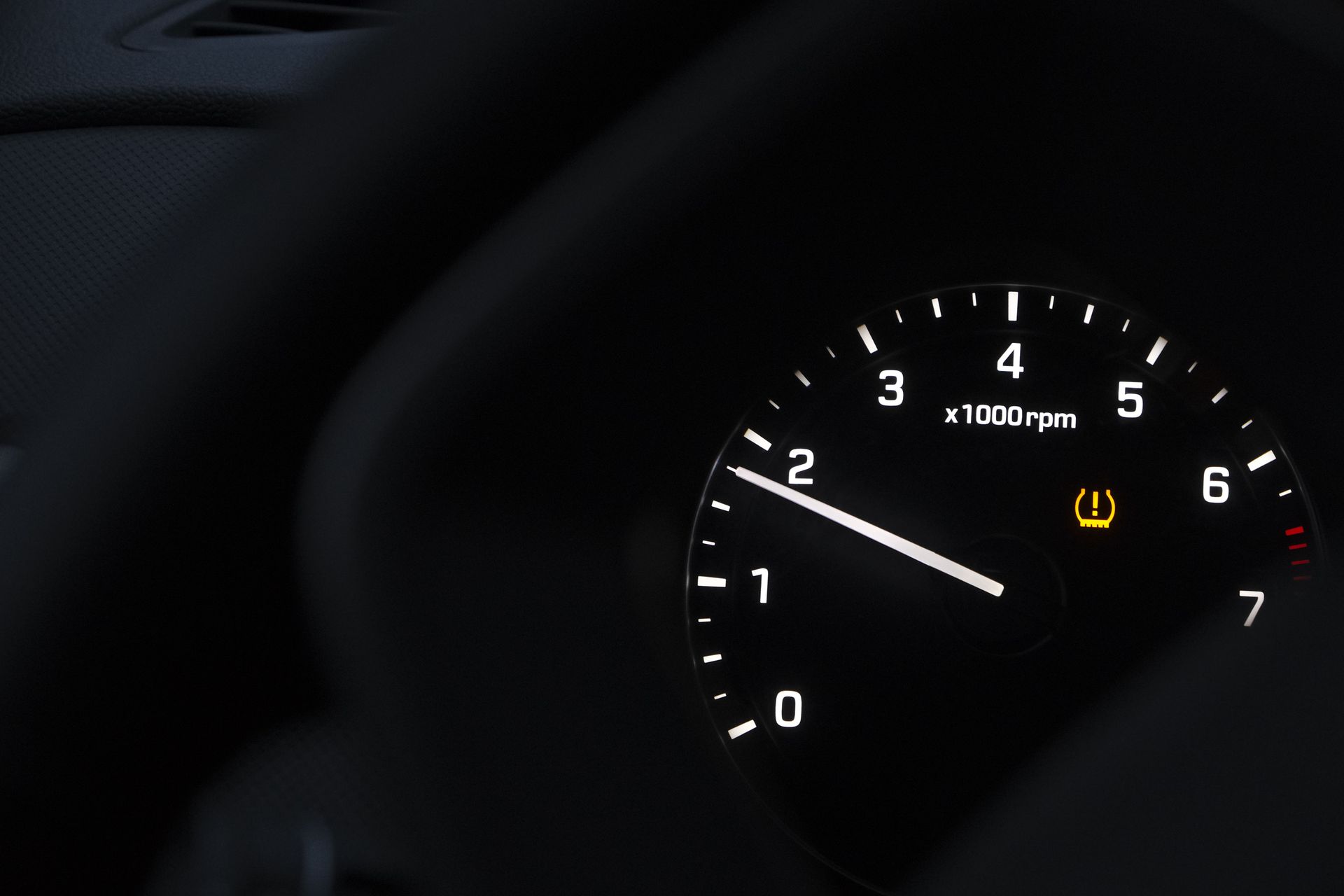
No esperes a que se encienda una luz de advertencia. Dedica un minuto cada pocas semanas para revisar:

  • Desgaste desigual de la banda de rodamiento
  • Cortes, grietas o abultamientos en los laterales
  • Objetos incrustados como clavos o vidrios
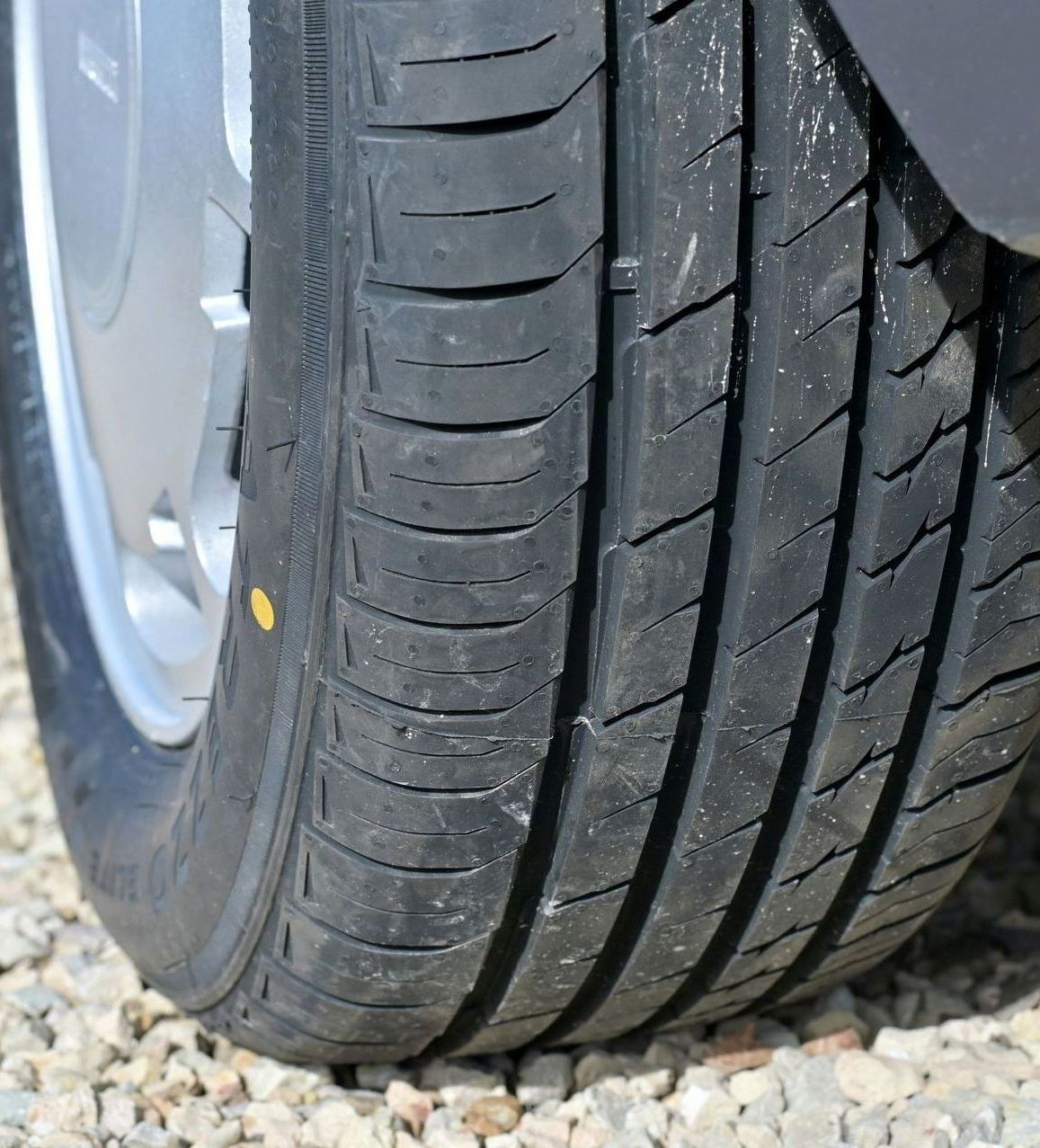
  • Desgaste excesivo del dibujo (usa el “truco del centavo” si no estás seguro)


Detectar estos problemas a tiempo puede evitar complicaciones mayores—y ahorrarte dinero.
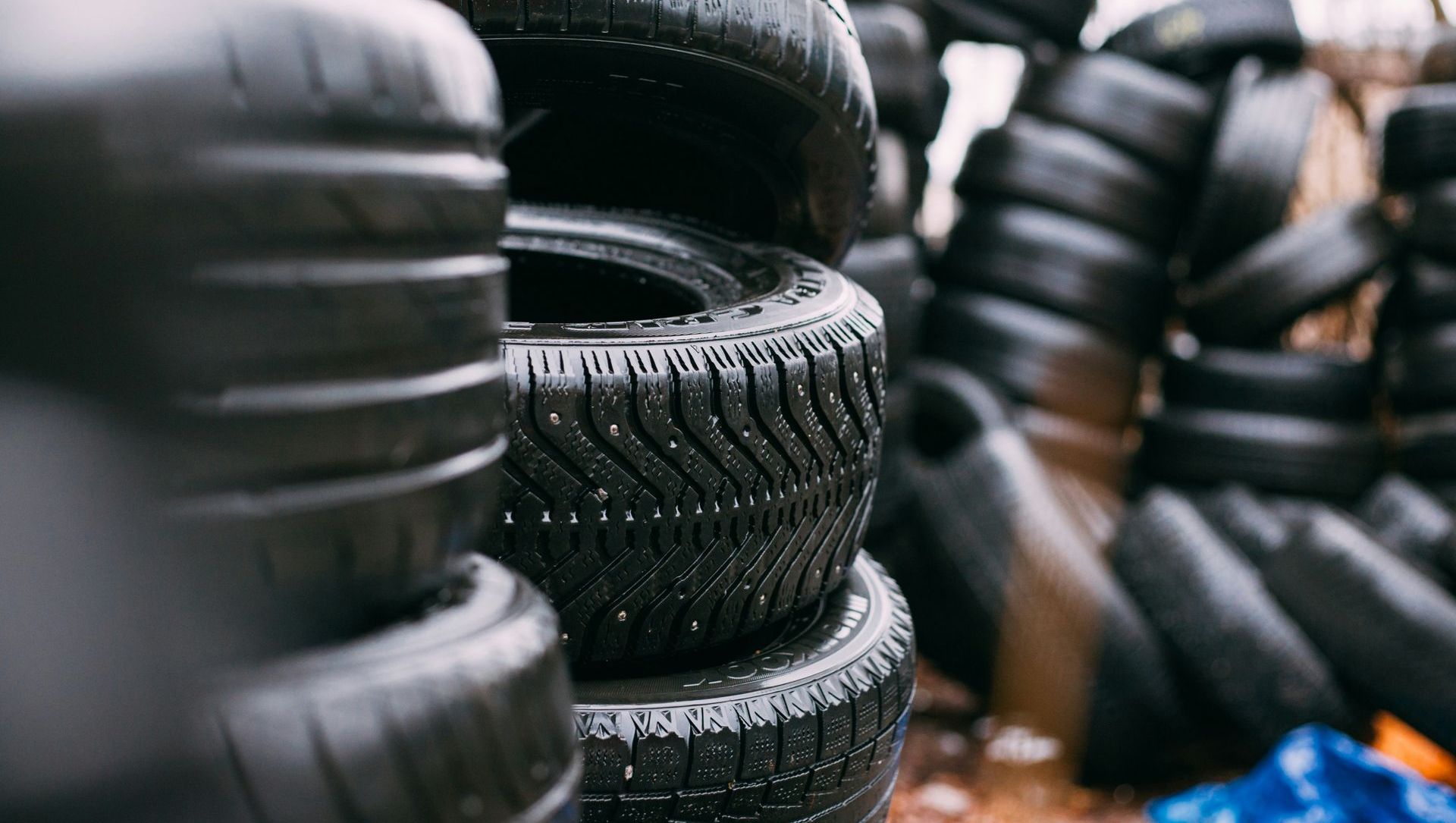
A pile of tires stacked on top of each other.

¿Necesitas ayuda? Solo pasa por aquí

En Raymond’s Tire Shop, nos especializamos en mantener las llantas de los conductores de Boston en óptimas condiciones, las hayas comprado con nosotros o no. Desde rotaciones rápidas y reparaciones de pinchazos hasta llantas nuevas y usadas a buen precio, nuestro objetivo es que vuelvas a la carretera de forma segura—sin vaciar tu bolsillo.


Estamos abiertos los 7 días de la semana, y no necesitas cita previa. Solo pasa por 760 Blue Hill Ave en Dorchester o llámanos si necesitas servicio de llantas en carretera.


Maneja con inteligencia. Ahorra dinero. Deja que Raymond’s te ayude a que tus llantas lleguen más lejos.
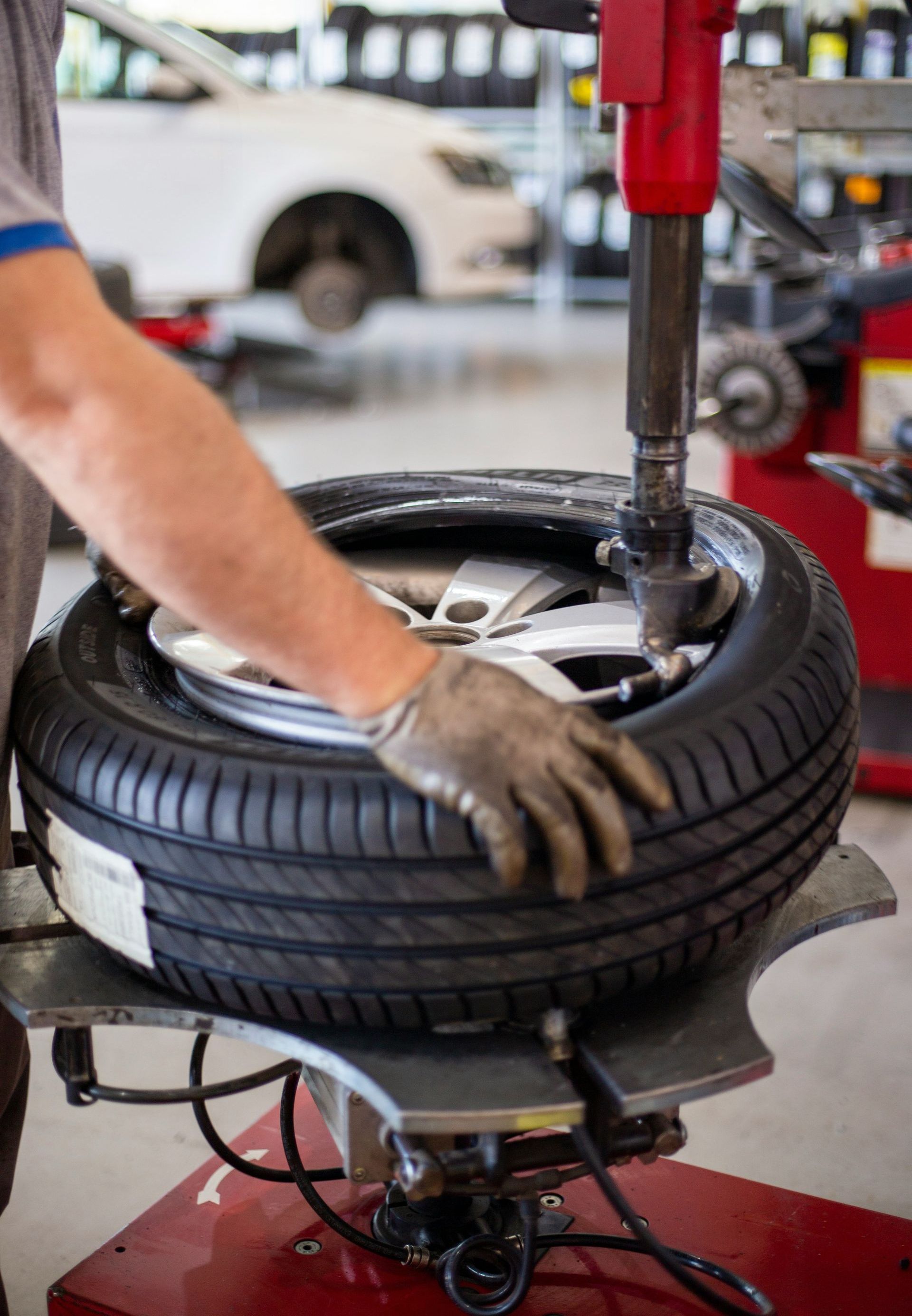

A man is changing a tire on a machine in a garage.
A group of people are crossing a street in front of a large stone building.
A tire that has the number 20 on it
A close up of a car wheel on a brick road.
A close up of a tire on a gravel road
A close up of a car wheel with a tire on it
August 23, 2026
A pothole impact can feel like a quick jolt, but the forces involved can affect several parts of the tire and wheel assembly. The faster the vehicle is moving, the less time the tire has to absorb the impact. In some cases, the damage is immediately obvious. In others, problems may not become noticeable until later. Raymond’s Tire Shop helps drivers inspect tires, wheels, balancing, and alignment after hard road impacts. Understanding what can happen during a pothole strike can make it easier to recognize when a tire needs professional attention. The Tire Is Compressed Extremely Quickly When a tire drops into a pothole and strikes the far edge, the sidewall and tread can be compressed between the road and the wheel. Tires are designed to flex, but a severe impact can exceed what the internal structure can safely absorb.  The risk can be greater when tire pressure is too low because there is less air cushioning between the road surface and the wheel. However, even a properly inflated tire can be damaged by a deep pothole at sufficient speed.
August 16, 2026
Tires are one of the most important safety components on any vehicle because they are the only parts that maintain direct contact with the road. As tires wear, their ability to grip pavement, channel water, and respond predictably can gradually decline. The challenge is that unsafe tire conditions are not always obvious until performance has already been affected.  Raymond’s Tire Shop helps drivers evaluate tread wear, tire damage, pressure issues, alignment problems, and other conditions that can affect tire safety. Knowing what to look for can help you recognize when a tire needs professional attention or replacement.
August 7, 2026
Most drivers think of tires simply as the round rubber components that allow a vehicle to roll down the road. In reality, tires are sophisticated pieces of engineering that perform several essential functions every time a vehicle is in motion. They support the weight of the vehicle, transmit steering and braking forces, absorb road irregularities, and maintain traction in changing driving conditions. Every acceleration, turn, and stop depends on these four small contact patches where the tires meet the road.  Understanding the primary functions of a tire helps drivers appreciate why routine maintenance and timely replacement are so important. Raymond’s Tire Shop helps customers choose quality tires and maintain them properly so their vehicles continue to perform safely and efficiently throughout the life of the tire.
July 31, 2026
Understanding how your tires interact with wet pavement is one of the most important parts of safe driving. While most drivers know that rain can make roads slippery, fewer understand how hydroplaning occurs or why it can cause a vehicle to suddenly lose traction. Knowing what causes hydroplaning—and how proper tire maintenance can reduce the risk—can help you stay safer during wet weather.  At Raymond’s Tire Shop, we believe that informed drivers make safer decisions. Keeping your tires in excellent condition is one of the best ways to improve vehicle performance when road conditions are less than ideal.
July 23, 2026
Your tires are one of the hardest-working components of your vehicle. They provide traction, support your vehicle’s weight, absorb impacts from the road, and help you maintain control in a wide range of driving conditions. Because they experience constant wear, replacing tires is an expected part of vehicle ownership. However, proper maintenance can help maximize their lifespan, improve performance, and save you money over time. Many of the factors that affect tire longevity are within a driver’s control. By following a few simple maintenance practices, you can help your tires wear more evenly and perform as intended throughout their service life.
July 17, 2026
Your tires are the only part of your vehicle that remains in constant contact with the road, making them one of the most important components for safety, performance, and fuel efficiency. While many drivers remember to check their oil or schedule routine maintenance, tire pressure is often overlooked until a problem develops.  Maintaining proper tire inflation is one of the simplest and most effective ways to extend the life of your tires. It takes only a few minutes to check your tire pressure, yet this small maintenance task can help improve vehicle performance and protect your investment over the long term.