Cómo maximizar la vida útil de sus neumáticos
Los neumáticos son uno de los componentes que más trabajan en su vehículo. Proporcionan tracción, soportan el peso del vehículo, absorben los impactos del camino y le ayudan a mantener el control en una amplia variedad de condiciones de conducción. Debido a que están sometidos a un desgaste constante, reemplazarlos es una parte normal de ser propietario de un vehículo. Sin embargo, un mantenimiento adecuado puede ayudar a maximizar su vida útil, mejorar su desempeño y ahorrarle dinero con el tiempo.
Muchos de los factores que afectan la longevidad de los neumáticos están bajo el control del conductor. Siguiendo unas sencillas prácticas de mantenimiento, puede ayudar a que sus neumáticos se desgasten de manera más uniforme y funcionen como fueron diseñados durante toda su vida útil.
Mantenga sus neumáticos con la presión adecuada
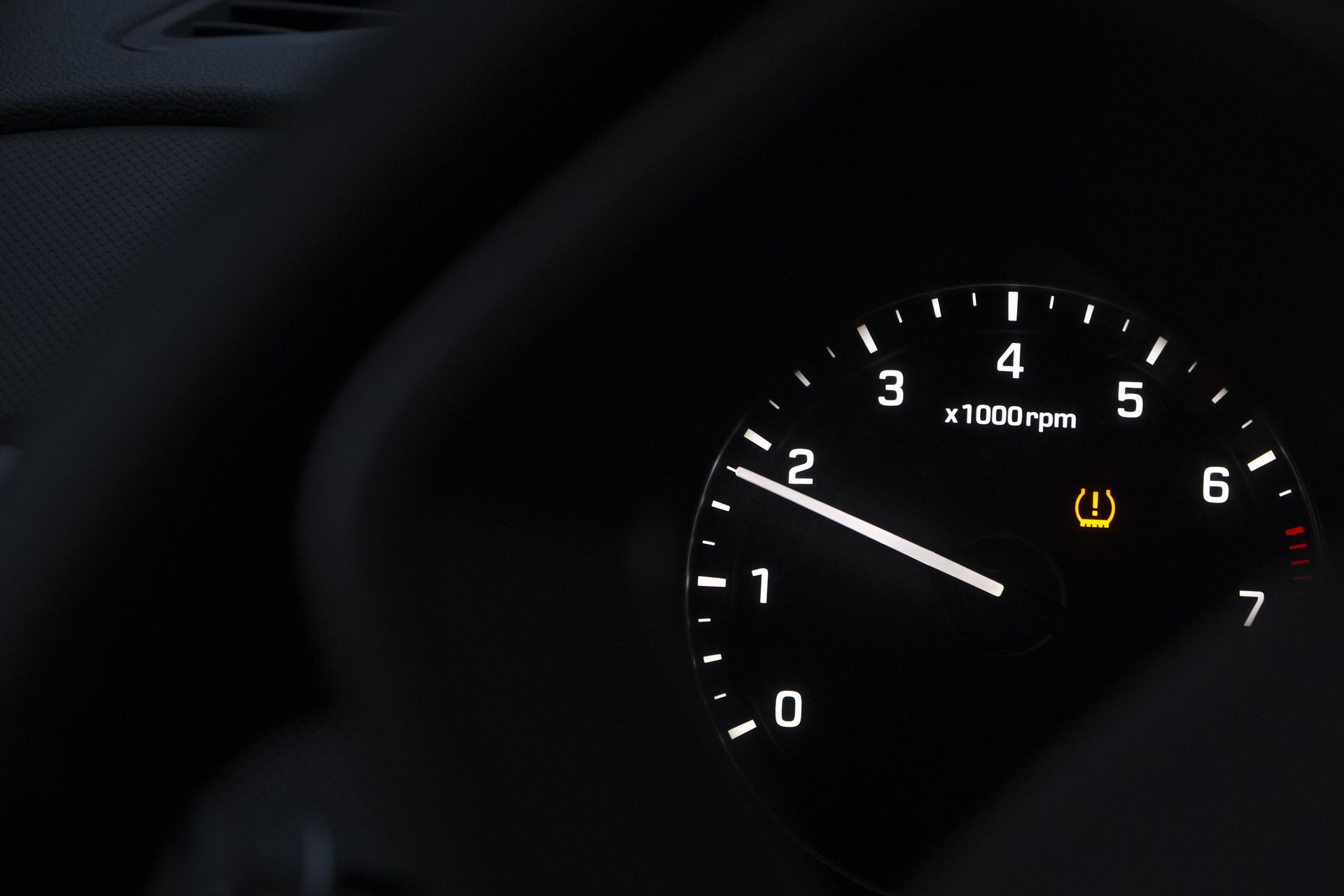
Mantener la presión correcta de los neumáticos es una de las maneras más fáciles y efectivas de prolongar su vida útil.
Los neumáticos con baja presión se flexionan más de lo debido, generando un exceso de calor y provocando un desgaste prematuro en los bordes exteriores de la banda de rodadura. Por otro lado, los neumáticos con exceso de presión tienden a desgastarse más rápidamente en el centro de la banda de rodadura y pueden ofrecer un menor contacto con la superficie del camino.
La presión de los neumáticos cambia naturalmente con las variaciones de la temperatura exterior, por lo que es importante revisarla con regularidad. Siga siempre la presión recomendada por el fabricante del vehículo, la cual normalmente se encuentra en la etiqueta ubicada en el marco de la puerta del conductor o en el manual del propietario.
Rote sus neumáticos regularmente
No todos los neumáticos se desgastan al mismo ritmo.
Los neumáticos delanteros suelen presentar patrones de desgaste diferentes a los traseros porque soportan las fuerzas de dirección y, en muchos vehículos, una parte importante del frenado y la aceleración. La rotación periódica de los neumáticos ayuda a distribuir el desgaste de manera más uniforme entre las cuatro ruedas.
Muchos fabricantes recomiendan rotar los neumáticos cada 6,000 a 8,000 millas, aunque el intervalo adecuado puede variar según el vehículo y el tipo de neumáticos.
Realizar las rotaciones de manera constante ayuda a maximizar la vida útil de la banda de rodadura y a mantener un manejo más predecible.
No ignore la alineación de las ruedas
La alineación de las ruedas afecta mucho más que la comodidad al conducir.
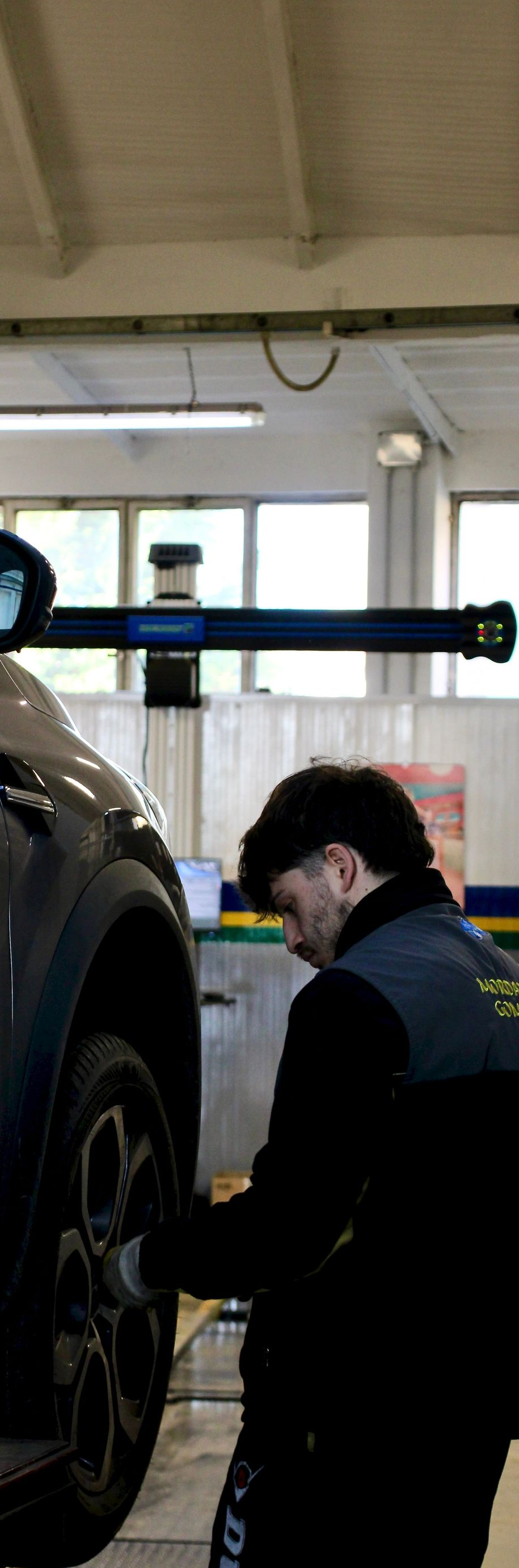
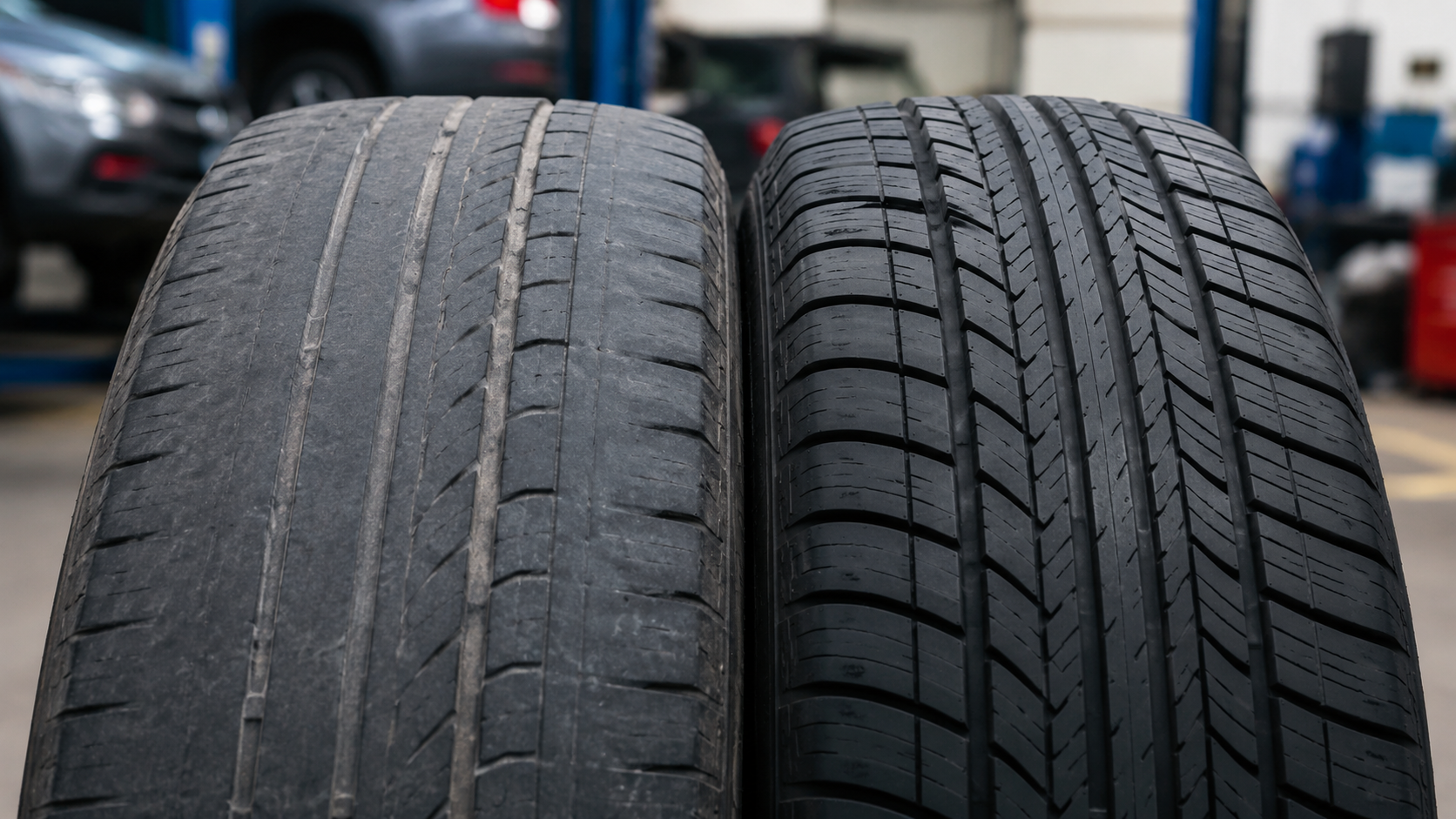
Cuando los ángulos de alineación están fuera de las especificaciones del fabricante, los neumáticos rozan el pavimento en lugar de rodar suavemente. Esto provoca un desgaste irregular de la banda de rodadura que puede reducir significativamente la vida útil de los neumáticos.
Las señales más comunes de un problema de alineación incluyen:
- El vehículo se desvía hacia un lado.
- El volante queda descentrado al conducir en línea recta.
- Desgaste irregular o acelerado de la banda de rodadura.
- El volante no regresa normalmente a la posición central después de girar.
Revisar la alineación cada vez que aparezcan estos síntomas, o después de golpear un bache grande o una banqueta, puede ayudar a proteger tanto los neumáticos como los componentes de la suspensión.

Balancee sus neumáticos
Incluso un pequeño desequilibrio puede hacerse evidente a velocidades de autopista.
Los neumáticos desbalanceados pueden provocar vibraciones en el volante, desgaste irregular de la banda de rodadura y un esfuerzo adicional sobre los componentes de la suspensión. El balanceo distribuye el peso de manera uniforme alrededor del conjunto de neumático y rueda, permitiendo que los neumáticos giren suavemente.
Por lo general, se recomienda balancear los neumáticos cada vez que se instalan neumáticos nuevos y cuando aparecen vibraciones.
Conduzca pensando en el desgaste de los neumáticos
Los hábitos de conducción también influyen en la duración de los neumáticos.
Las aceleraciones rápidas, los frenados bruscos y tomar las curvas de forma agresiva aumentan el desgaste de la banda de rodadura. Mantener una distancia segura con el vehículo de adelante y conducir de forma suave siempre que sea posible reduce el esfuerzo innecesario tanto sobre los neumáticos como sobre el vehículo.
Evitar baches, banquetas y escombros en el camino siempre que sea seguro hacerlo también ayuda a prevenir daños en los neumáticos, las ruedas y la suspensión.
Programe inspecciones periódicas de sus neumáticos
Incluso los neumáticos bien mantenidos deben ser inspeccionados periódicamente por un profesional.
Las inspecciones de rutina pueden identificar desgaste irregular, objetos incrustados, daños en los costados, poca profundidad de la banda de rodadura u otros problemas antes de que se vuelvan más graves. Detectar estos problemas a tiempo suele permitir corregirlos antes de que afecten la seguridad o requieran un reemplazo prematuro de los neumáticos.
Las inspecciones profesionales también representan una excelente oportunidad para verificar la presión de los neumáticos, evaluar posibles problemas de alineación y asegurarse de que los neumáticos continúen siendo adecuados para su vehículo y sus condiciones de conducción.
Confíe en Raymond's Tire Shop para proteger su inversión
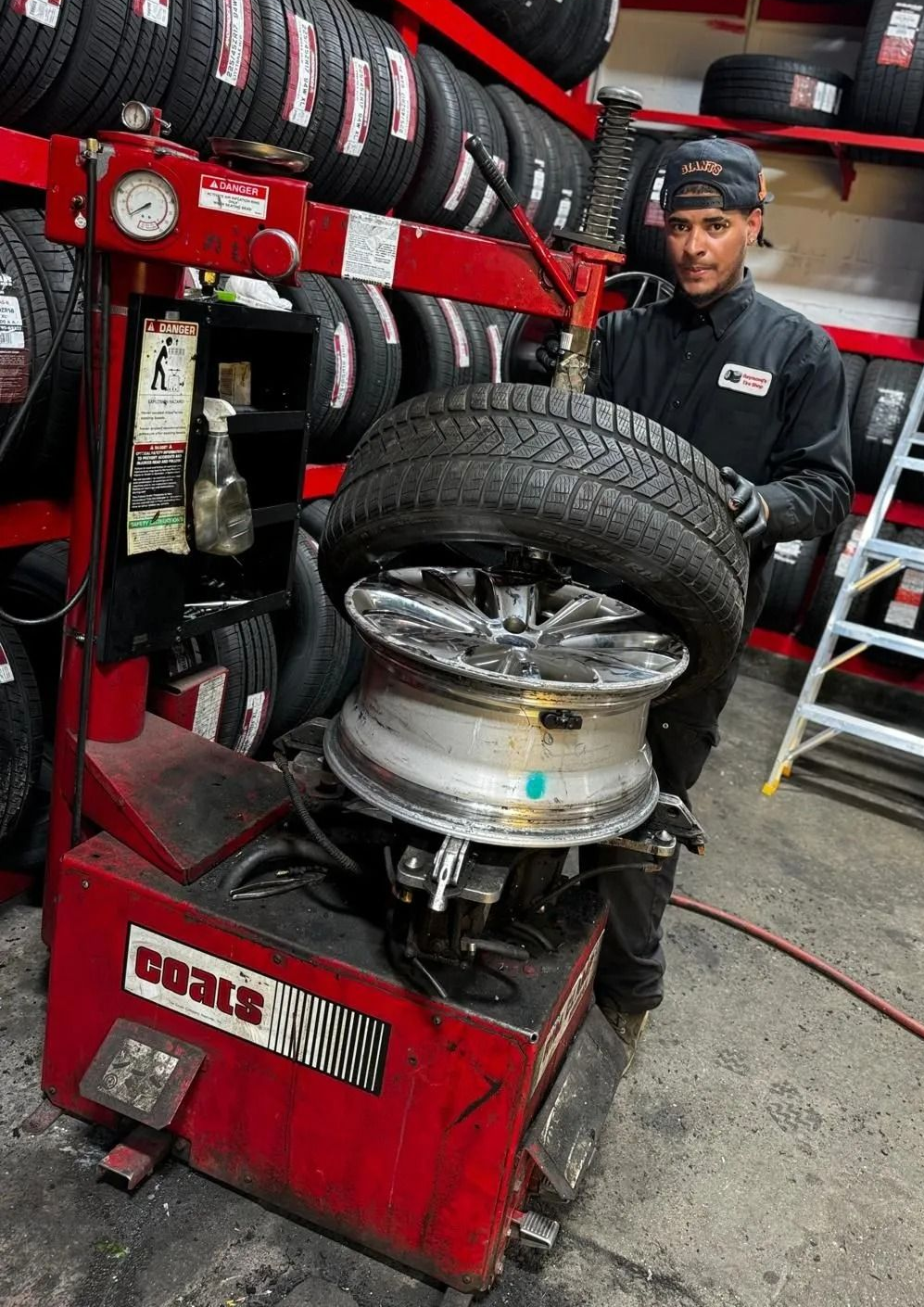
En Raymond's Tire Shop, sabemos que unos neumáticos de calidad representan una inversión importante para la seguridad y el desempeño de su vehículo. Nuestro experimentado equipo ofrece inspecciones profesionales de neumáticos, rotaciones, alineación de ruedas, balanceo, reparación y reemplazo de neumáticos para ayudar a los conductores a maximizar la vida útil de sus neumáticos y disfrutar de una conducción más suave y segura. Ya sea que necesite mantenimiento de rutina o asesoramiento profesional para elegir su próximo juego de neumáticos, estamos comprometidos a ayudarle a obtener el máximo rendimiento de cada milla recorrida.
Póngase en contacto con Raymond's Tire Shop hoy mismo para programar una inspección de sus neumáticos y descubrir cómo un mantenimiento adecuado puede ayudar a prolongar la vida útil de sus neumáticos mientras mantiene su vehículo funcionando al máximo de su rendimiento.