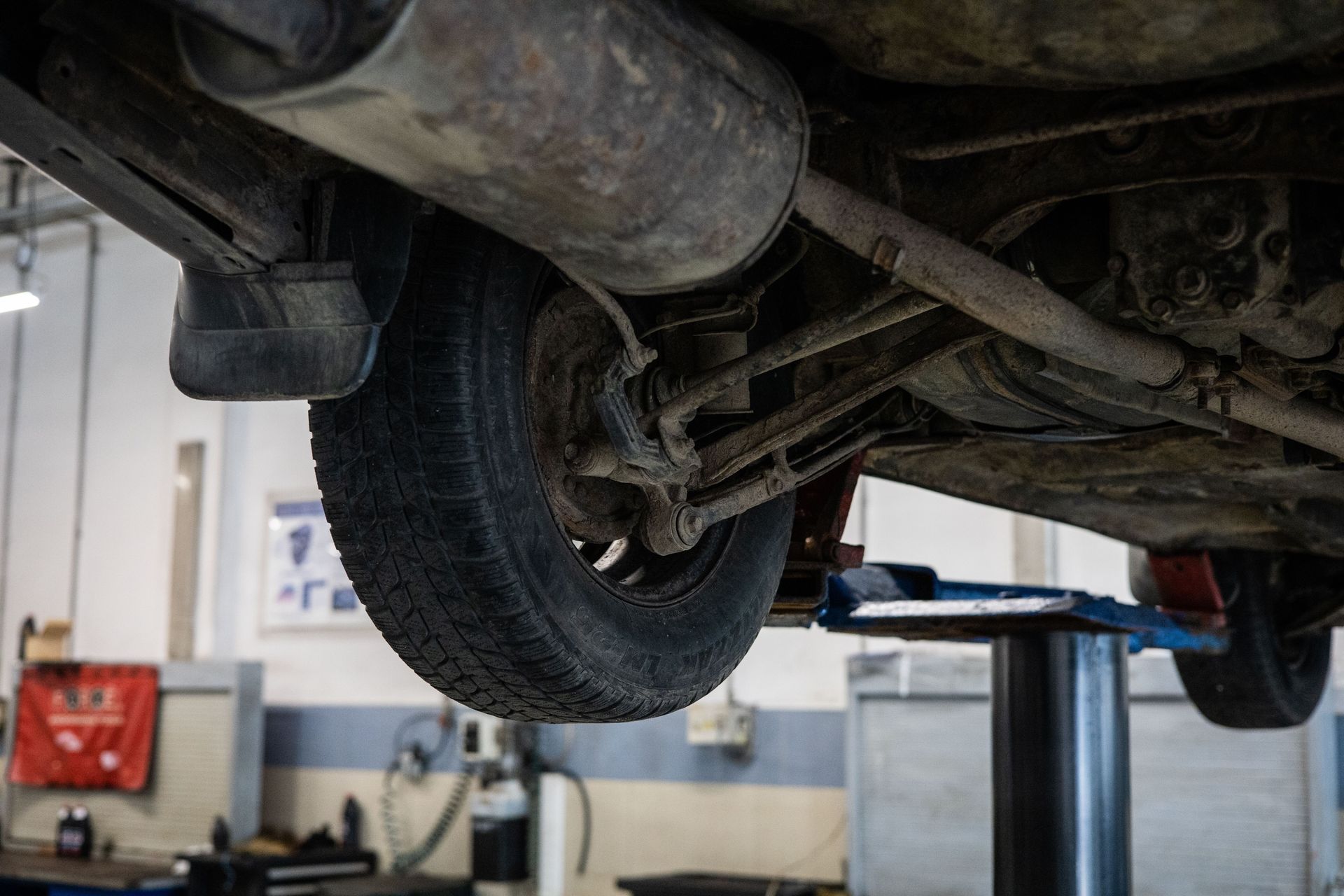
How Proper Tire Inflation Helps Your Tires Last Longer

Your tires are the only part of your vehicle that remains in constant contact with the road, making them one of the most important components for safety, performance, and fuel efficiency. While many drivers remember to check their oil or schedule routine maintenance, tire pressure is often overlooked until a problem develops.


Maintaining proper tire inflation is one of the simplest and most effective ways to extend the life of your tires. It takes only a few minutes to check your tire pressure, yet this small maintenance task can help improve vehicle performance and protect your investment over the long term.
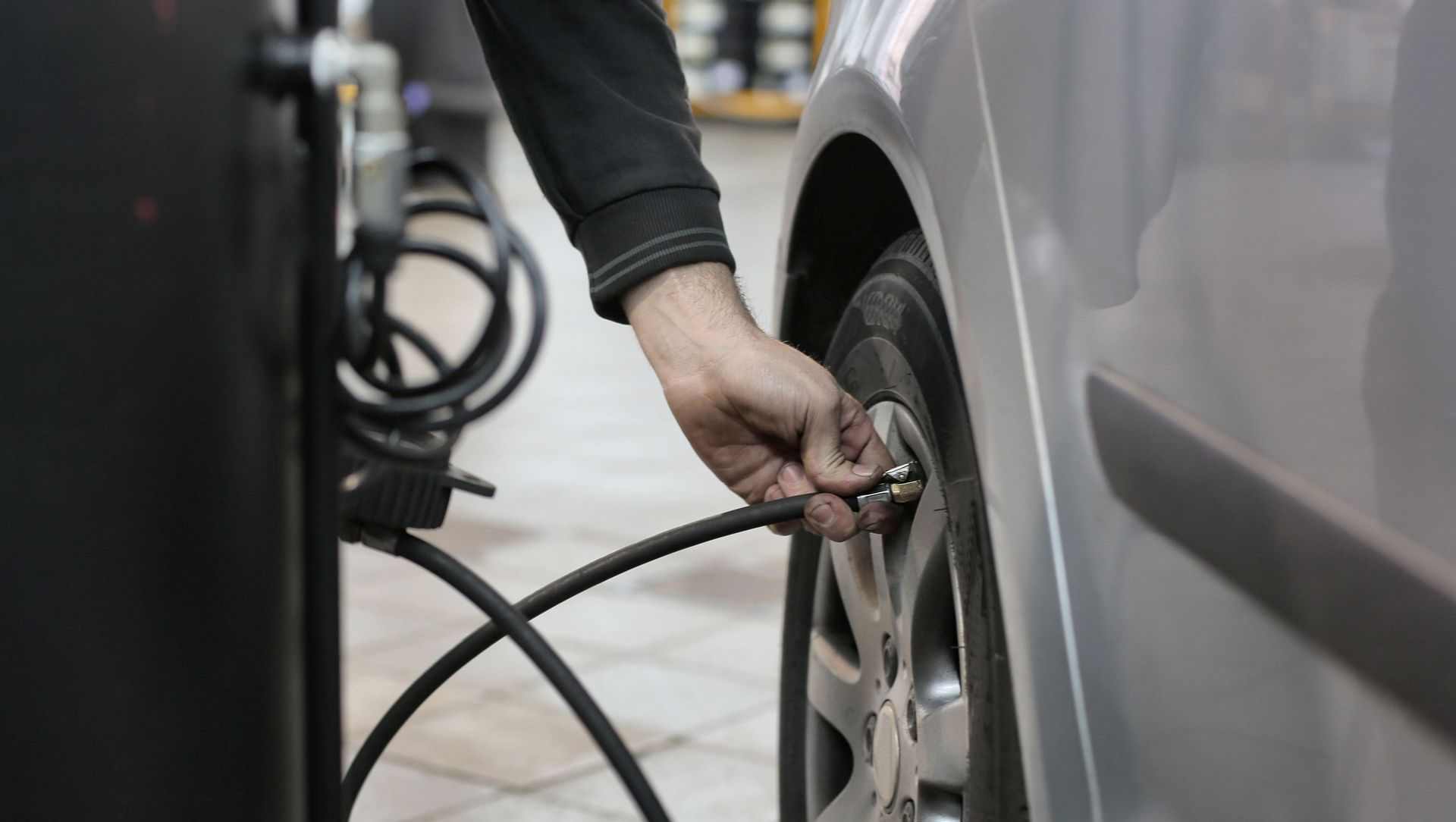
Person inflating a car tire with a pump at a service station

Why Tire Pressure Matters

Every tire is designed to perform within a specific pressure range established by the vehicle manufacturer.


When tires are inflated to the recommended pressure, they maintain the proper shape and make even contact with the road. This allows the tread to wear more uniformly while providing the traction, handling, and stability your vehicle was designed to deliver.


Driving with tires that are either underinflated or overinflated can affect how your vehicle responds and may contribute to uneven tread wear over time.
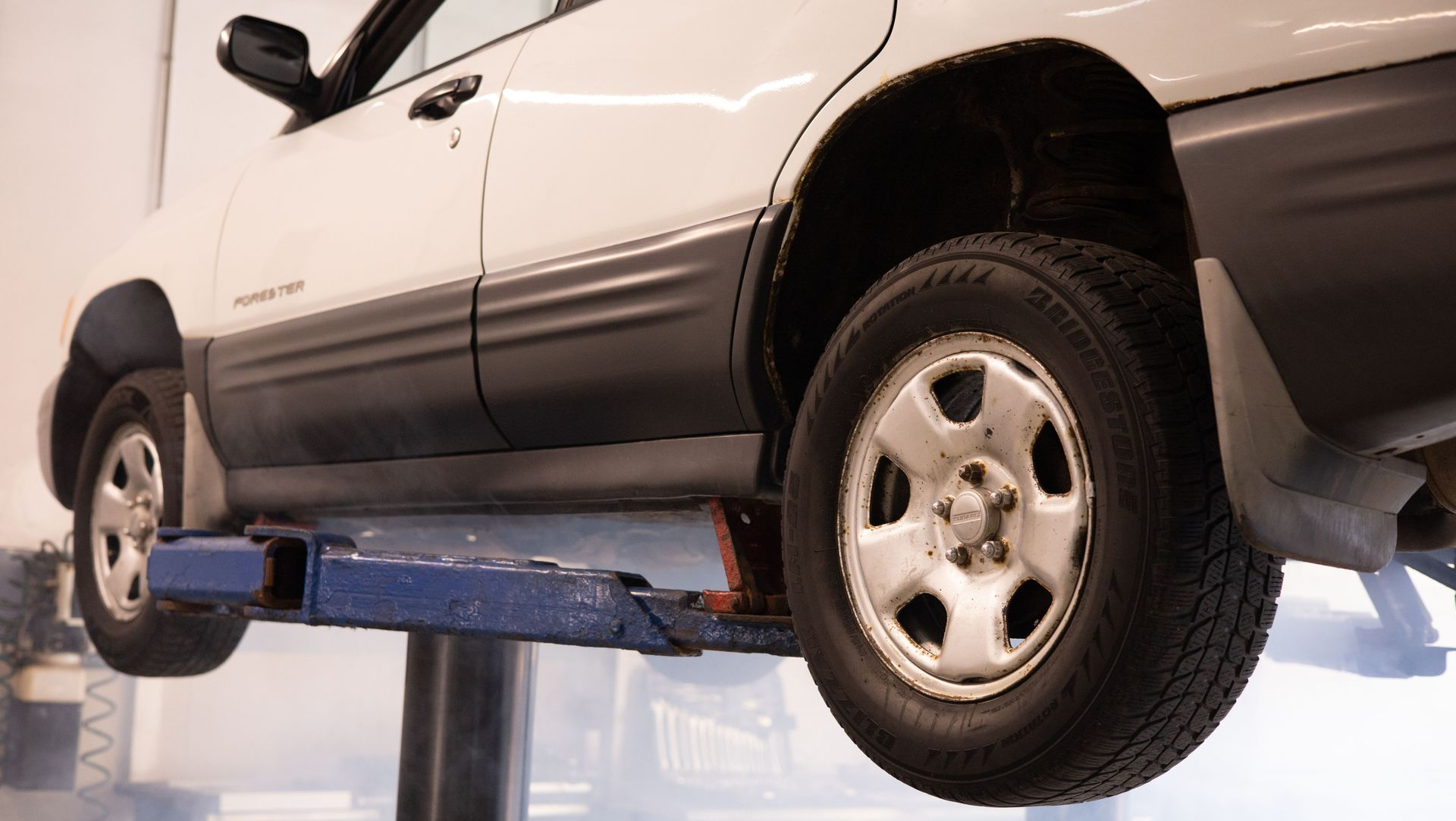
SUV lifted on a blue car lift in an auto shop, viewed from the side

The Effects of Underinflation

Underinflated tires are among the most common tire maintenance issues.


When a tire contains too little air, a larger portion of the tread comes into contact with the road. This increases rolling resistance and causes the outer edges of the tire to wear more quickly than the center. Underinflation can also cause tires to generate additional heat during normal driving, which places extra stress on the tire’s internal structure.


Checking tire pressure regularly helps reduce these risks while promoting more even tread wear.
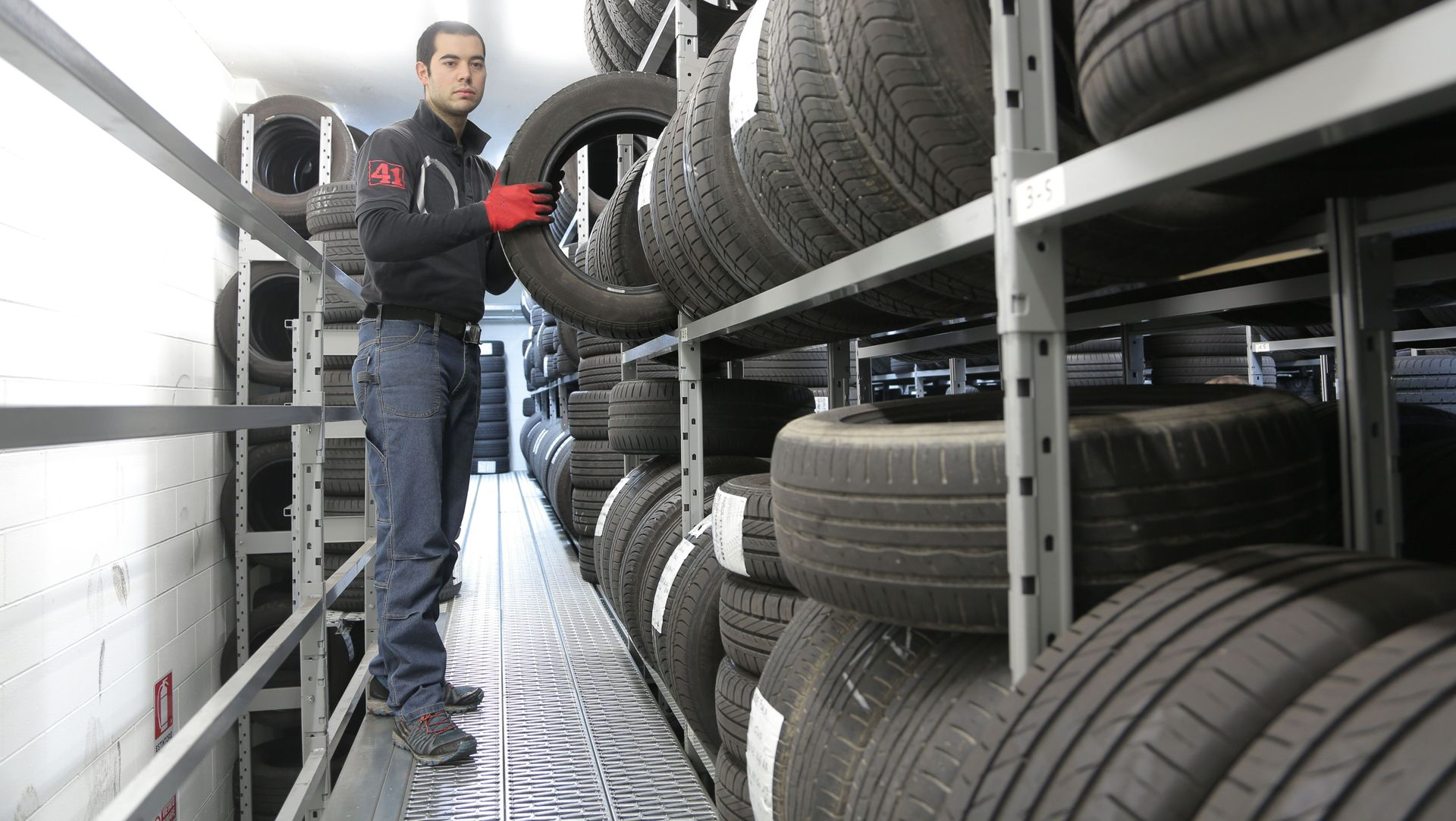
Mechanic inspecting stacked tires in a narrow storage aisle, wearing dark clothing and red gloves.

Overinflation Can Also Cause Problems

Adding too much air is not the solution.


Overinflated tires tend to place more pressure on the center portion of the tread, causing it to wear faster than the outer edges. They may also provide a firmer ride and reduce the tire’s ability to maintain consistent contact with uneven road surfaces.


Keeping your tires within the recommended pressure range helps maximize both comfort and performance.


Tire Pressure Changes Throughout the Year

Many drivers are surprised to learn that tire pressure naturally changes as temperatures fluctuate.


Cold weather typically causes tire pressure to decrease, while warmer temperatures may cause it to increase. Because of these seasonal changes, it is a good idea to check your tire pressure regularly throughout the year rather than assuming it will remain constant.


A quick pressure check during seasonal weather changes can help prevent unnecessary tire wear.

Close-up of two car tires, one in focus with deep tread, beside a blurred alloy wheel

Proper Inflation Supports Overall Vehicle Performance

Correct tire pressure offers benefits beyond longer tire life.


Properly inflated tires can contribute to more predictable handling, smoother steering response, and improved fuel efficiency by reducing rolling resistance. They also help distribute your vehicle’s weight evenly across the tire, allowing the tread to perform as intended.


Combined with regular tire rotations, wheel alignments, and balancing, maintaining proper tire pressure is one of the most effective ways to maximize tire performance.


Make Tire Inspections Part of Your Routine

Checking tire pressure only takes a few minutes and can easily become part of your regular vehicle maintenance routine.


Many experts recommend checking tire pressure at least once a month and before long road trips. It is also a good opportunity to inspect your tires for uneven wear, cuts, punctures, or objects embedded in the tread that may require professional attention.


Small maintenance habits often help prevent larger problems later.
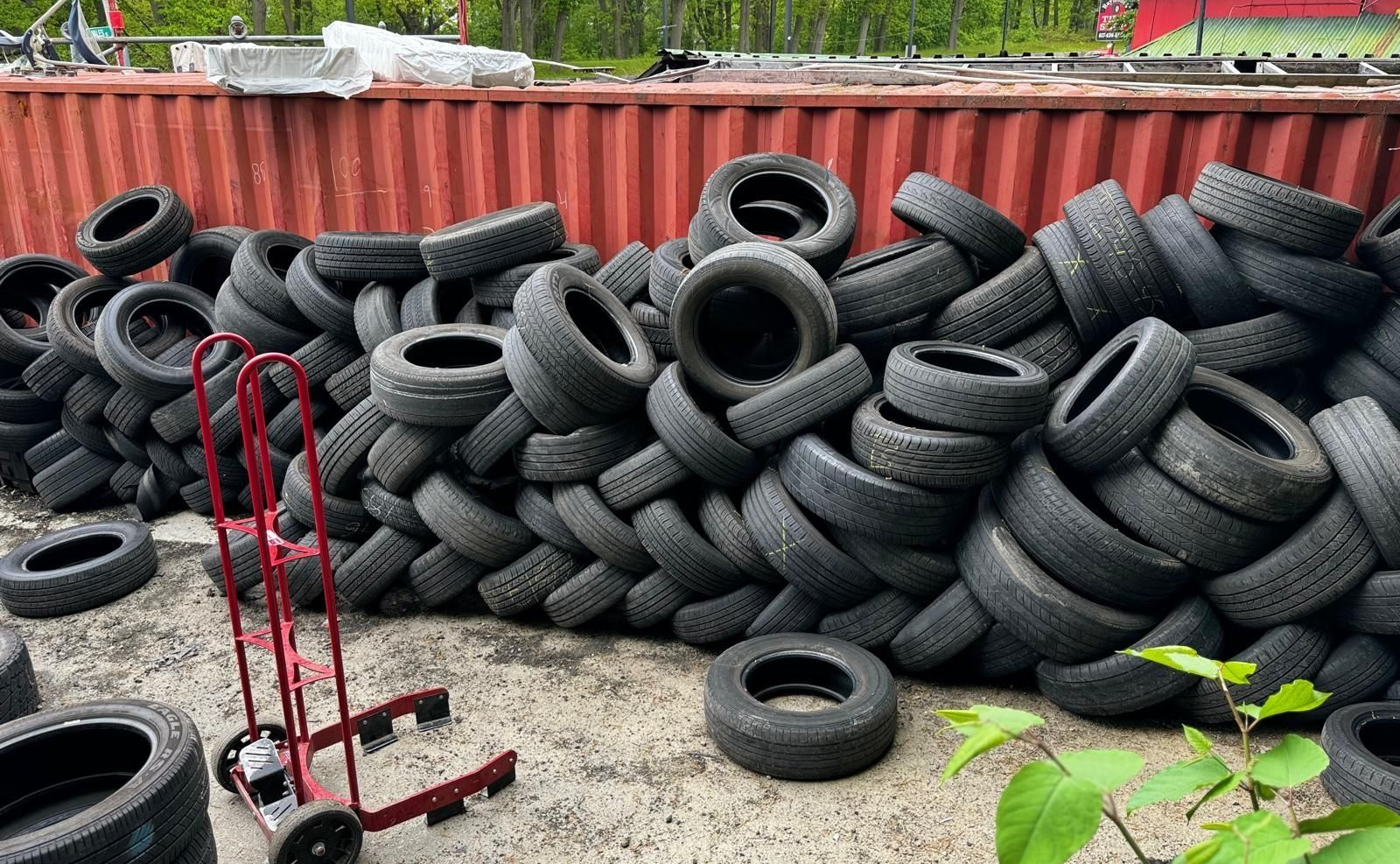
Pile of used tires stacked against a red container, with a red hand truck in front and trees behind

Trust Raymond’s Tire Shop to Help Protect Your Tires

At Raymond’s Tire Shop, we know that getting the most from your tires starts with proper maintenance. Our experienced team helps drivers maintain safe, reliable vehicles through professional tire inspections, tire pressure checks, tire rotations, wheel balancing, wheel alignments, and expert tire replacement services when needed.


Whether you have questions about your current tires or are looking for a new set that matches your vehicle and driving habits, we are here to help. Our goal is to keep you driving safely while helping you maximize the life and performance of every tire you purchase.


Visit Raymond’s Tire Shop today and let our knowledgeable team help you protect one of the most important investments on your vehicle. Proper tire inflation is a simple step that can make a lasting difference every time you get behind the wheel.
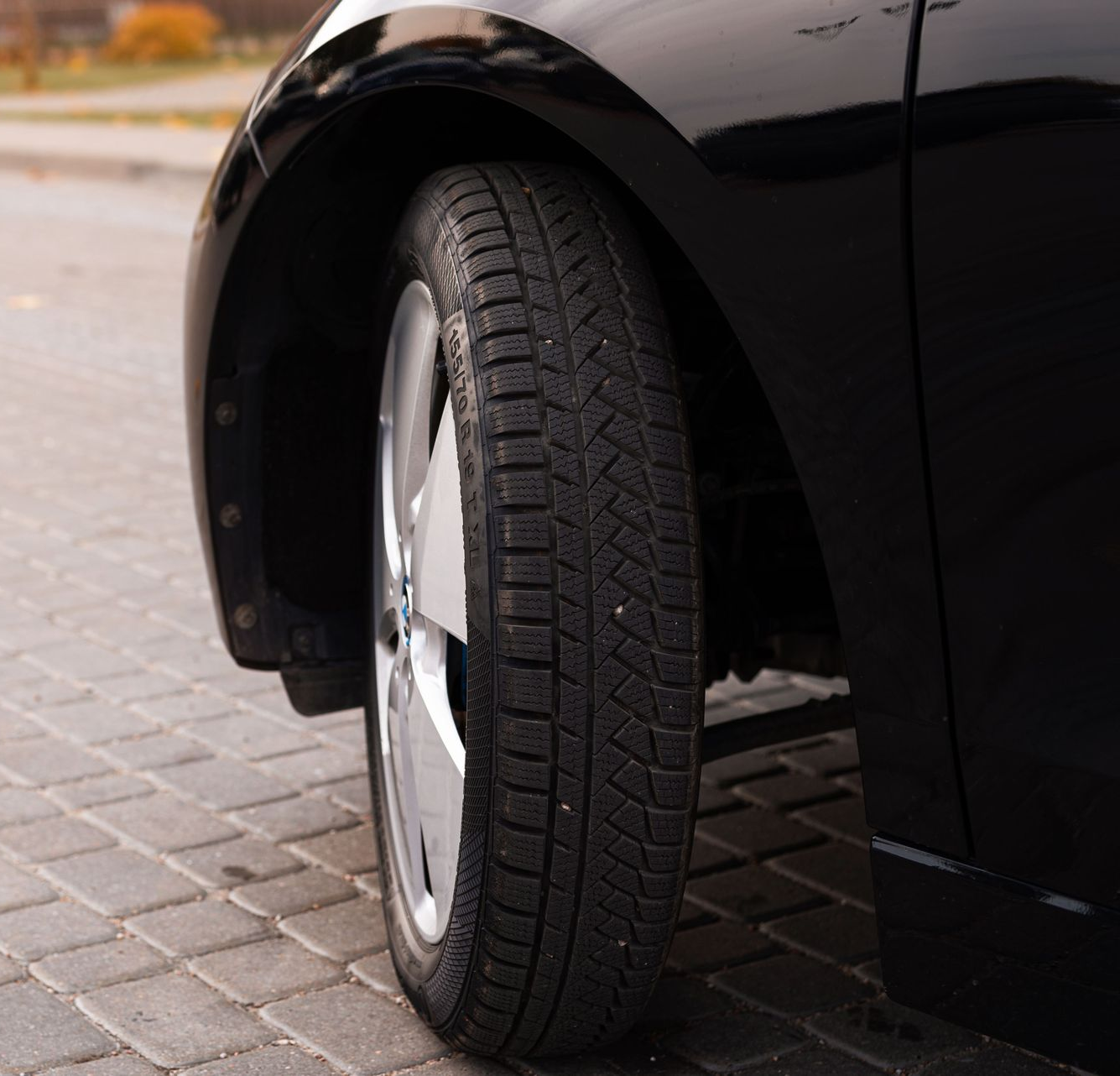
Close-up of a black car’s front wheel parked on a paved street.
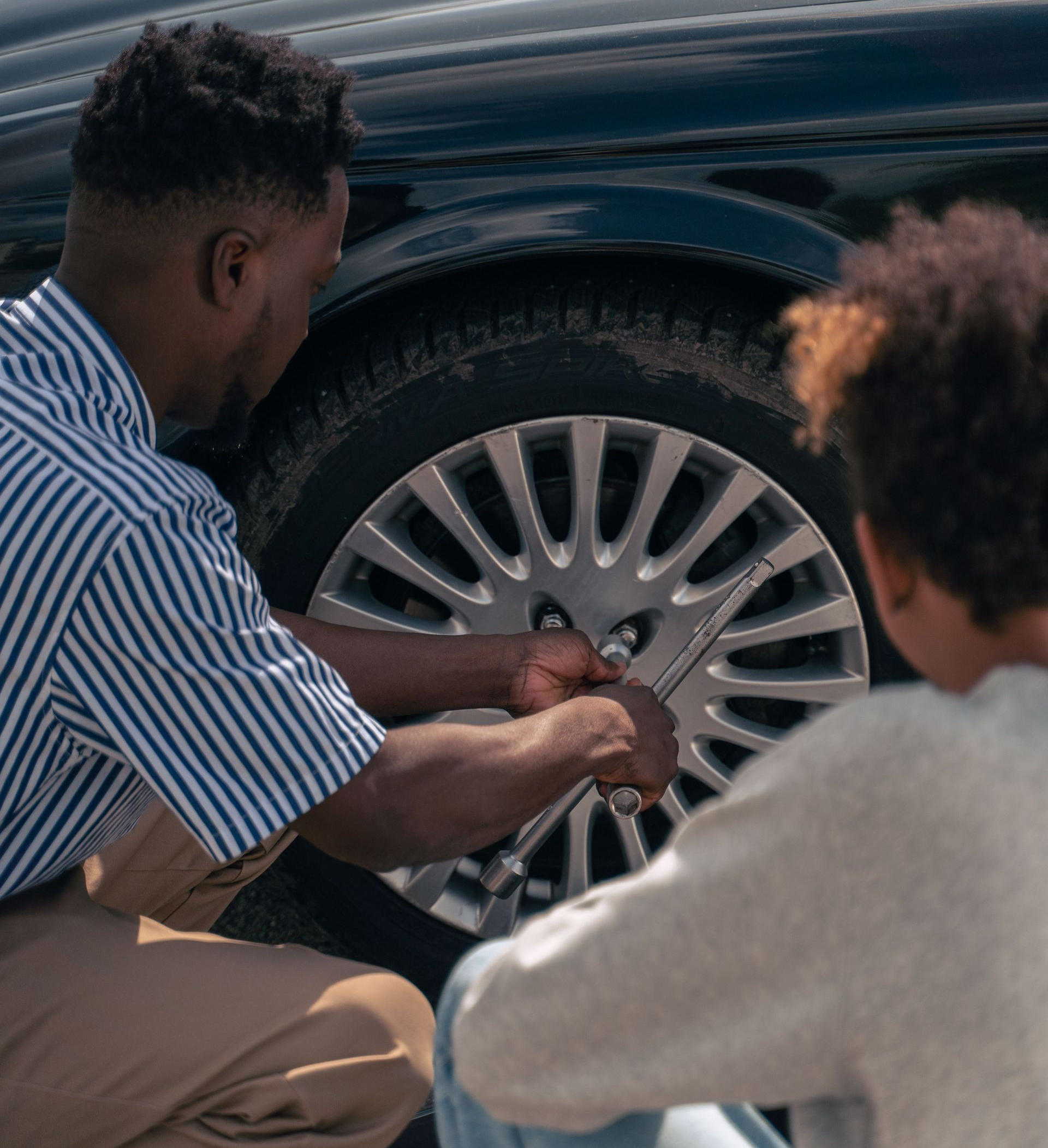
Two people crouch by a car wheel, tightening a lug nut with a wrench.
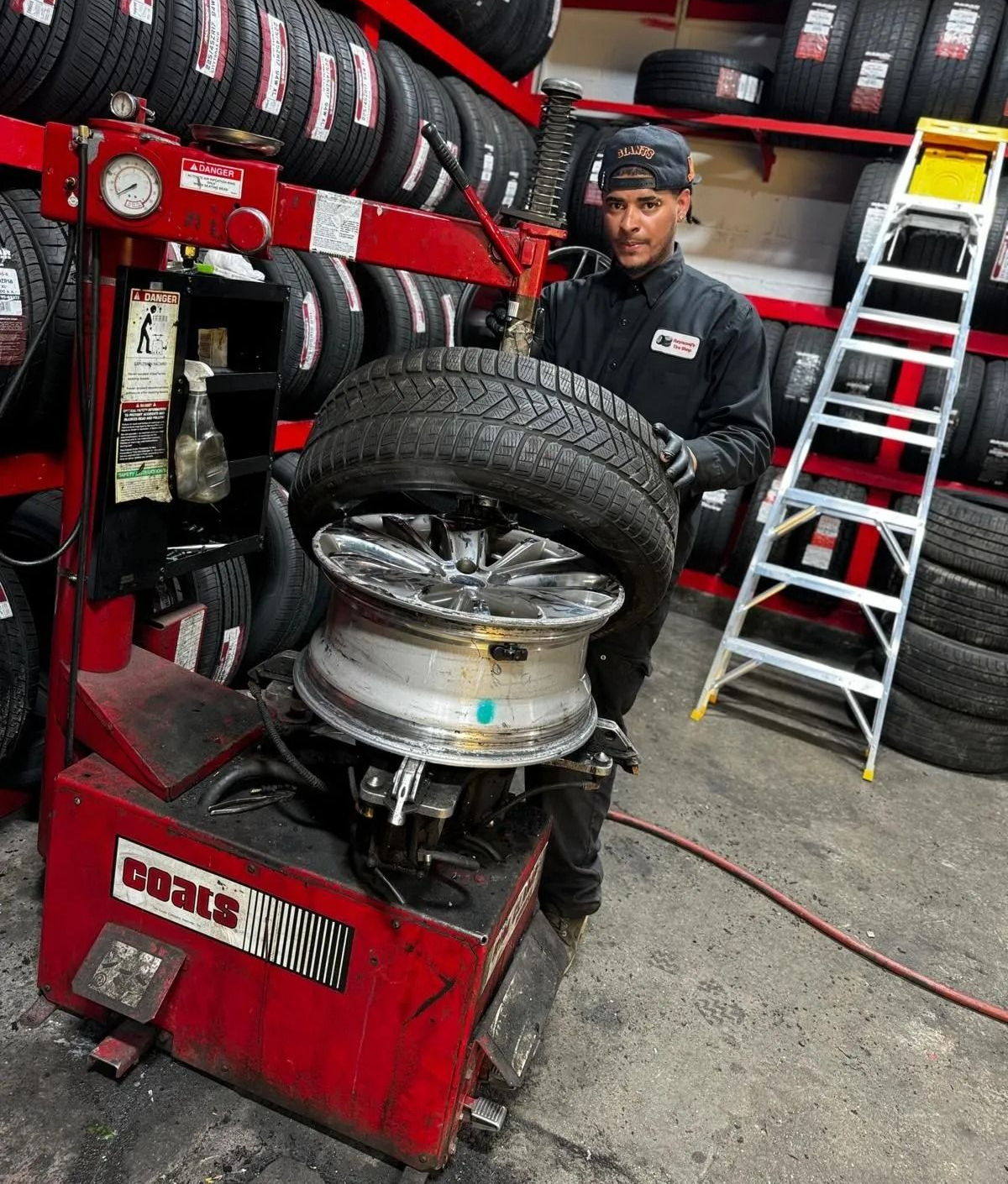
Mechanic using tire changer on a car wheel in a tire shop with stacked tires and tools nearby
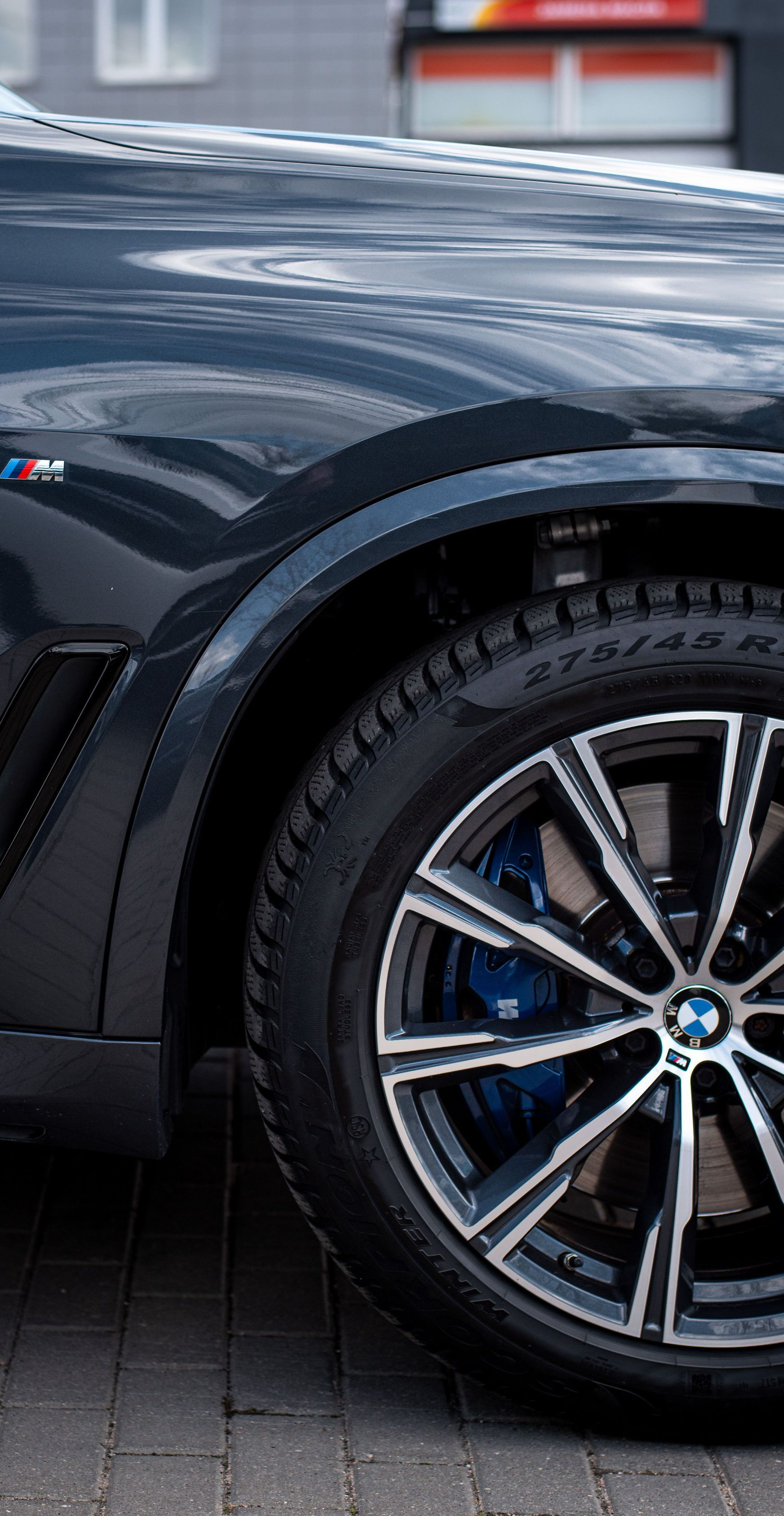
Close-up of a dark blue sports car’s front wheel and fender with M badge
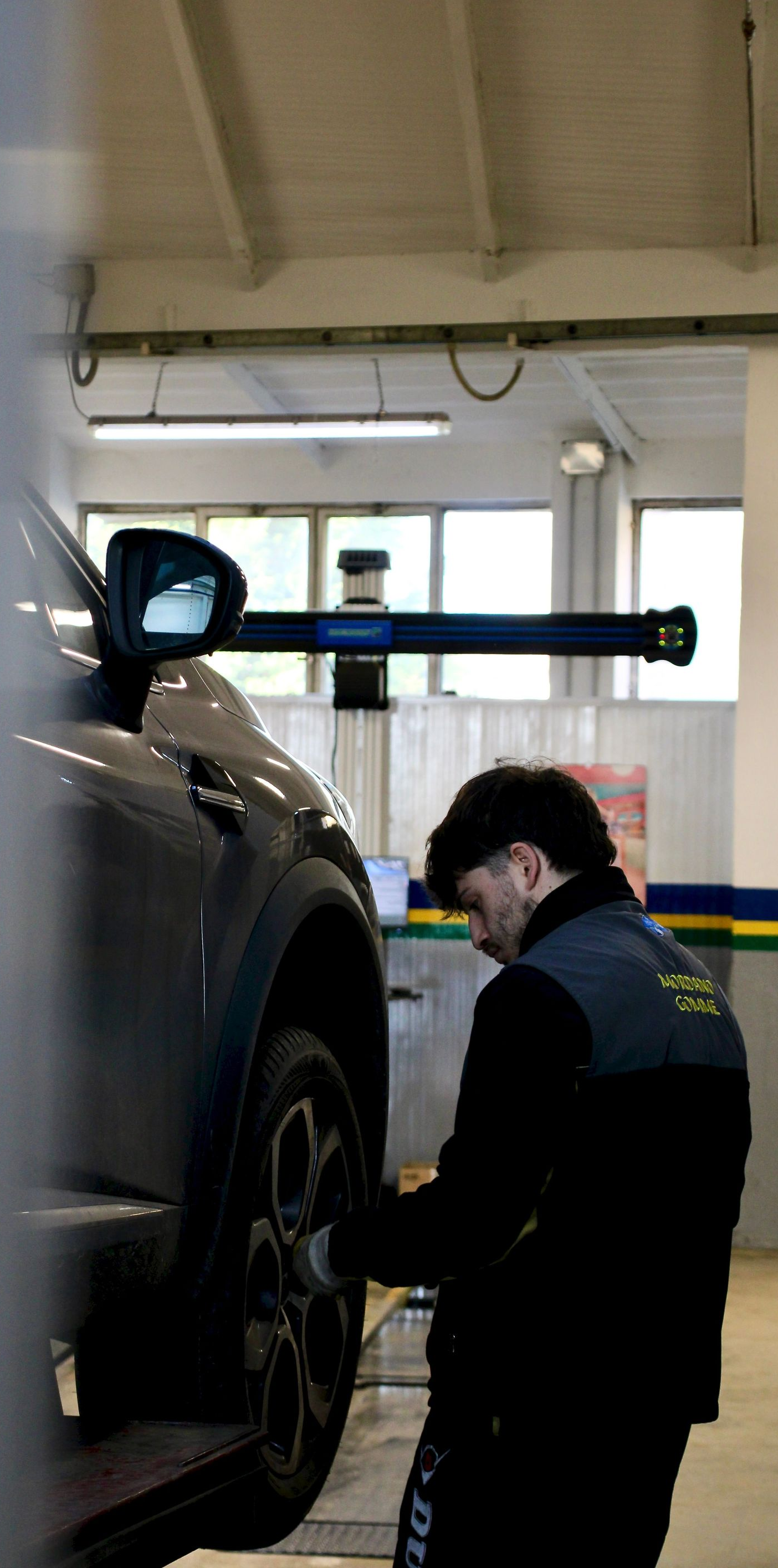
Mechanic in dark coveralls inspecting a raised car in an auto shop garage
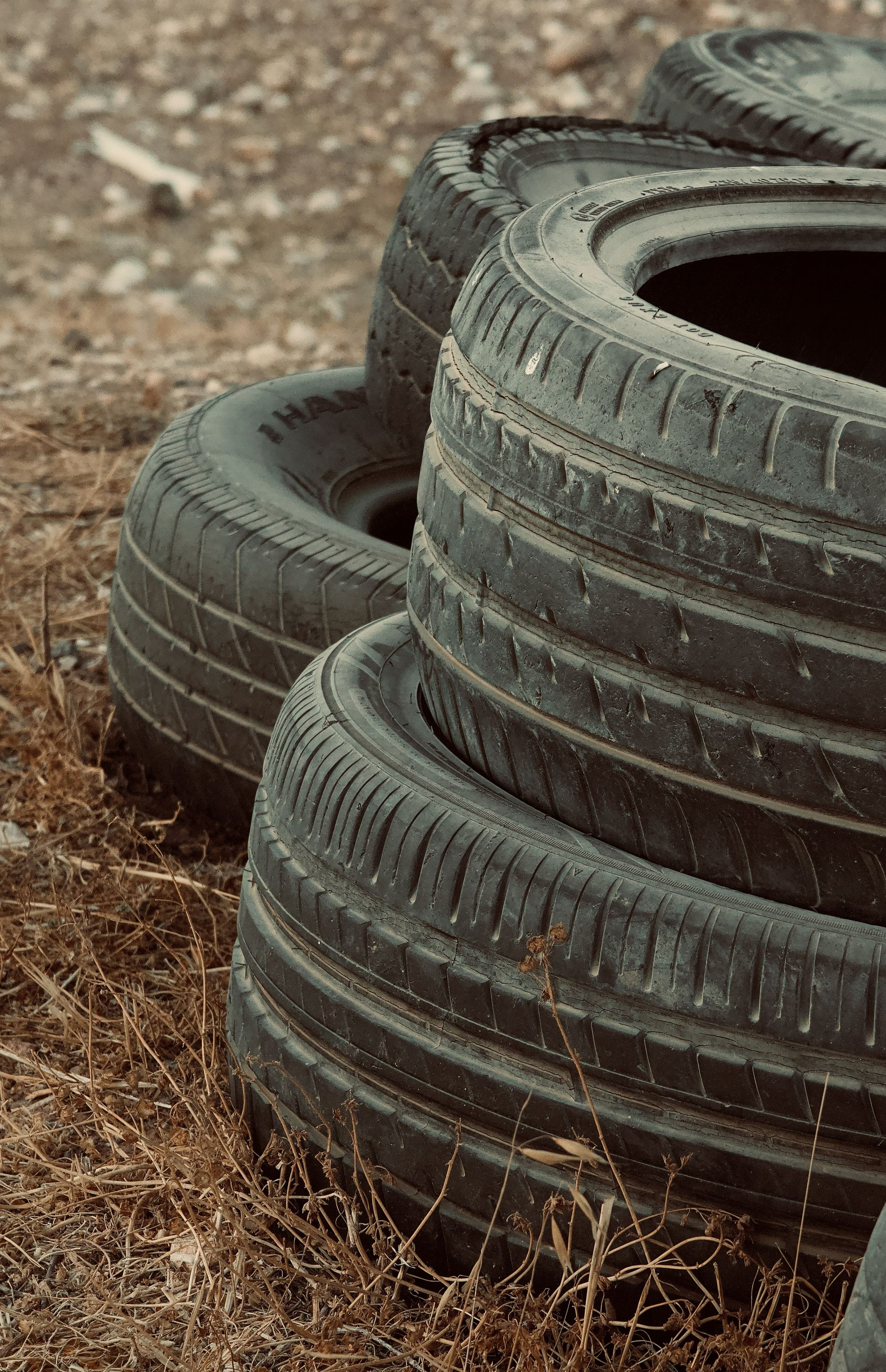
Stacked black tires on a dirt surface with dry grass around them
August 28, 2026
When a tire repeatedly loses air but there is no obvious nail, screw, or visible puncture, the problem may be where the tire meets the wheel. This area is known as the tire bead, and a poor seal between the bead and the rim can allow air to escape gradually. Tire bead leaks are a common cause of slow pressure loss. Understanding why they happen can help drivers recognize when a tire needs professional inspection rather than repeatedly adding air. What Is the Tire Bead? The bead is the reinforced inner edge of the tire that sits tightly against the wheel rim. When a tire is properly mounted and inflated, air pressure helps hold the bead securely against the wheel, creating an airtight seal. If that sealing surface becomes damaged, dirty, corroded, or distorted, a small pathway can develop for air to escape.  Because these leaks may be very small, the tire can lose pressure over several days or weeks rather than going flat immediately.
August 23, 2026
A pothole impact can feel like a quick jolt, but the forces involved can affect several parts of the tire and wheel assembly. The faster the vehicle is moving, the less time the tire has to absorb the impact. In some cases, the damage is immediately obvious. In others, problems may not become noticeable until later. Raymond’s Tire Shop helps drivers inspect tires, wheels, balancing, and alignment after hard road impacts. Understanding what can happen during a pothole strike can make it easier to recognize when a tire needs professional attention. The Tire Is Compressed Extremely Quickly When a tire drops into a pothole and strikes the far edge, the sidewall and tread can be compressed between the road and the wheel. Tires are designed to flex, but a severe impact can exceed what the internal structure can safely absorb.  The risk can be greater when tire pressure is too low because there is less air cushioning between the road surface and the wheel. However, even a properly inflated tire can be damaged by a deep pothole at sufficient speed.
August 16, 2026
Tires are one of the most important safety components on any vehicle because they are the only parts that maintain direct contact with the road. As tires wear, their ability to grip pavement, channel water, and respond predictably can gradually decline. The challenge is that unsafe tire conditions are not always obvious until performance has already been affected.  Raymond’s Tire Shop helps drivers evaluate tread wear, tire damage, pressure issues, alignment problems, and other conditions that can affect tire safety. Knowing what to look for can help you recognize when a tire needs professional attention or replacement.
August 7, 2026
Most drivers think of tires simply as the round rubber components that allow a vehicle to roll down the road. In reality, tires are sophisticated pieces of engineering that perform several essential functions every time a vehicle is in motion. They support the weight of the vehicle, transmit steering and braking forces, absorb road irregularities, and maintain traction in changing driving conditions. Every acceleration, turn, and stop depends on these four small contact patches where the tires meet the road.  Understanding the primary functions of a tire helps drivers appreciate why routine maintenance and timely replacement are so important. Raymond’s Tire Shop helps customers choose quality tires and maintain them properly so their vehicles continue to perform safely and efficiently throughout the life of the tire.
July 31, 2026
Understanding how your tires interact with wet pavement is one of the most important parts of safe driving. While most drivers know that rain can make roads slippery, fewer understand how hydroplaning occurs or why it can cause a vehicle to suddenly lose traction. Knowing what causes hydroplaning—and how proper tire maintenance can reduce the risk—can help you stay safer during wet weather.  At Raymond’s Tire Shop, we believe that informed drivers make safer decisions. Keeping your tires in excellent condition is one of the best ways to improve vehicle performance when road conditions are less than ideal.
July 23, 2026
Your tires are one of the hardest-working components of your vehicle. They provide traction, support your vehicle’s weight, absorb impacts from the road, and help you maintain control in a wide range of driving conditions. Because they experience constant wear, replacing tires is an expected part of vehicle ownership. However, proper maintenance can help maximize their lifespan, improve performance, and save you money over time. Many of the factors that affect tire longevity are within a driver’s control. By following a few simple maintenance practices, you can help your tires wear more evenly and perform as intended throughout their service life.