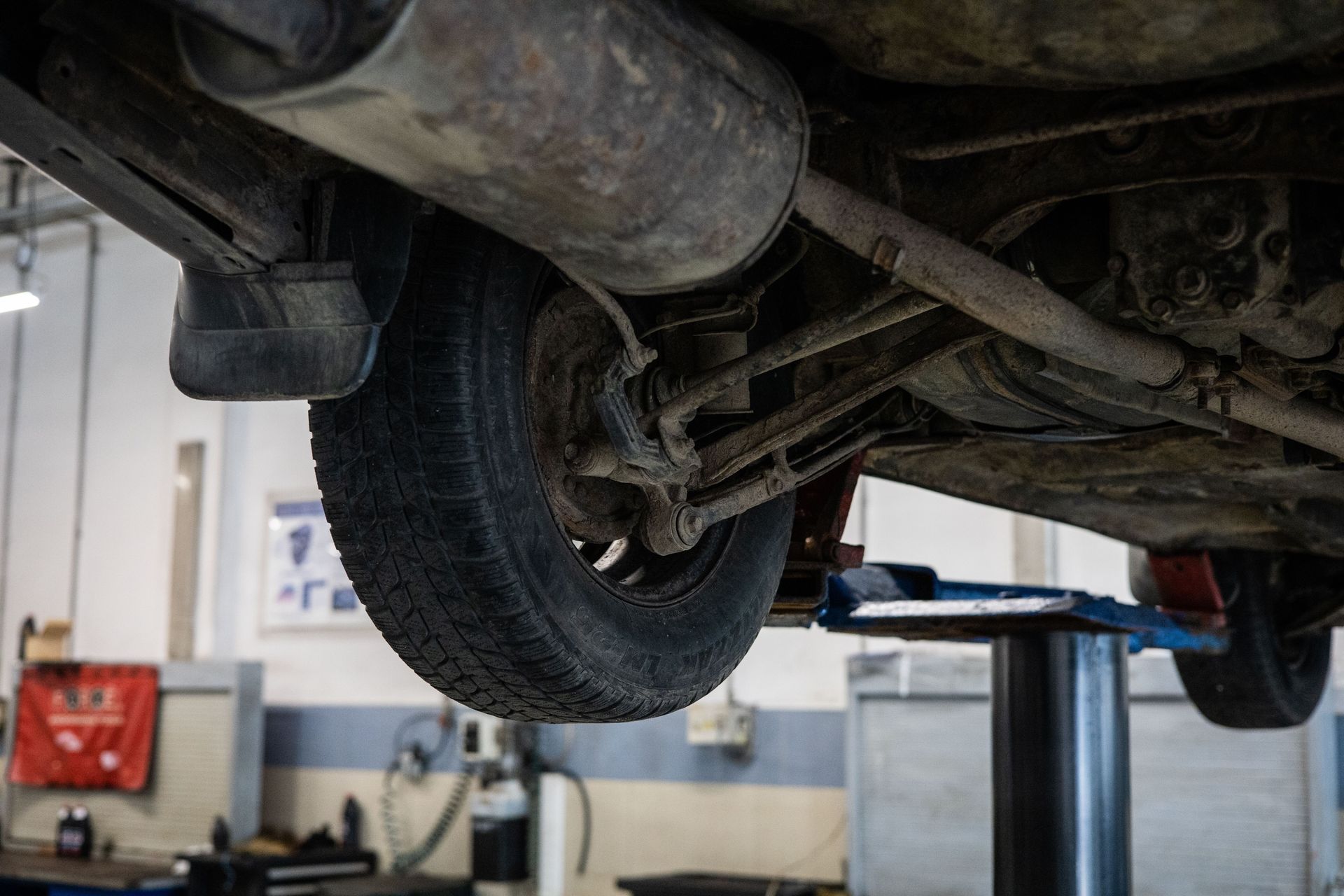
La importancia de elegir neumáticos que se adapten a sus hábitos de conducción
Cuando llega el momento de reemplazar sus neumáticos, puede ser tentador centrarse únicamente en el precio o en el reconocimiento de la marca. Si bien ambos son factores importantes, uno de los aspectos que más se pasa por alto es la forma en que realmente utiliza su vehículo todos los días. El neumático ideal para un conductor puede no ser la mejor opción para otro, incluso si ambos tienen la misma marca y modelo de vehículo.
Elegir neumáticos que se adapten a sus hábitos de conducción puede mejorar el rendimiento del vehículo, aumentar la seguridad, prolongar la vida útil de los neumáticos y brindar una experiencia de conducción más cómoda. Comprender su rutina diaria al volante es un excelente punto de partida.
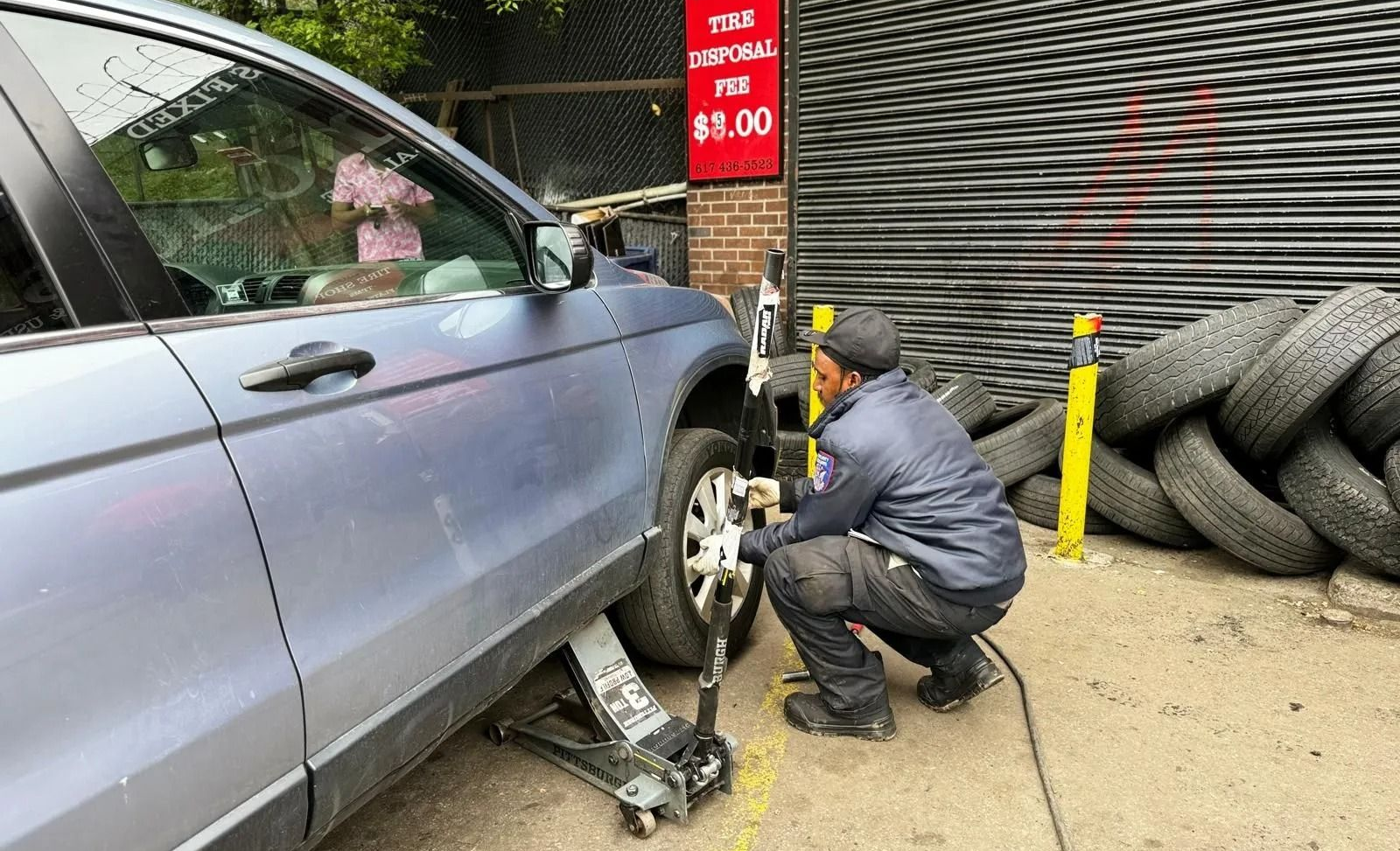
Piense en dónde conduce con mayor frecuencia
No todos los vehículos circulan en el mismo tipo de entorno.
Algunos conductores pasan horas cada semana en la autopista, mientras que otros realizan trayectos cortos por calles urbanas con frecuentes paradas y giros. Los caminos rurales, las zonas en construcción, los caminos de grava y las carreteras de montaña plantean diferentes exigencias para los neumáticos.
Los conductores que recorren largas distancias por carretera con regularidad suelen priorizar una conducción silenciosa y una larga vida útil de la banda de rodadura. Quienes pasan más tiempo conduciendo en el tráfico urbano pueden beneficiarse de neumáticos diseñados para soportar frenadas frecuentes, giros y el constante detenerse y avanzar.
Elegir neumáticos adecuados para las condiciones de conducción más comunes ayuda a maximizar su rendimiento.
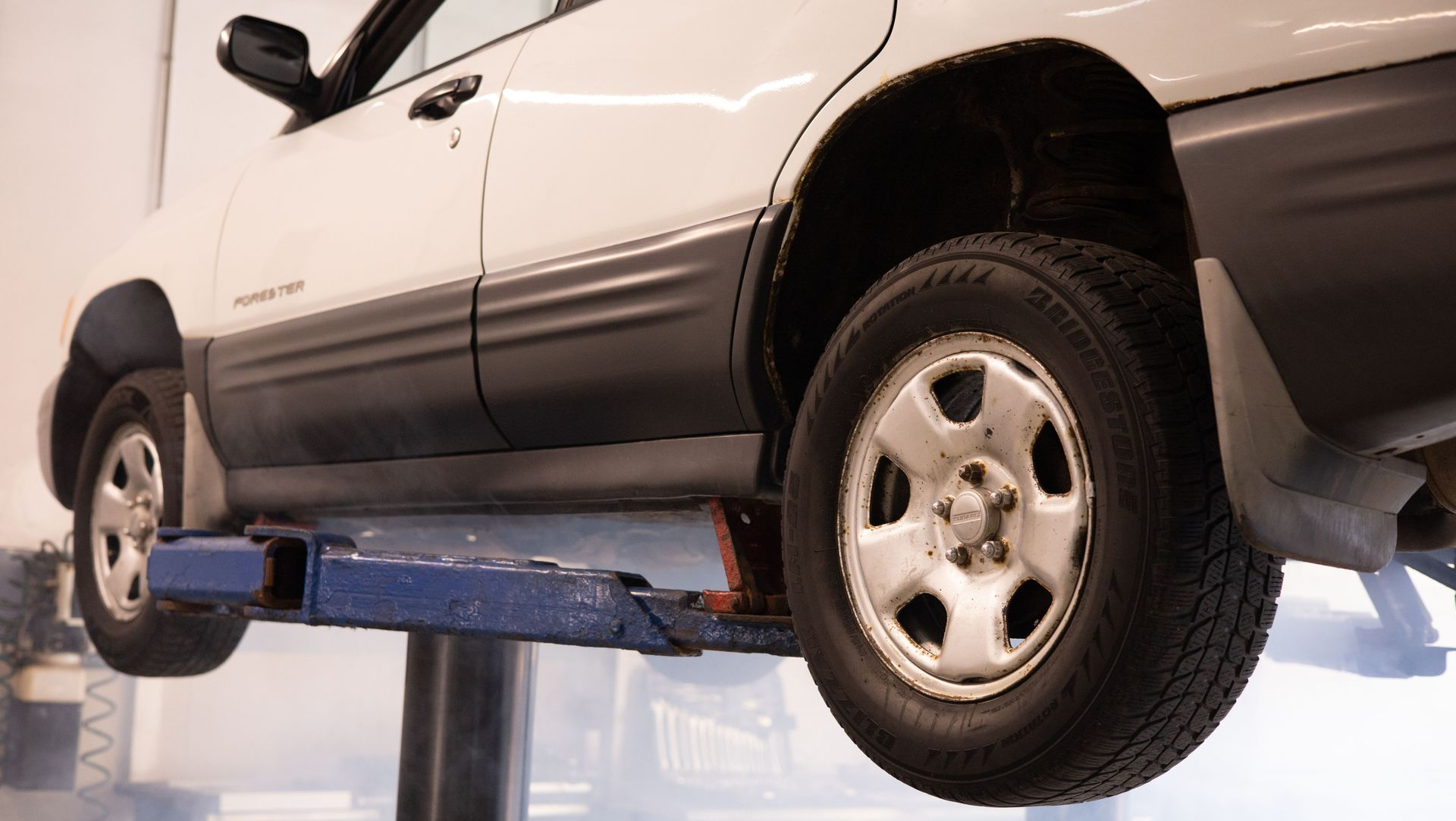
Considere el clima de su región
El clima desempeña un papel fundamental en el rendimiento de los neumáticos.
Los conductores que enfrentan lluvias frecuentes deben elegir neumáticos diseñados para ofrecer una tracción confiable sobre pavimento mojado. Un diseño adecuado de la banda de rodadura ayuda a evacuar el agua, reduciendo la probabilidad de aquaplaneo y mejorando el control del vehículo durante condiciones lluviosas.
En las zonas donde se presentan bajas temperaturas, nieve o hielo, los neumáticos de temporada pueden proporcionar una tracción adicional durante los meses de invierno. Incluso en regiones con inviernos más suaves, los cambios de temperatura pueden afectar la presión de los neumáticos y su rendimiento general, por lo que las inspecciones de rutina son una parte importante del mantenimiento del vehículo.
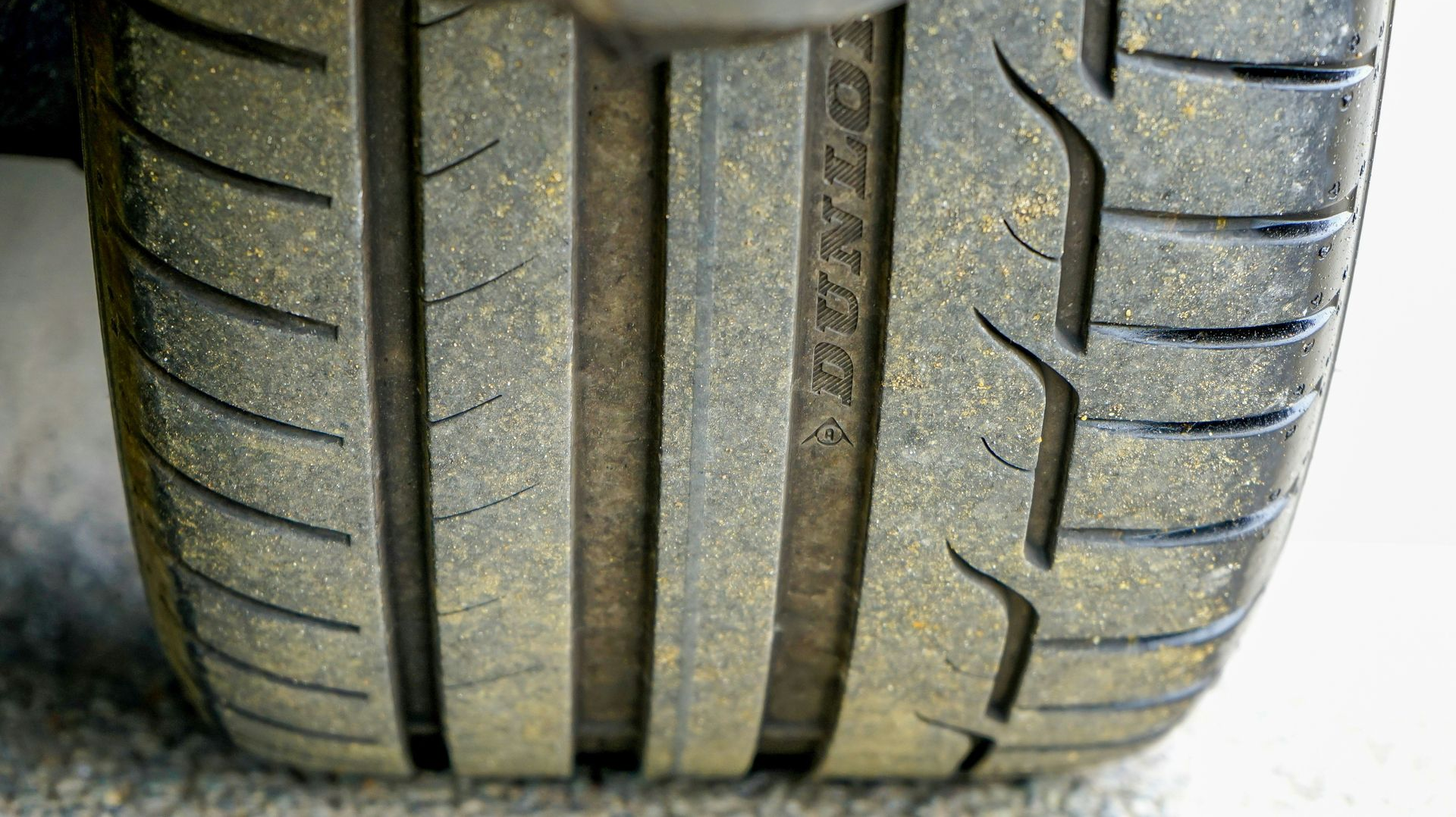
Piense en cómo utiliza su vehículo
Un SUV familiar, un sedán para desplazamientos diarios, una camioneta de trabajo y un vehículo de alto rendimiento tienen diferentes necesidades en cuanto a neumáticos.
Si con frecuencia remolca tráileres o transporta equipos pesados, es posible que su vehículo requiera neumáticos diseñados para soportar mayores capacidades de carga. Las familias que viajan largas distancias durante los fines de semana pueden dar prioridad a la comodidad, la estabilidad y la durabilidad. Los conductores que valoran una respuesta más precisa al volante pueden optar por neumáticos diseñados para mejorar el desempeño en las curvas y la dirección.
Comprender cómo utiliza su vehículo todos los días ayuda a reducir las opciones y encontrar los neumáticos que mejor se adapten a esas necesidades.
La calidad sí importa
Aunque puede resultar tentador elegir la opción más económica, los neumáticos son uno de los componentes de seguridad más importantes de cualquier vehículo.
Son el único punto de contacto entre su vehículo y la carretera. Los neumáticos de calidad están diseñados para proporcionar una tracción confiable, un manejo constante y un frenado seguro en una amplia variedad de condiciones de conducción.
Invertir en neumáticos que se adapten a su vehículo y a sus hábitos de conducción puede ofrecer beneficios mucho después de su instalación.

La orientación profesional facilita el proceso
Con tantas medidas de neumáticos, diseños de banda de rodadura, clasificaciones de rendimiento y fabricantes disponibles, elegir neumáticos nuevos puede parecer una tarea complicada.
Una inspección profesional de los neumáticos permite que técnicos con experiencia evalúen el estado de sus neumáticos actuales, analicen sus hábitos de conducción y le recomienden opciones que se ajusten a su vehículo, presupuesto y prioridades. También pueden identificar problemas como desgaste irregular de la banda de rodadura, desalineación o problemas en la suspensión que podrían afectar el desempeño de sus neumáticos nuevos.
Elegir el neumático adecuado implica mucho más que encontrar uno que se ajuste a la rueda. Se trata de seleccionar un neumático que se adapte a su estilo de vida.
Aproveche al máximo cada kilómetro
Los neumáticos adecuados ayudan a que su vehículo funcione tal como fue diseñado, al mismo tiempo que contribuyen a la seguridad, la comodidad y al valor a largo plazo. Al considerar dónde conduce, cómo utiliza su vehículo y las condiciones que enfrenta durante todo el año, podrá tomar una decisión más informada cuando llegue el momento de reemplazar sus neumáticos.
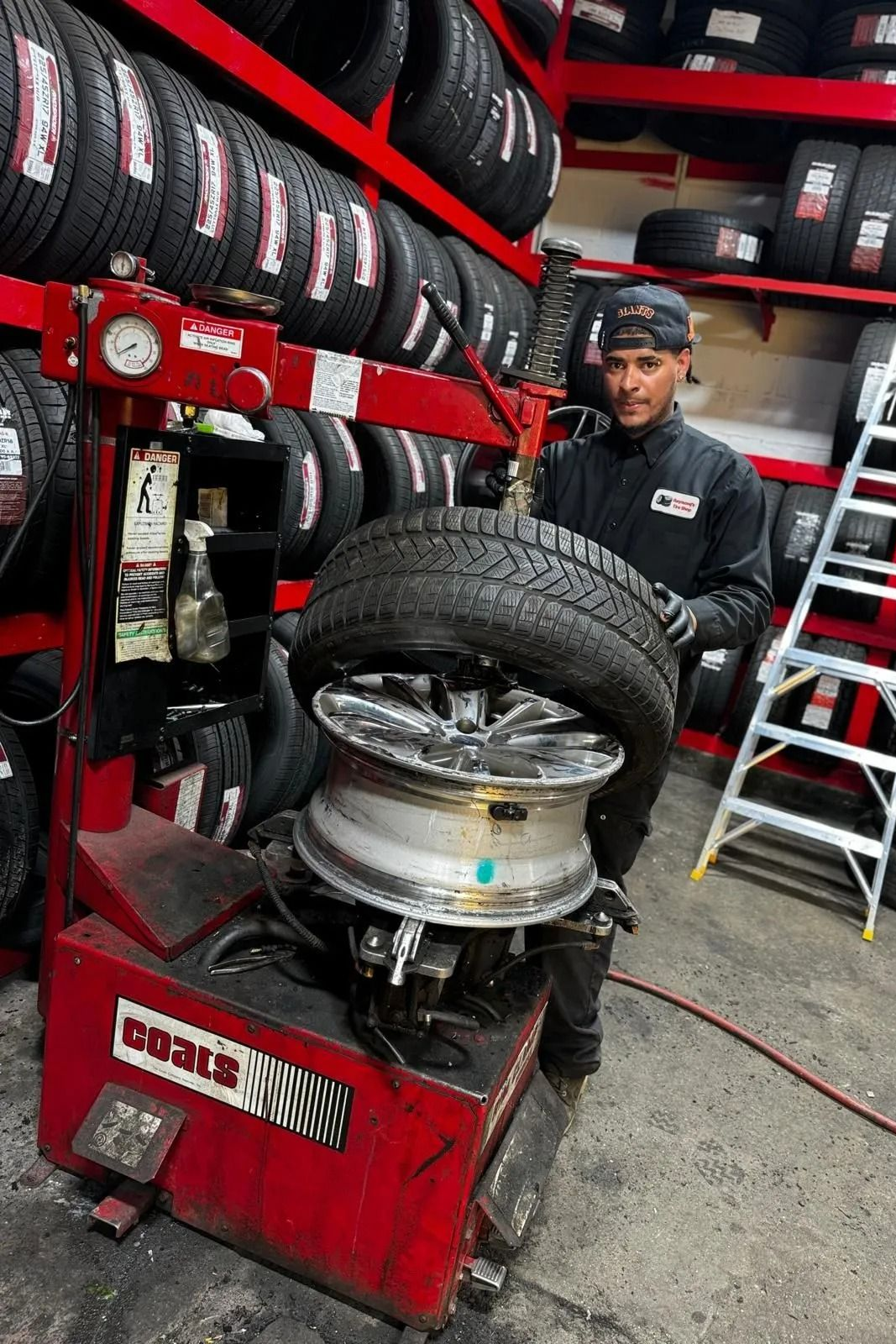
En Raymond's Tire Shop, ayudamos a los conductores a elegir neumáticos que se adapten a sus necesidades específicas de conducción. Nuestro experimentado equipo se toma el tiempo para comprender cómo utiliza su vehículo antes de recomendar opciones de neumáticos de alta calidad de fabricantes de confianza. También ofrecemos instalación profesional de neumáticos, balanceo de ruedas, alineación y mantenimiento continuo para ayudarle a obtener el máximo rendimiento de su inversión.
Si está listo para instalar neumáticos nuevos o tiene preguntas sobre cuál es la mejor opción para su vehículo, visite Raymond's Tire Shop. Estamos aquí para ayudarle a conducir con confianza, sabiendo que sus neumáticos están perfectamente adaptados a la manera en que viaja todos los días.