O que seus pneus podem revelar sobre seus hábitos de condução

Entendendo o desgaste dos pneus

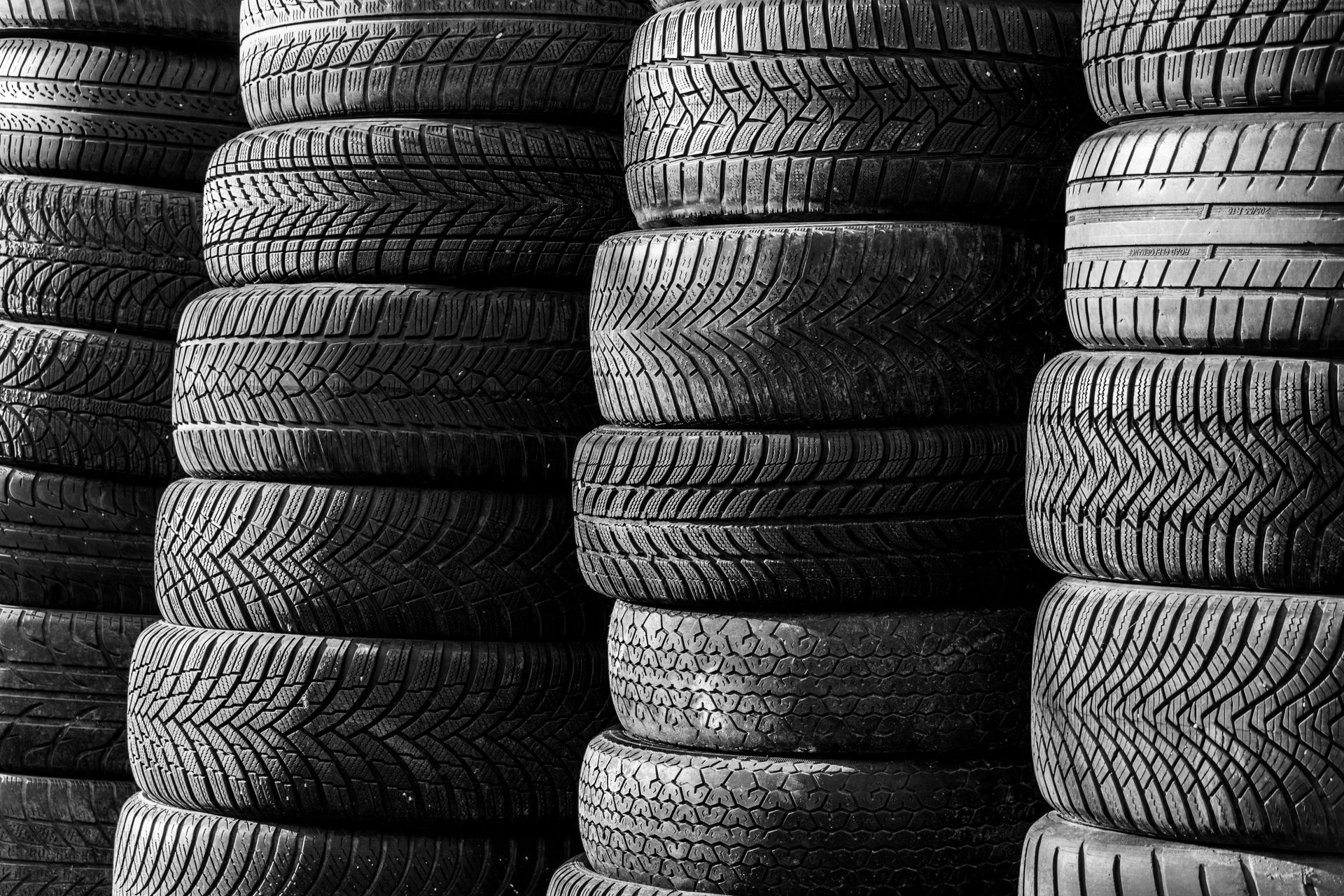
Muitos motoristas veem os pneus como componentes passivos que simplesmente se desgastam com o tempo. Na realidade, os pneus fornecem um retorno constante sobre a forma como o veículo é conduzido e mantido. A maneira como os pneus se desgastam pode revelar informações valiosas sobre hábitos de condução, condições das estradas e rotinas de manutenção. Na Raymond’s Tire Shop, frequentemente ajudamos os motoristas a entender o que seus pneus estão indicando e como agir antes que pequenos problemas se tornem maiores.

Traffic jam on a multi-lane highway in a city at sunset; tall buildings in background.

Desgaste irregular da banda de rodagem e padrões de condução

Um dos indicadores mais comuns dos hábitos de condução é o desgaste irregular da banda de rodagem. Pneus que se desgastam mais de um lado geralmente indicam problemas de alinhamento, que podem ser influenciados por contatos frequentes com meio-fios, buracos na estrada ou condições de pavimento irregular. Curvas feitas de forma agressiva também podem contribuir para esse padrão.


Quando inspecionamos os pneus, analisamos cuidadosamente a profundidade da banda de rodagem em toda a superfície. As diferenças de desgaste nos ajudam a identificar se o problema está relacionado ao alinhamento, à suspensão ou ao modo de condução do veículo. Tratar essas questões precocemente ajuda a prolongar a vida útil dos pneus e a melhorar a dirigibilidade.

English bulldog in a silver car, head out window, looking to the side.

Desgaste central ou nas bordas e hábitos de velocidade

Pneus que apresentam desgaste excessivo no centro da banda de rodagem geralmente estão com pressão acima do recomendado. Isso pode ocorrer quando os motoristas calibram os pneus além dos níveis indicados, às vezes na tentativa de melhorar a eficiência de combustível. O excesso de pressão reduz o contato do pneu com a estrada e pode afetar o desempenho de frenagem.


Por outro lado, pneus que se desgastam mais nas bordas podem estar com pressão abaixo do recomendado. A baixa pressão aumenta a resistência ao rolamento e pode estar associada a trajetos curtos frequentes, cargas pesadas ou verificações irregulares da pressão dos pneus. Manter a calibragem correta ajuda os pneus a se desgastarem de forma uniforme e contribui para uma condução mais segura.

Inside a tunnel, cars driving toward the light. Blue ceiling lights and road markers glow.

Pontos planos e comportamento ao dirigir

Pontos planos nos pneus podem se formar quando o veículo passa por frenagens bruscas ou permanece parado por longos períodos. Paradas repentinas geram calor e atrito que podem deformar temporariamente a superfície do pneu. Com o tempo, frenagens bruscas repetidas podem levar a padrões de desgaste irregulares.


Esse tipo de desgaste geralmente reflete condução em tráfego intenso ou paradas súbitas frequentes. Embora algumas condições sejam inevitáveis, identificar pontos planos precocemente permite ações corretivas, como o balanceamento dos pneus ou ajustes nos hábitos de condução.

Person driving a car, hands on the steering wheel, smartphone mounted on the dashboard.

Desgaste nos ombros e curvas

O desgaste excessivo nos ombros externos dos pneus costuma estar associado a curvas feitas de forma agressiva ou a mudanças de direção bruscas frequentes. Esse padrão também pode surgir quando o veículo é conduzido regularmente em estradas sinuosas ou superfícies irregulares.


Compreender esse tipo de desgaste ajuda os motoristas a reconhecer como as rotas diárias e o estilo de condução afetam a durabilidade dos pneus. Ajustar a velocidade nas curvas e manter a manutenção adequada dos pneus pode ajudar a reduzir esse desgaste.


Idade dos pneus e hábitos de armazenamento

Mesmo pneus com boa profundidade de banda de rodagem podem apresentar sinais de envelhecimento. Rachaduras na lateral ou endurecimento da borracha indicam que os pneus estão se aproximando do fim de sua vida útil. Isso geralmente resulta de longos períodos de inatividade, exposição a temperaturas extremas ou exposição prolongada ao sol.


Hábitos como o uso pouco frequente do veículo ou o estacionamento por longos períodos podem influenciar o envelhecimento dos pneus. Inspeções regulares ajudam a garantir que pneus envelhecidos sejam substituídos antes de se tornarem um risco à segurança.

Highway with blurred cars under a vibrant sunset sky, orange and pink hues.

O que as inspeções revelam sobre a manutenção

Os pneus também refletem os hábitos de manutenção. Rodízios não realizados, verificações irregulares da pressão e alinhamentos adiados deixam sinais visíveis. Serviços de rotina nos pneus ajudam a corrigir esses problemas e oferecem uma visão clara de como o veículo está sendo cuidado.


Na Raymond’s Tire Shop, vemos as inspeções de pneus como uma oportunidade de orientar os motoristas. Compreender o desgaste dos pneus capacita os motoristas a tomar decisões informadas que melhoram a segurança e o desempenho.


Aprendendo com o que os pneus mostram

Seus pneus respondem constantemente à forma e aos locais onde você dirige. Prestar atenção aos padrões de desgaste ajuda a identificar hábitos que podem estar afetando a segurança ou aumentando os custos. Inspeções regulares transformam essas informações em ações práticas.


Na Raymond’s Tire Shop, ajudamos os motoristas a interpretar o que seus pneus revelam. Ao entender esses sinais, os motoristas podem ajustar seus hábitos, programar os serviços necessários e desfrutar de uma condução mais suave e segura a longo prazo.


Car side mirror reflecting highway with blurred green trees; sunny day.
HUD displays speed and navigation on a road with a car.
Person reaching out of a car's sunroof, hand in the air. Driving with the steering wheel visible.
Road curving into the distance at sunset, under a sky of clouds and orange, blue, and purple hues.
Person driving a car on a highway. View from inside the car with the dashboard and road ahead visible.
Person in a convertible, driving. They are wearing a black vest and blue jeans.
August 23, 2026
A pothole impact can feel like a quick jolt, but the forces involved can affect several parts of the tire and wheel assembly. The faster the vehicle is moving, the less time the tire has to absorb the impact. In some cases, the damage is immediately obvious. In others, problems may not become noticeable until later. Raymond’s Tire Shop helps drivers inspect tires, wheels, balancing, and alignment after hard road impacts. Understanding what can happen during a pothole strike can make it easier to recognize when a tire needs professional attention. The Tire Is Compressed Extremely Quickly When a tire drops into a pothole and strikes the far edge, the sidewall and tread can be compressed between the road and the wheel. Tires are designed to flex, but a severe impact can exceed what the internal structure can safely absorb.  The risk can be greater when tire pressure is too low because there is less air cushioning between the road surface and the wheel. However, even a properly inflated tire can be damaged by a deep pothole at sufficient speed.
August 16, 2026
Tires are one of the most important safety components on any vehicle because they are the only parts that maintain direct contact with the road. As tires wear, their ability to grip pavement, channel water, and respond predictably can gradually decline. The challenge is that unsafe tire conditions are not always obvious until performance has already been affected.  Raymond’s Tire Shop helps drivers evaluate tread wear, tire damage, pressure issues, alignment problems, and other conditions that can affect tire safety. Knowing what to look for can help you recognize when a tire needs professional attention or replacement.
August 7, 2026
Most drivers think of tires simply as the round rubber components that allow a vehicle to roll down the road. In reality, tires are sophisticated pieces of engineering that perform several essential functions every time a vehicle is in motion. They support the weight of the vehicle, transmit steering and braking forces, absorb road irregularities, and maintain traction in changing driving conditions. Every acceleration, turn, and stop depends on these four small contact patches where the tires meet the road.  Understanding the primary functions of a tire helps drivers appreciate why routine maintenance and timely replacement are so important. Raymond’s Tire Shop helps customers choose quality tires and maintain them properly so their vehicles continue to perform safely and efficiently throughout the life of the tire.
July 31, 2026
Understanding how your tires interact with wet pavement is one of the most important parts of safe driving. While most drivers know that rain can make roads slippery, fewer understand how hydroplaning occurs or why it can cause a vehicle to suddenly lose traction. Knowing what causes hydroplaning—and how proper tire maintenance can reduce the risk—can help you stay safer during wet weather.  At Raymond’s Tire Shop, we believe that informed drivers make safer decisions. Keeping your tires in excellent condition is one of the best ways to improve vehicle performance when road conditions are less than ideal.
July 23, 2026
Your tires are one of the hardest-working components of your vehicle. They provide traction, support your vehicle’s weight, absorb impacts from the road, and help you maintain control in a wide range of driving conditions. Because they experience constant wear, replacing tires is an expected part of vehicle ownership. However, proper maintenance can help maximize their lifespan, improve performance, and save you money over time. Many of the factors that affect tire longevity are within a driver’s control. By following a few simple maintenance practices, you can help your tires wear more evenly and perform as intended throughout their service life.
July 17, 2026
Your tires are the only part of your vehicle that remains in constant contact with the road, making them one of the most important components for safety, performance, and fuel efficiency. While many drivers remember to check their oil or schedule routine maintenance, tire pressure is often overlooked until a problem develops.  Maintaining proper tire inflation is one of the simplest and most effective ways to extend the life of your tires. It takes only a few minutes to check your tire pressure, yet this small maintenance task can help improve vehicle performance and protect your investment over the long term.