Por que a luz de pressão dos pneus está acesa—E o que fazer

Seu carro está avisando

Os veículos modernos estão mais inteligentes e seguros do que nunca, graças em parte a recursos como o Sistema de Monitoramento da Pressão dos Pneus (TPMS). Mas, embora tenha sido projetado para ajudar a proteger seus pneus e manter você mais seguro na estrada, muitos motoristas não entendem completamente como ele funciona—ou o que fazer quando aquela luz de aviso se acende.


Na Raymond’s Tire Shop, vemos isso o tempo todo. Clientes chegam sem saber se seus pneus estão normais, com pressão baixa ou à beira de um problema mais sério. Então vamos esclarecer: o que significa a luz do TPMS, por que isso é importante e como nossa oficina em Boston pode ajudá-lo a resolver a questão de forma rápida e correta.
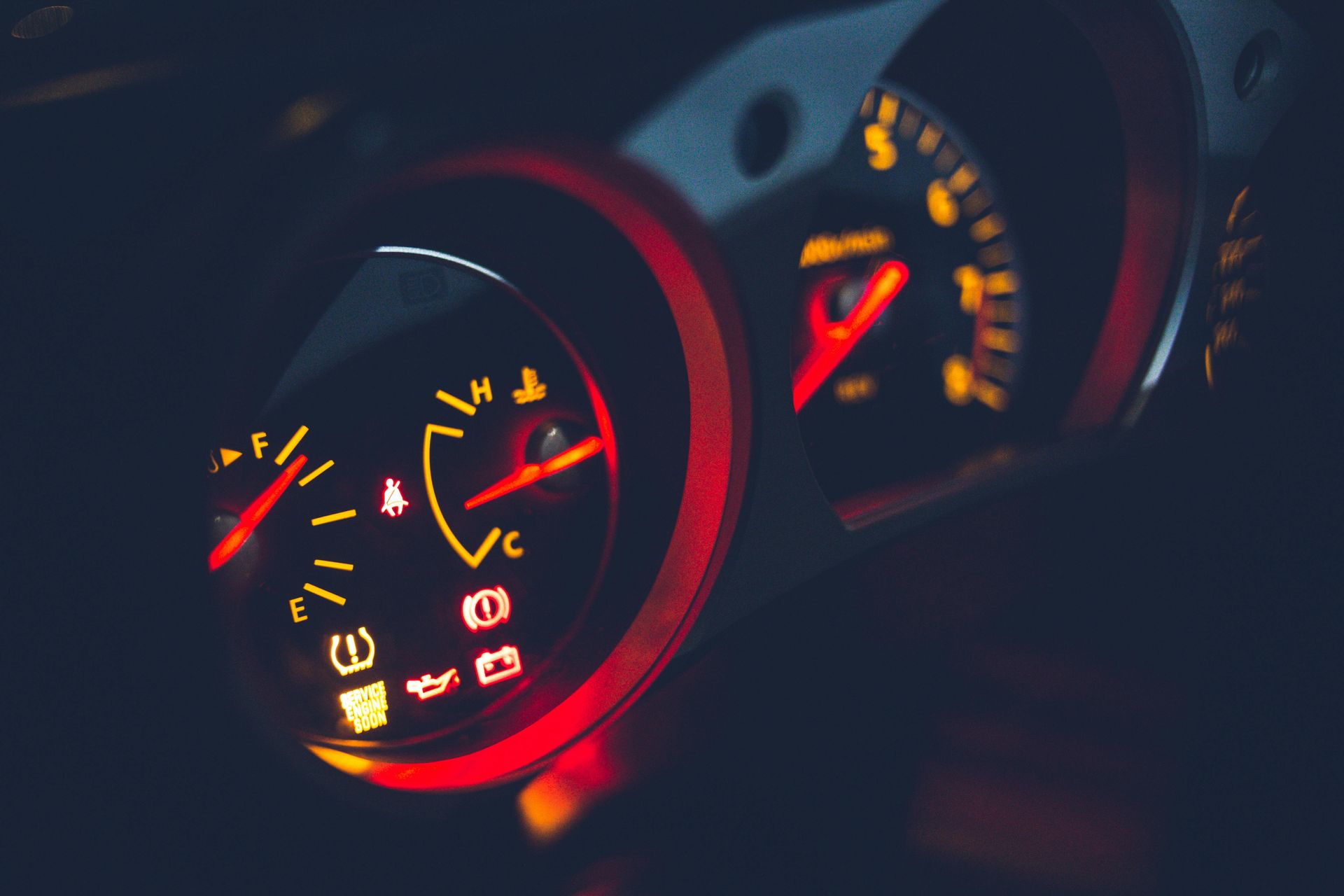
A close up of a car dashboard with a red light on

O que É TPMS?

TPMS é a sigla para Tire Pressure Monitoring System (Sistema de Monitoramento da Pressão dos Pneus). É um sistema eletrônico incorporado à maioria dos veículos fabricados após 2007, que alerta quando um ou mais pneus estão significativamente abaixo da pressão recomendada.


Existem dois tipos de sistemas TPMS:

  • TPMS Direto usa sensores dentro dos pneus para medir a pressão do ar.
  • TPMS Indireto se baseia em sensores de velocidade das rodas (frequentemente parte do sistema ABS) para detectar alterações na rotação dos pneus que indicam baixa pressão.


Ambos os sistemas têm o mesmo objetivo: mantê-lo informado sobre problemas de pressão antes que eles se tornem riscos à segurança ou causem reparos caros.
A person is washing a tire with a high pressure washer.

O que significa quando a luz do TPMS acende

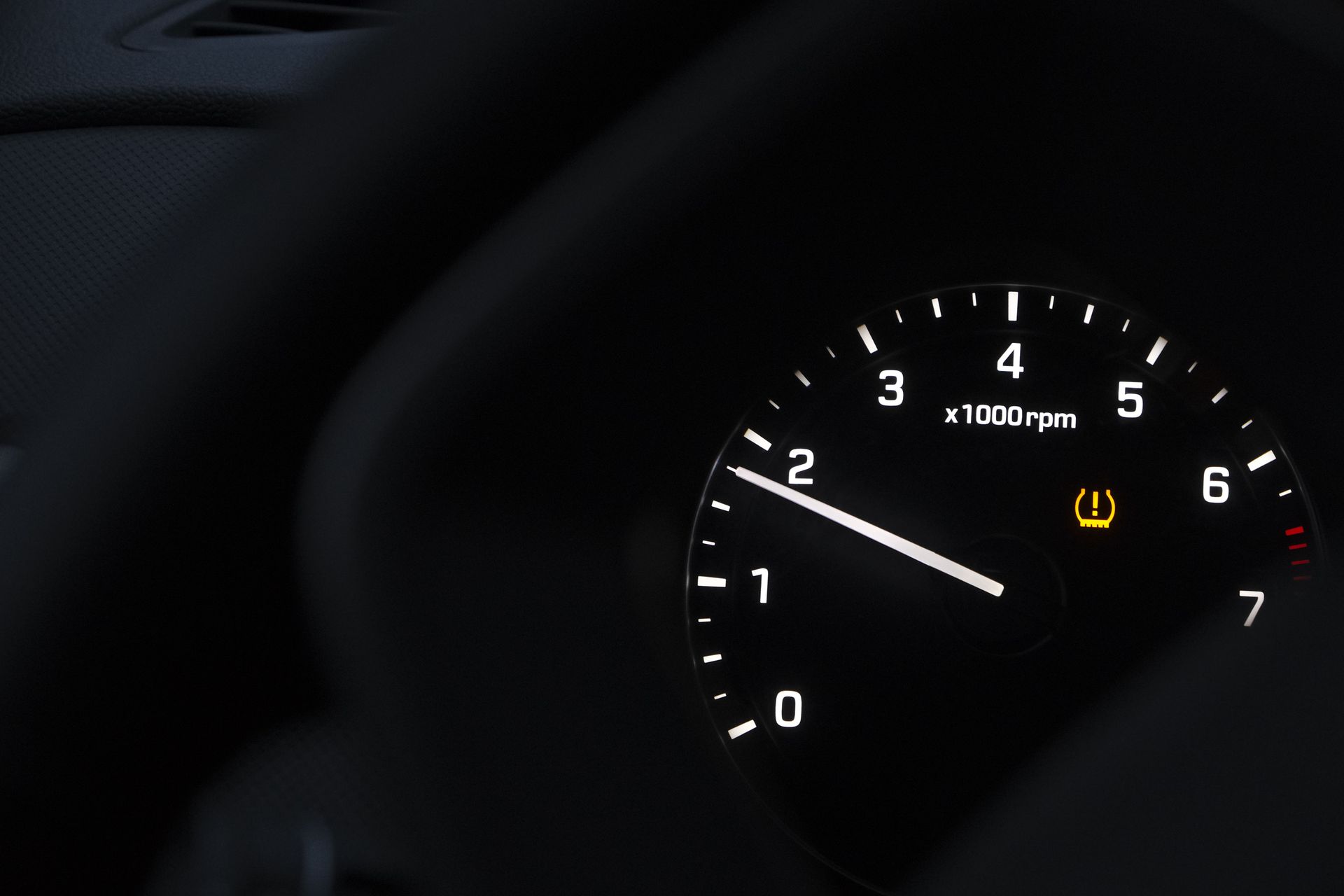
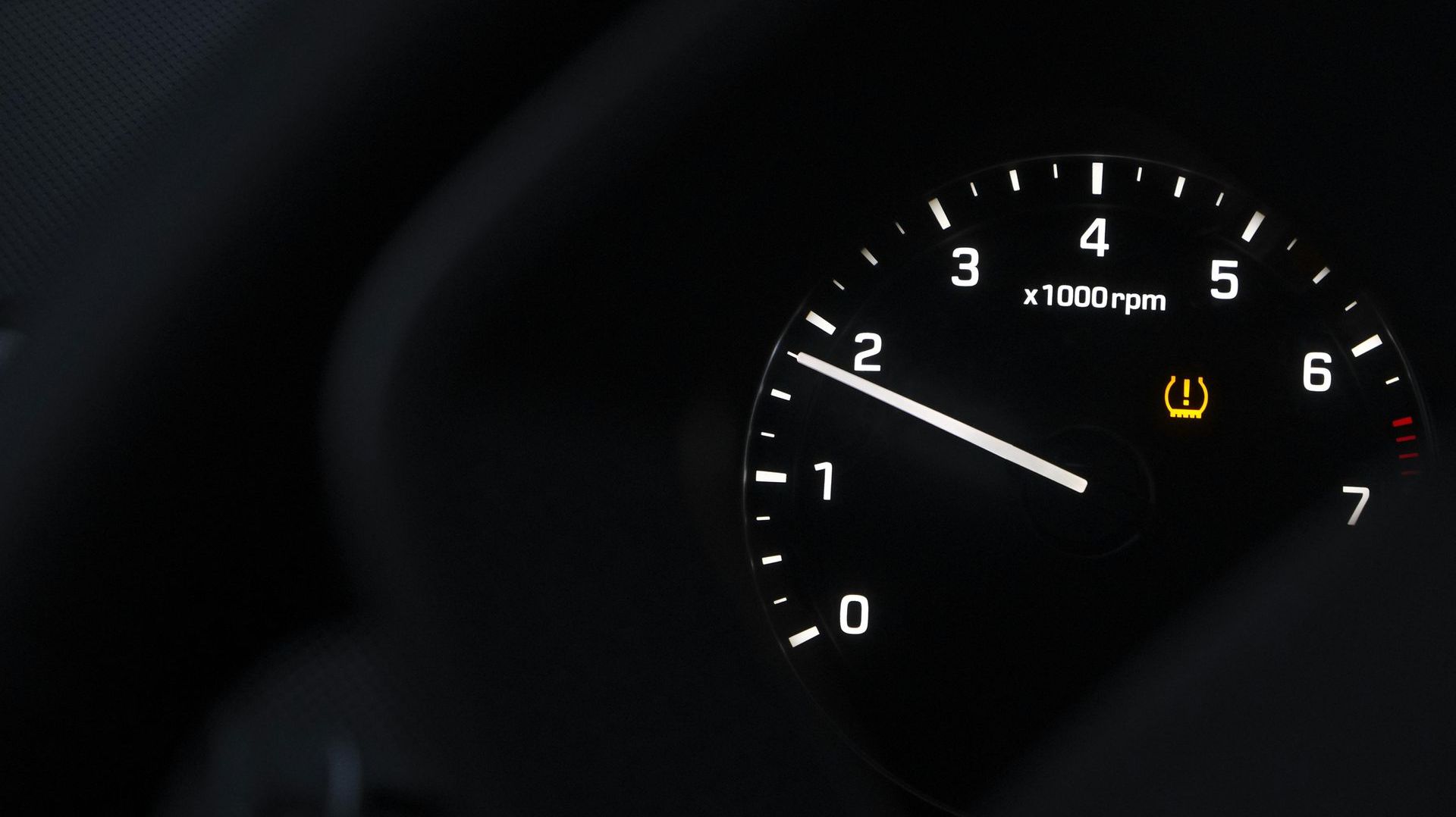
Quando a luz do TPMS acende no painel do seu carro, geralmente significa que um ou mais pneus estão abaixo da pressão recomendada. Às vezes, ela pisca brevemente e apaga; outras vezes, permanece acesa ou pisca por um período prolongado. Veja o que cada situação pode indicar:


  • Luz Fixa do TPMS: Um ou mais pneus estão com pressão baixa. Essa é a situação mais comum e deve ser resolvida o quanto antes.
  • Luz Piscando do TPMS: Geralmente indica um defeito no próprio sistema TPMS. Pode ser uma bateria descarregada do sensor, fiação com defeito ou erro de comunicação interna.


Em climas mais frios como o de Boston, é comum que a luz do TPMS acenda durante o outono e o inverno, pois o ar frio reduz a pressão dos pneus. Isso é normal—mas ainda assim importante de verificar.
A close up of a car tachometer with the number 3 on it

Por que isso É importante

Ignorar a luz do TPMS é arriscado. A baixa pressão dos pneus pode:

  • Reduzir a eficiência do combustível
    Pneus com baixa pressão criam mais resistência ao rolamento, forçando o motor a trabalhar mais e consumir mais combustível.
  • Diminuir a vida útil dos pneus
    A pressão inadequada causa desgaste desigual, especialmente nas bordas da banda de rodagem, reduzindo a durabilidade dos pneus.
  • Aumentar a distância de frenagem
    A baixa pressão pode reduzir a tração, especialmente em condições de chuva ou gelo—algo que os motoristas de Boston conhecem bem.
  • Causar falha dos pneus
    Pneus severamente murchos têm maior chance de superaquecer ou estourar em alta velocidade.


Em resumo, aquela luzinha no painel não deve ser ignorada.
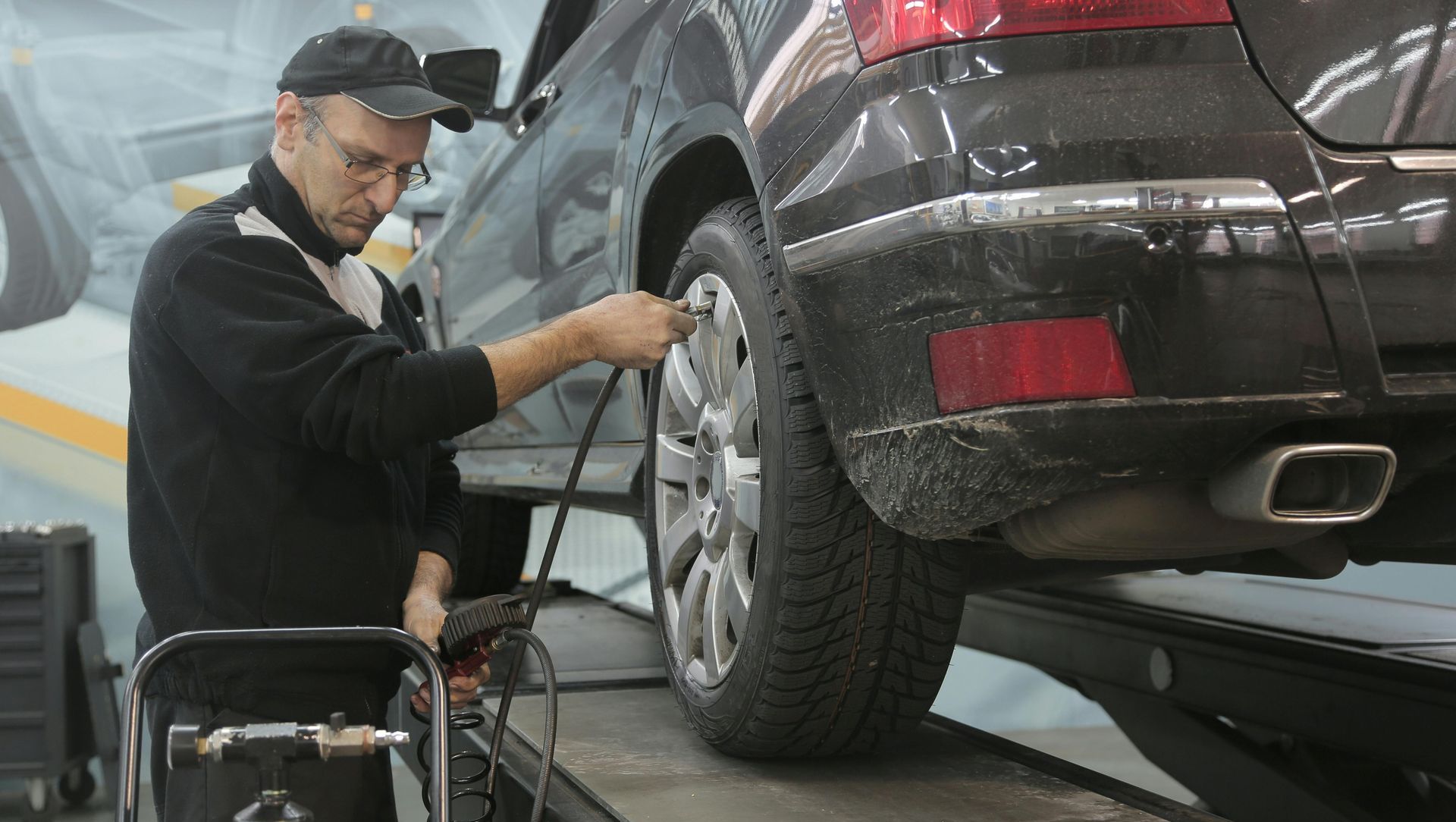
A man is changing a tire on a car in a garage.

Como a Raymond’s Tire Shop pode ajudar

Se a luz do TPMS acender, a Raymond’s Tire Shop está pronta para ajudá-lo a voltar à estrada com segurança e confiança. Veja o que oferecemos:


1. Verificação da pressão dos pneus
Começamos verificando os quatro pneus e o estepe (se aplicável) para ver se há algum com baixa pressão ou vazando. Se for apenas questão de calibrar, você estará de volta à estrada rapidamente.


2. Diagnóstico do TPMS
Se a luz estiver piscando ou não apagar mesmo após calibrar, faremos uma varredura de diagnóstico. Isso nos permite identificar problemas com os sensores ou falhas de comunicação no sistema TPMS.


3. Substituição de sensores do TPMS
Os sensores do TPMS não duram para sempre—normalmente de 5 a 10 anos, dependendo do uso e da bateria. Se um sensor falhou, podemos substituí-lo e reprogramá-lo no sistema do seu veículo.
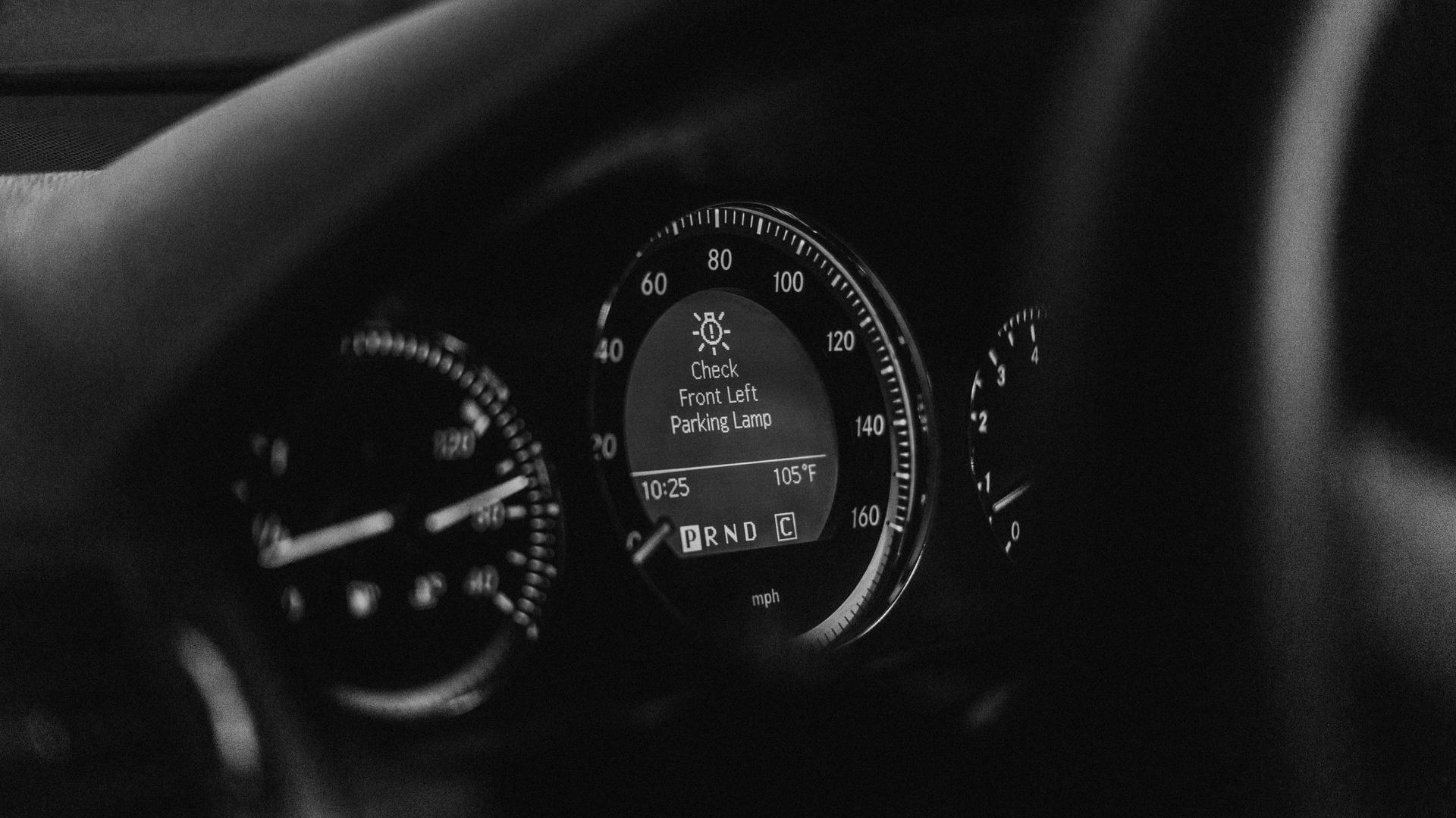
A black and white photo of the dashboard of a car.

4. Inspeção completa dos pneus
Às vezes, uma luz persistente do TPMS aponta para vazamento lento, válvula danificada ou problema interno. Inspecionamos os pneus cuidadosamente para encontrar a causa raiz.


Não adivinhe—verifique

A luz do TPMS é a maneira do seu carro dizer que algo está errado. Não a ignore—e definitivamente não confie apenas na inspeção visual. Muitos pneus podem parecer normais, mesmo estando vários PSI abaixo do ideal.


Se você está na região de Boston e aquela luz insistente não apaga, traga seu carro para a Raymond’s Tire Shop. Vamos diagnosticar o problema, fazer os reparos necessários e garantir que você saia dirigindo com segurança e tranquilidade.


Sem suposições. Sem vendas desnecessárias. Apenas um serviço honesto e especializado de pneus, de uma oficina que há anos atende os motoristas de Boston.
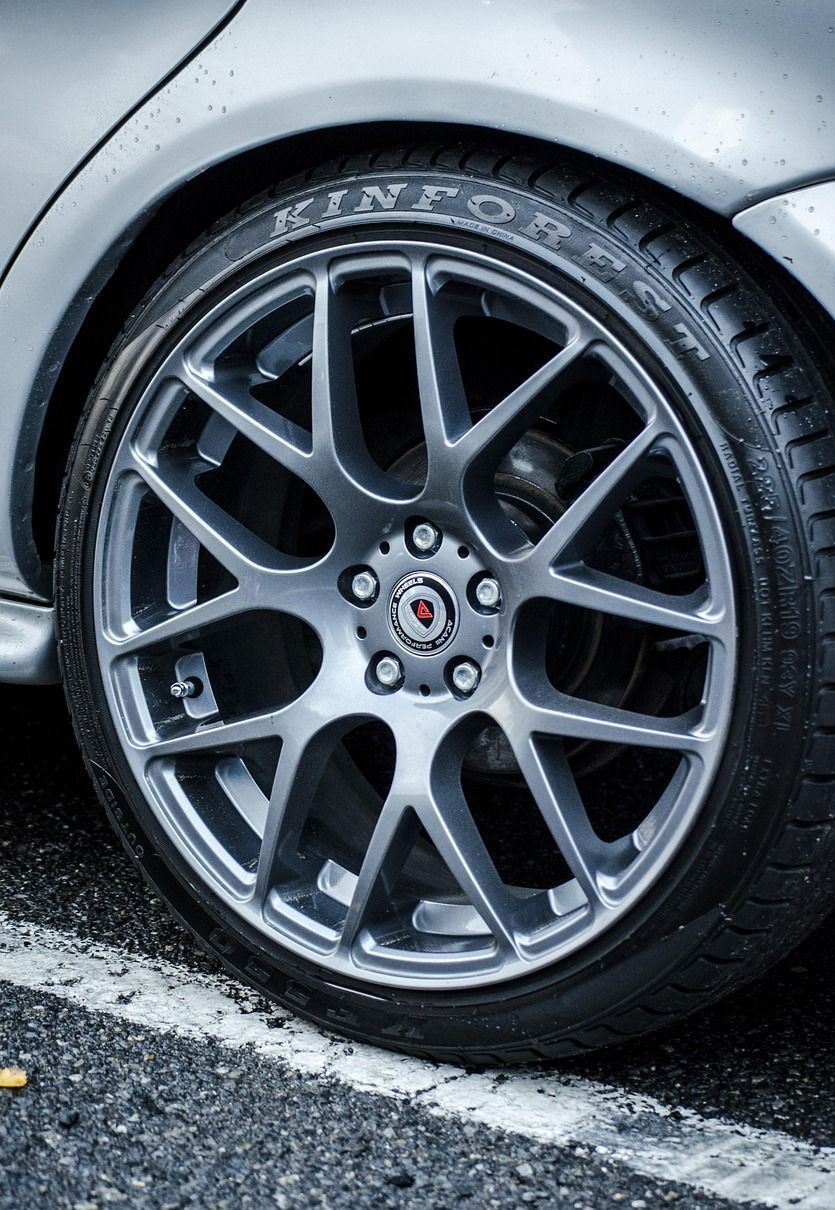
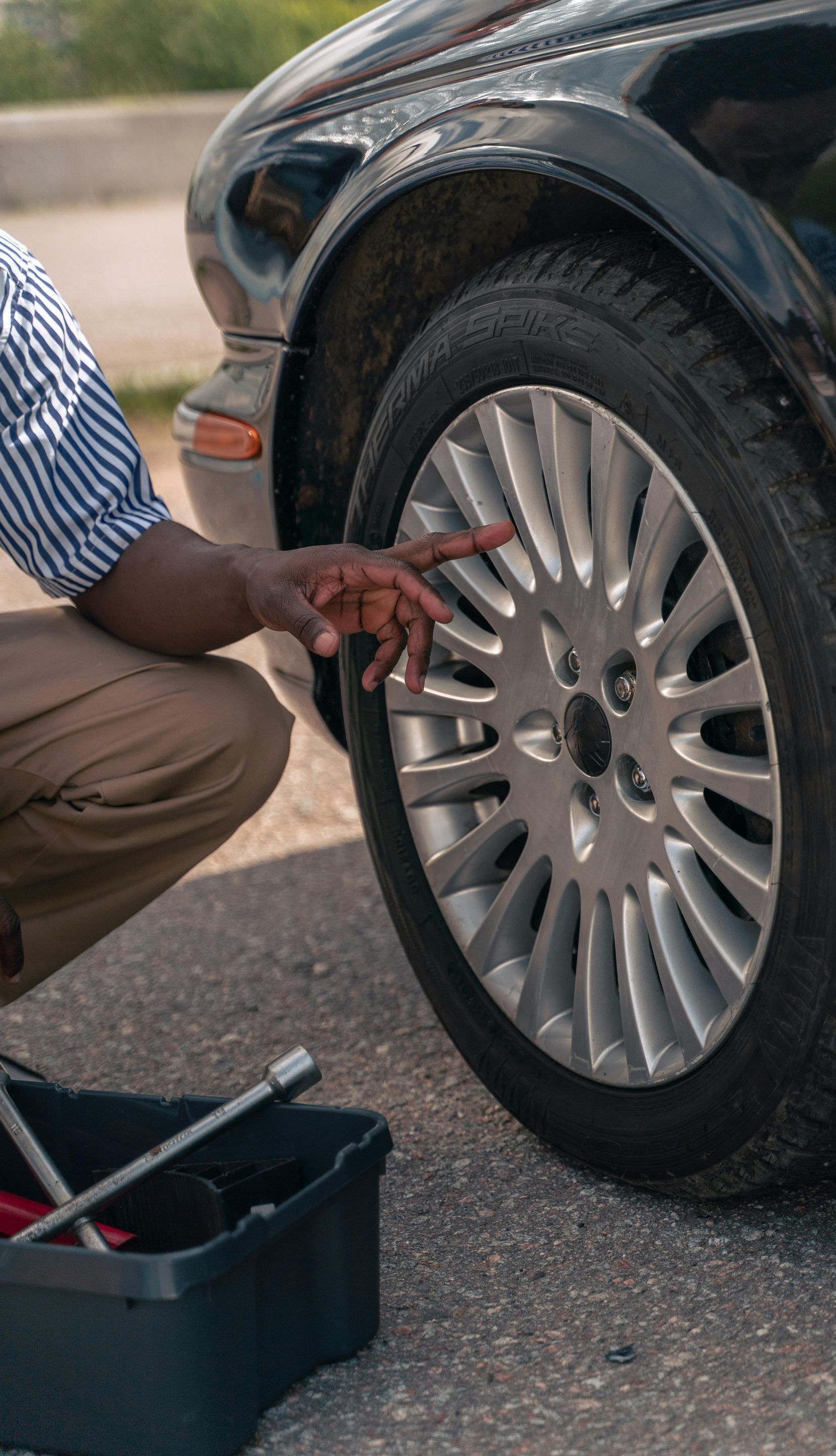
A close up of a car wheel with a tire on it
A man is kneeling down to change a tire on a car.
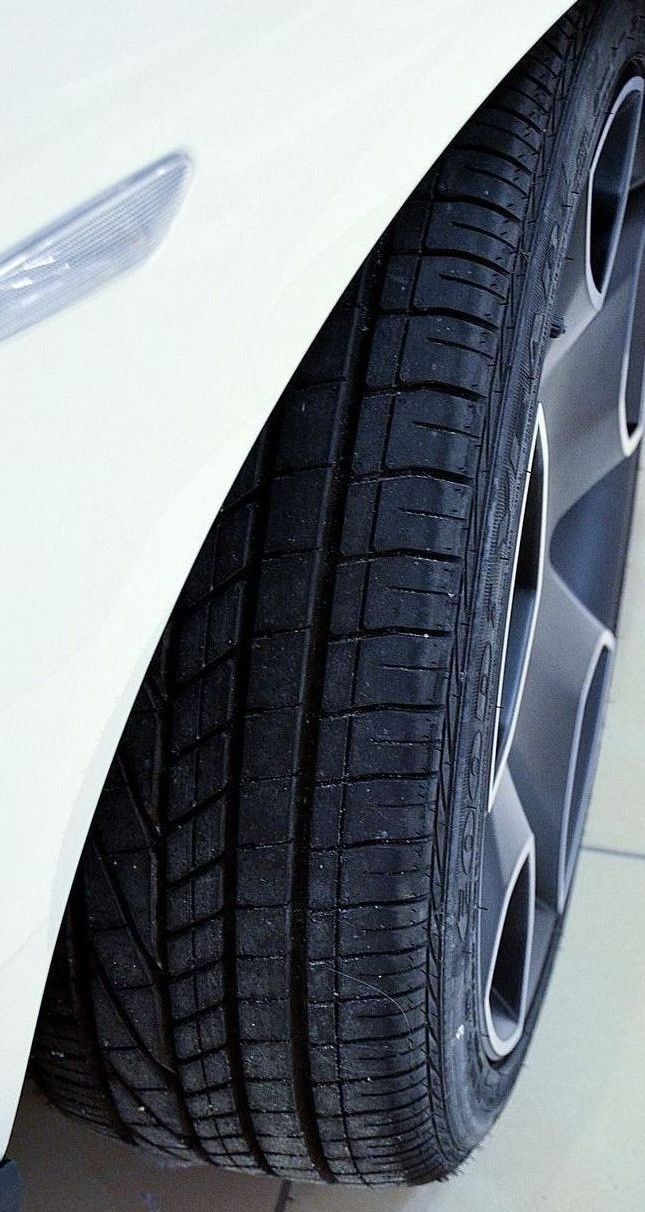
A close up of a tire on a white car
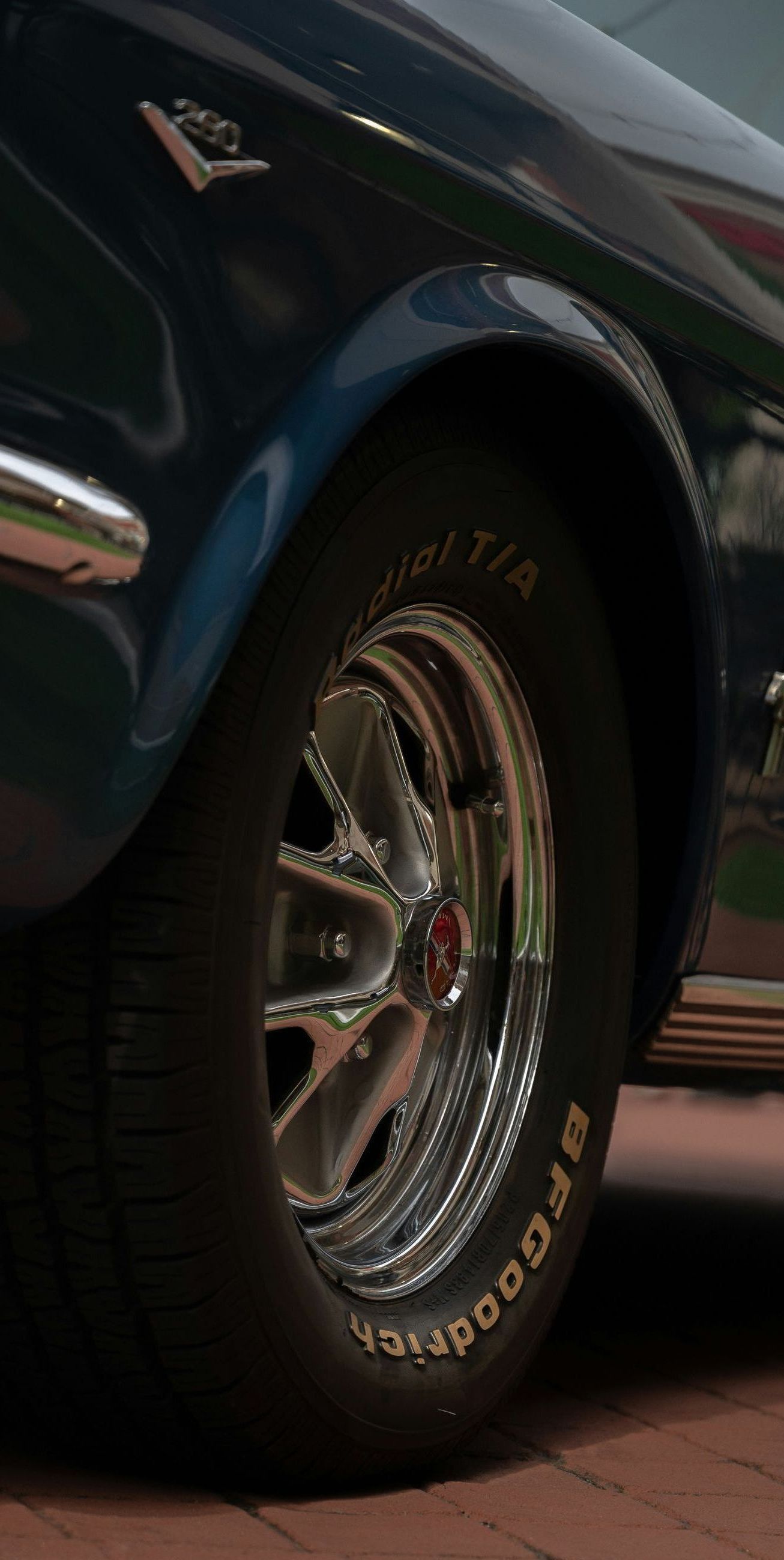
A close up of a car wheel on a brick road.
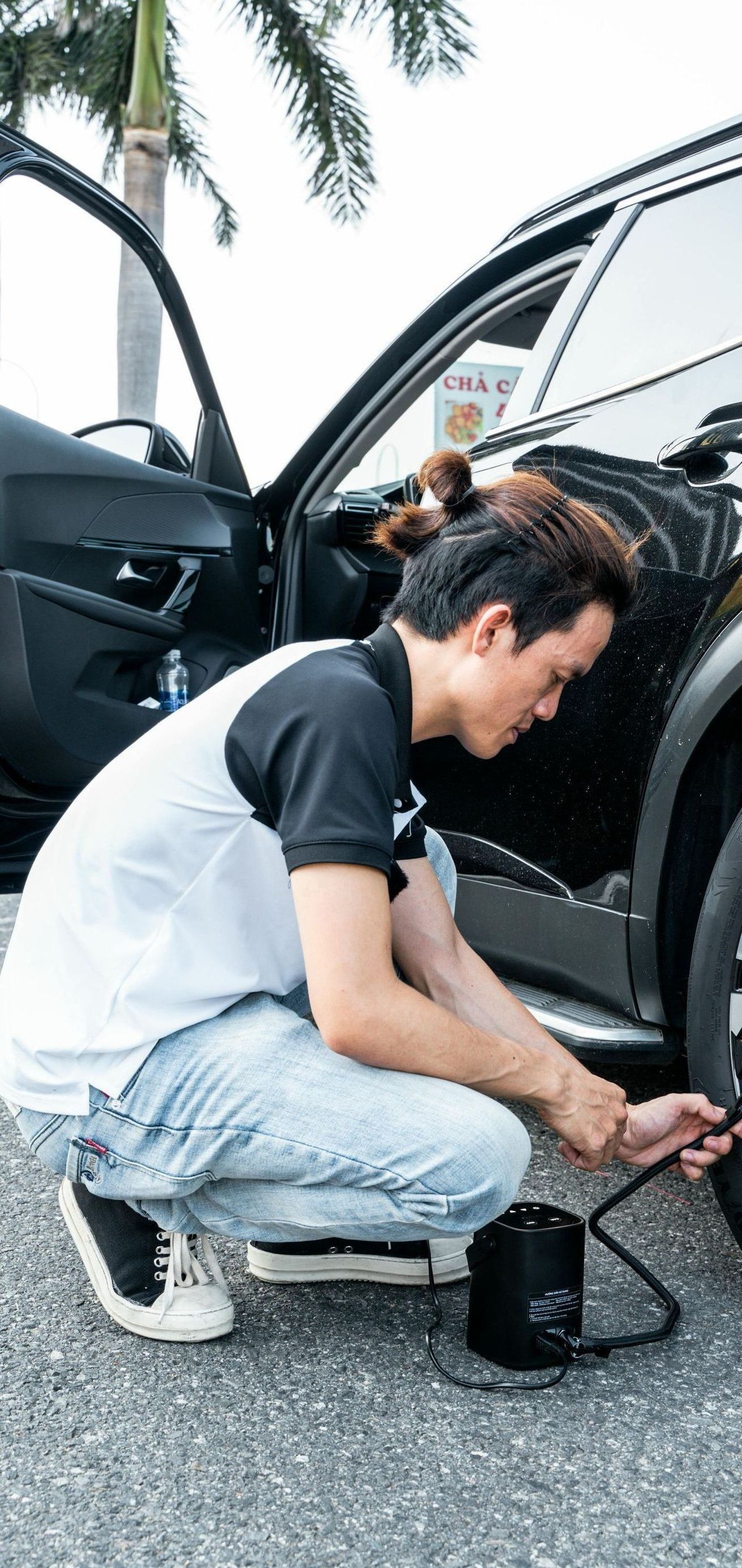
A man is kneeling down next to a car to inflate a tire.
A close up of a tire with a green background
August 28, 2026
When a tire repeatedly loses air but there is no obvious nail, screw, or visible puncture, the problem may be where the tire meets the wheel. This area is known as the tire bead, and a poor seal between the bead and the rim can allow air to escape gradually. Tire bead leaks are a common cause of slow pressure loss. Understanding why they happen can help drivers recognize when a tire needs professional inspection rather than repeatedly adding air. What Is the Tire Bead? The bead is the reinforced inner edge of the tire that sits tightly against the wheel rim. When a tire is properly mounted and inflated, air pressure helps hold the bead securely against the wheel, creating an airtight seal. If that sealing surface becomes damaged, dirty, corroded, or distorted, a small pathway can develop for air to escape.  Because these leaks may be very small, the tire can lose pressure over several days or weeks rather than going flat immediately.
August 23, 2026
A pothole impact can feel like a quick jolt, but the forces involved can affect several parts of the tire and wheel assembly. The faster the vehicle is moving, the less time the tire has to absorb the impact. In some cases, the damage is immediately obvious. In others, problems may not become noticeable until later. Raymond’s Tire Shop helps drivers inspect tires, wheels, balancing, and alignment after hard road impacts. Understanding what can happen during a pothole strike can make it easier to recognize when a tire needs professional attention. The Tire Is Compressed Extremely Quickly When a tire drops into a pothole and strikes the far edge, the sidewall and tread can be compressed between the road and the wheel. Tires are designed to flex, but a severe impact can exceed what the internal structure can safely absorb.  The risk can be greater when tire pressure is too low because there is less air cushioning between the road surface and the wheel. However, even a properly inflated tire can be damaged by a deep pothole at sufficient speed.
August 16, 2026
Tires are one of the most important safety components on any vehicle because they are the only parts that maintain direct contact with the road. As tires wear, their ability to grip pavement, channel water, and respond predictably can gradually decline. The challenge is that unsafe tire conditions are not always obvious until performance has already been affected.  Raymond’s Tire Shop helps drivers evaluate tread wear, tire damage, pressure issues, alignment problems, and other conditions that can affect tire safety. Knowing what to look for can help you recognize when a tire needs professional attention or replacement.
August 7, 2026
Most drivers think of tires simply as the round rubber components that allow a vehicle to roll down the road. In reality, tires are sophisticated pieces of engineering that perform several essential functions every time a vehicle is in motion. They support the weight of the vehicle, transmit steering and braking forces, absorb road irregularities, and maintain traction in changing driving conditions. Every acceleration, turn, and stop depends on these four small contact patches where the tires meet the road.  Understanding the primary functions of a tire helps drivers appreciate why routine maintenance and timely replacement are so important. Raymond’s Tire Shop helps customers choose quality tires and maintain them properly so their vehicles continue to perform safely and efficiently throughout the life of the tire.
July 31, 2026
Understanding how your tires interact with wet pavement is one of the most important parts of safe driving. While most drivers know that rain can make roads slippery, fewer understand how hydroplaning occurs or why it can cause a vehicle to suddenly lose traction. Knowing what causes hydroplaning—and how proper tire maintenance can reduce the risk—can help you stay safer during wet weather.  At Raymond’s Tire Shop, we believe that informed drivers make safer decisions. Keeping your tires in excellent condition is one of the best ways to improve vehicle performance when road conditions are less than ideal.
July 23, 2026
Your tires are one of the hardest-working components of your vehicle. They provide traction, support your vehicle’s weight, absorb impacts from the road, and help you maintain control in a wide range of driving conditions. Because they experience constant wear, replacing tires is an expected part of vehicle ownership. However, proper maintenance can help maximize their lifespan, improve performance, and save you money over time. Many of the factors that affect tire longevity are within a driver’s control. By following a few simple maintenance practices, you can help your tires wear more evenly and perform as intended throughout their service life.