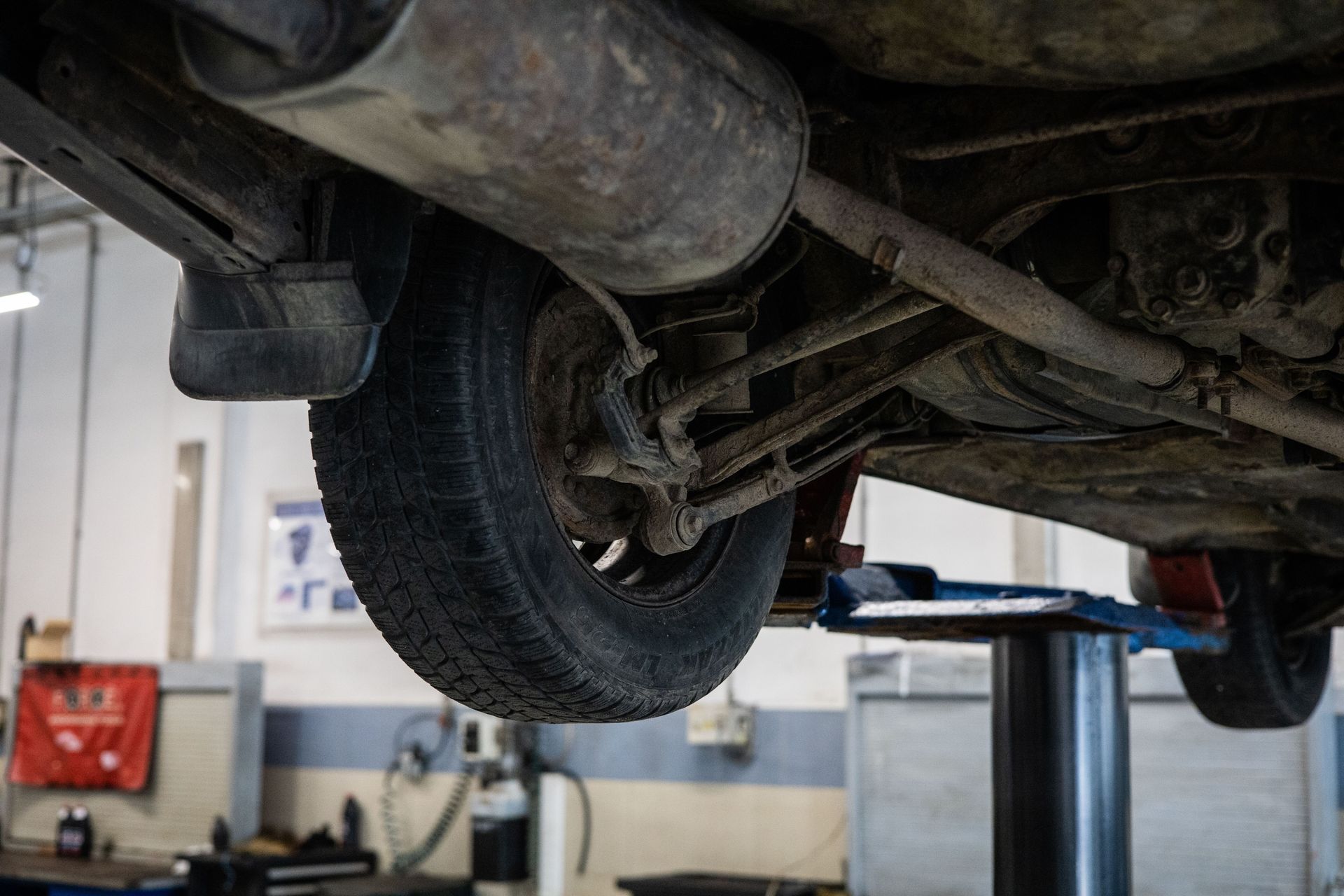
The Importance of Choosing Tires That Match Your Driving Habits

When it is time to replace your tires, it can be tempting to focus only on price or brand recognition. While both are important considerations, one of the most overlooked factors is how you actually use your vehicle every day. The right tire for one driver may not be the best choice for another, even if they own the same make and model.


Choosing tires that match your driving habits can improve vehicle performance, enhance safety, extend tire life, and provide a more comfortable driving experience. Understanding your daily driving routine is an excellent place to start.
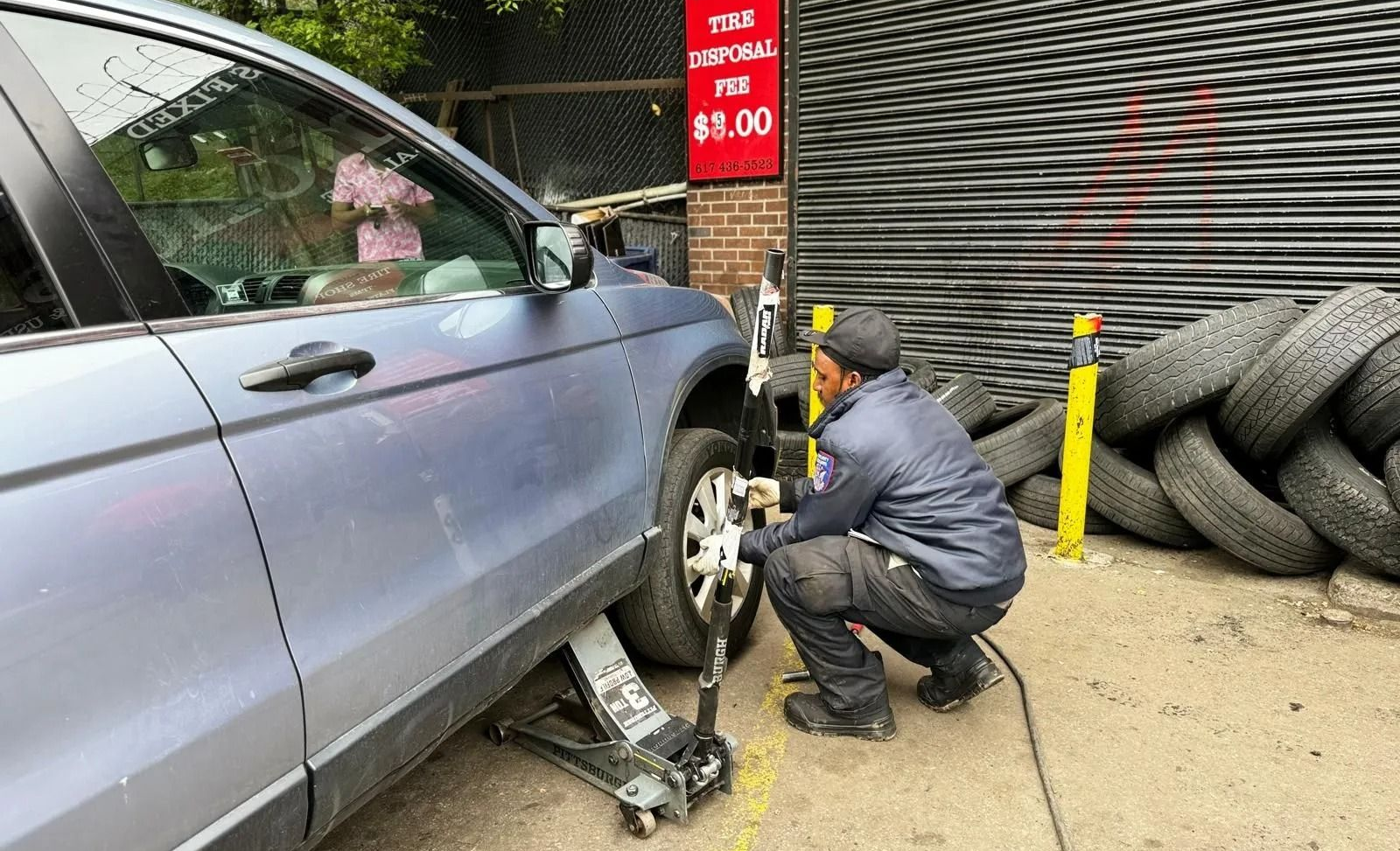
Mechanic kneels by a silver car’s front wheel, changing a tire beside stacked tires in a garage.

Think About Where You Drive Most

Not every vehicle spends its time in the same environment.


Some drivers spend hours each week on the interstate, while others make short trips through city streets with frequent stops and turns. Rural roads, construction zones, gravel driveways, and mountain highways all place different demands on tires.


Drivers who regularly travel long highway distances may prioritize a quiet ride and long tread life. Those who spend more time navigating city traffic may benefit from tires designed to handle frequent braking, cornering, and stop-and-go driving.


Matching your tires to your most common driving conditions helps maximize their performance.
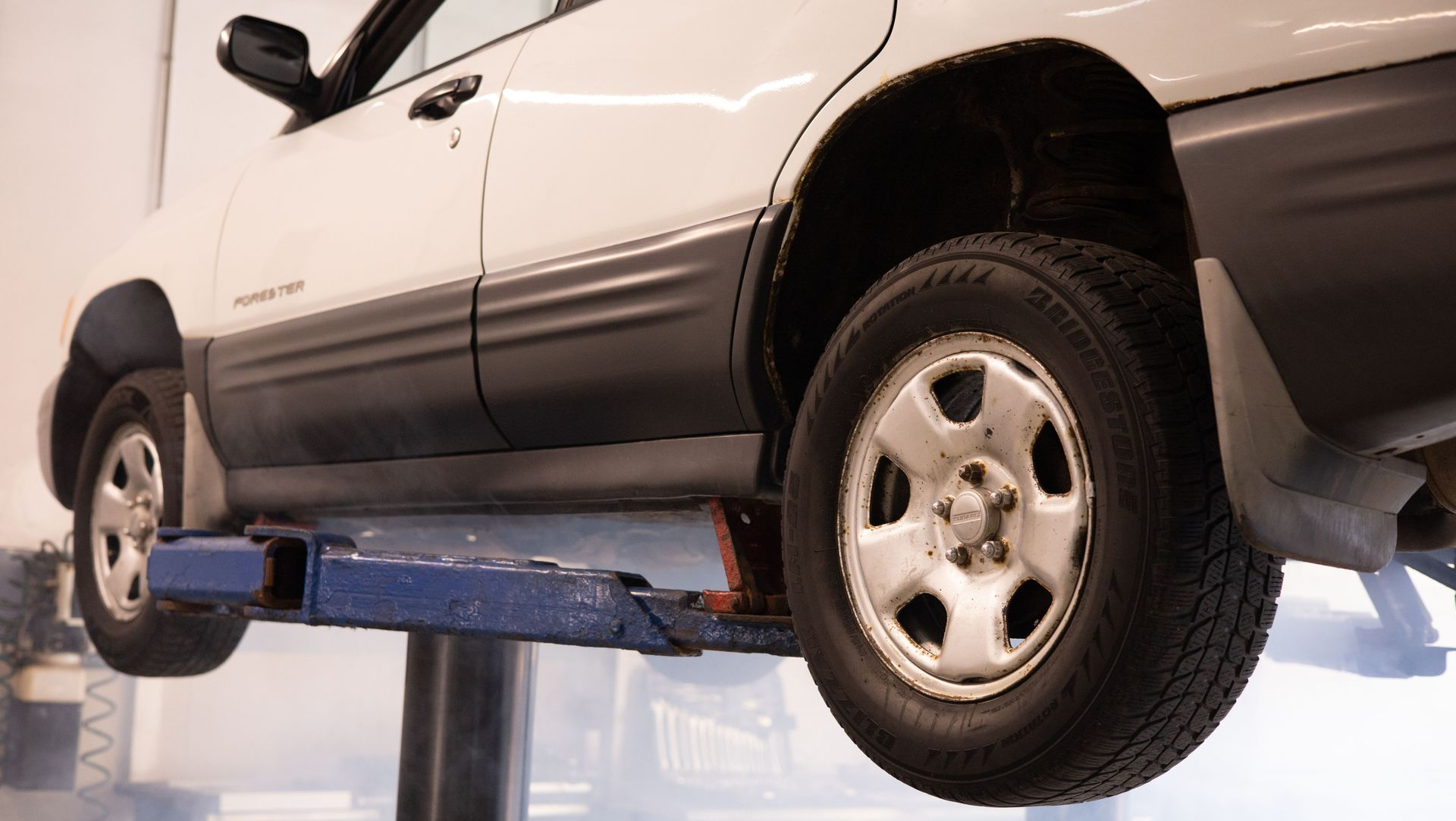
SUV lifted on a blue car lift in an auto shop, viewed from the side

Consider Your Local Climate

Weather plays a major role in how tires perform.


Drivers who experience frequent rain should choose tires designed to provide dependable traction on wet roads. Proper tread design helps channel water away from the tire, reducing the likelihood of hydroplaning and improving control during rainy conditions.


In areas that experience cold temperatures, snow, or ice, seasonal tire options may provide additional traction during the winter months. Even in regions with milder winters, changing temperatures can affect tire pressure and overall performance, making routine inspections an important part of vehicle maintenance.
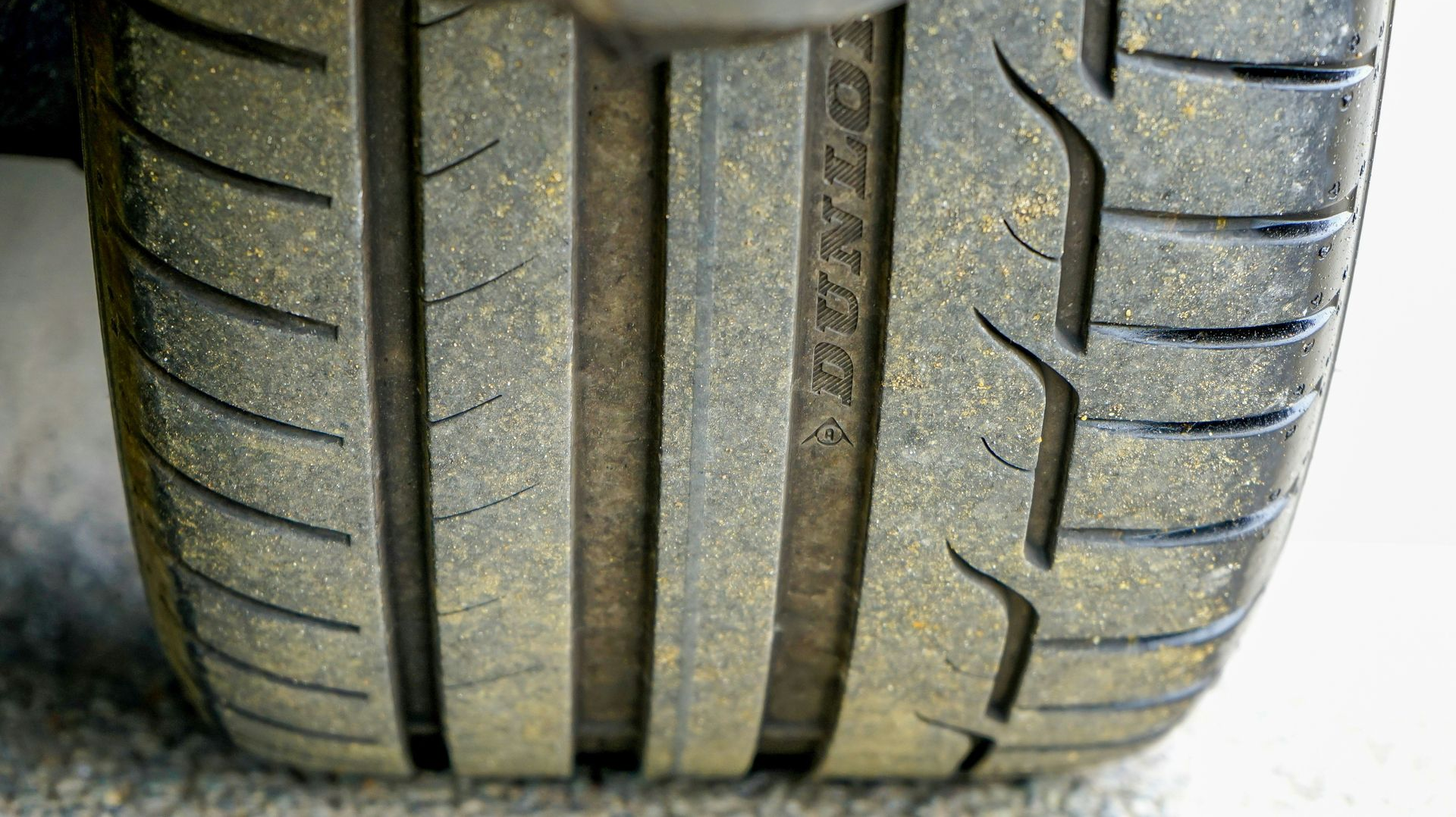
Close-up of a worn car tire tread with visible grooves and a slightly flattened center

Think About How You Use Your Vehicle

A family SUV, a commuter sedan, a work truck, and a performance vehicle all have different tire requirements.


If you frequently tow trailers or carry heavy equipment, your vehicle may require tires designed to support higher load capacities. Families who spend weekends traveling long distances may prioritize comfort, stability, and durability. Drivers who value responsive handling may choose tires engineered for improved cornering and steering performance.


Understanding how your vehicle is used every day helps narrow the selection to tires that best support those needs.


Quality Matters

While it can be tempting to select the least expensive option, tires are one of the most important safety components on any vehicle.


They provide the only point of contact between your vehicle and the road. Quality tires are engineered to deliver reliable traction, consistent handling, and dependable braking performance under a variety of driving conditions.


Investing in tires that fit your vehicle and driving habits can provide benefits long after installation.

Close-up of two car tires, one in focus with deep tread, beside a blurred alloy wheel

Professional Guidance Makes the Process Easier

With so many tire sizes, tread designs, performance ratings, and manufacturers available, selecting new tires can feel overwhelming.


A professional tire inspection allows experienced technicians to evaluate your current tires, discuss your driving habits, and recommend options that align with your vehicle, budget, and priorities. They can also identify issues such as uneven tread wear, alignment problems, or suspension concerns that may affect the performance of your new tires.


Choosing the right tire is about more than finding one that fits the wheel. It is about selecting a tire that fits your lifestyle.
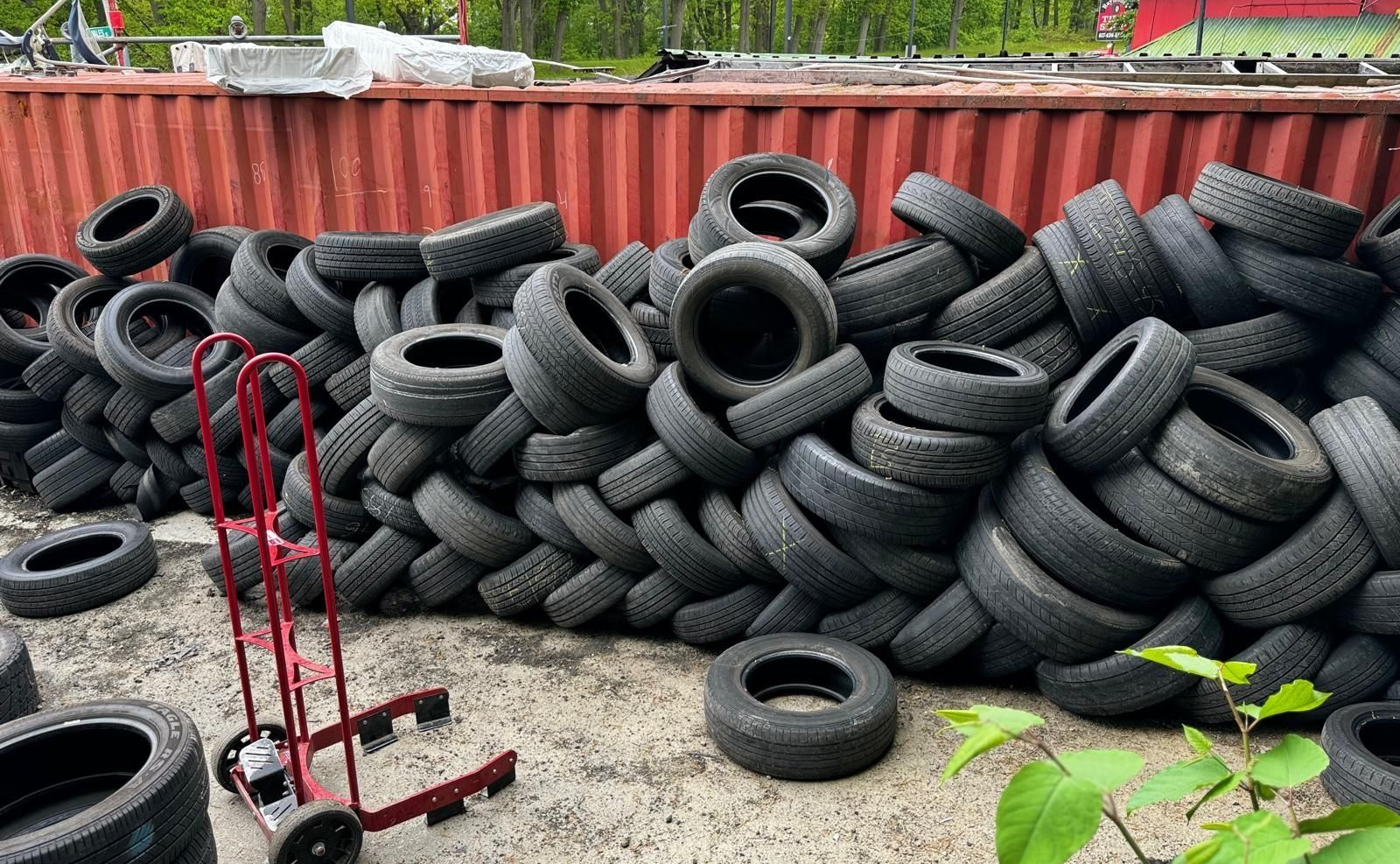
Pile of used tires stacked against a red container, with a red hand truck in front and trees behind

Get the Most From Every Mile

The right tires help your vehicle perform as it was designed while supporting safety, comfort, and long-term value. By considering where you drive, how you use your vehicle, and the conditions you encounter throughout the year, you can make a more informed decision when it is time for replacement.


At Raymond’s Tire Shop, we help drivers choose tires that match their individual driving needs. Our experienced team takes the time to understand how you use your vehicle before recommending quality tire options from trusted manufacturers. We also provide professional tire installation, wheel balancing, alignments, and ongoing tire maintenance to help you get the most from your investment.


If you are ready for new tires or have questions about which option is right for your vehicle, visit Raymond’s Tire Shop. We are here to help you drive with confidence, knowing your tires are matched to the way you travel every day.
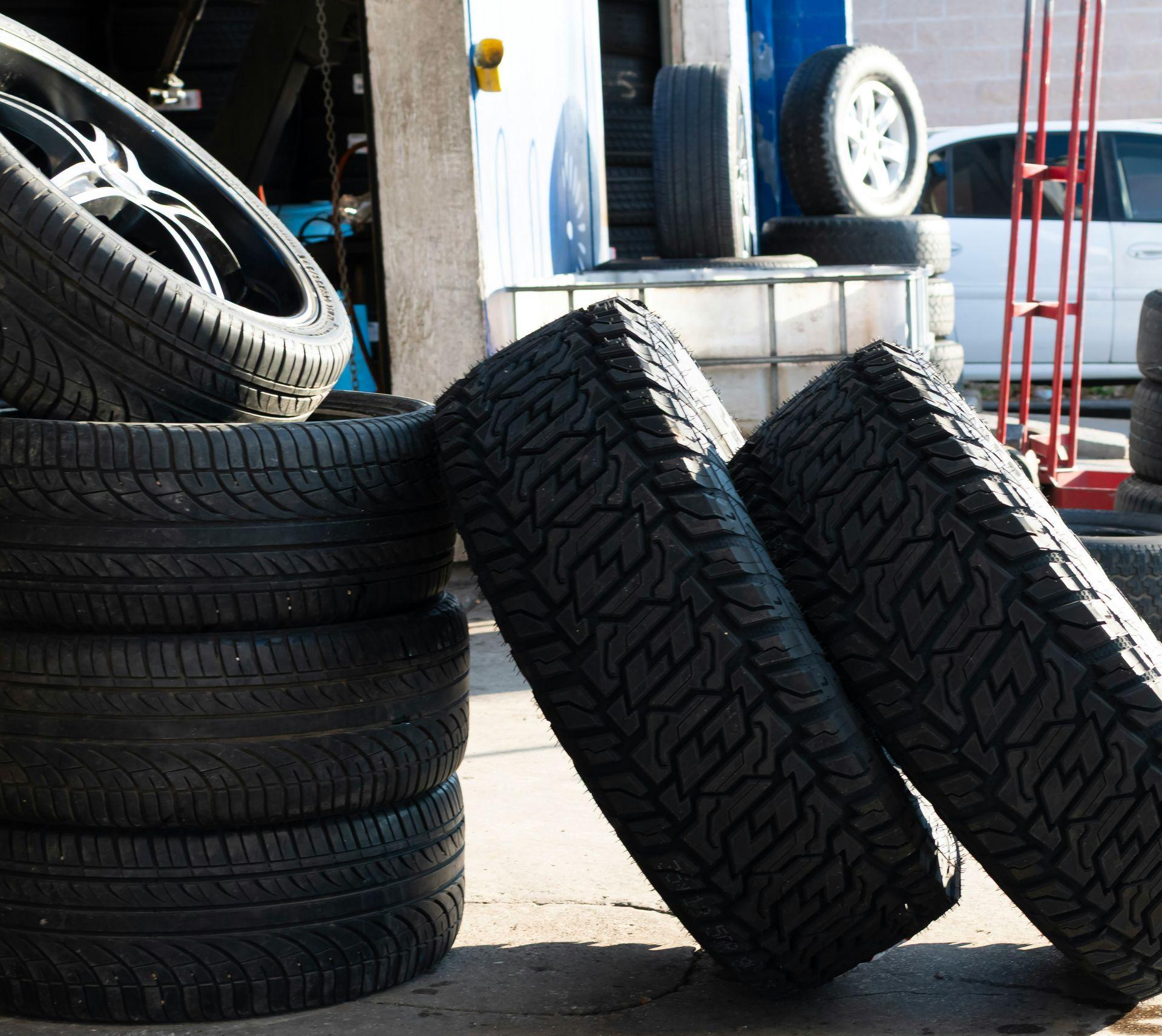

Stacked tires outside a garage, with two leaning against a curb on a sunny pavement.
Urban street with parked black and white cars, trees, and a bright sidewalk in sunlight.
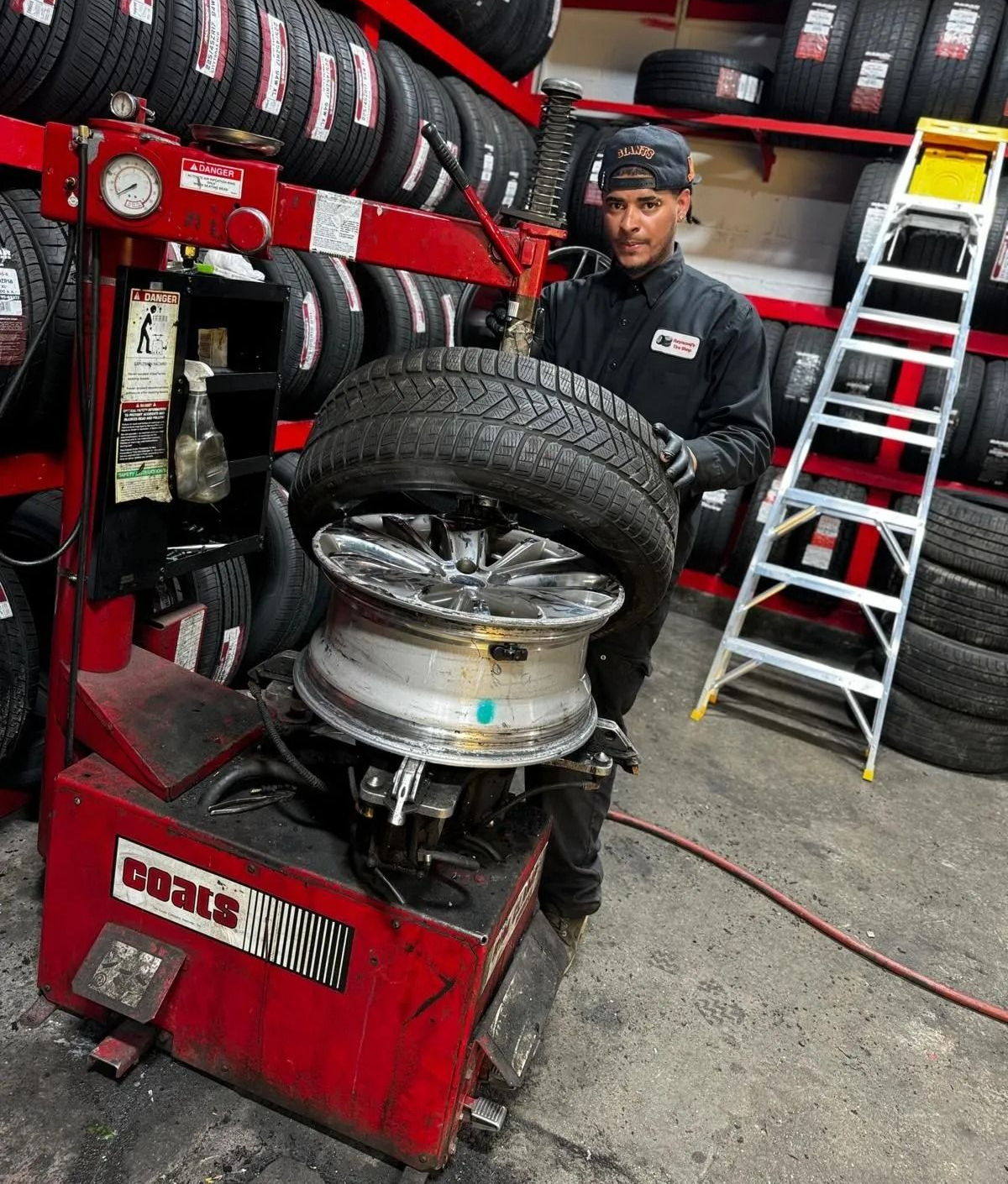
Mechanic using tire changer on a car wheel in a tire shop with stacked tires and tools nearby
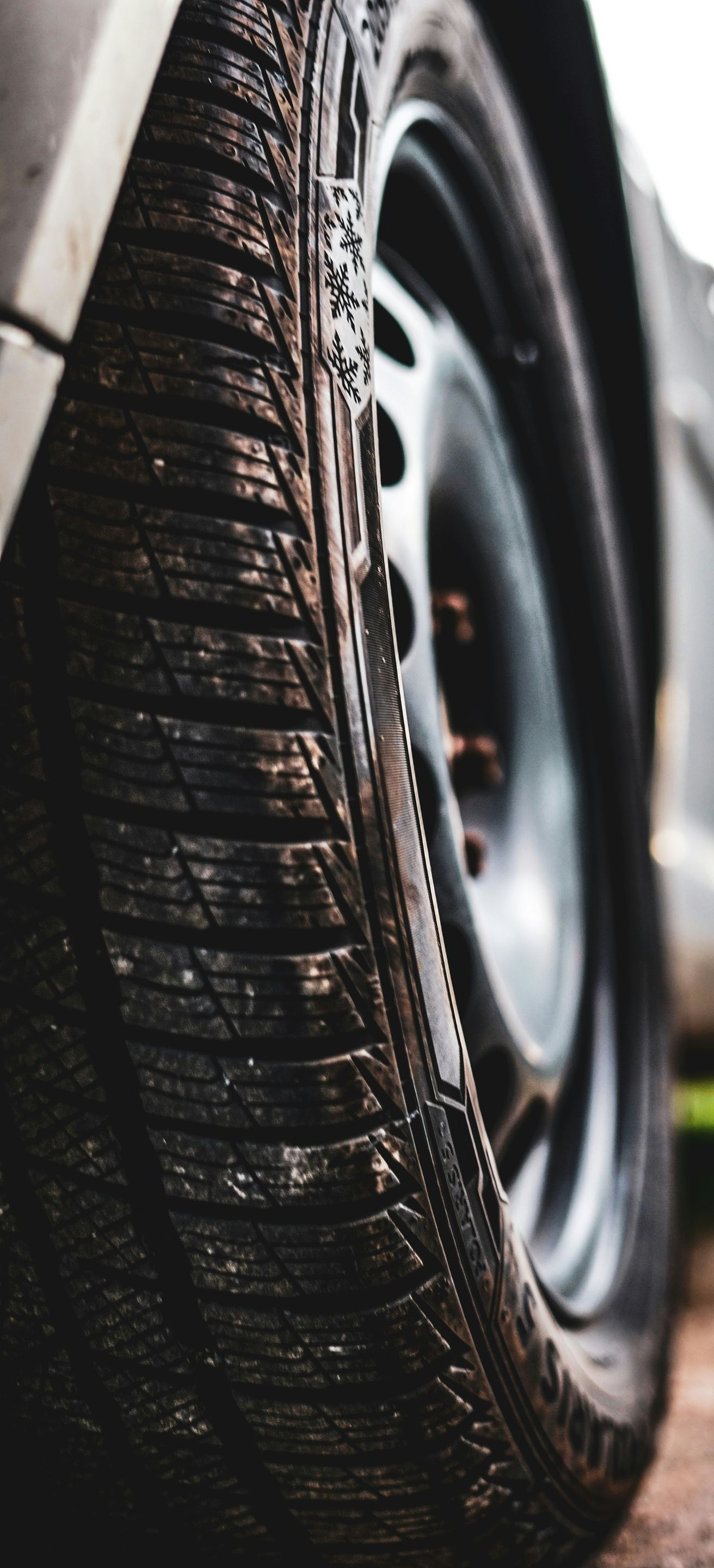
Close-up of a wet car tire with tread and wheel rim visible
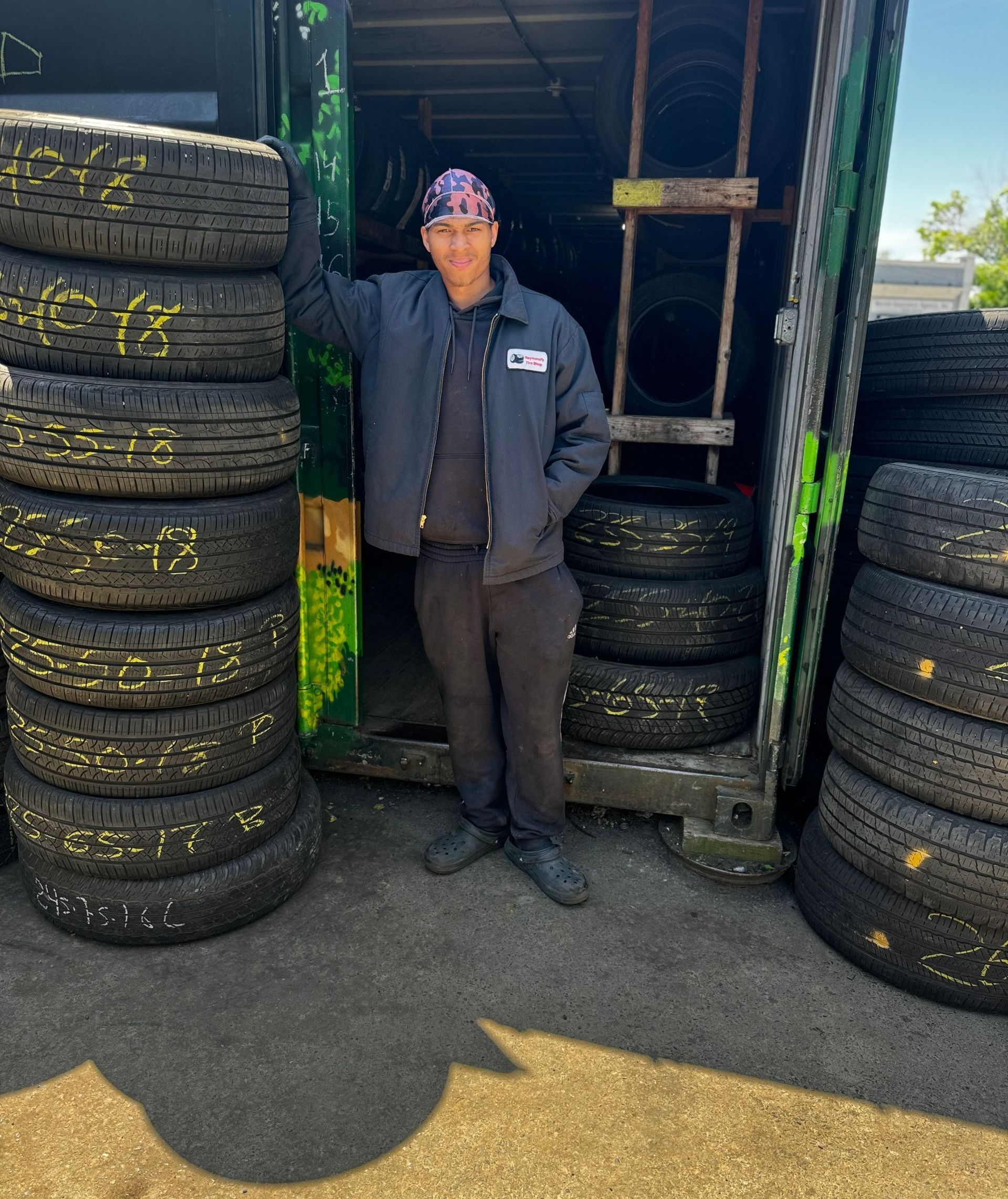
Person standing between stacks of tires outside a garage doorway
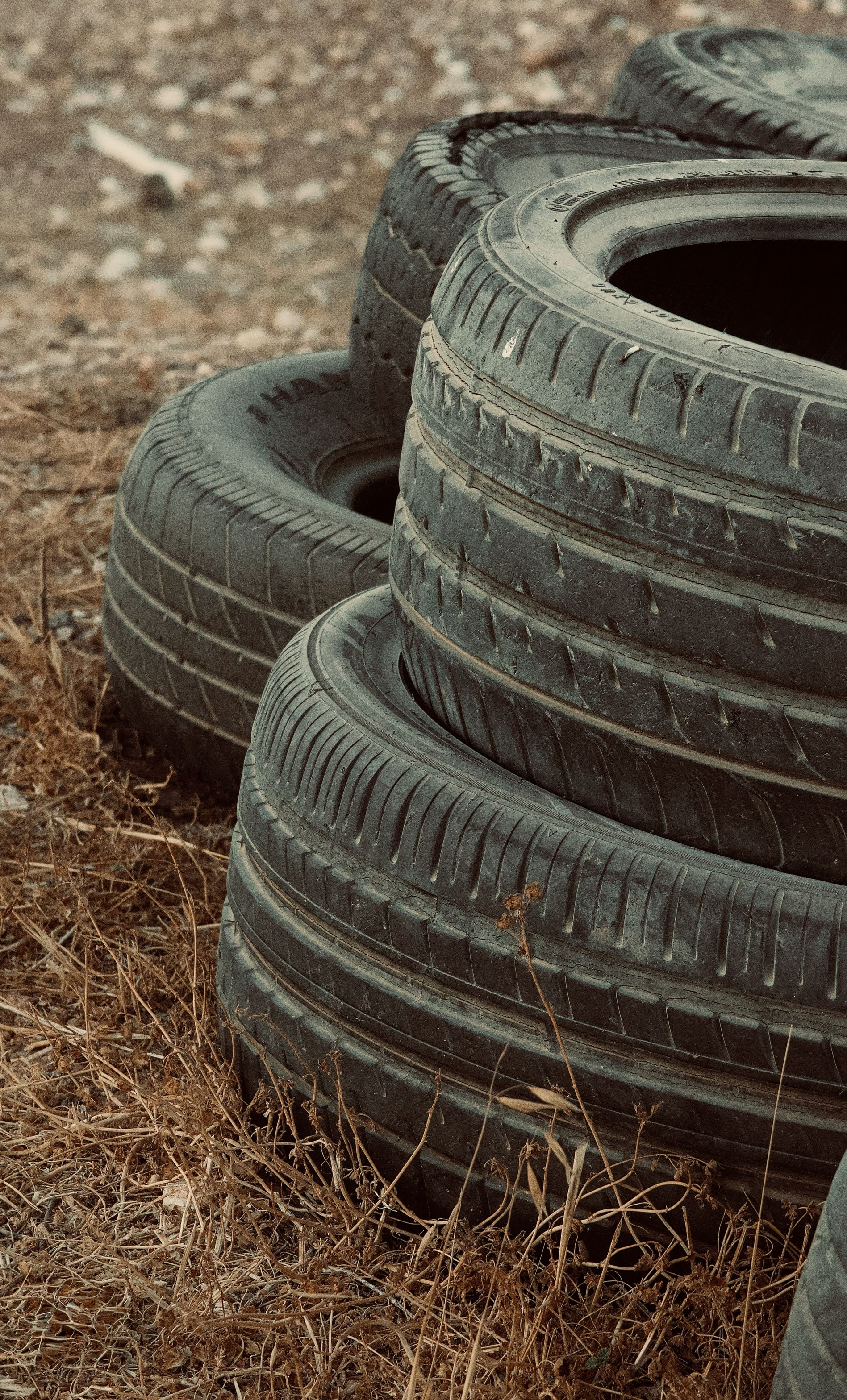
Stacked black tires on a dirt surface with dry grass around them
August 23, 2026
A pothole impact can feel like a quick jolt, but the forces involved can affect several parts of the tire and wheel assembly. The faster the vehicle is moving, the less time the tire has to absorb the impact. In some cases, the damage is immediately obvious. In others, problems may not become noticeable until later. Raymond’s Tire Shop helps drivers inspect tires, wheels, balancing, and alignment after hard road impacts. Understanding what can happen during a pothole strike can make it easier to recognize when a tire needs professional attention. The Tire Is Compressed Extremely Quickly When a tire drops into a pothole and strikes the far edge, the sidewall and tread can be compressed between the road and the wheel. Tires are designed to flex, but a severe impact can exceed what the internal structure can safely absorb.  The risk can be greater when tire pressure is too low because there is less air cushioning between the road surface and the wheel. However, even a properly inflated tire can be damaged by a deep pothole at sufficient speed.
August 16, 2026
Tires are one of the most important safety components on any vehicle because they are the only parts that maintain direct contact with the road. As tires wear, their ability to grip pavement, channel water, and respond predictably can gradually decline. The challenge is that unsafe tire conditions are not always obvious until performance has already been affected.  Raymond’s Tire Shop helps drivers evaluate tread wear, tire damage, pressure issues, alignment problems, and other conditions that can affect tire safety. Knowing what to look for can help you recognize when a tire needs professional attention or replacement.
August 7, 2026
Most drivers think of tires simply as the round rubber components that allow a vehicle to roll down the road. In reality, tires are sophisticated pieces of engineering that perform several essential functions every time a vehicle is in motion. They support the weight of the vehicle, transmit steering and braking forces, absorb road irregularities, and maintain traction in changing driving conditions. Every acceleration, turn, and stop depends on these four small contact patches where the tires meet the road.  Understanding the primary functions of a tire helps drivers appreciate why routine maintenance and timely replacement are so important. Raymond’s Tire Shop helps customers choose quality tires and maintain them properly so their vehicles continue to perform safely and efficiently throughout the life of the tire.
July 31, 2026
Understanding how your tires interact with wet pavement is one of the most important parts of safe driving. While most drivers know that rain can make roads slippery, fewer understand how hydroplaning occurs or why it can cause a vehicle to suddenly lose traction. Knowing what causes hydroplaning—and how proper tire maintenance can reduce the risk—can help you stay safer during wet weather.  At Raymond’s Tire Shop, we believe that informed drivers make safer decisions. Keeping your tires in excellent condition is one of the best ways to improve vehicle performance when road conditions are less than ideal.
July 23, 2026
Your tires are one of the hardest-working components of your vehicle. They provide traction, support your vehicle’s weight, absorb impacts from the road, and help you maintain control in a wide range of driving conditions. Because they experience constant wear, replacing tires is an expected part of vehicle ownership. However, proper maintenance can help maximize their lifespan, improve performance, and save you money over time. Many of the factors that affect tire longevity are within a driver’s control. By following a few simple maintenance practices, you can help your tires wear more evenly and perform as intended throughout their service life.
July 17, 2026
Your tires are the only part of your vehicle that remains in constant contact with the road, making them one of the most important components for safety, performance, and fuel efficiency. While many drivers remember to check their oil or schedule routine maintenance, tire pressure is often overlooked until a problem develops.  Maintaining proper tire inflation is one of the simplest and most effective ways to extend the life of your tires. It takes only a few minutes to check your tire pressure, yet this small maintenance task can help improve vehicle performance and protect your investment over the long term.