The Importance of Regular Tire Rotation
A Simple Step to Keep Your Vehicle Running Smoothly
At Raymond’s Tire Shop, we believe that keeping your vehicle in top condition starts from the ground up—literally. One of the most important yet often overlooked aspects of vehicle maintenance is regular tire rotation. This simple procedure can significantly extend the life of your tires, improve your vehicle’s performance, and enhance your safety on the road. In this article, we will discuss what tire rotation is, how often it should be done, and why it is so crucial.
What is Tire Rotation?
Definition and Process
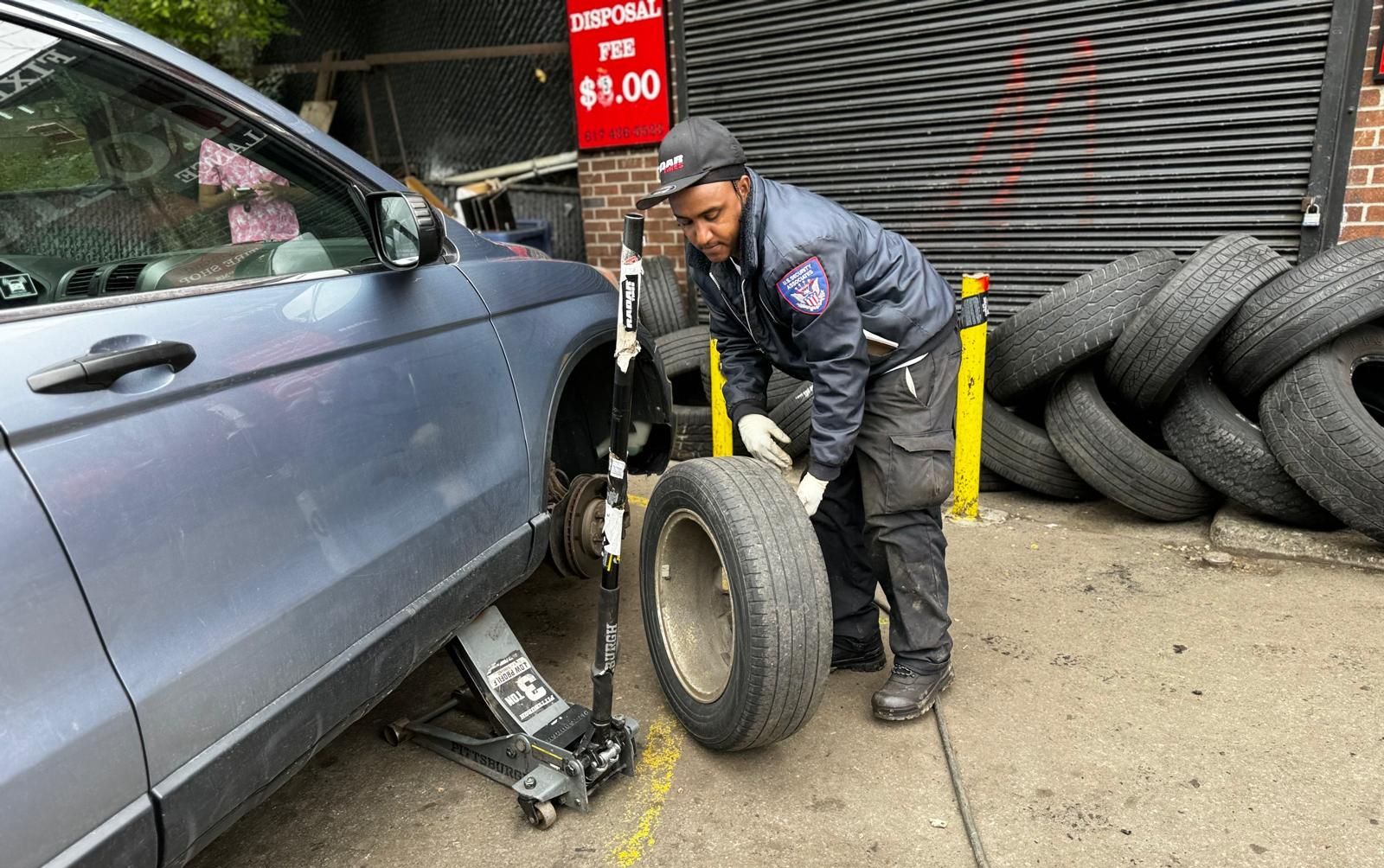
Tire rotation is the process of moving the position of your tires from one wheel to another. This can involve swapping front tires with rear tires or moving tires from one side of the vehicle to the other. The purpose of rotating your tires is to
ensure even wear across all four tires. Different tire rotation patterns may be recommended depending on your vehicle’s drivetrain (front-wheel drive, rear-wheel drive, or all-wheel drive) and tire type.
Common Rotation Patterns
There are several common tire rotation patterns:
- Forward Cross: The front tires are moved to the rear, and the rear tires are crossed to the opposite front sides.
- Rearward Cross: The rear tires are moved to the front, and the front tires are crossed to the opposite rear sides.
- X-Pattern: All four tires are swapped diagonally, so each tire moves to the opposite corner.
- Side-to-Side: Tires are swapped from the left to the right side, typically used for vehicles with directional tires.
How Often Should Tires Be Rotated?
Manufacturer Recommendations
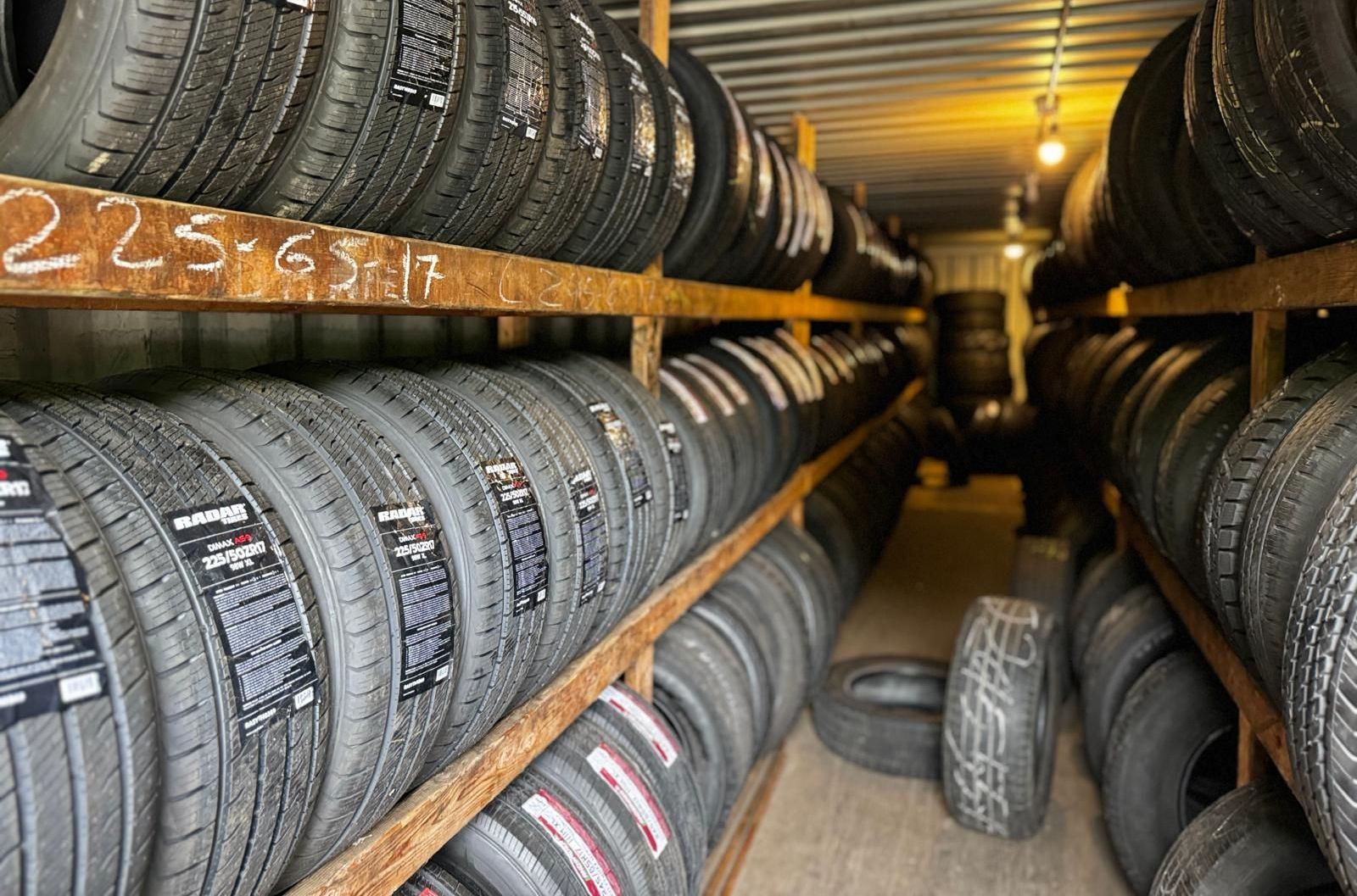
The frequency of tire rotation can vary based on your vehicle and driving habits. However, a general rule of thumb is to rotate your tires
every 5,000 to 7,500 miles. This interval often coincides with oil changes, making it convenient to remember. Always check your vehicle’s owner manual for specific recommendations from the manufacturer.
Indicators for Tire Rotation
In addition to following the recommended mileage interval, there are other indicators that it might be time to rotate your tires:
- Uneven Wear Patterns: If you notice that some tires are wearing out faster than others, it is a sign that rotation is needed.
- Vibrations: Feeling vibrations in the steering wheel can indicate uneven tire wear, suggesting that rotation is due.
- Scheduled Maintenance: Incorporate tire rotation into your regular vehicle maintenance routine to ensure even wear.
Why Is Tire Rotation Important?
Extending Tire Lifespan
Tires wear differently based on their position on the vehicle. For example, front tires on front-wheel-drive vehicles typically wear faster than rear tires due to the added stress of steering and power delivery. Regularly rotating your tires ensures that all tires wear evenly, maximizing their lifespan and saving you money in the long run by delaying the need for replacements.
Improving Vehicle Performance
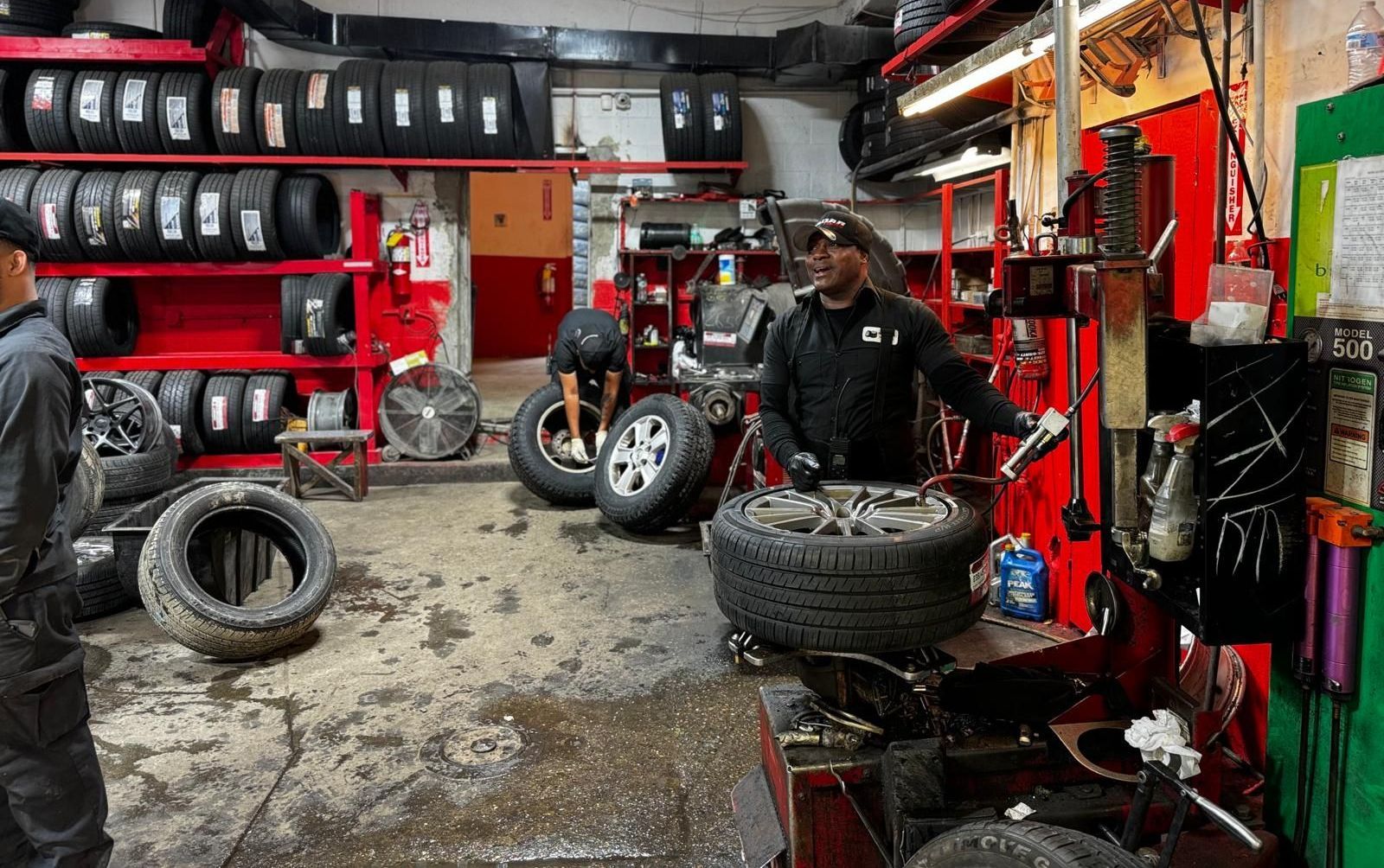
Even tire wear contributes to better handling and performance. Unevenly worn tires can affect your vehicle’s balance, leading to poor handling and reduced traction. By rotating your tires, you maintain optimal performance, providing a smoother and safer driving experience.
Enhancing Safety
Safety is paramount when it comes to driving. Uneven tire wear can lead to decreased traction, especially in adverse weather conditions like rain or snow. Regular tire rotation helps maintain even tread depth, which is crucial for proper grip and braking performance. This simple maintenance step can significantly reduce the risk of accidents caused by tire issues.
Maintaining Warranty Compliance
Many tire manufacturers require regular rotation to keep the warranty valid. Failing to rotate your tires as recommended can void the warranty, leaving you unprotected if your tires wear out prematurely. Keeping up with regular tire rotations ensures that you remain compliant with warranty conditions, protecting your investment.
Visit Raymond's Tire Shop for Your Next Tire Rotation
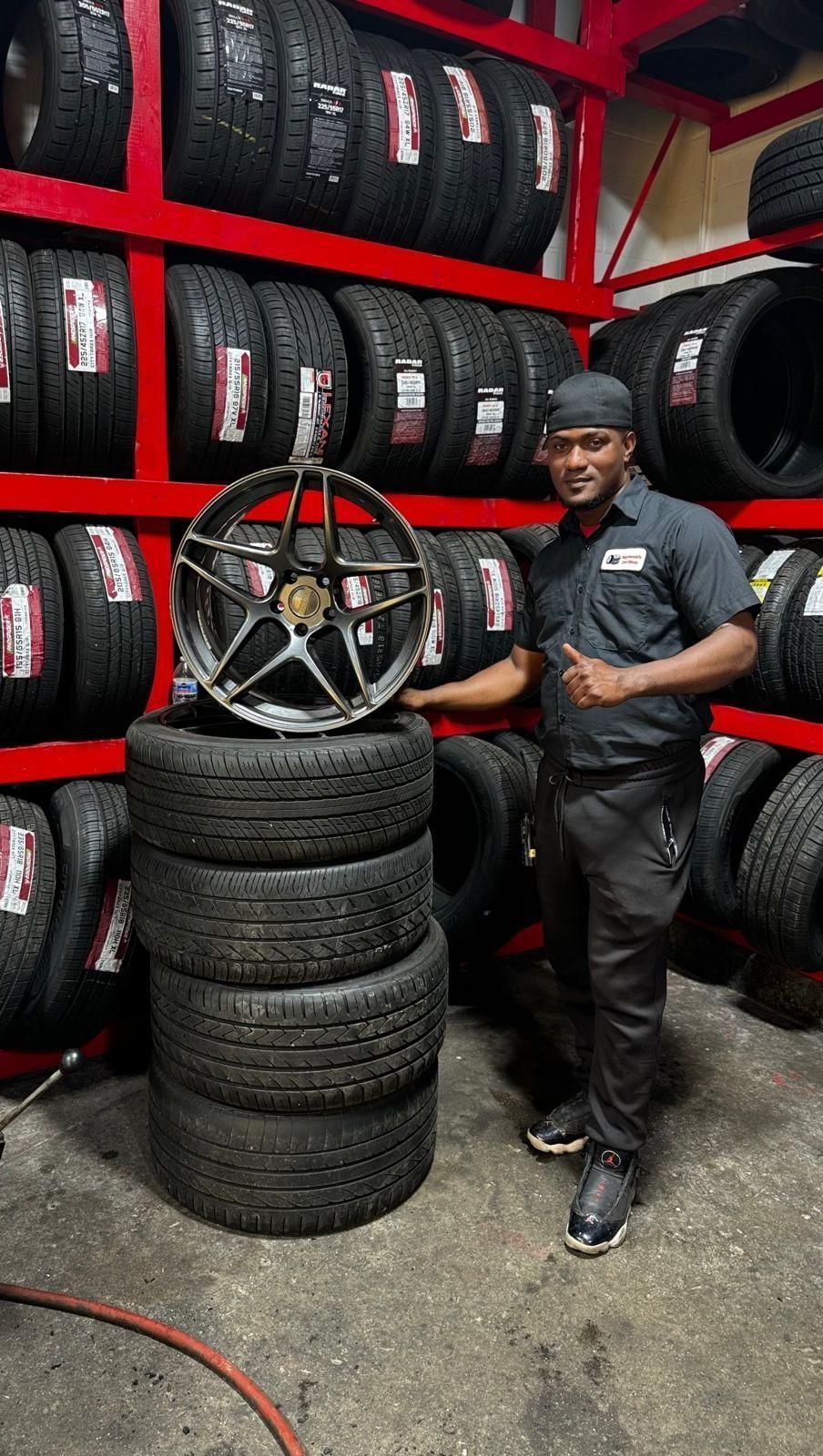
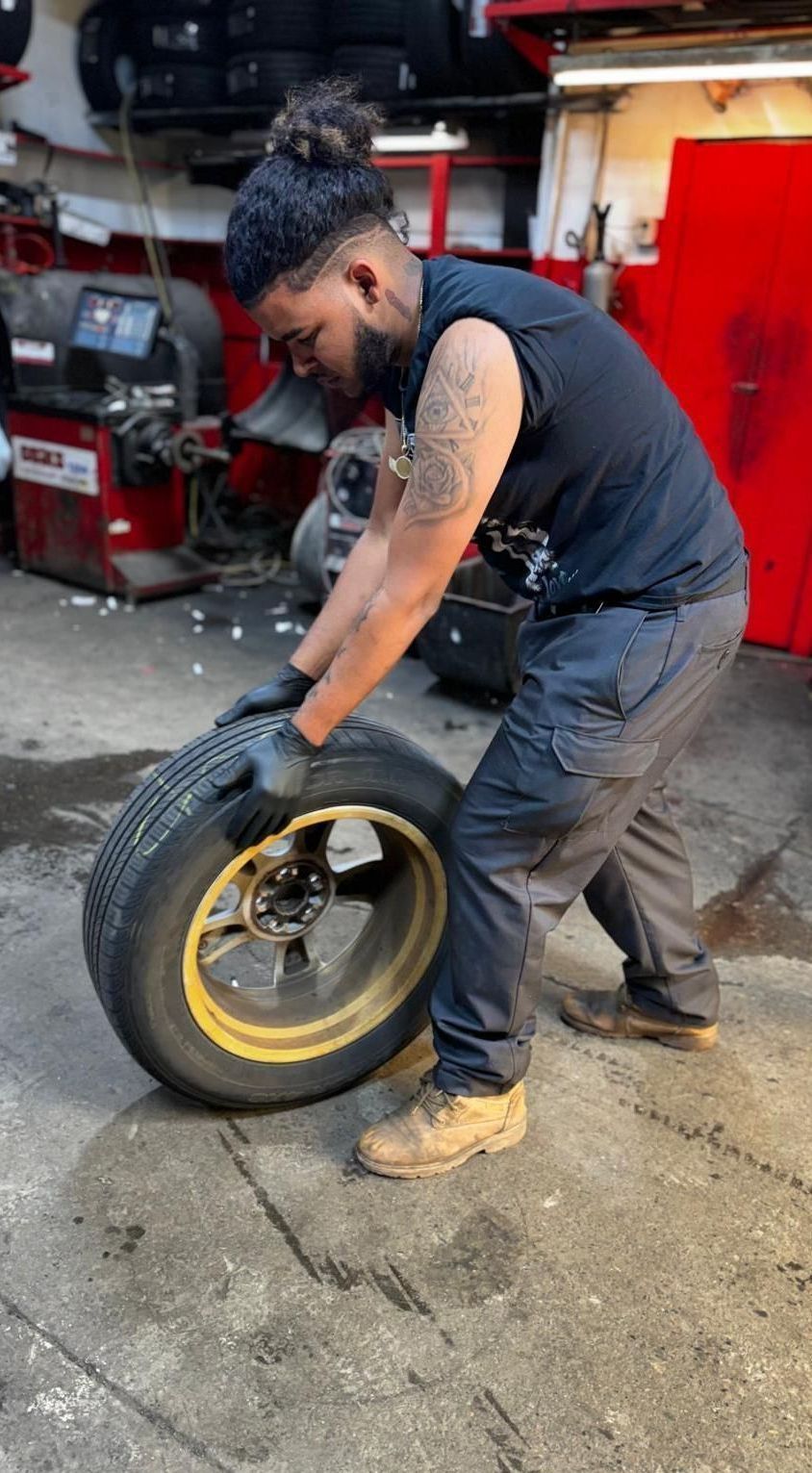
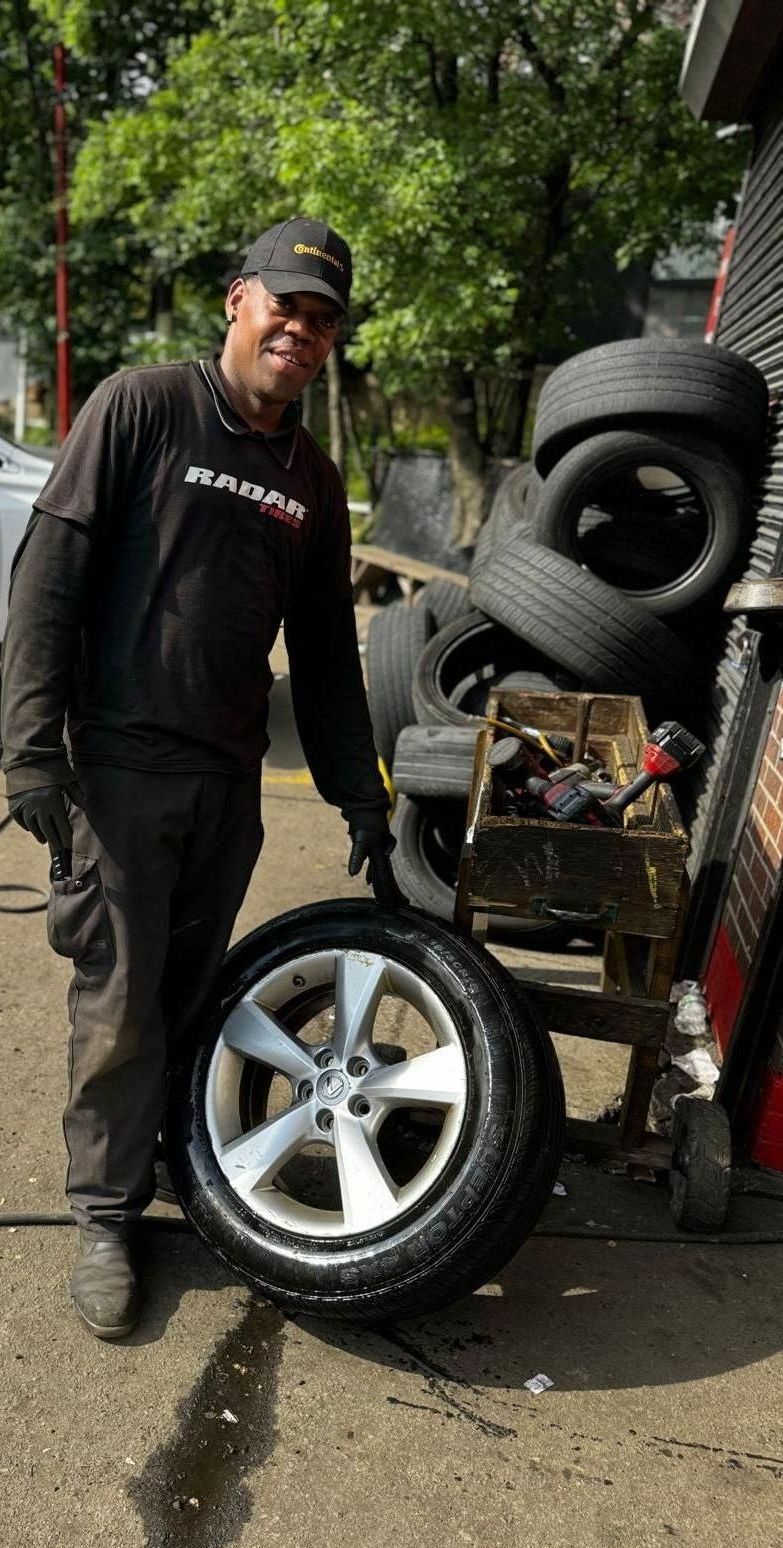
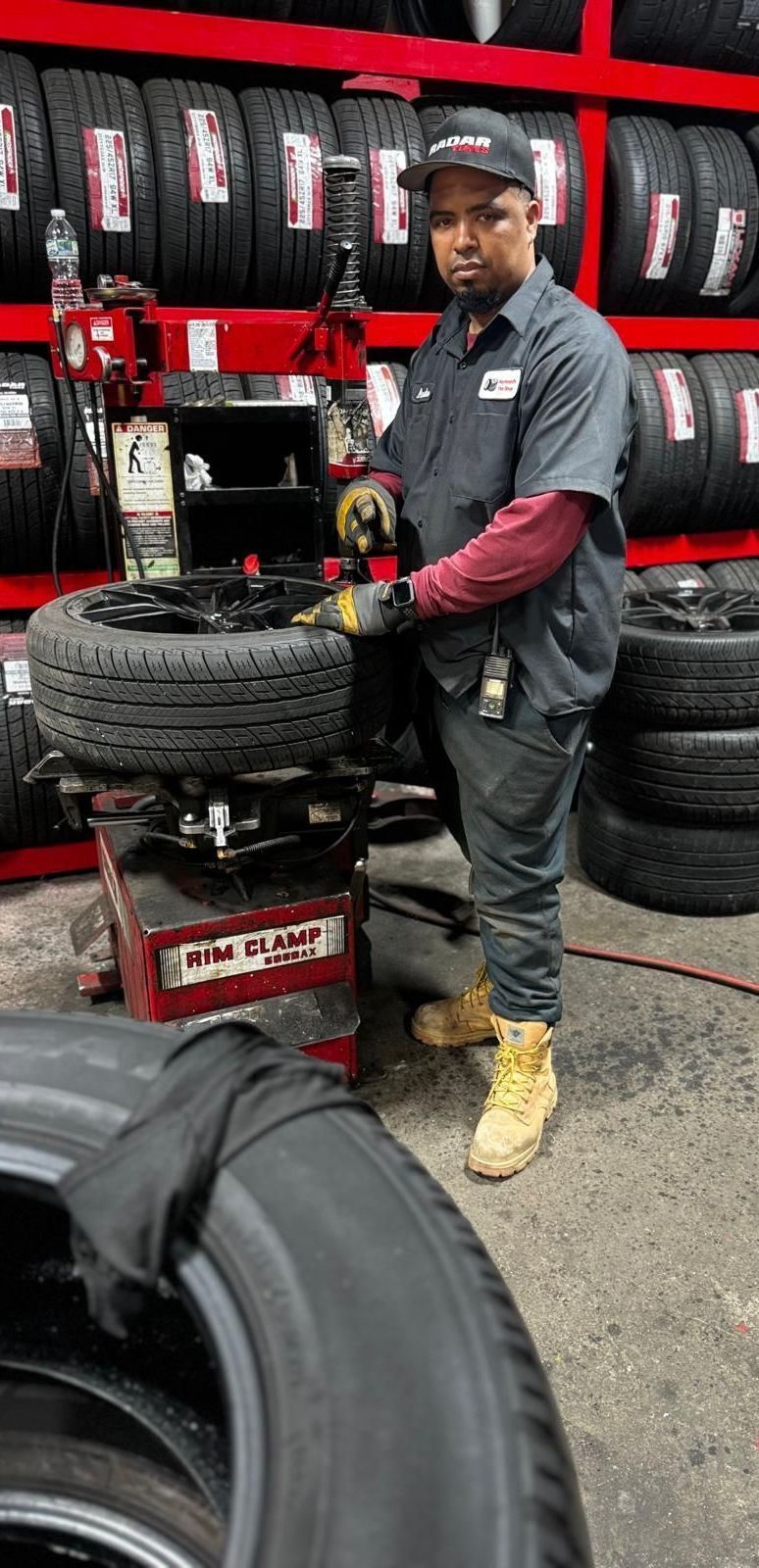
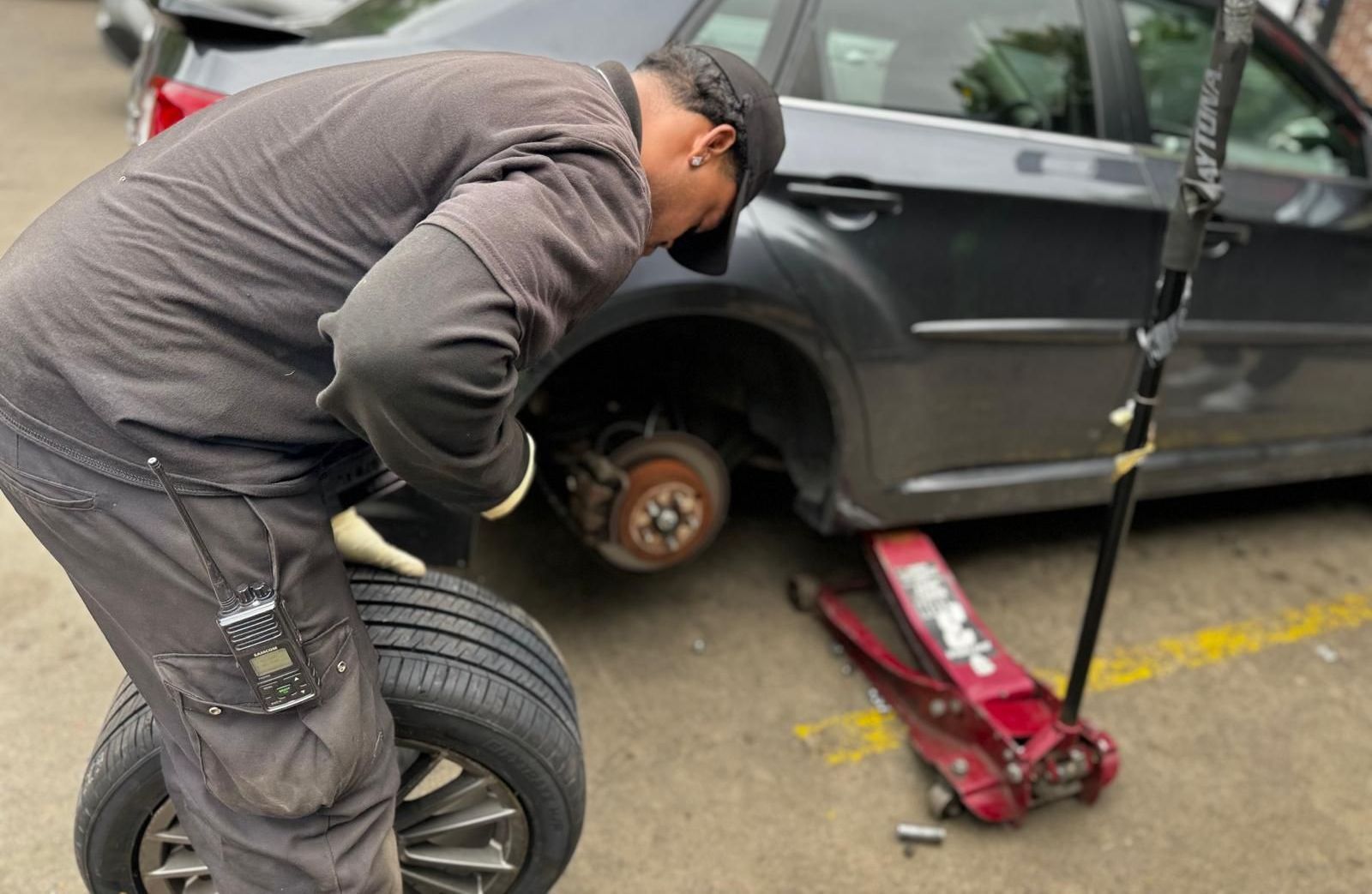
At Raymond's Tire Shop, we are committed to helping you get the most out of your tires. Our friendly and experienced technicians are here to provide professional tire rotation services, ensuring that your tires wear evenly and your vehicle performs at its best. We use the latest equipment and follow industry-standard rotation patterns tailored to your vehicle’s specific needs. We also handle more than just tire rotations! Our team can handle issues with flats, valve sensors, tire balancing, and more.
Why Choose Us?
- Experienced Technicians: Our team has years of experience and extensive knowledge in tire maintenance.
- Quality Service: We pride ourselves on providing top-notch service and ensuring customer satisfaction.
- Convenient Scheduling: We offer flexible appointment times to fit your busy schedule.
Do not wait until uneven wear compromises your safety and comfort. Visit Raymond's Tire Shop for your next tire rotation and experience the difference that regular maintenance can make. Your tires will thank you, and so will your wallet. Contact us today to schedule your appointment!