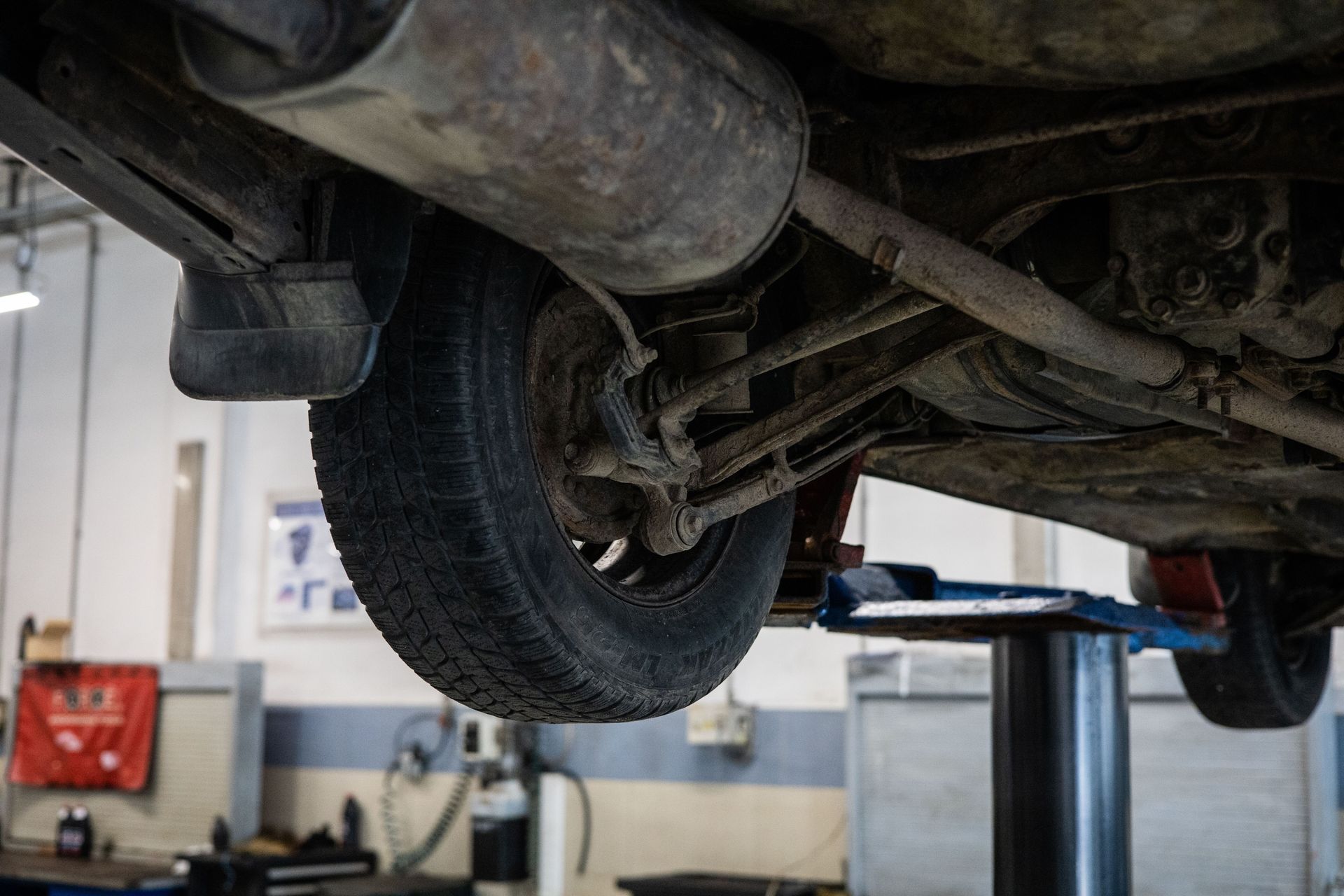
What Causes Tire Bead Leaks?
When a tire repeatedly loses air but there is no obvious nail, screw, or visible puncture, the problem may be where the tire meets the wheel. This area is known as the tire bead, and a poor seal between the bead and the rim can allow air to escape gradually.
Tire bead leaks are a common cause of slow pressure loss. Understanding why they happen can help drivers recognize when a tire needs professional inspection rather than repeatedly adding air.
What Is the Tire Bead?
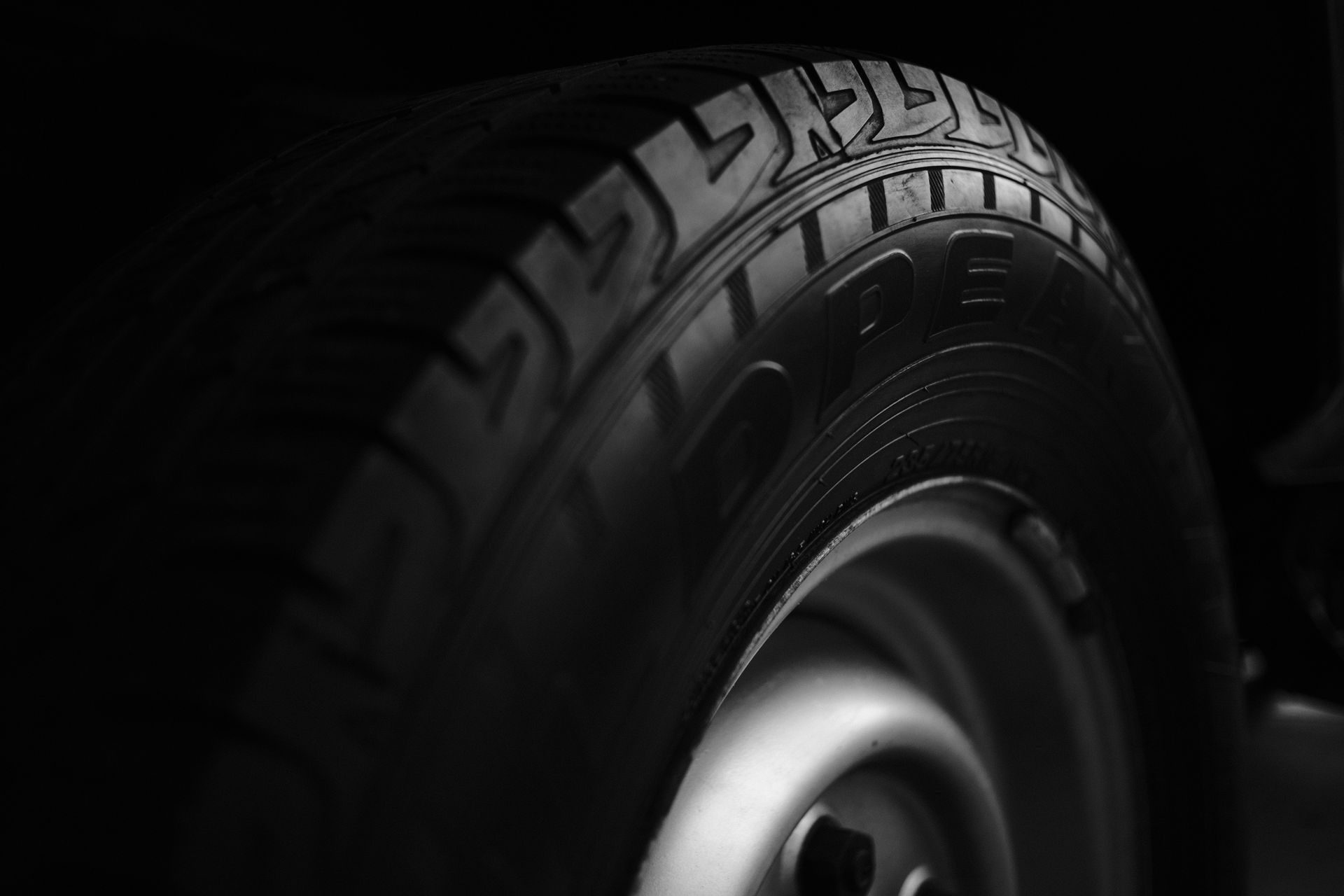
The bead is the reinforced inner edge of the tire that sits tightly against the wheel rim.
When a tire is properly mounted and inflated, air pressure helps hold the bead securely against the wheel, creating an airtight seal. If that sealing surface becomes damaged, dirty, corroded, or distorted, a small pathway can develop for air to escape.
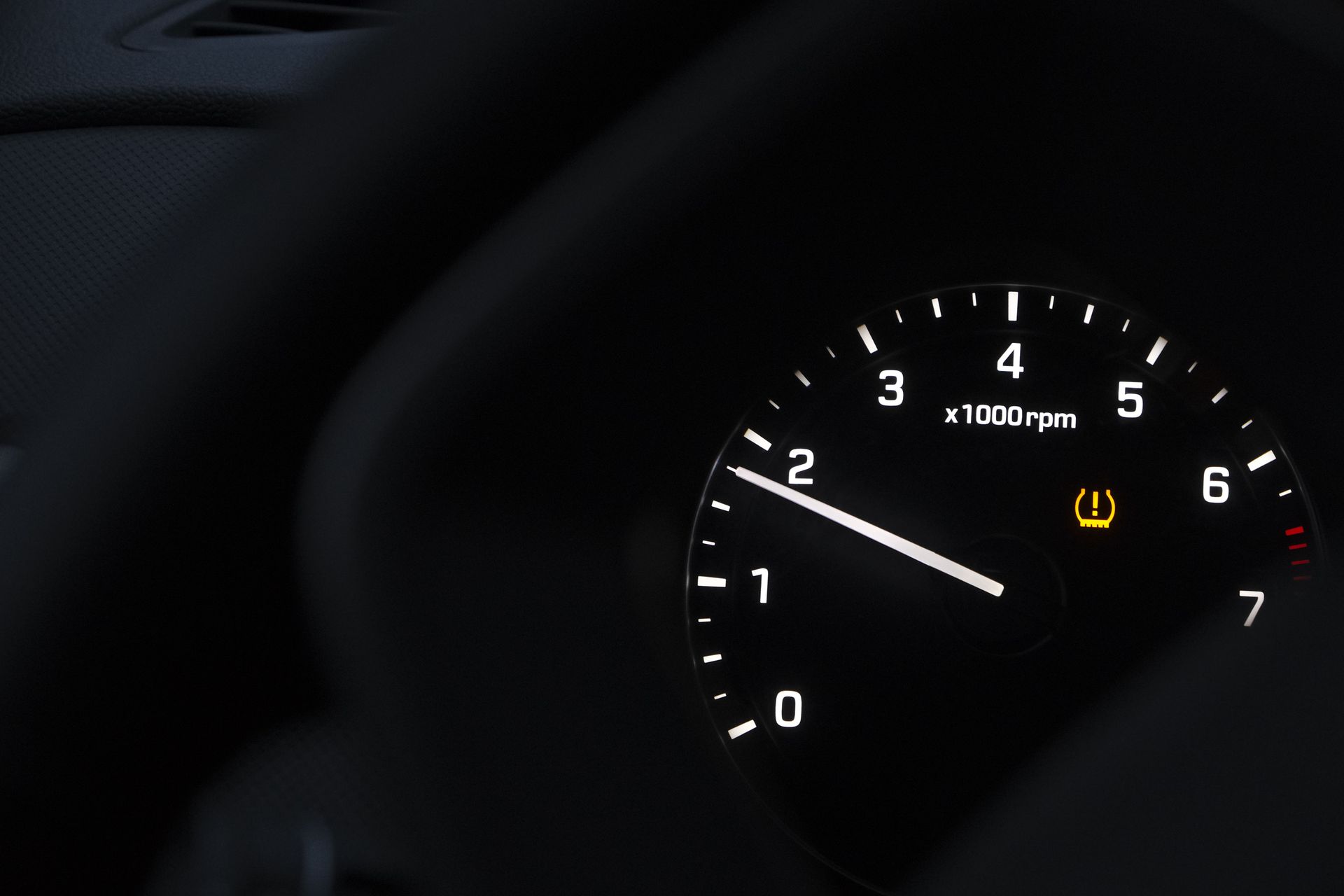
Because these leaks may be very small, the tire can lose pressure over several days or weeks rather than going flat immediately.
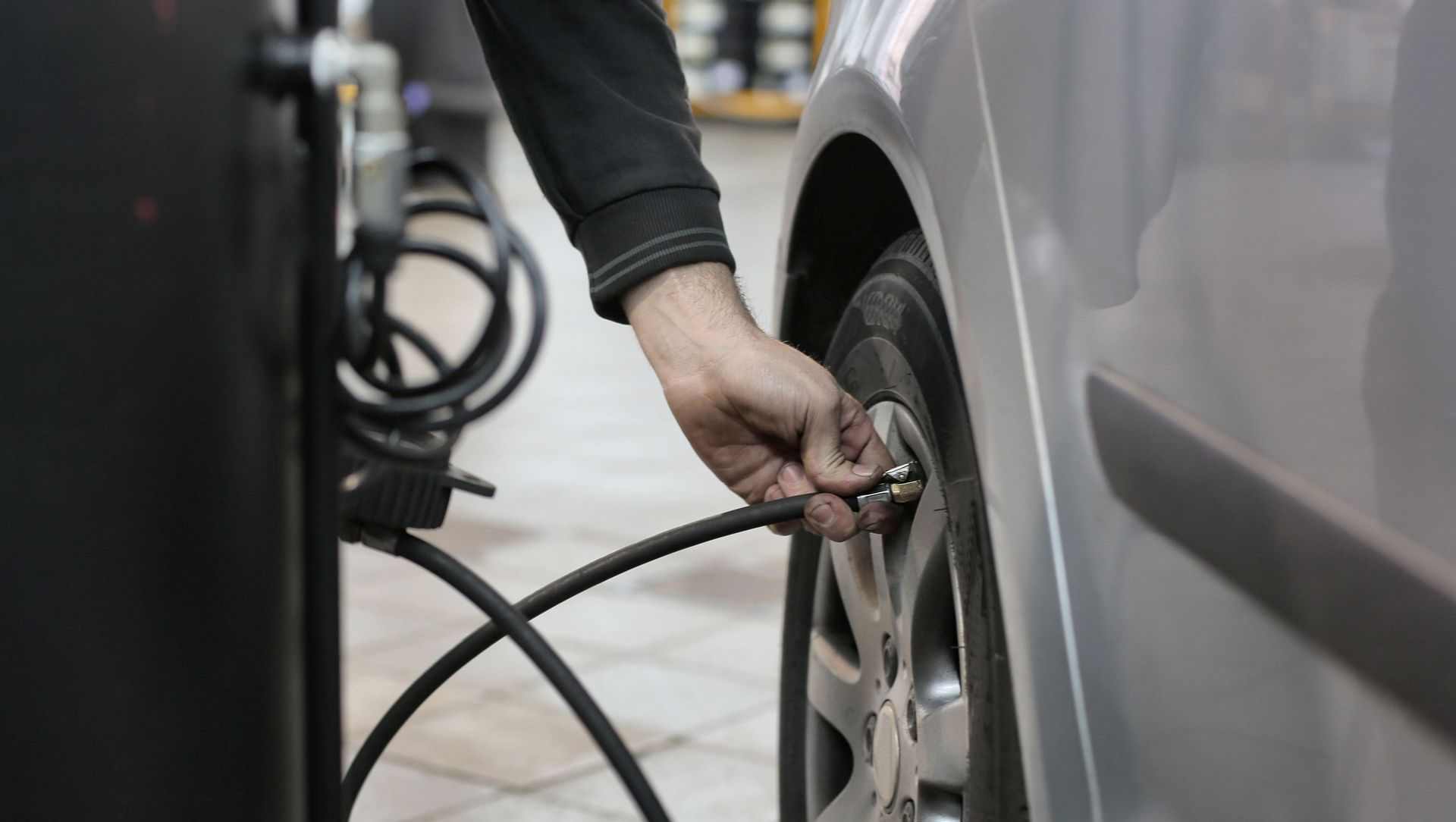
Corrosion on the Wheel Can Break the Seal
One common cause of bead leaks is corrosion around the edge of the wheel.
Moisture, road salt, dirt, and years of exposure can cause corrosion to develop where the tire contacts the rim. Even relatively small areas of corrosion can create an uneven surface that prevents the bead from sealing completely.
This issue can become especially noticeable in areas where vehicles are regularly exposed to winter road treatments.
Simply inflating the tire does not correct the underlying problem. If corrosion is responsible, the tire may continue losing air until the sealing surface is properly addressed.
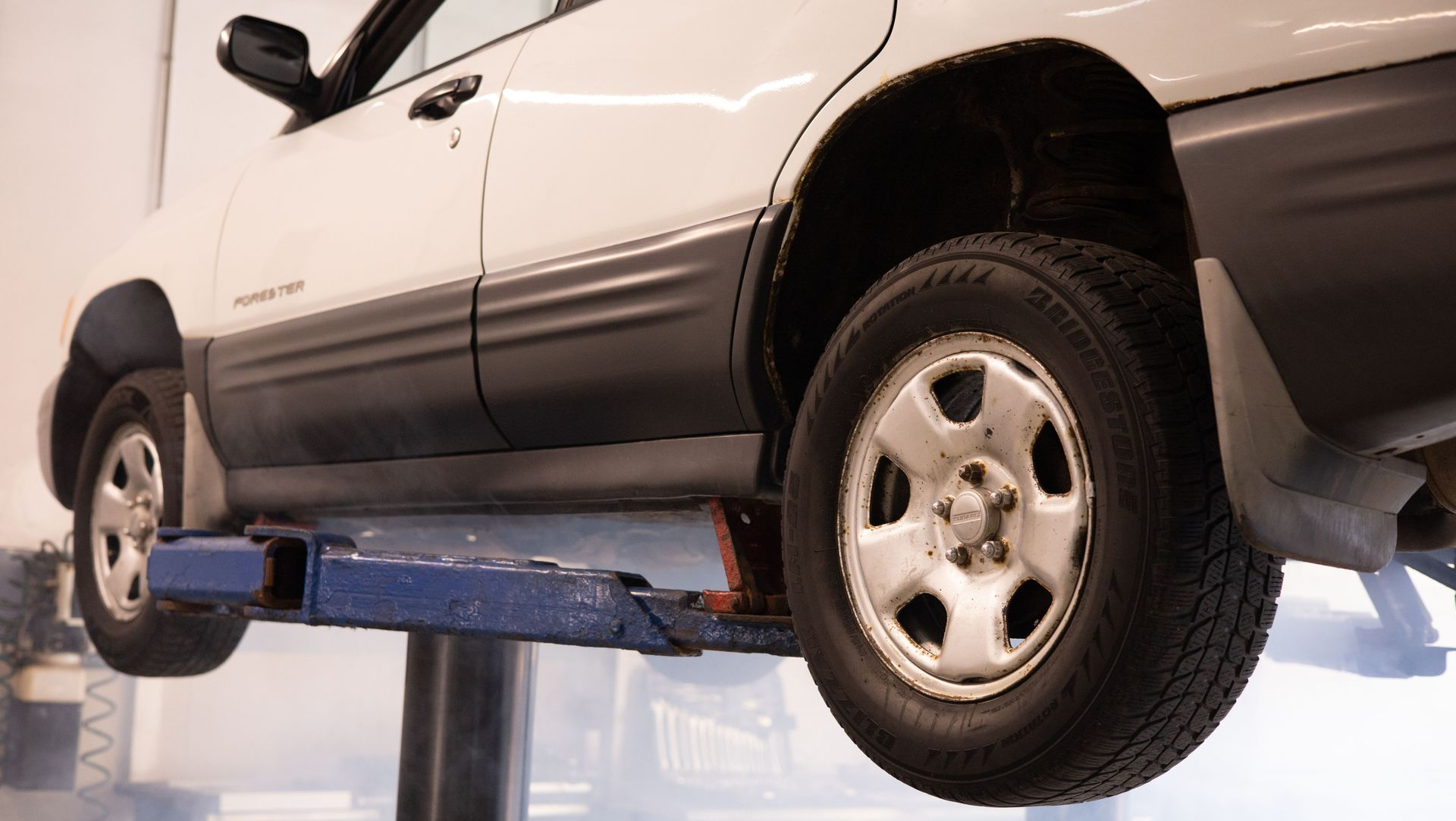
Dirt and Debris Can Cause Problems
The bead area needs to be clean for the tire to seal properly.
Dirt, old rubber residue, oxidation, and other debris can become trapped between the tire and wheel. This may happen during tire installation or gradually as the wheel ages.
If contamination creates even a tiny gap, pressurized air can escape.
A tire technician may need to remove the tire from the wheel to inspect and clean the bead seating area properly.
A Bent or Damaged Wheel May Leak
Potholes, curbs, and other road impacts can bend a wheel.
The damage does not always look dramatic. A slight deformation around the rim may be enough to interfere with the tire bead and create a slow leak.
Drivers may also notice vibration, handling changes, or repeated pressure loss after a significant impact.
If the wheel itself is damaged, simply repairing or resealing the tire may not provide a lasting solution. The wheel may need professional evaluation to determine whether it can be repaired or should be replaced.

Tire Bead Damage Can Also Be Responsible
The problem is not always the wheel.
A tire bead can be damaged during improper installation or removal. Age, deterioration, or previous damage may also affect the bead’s ability to seal against the rim.
Because the bead is largely hidden once the tire is installed, this type of damage may not be visible during a basic inspection.
Removing the tire allows a technician to examine both the bead and wheel more closely.
How Is a Bead Leak Found?
Slow leaks can sometimes be difficult to locate because the tire may appear normal.
A technician can inspect the tread, valve stem, wheel, and bead area to determine where air is escaping. A leak-detection solution may reveal small bubbles around the rim when pressurized air escapes through the bead seal.
Finding the exact source matters because a leaking valve stem, puncture, cracked wheel, and bead leak may produce the same basic symptom: a tire that repeatedly needs air.
Do Not Ignore Repeated Pressure Loss
Regularly topping off a leaking tire is not a long-term repair.
Driving with insufficient tire pressure can increase heat buildup, accelerate tread wear, affect handling, and potentially damage a tire that might otherwise have been serviceable.
If the same tire repeatedly loses pressure, it should be inspected to determine why.
Fix the Source of the Slow Leak
Corrosion, debris, wheel damage, and tire bead damage can all interfere with the seal between a tire and its rim. Identifying the actual cause is the first step toward a lasting repair.
Raymond’s Tire Shop provides tire inspections, flat repair, balancing, alignment, wheels, and other tire services. If one of your tires continually loses air with no obvious puncture, contact Raymond’s Tire Shop. A professional inspection can determine whether a bead leak, valve issue, puncture, or wheel problem is responsible and help get your tire holding pressure properly again.