Why Your Spare Tire Should Be Checked Before Winter Travel

A spare tire is one of those parts of a vehicle that is easy to forget about until the moment it is needed.


That can be a problem during winter travel, when colder temperatures, rough roads, potholes, holiday traffic, and long-distance driving can all increase the chances of a tire issue. Discovering that the spare is underinflated, damaged, or unusable after a flat can turn an inconvenience into a much bigger problem.


A quick inspection before a winter trip can help make sure the backup plan is actually ready.
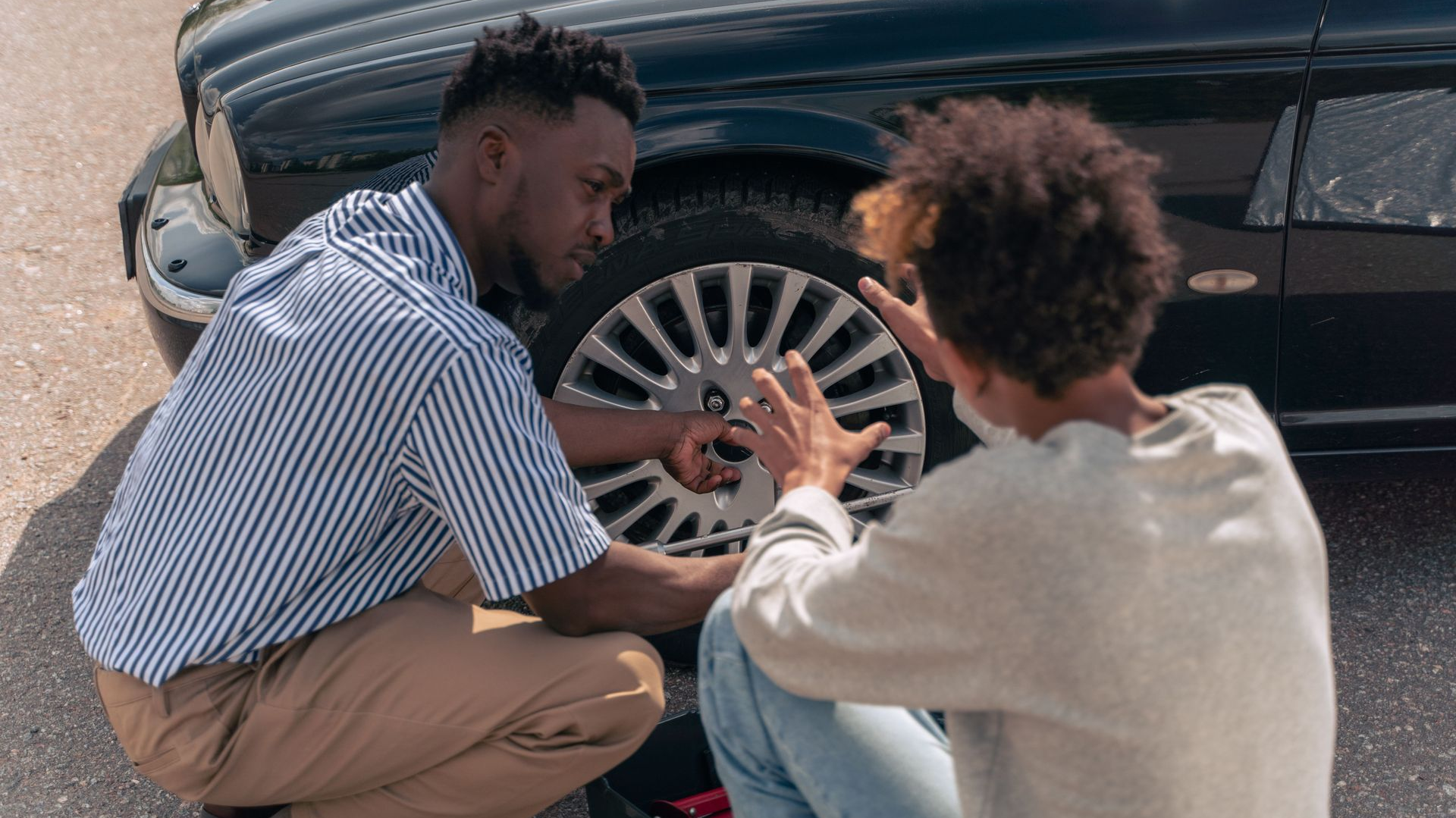
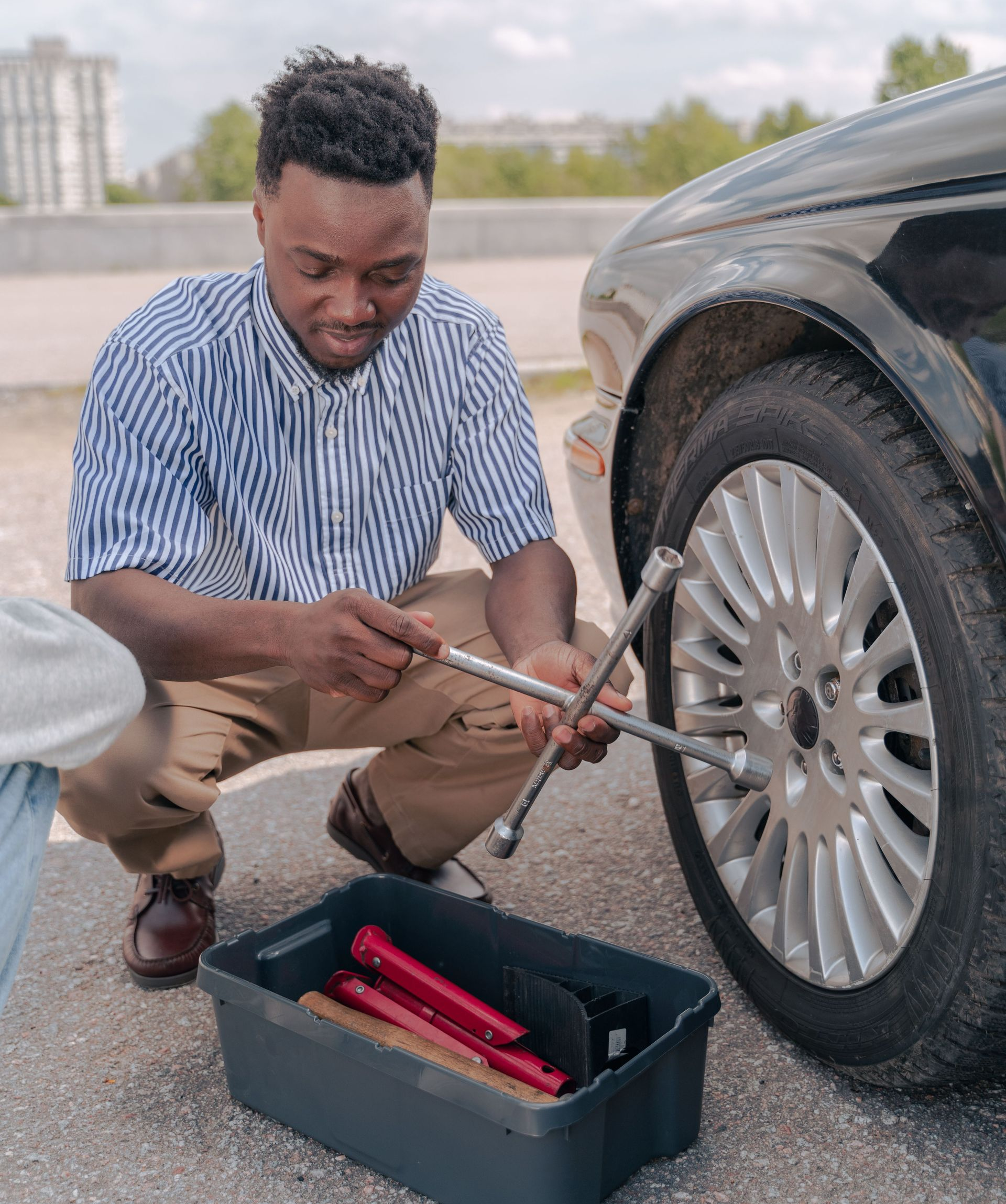
Two people crouch beside a parked car, gesturing toward its front wheel as they inspect it.

Tire Pressure Can Drop in Cold Weather

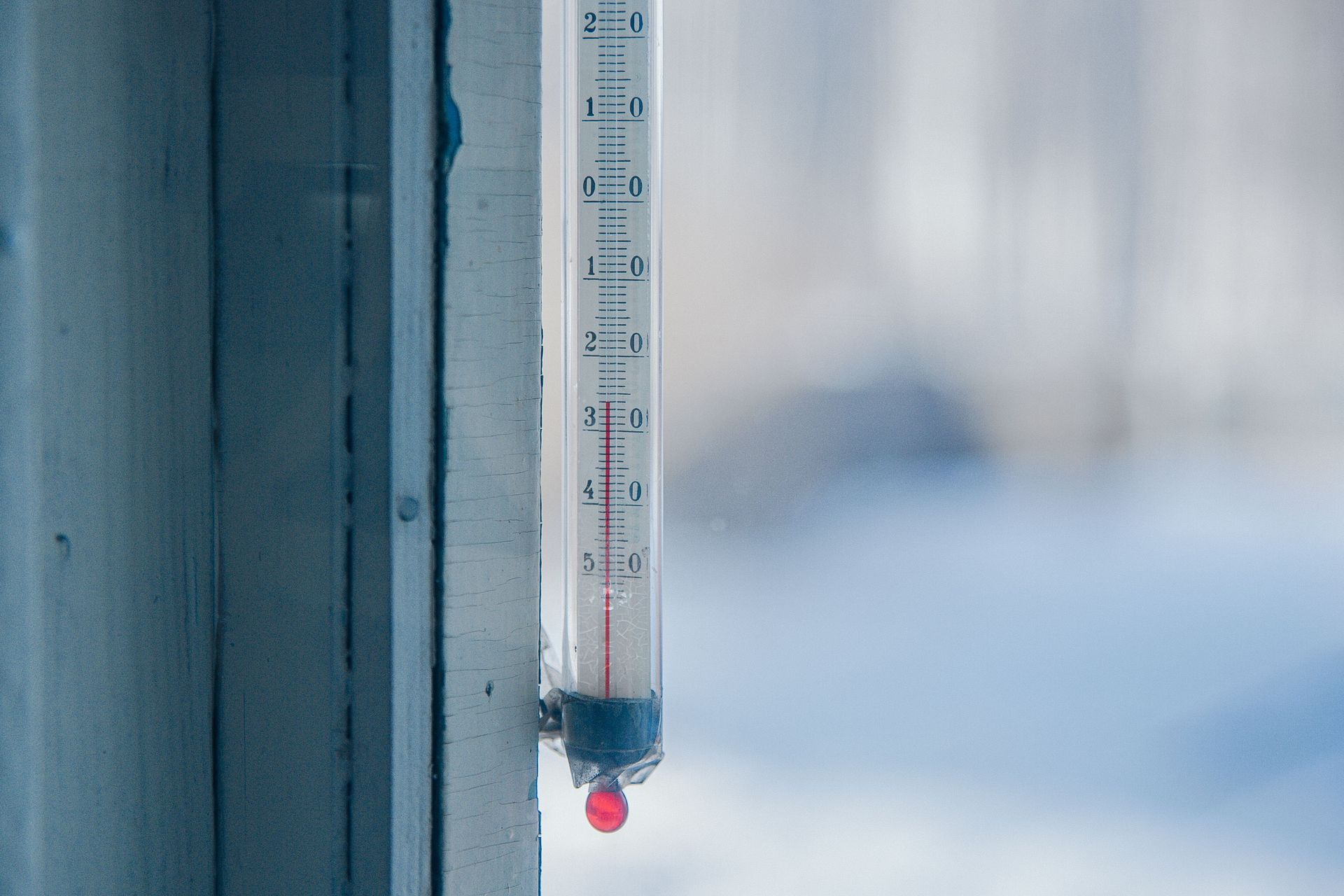
Air pressure decreases as temperatures fall, which means a spare tire that was properly inflated months ago may be significantly lower by winter.


Because spare tires are rarely checked during routine driving, they can lose pressure without anyone noticing.


Compact temporary spares often require a much higher pressure than the vehicle’s regular tires, so guessing is not enough. The recommended pressure should be checked on the tire itself, the vehicle placard, or the owner’s manual.


Raymond’s Tire Shop can inspect the spare and make sure it is inflated correctly before a trip.
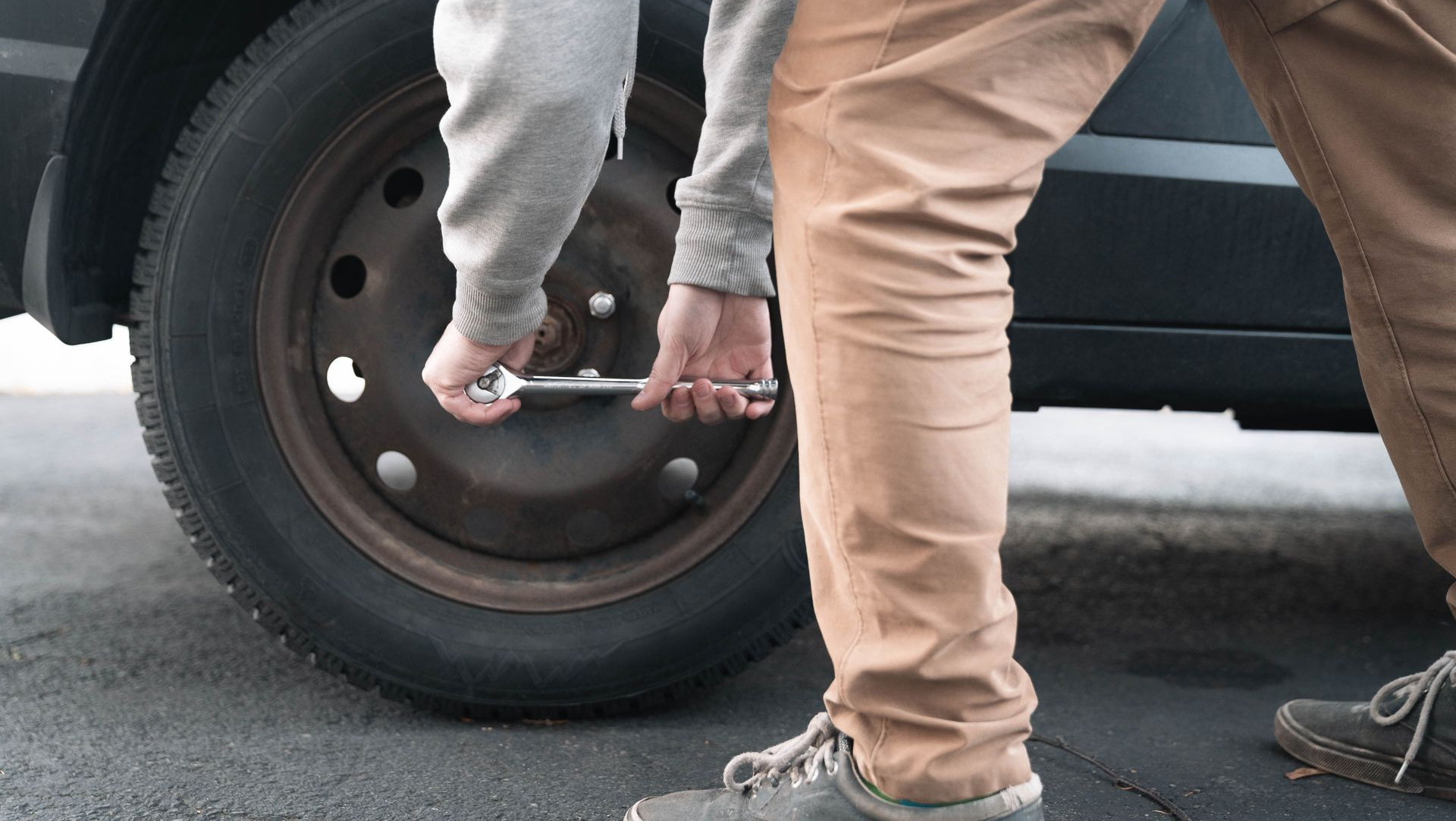
A person in beige trousers tightens lug nuts on a car’s black steel wheel with a wrench.

A Spare Tire Can Age Even When It Is Never Used

Tires do not need to accumulate miles to get older.


Rubber changes over time, and a spare that has spent years in the trunk or mounted underneath the vehicle can still develop cracking or deterioration.


That is why tread depth is not the only thing to consider.


Look for visible cracks, dry-looking rubber, bulges, sidewall damage, or other signs that the spare may no longer be dependable.


An unused tire is not automatically a good tire.

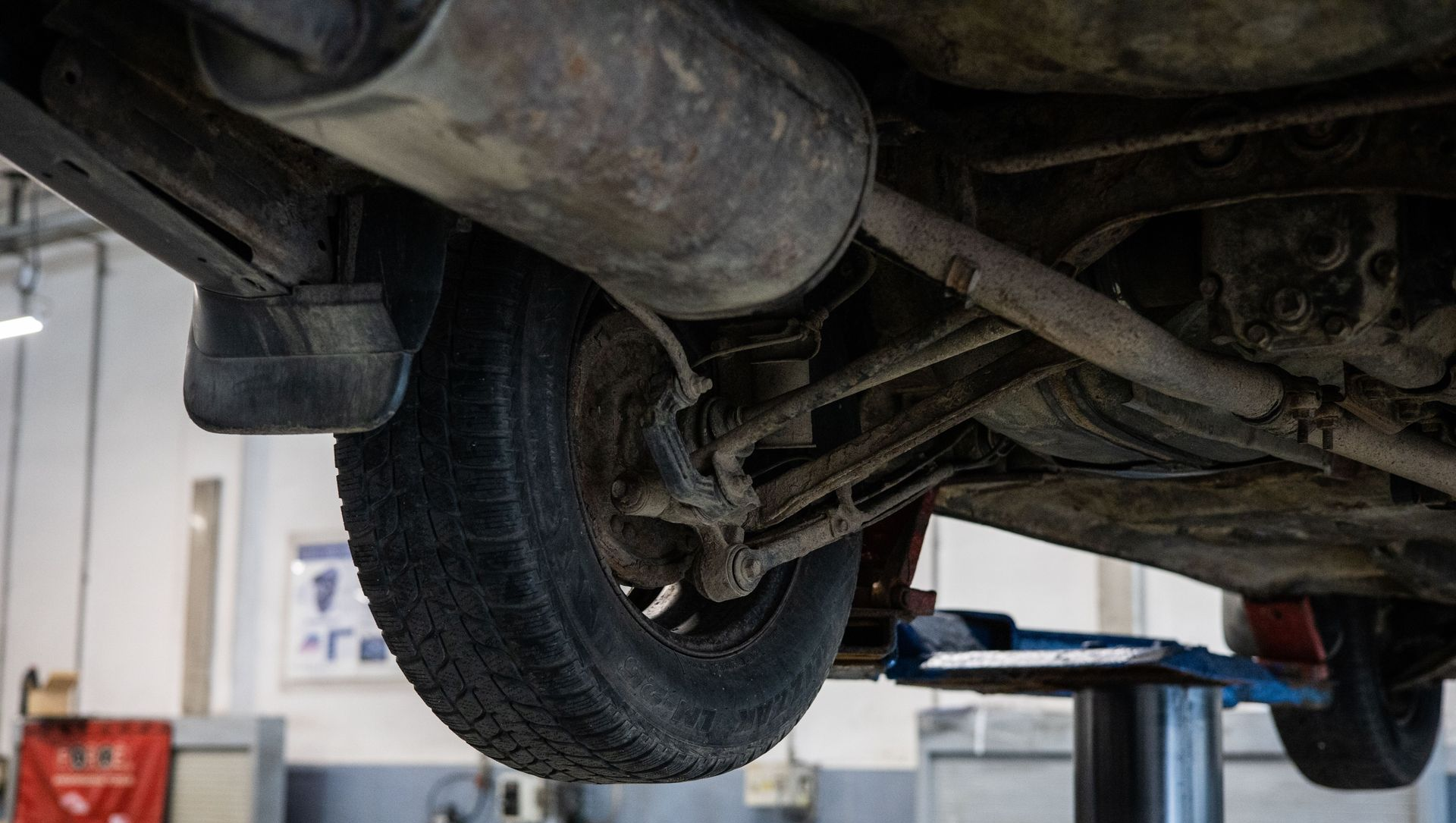
The underside of a vehicle, including its exhaust and suspension, is raised on a lift in an auto repair shop.

Make Sure the Spare Is Actually There

This sounds obvious, but many drivers do not know whether their vehicle even has a traditional spare.


Some newer vehicles use tire repair kits, inflators, or run-flat tires instead.


Before winter travel, open the trunk or check the storage area and confirm what the vehicle is equipped with.


If there is a spare, make sure it is accessible and not buried under luggage or cargo.


Knowing what you have before a roadside problem happens can save a lot of confusion later.

A passenger in an orange sweater drives along a scenic road, with mountains visible through the windshield.

Check the Tools Too

A properly inflated spare is not useful if you cannot install it.


Make sure the jack, lug wrench, wheel-lock key, and any other required tools are in the vehicle.


If the wheels use locking lug nuts, confirm that the key is still in the car.


It is also worth reviewing where the jack points are located and how the spare is removed from storage.


Trying to figure all of that out for the first time on a dark, cold roadside is far more difficult than checking ahead.
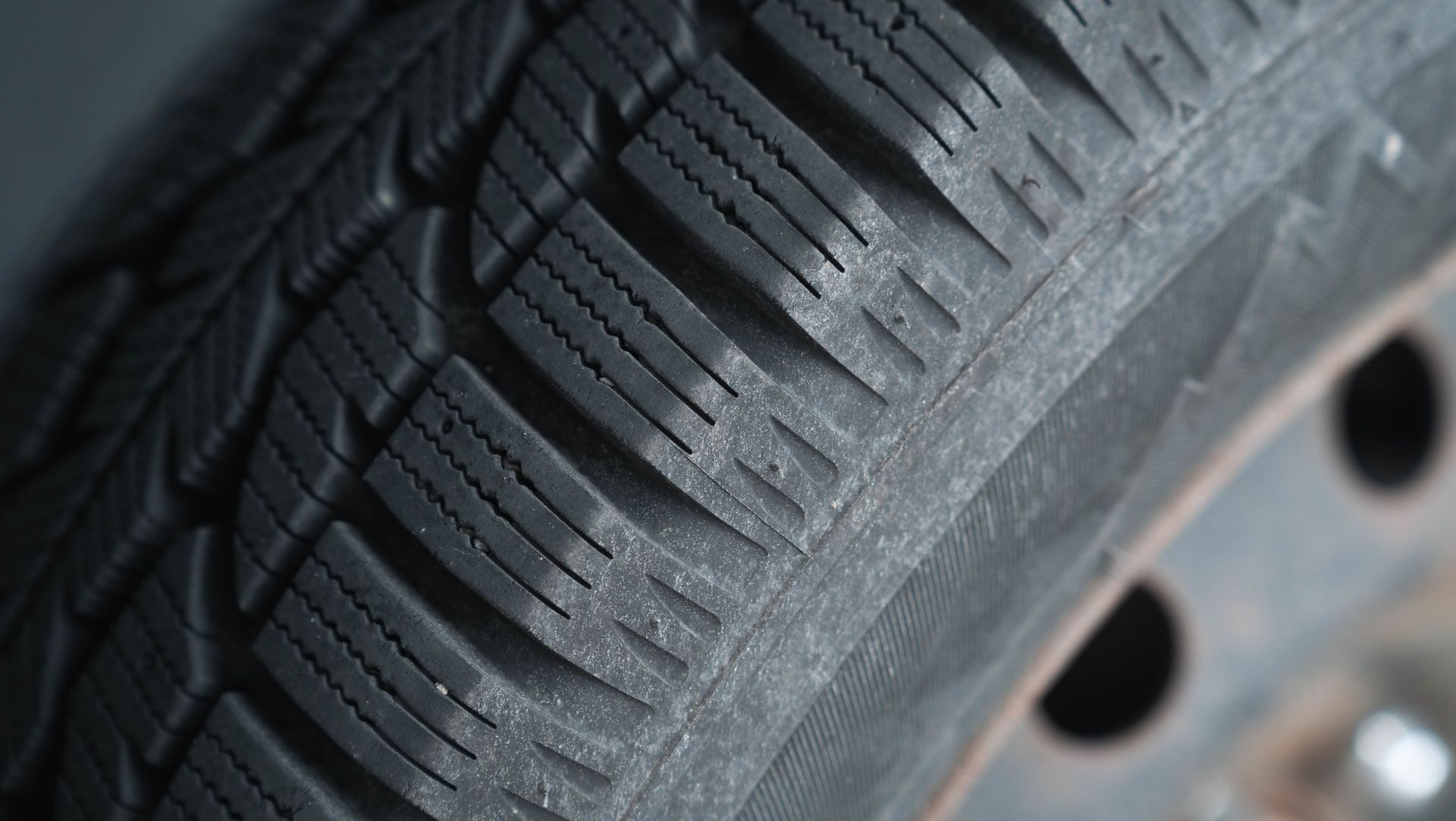
Close-up of a black tire’s tread beside a silver wheel rim.

Temporary Spares Have Limits

Compact spare tires, sometimes called “donuts,” are designed for temporary use.


They generally have restrictions on speed and driving distance, and they can affect handling compared with a full-size tire.


The goal is to use the temporary spare to reach a safe place for proper tire service, not to continue the rest of a long trip as if nothing happened.


Drivers should follow the vehicle and tire manufacturer’s instructions for the specific spare installed.


Winter Roads Make Preparation More Important

A flat tire is inconvenient at any time, but winter conditions can make roadside problems more difficult.


Cold temperatures, poor visibility, snow, ice, and heavy holiday traffic can all make stopping on the side of the road more stressful. That makes prevention especially valuable.


Checking tire pressure, tread condition, visible damage, and the spare before leaving can reduce the chance of being caught unprepared.
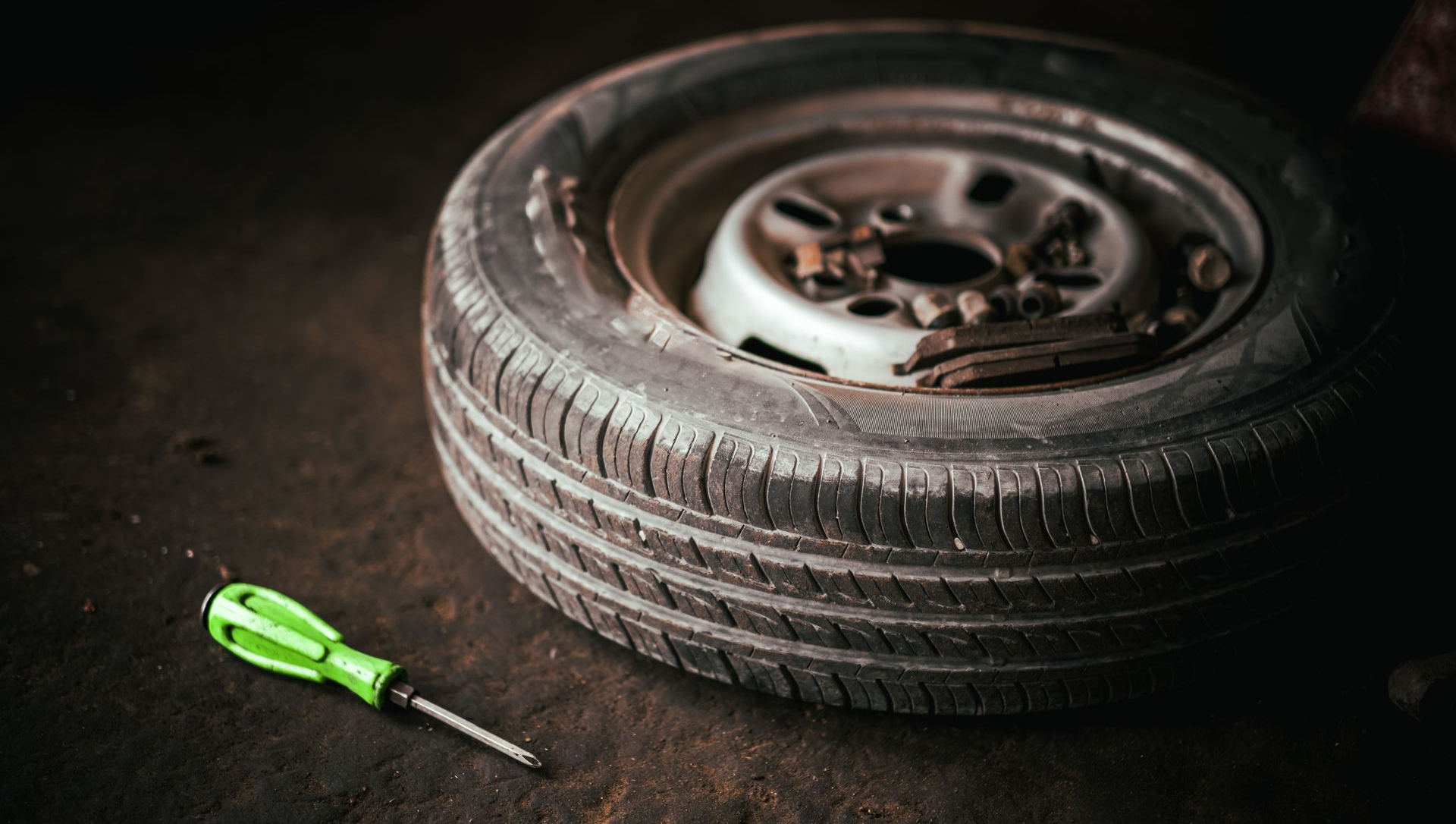
A worn car tire lies on a dark floor beside a green-handled screwdriver.

Include the Spare in Routine Tire Maintenance

The spare should not be treated like a forgotten accessory.


It is part of the vehicle’s tire system and should be inspected periodically, especially before long-distance travel.


Raymond’s Tire Shop helps drivers with tire inspections, replacement, balancing, alignment, flat repair, wheel concerns, and other tire-related needs.


Before winter or holiday travel, checking the spare along with the four tires on the road can help make sure that if a flat happens, the backup plan is ready to work.
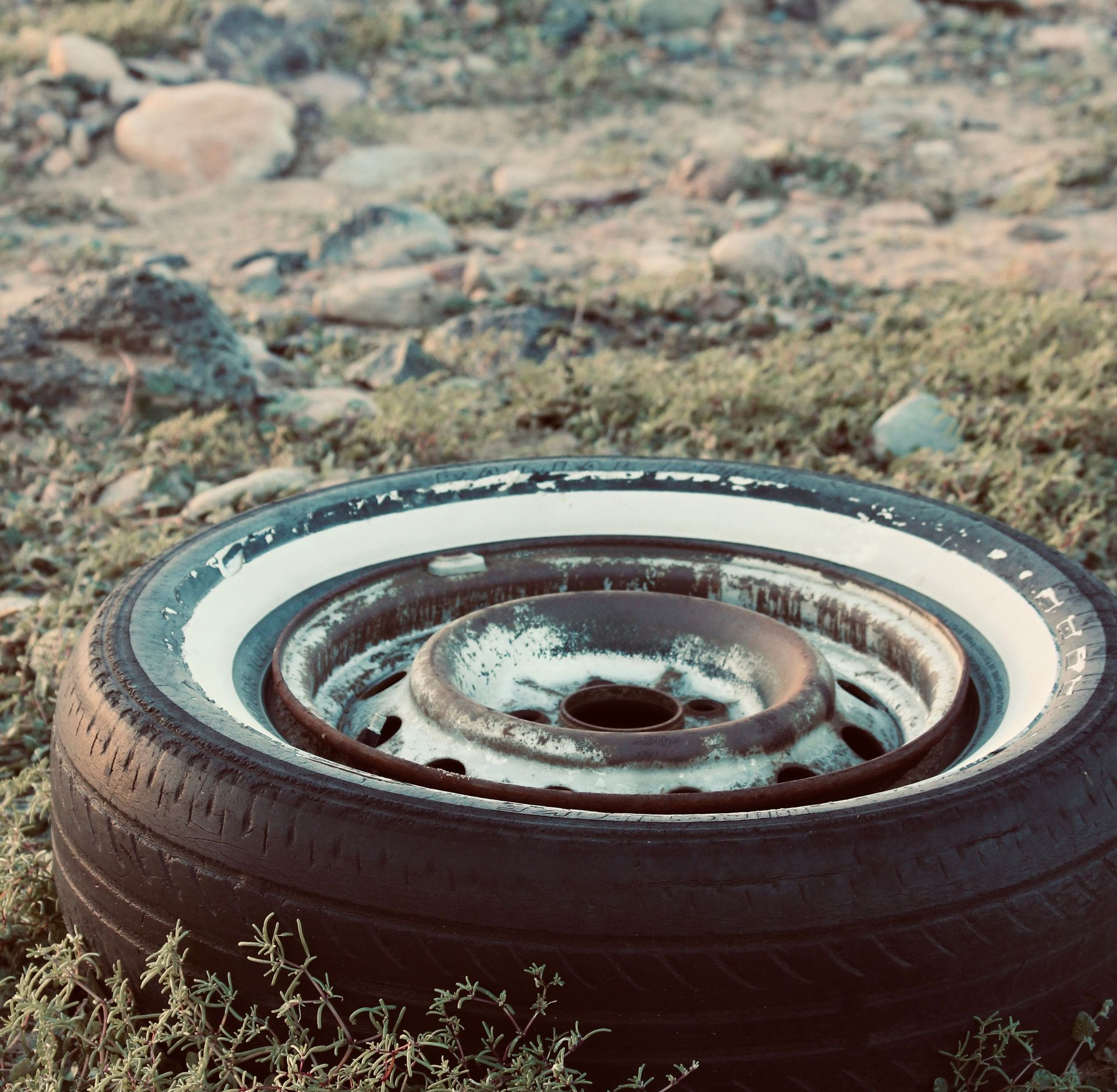
A worn car tire with a rusty steel rim lies on dry, rocky ground.
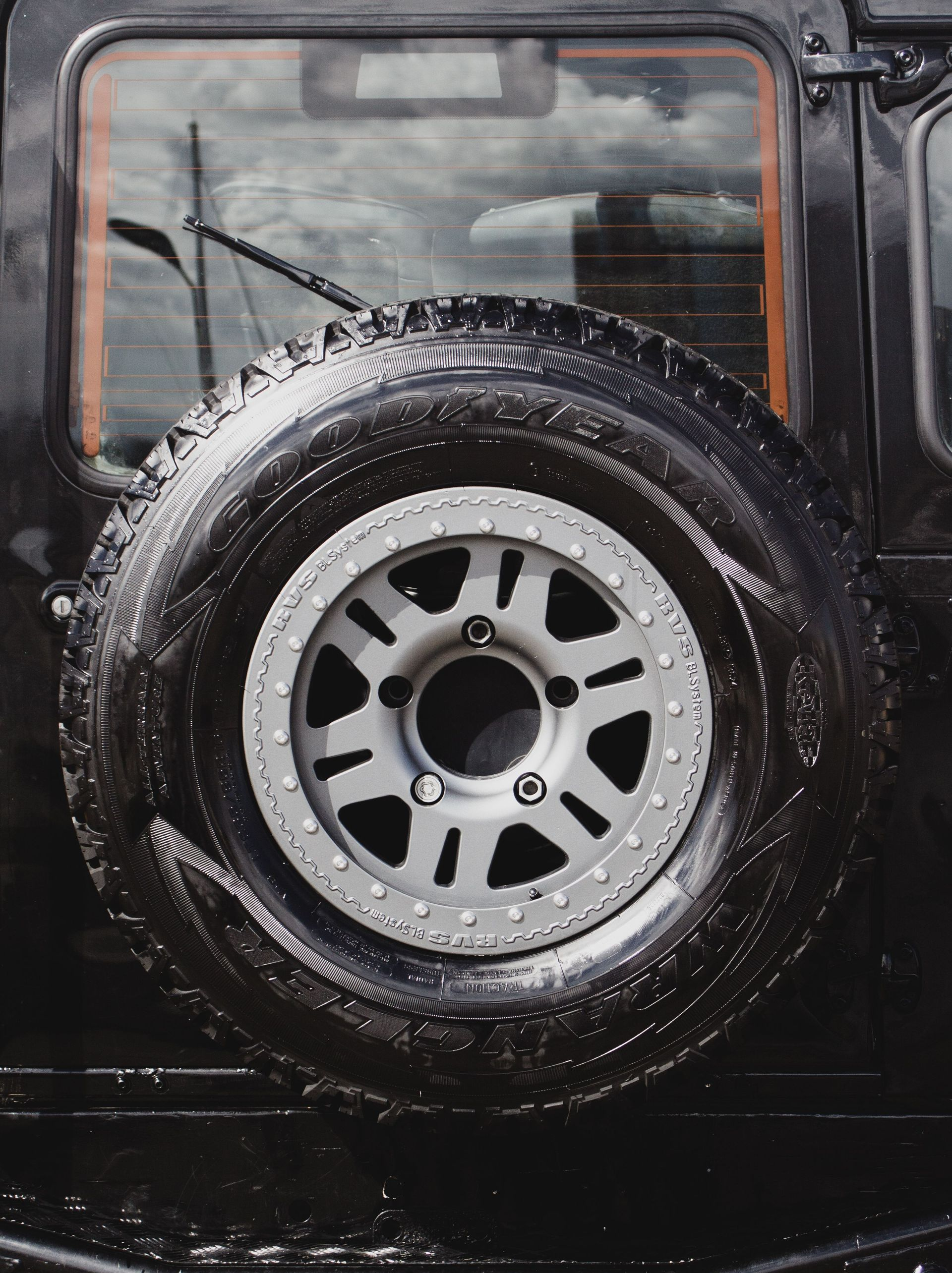
A black off-road vehicle with a large spare tire mounted on its rear door, parked in wet conditions.
A person in a blue striped shirt uses a wrench to work on a car wheel beside an open toolbox.
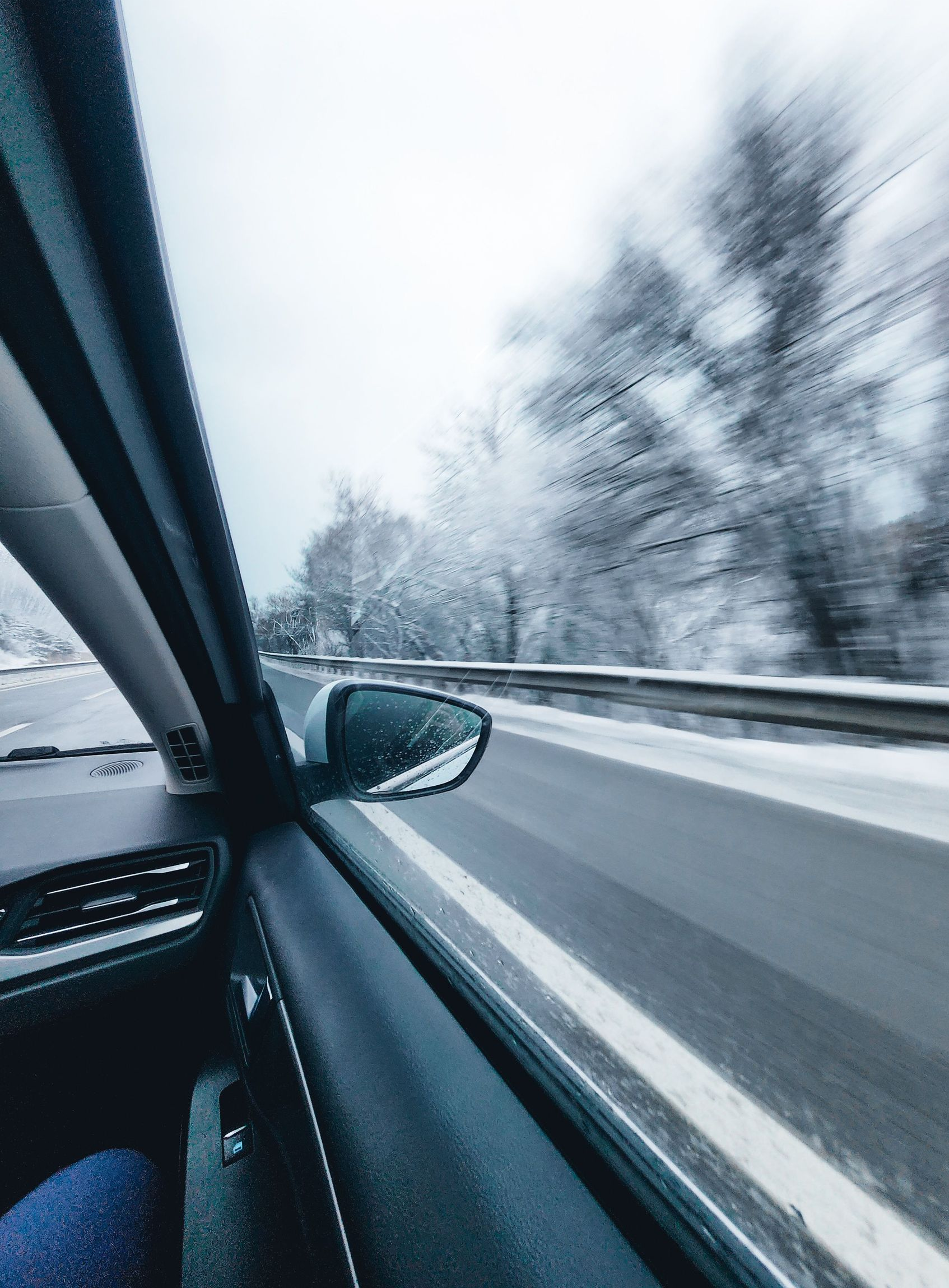
View from a car driving on a snowy highway, with blurred trees and guardrails passing by
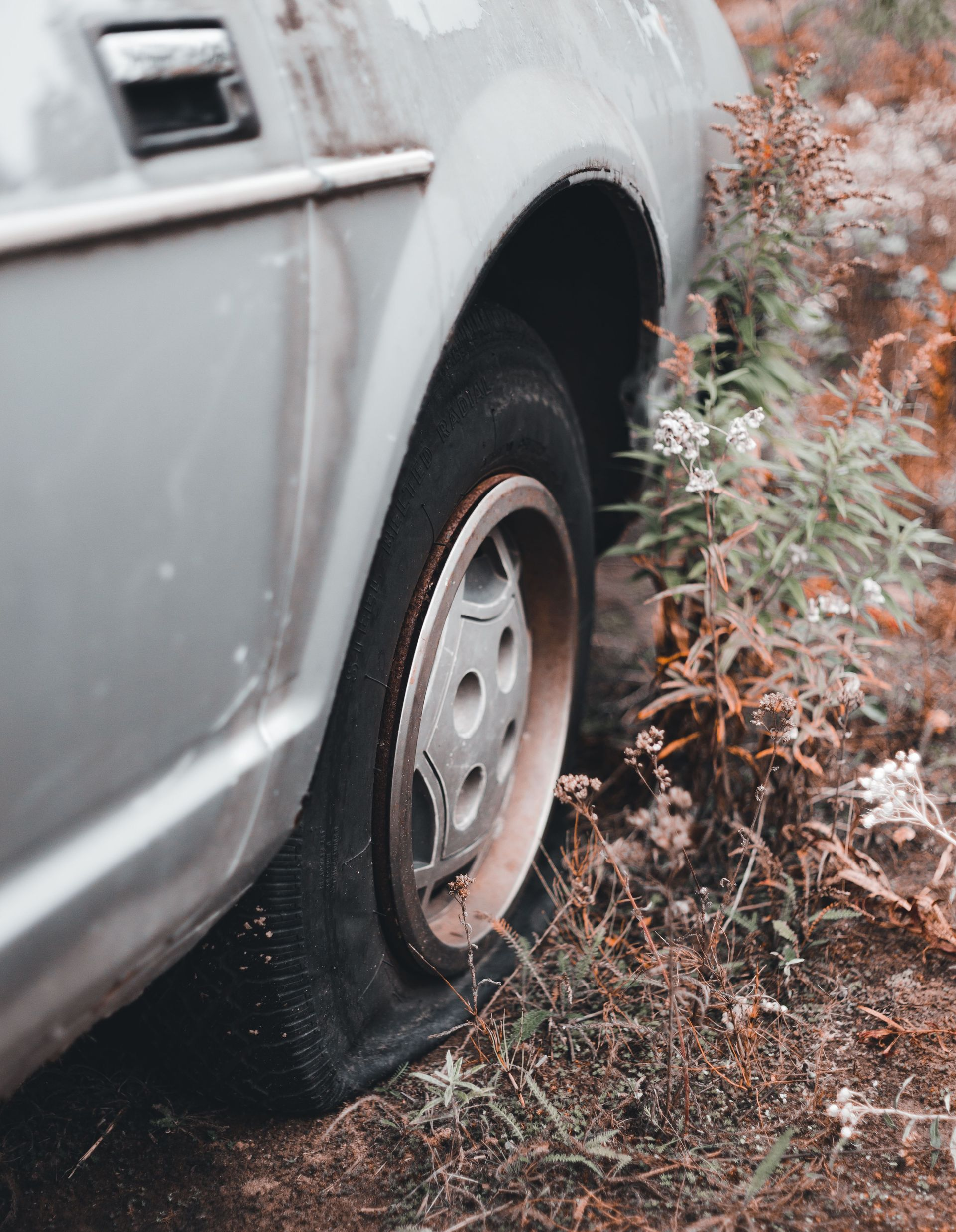
A white vehicle is parked on muddy ground beside overgrown grass and shrubs.
Snow-lined road through dense evergreen trees, viewed from inside a vehicle on an overcast winter day.
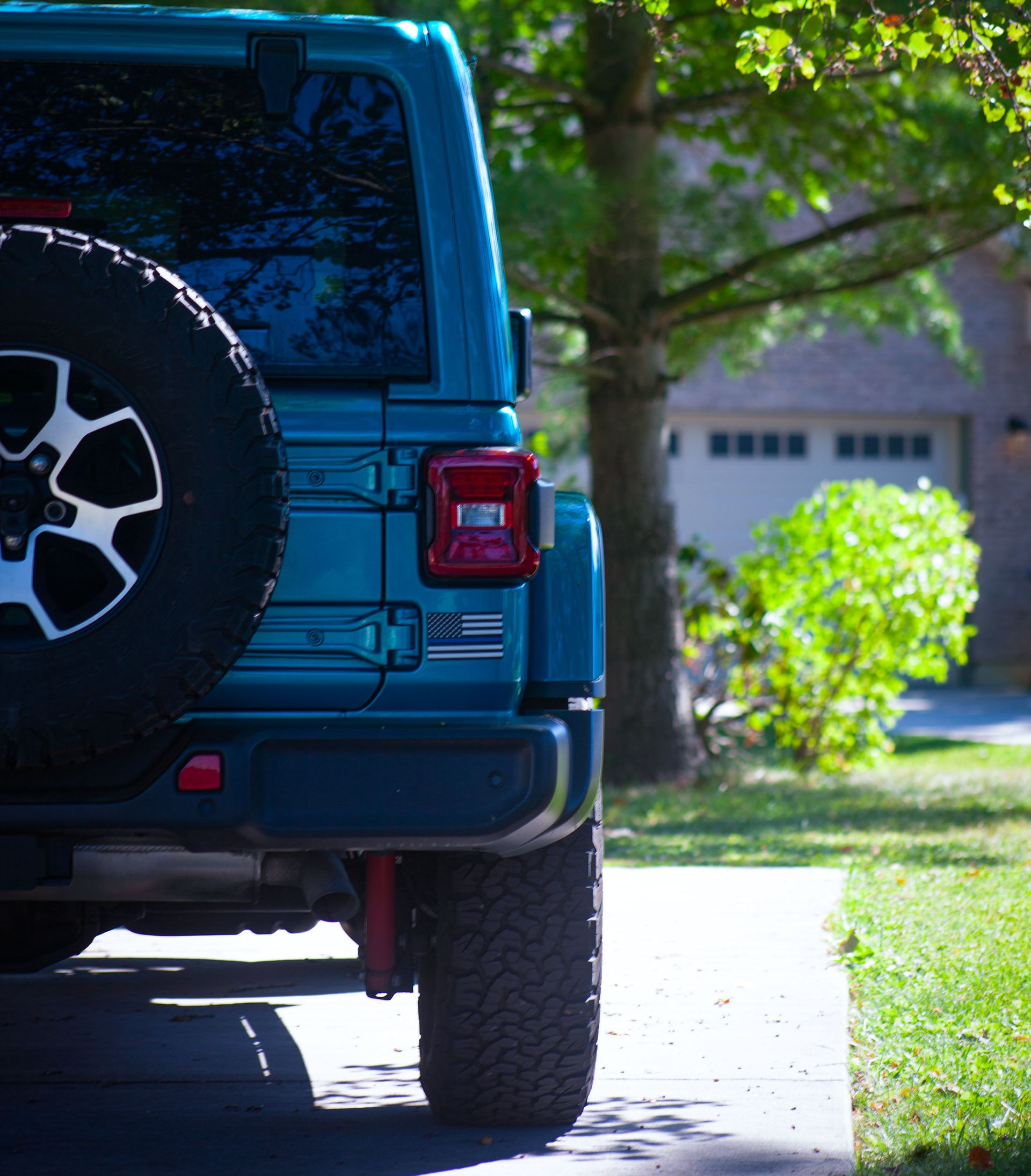
Rear of a blue SUV with a spare tire parked on a sunlit driveway beside a house.
November 20, 2026
Thanksgiving travel can put a lot of miles on a vehicle in a short amount of time. Between highway driving, colder temperatures, heavier traffic, and a car packed with passengers and luggage, tires can be under more stress than they are during an ordinary week. Before heading out for a holiday road trip, a few basic tire checks can help reduce the chances of dealing with a flat, vibration, pressure warning, or unexpected replacement far from home.
November 13, 2026
Potholes can do more than create an uncomfortable jolt. A hard impact can affect the tire, wheel, alignment, or suspension, sometimes without causing an immediately obvious problem. That is why drivers should pay attention to how the vehicle feels after hitting a deep pothole, especially if the impact was strong enough to make the steering wheel shake or the vehicle pull suddenly.  Small changes can be early signs of damage.
November 6, 2026
It is common for the tires on the front of a vehicle to wear differently from the tires on the rear. That does not automatically mean something is wrong. Front and rear tires often have different jobs , and those differences affect how quickly the tread wears and where the wear appears. Understanding those patterns can help drivers catch maintenance issues earlier and get more life from a set of tires. Front Tires Handle More Steering Work The front tires are responsible for changing the vehicle’s direction. Every turn puts additional stress on the tread, especially along the shoulders of the tires. Parking maneuvers, tight turns, city driving, and repeated steering input can all increase front-tire wear. On many vehicles, the front tires also carry more of the vehicle’s weight because the engine and other major components are located toward the front. That combination of steering and weight can cause the front pair to wear faster.
October 30, 2026
A colder morning can make a perfectly normal tire suddenly look underinflated . That surprises a lot of drivers. The reason is simple: the air inside a tire contracts as temperatures fall. When that happens, tire pressure drops too. The tire may not have a leak at all. But lower pressure still matters because it can affect handling, tread wear, fuel efficiency, and the amount of heat the tire generates while driving. That is why temperature changes are a good reminder to check tire pressure instead of relying only on appearance.
October 23, 2026
Tires do not wear out based on mileage alone. How a vehicle is driven can have a major effect on how quickly the tread disappears, how evenly the tires wear, and how often problems develop. Two drivers can use the same type of tire on similar vehicles and get very different service life simply because their driving habits are different. That is why tire care is not only about checking air pressure and scheduling rotations.  It is also about how the vehicle is handled every day.
October 19, 2026
It can be frustrating to inspect your tires and discover that one is wearing much faster than the others. At first glance, it may seem like a problem with that tire alone . In reality, uneven wear often points to something happening elsewhere in the vehicle. Alignment, suspension condition, tire pressure , wheel damage, and even driving patterns can all cause one tire to lose tread faster than the other three. Understanding the reason matters because replacing the worn tire without correcting the cause may lead to the same problem happening again. Alignment Can Concentrate Wear on One Tire Wheel alignment is one of the most common reasons for uneven tire wear. If one wheel has too much positive or negative camber, or if the toe is out of specification, that tire may scrub against the road differently than the others. The result can be accelerated wear along the inner or outer edge. The vehicle may still seem to drive normally, especially if the misalignment is minor. That is why visual tire inspection can sometimes reveal an alignment problem before the driver notices pulling or steering changes.