Why Your Tires Are the Most Important Safety Feature on Your Vehicle
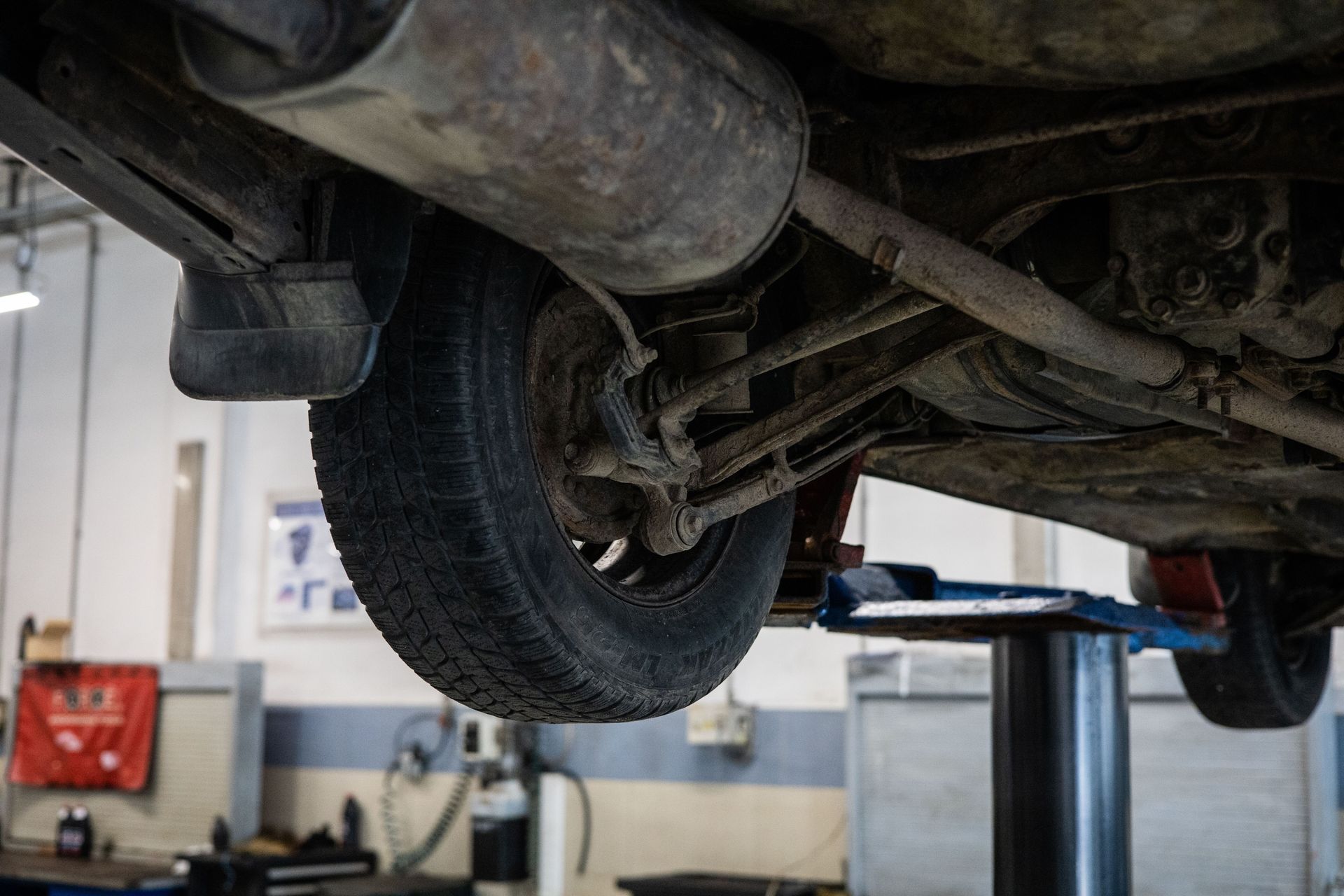
When most drivers think about vehicle safety, they picture airbags, anti-lock brakes, or advanced driver-assist systems. While those features are essential, there is one component that plays a more fundamental role in keeping you safe on the road: your tires. Tires are the only part of your vehicle that makes direct contact with the pavement. Every aspect of acceleration, braking, steering, and stability depends on four relatively small contact patches connecting your car to the road.
At Raymond’s Tire Shop, we believe drivers often underestimate just how critical their tires are to overall safety. Understanding their importance can help you make smarter maintenance decisions and prevent avoidable accidents.

Traction: The Foundation of Control
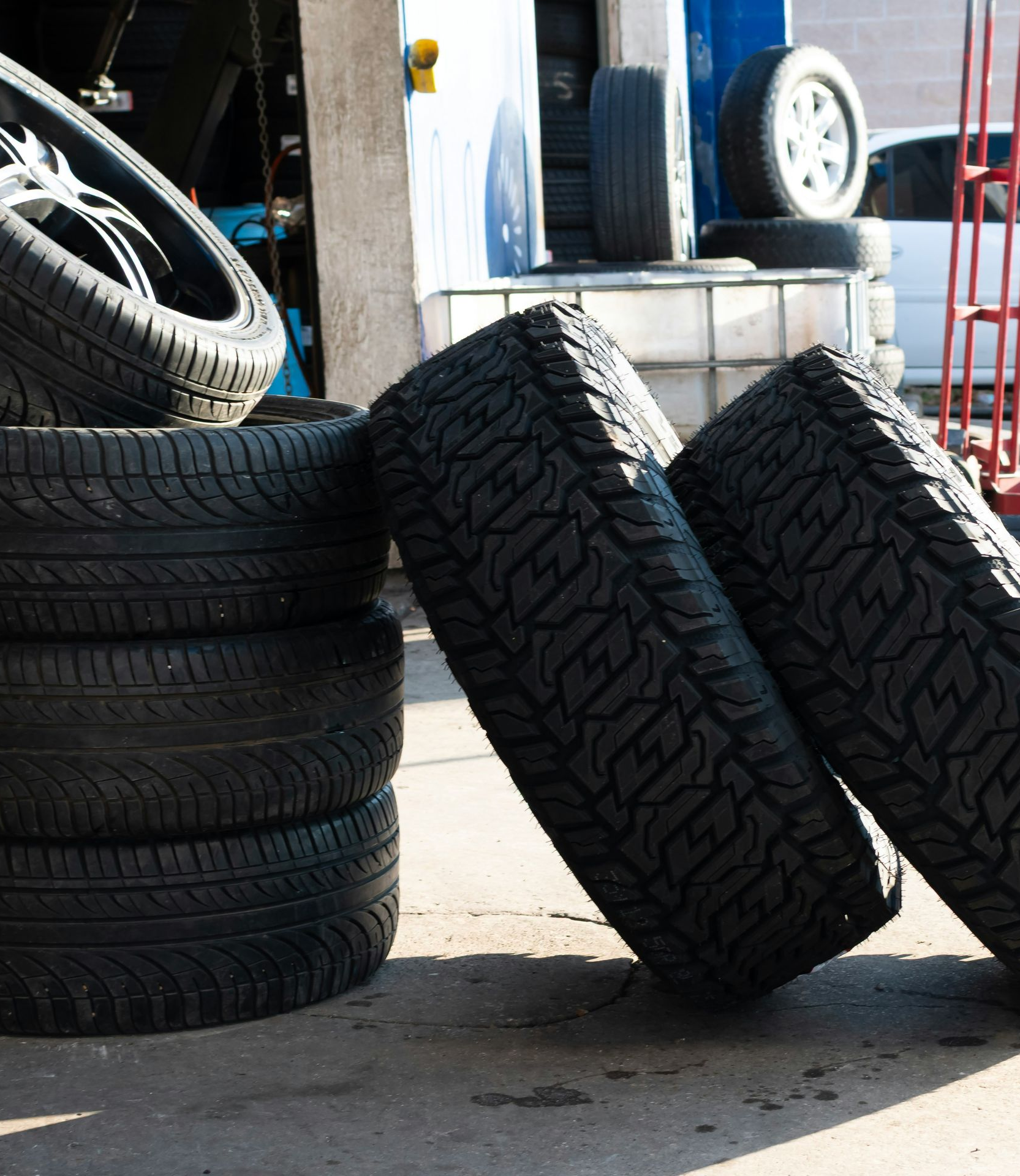
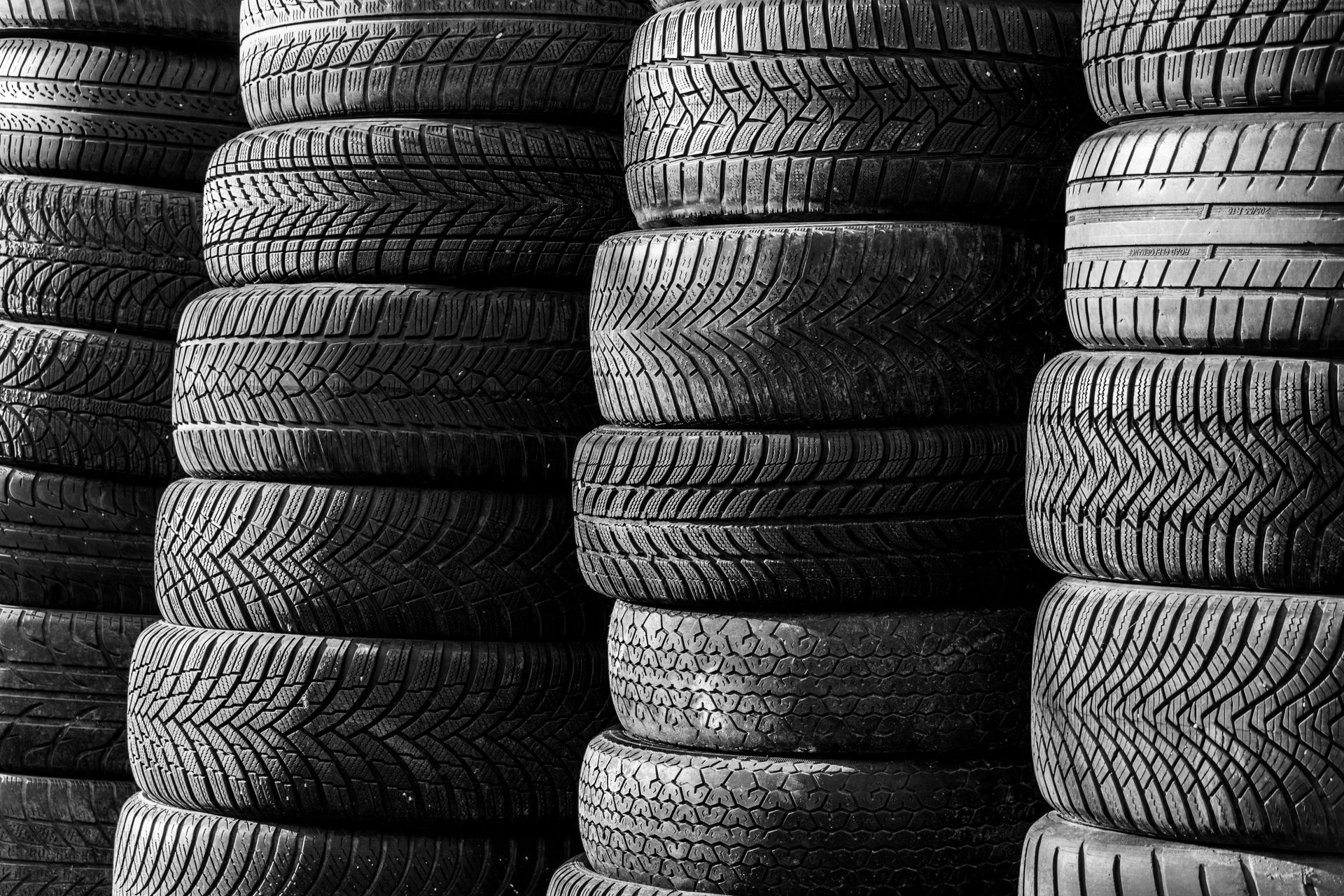
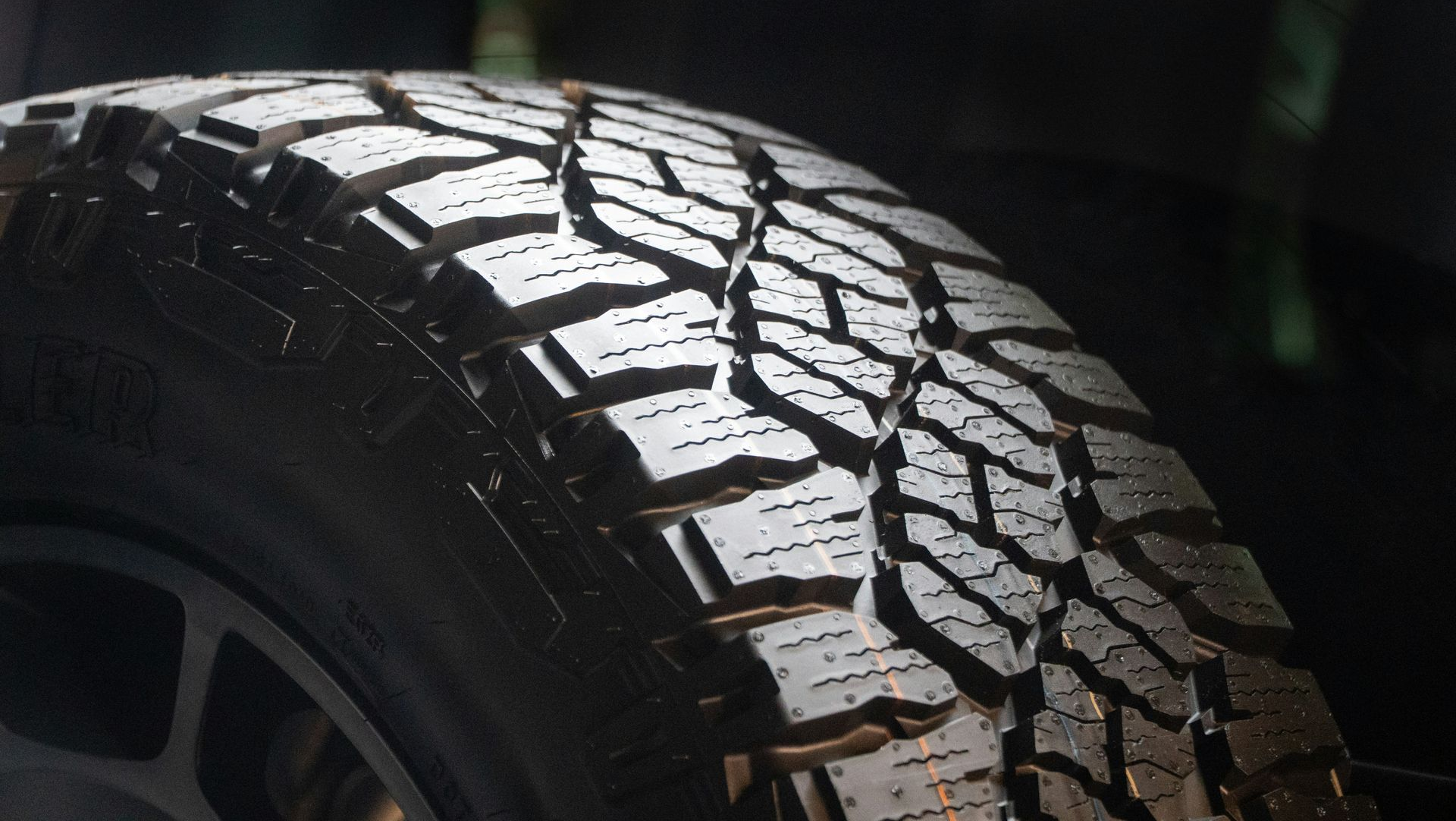
Traction is what allows your vehicle to grip the road. Without adequate traction, even the most advanced braking and stability systems cannot function effectively. Tires are engineered with tread patterns and rubber compounds specifically designed to maximize grip under different conditions.
As tread depth decreases, traction declines. On dry pavement, worn tires reduce braking efficiency. On wet roads, shallow tread cannot channel water away effectively, increasing the risk of hydroplaning. When a vehicle hydroplanes, it temporarily loses contact with the road surface, which means the driver loses steering and braking control.
Maintaining proper tread depth is one of the simplest and most important safety measures a driver can take.

Braking Distance and Emergency Response
In an emergency, every foot of stopping distance matters. Worn or improperly inflated tires can significantly increase the distance it takes to bring a vehicle to a stop.
Tire tread works by gripping the road and dispersing water. As tread wears down, the tire’s ability to create friction diminishes. This can add critical distance to your braking performance, especially during rain or sudden stops.
Even modern anti-lock braking systems rely on tire grip to function properly. If the tires cannot maintain traction, the system cannot perform at its full capability.
Steering and Stability
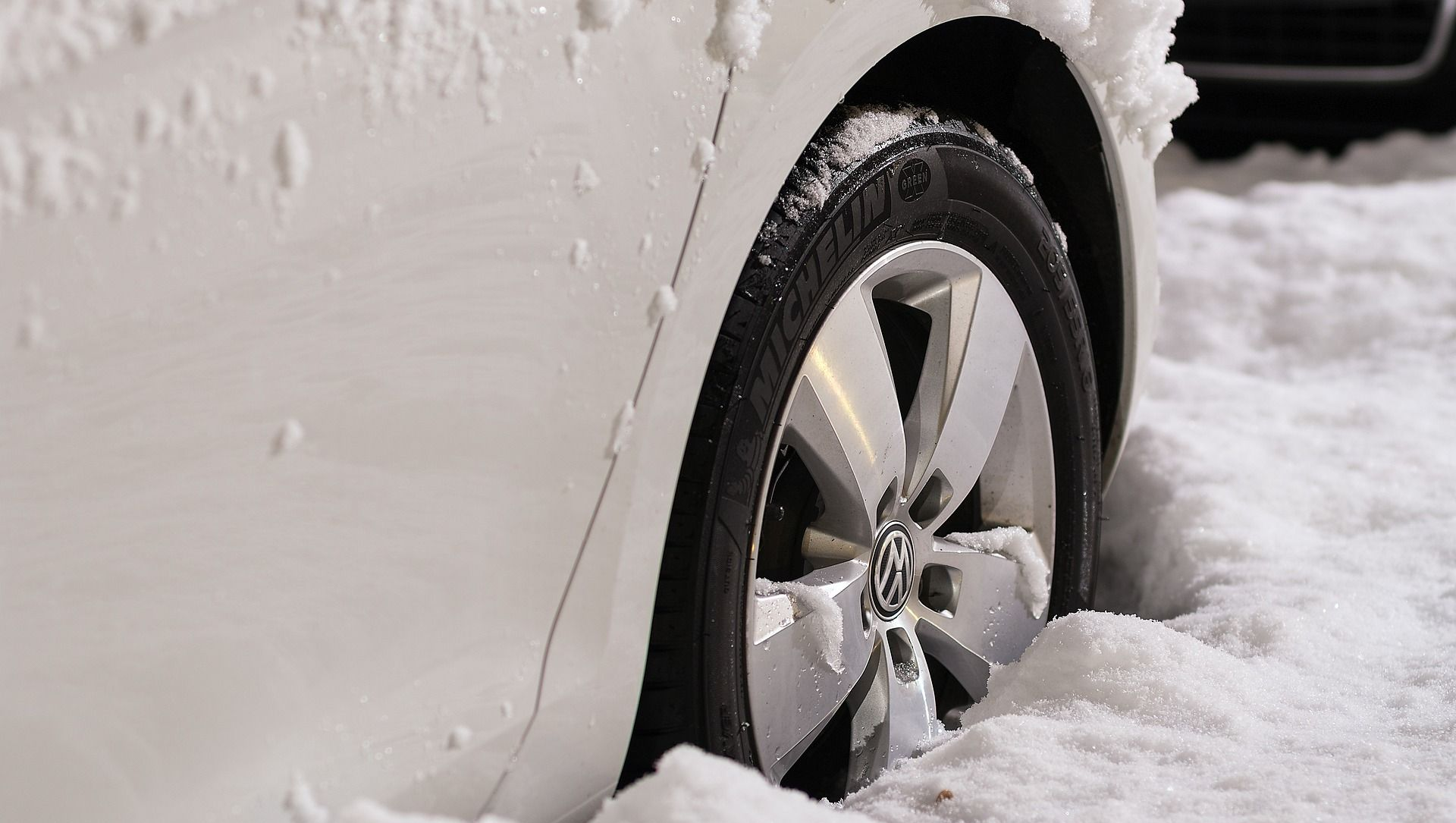
Steering precision also depends on tire condition. Tires with uneven wear, incorrect air pressure, or internal damage can cause your vehicle to pull to one side or feel unstable during turns.
Cornering places additional stress on the outer edges of tires. If tread is worn or sidewalls are weakened, your vehicle may not respond predictably when maneuvering. This becomes particularly dangerous during evasive driving situations.
Regular inspections and proper tire rotations help ensure even wear, maintaining balanced performance across all four tires.
Proper Inflation Is Essential
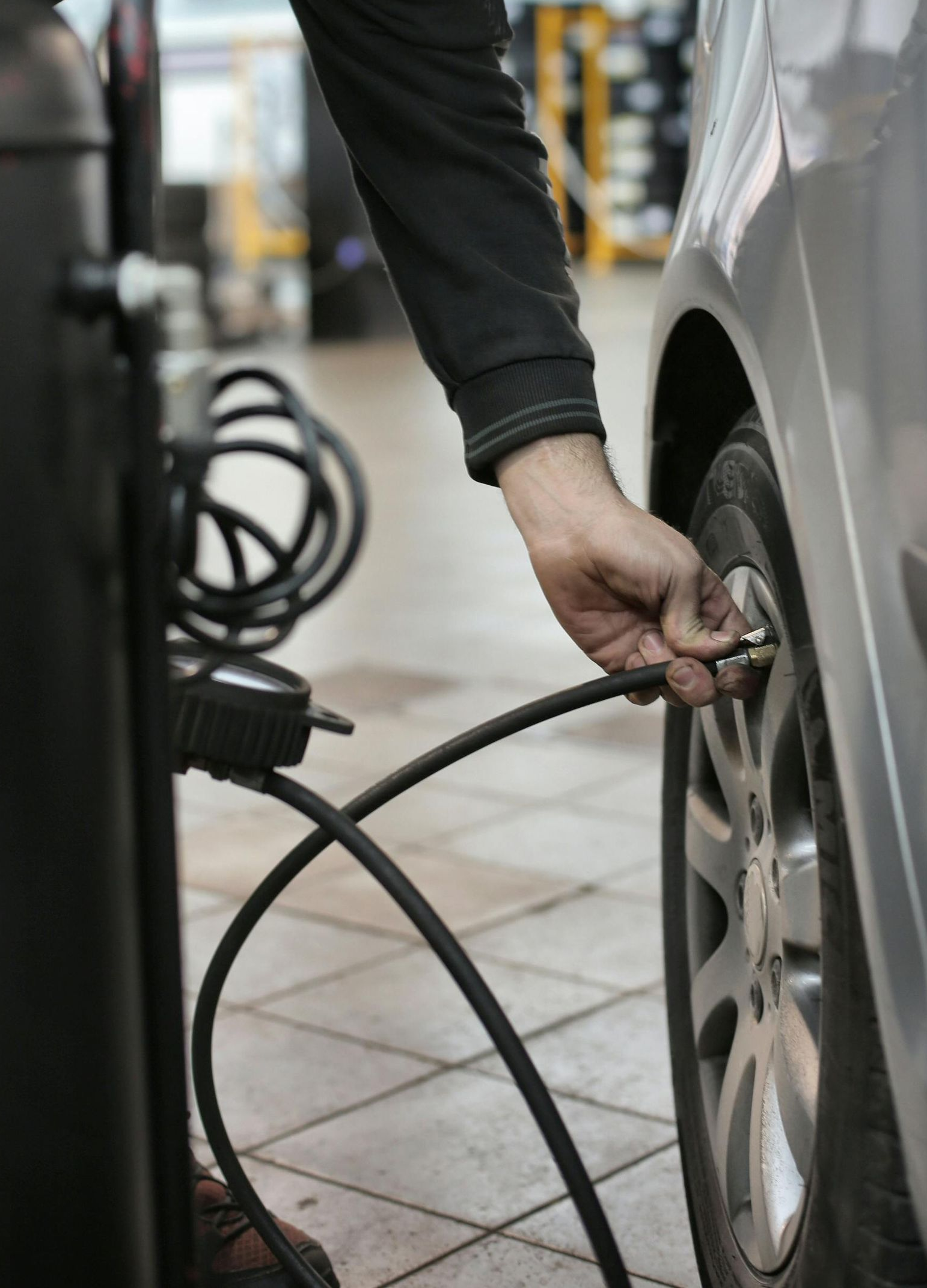
Underinflated tires create excessive heat due to increased friction. Over time, this heat can weaken internal structures and increase the risk of blowouts. Underinflation also reduces fuel efficiency and accelerates tread wear.
Overinflated tires present their own risks. They reduce the contact area with the road, decreasing traction and increasing susceptibility to impact damage from potholes or debris.
Checking tire pressure monthly and adjusting it according to manufacturer recommendations helps maintain optimal performance and safety.
The Role of Professional Maintenance
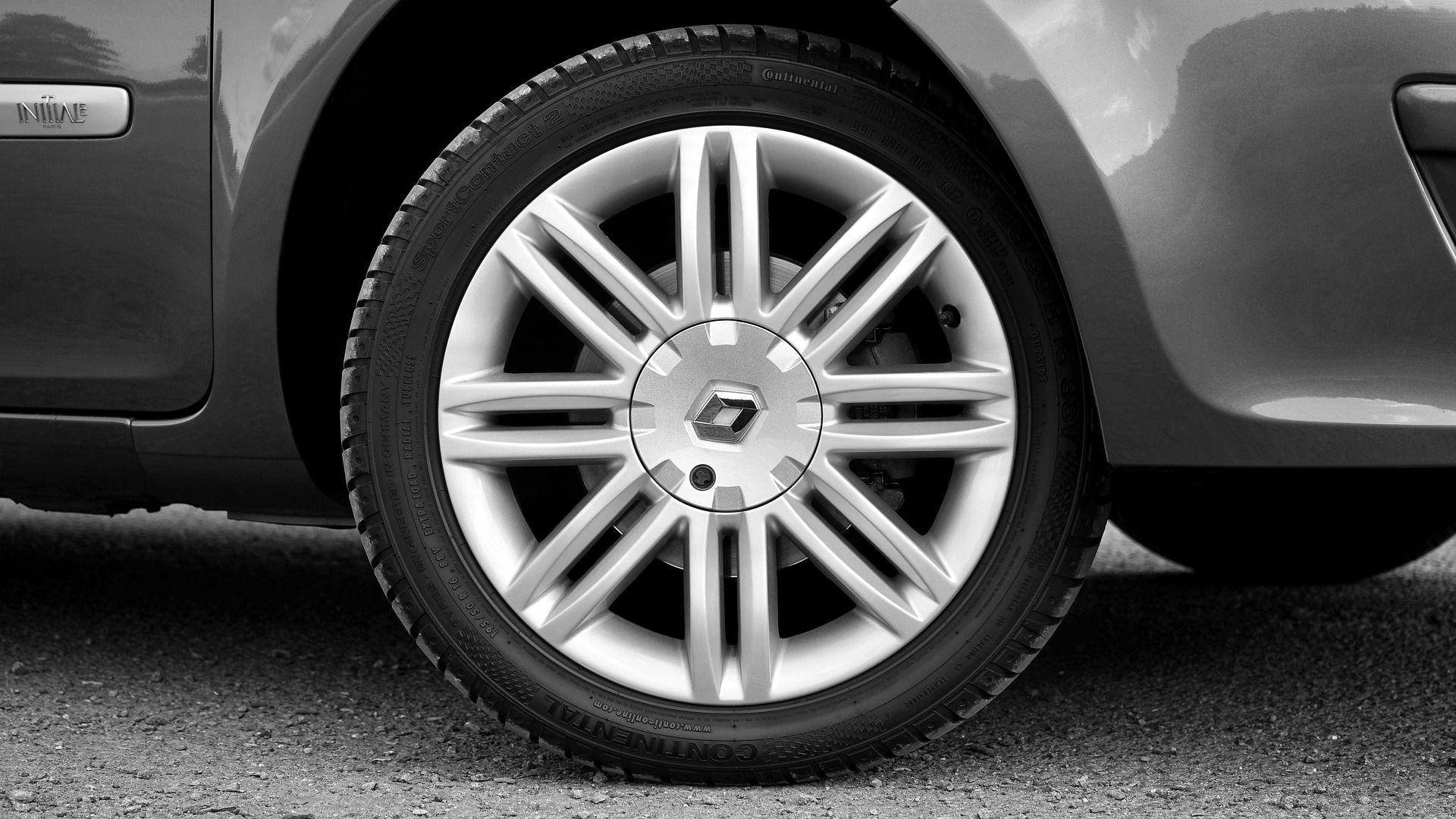
Tire safety is not just about replacing worn tires. It also involves:
- Regular tire rotations
- Wheel balancing
- Proper alignment
- Inspecting for punctures or sidewall damage
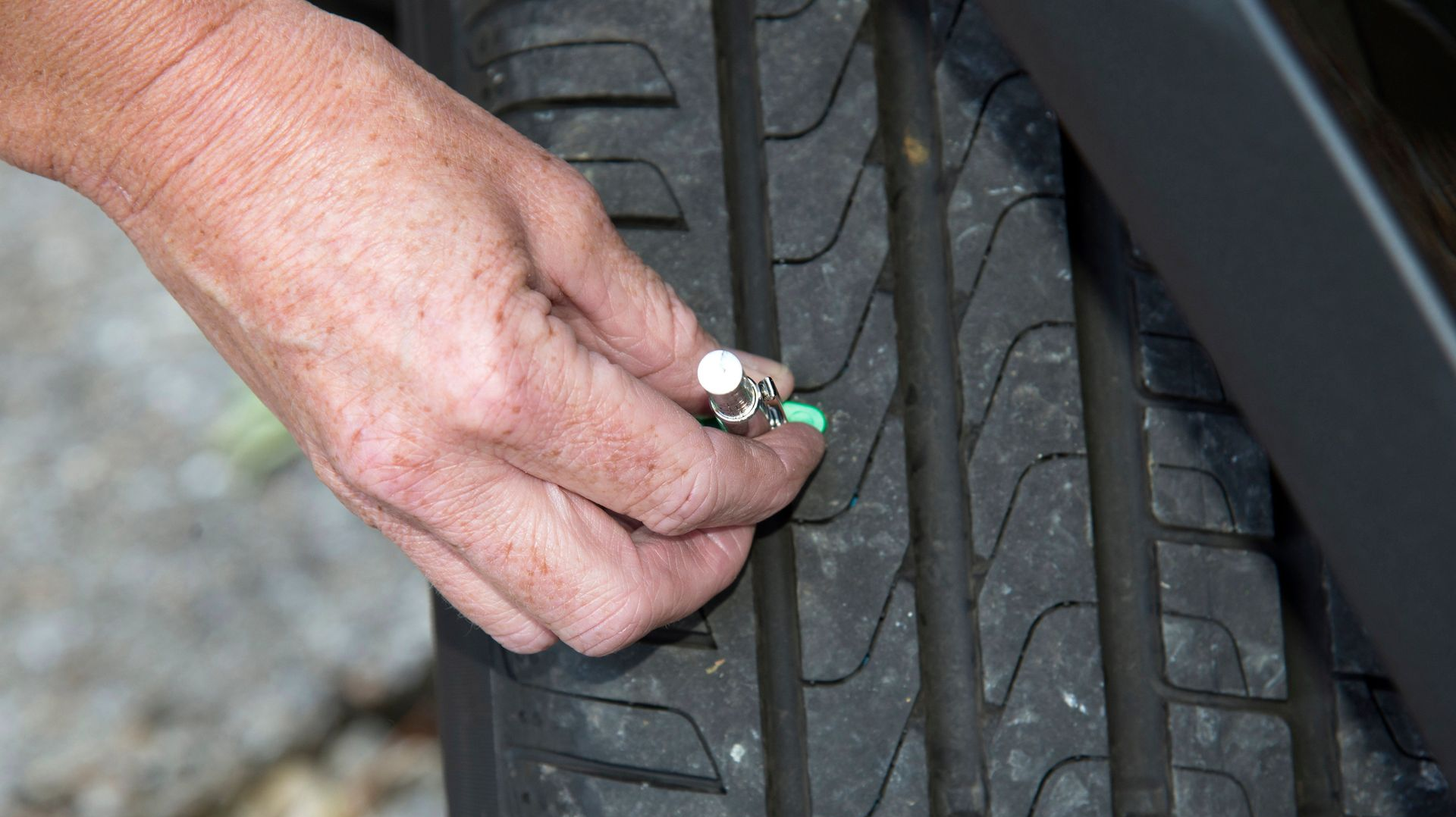
- Monitoring tread depth
Ignoring these maintenance steps can shorten tire lifespan and compromise safety.
At Raymond’s Tire Shop, we provide comprehensive tire services designed to protect drivers and extend tire performance. From inspections to professional installations, we ensure that every tire leaving our shop is mounted, balanced, and ready for safe operation.
Small Components, Big Responsibility
Tires may not seem as technologically complex as other vehicle systems, but they are arguably the most important safety feature on your car. They determine how effectively your vehicle accelerates, turns, and stops. They influence fuel efficiency, ride comfort, and overall control.
When tires are properly maintained, they provide predictable handling and reliable performance. When neglected, they can become a hidden hazard.
Prioritizing tire care is one of the smartest decisions a driver can make. At Raymond’s Tire Shop, we are committed to helping drivers stay safe by ensuring their tires are ready for whatever the road brings.