5 señales de que tus neumáticos necesitan servicio
Mantente seguro y ahorra más
Tus neumáticos son la única parte de tu vehículo que está en contacto con la carretera, lo que significa que desempeñan un papel directo en la seguridad, el manejo y la eficiencia del combustible. Con el tiempo, incluso los mejores neumáticos se desgastan y pierden rendimiento. Reconocer las señales tempranas de que tus neumáticos necesitan mantenimiento puede prevenir problemas más graves, prolongar su vida útil y ahorrarte dinero a largo plazo. En Raymond’s Tire Shop en Boston, ayudamos a los conductores a mantener sus neumáticos balanceados, alineados, rotados y correctamente inflados para una conducción suave y eficiente en todas las estaciones.
1. Desgaste irregular de la banda de rodadura
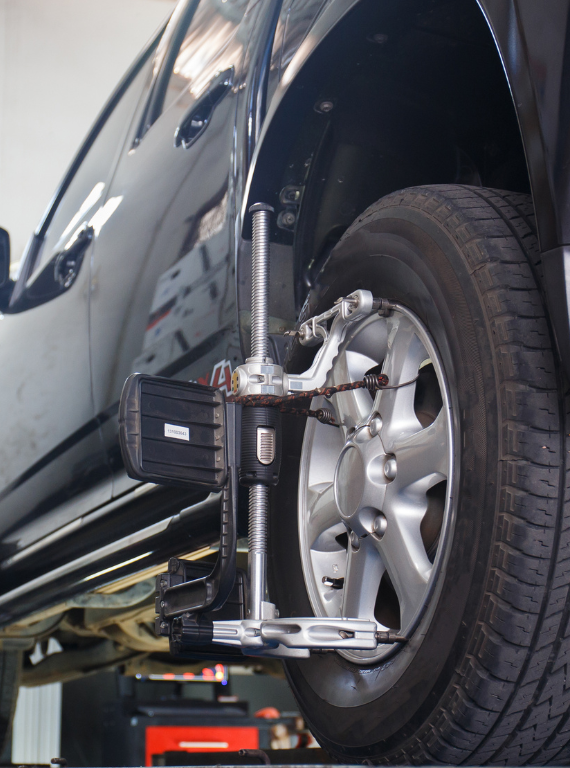
El desgaste desigual es una de las señales más comunes de que tus neumáticos necesitan atención profesional. Si un lado del neumático parece más desgastado que el otro, esto puede indicar un alineamiento incorrecto o problemas de suspensión. Cuando los neumáticos están desalineados, no descansan de manera uniforme sobre la carretera, lo que hace que ciertas secciones de la banda de rodadura se desgasten más rápido.
Esto no solo acorta la vida útil de los neumáticos, sino que también afecta el manejo del vehículo. Si notas que tu coche tira hacia un lado o que el volante vibra, es momento de programar un alineamiento de ruedas. El servicio regular de alineación ayuda a mantener los neumáticos en contacto uniforme con la carretera, mejorando tanto la seguridad como la eficiencia del combustible.

2. Vibración durante la conducción
Sentir vibración en el volante o en el piso del vehículo puede ser un signo de que tus neumáticos están desbalanceados. Cada conjunto de rueda y neumático tiene una distribución de peso ligeramente diferente. Con el tiempo, pequeños desequilibrios pueden generar vibraciones perceptibles, especialmente a altas velocidades.
El balanceo de neumáticos corrige este problema asegurando que el peso del conjunto rueda-neumático se distribuya de manera uniforme. Cuando tus neumáticos están correctamente balanceados, experimentarás una conducción más suave, menor desgaste en los componentes de la suspensión y mayor comodidad al volante.
3. Baja presión de los neumáticos
Mantener la presión adecuada de los neumáticos es esencial para la seguridad y la eficiencia de combustible. Los neumáticos con poca presión generan fricción y calor excesivos, lo que provoca desgaste prematuro y disminuye el rendimiento de combustible. Por otro lado, los neumáticos con sobrepresión reducen la tracción y aumentan el riesgo de reventón.
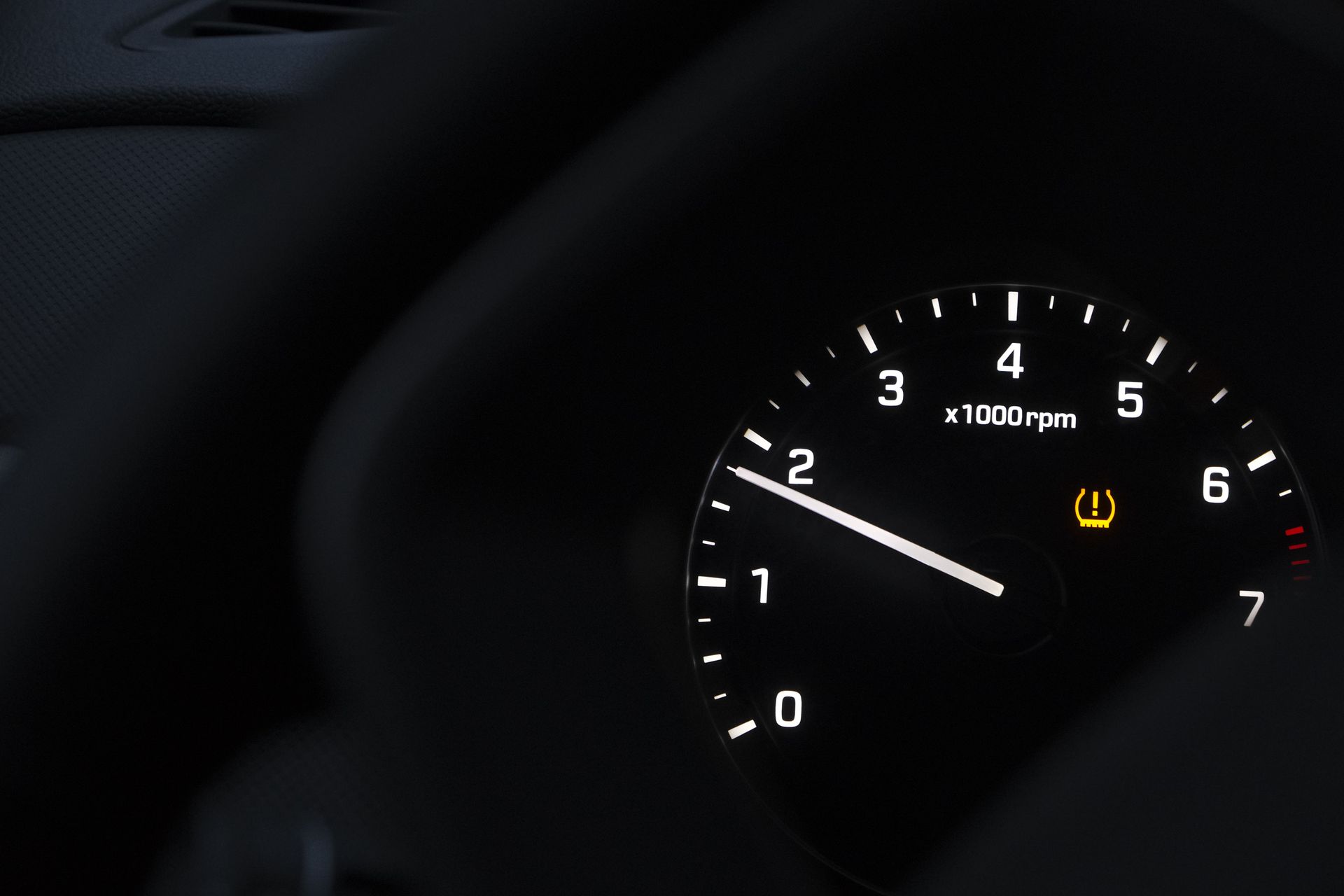
Revisar la presión de los neumáticos mensualmente o antes de viajes largos ayuda a mantener un rendimiento óptimo. La mayoría de los vehículos cuentan con un sistema de monitoreo de presión, pero aún es recomendable verificarla con un manómetro manual. En Raymond’s Tire Shop, realizamos verificaciones rápidas y ajustes de inflado para ayudar a los clientes a mantener el equilibrio ideal entre comodidad, control y eficiencia.
4. El vehículo se desvía o tira hacia un lado
Si tu coche se desvía hacia un lado mientras conduces en una carretera recta, tus neumáticos pueden necesitar alineación o rotación. Con el tiempo, los neumáticos se desgastan de manera diferente según su posición en el vehículo. La rotación regular de los neumáticos —generalmente cada 8,000 a 11,000 km (5,000 a 7,000 millas)— ayuda a garantizar que los cuatro neumáticos se desgasten de manera uniforme, prolongando su vida útil y manteniendo una tracción equilibrada.
Rotar los neumáticos también mejora la maniobrabilidad y el rendimiento de frenado. Negligir este servicio rutinario puede provocar patrones de desgaste irregulares y la necesidad de un reemplazo prematuro de los neumáticos.
5. Disminución de la eficiencia de combustible
Si notas que estás llenando el tanque de gasolina con más frecuencia de lo habitual, tus neumáticos podrían ser la causa. Los neumáticos desalineados, desbalanceados o mal inflados hacen que el motor trabaje más, consumiendo más combustible para mantener la velocidad. Los estudios muestran que mantener la presión correcta de los neumáticos por sí solo puede mejorar el rendimiento de combustible hasta en un 3 %, lo que se traduce en ahorros significativos con el tiempo.
Cuando los cuatro neumáticos están en buen estado de funcionamiento, el vehículo rueda más suavemente y requiere menos energía para moverse. Esto no solo ahorra dinero en combustible, sino que también reduce el desgaste de otros componentes del vehículo.
Cuándo es momento de reemplazarlos
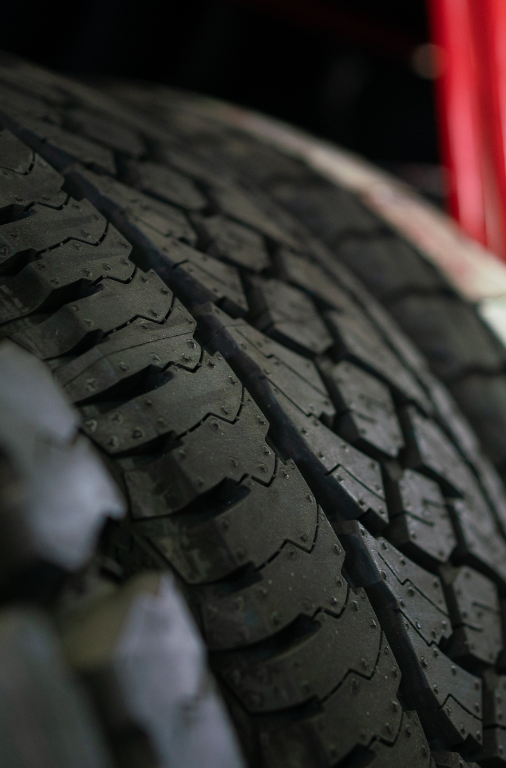
El mantenimiento regular puede prolongar la vida útil de los neumáticos, pero incluso los mejores cuidados no pueden evitar el desgaste natural. Si tus neumáticos presentan profundidad de banda de rodadura baja, grietas visibles o pérdida frecuente de presión, la sustitución puede ser la opción más segura. Conducir con neumáticos desgastados aumenta la distancia de frenado y el riesgo de reventones, especialmente en carreteras mojadas o heladas.
En Raymond’s Tire Shop, ofrecemos una amplia selección de neumáticos de alta calidad de marcas confiables, instalación profesional y asesoramiento experto para ayudarte a elegir el conjunto adecuado según tus hábitos de conducción y las condiciones locales. Tanto si tus neumáticos necesitan servicio como reemplazo, nuestro equipo está aquí para garantizar que conduzcas de manera segura y eficiente durante todas las estaciones cambiantes de Boston.