Get Your Tires Ready for Winter

Boston Winter Driving Made Safer

Boston winters are not for the faint of heart. Between freezing rain, icy roads, and sudden snowstorms, driving during the colder months can quickly turn from routine to risky. Your tires are the first line of defense against these conditions, and if they are not in top shape, even the most experienced driver can lose control on slick pavement. Preparing your tires before the worst weather arrives is one of the most effective ways to stay safe and avoid costly damage. At Raymond’s Tire Shop, we help drivers across Boston get ready for winter with expert tire inspections, replacements, and maintenance services that keep vehicles reliable when temperatures drop.

Bridge over frozen water in Boston with people walking. Buildings and yellow trees in background.

How Winter Conditions Affect Tires

Cold weather has a direct impact on your tires’ performance. As temperatures fall, the air inside your tires contracts, causing pressure to drop. Underinflated tires reduce traction, increase rolling resistance, and make your vehicle harder to control, especially when turning or braking on icy roads.


In addition to low pressure, Boston’s mix of snow, slush, and road salt takes a toll on tire rubber. Salt and chemical de-icers can accelerate wear, and freezing conditions make rubber less flexible, decreasing grip on the road. When your tires are already worn or unevenly balanced, these problems compound, making it even more difficult to maintain traction and control.


The Dangers of Driving with Worn Tires

Driving with bad tires in winter is a serious safety risk. Bald or underinflated tires cannot channel water and slush away efficiently, which increases the likelihood of hydroplaning. Reduced tread depth also means less grip on ice, leading to longer stopping distances and greater chances of sliding during sudden braking.


In Boston’s unpredictable winter conditions, these risks are amplified. Black ice, snow drifts, and freezing rain can appear without warning. Without proper traction, even a short commute can turn into a dangerous situation. Maintaining your tires is not just about vehicle performance; it is about protecting yourself, your passengers, and everyone else on the road.
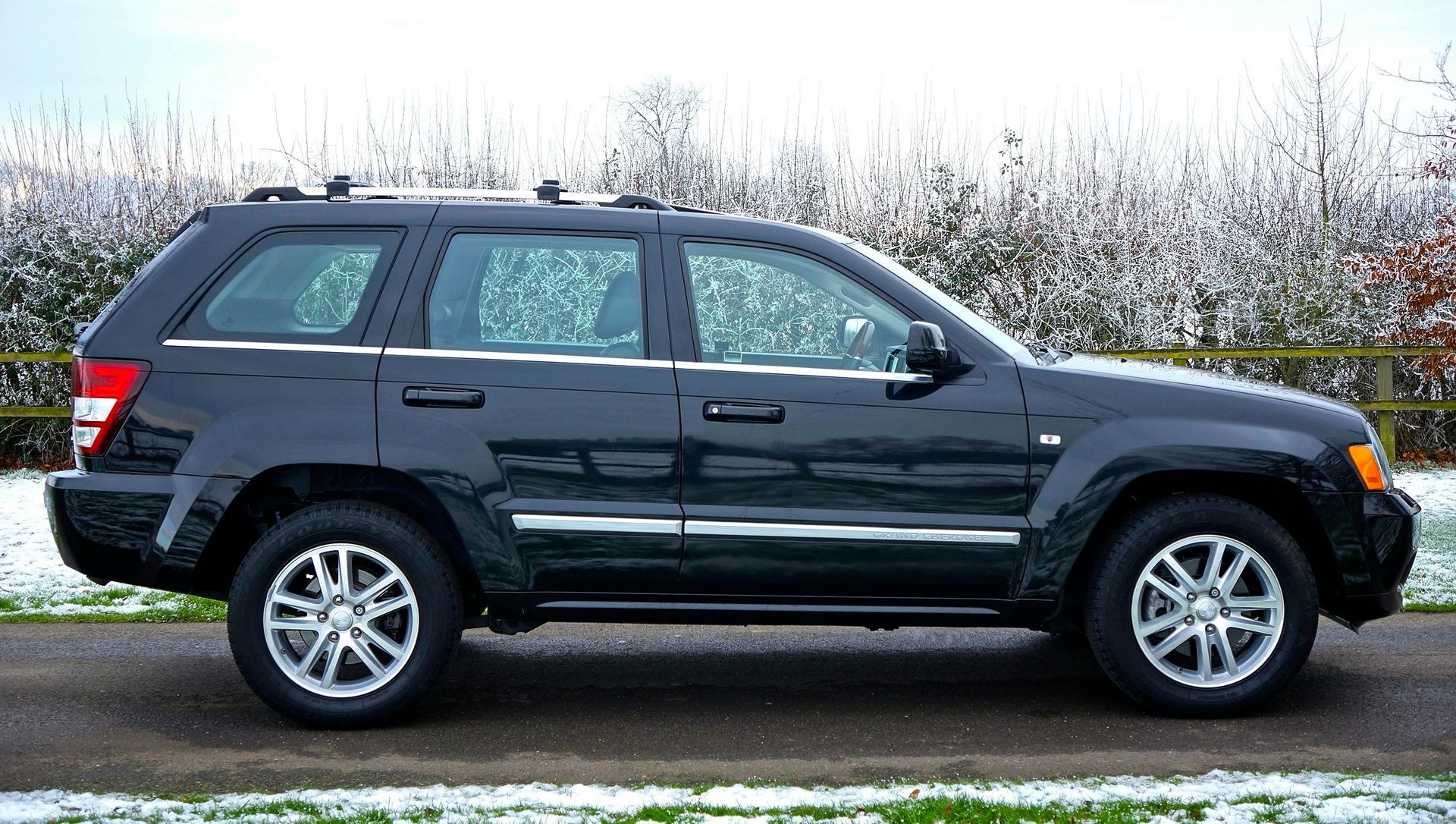
Dark gray Jeep Grand Cherokee parked on a road next to a snowy patch of grass and bushes.

Steps to Prepare Your Tires for Winter

  1. Inspect Tread Depth:
    Your tire tread is what grips the road, so it needs to be deep enough to handle snow and ice. Use a tread gauge or
    the penny test: if you can see the top of Lincoln’s head, it is time to replace the tire. For winter driving, deeper tread is always better.
  2. Check Tire Pressure Regularly:
    Air pressure decreases as temperatures drop. Check your tire pressure at least once a month, and always before long drives. Consult your vehicle’s manual for the recommended PSI and maintain that level consistently.
  3. Rotate and Balance Tires:
    Tire rotation ensures even wear, while balancing prevents vibrations and uneven traction. Both are essential for maintaining consistent control during winter driving.
  4. Consider Winter Tires:
    All-season tires can handle mild cold, but dedicated winter tires are engineered for snow and ice. Their softer rubber compounds remain flexible in low temperatures, and their deeper treads provide superior grip.
  5. Inspect for Damage:
    Look for cracks, bulges, or embedded objects. Even small punctures can lead to leaks that worsen in cold conditions.

Boston skyline at night, illuminated buildings reflected in harbor; snow-covered walkway with lit trees.

How Raymond’s Tire Shop Can Help

At Raymond’s Tire Shop, we know that preparation is the key to safe winter driving. Our technicians provide comprehensive tire inspections to assess tread depth, pressure, and overall condition. If your tires need replacing, we offer a wide selection of quality brands suited for Boston’s demanding winter roads.


We also provide rotation, balancing, and alignment services to ensure even wear and maximum traction. For drivers who want the best protection, we can help you choose and install winter tires designed specifically for cold-weather performance. Every service we perform is carried out with precision, ensuring your vehicle is ready to handle snow, slush, and ice with confidence.

Car driving at night in heavy snow.

Stay Safe This Winter

Tire maintenance may seem routine, but in winter, it can be the difference between arriving safely and losing control on an icy street. A little preparation now can prevent breakdowns, improve fuel efficiency, and give you peace of mind all season long.


Before the snow starts to fall, visit Raymond’s Tire Shop in Boston for a complete tire check and expert advice on winter readiness. Our team is here to help you stay safe, save money, and enjoy a smoother ride, no matter how harsh the weather gets.


Streetcar stopped at a station on a snow-covered street; cars and buildings in the background.
Tall evergreen trees in a snowy forest. Sunlight streams through the trees.
Snowy park scene with yellow-leafed trees under a partly cloudy blue sky. Footprints in the snow.
Snowy city street lined with brick buildings, parked cars, and a
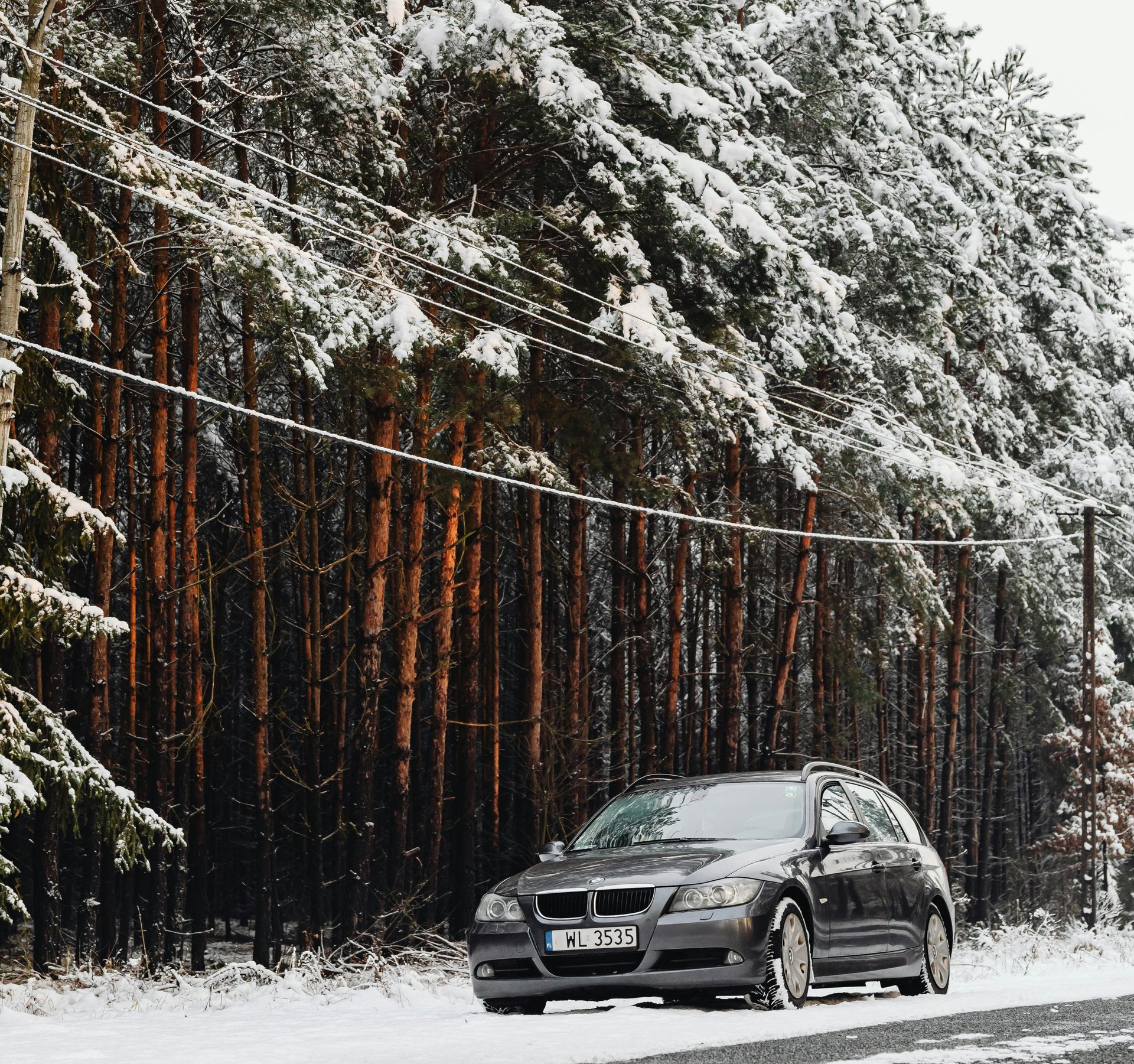
Gray car on a snow-covered road in front of a forest of pine trees.
August 23, 2026
A pothole impact can feel like a quick jolt, but the forces involved can affect several parts of the tire and wheel assembly. The faster the vehicle is moving, the less time the tire has to absorb the impact. In some cases, the damage is immediately obvious. In others, problems may not become noticeable until later. Raymond’s Tire Shop helps drivers inspect tires, wheels, balancing, and alignment after hard road impacts. Understanding what can happen during a pothole strike can make it easier to recognize when a tire needs professional attention. The Tire Is Compressed Extremely Quickly When a tire drops into a pothole and strikes the far edge, the sidewall and tread can be compressed between the road and the wheel. Tires are designed to flex, but a severe impact can exceed what the internal structure can safely absorb.  The risk can be greater when tire pressure is too low because there is less air cushioning between the road surface and the wheel. However, even a properly inflated tire can be damaged by a deep pothole at sufficient speed.
August 16, 2026
Tires are one of the most important safety components on any vehicle because they are the only parts that maintain direct contact with the road. As tires wear, their ability to grip pavement, channel water, and respond predictably can gradually decline. The challenge is that unsafe tire conditions are not always obvious until performance has already been affected.  Raymond’s Tire Shop helps drivers evaluate tread wear, tire damage, pressure issues, alignment problems, and other conditions that can affect tire safety. Knowing what to look for can help you recognize when a tire needs professional attention or replacement.
August 7, 2026
Most drivers think of tires simply as the round rubber components that allow a vehicle to roll down the road. In reality, tires are sophisticated pieces of engineering that perform several essential functions every time a vehicle is in motion. They support the weight of the vehicle, transmit steering and braking forces, absorb road irregularities, and maintain traction in changing driving conditions. Every acceleration, turn, and stop depends on these four small contact patches where the tires meet the road.  Understanding the primary functions of a tire helps drivers appreciate why routine maintenance and timely replacement are so important. Raymond’s Tire Shop helps customers choose quality tires and maintain them properly so their vehicles continue to perform safely and efficiently throughout the life of the tire.
July 31, 2026
Understanding how your tires interact with wet pavement is one of the most important parts of safe driving. While most drivers know that rain can make roads slippery, fewer understand how hydroplaning occurs or why it can cause a vehicle to suddenly lose traction. Knowing what causes hydroplaning—and how proper tire maintenance can reduce the risk—can help you stay safer during wet weather.  At Raymond’s Tire Shop, we believe that informed drivers make safer decisions. Keeping your tires in excellent condition is one of the best ways to improve vehicle performance when road conditions are less than ideal.
July 23, 2026
Your tires are one of the hardest-working components of your vehicle. They provide traction, support your vehicle’s weight, absorb impacts from the road, and help you maintain control in a wide range of driving conditions. Because they experience constant wear, replacing tires is an expected part of vehicle ownership. However, proper maintenance can help maximize their lifespan, improve performance, and save you money over time. Many of the factors that affect tire longevity are within a driver’s control. By following a few simple maintenance practices, you can help your tires wear more evenly and perform as intended throughout their service life.
July 17, 2026
Your tires are the only part of your vehicle that remains in constant contact with the road, making them one of the most important components for safety, performance, and fuel efficiency. While many drivers remember to check their oil or schedule routine maintenance, tire pressure is often overlooked until a problem develops.  Maintaining proper tire inflation is one of the simplest and most effective ways to extend the life of your tires. It takes only a few minutes to check your tire pressure, yet this small maintenance task can help improve vehicle performance and protect your investment over the long term.