A conexão entre a saúde dos pneus e o consumo de combustível

O fator oculto no consumo de combustível

Quando os motoristas pensam em economizar combustível, geralmente se concentram no tamanho do veículo, no desempenho do motor ou nos hábitos de condução. Embora esses fatores sejam importantes, uma das maneiras mais simples e eficazes de melhorar a economia de combustível é cuidar bem dos pneus. Pneus em bom estado reduzem a resistência ao rolamento, melhoram a dirigibilidade e garantem que os veículos operem com a máxima eficiência. Na Raymond’s Tire Shop, ajudamos nossos clientes a proteger tanto os pneus quanto o bolso, mostrando como a manutenção regular resulta em economia de combustível mensurável.


O que é resistência ao rolamento?

Resistência ao rolamento é a quantidade de energia necessária para manter um pneu em movimento a uma velocidade constante. Pneus murchos, gastos ou desalinhados criam mais resistência, forçando o motor a trabalhar mais. Quanto mais o motor trabalha, mais combustível ele consome. Em contrapartida, pneus bem calibrados e bem cuidados reduzem a resistência ao rolamento, ajudando os veículos a percorrerem mais distância com a mesma quantidade de combustível.
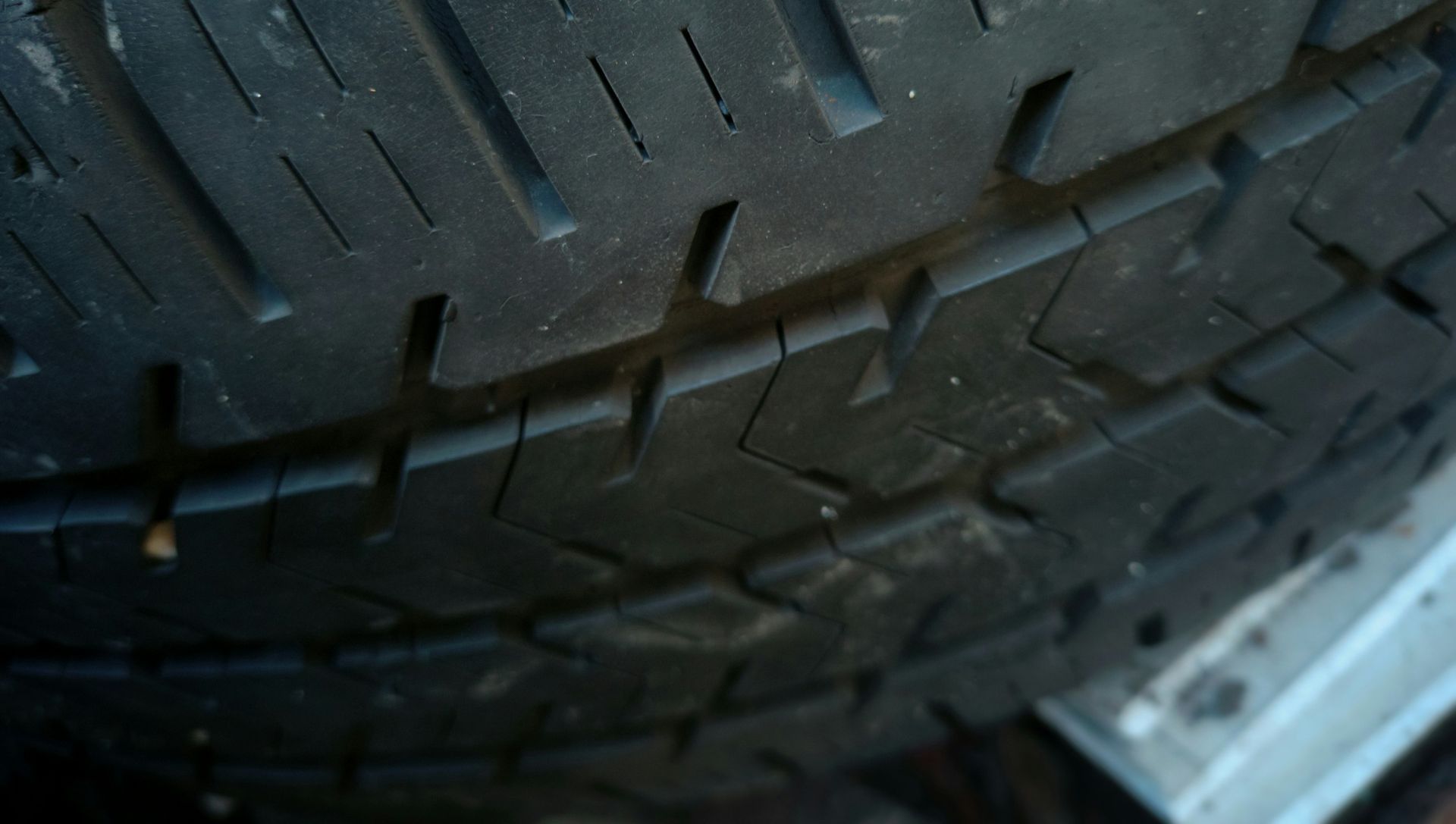
Close-up of a worn black tire with visible treads.

Pressão dos pneus e eficiência do combustível

Manter a pressão correta dos pneus é uma das formas mais fáceis de melhorar o consumo de combustível. Segundo o Departamento de Energia dos EUA, manter os pneus devidamente calibrados pode melhorar a eficiência do combustível em até 3%. Embora esse número possa parecer pequeno, ele se acumula rapidamente, especialmente para motoristas que percorrem longas distâncias ou dirigem veículos maiores. Pneus murchos não só desperdiçam combustível como também se desgastam mais rápido, aumentando ainda mais os custos para o motorista.


Verificar a pressão dos pneus regularmente, especialmente durante as mudanças sazonais de temperatura, garante que permaneçam nos níveis recomendados pelo fabricante. Mesmo uma pequena queda de pressão nos quatro pneus pode aumentar o consumo de combustível.

Black luxury SUV with silver rims and a chrome grill.

Profundidade da banda de rodagem e tração

A banda de rodagem também afeta o consumo de combustível. Um desgaste irregular ou excessivo pode reduzir a tração, fazendo o motor trabalhar mais para manter a velocidade, principalmente em condições molhadas ou escorregadias. Em contrapartida, pneus com boa banda de rodagem mantêm contato constante com a estrada, maximizando a eficiência. Motoristas que monitoram a profundidade da banda e substituem os pneus antes que fiquem perigosamente gastos se beneficiam não apenas de uma condução mais segura, mas também de menor consumo de combustível.


Alinhamento e balanceamento

O alinhamento e o balanceamento das rodas têm papel importante na saúde dos pneus. Rodas desalinhadas causam desgaste irregular, o que aumenta a resistência e reduz a eficiência. Um mau alinhamento também pode puxar o veículo para fora da trajetória, exigindo correções constantes na direção que reduzem ainda mais a economia de combustível. Um alinhamento profissional garante desgaste uniforme dos pneus e desempenho ideal, prolongando sua vida útil e reduzindo os custos de combustível.
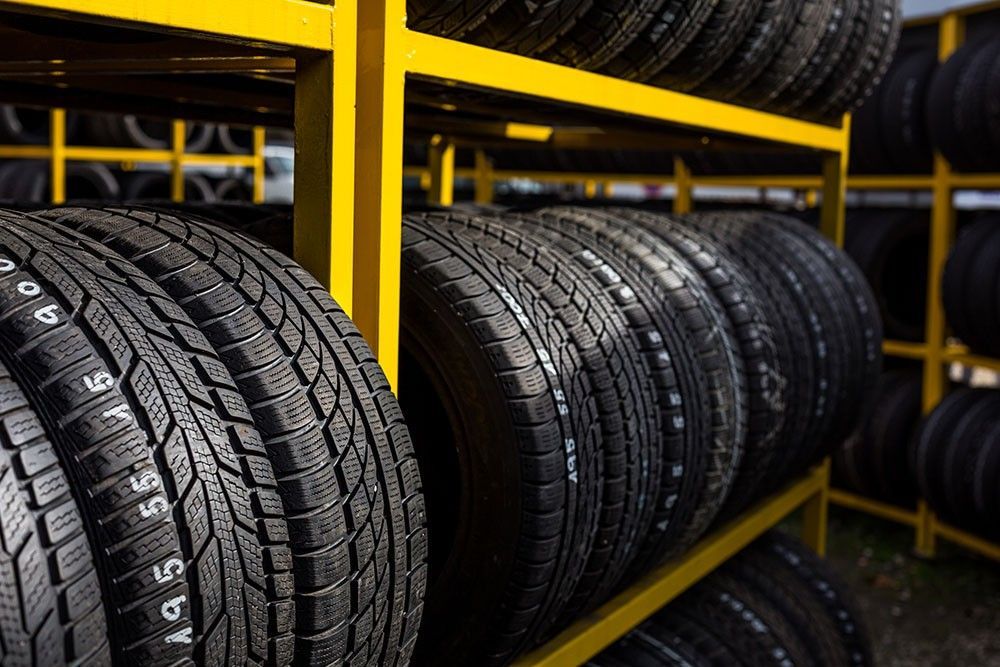
Tires stacked on yellow metal shelves, close up.

Escolher os pneus certos

A economia de combustível começa pelos pneus. Alguns modelos são projetados com menor resistência ao rolamento, ajudando os veículos a alcançar melhor quilometragem. Embora opções premium possam custar mais no início, muitas vezes oferecem economia a longo prazo por meio da redução do consumo de combustível e maior durabilidade da banda de rodagem. Na Raymond’s Tire Shop, orientamos os clientes na escolha dos pneus que atendam às suas necessidades, equilibrando desempenho, durabilidade e eficiência.


Economias a longo prazo

Pneus saudáveis geram um efeito positivo em todo o veículo. Menor resistência ao rolamento reduz o consumo de combustível, a calibragem adequada prolonga a vida útil dos pneus e o alinhamento correto previne reparos caros na suspensão. Juntos, esses benefícios tornam a manutenção dos pneus uma das estratégias mais econômicas para motoristas que desejam economizar ao longo da vida útil do veículo.
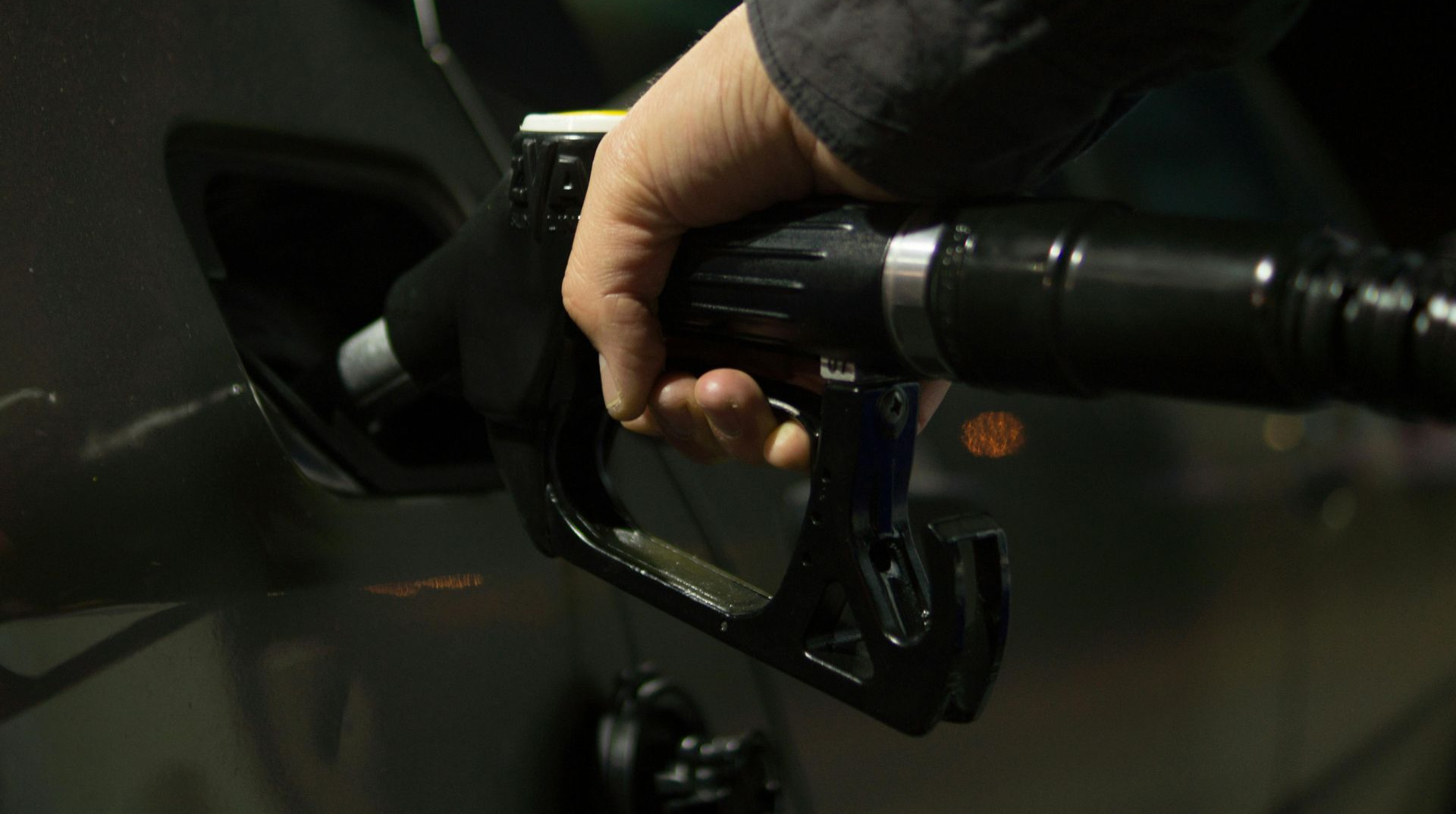
Hand holding a gas pump nozzle filling a car's fuel tank.

O papel do cuidado profissional

Embora os motoristas possam verificar a pressão e a banda de rodagem em casa, as oficinas profissionais oferecem a experiência e o equipamento necessários para maximizar a eficiência. De rodízios e alinhamentos até a recomendação de modelos de pneus mais eficientes, nossa equipe garante que os clientes obtenham o máximo valor de cada litro de combustível. Ao combinar manutenção de rotina com cuidados profissionais, os motoristas desfrutam de benefícios financeiros imediatos e de longo prazo.


Considerações finais

Os pneus fazem mais do que manter os veículos em movimento; eles desempenham um papel direto no consumo de combustível e nos custos operacionais gerais. Pressão correta, boa banda de rodagem e alinhamento profissional contribuem todos para melhor quilometragem e menores despesas. Para motoristas que desejam estender o rendimento do combustível, cuidar dos pneus é um passo essencial.


Na Raymond’s Tire Shop, estamos comprometidos em ajudar nossos clientes a economizar e dirigir com segurança. Com cuidados especializados e orientação profissional, garantimos que cada jogo de pneus ofereça máxima eficiência e desempenho.


Car being refueled at a gas station; a person's hand holds the green nozzle, filling the fuel tank.
Gas station with red canopy and Texaco sign at sunset.
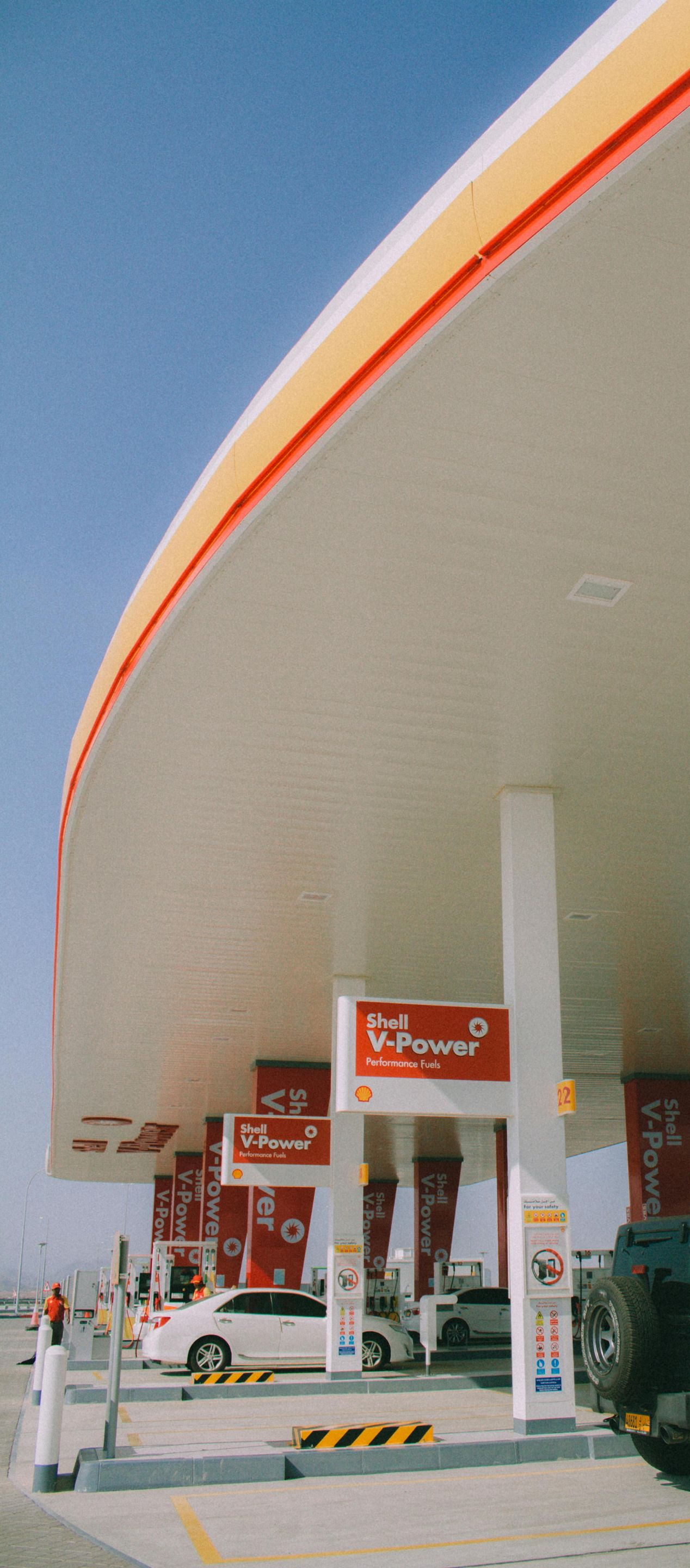
A Shell gas station canopy with cars filling up on a sunny day.
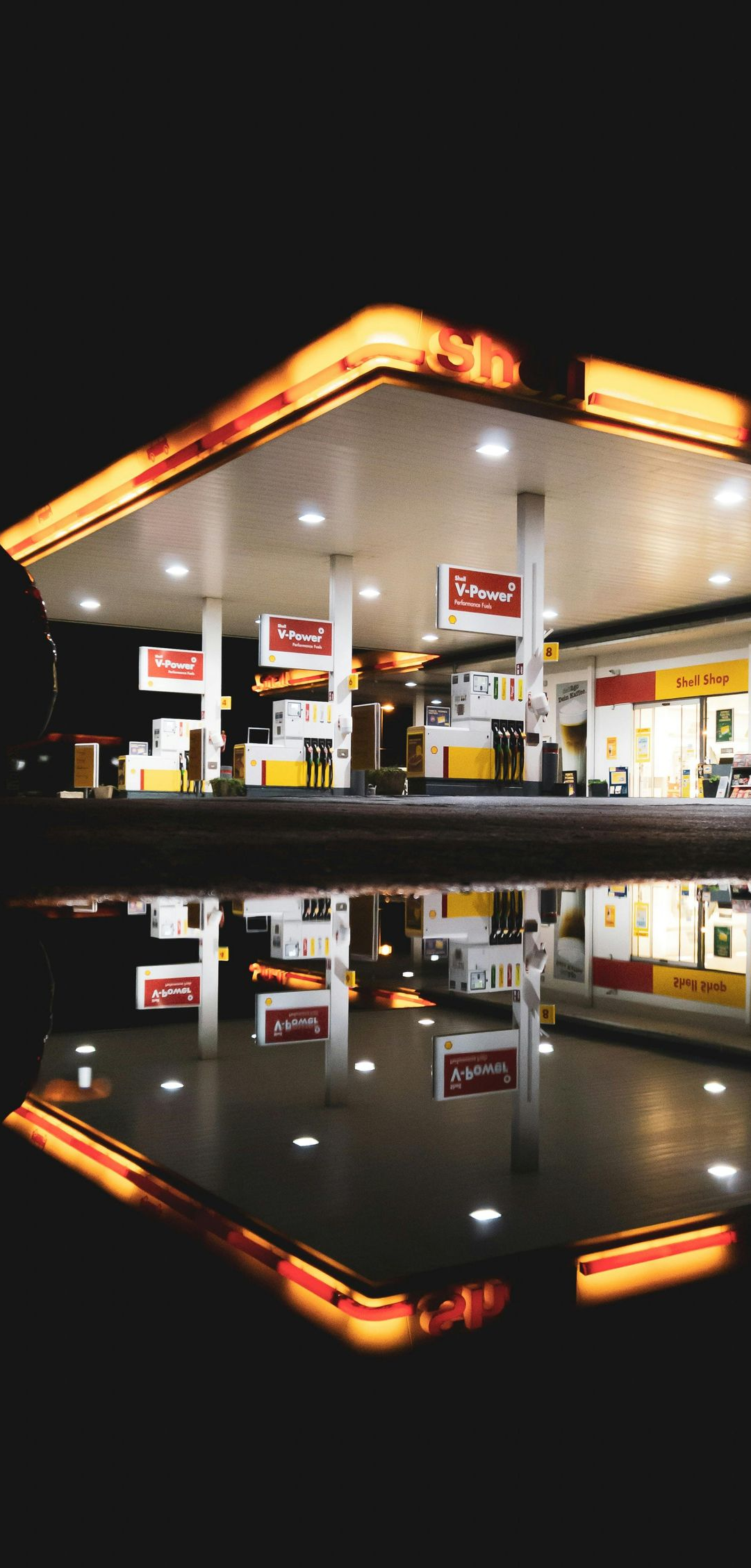
Gas station at night, illuminated with orange and white lights, reflected in a puddle.
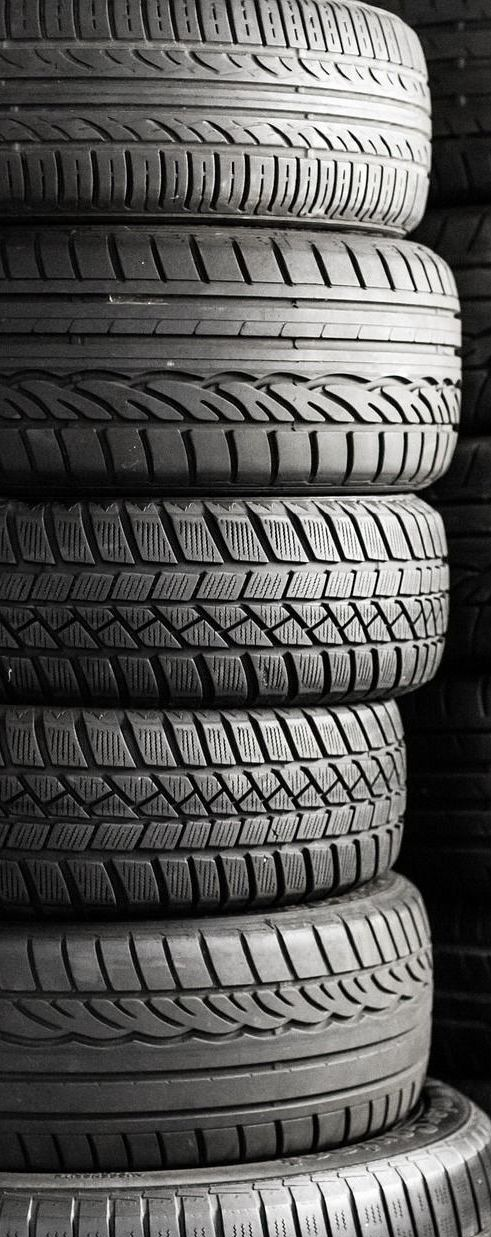
Stack of used tires in black and white.
September 23, 2026
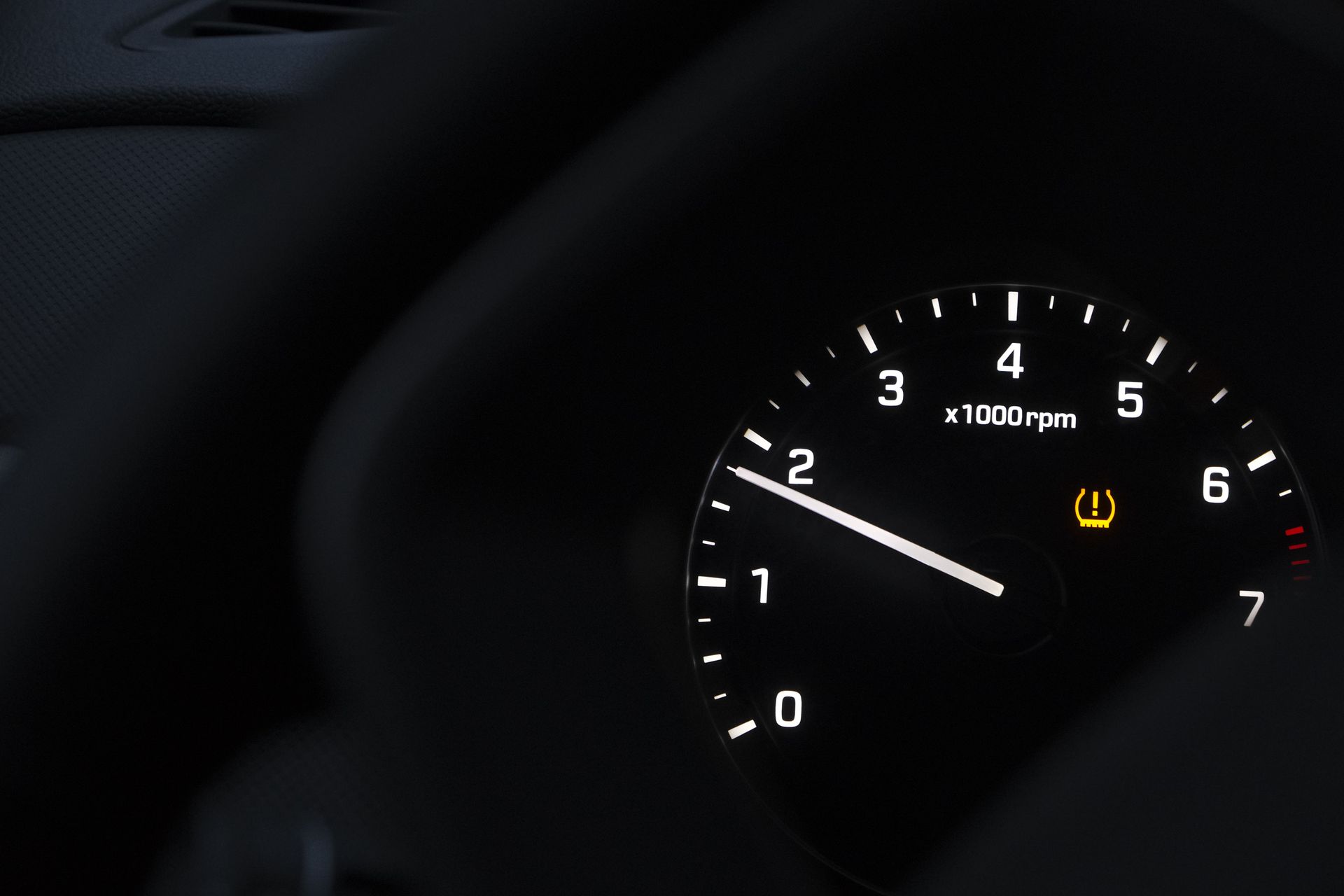
Most drivers are familiar with the tire pressure monitoring system , or TPMS, warning light. When it stays on steadily, it usually means one or more tires may be underinflated. A flashing TPMS light often means something different. Instead of simply warning about low tire pressure, a flashing light can indicate a problem with the monitoring system itself. That could involve a sensor, sensor battery, communication issue, or another TPMS-related fault.  Knowing the difference can help drivers avoid assuming that adding air will automatically solve the problem.
September 22, 2026
Tread depth is one of the first things drivers look at when deciding whether a tire still has life left. Deep grooves can make a tire appear healthy, especially if the vehicle is not driven very often. But tread is only part of the picture. Tires age even when they are not being used heavily. Over time, rubber compounds can harden, dry out, and become less flexible. That means an older tire may still have plenty of tread while no longer performing the way it did when it was newer. Rubber Changes With Age Tires are constantly exposed to oxygen, heat, sunlight, moisture, and changing temperatures. Those conditions gradually affect the rubber. As a tire ages, the material can lose some of its elasticity. That may reduce its ability to flex properly as it rolls and responds to the road. A tire that looks acceptable at a quick glance may therefore be significantly older than its appearance suggests. This is especially important for vehicles that accumulate very few miles each year.
September 11, 2026
A flat tire does not always mean the tire has to be replaced. In many cases, a small puncture can be repaired safely and returned to service. The key is where the puncture occurred, how large it is, and whether the tire suffered additional damage while losing air. That is why a professional inspection matters. Two punctures that lo ok similar from the outside may require completely different solutions once the tire is removed and examined internally. Location Matters Most One of the first things a technician looks at is where the puncture is located. Damage in the central tread area is often the best candidate for repair. This part of the tire is designed to handle contact with the road and can sometimes be repaired when the puncture is small and otherwise straightforward. Punctures near the shoulder or sidewall are much more concerning.  These areas flex significantly while the tire is moving and cannot usually be repaired safely using standard puncture-repair methods. If a nail, screw, or other object damages the sidewall or outer shoulder, replacement is often the safer option.
September 6, 2026
A wheel alignment can correct important steering and tire-angle settings, but the alignment itself depends on the suspension being in good mechanical condition. If ball joints, tie rods, control arm bushings, wheel bearings, or other components are worn, the wheels may not stay in the position the technician sets.  That is why some vehicles continue pulling , wearing tires unevenly, or developing an off-center steering wheel even after an alignment. In those cases, the problem may not be the alignment machine or the adjustment. It may be worn suspension or steering components underneath the vehicle.
August 28, 2026
When a tire repeatedly loses air but there is no obvious nail, screw, or visible puncture, the problem may be where the tire meets the wheel. This area is known as the tire bead, and a poor seal between the bead and the rim can allow air to escape gradually. Tire bead leaks are a common cause of slow pressure loss. Understanding why they happen can help drivers recognize when a tire needs professional inspection rather than repeatedly adding air. What Is the Tire Bead? The bead is the reinforced inner edge of the tire that sits tightly against the wheel rim. When a tire is properly mounted and inflated, air pressure helps hold the bead securely against the wheel, creating an airtight seal. If that sealing surface becomes damaged, dirty, corroded, or distorted, a small pathway can develop for air to escape.  Because these leaks may be very small, the tire can lose pressure over several days or weeks rather than going flat immediately.
August 23, 2026
A pothole impact can feel like a quick jolt, but the forces involved can affect several parts of the tire and wheel assembly. The faster the vehicle is moving, the less time the tire has to absorb the impact. In some cases, the damage is immediately obvious. In others, problems may not become noticeable until later. Raymond’s Tire Shop helps drivers inspect tires, wheels, balancing, and alignment after hard road impacts. Understanding what can happen during a pothole strike can make it easier to recognize when a tire needs professional attention. The Tire Is Compressed Extremely Quickly When a tire drops into a pothole and strikes the far edge, the sidewall and tread can be compressed between the road and the wheel. Tires are designed to flex, but a severe impact can exceed what the internal structure can safely absorb.  The risk can be greater when tire pressure is too low because there is less air cushioning between the road surface and the wheel. However, even a properly inflated tire can be damaged by a deep pothole at sufficient speed.