A verdade sobre pneus usados: realmente valem a pena?

Vale a pena o risco para economizar?

Para muitos motoristas, trocar os pneus é uma despesa desagradável. É tentador economizar comprando pneus usados em vez de novos. Mas será que realmente compensa? E, mais importante: eles são seguros?


Na Raymond’s Tire Service, entendemos que os clientes procuram soluções acessíveis sem abrir mão da segurança. É por isso que queremos ajudá-lo a tomar decisões informadas — especialmente quando se trata de algo tão essencial quanto os pneus do seu veículo.
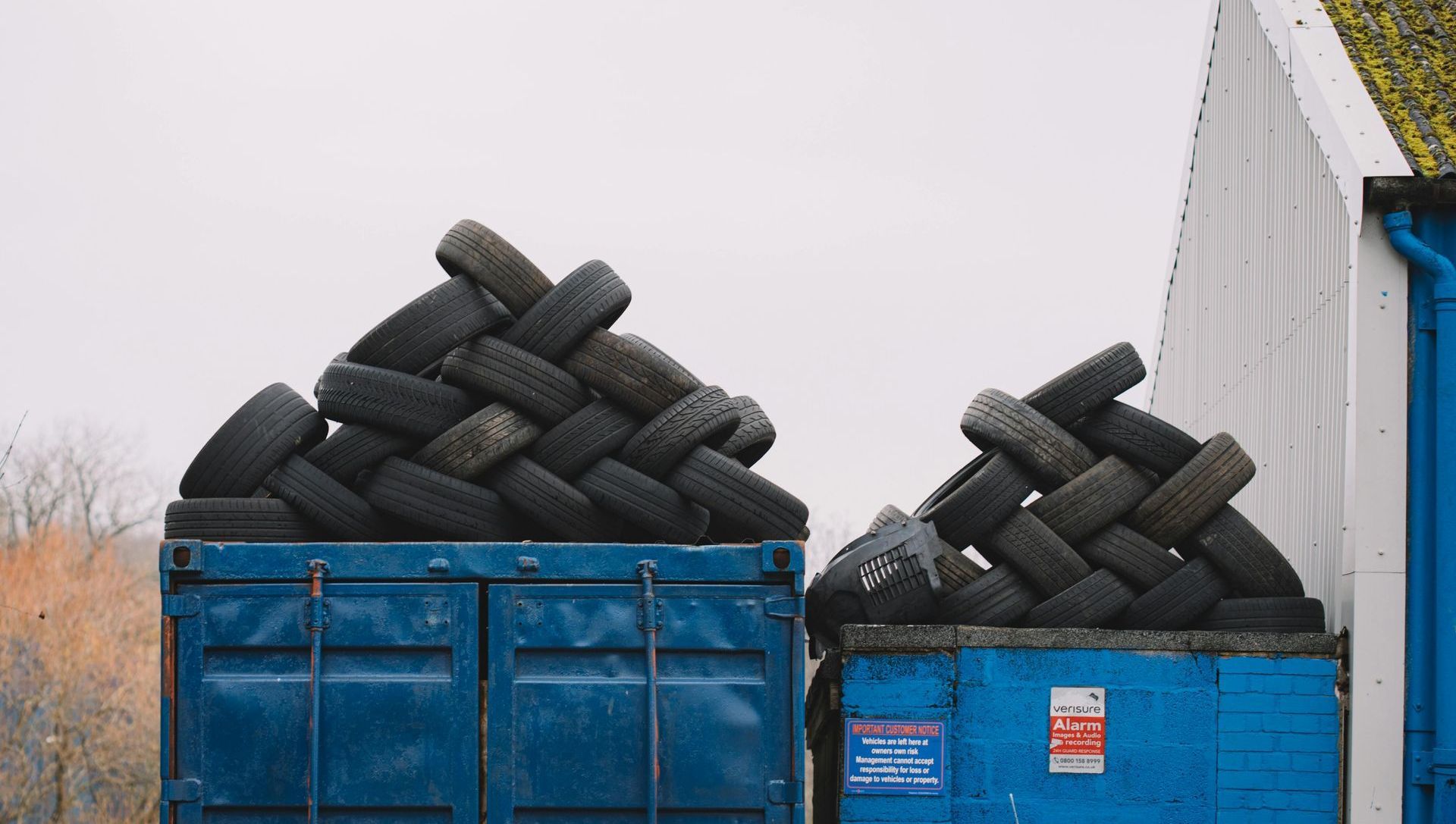
Two blue containers overflowing with stacks of old tires, next to a white and blue building under a gray sky.

Por que as pessoas consideram comprar pneus usados

Há várias razões pelas quais alguém pode optar por pneus usados:

  • Custo inicial mais baixo
  • Solução temporária para um veículo que será vendido ou descartado
  • Substituição de apenas um ou dois pneus
  • Baixa quilometragem anual


Em algumas situações, os pneus usados podem ser uma solução prática de curto prazo. No entanto, essa decisão nunca deve comprometer a segurança ou o valor a longo prazo.


Os riscos de comprar pneus usados

Por definição, um pneu usado já passou por algum desgaste. Sem conhecer todo o histórico do pneu, é impossível confiar totalmente em sua integridade. Aqui estão os principais riscos a considerar:


1. Danos ocultos

Pneus usados podem ter danos internos invisíveis a olho nu, como separação lateral, danos às cintas internas ou exposição a temperaturas extremas que enfraqueceram a borracha.
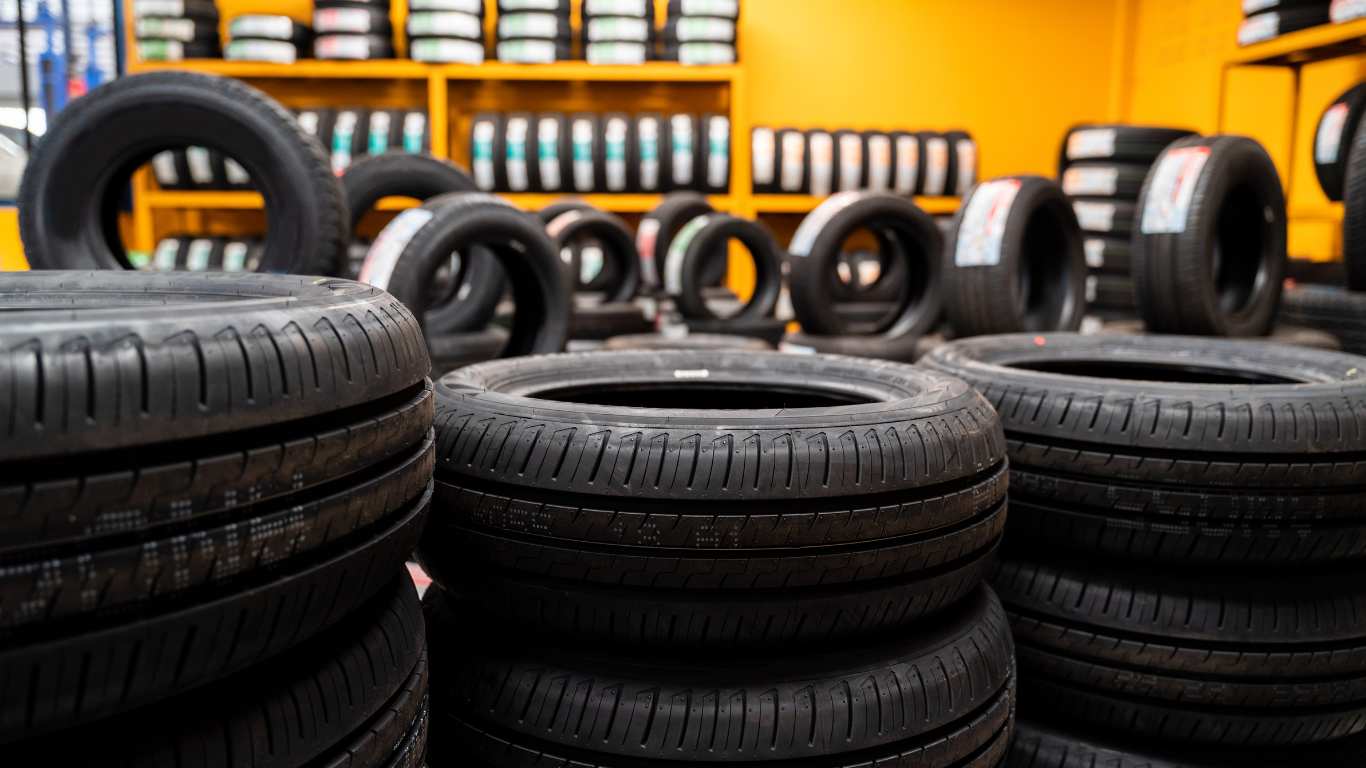
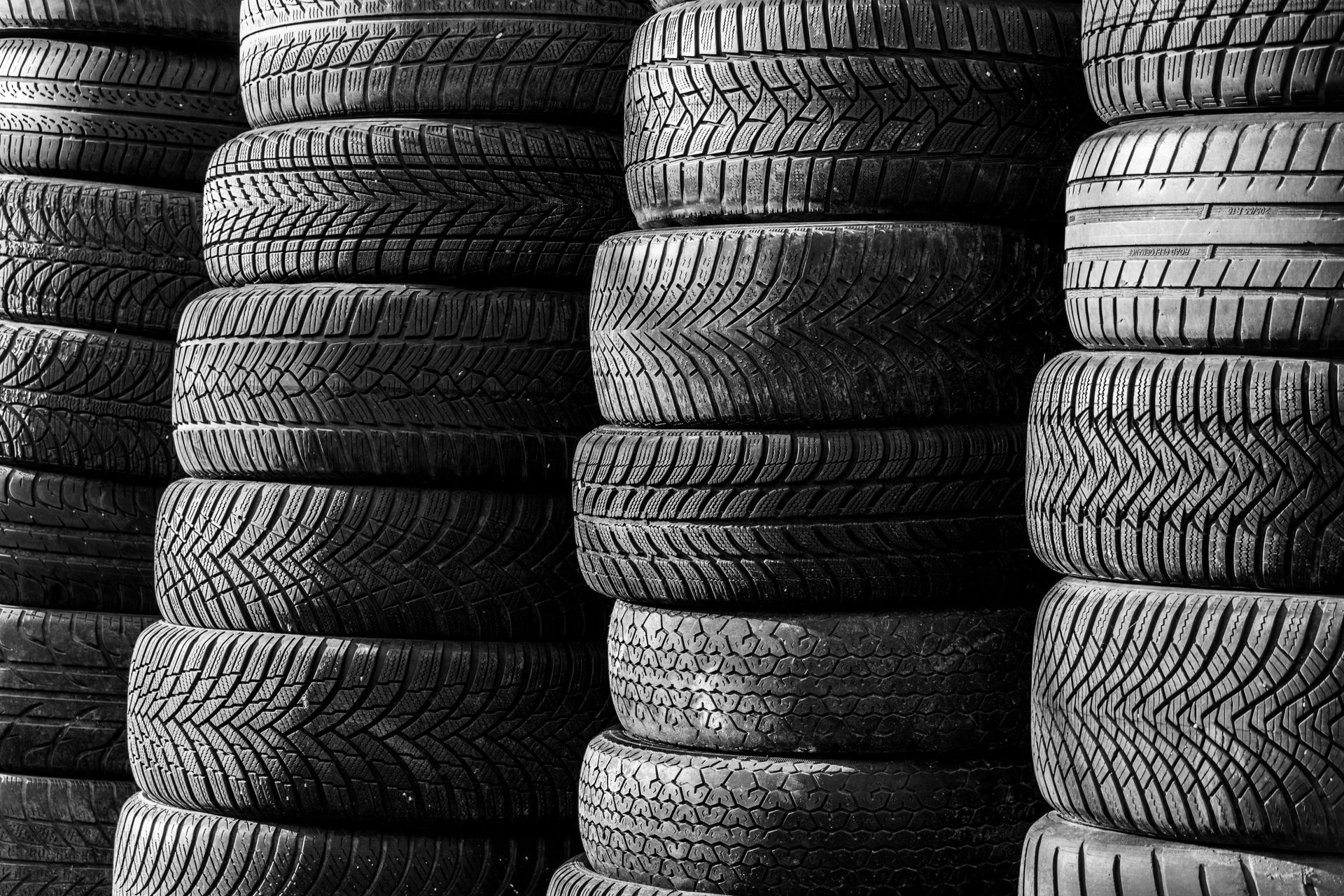
Tires stacked in the foreground with many more tires in the background, in an auto shop.

2. Desgaste da banda de rodagem

Um pneu é considerado legalmente desgastado quando a profundidade da banda de rodagem atinge 2/32 de polegada (aproximadamente 1,6 mm). Alguns pneus usados podem parecer utilizáveis, mas já estão próximos desse limite, o que reduz a aderência — especialmente na chuva ou na neve.


3. Reparos inadequados

Alguns pneus usados foram reparados ou remendados de forma que não atende aos padrões atuais de segurança. Um pneu que passou por múltiplos consertos ou foi mal reparado nunca deve ser reutilizado.


4. Envelhecimento da borracha

A borracha se deteriora com o tempo, mesmo que o pneu tenha sido pouco utilizado. A maioria dos fabricantes recomenda substituir os pneus após seis a dez anos, independentemente da profundidade da banda. Um pneu usado com aparência boa pode ser perigoso apenas pela sua idade.
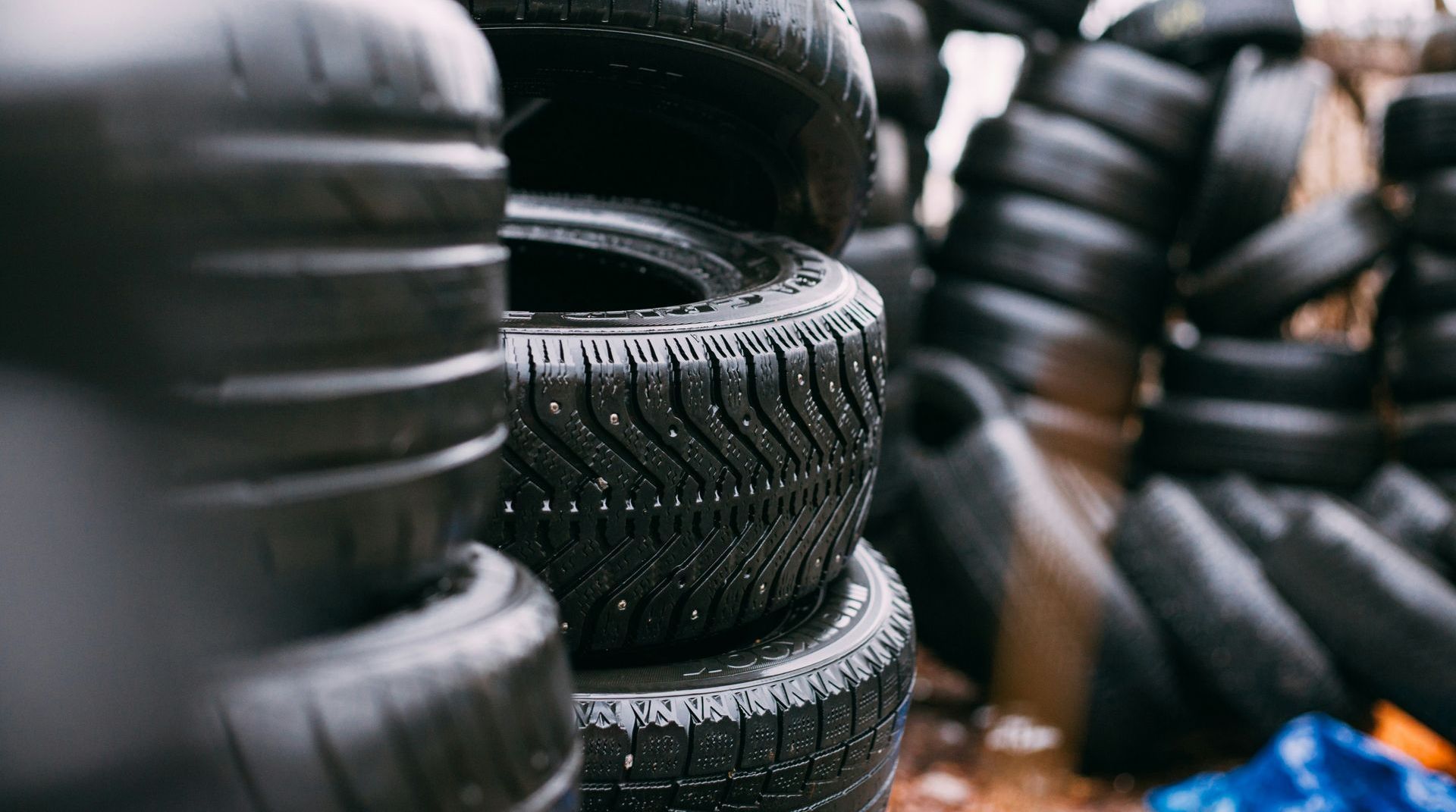
Stacks of black tires, wet with water droplets, likely outdoors. Some tires have visible tread patterns.

Quando pneus usados podem ser aceitáveis

Existem situações em que pneus usados podem ser uma opção válida — por exemplo, como solução temporária enquanto se aguarda um novo jogo. Em certos casos, é possível encontrar pneus usados de alta qualidade e com quilometragem comprovadamente baixa oferecidos por fornecedores confiáveis.


Na Raymond’s Tire Service, só oferecemos pneus usados que atendem a rigorosos padrões de segurança. Cada pneu é cuidadosamente inspecionado para verificar a profundidade da banda de rodagem, a integridade estrutural e qualquer sinal de dano ou reparo anterior. Se não pudermos garantir sua qualidade, simplesmente não vendemos.
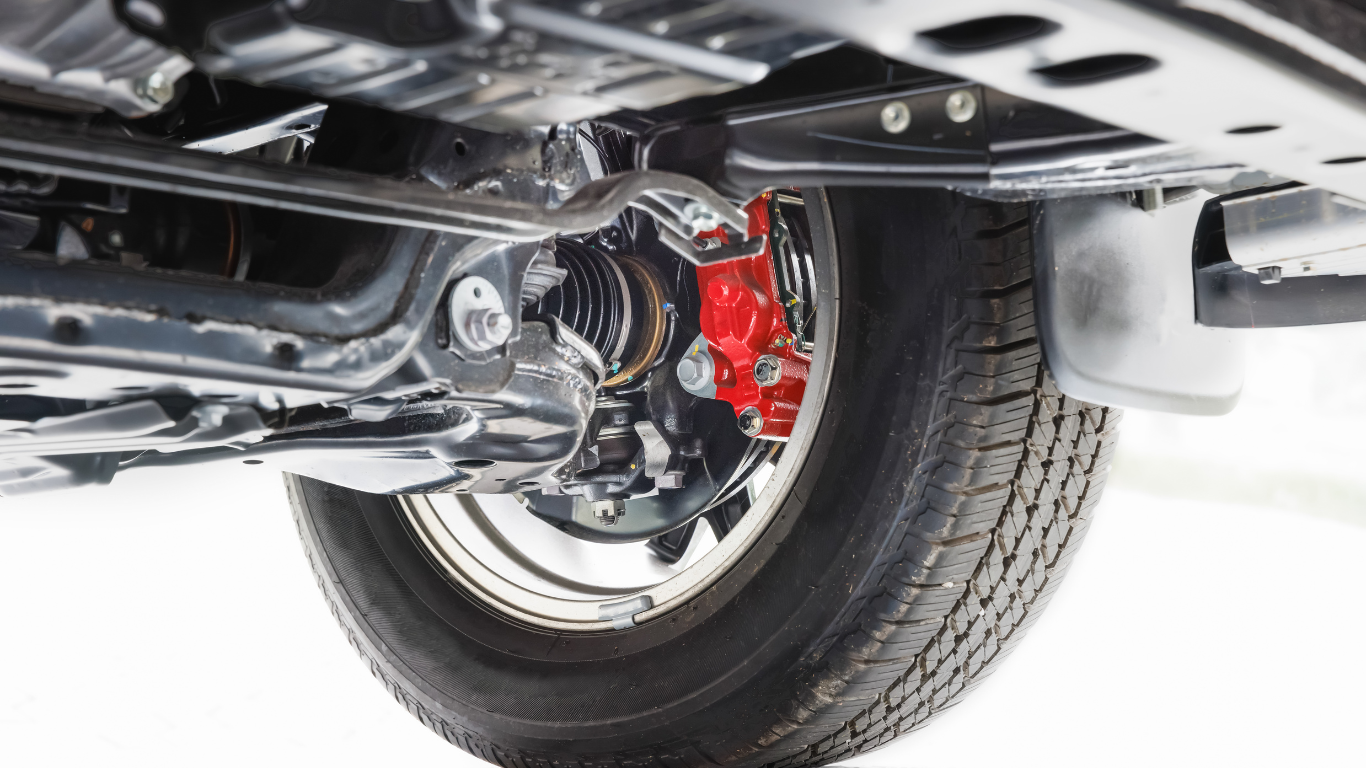
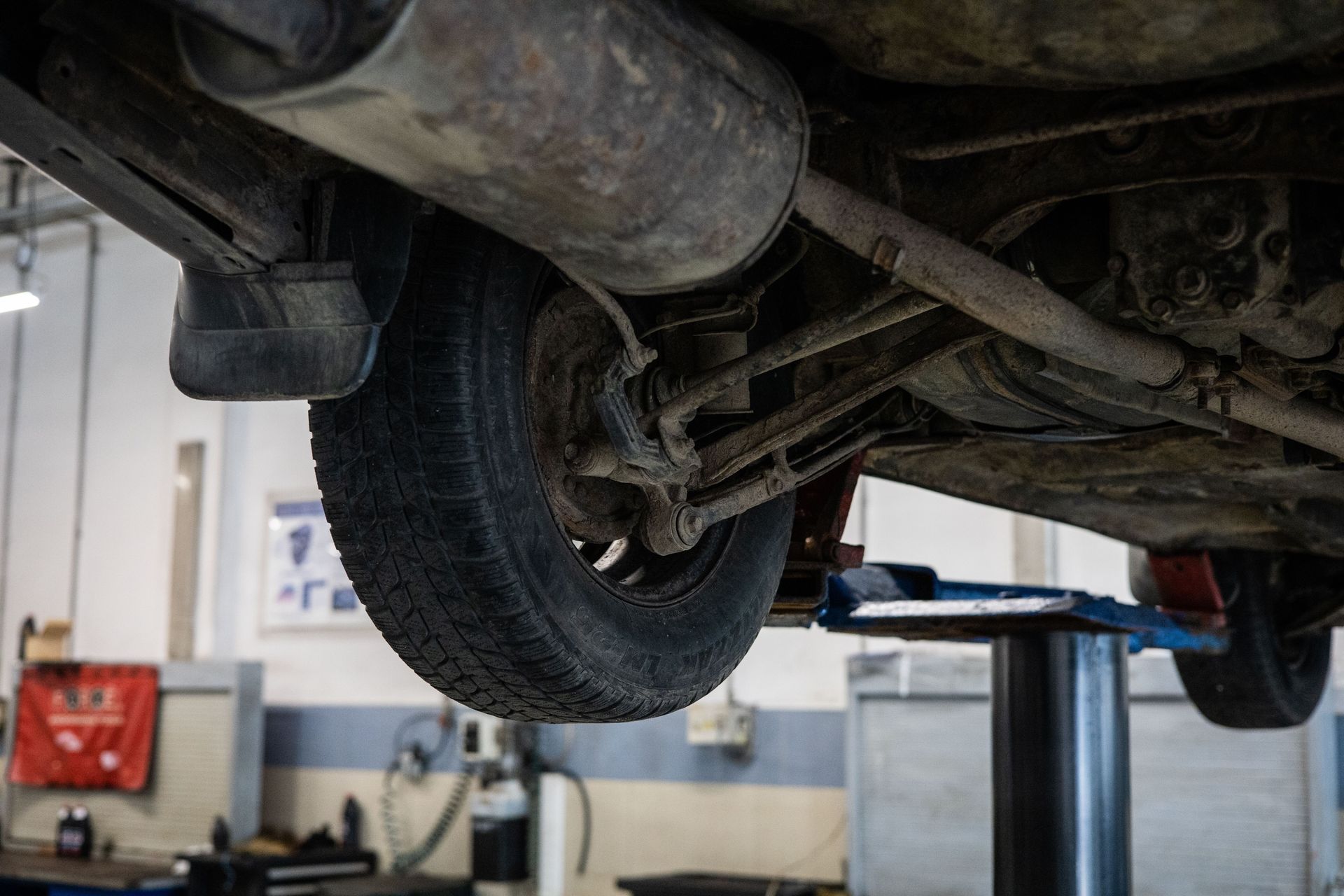
Underside view of a car wheel, showing a red brake caliper, suspension components, and the tire.

Pneus usados vs. pneus novos: comparação de custos

Os pneus usados podem parecer mais baratos à primeira vista, mas veja uma análise mais detalhada:

Tipe de pneu Custo médio por pneu Vida útil média Custo por milha
Pneu usado $45–$70 32.000 milhas $0,0025–$0,0035
Pneu novo $90–$140 80.000 milhas $0,0018–$0,0028

Apesar de mais baratos inicialmente, os pneus usados se desgastam mais rápido e podem sair mais caros por quilômetro no longo prazo. Pneus novos também incluem garantia do fabricante, melhor eficiência de combustível e, acima de tudo, tranquilidade.

Dark green Jeep Wrangler Willys parked on a road, lit by sunlight.

A abordagem da Raymond’s Tire Service

Se o orçamento é uma preocupação, converse com nossa equipe. Ajudaremos você a comparar opções e escolher a melhor solução para sua situação — sem comprometer a segurança. Seja para pneus novos ou usados, garantimos que cada produto atenda aos mesmos padrões de qualidade antes de ser instalado em seu veículo.


Também oferecemos opções de financiamento e promoções sazonais que podem tornar os pneus novos mais acessíveis do que você imagina.
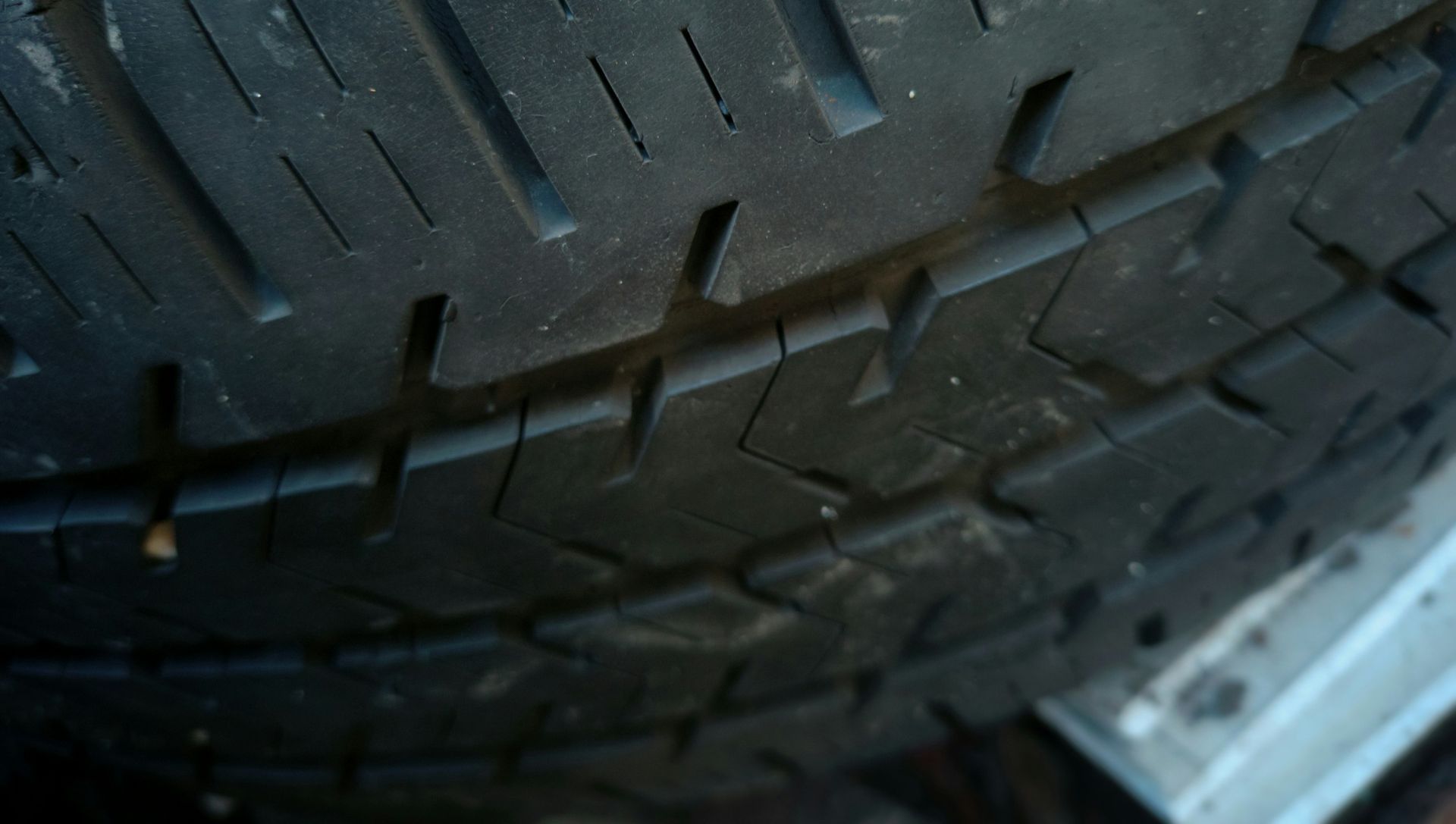
Close-up of a worn black tire with grooves and tread pattern visible, likely for a car or truck.

Conclusão

Pneus usados não são perigosos por si só — mas comprá-los de fontes não confiáveis pode ser. Os pneus são o único ponto de contato entre o seu carro e a estrada. Qualquer comprometimento na qualidade ou segurança pode trazer consequências sérias.


Se estiver considerando pneus usados, certifique-se de que eles vêm de uma fonte confiável como a Raymond’s Tire Service. Estamos comprometidos com a sua segurança, independentemente do seu orçamento.


Pronto para encontrar os pneus certos para o seu veículo? Entre em contato conosco hoje mesmo ou visite nossa oficina em Boston para uma consulta gratuita.
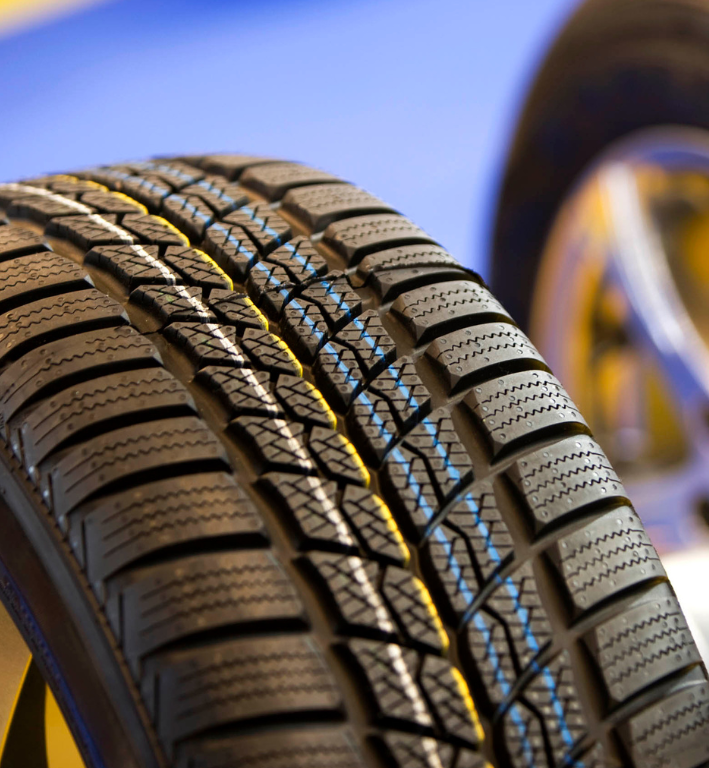
Close-up of a winter tire with deep tread, partially obscuring a shiny silver wheel; blue and yellow background.
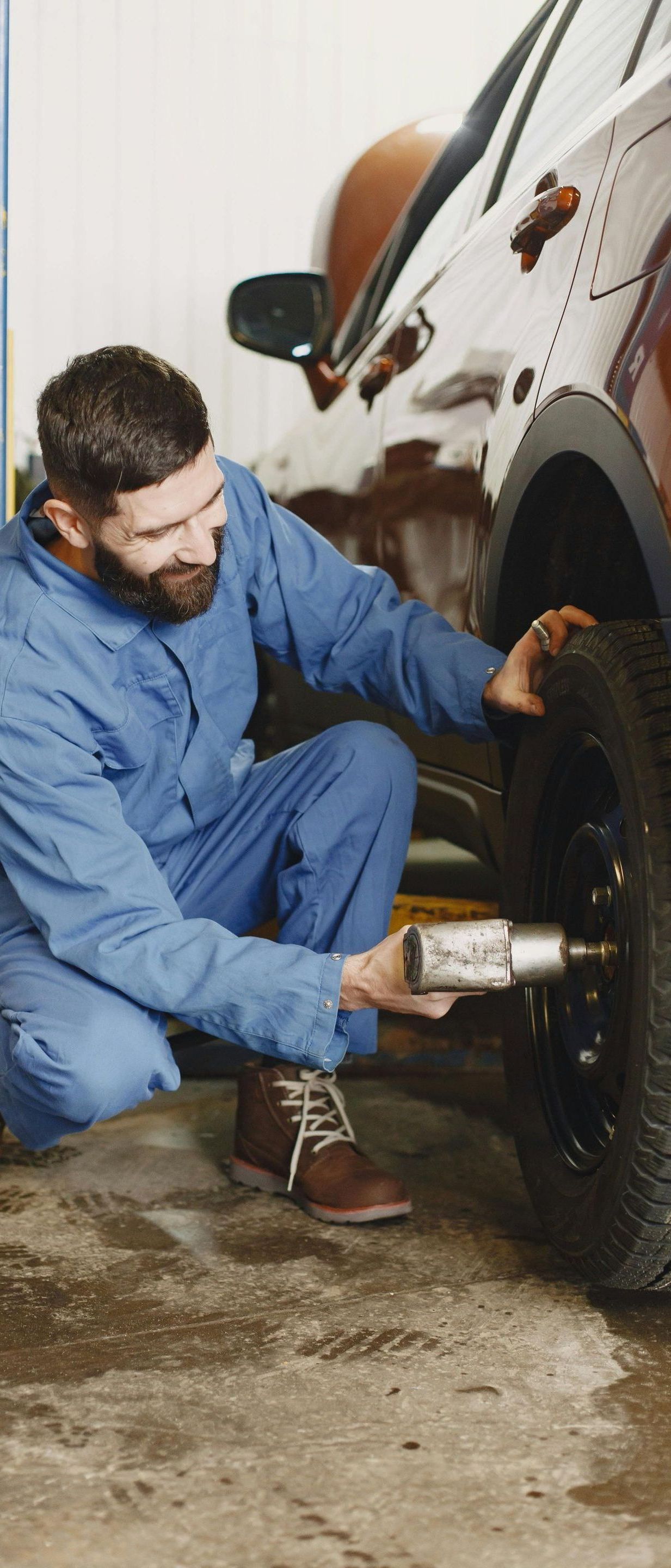
A mechanic in blue overalls kneels, using a tool to work on a car tire in a garage. He has a beard and focused expression.
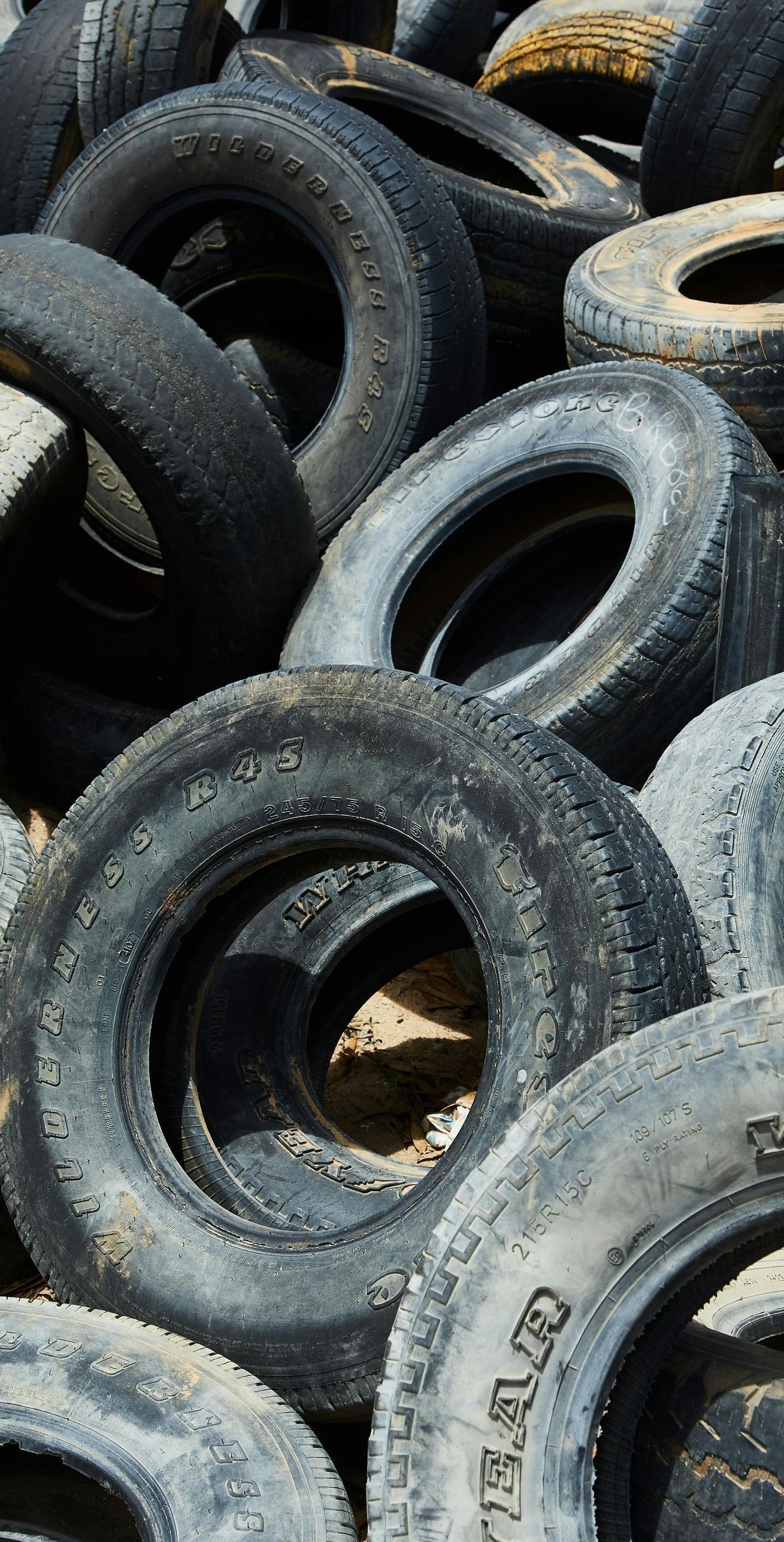
Pile of old tires, mostly black and gray, with some worn white lettering visible.
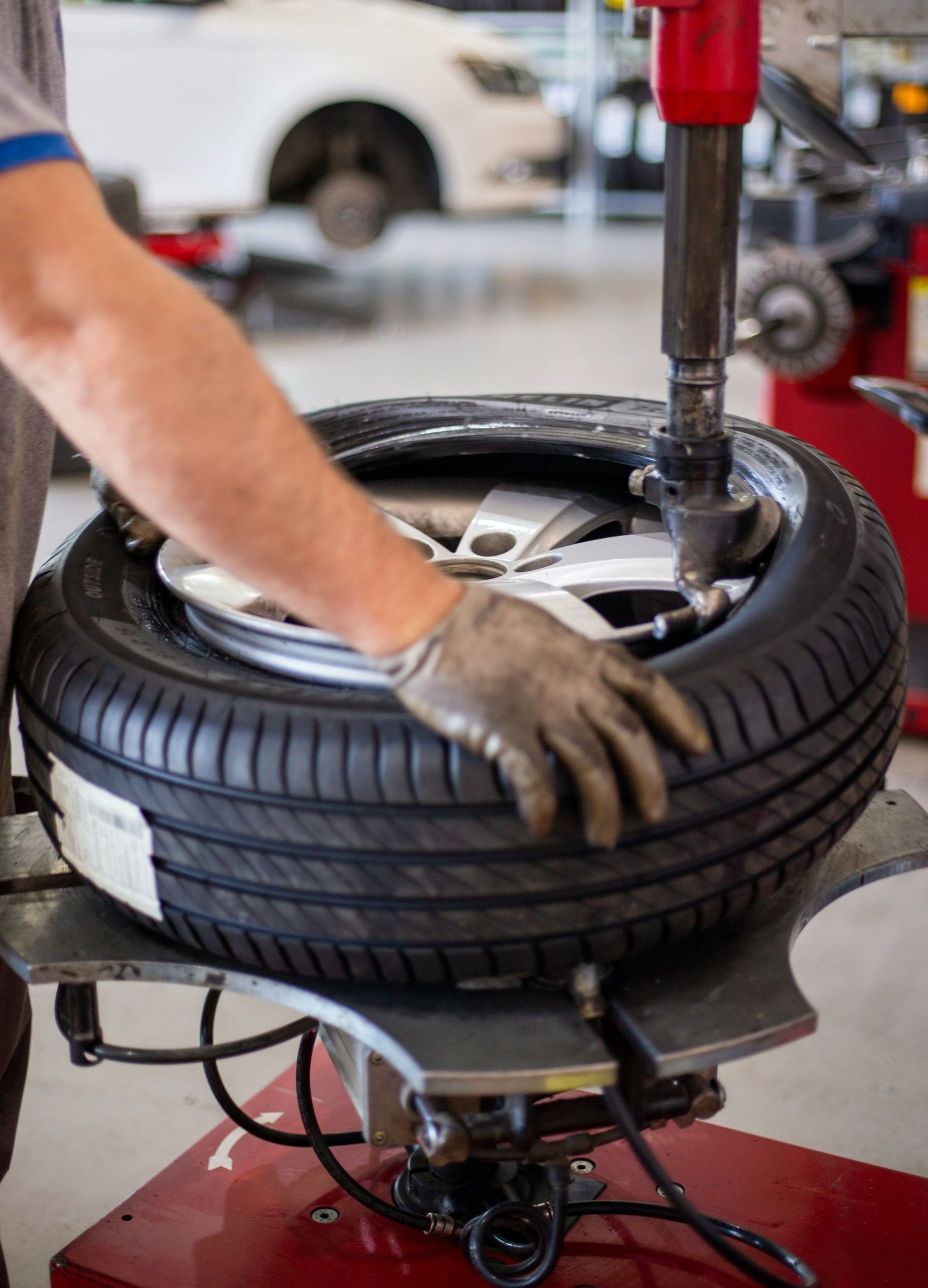
A mechanic using a tire machine to change a car tire. The person is wearing gloves.
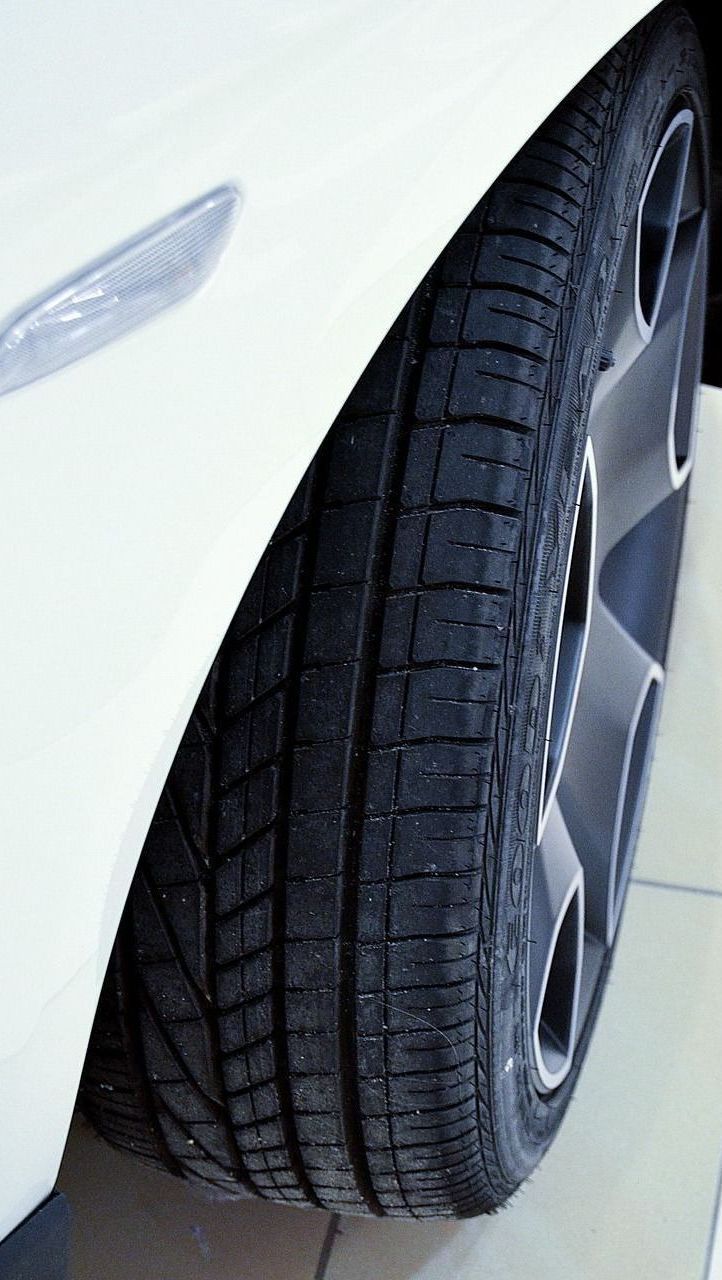
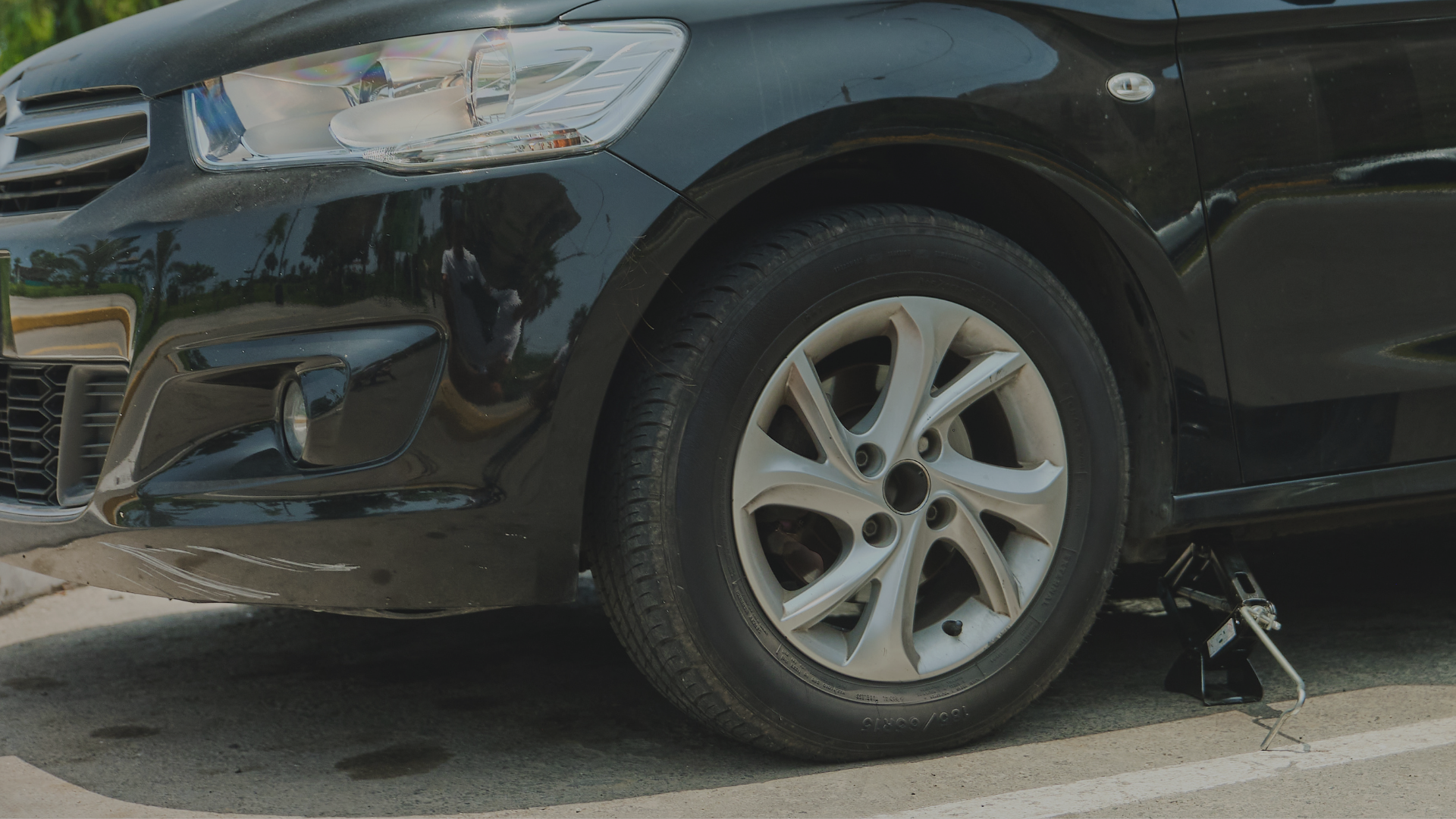
White car's front tire and alloy wheel close-up. The black tire has tread, and the wheel has a silver rim.
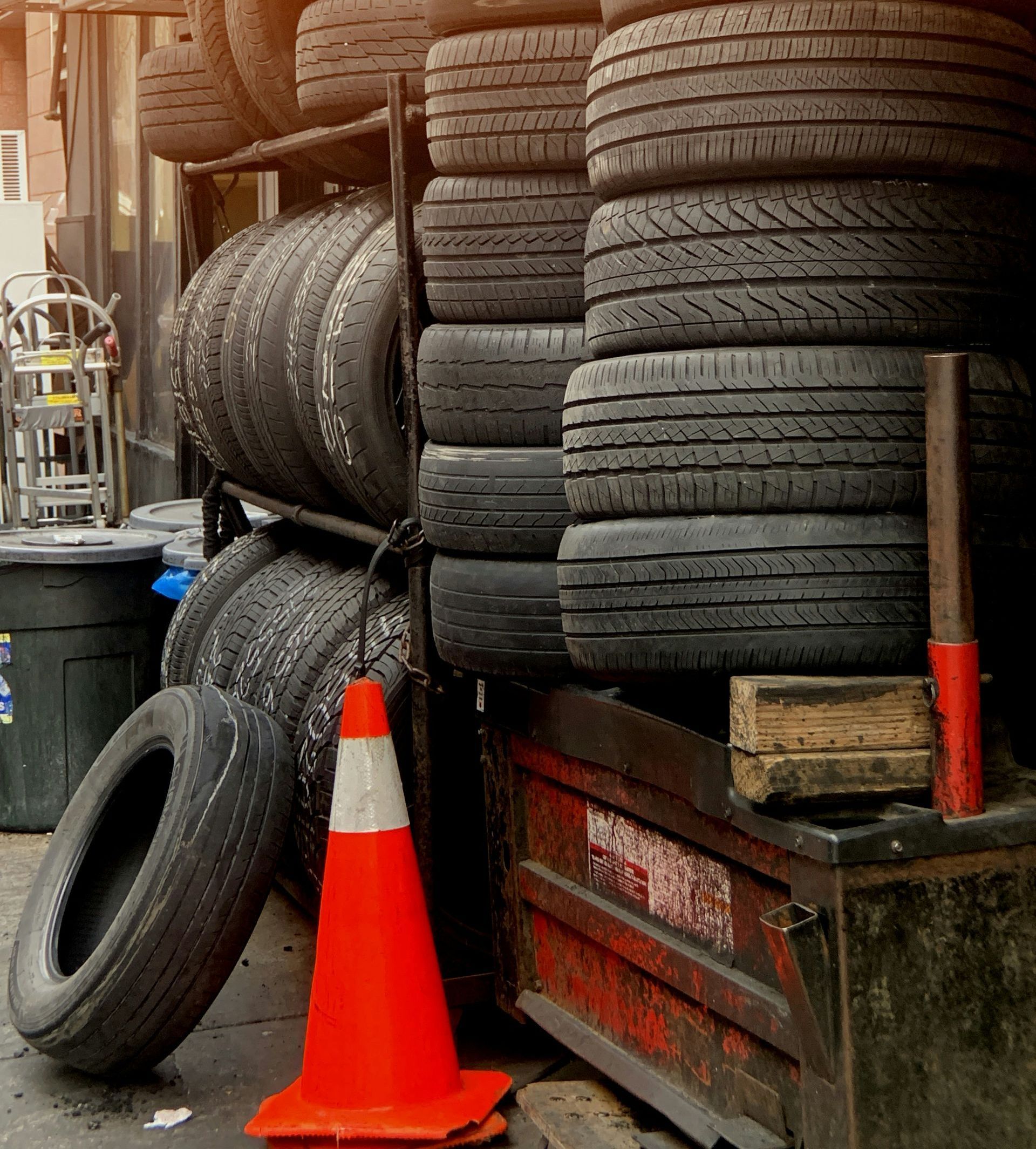
Stack of used tires, a traffic cone, and a toolbox are in front of a shop.
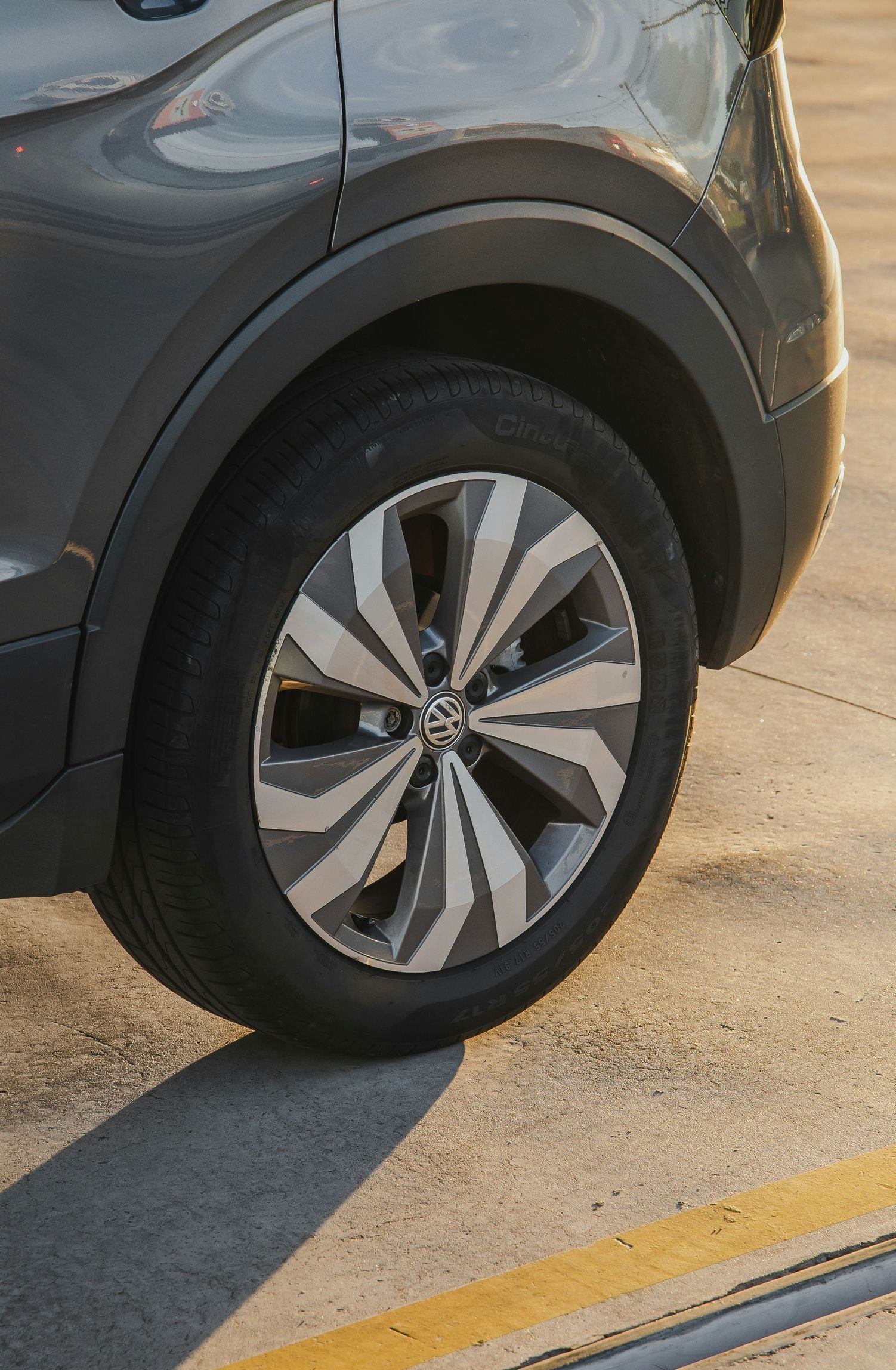
Gray car's rear tire and wheel, with a silver and gray spoke design, parked on concrete.
October 7, 2026
Tire tread gets a lot of attention, but tread depth is not the only factor that matters. Tires also age . Even when a tire still has visible tread, the rubber compounds can gradually change over time because of heat, sunlight, weather exposure, and normal use. That is why knowing how to read the DOT date code can help drivers understand how old a tire really is.  The date code does not tell you everything about tire condition, but it provides an important piece of the overall picture.
October 1, 2026
A hard pothole impact can do more than damage a tire. The force can also bend a wheel, especially if the pothole is deep, the vehicle is moving quickly, or the tire has a lower-profile sidewall with less cushioning between the road and rim. Sometimes the damage is obvious. In other cases, the wheel may look normal but cause vibration, air loss, or handling problems.  Knowing what to watch for after a pothole strike can help drivers catch wheel damage before it creates additional tire or suspension problems.
September 23, 2026
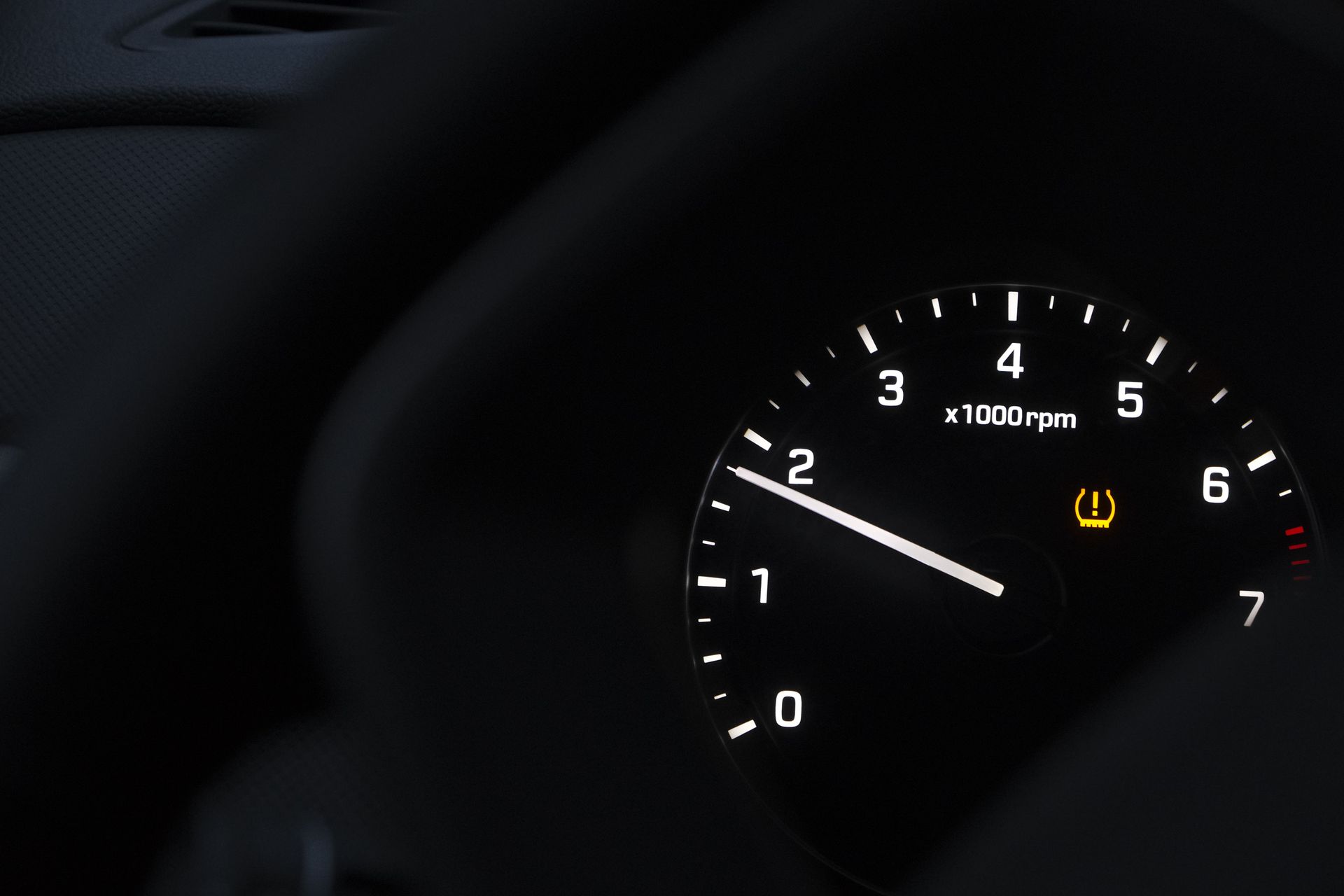
Most drivers are familiar with the tire pressure monitoring system , or TPMS, warning light. When it stays on steadily, it usually means one or more tires may be underinflated. A flashing TPMS light often means something different. Instead of simply warning about low tire pressure, a flashing light can indicate a problem with the monitoring system itself. That could involve a sensor, sensor battery, communication issue, or another TPMS-related fault.  Knowing the difference can help drivers avoid assuming that adding air will automatically solve the problem.
September 22, 2026
Tread depth is one of the first things drivers look at when deciding whether a tire still has life left. Deep grooves can make a tire appear healthy, especially if the vehicle is not driven very often. But tread is only part of the picture. Tires age even when they are not being used heavily. Over time, rubber compounds can harden, dry out, and become less flexible. That means an older tire may still have plenty of tread while no longer performing the way it did when it was newer. Rubber Changes With Age Tires are constantly exposed to oxygen, heat, sunlight, moisture, and changing temperatures. Those conditions gradually affect the rubber. As a tire ages, the material can lose some of its elasticity. That may reduce its ability to flex properly as it rolls and responds to the road. A tire that looks acceptable at a quick glance may therefore be significantly older than its appearance suggests. This is especially important for vehicles that accumulate very few miles each year.
September 11, 2026
A flat tire does not always mean the tire has to be replaced. In many cases, a small puncture can be repaired safely and returned to service. The key is where the puncture occurred, how large it is, and whether the tire suffered additional damage while losing air. That is why a professional inspection matters. Two punctures that lo ok similar from the outside may require completely different solutions once the tire is removed and examined internally. Location Matters Most One of the first things a technician looks at is where the puncture is located. Damage in the central tread area is often the best candidate for repair. This part of the tire is designed to handle contact with the road and can sometimes be repaired when the puncture is small and otherwise straightforward. Punctures near the shoulder or sidewall are much more concerning.  These areas flex significantly while the tire is moving and cannot usually be repaired safely using standard puncture-repair methods. If a nail, screw, or other object damages the sidewall or outer shoulder, replacement is often the safer option.
September 6, 2026
A wheel alignment can correct important steering and tire-angle settings, but the alignment itself depends on the suspension being in good mechanical condition. If ball joints, tie rods, control arm bushings, wheel bearings, or other components are worn, the wheels may not stay in the position the technician sets.  That is why some vehicles continue pulling , wearing tires unevenly, or developing an off-center steering wheel even after an alignment. In those cases, the problem may not be the alignment machine or the adjustment. It may be worn suspension or steering components underneath the vehicle.