La verdad sobre los neumáticos usados: ¿realmente valen la pena?

¿Vale la pena el riesgo por el ahorro?

Para muchos conductores, reemplazar los neumáticos es un gasto poco agradable. Es tentador reducir costos comprando neumáticos usados en lugar de nuevos. Pero ¿realmente vale la pena? Y lo más importante, ¿son seguros?


En Raymond’s Tire Service, entendemos que los clientes buscan soluciones asequibles sin comprometer la seguridad. Por eso queremos ayudarte a tomar decisiones informadas, especialmente cuando se trata de algo tan crítico como tus neumáticos.
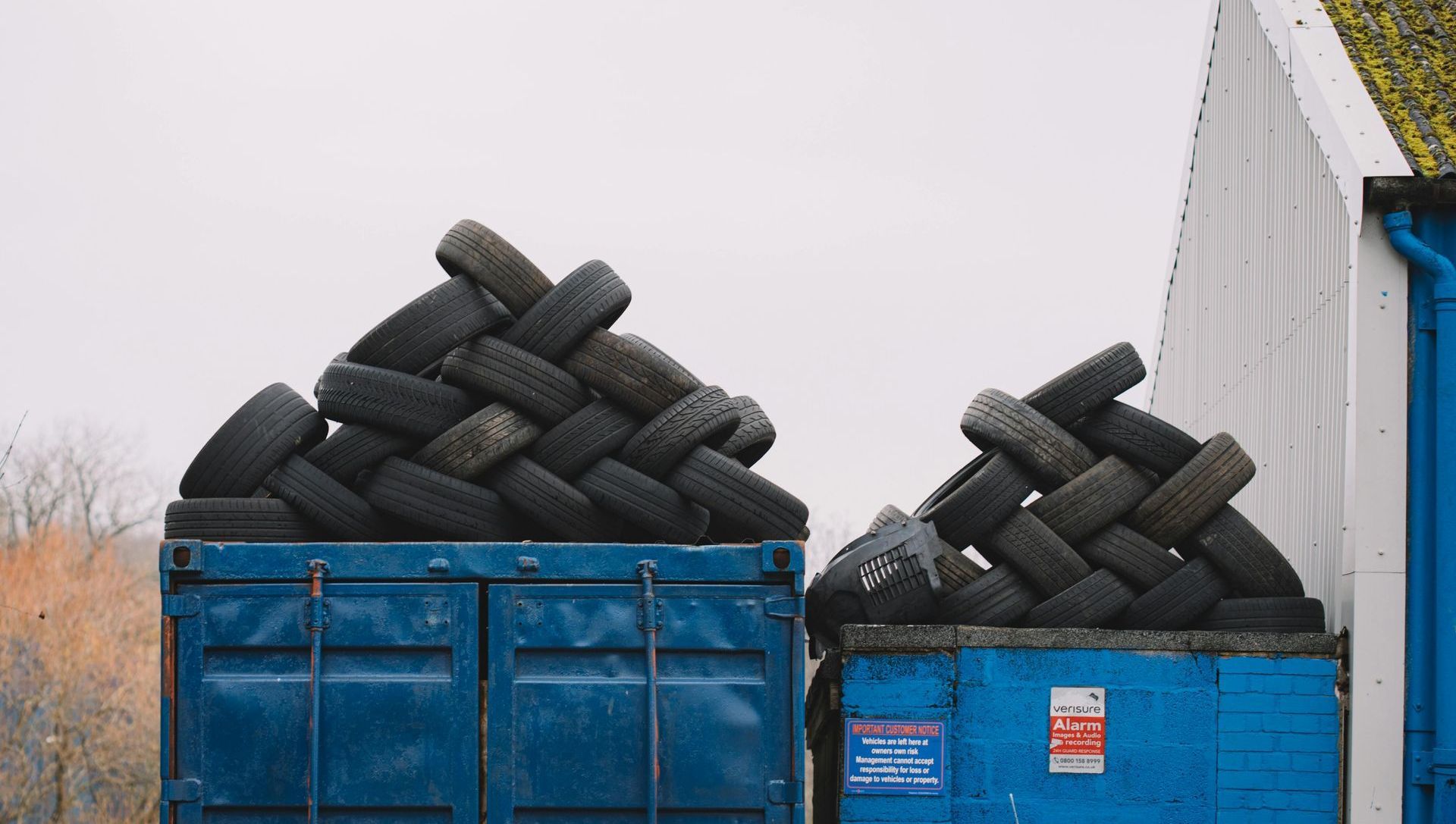
Two blue containers overflowing with stacks of old tires, next to a white and blue building under a gray sky.

Por qué la gente considera comprar neumáticos usados

Hay varias razones por las que alguien podría optar por neumáticos de segunda mano:

  • Menor costo inicial
  • Solución temporal para un vehículo que se va a vender o desguazar
  • Solo se necesita reemplazar uno o dos neumáticos
  • Bajo kilometraje anual


En ciertas circunstancias, los neumáticos usados pueden ser una opción práctica a corto plazo. Sin embargo, esta decisión nunca debe poner en riesgo la seguridad ni el valor a largo plazo.


Los riesgos de comprar neumáticos usados

Por definición, un neumático usado ya ha experimentado cierto desgaste. Sin conocer todo el historial del neumático, es imposible confiar completamente en su integridad. Estos son algunos de los principales riesgos a tener en cuenta:


1. Daños ocultos

Los neumáticos usados pueden tener daños internos que no se ven a simple vista, como separación de flancos, daños en las bandas internas o exposición a temperaturas extremas que hayan comprometido el caucho.
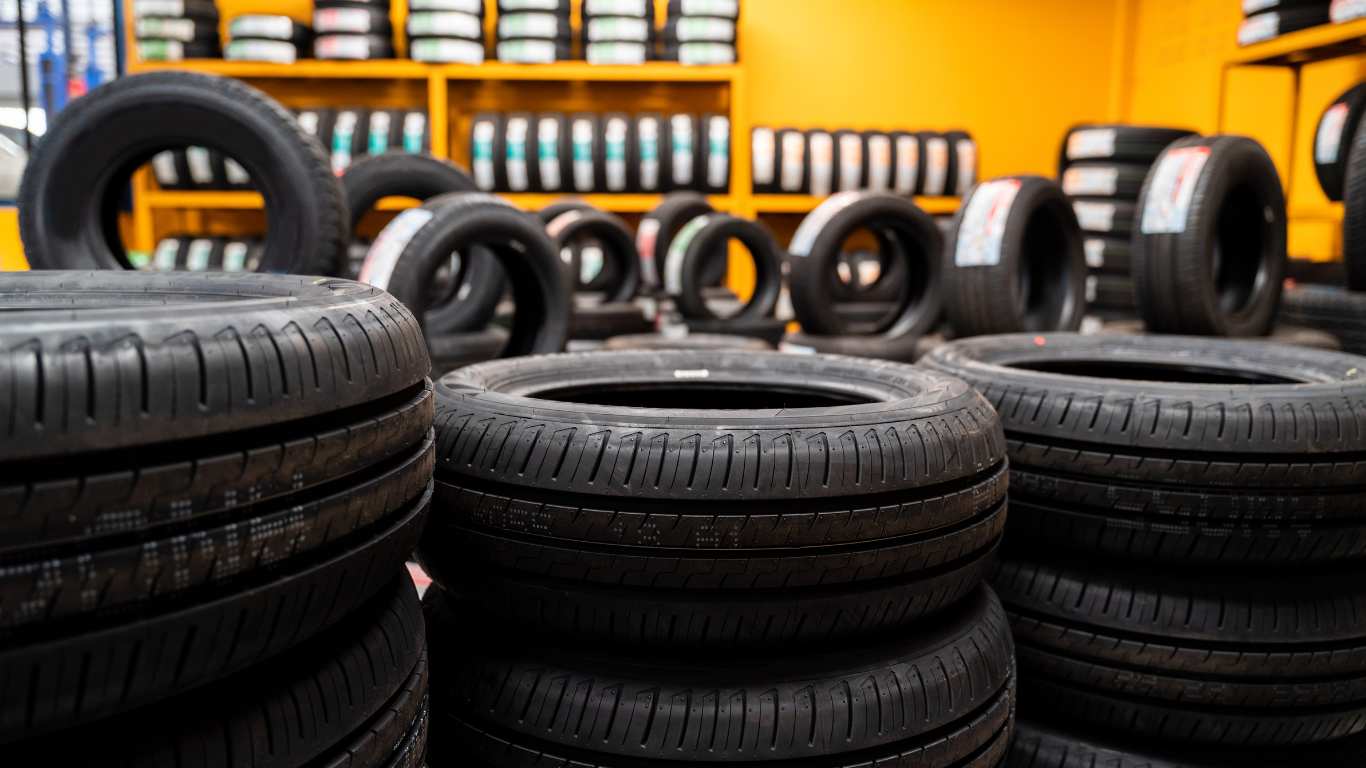
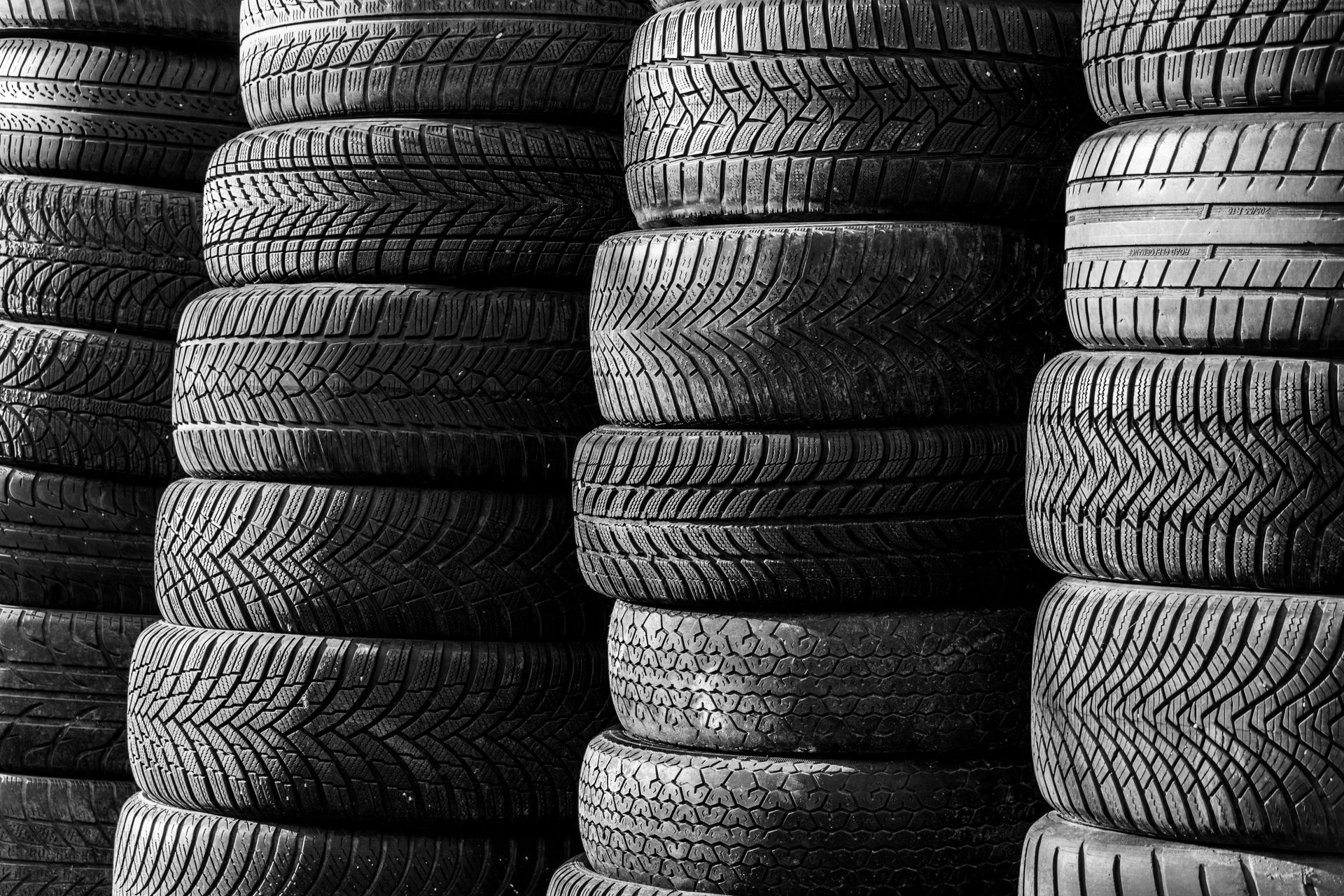
Tires stacked in the foreground with many more tires in the background, in an auto shop.

2. Profundidad de la banda de rodadura

Un neumático se considera legalmente desgastado cuando la profundidad de la banda de rodadura alcanza 2/32 de pulgada (aprox. 1,6 mm). Algunos neumáticos usados pueden parecer en buen estado, pero estar cerca de ese límite, lo que reduce la tracción—especialmente bajo la lluvia o la nieve.


3. Reparaciones inapropiadas

Algunos neumáticos usados han sido parchados o reparados de forma que no cumple con las normas de seguridad actuales. Un neumático que ha tenido múltiples reparaciones o ha sido mal reparado no debería volver a utilizarse.


4. Deterioro por edad

El caucho se degrada con el tiempo, incluso si el neumático apenas se ha usado. La mayoría de los fabricantes recomiendan reemplazar los neumáticos cada seis a diez años, independientemente del desgaste de la banda. Un neumático usado con mucha banda puede ser igualmente inseguro por su antigüedad.
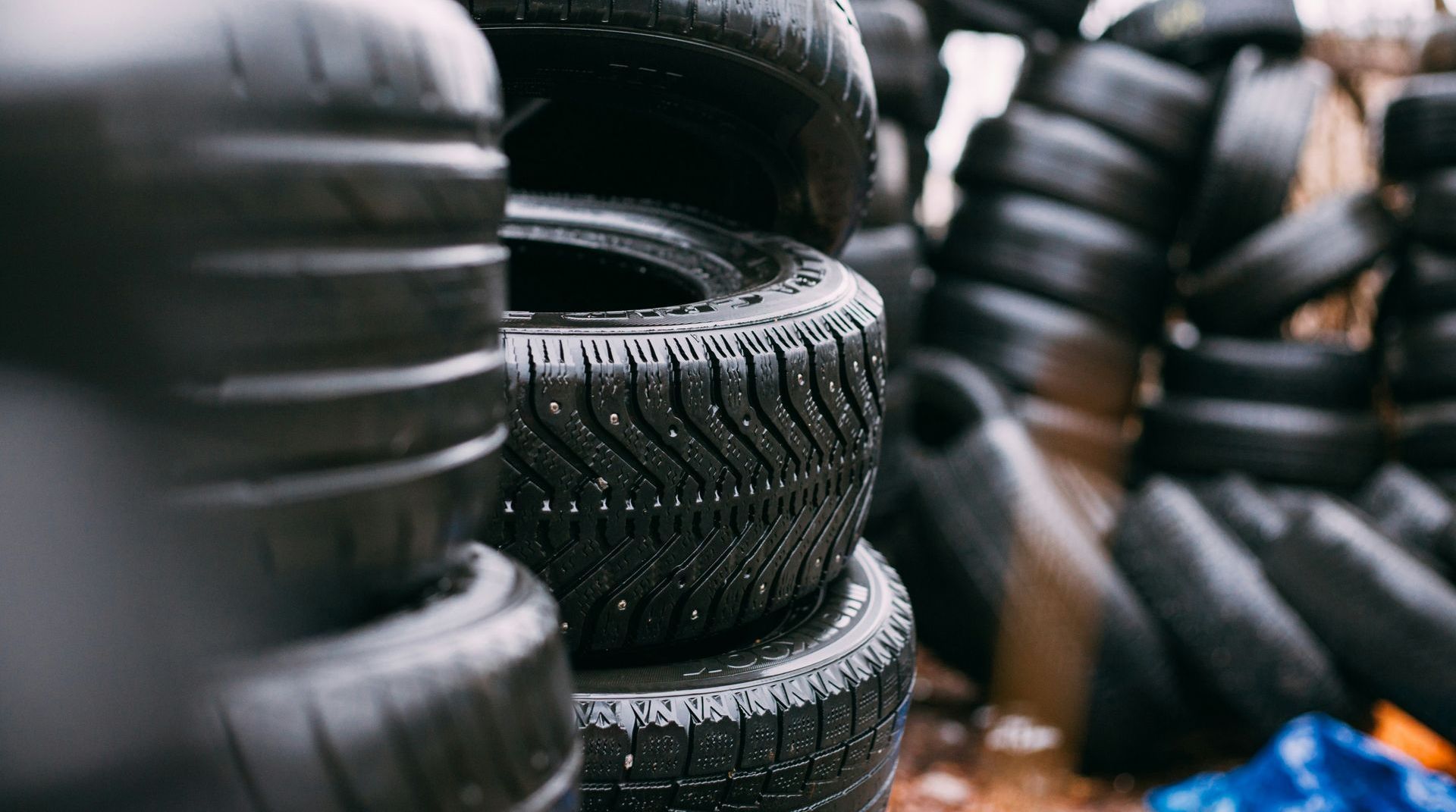
Stacks of black tires, wet with water droplets, likely outdoors. Some tires have visible tread patterns.

Cuándo pueden ser aceptables los neumáticos usados

Hay situaciones en las que los neumáticos usados pueden tener sentido—por ejemplo, como solución temporal mientras esperas un juego nuevo. En algunos casos, es posible obtener neumáticos usados de alta calidad y con poco kilometraje verificado de proveedores confiables.


En Raymond’s Tire Service, solo ofrecemos neumáticos usados que cumplen estrictos estándares de seguridad. Cada neumático es inspeccionado cuidadosamente para verificar la profundidad de la banda de rodadura, la integridad estructural y cualquier señal de daño o reparación previa. Si no podemos garantizar su calidad, no lo vendemos.
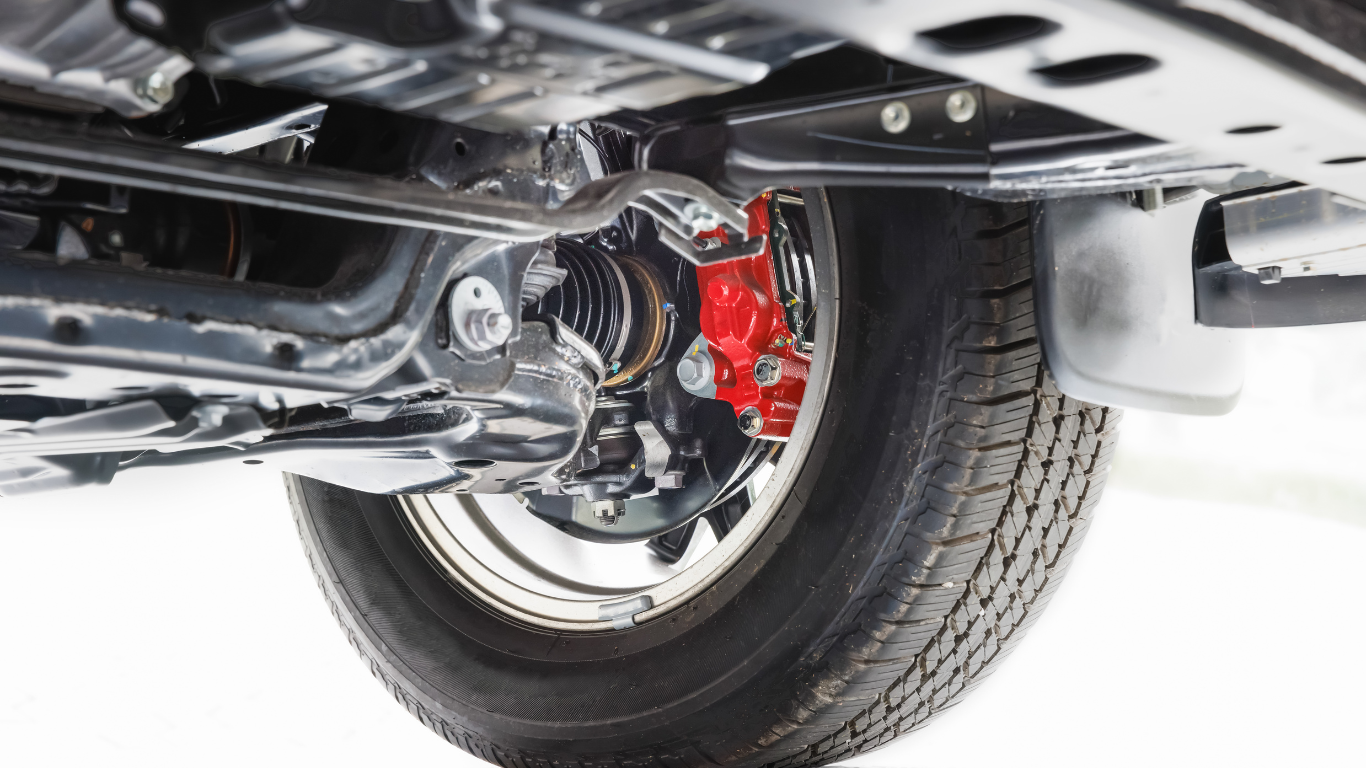
Underside view of a car wheel, showing a red brake caliper, suspension components, and the tire.

Usados vs nuevos: comparación de costos

Los neumáticos usados pueden parecer una opción más económica al principio, pero veamos un desglose básico:

Tipo de neumático Costo promedio por neumático Vida útil promedio Costo por milla
Neumático usado $45–$70 32,000 millas $0.0025–$0.0035
Neumático nuevo $90–$140 80,000 millas $0.0018–$0.0028

Aunque más baratos al principio, los neumáticos usados se desgastan más rápido y pueden costar más por kilómetro a largo plazo. Los neumáticos nuevos también incluyen garantías del fabricante, mayor eficiencia en el consumo de combustible y, sobre todo, tranquilidad.

Dark green Jeep Wrangler Willys parked on a road, lit by sunlight.

El enfoque de Raymond’s Tire Service

Si el presupuesto es una preocupación, habla con nuestro equipo. Te ayudaremos a comparar tus opciones y elegir la mejor solución para tu situación—sin comprometer la seguridad. Ya sea que estés considerando neumáticos nuevos o usados, nos aseguramos de que cada producto cumpla con los mismos estándares de calidad antes de instalarlo en tu vehículo.


También ofrecemos opciones de financiamiento y promociones estacionales que pueden hacer que los neumáticos nuevos sean más accesibles de lo que imaginas.
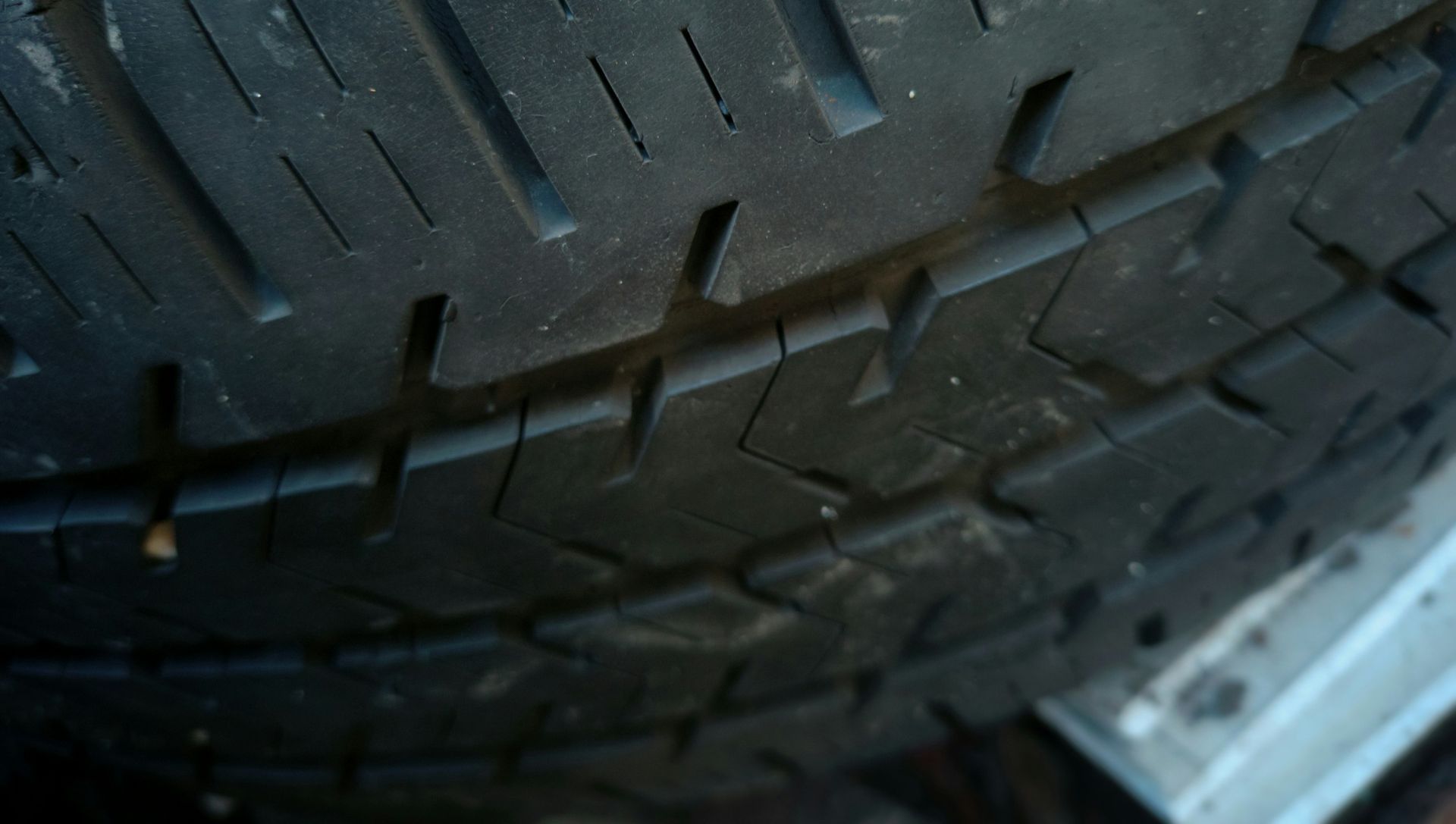
Close-up of a worn black tire with grooves and tread pattern visible, likely for a car or truck.

Conclusión

Los neumáticos usados no son peligrosos por sí mismos—pero comprarlos a proveedores poco confiables sí puede serlo. Tus neumáticos son el único punto de contacto entre tu vehículo y la carretera. Cualquier compromiso en calidad o seguridad puede tener consecuencias graves.


Si estás considerando neumáticos usados, asegúrate de que provienen de una fuente de confianza como Raymond’s Tire Service. Estamos comprometidos con tu seguridad, sin importar tu presupuesto.


¿Listo para encontrar los neumáticos adecuados para tu vehículo? Contáctanos hoy o visítanos en nuestro taller en Boston para una consulta gratuita.
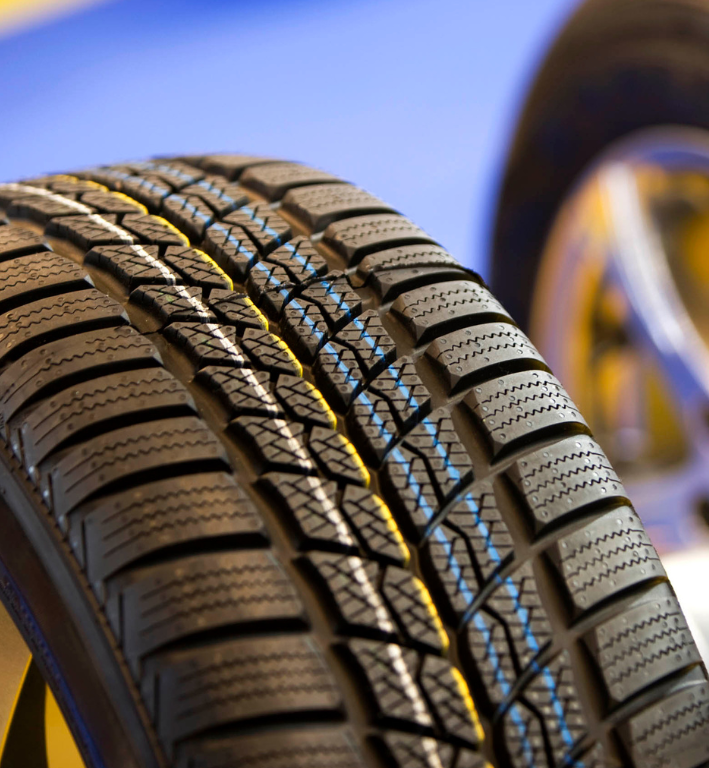
Close-up of a winter tire with deep tread, partially obscuring a shiny silver wheel; blue and yellow background.
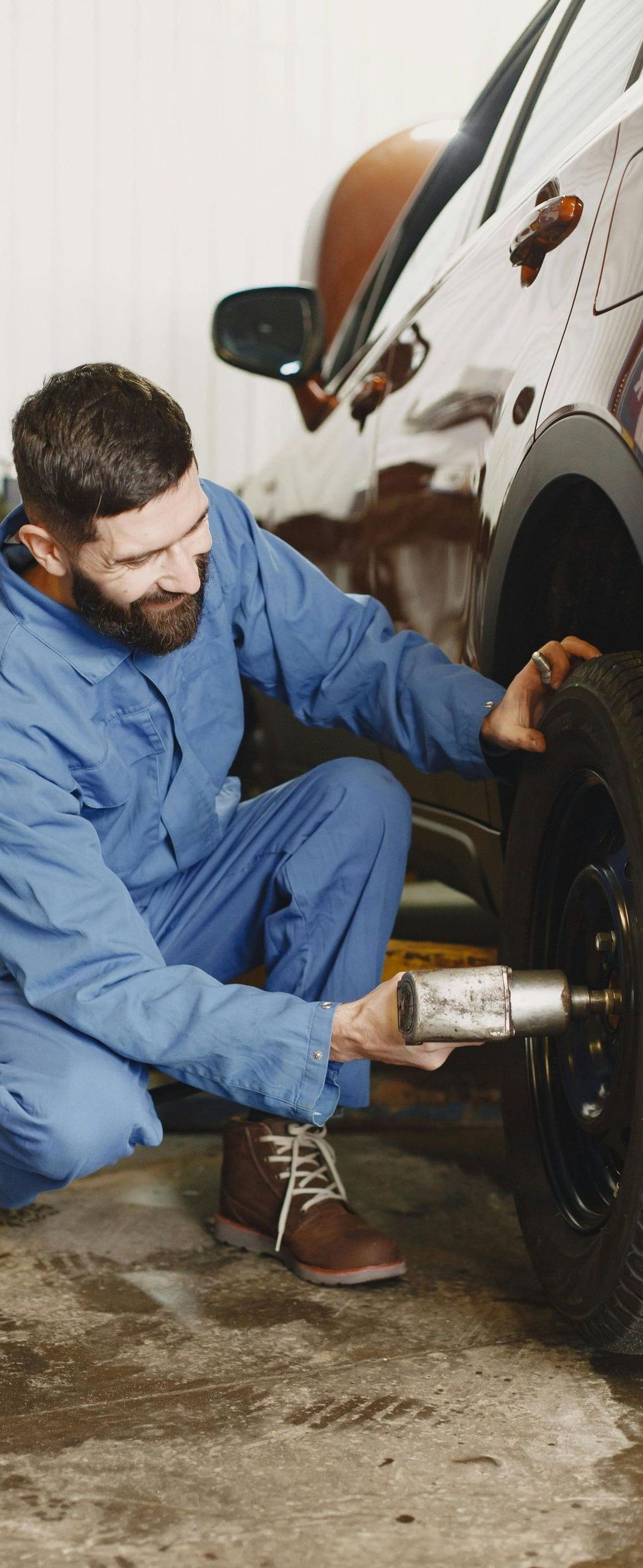
A mechanic in blue overalls kneels, using a tool to work on a car tire in a garage. He has a beard and focused expression.
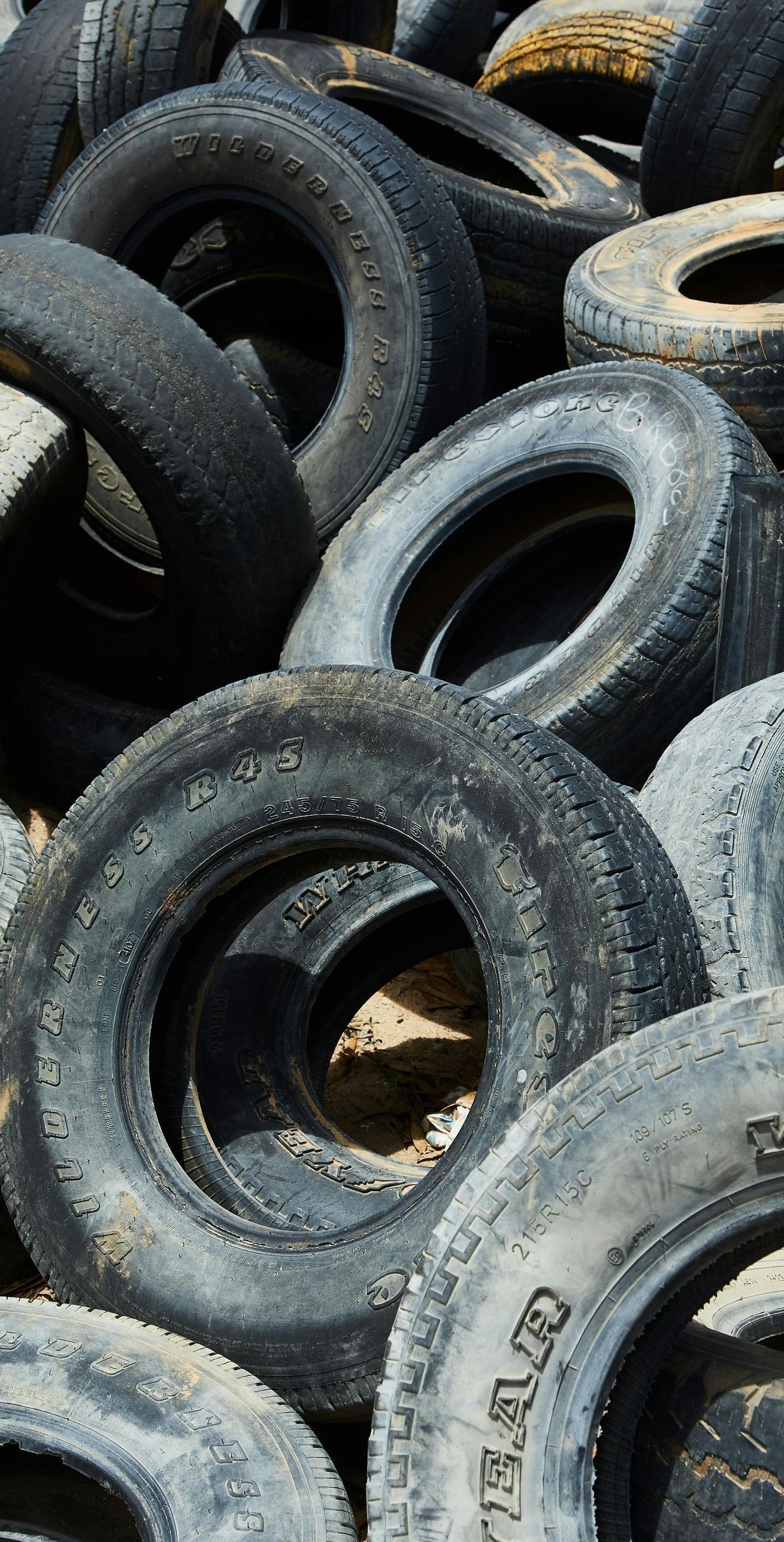
Pile of old tires, mostly black and gray, with some worn white lettering visible.
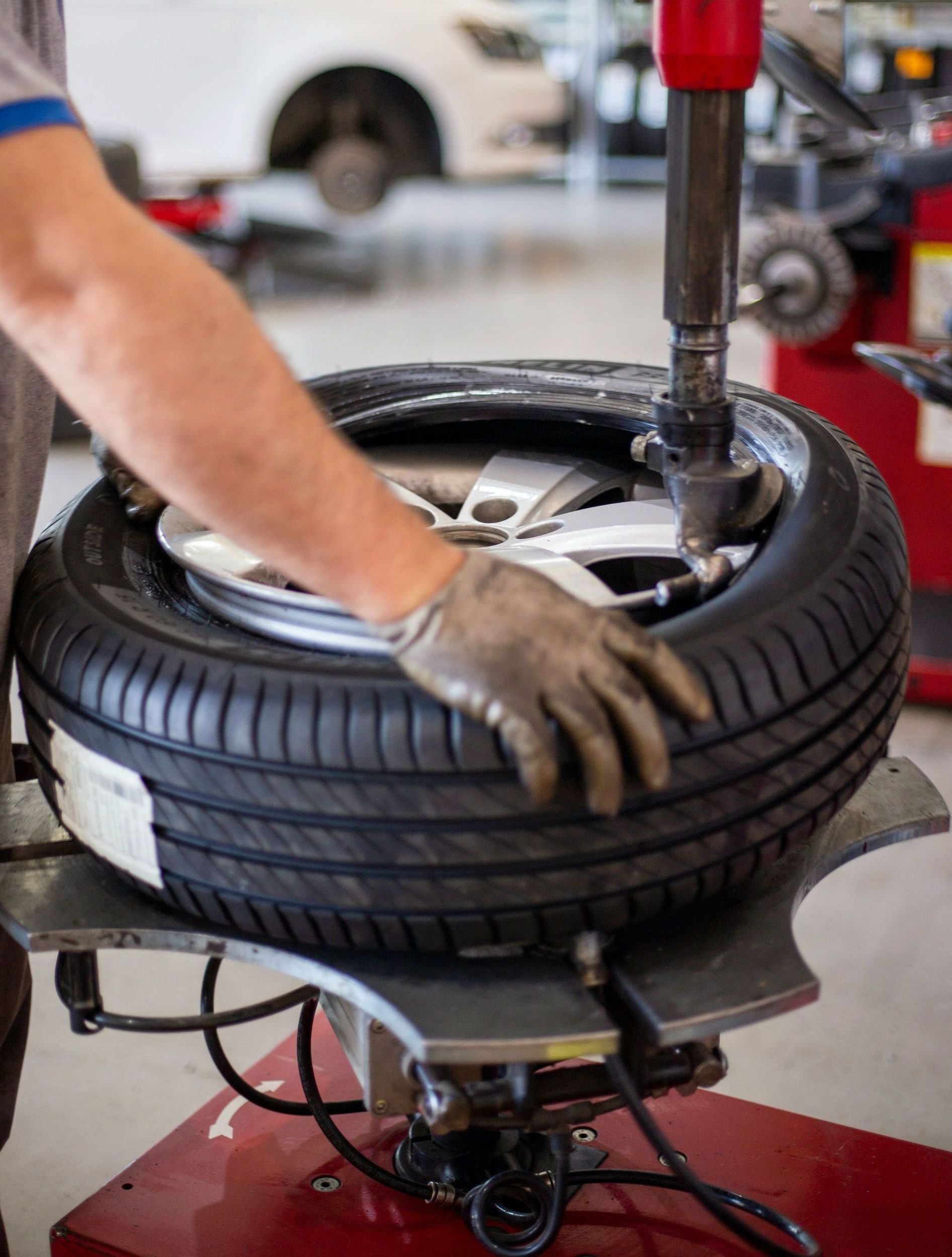
A mechanic using a tire machine to change a car tire. The person is wearing gloves.
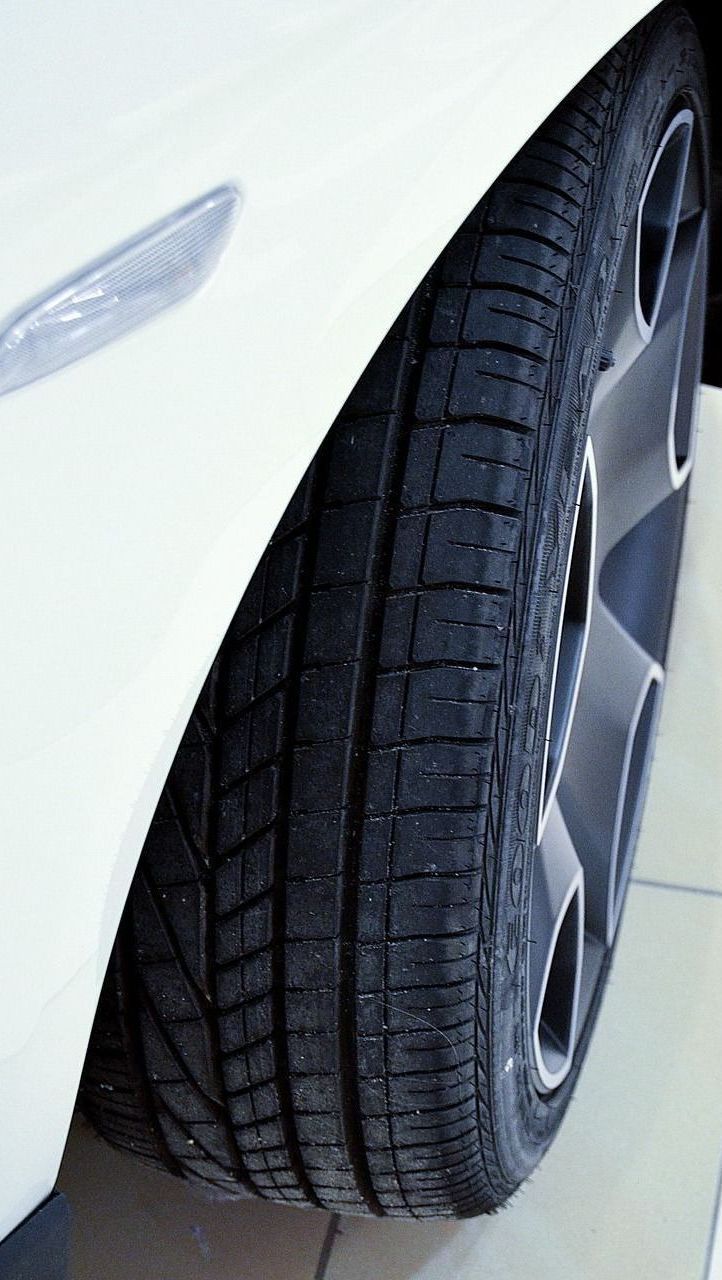
White car's front tire and alloy wheel close-up. The black tire has tread, and the wheel has a silver rim.
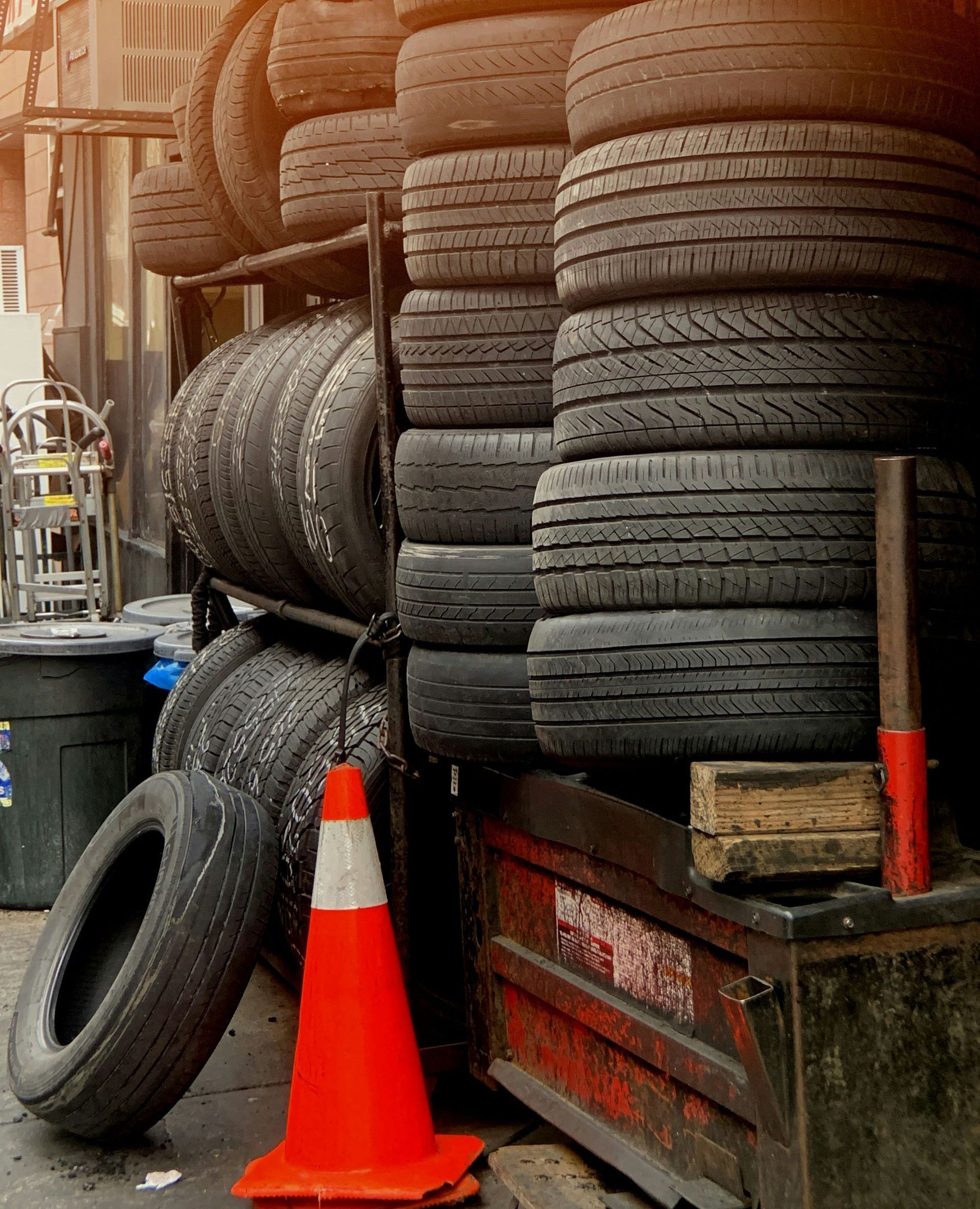
Stack of used tires, a traffic cone, and a toolbox are in front of a shop.
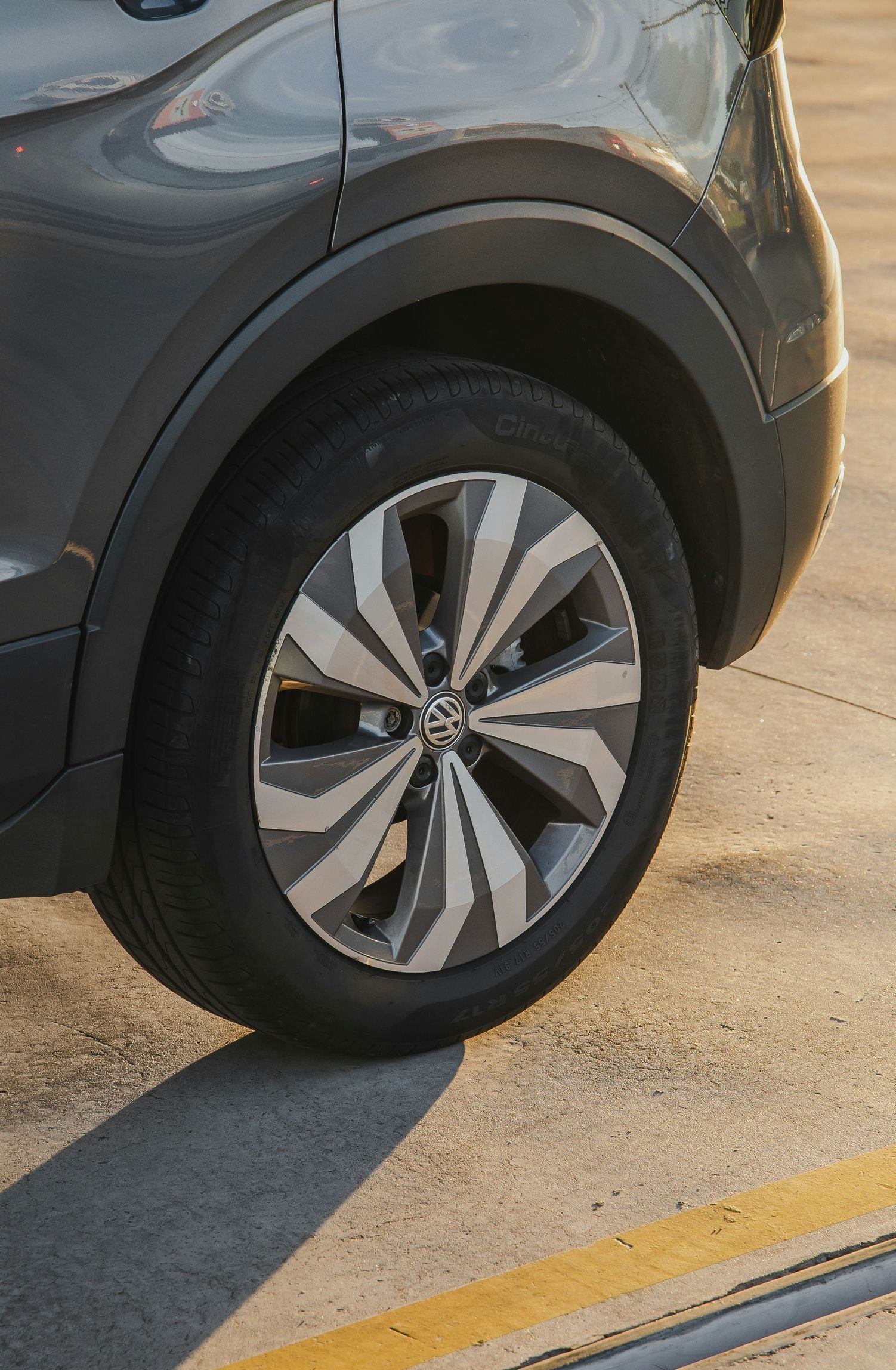
Gray car's rear tire and wheel, with a silver and gray spoke design, parked on concrete.
August 23, 2026
A pothole impact can feel like a quick jolt, but the forces involved can affect several parts of the tire and wheel assembly. The faster the vehicle is moving, the less time the tire has to absorb the impact. In some cases, the damage is immediately obvious. In others, problems may not become noticeable until later. Raymond’s Tire Shop helps drivers inspect tires, wheels, balancing, and alignment after hard road impacts. Understanding what can happen during a pothole strike can make it easier to recognize when a tire needs professional attention. The Tire Is Compressed Extremely Quickly When a tire drops into a pothole and strikes the far edge, the sidewall and tread can be compressed between the road and the wheel. Tires are designed to flex, but a severe impact can exceed what the internal structure can safely absorb.  The risk can be greater when tire pressure is too low because there is less air cushioning between the road surface and the wheel. However, even a properly inflated tire can be damaged by a deep pothole at sufficient speed.
August 16, 2026
Tires are one of the most important safety components on any vehicle because they are the only parts that maintain direct contact with the road. As tires wear, their ability to grip pavement, channel water, and respond predictably can gradually decline. The challenge is that unsafe tire conditions are not always obvious until performance has already been affected.  Raymond’s Tire Shop helps drivers evaluate tread wear, tire damage, pressure issues, alignment problems, and other conditions that can affect tire safety. Knowing what to look for can help you recognize when a tire needs professional attention or replacement.
August 7, 2026
Most drivers think of tires simply as the round rubber components that allow a vehicle to roll down the road. In reality, tires are sophisticated pieces of engineering that perform several essential functions every time a vehicle is in motion. They support the weight of the vehicle, transmit steering and braking forces, absorb road irregularities, and maintain traction in changing driving conditions. Every acceleration, turn, and stop depends on these four small contact patches where the tires meet the road.  Understanding the primary functions of a tire helps drivers appreciate why routine maintenance and timely replacement are so important. Raymond’s Tire Shop helps customers choose quality tires and maintain them properly so their vehicles continue to perform safely and efficiently throughout the life of the tire.
July 31, 2026
Understanding how your tires interact with wet pavement is one of the most important parts of safe driving. While most drivers know that rain can make roads slippery, fewer understand how hydroplaning occurs or why it can cause a vehicle to suddenly lose traction. Knowing what causes hydroplaning—and how proper tire maintenance can reduce the risk—can help you stay safer during wet weather.  At Raymond’s Tire Shop, we believe that informed drivers make safer decisions. Keeping your tires in excellent condition is one of the best ways to improve vehicle performance when road conditions are less than ideal.
July 23, 2026
Your tires are one of the hardest-working components of your vehicle. They provide traction, support your vehicle’s weight, absorb impacts from the road, and help you maintain control in a wide range of driving conditions. Because they experience constant wear, replacing tires is an expected part of vehicle ownership. However, proper maintenance can help maximize their lifespan, improve performance, and save you money over time. Many of the factors that affect tire longevity are within a driver’s control. By following a few simple maintenance practices, you can help your tires wear more evenly and perform as intended throughout their service life.
July 17, 2026
Your tires are the only part of your vehicle that remains in constant contact with the road, making them one of the most important components for safety, performance, and fuel efficiency. While many drivers remember to check their oil or schedule routine maintenance, tire pressure is often overlooked until a problem develops.  Maintaining proper tire inflation is one of the simplest and most effective ways to extend the life of your tires. It takes only a few minutes to check your tire pressure, yet this small maintenance task can help improve vehicle performance and protect your investment over the long term.