Cómo los hábitos de conducción pueden acortar la vida útil de los neumáticos
Los neumáticos no se desgastan únicamente en función del kilometraje.
La forma en que se conduce un vehículo puede influir considerablemente en la rapidez con la que se desgasta la banda de rodadura, en la uniformidad del desgaste de los neumáticos y en la frecuencia con la que surgen problemas.
Dos conductores pueden utilizar el mismo tipo de neumáticos en vehículos similares y obtener una vida útil muy diferente simplemente porque sus hábitos de conducción son distintos.
Por eso, el cuidado de los neumáticos no consiste únicamente en revisar la presión del aire y programar las rotaciones. También depende de cómo se conduce el vehículo todos los días.
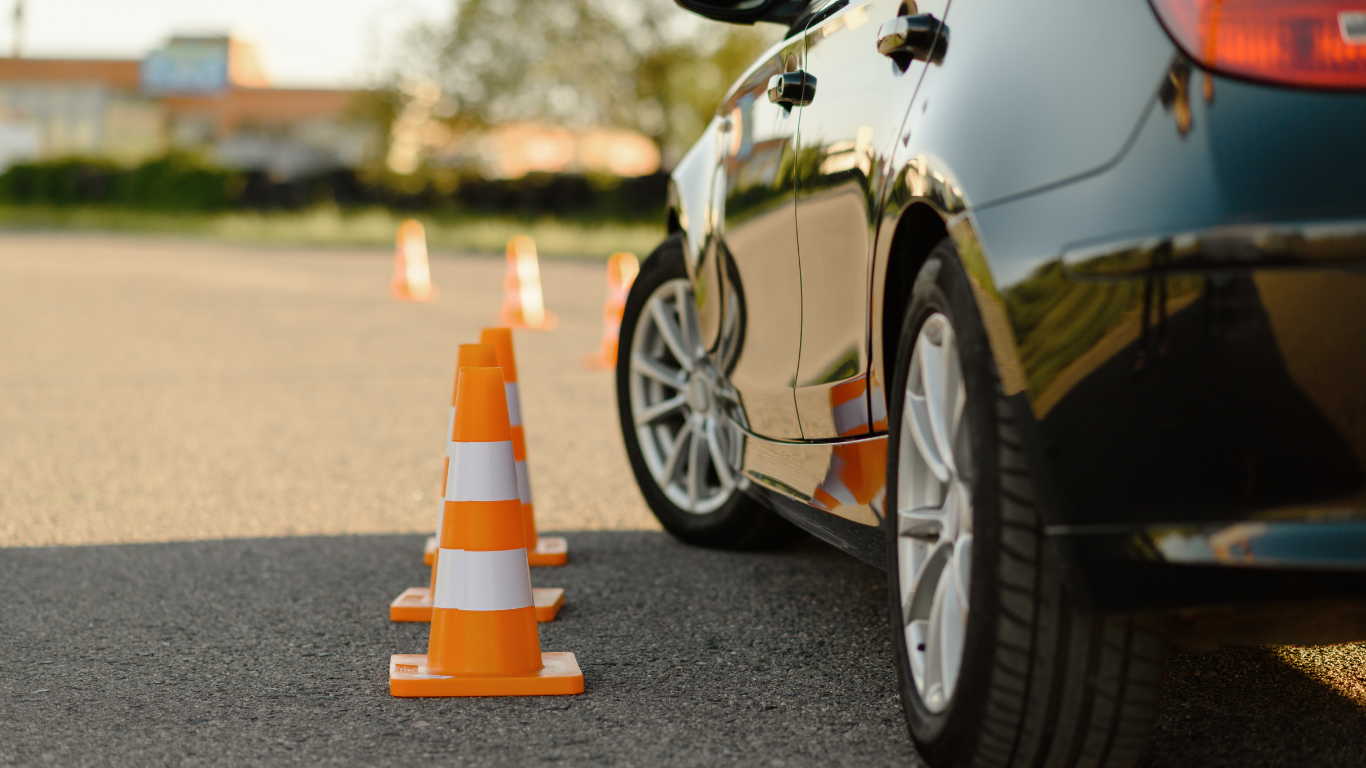
Las aceleraciones bruscas pueden aumentar el desgaste de la banda de rodadura
Las aceleraciones rápidas ejercen una fuerza adicional sobre los neumáticos motrices.
Esto puede ser especialmente evidente en vehículos con mayor potencia o torque, cuyos neumáticos deben transmitir una gran cantidad de potencia a la carretera de una sola vez.
Las aceleraciones enérgicas ocasionales no suelen arruinar por sí solas un juego de neumáticos, pero los arranques agresivos repetidos pueden contribuir a un desgaste más rápido con el tiempo.
El efecto también puede variar según si el vehículo tiene tracción delantera, tracción trasera o tracción en las cuatro ruedas.

Las frenadas bruscas también pueden perjudicar los neumáticos
El frenado somete la banda de rodadura a un tipo diferente de esfuerzo.
Las frenadas bruscas frecuentes pueden aumentar el desgaste, especialmente en los neumáticos delanteros, que suelen soportar una gran parte de la carga de frenado.
Los conductores que habitualmente siguen demasiado de cerca a otros vehículos también pueden terminar frenando con más fuerza y frecuencia de la necesaria.
Dejar más espacio entre los vehículos y anticiparse a las condiciones del tráfico puede reducir las frenadas repentinas. Esto es mejor para los neumáticos y también puede hacer que la conducción sea más suave.

Tomar las curvas a gran velocidad desgasta los bordes
Los neumáticos están diseñados para soportar las fuerzas que se generan al tomar curvas, pero hacerlo repetidamente de manera agresiva puede acelerar el desgaste de los hombros de los neumáticos.
Este efecto puede ser más evidente en carreteras sinuosas o en vehículos con sistemas de suspensión diseñados para un manejo deportivo.
Si los bordes de los neumáticos se desgastan rápidamente, el estilo de conducción puede ser uno de los factores responsables.
Sin embargo, el desgaste irregular de los hombros también puede indicar problemas de presión de inflado o de
alineación. Por eso, conviene hacer inspeccionar los neumáticos en lugar de asumir que los hábitos de conducción son la única causa.

Los baches y los bordillos pueden causar problemas mayores
Los hábitos de conducción también incluyen el cuidado con el que se recorren las carreteras en mal estado.
Pasar por un bache a alta velocidad puede dañar la estructura interna de un neumático, doblar una rueda o alterar la alineación del vehículo.
Golpear los bordillos puede provocar problemas similares.
A veces, los daños son evidentes.
En otros casos, la primera señal puede ser una fuga lenta de aire, una dirección que tira hacia un lado, vibraciones o un desgaste inusual de la banda de rodadura que aparece varias semanas después.
Evitar los peligros de la carretera cuando sea seguro hacerlo puede ayudar a proteger todo el conjunto de neumático y rueda.
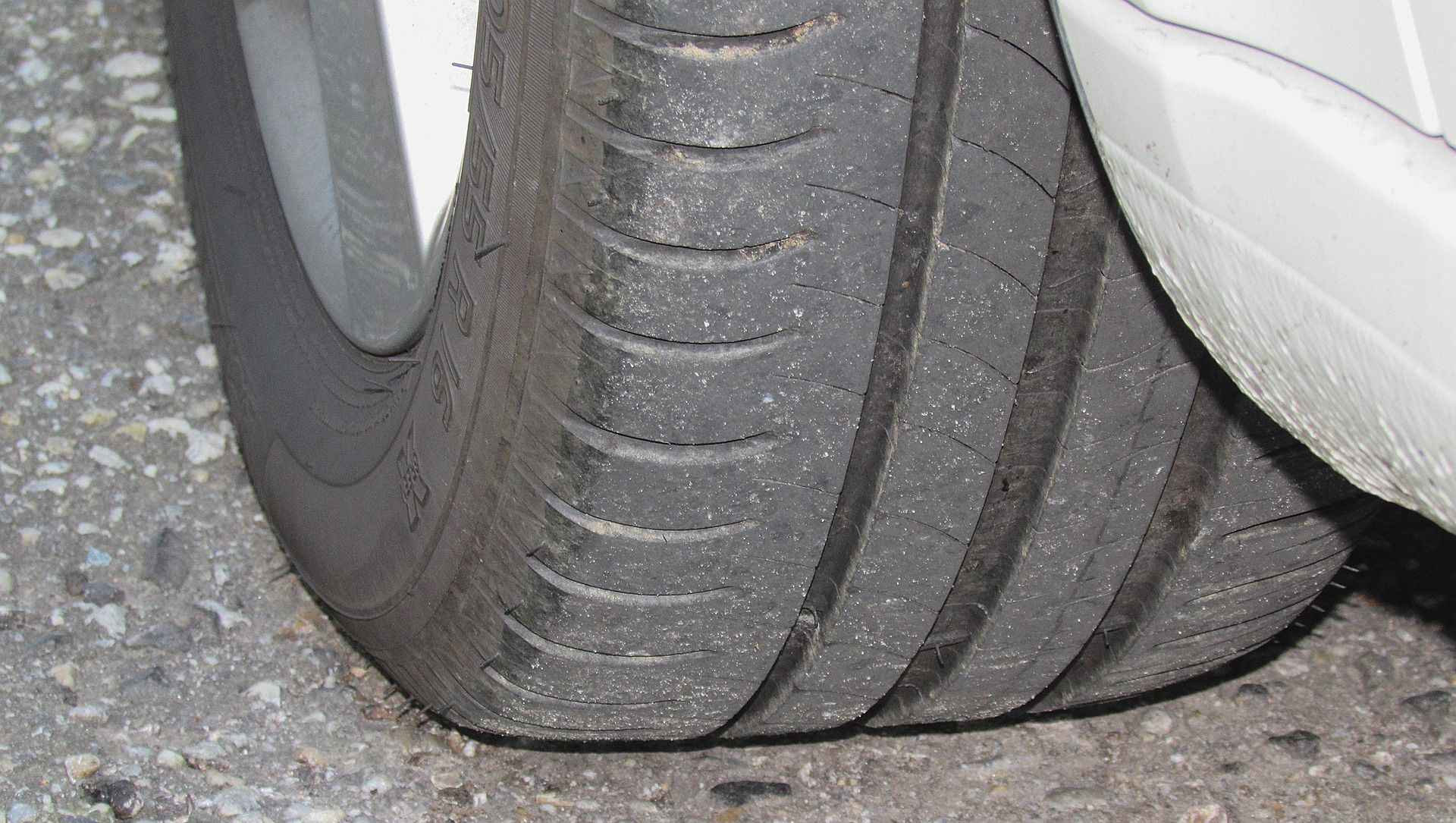
La conducción en carretera y en ciudad desgasta los neumáticos de manera diferente
La conducción en ciudad suele implicar más aceleraciones, frenadas, giros y paradas.
La conducción en carretera generalmente permite mantener velocidades más constantes, pero puede exponer los neumáticos al calor durante períodos prolongados y a velocidades más altas. Ninguno de estos tipos de conducción es necesariamente perjudicial para los neumáticos.
El factor importante es qué tan agresivamente se conduce el vehículo y si se mantienen la presión de los neumáticos y la alineación en buenas condiciones.
Un conductor que pasa la mayor parte del día en el tráfico con constantes paradas y arranques quizá simplemente deba prestar más atención a los patrones de desgaste de la banda de rodadura.
Sobrecargar el vehículo puede aumentar el esfuerzo sobre los neumáticos
Transportar más peso de lo habitual también puede afectar la vida útil de los neumáticos. Las cargas pesadas aumentan el peso que debe soportar cada neumático.
Si el vehículo se utiliza con frecuencia para transportar herramientas, equipos, pasajeros u otras cargas pesadas, mantener la presión de inflado adecuada se vuelve aún más importante.
Conducir habitualmente con demasiado peso puede aumentar el calor y acelerar el desgaste. Los conductores deben respetar los límites de carga establecidos por el fabricante del vehículo y utilizar la presión de inflado recomendada para los neumáticos.

Los buenos hábitos ayudan a prolongar la vida útil de los neumáticos
Conducir suavemente puede marcar la diferencia.
Acelerar de manera gradual, frenar de forma controlada, tomar las curvas a velocidades razonables, evitar los baches cuando sea posible y revisar la presión de los neumáticos con regularidad contribuyen a un desgaste más uniforme.
Las rotaciones periódicas y las revisiones de alineación también pueden ayudar a evitar que un juego de neumáticos soporte más esfuerzo que los demás.
Preste atención al patrón de desgaste
Los hábitos de conducción dejan señales. El desgaste irregular de los hombros, la pérdida rápida de la banda de rodadura, el desgaste en forma de depresiones, el desgaste en forma de plumas o las vibraciones inusuales pueden indicar que hay algo que requiere atención.
Raymond’s Tire Shop puede inspeccionar sus neumáticos, revisar los patrones de desgaste, equilibrar las ruedas y evaluar la alineación para ayudar a determinar por qué sus neumáticos se están desgastando de esa manera.
Los buenos neumáticos son una inversión. Conducir suavemente y realizar un mantenimiento adecuado puede ayudarle a aprovechar al máximo esa inversión y prolongar la vida útil de los neumáticos antes de que sea necesario reemplazarlos.