Cómo los neumáticos absorben el estrés durante la conducción diaria
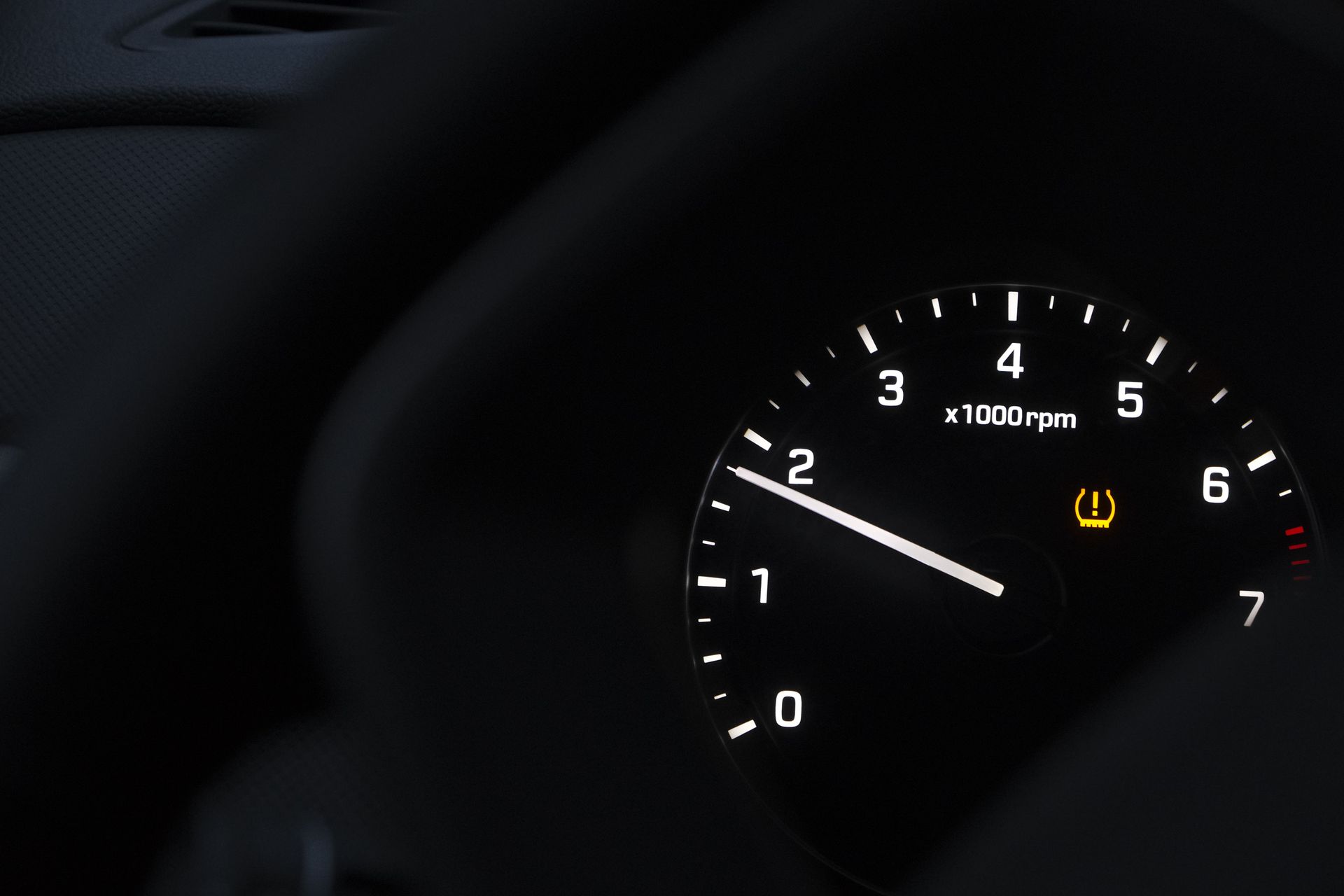
La mayoría de los conductores solo piensan en los neumáticos cuando existe un problema visible, como una llanta pinchada, desgaste en la banda de rodadura o una advertencia de baja presión. En realidad, los neumáticos trabajan constantemente bajo estrés cada vez que el vehículo está en movimiento. Cada giro, frenado, aceleración, bache y cambio en la superficie de la carretera ejerce presión sobre los neumáticos mucho antes de que aparezcan problemas evidentes.
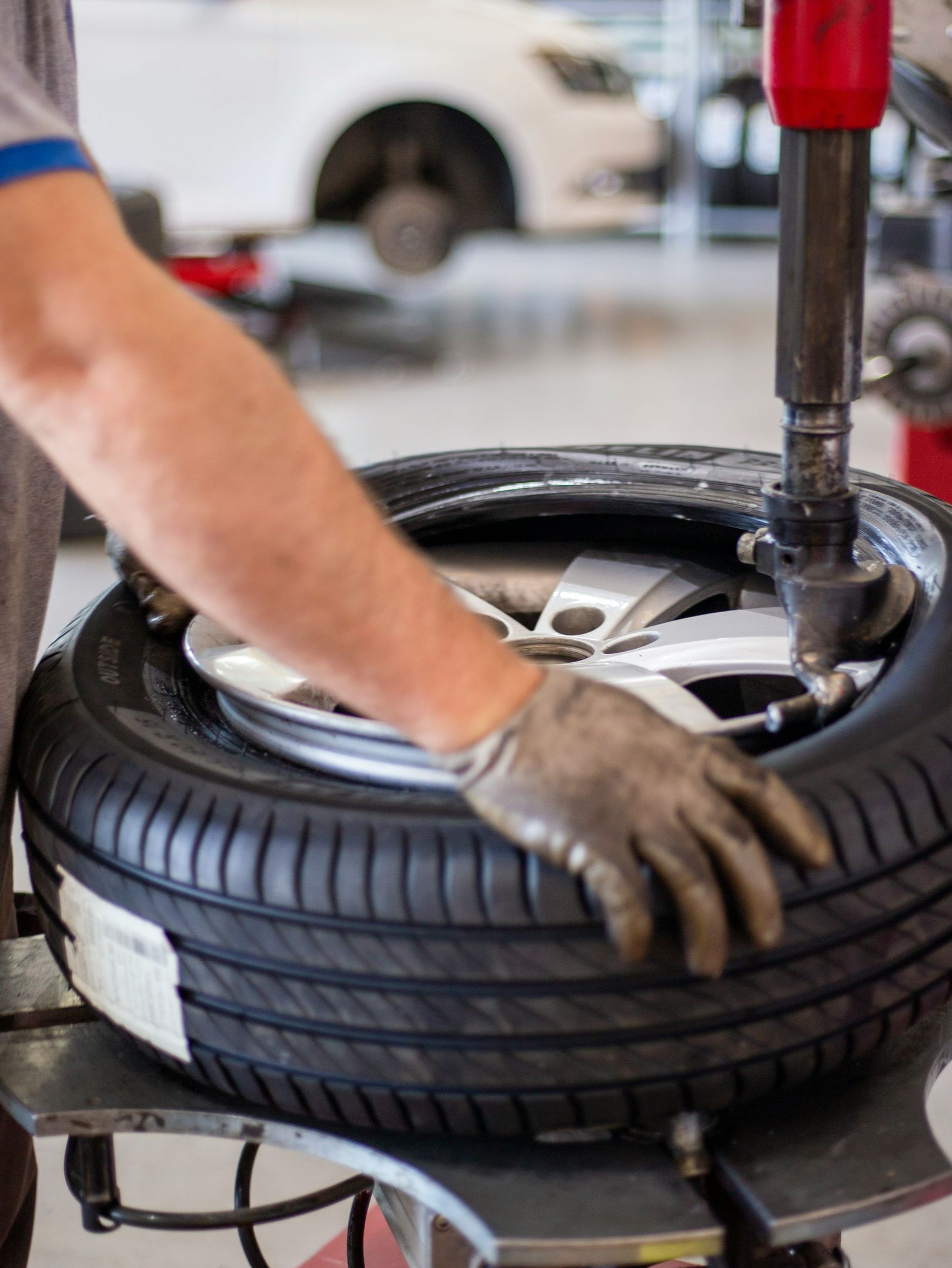
En Raymond’s Tire Shop, ayudamos a los conductores a comprender que los neumáticos son una de las partes que más trabajan en cualquier vehículo. Absorben una enorme cantidad de estrés durante las condiciones normales de manejo, por lo que las inspecciones y el mantenimiento regulares son tan importantes tanto para la seguridad como para el rendimiento.
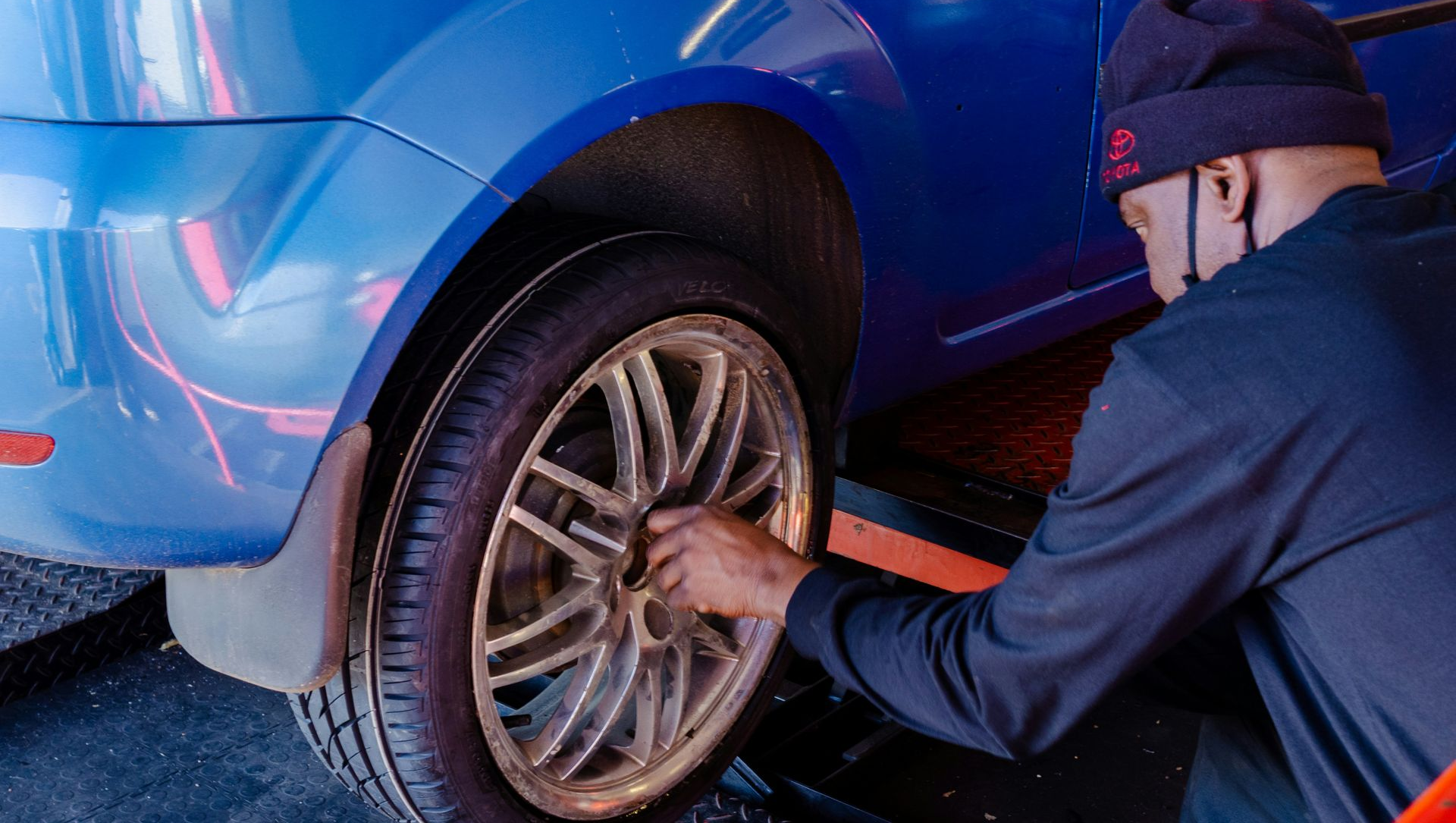
Los neumáticos soportan peso y fricción constantes
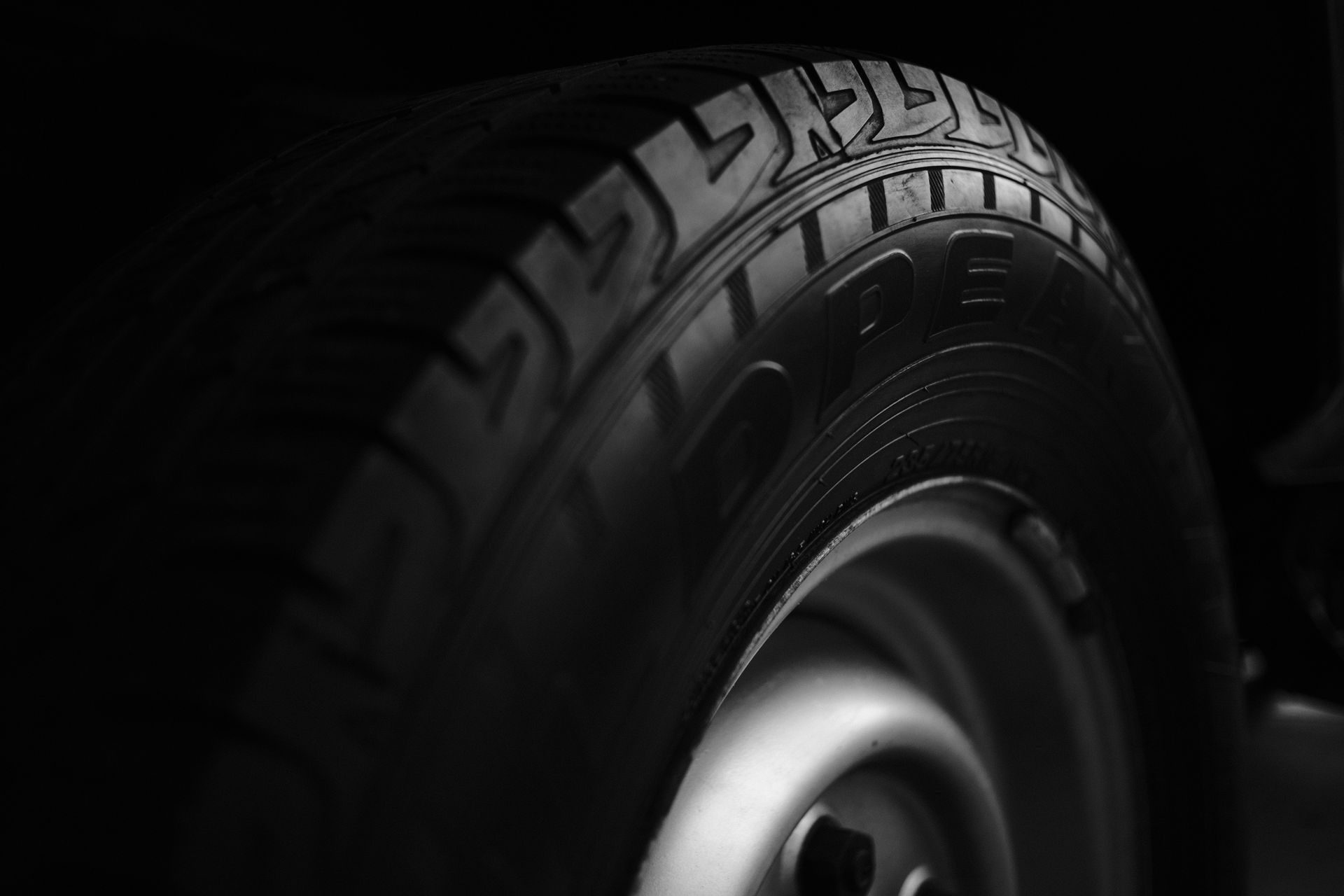
La función principal de un neumático es mantener el contacto entre el vehículo y la superficie de la carretera. Aunque esto parece sencillo, implica manejar continuamente un peso considerable, fricción, calor y movimiento.
Cada vehículo ejerce una presión significativa sobre sus neumáticos simplemente durante el funcionamiento normal. Los neumáticos soportan el peso del motor, los pasajeros, la carga y el propio vehículo, mientras también manejan las fuerzas creadas durante el frenado, la aceleración y los giros.
A velocidades de autopista, esta presión aumenta drásticamente porque los neumáticos se flexionan constantemente y generan calor al rodar sobre el pavimento.

Las condiciones de la carretera generan impactos continuos
Incluso las carreteras lisas generan estrés en los neumáticos. Pavimento irregular, zonas de construcción, baches, grava, residuos y superficies desniveladas ejercen una tensión adicional sobre la estructura del neumático.
Cada golpe o impacto obliga al neumático a absorber energía mientras mantiene estabilidad y tracción. Con el tiempo, los impactos repetidos afectan gradualmente la estructura interna del neumático, el desgaste de la banda de rodadura y el rendimiento general.
En algunos casos, el daño causado por un bache puede no ser evidente de inmediato. El debilitamiento interno o el estrés en los costados del neumático puede continuar desarrollándose mucho después de que ocurrió el impacto inicial.
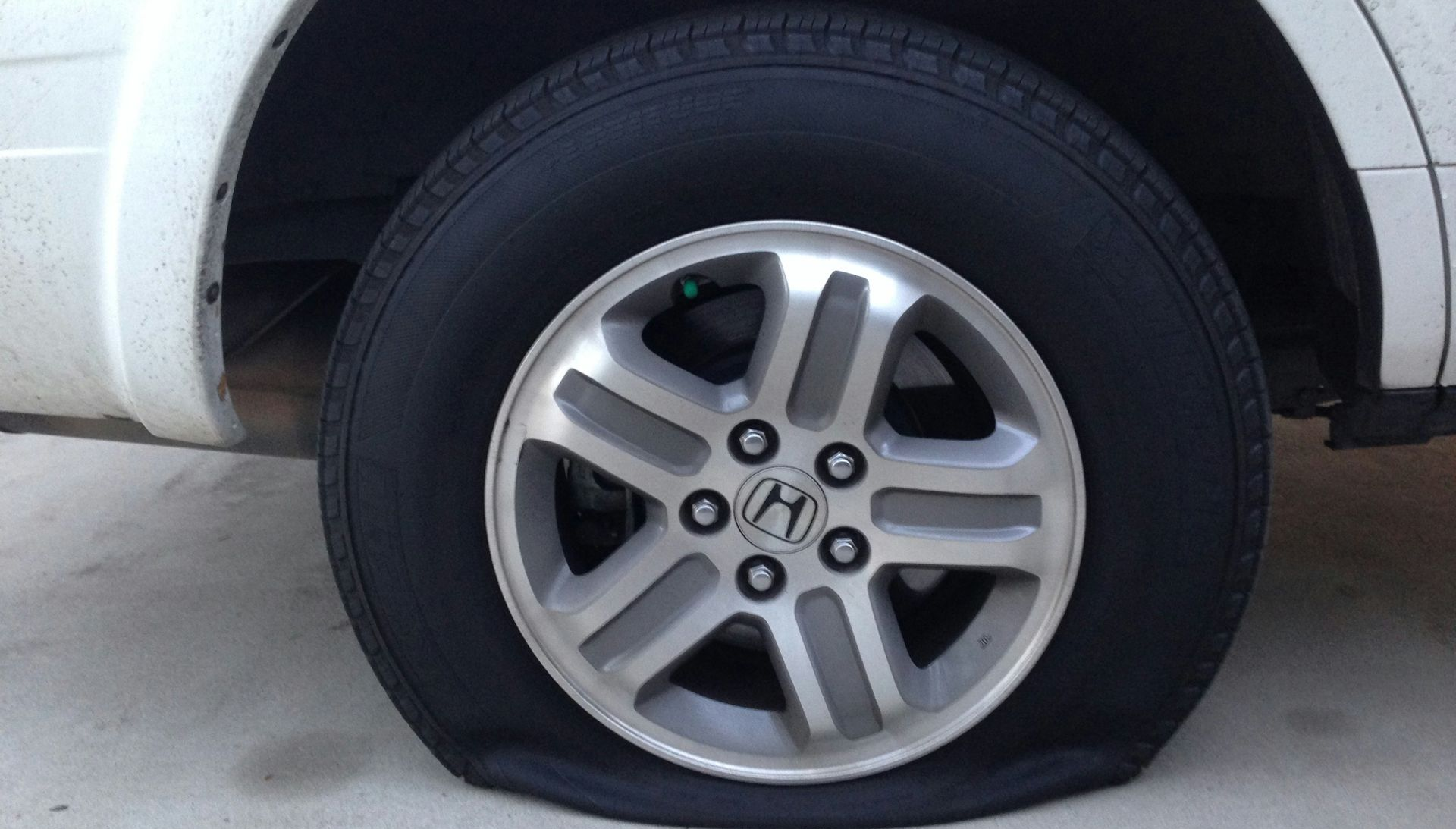
El calor es una de las mayores fuentes de estrés para los neumáticos
El calor desempeña un papel importante en el rendimiento y la duración de los neumáticos. A medida que los neumáticos ruedan sobre la carretera, la fricción genera naturalmente calor dentro del caucho y de los materiales internos.
El clima cálido aumenta aún más este estrés, especialmente durante viajes largos o conducción en carretera. Los neumáticos con baja presión son particularmente vulnerables porque se flexionan en exceso, generando una acumulación adicional de calor.
El calor excesivo puede acelerar el desgaste de la banda de rodadura y aumentar la probabilidad de fallas en los neumáticos con el tiempo. Esta es una de las razones por las que mantener la presión adecuada es tan importante durante los meses más cálidos.

Girar y frenar añade presión adicional
Los neumáticos experimentan diferentes tipos de estrés dependiendo de cómo se conduce el vehículo. Frenadas bruscas, giros cerrados y aceleraciones agresivas ejercen tensión adicional sobre la banda de rodadura y los costados del neumático.
Por ejemplo:
- Las frenadas bruscas aumentan la presión hacia adelante sobre los neumáticos delanteros
- Los giros cerrados generan estrés lateral
- Las aceleraciones rápidas ejercen presión sobre los neumáticos traseros
Con el tiempo, estas fuerzas repetidas influyen en los patrones de desgaste y en la condición general de los neumáticos.
Los conductores a menudo no notan estos cambios graduales porque el vehículo se adapta lentamente a medida que los neumáticos se desgastan.
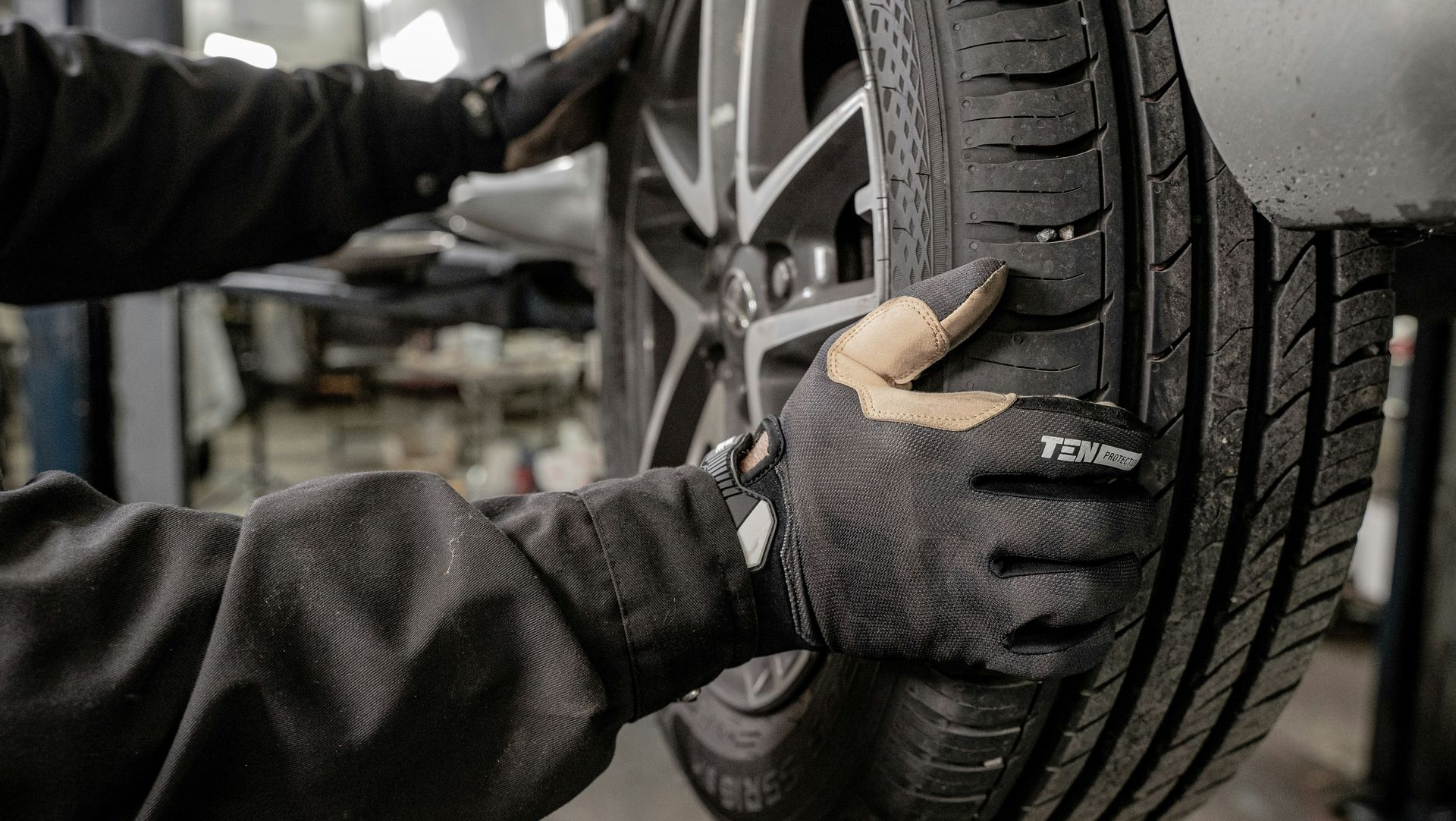
Los problemas en los neumáticos suelen aparecer gradualmente
Una razón por la que los problemas en los neumáticos a veces pasan desapercibidos es que el desgaste se desarrolla progresivamente en lugar de aparecer de repente. Los conductores pueden acostumbrarse a vibraciones leves, menor precisión en el manejo o mayor ruido en la carretera sin darse cuenta de que los neumáticos están cambiando.
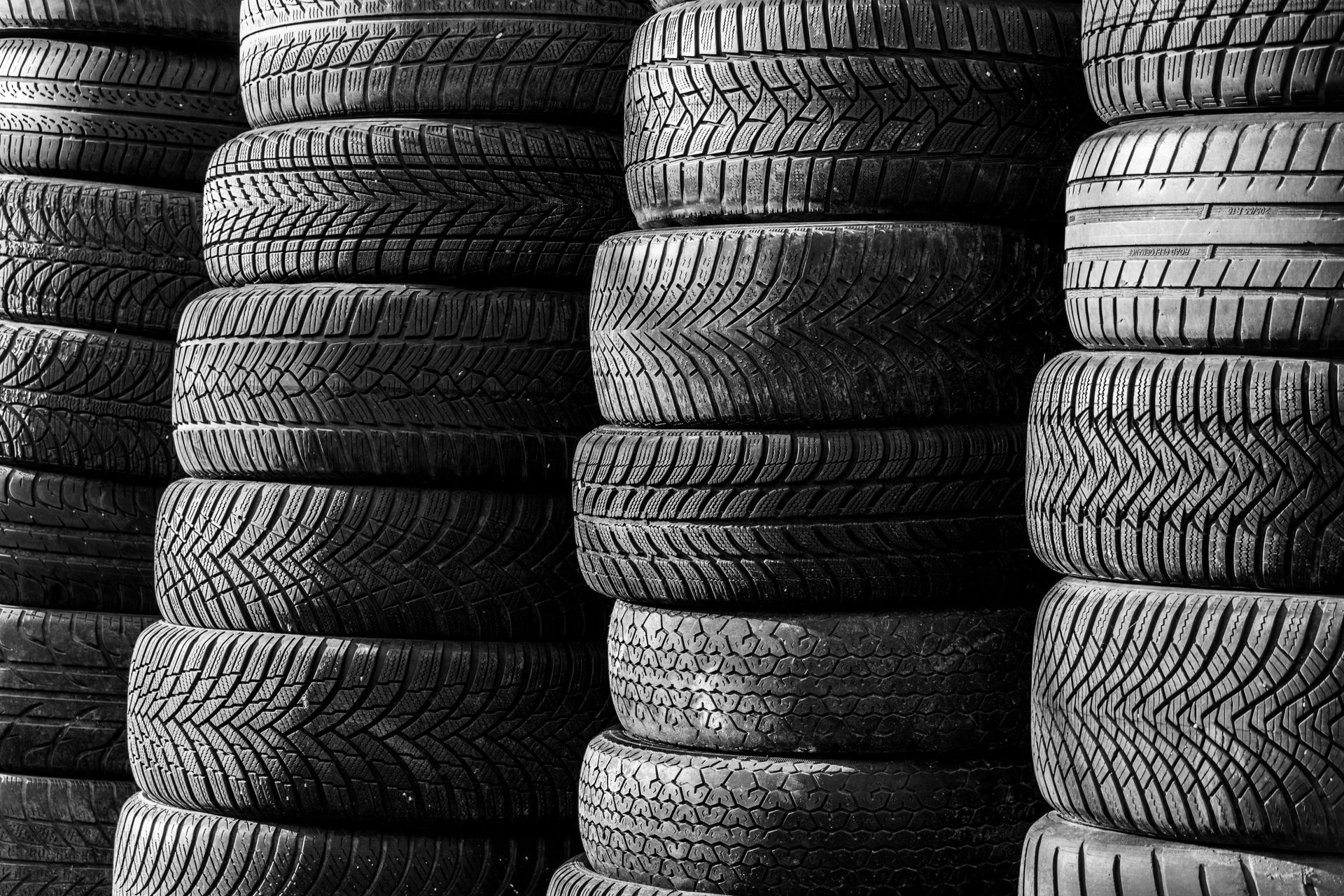
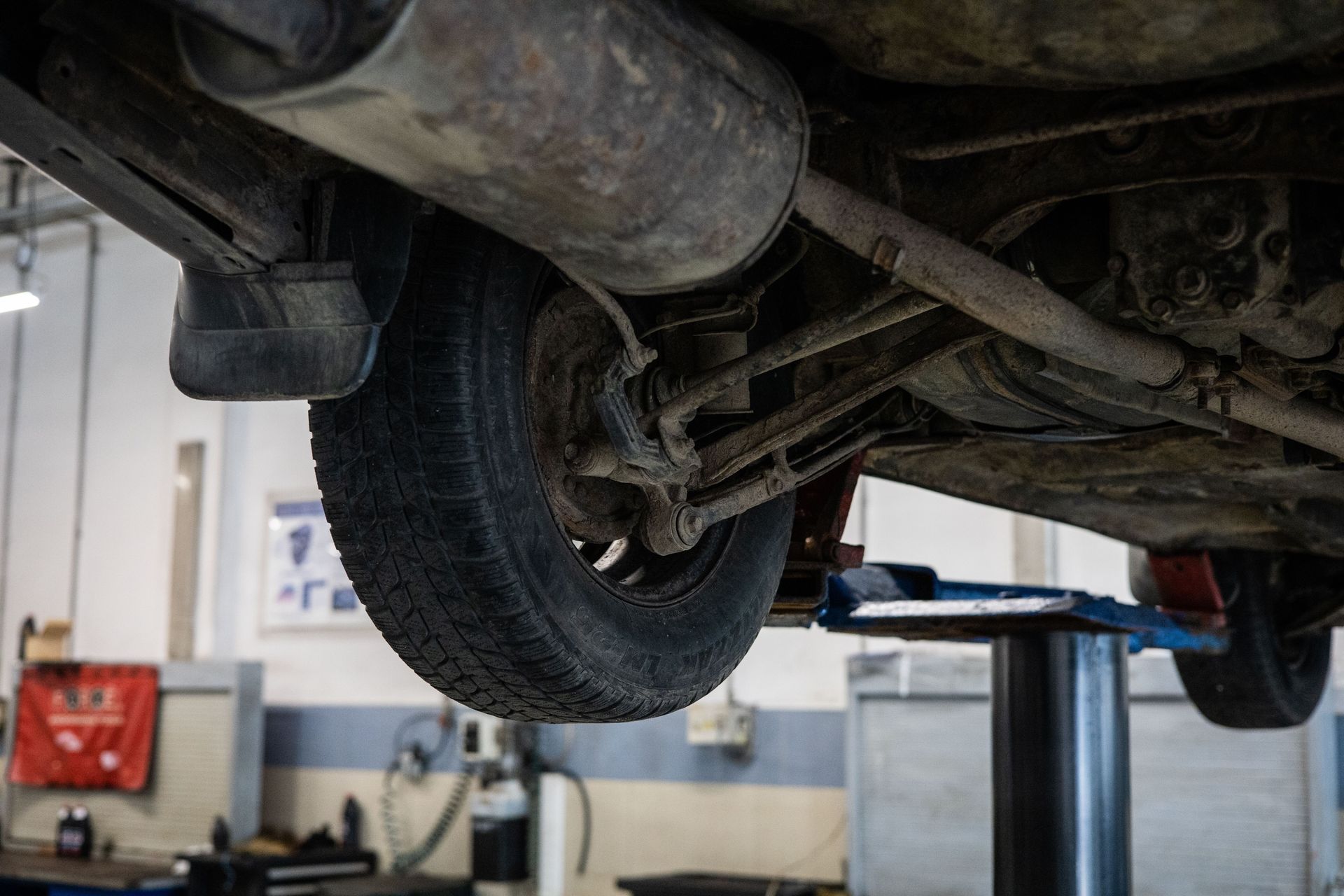
Problemas pequeños como desgaste irregular de la banda de rodadura o fallas menores de alineación pueden seguir empeorando silenciosamente con el tiempo. Cuando los síntomas se vuelven evidentes, los neumáticos pueden ya estar considerablemente comprometidos. Las inspecciones de rutina ayudan a identificar estos problemas temprano antes de que provoquen inconvenientes mayores o reduzcan la seguridad al conducir.
El mantenimiento de los neumáticos ayuda a reducir el estrés
Aunque los neumáticos absorben estrés constante, el mantenimiento adecuado ayuda a reducir la tensión innecesaria y a prolongar su vida útil.
Los pasos importantes de mantenimiento incluyen:
- Mantener la presión adecuada de los neumáticos
- Rotar los neumáticos regularmente
- Revisar la alineación de las ruedas
- Supervisar el desgaste de la banda de rodadura
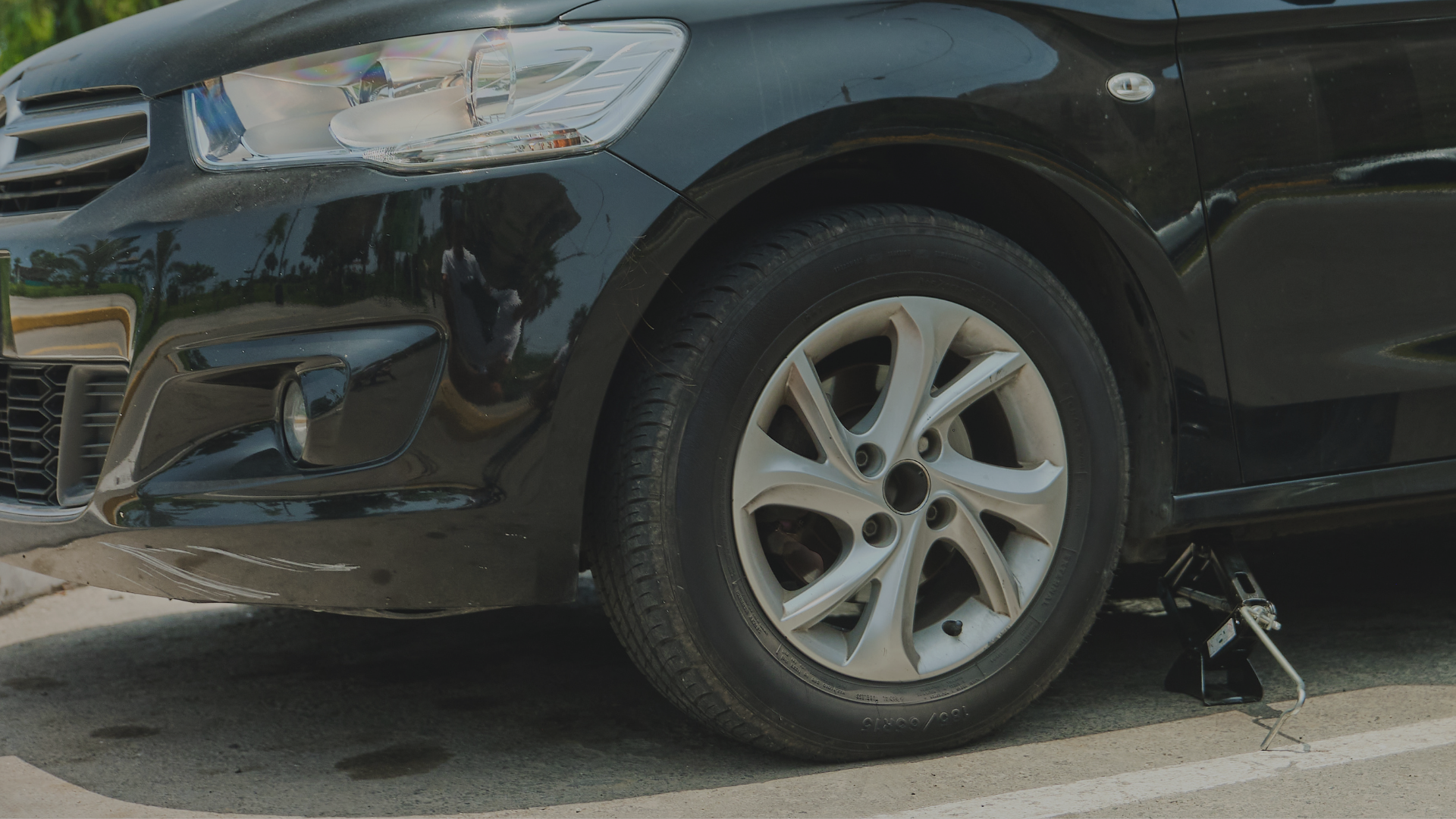
- Inspeccionar daños después de impactos en la carretera
Estos servicios ayudan a distribuir el desgaste de manera más uniforme y mejoran la estabilidad general del vehículo. En Raymond’s Tire Shop, nos enfocamos en ayudar a los conductores a mantener correctamente sus neumáticos para que funcionen de forma más segura y predecible bajo las condiciones diarias de manejo.

Apoyando una conducción diaria más segura
Los neumáticos experimentan una enorme cantidad de estrés durante la conducción normal, incluso cuando las carreteras parecen lisas y las condiciones parecen rutinarias. El calor, la fricción, los impactos, las fuerzas de giro y el peso del vehículo afectan el rendimiento de los neumáticos con el tiempo.
Debido a que los neumáticos trabajan continuamente en segundo plano, los problemas suelen desarrollarse gradualmente en lugar de aparecer todos de una vez. Las inspecciones regulares y el mantenimiento preventivo ayudan a identificar el desgaste antes de que comience a afectar la seguridad y la capacidad de manejo.
En Raymond’s Tire Shop, ofrecemos servicios profesionales de neumáticos diseñados para ayudar a los conductores a mantenerse seguros, cómodos y preparados para las condiciones diarias de la carretera. Si sus neumáticos no han sido inspeccionados recientemente, contacte a nuestro equipo para programar una evaluación profesional y mantener su vehículo funcionando de la mejor manera posible.