Cómo una presión adecuada de los neumáticos ayuda a que duren más
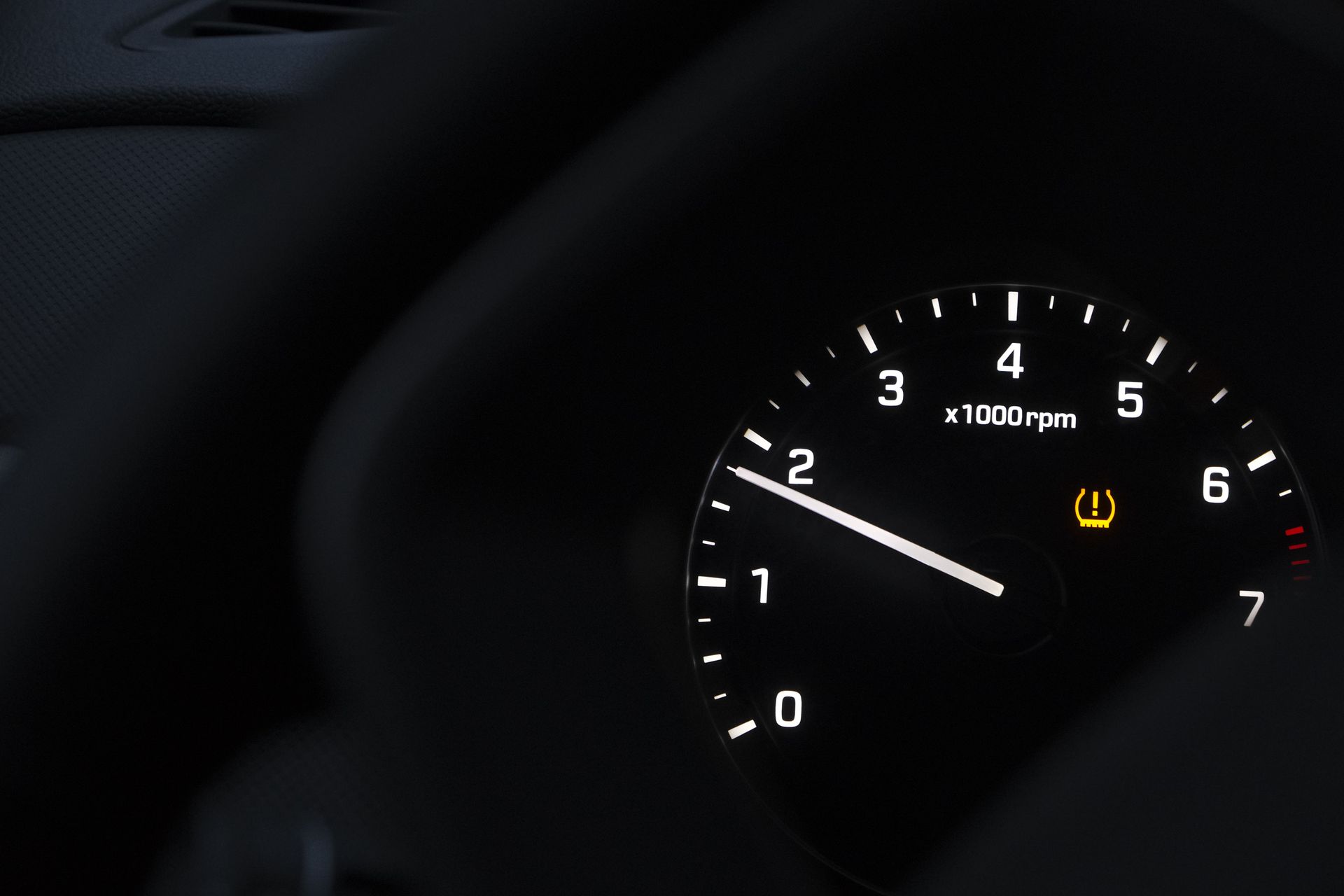
Los neumáticos son la única parte de su vehículo que permanece en contacto constante con la carretera, lo que los convierte en uno de los componentes más importantes para la seguridad, el rendimiento y la eficiencia del combustible. Aunque muchos conductores recuerdan revisar el aceite o programar el mantenimiento de rutina, la presión de los neumáticos suele pasarse por alto hasta que surge un problema.
Mantener los neumáticos correctamente inflados es una de las maneras más sencillas y eficaces de prolongar su vida útil. Solo toma unos minutos revisar la presión de los neumáticos, pero esta pequeña tarea de mantenimiento puede mejorar el rendimiento del vehículo y proteger su inversión a largo plazo.
Por qué es importante la presión de los neumáticos
Cada neumático está diseñado para funcionar dentro de un rango específico de presión establecido por el fabricante del vehículo.
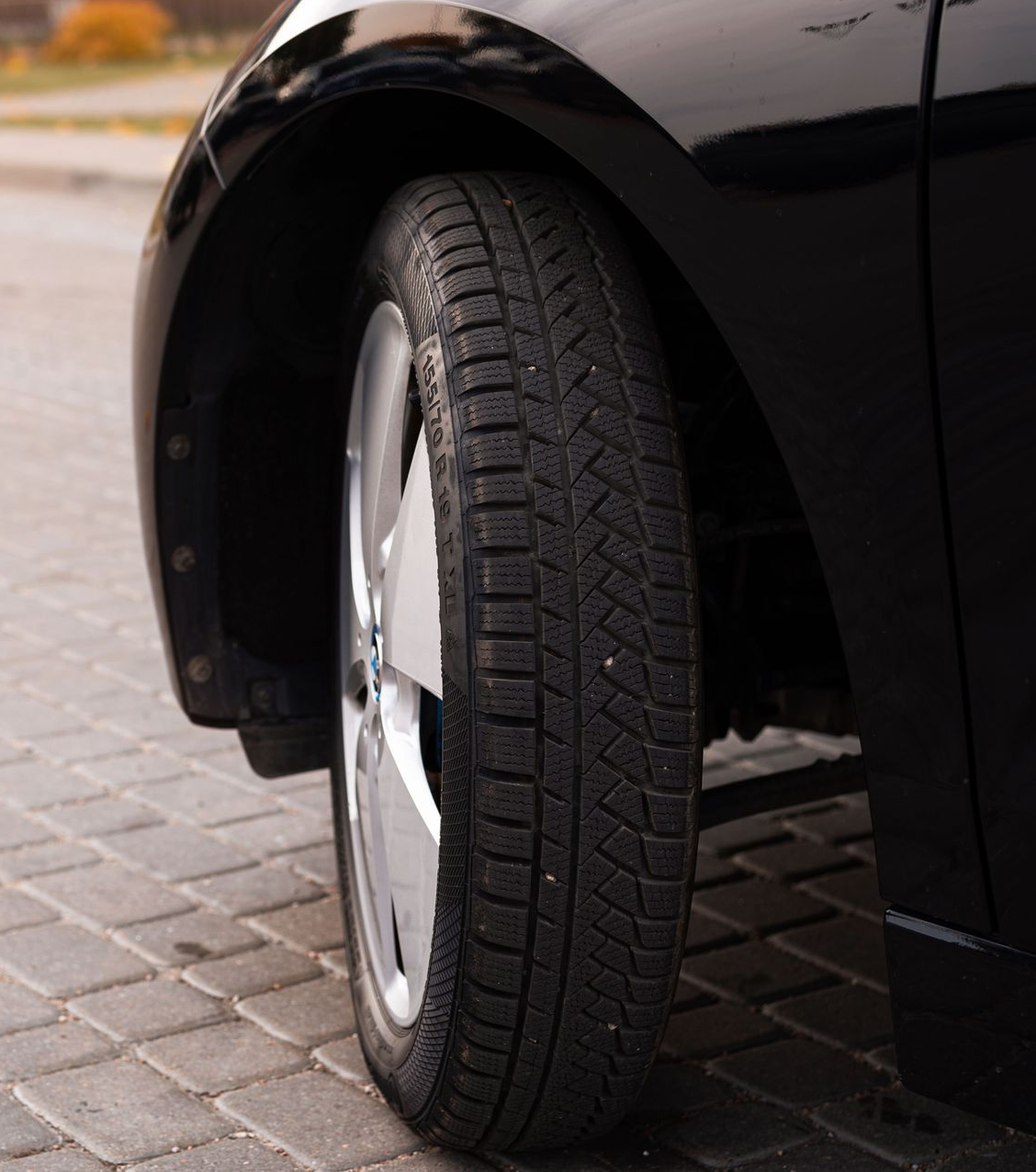
Cuando los neumáticos están inflados a la presión recomendada, mantienen su forma adecuada y hacen un contacto uniforme con la carretera. Esto permite que la banda de rodadura se desgaste de manera más uniforme, al mismo tiempo que proporciona la tracción, el manejo y la estabilidad para los que fue diseñado su vehículo.
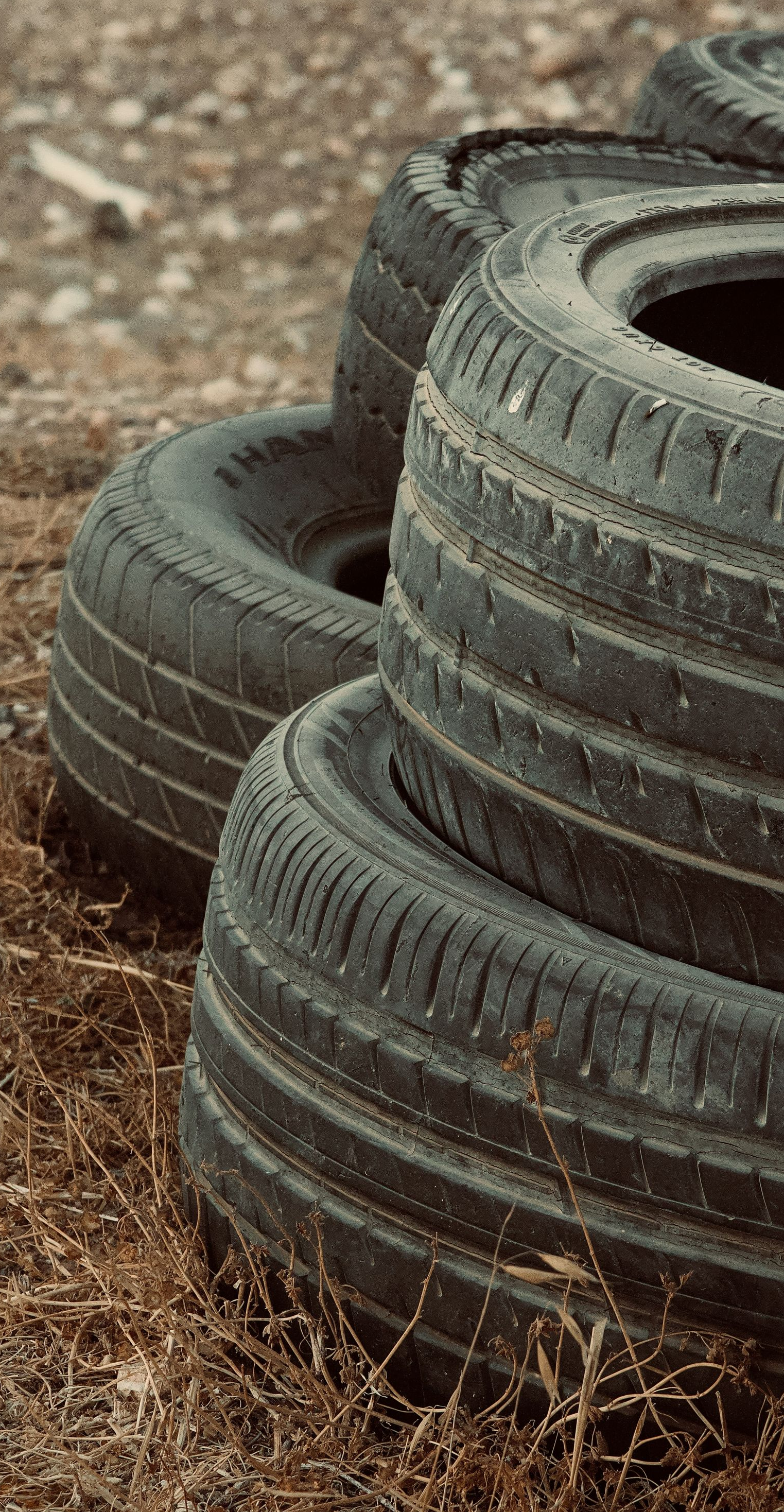
Conducir con neumáticos demasiado desinflados o inflados puede afectar la respuesta del vehículo y contribuir al desgaste irregular de la banda de rodadura con el paso del tiempo.
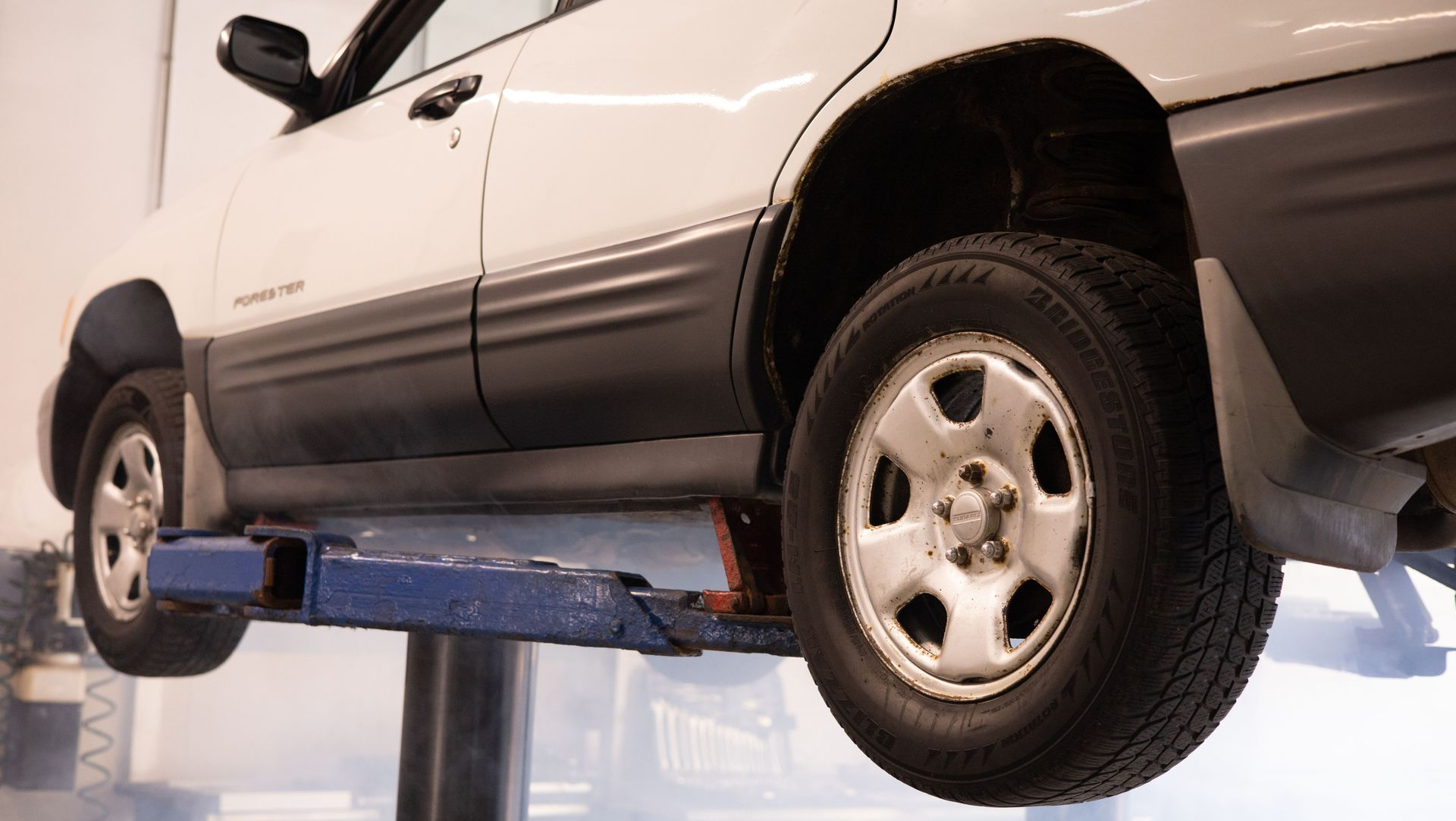
Los efectos de una presión insuficiente
Los neumáticos con baja presión son uno de los problemas de mantenimiento más comunes.
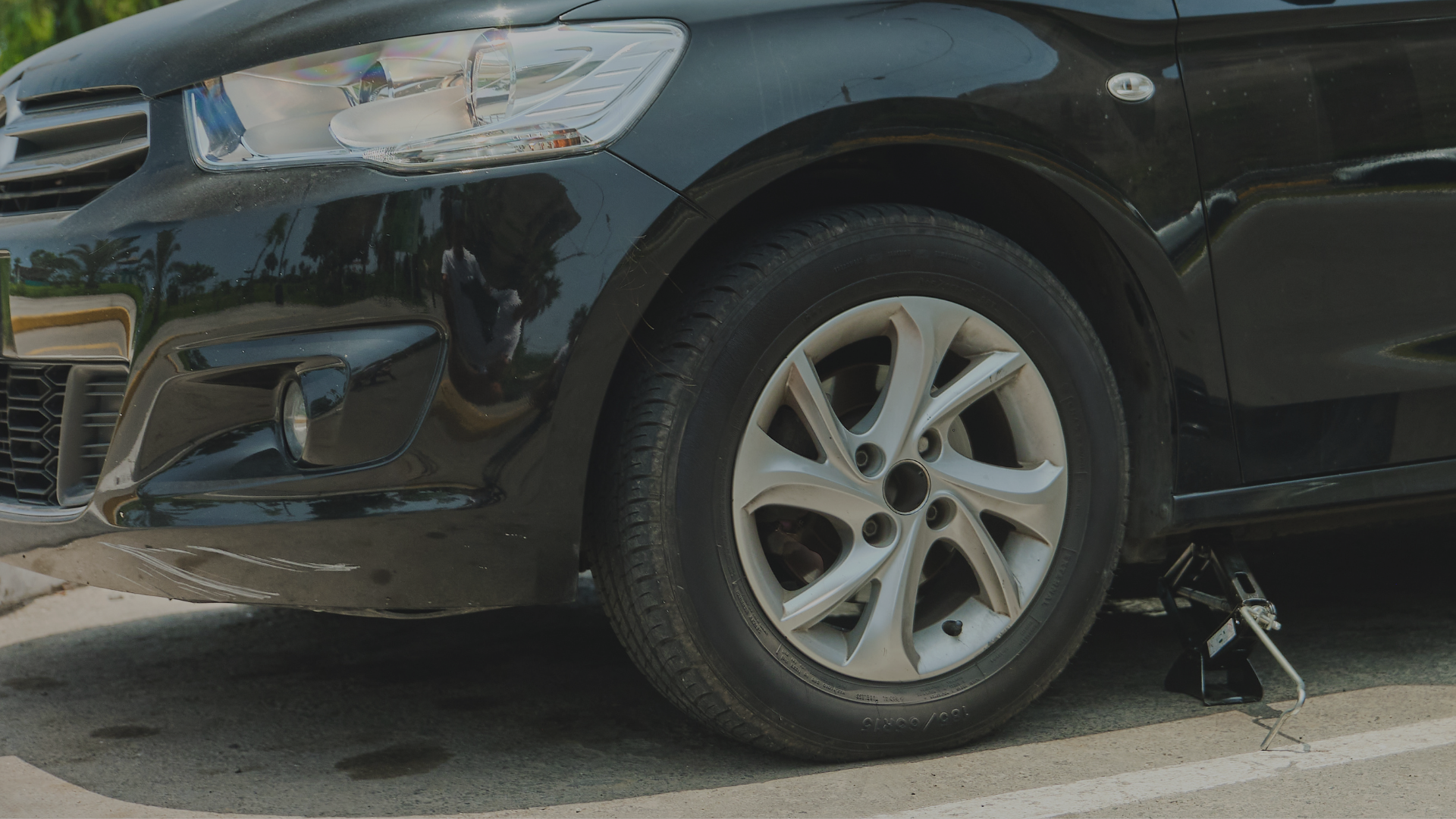
Cuando un neumático tiene muy poco aire, una mayor parte de la banda de rodadura entra en contacto con la carretera. Esto aumenta la resistencia al rodamiento y provoca que los bordes exteriores del neumático se desgasten más rápidamente que el centro. La baja presión también puede hacer que los neumáticos generen más calor durante la conducción normal, lo que ejerce una tensión adicional sobre su estructura interna.
Revisar regularmente la presión de los neumáticos ayuda a reducir estos riesgos y favorece un desgaste más uniforme de la banda de rodadura.
El exceso de presión también puede causar problemas
Agregar demasiado aire no es la solución.
Los neumáticos con exceso de presión tienden a concentrar más peso sobre la parte central de la banda de rodadura, lo que provoca que el centro se desgaste más rápido que los bordes. También pueden ofrecer una conducción más rígida y reducir la capacidad del neumático para mantener un contacto constante con superficies irregulares.
Mantener los neumáticos dentro del rango de presión recomendado ayuda a maximizar tanto la comodidad como el rendimiento.
La presión de los neumáticos cambia durante el año
Muchos conductores se sorprenden al descubrir que la presión de los neumáticos cambia naturalmente conforme varían las temperaturas.
El clima frío suele hacer que la presión disminuya, mientras que las temperaturas más cálidas pueden hacer que aumente. Debido a estos cambios estacionales, es recomendable revisar la presión de los neumáticos regularmente durante todo el año, en lugar de asumir que permanecerá constante.
Una rápida revisión de la presión durante los cambios de estación puede ayudar a prevenir el desgaste innecesario de los neumáticos.

Una presión adecuada mejora el rendimiento general del vehículo
Mantener la presión correcta de los neumáticos ofrece beneficios que van más allá de prolongar su vida útil.
Los neumáticos correctamente inflados contribuyen a un manejo más predecible, una respuesta más suave de la dirección y una mayor eficiencia de combustible al reducir la resistencia al rodamiento. También ayudan a distribuir uniformemente el peso del vehículo sobre cada neumático, permitiendo que la banda de rodadura funcione como fue diseñada.
Combinado con la rotación periódica de los neumáticos, la alineación de las ruedas y el balanceo, mantener la presión adecuada es una de las formas más eficaces de maximizar el rendimiento de los neumáticos.
Haga de la inspección de los neumáticos parte de su rutina
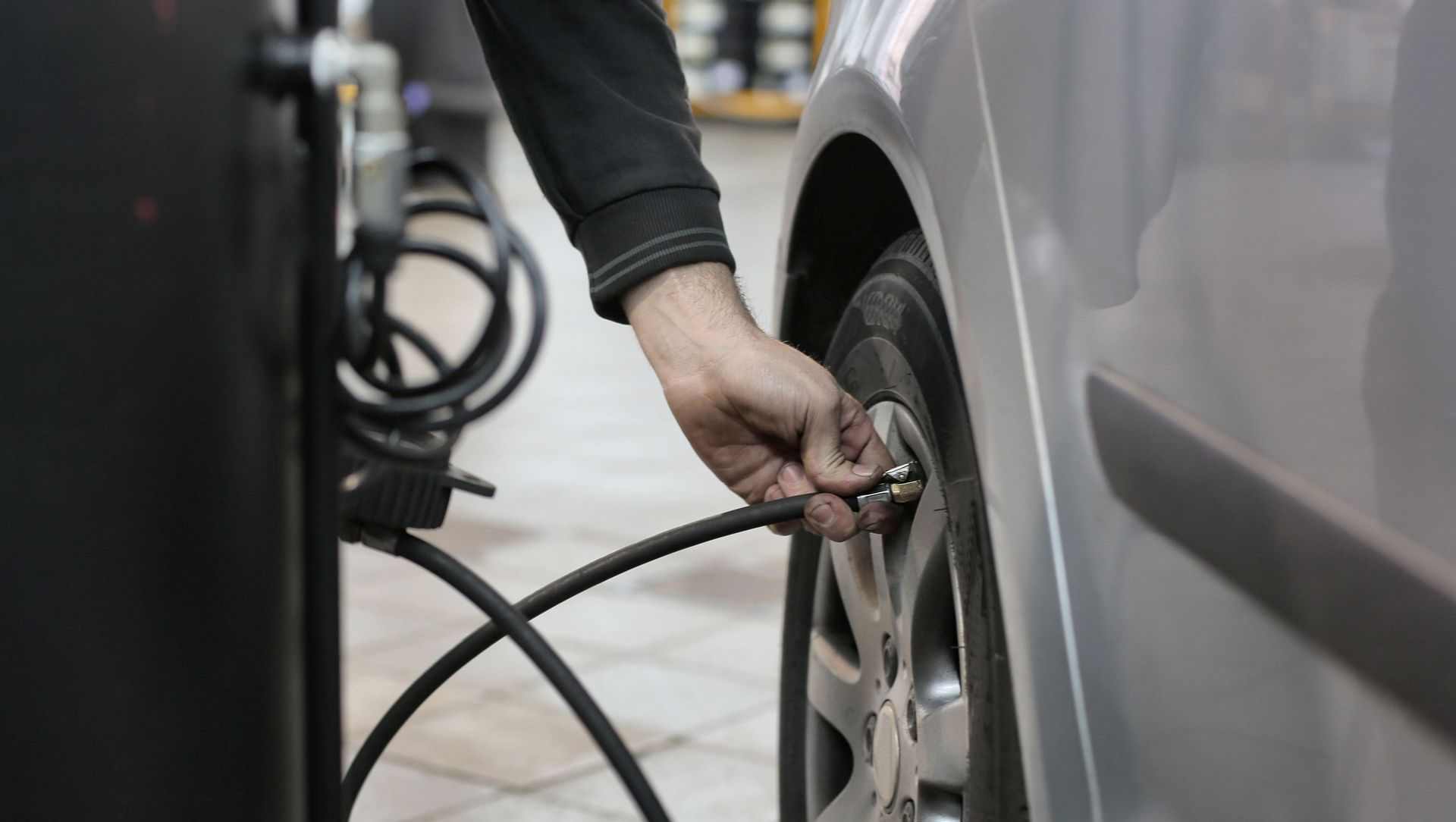
Revisar la presión de los neumáticos solo toma unos minutos y puede convertirse fácilmente en parte de su rutina habitual de mantenimiento del vehículo.
Muchos expertos recomiendan revisar la presión al menos una vez al mes y antes de realizar viajes largos por carretera. También es una excelente oportunidad para inspeccionar los neumáticos en busca de desgaste irregular, cortes, perforaciones u objetos incrustados en la banda de rodadura que puedan requerir atención profesional.
Los pequeños hábitos de mantenimiento suelen ayudar a prevenir problemas mayores en el futuro.
Confíe en Raymond’s Tire Shop para ayudar a proteger sus neumáticos
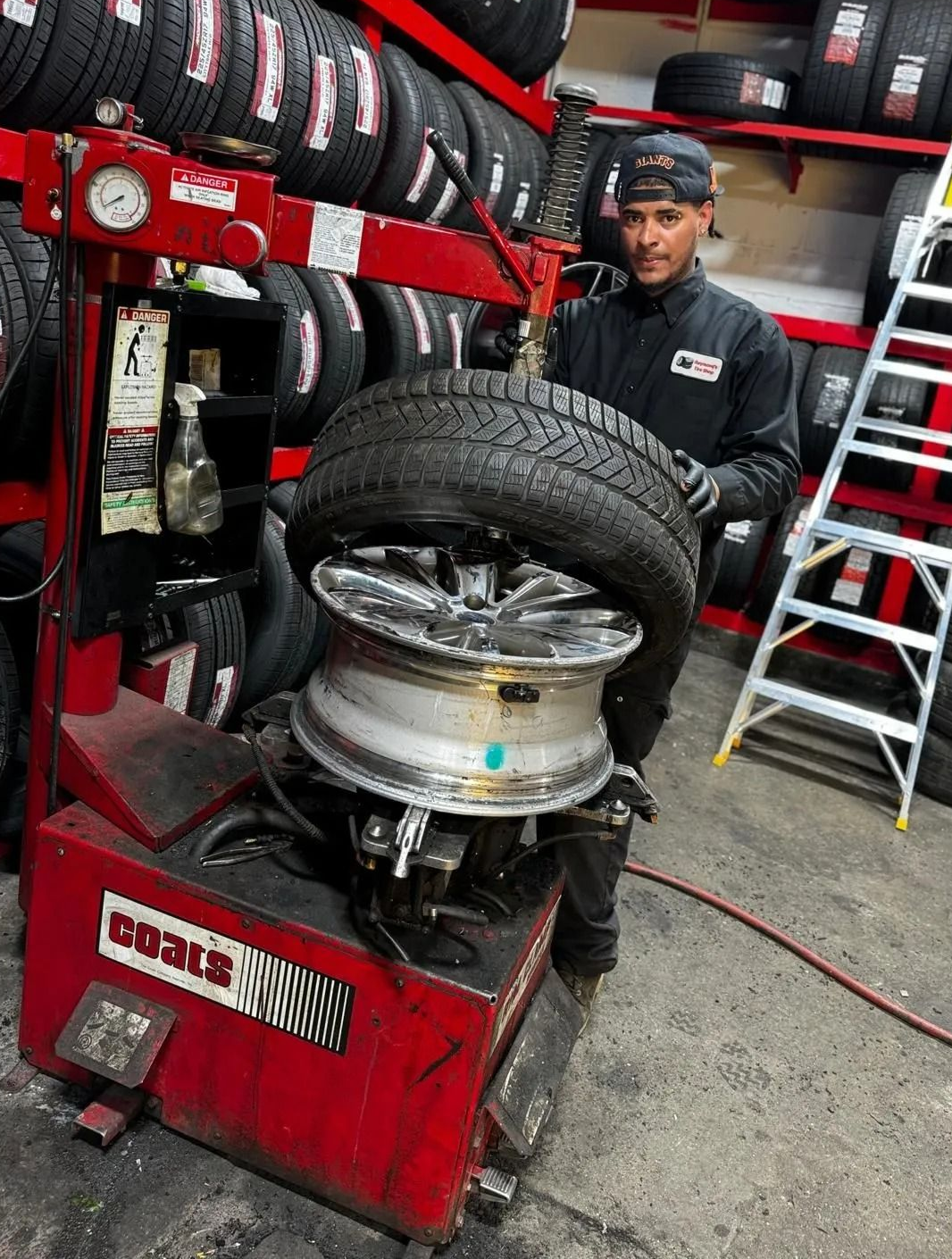
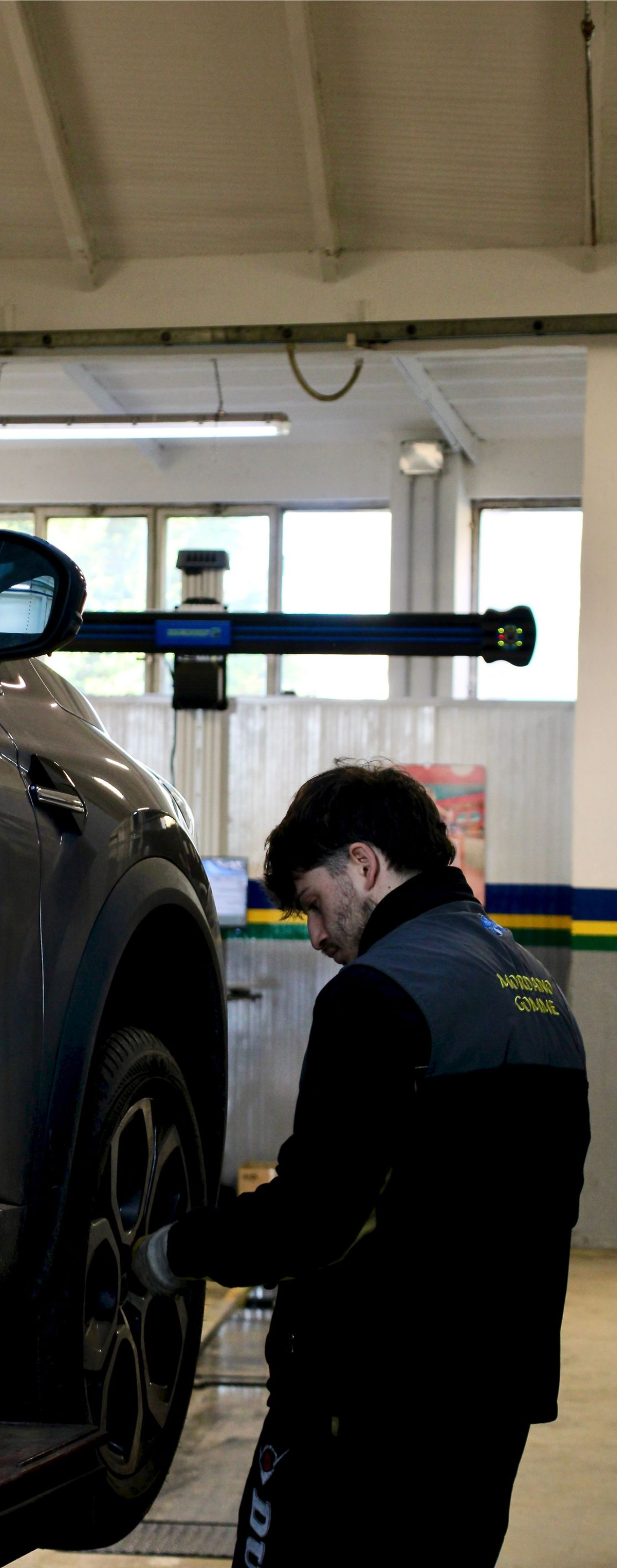
En Raymond’s Tire Shop, sabemos que aprovechar al máximo sus neumáticos comienza con un mantenimiento adecuado. Nuestro experimentado equipo ayuda a los conductores a mantener vehículos seguros y confiables mediante inspecciones profesionales de neumáticos, revisiones de presión, rotación de neumáticos, balanceo de ruedas, alineación de ruedas y servicios expertos de reemplazo de neumáticos cuando es necesario.
Ya sea que tenga preguntas sobre sus neumáticos actuales o esté buscando un nuevo juego que se adapte a su vehículo y a sus hábitos de conducción, estamos aquí para ayudarle. Nuestro objetivo es mantenerlo conduciendo de manera segura mientras le ayudamos a maximizar la vida útil y el rendimiento de cada neumático que adquiera.
Visite Raymond’s Tire Shop hoy mismo y permita que nuestro equipo de expertos le ayude a proteger una de las inversiones más importantes de su vehículo. Mantener la presión adecuada de los neumáticos es un paso sencillo que puede marcar una diferencia duradera cada vez que se pone al volante.