How to Maximize the Lifespan of Your Tires
Your tires are one of the hardest-working components of your vehicle. They provide traction, support your vehicle’s weight, absorb impacts from the road, and help you maintain control in a wide range of driving conditions. Because they experience constant wear, replacing tires is an expected part of vehicle ownership. However, proper maintenance can help maximize their lifespan, improve performance, and save you money over time.
Many of the factors that affect tire longevity are within a driver’s control. By following a few simple maintenance practices, you can help your tires wear more evenly and perform as intended throughout their service life.
Keep Your Tires Properly Inflated
Maintaining the correct tire pressure is one of the easiest and most effective ways to extend tire life.
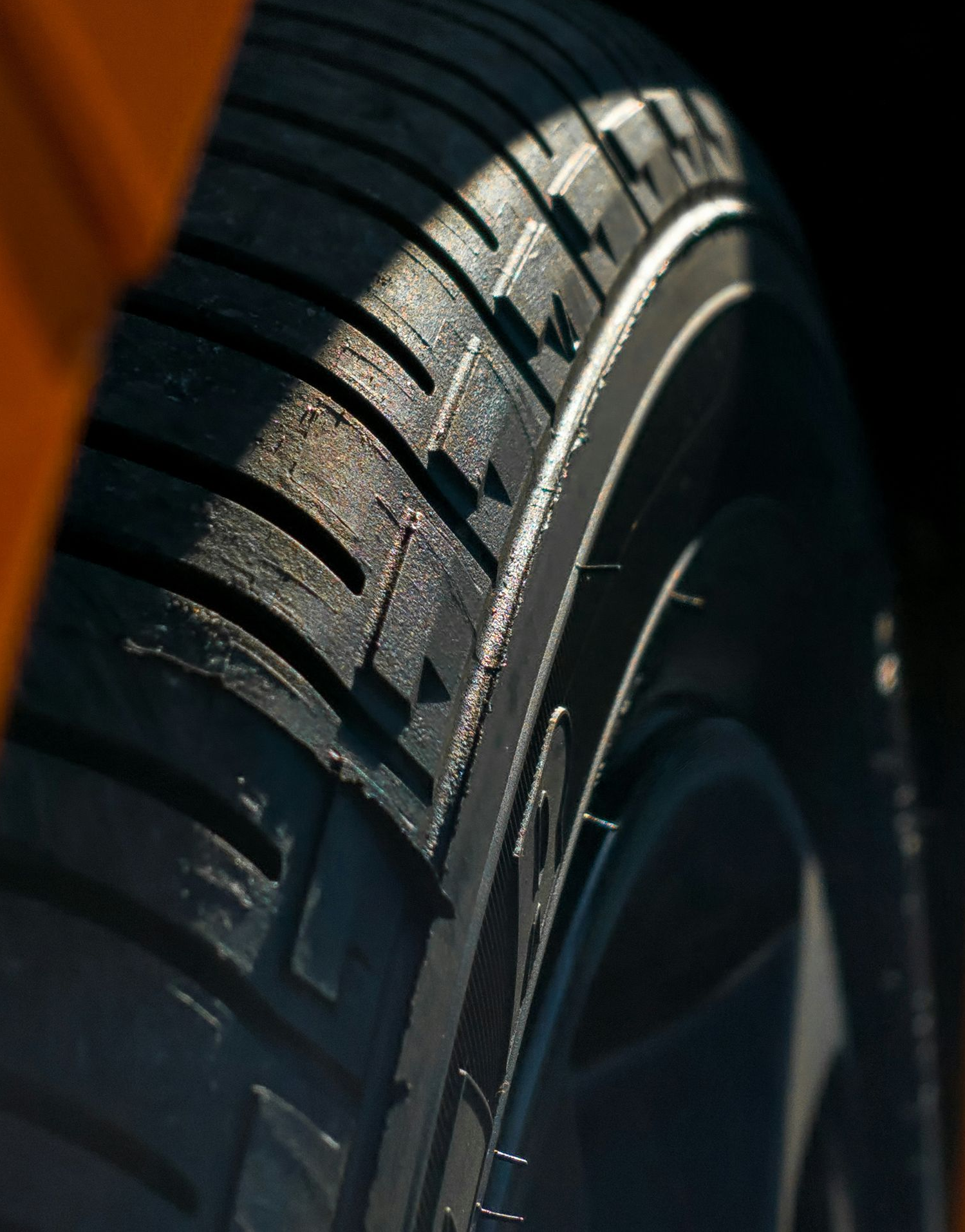
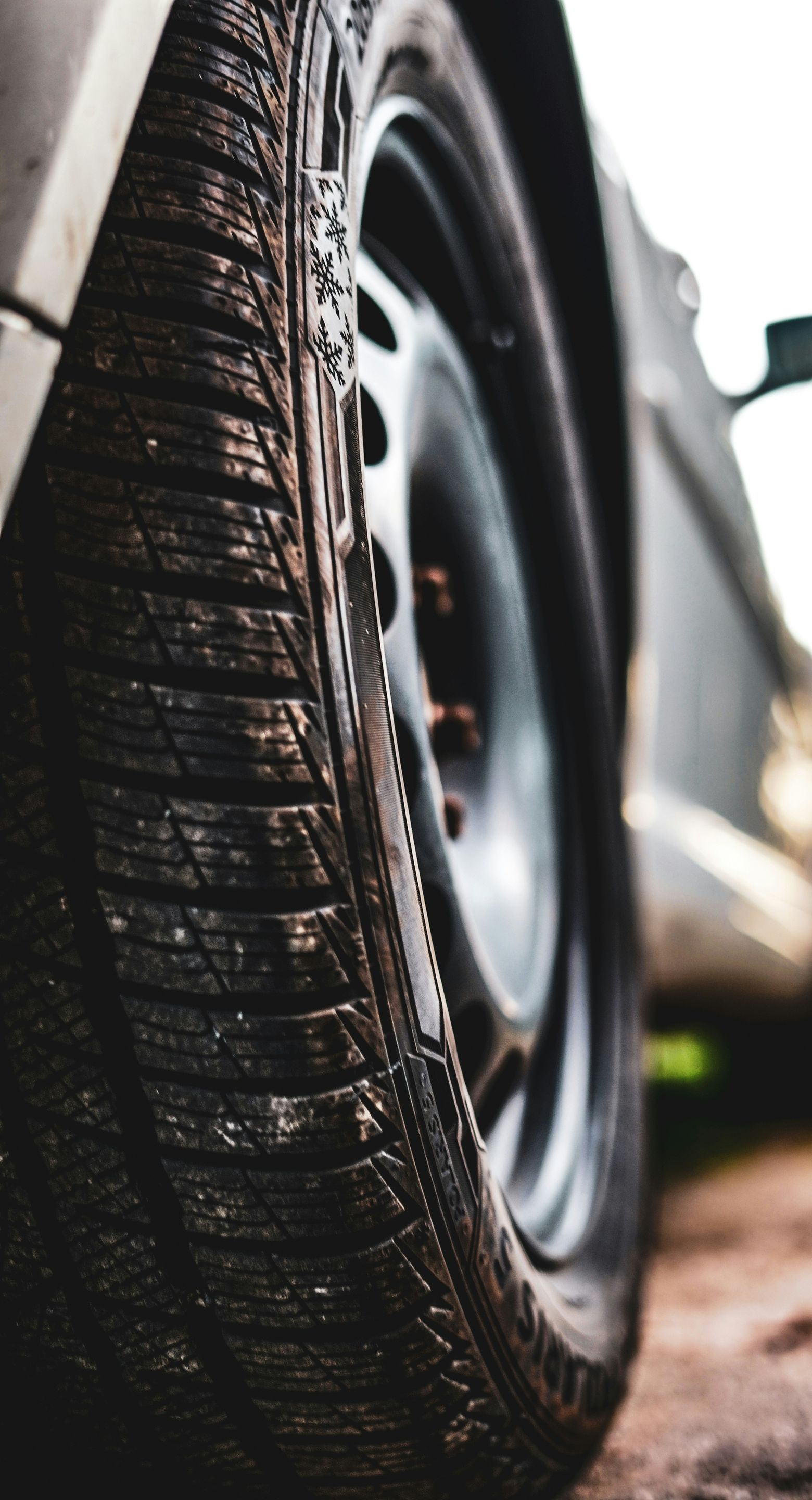
Underinflated tires flex more than they should, creating excess heat and causing the outer edges of the tread to wear prematurely. Overinflated tires, on the other hand, tend to wear more quickly in the center of the tread and may provide less contact with the road.
Tire pressure naturally changes with fluctuations in outdoor temperature, making it important to check inflation regularly. Always follow the vehicle manufacturer’s recommended tire pressure, which can typically be found on the driver’s door jamb or in the owner’s manual.
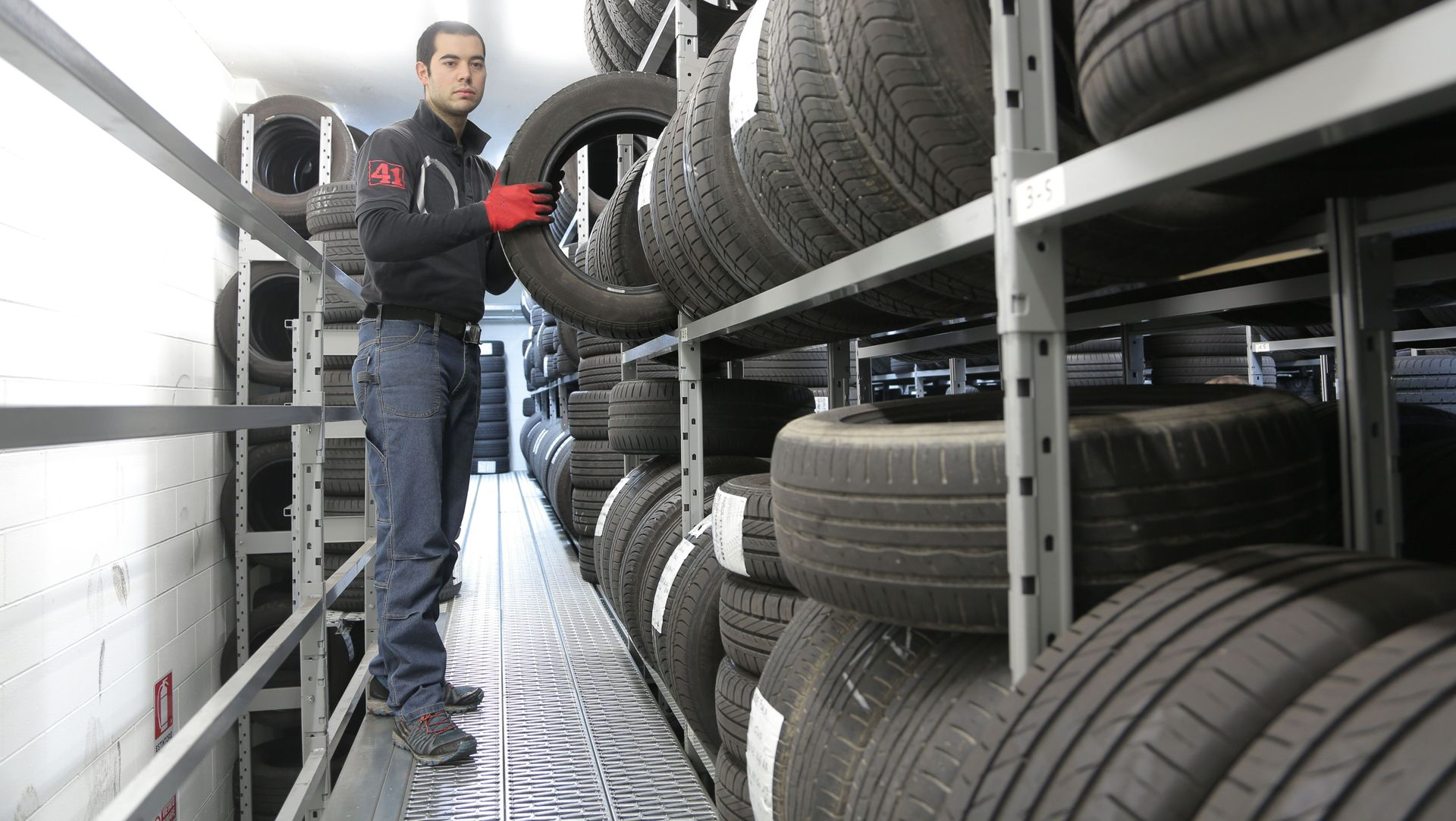
Rotate Your Tires Regularly
Not all tires wear at the same rate.
Front tires often experience different wear patterns than rear tires because they handle steering forces and, on many vehicles, a significant portion of braking and acceleration. Regular tire rotations help distribute wear more evenly across all four tires.
Many manufacturers recommend rotating tires every 6,000 to 8,000 miles, although the appropriate interval can vary depending on your vehicle and tire type.
Consistent rotations can help maximize tread life while maintaining more predictable handling.
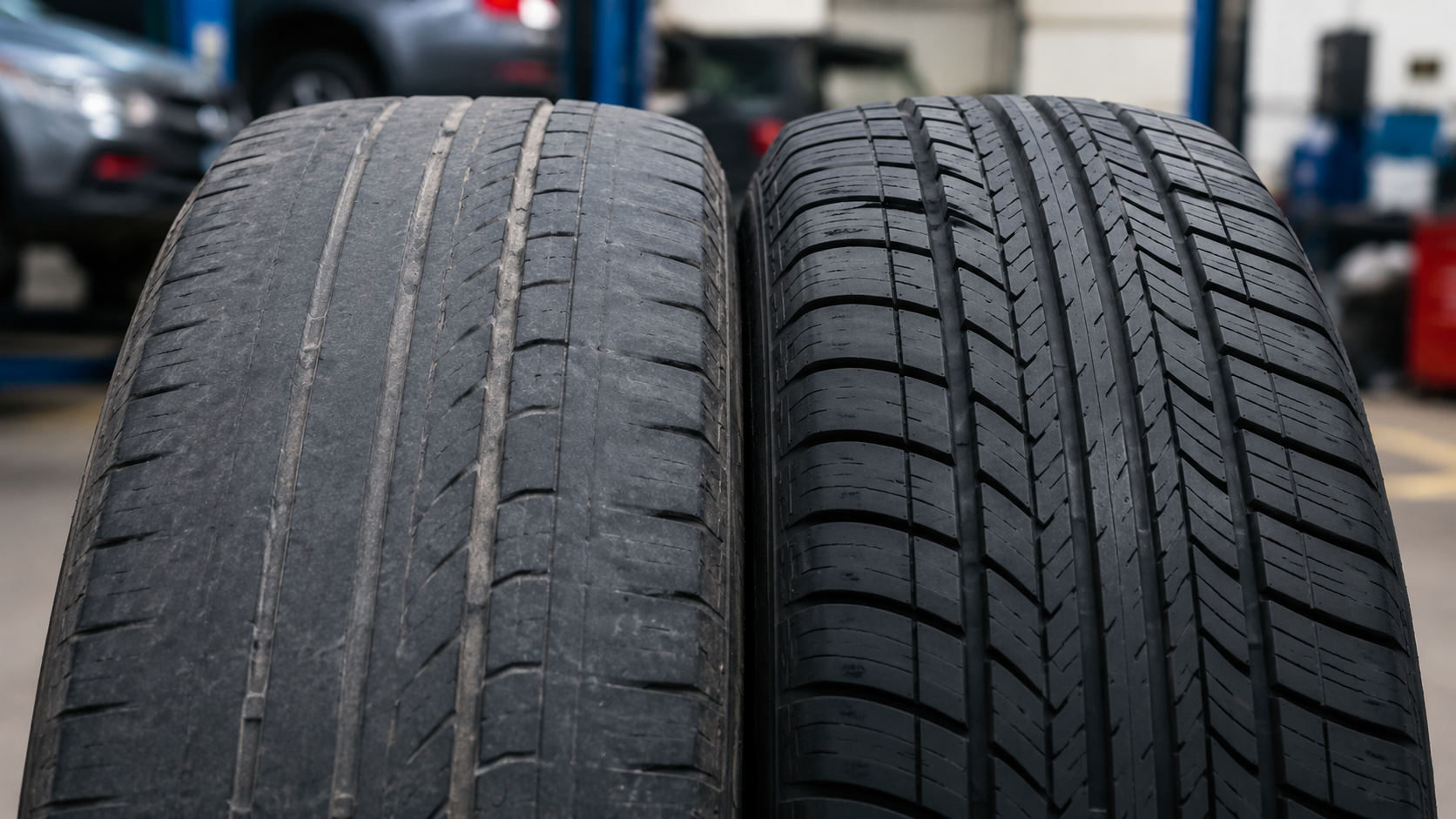
Don’t Ignore Wheel Alignment
Wheel alignment affects far more than steering comfort.
When the alignment angles fall outside manufacturer specifications, tires can scrub against the pavement rather than rolling smoothly. This creates uneven tread wear that may significantly shorten tire life.
Common signs of an alignment issue include:
- The vehicle pulls to one side.
- The steering wheel is off-center while driving straight.
- Uneven or rapid tread wear.
- The steering wheel does not return to center normally after turning.
Having your alignment checked whenever these symptoms appear—or after striking a large pothole or curb—can help protect both your tires and suspension components.

Balance Your Tires
Even a slight imbalance can become noticeable at highway speeds.
Unbalanced tires may cause steering wheel vibrations, uneven tread wear, and additional stress on suspension components. Tire balancing distributes weight evenly around the tire and wheel assembly, allowing the tires to rotate smoothly.
Balancing is typically recommended whenever new tires are installed and whenever vibration develops.
Drive With Tire Wear in Mind
Driving habits also influence how long tires last.
Rapid acceleration, hard braking, and aggressive cornering all increase tread wear. Maintaining a safe following distance and driving smoothly whenever possible reduces unnecessary stress on both your tires and your vehicle.
Avoiding potholes, curbs, and road debris whenever it is safe to do so can also help prevent damage to the tire, wheel, and suspension.
Schedule Regular Tire Inspections
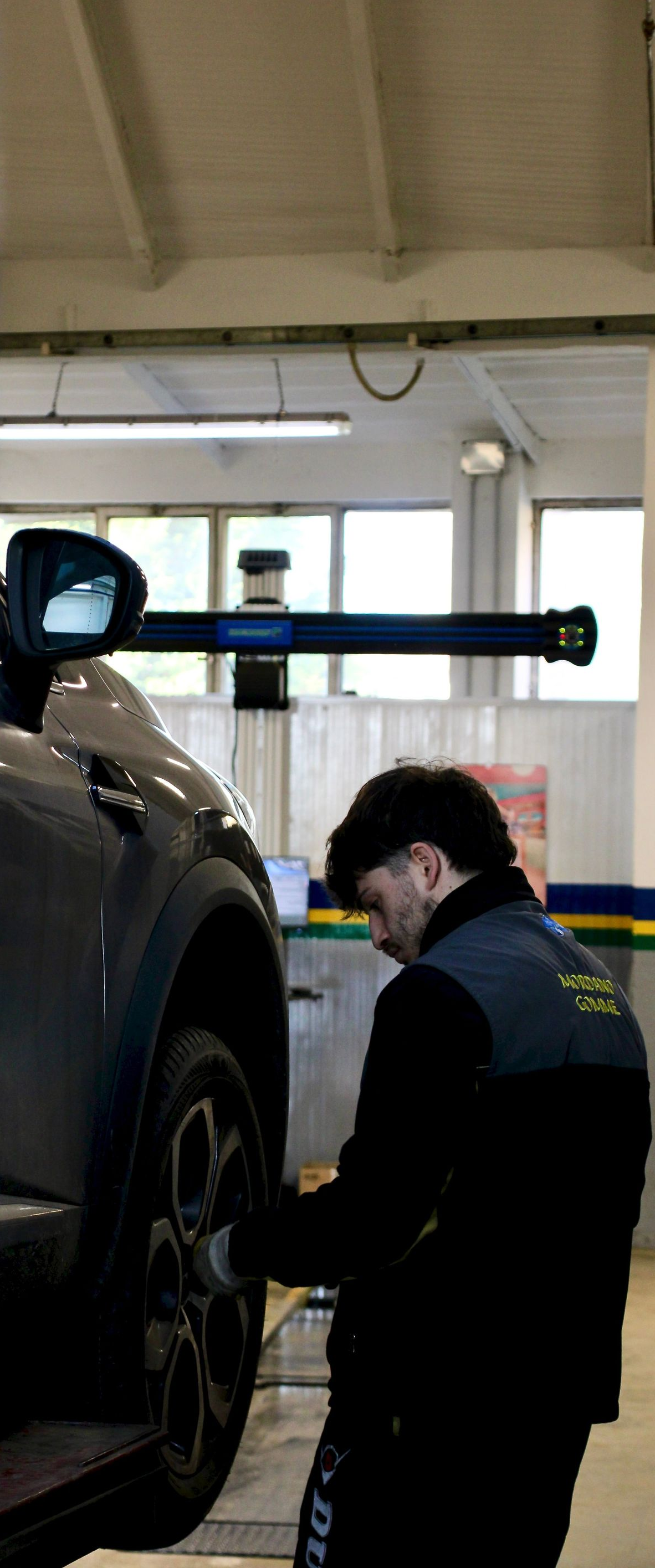
Even well-maintained tires should be inspected periodically by a professional.
Routine inspections can identify uneven wear, embedded objects, sidewall damage, low tread depth, or other issues before they become more serious. Early detection often allows minor problems to be addressed before they affect safety or require premature tire replacement.
Professional inspections are also an excellent opportunity to verify tire pressure, evaluate alignment concerns, and ensure your tires remain appropriate for your vehicle and driving conditions.
Trust Raymond’s Tire Shop to Help Protect Your Investment
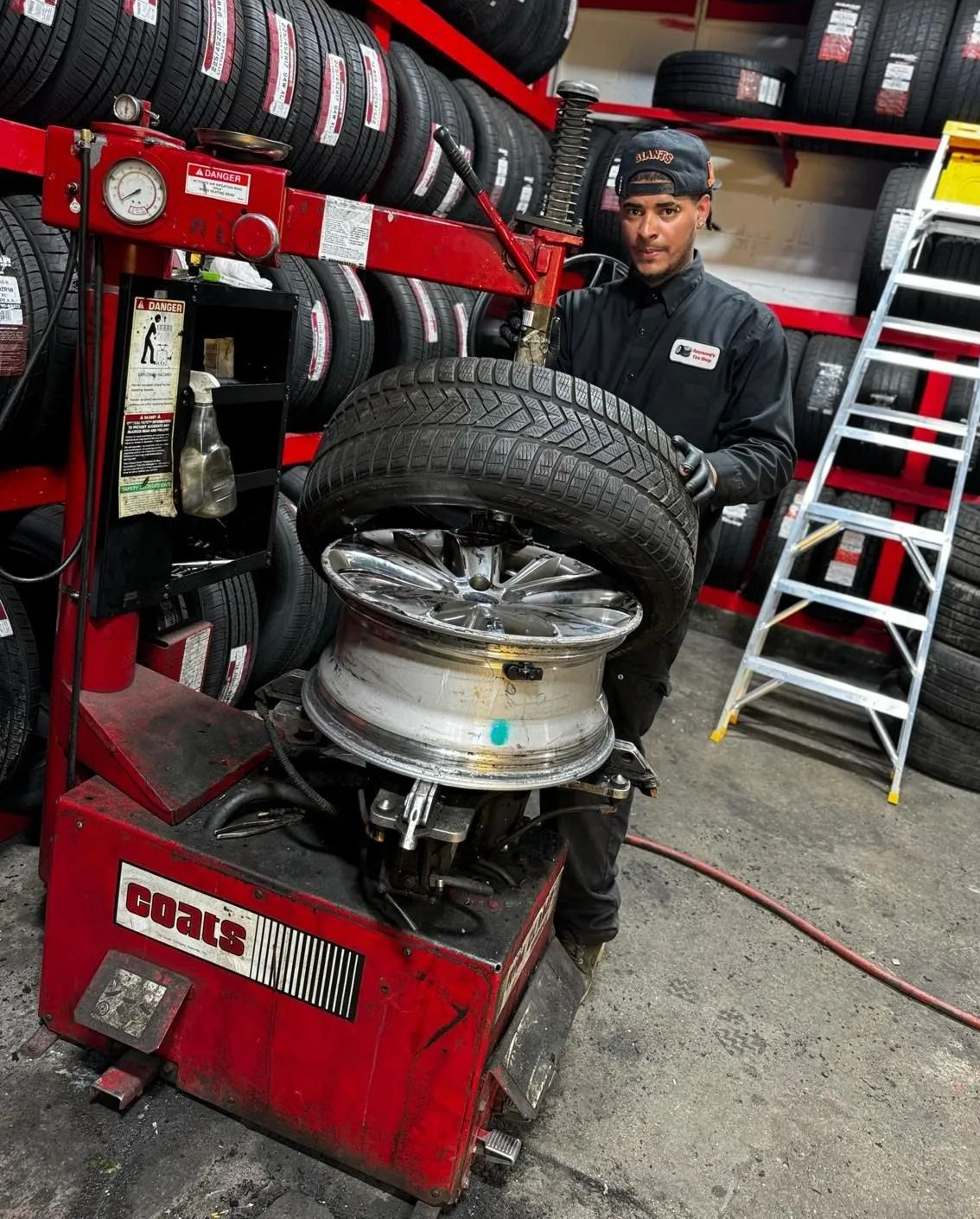
At Raymond’s Tire Shop, we know that quality tires represent an important investment in your vehicle’s safety and performance. Our experienced team provides professional tire inspections, rotations, wheel alignments, balancing, tire repairs, and replacement services to help drivers maximize tire life and enjoy a smoother, safer ride. Whether you need routine maintenance or expert guidance in selecting your next set of tires, we are committed to helping you get the most from every mile.
Contact Raymond’s Tire Shop today to schedule a tire inspection and discover how proper maintenance can help extend the life of your tires while keeping your vehicle performing at its best.