Comprendre les garanties de pneus et ce qu’elles couvrent réellement

Lors de l’achat de nouveaux pneus, de nombreux conducteurs sont rassurés en voyant le mot « garantie » sur les documents. Cependant, toutes les garanties de pneus ne se valent pas, et comprendre ce qu’elles couvrent réellement peut vous aider à prendre des décisions éclairées et à éviter des surprises coûteuses. Chez Raymond’s Tire Shop, nous tenons à offrir à nos clients une totale transparence afin qu’ils sachent exactement quelle protection accompagne leur achat.


Types de garanties de pneus
La plupart des grands fabricants de pneus proposent des garanties, mais leur couverture varie. Les deux plus courantes sont:

  • Garanties limitées d’usure de la bande de roulement: Elles garantissent que le pneu durera un certain nombre de kilomètres dans des conditions normales d’utilisation. Par exemple, un pneu peut être garanti pour 100 000 km. Si la bande de roulement s’use avant, le fabricant peut offrir un crédit au prorata pour un remplacement.
  • Garanties sur la main-d’œuvre et les matériaux: Elles couvrent les défauts liés à la fabrication ou aux matériaux utilisés. Si un pneu échoue prématurément à cause d’un défaut, il peut être remplacé gratuitement ou à faible coût.


Certaines marques offrent également des garanties contre les risques routiers, qui couvrent les dommages causés par les nids-de-poule, clous ou débris. Ce type de couverture est moins fréquent, mais peut s’avérer très utile.
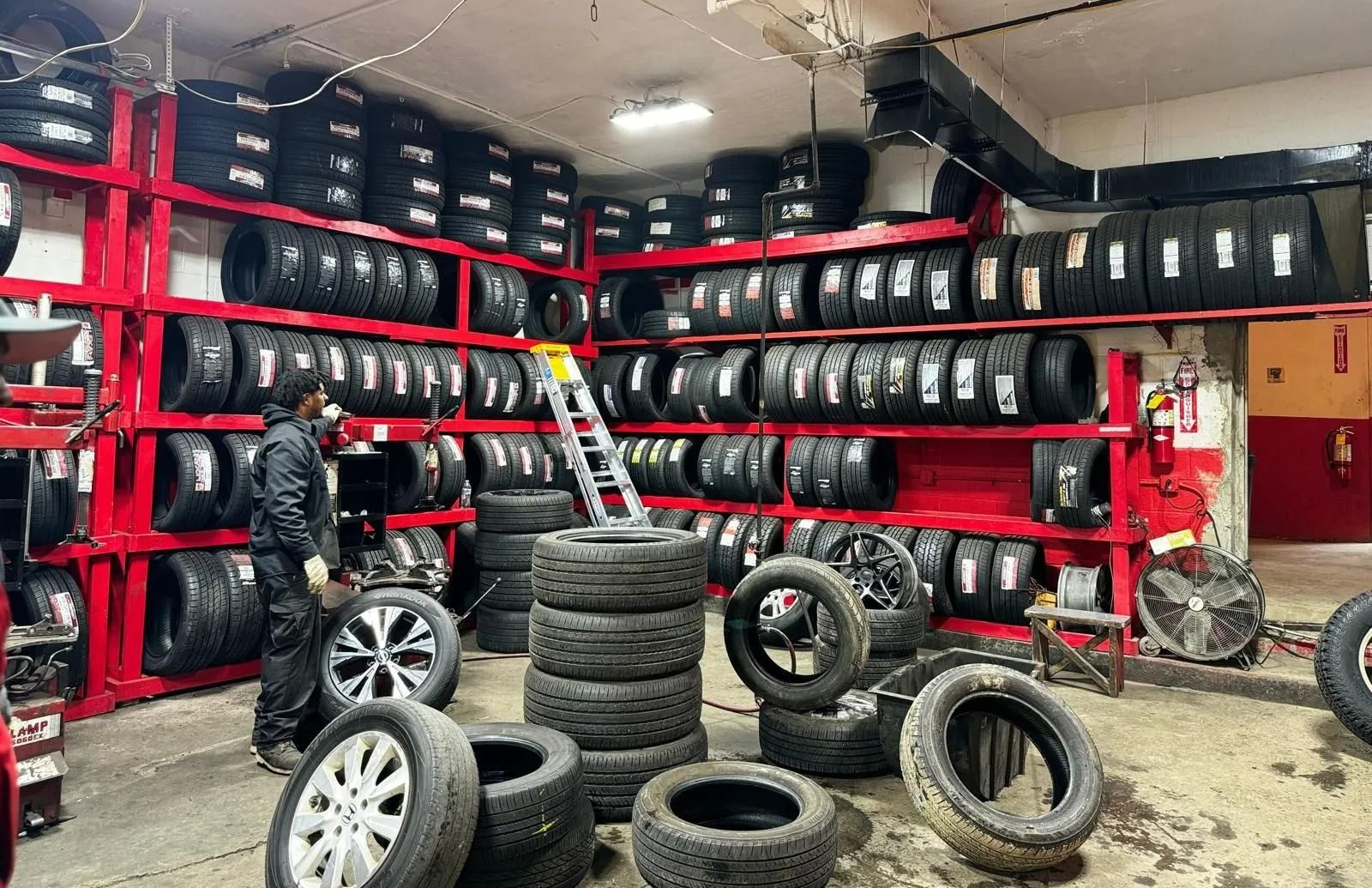
A mechanic in a shop with many tires on red shelves. Some tires on the floor, ladder present.

Ce que les garanties ne couvrent pas
Il est tout aussi important de comprendre ce que les garanties excluent généralement. Elles ne couvrent pas les dommages dus à un mauvais entretien, un mauvais alignement, une surgonflage ou une sous-gonflage. Elles ne couvrent pas non plus les accidents, les dommages causés par les intempéries, ou l’usure normale résultant d’une
conduite agressive. En d’autres termes, elles protègent contre les défauts, pas contre toutes les situations possibles.


Comment conserver la couverture
Pour profiter d’une garantie, les fabricants exigent souvent une preuve d’entretien approprié. Cela inclut généralement le maintien de la pression recommandée, la rotation régulière des pneus, et le contrôle de l’alignement du véhicule. Chez Raymond’s Tire Shop, nous encourageons nos clients à planifier des inspections et rotations régulières afin de préserver l’éligibilité de leur garantie.
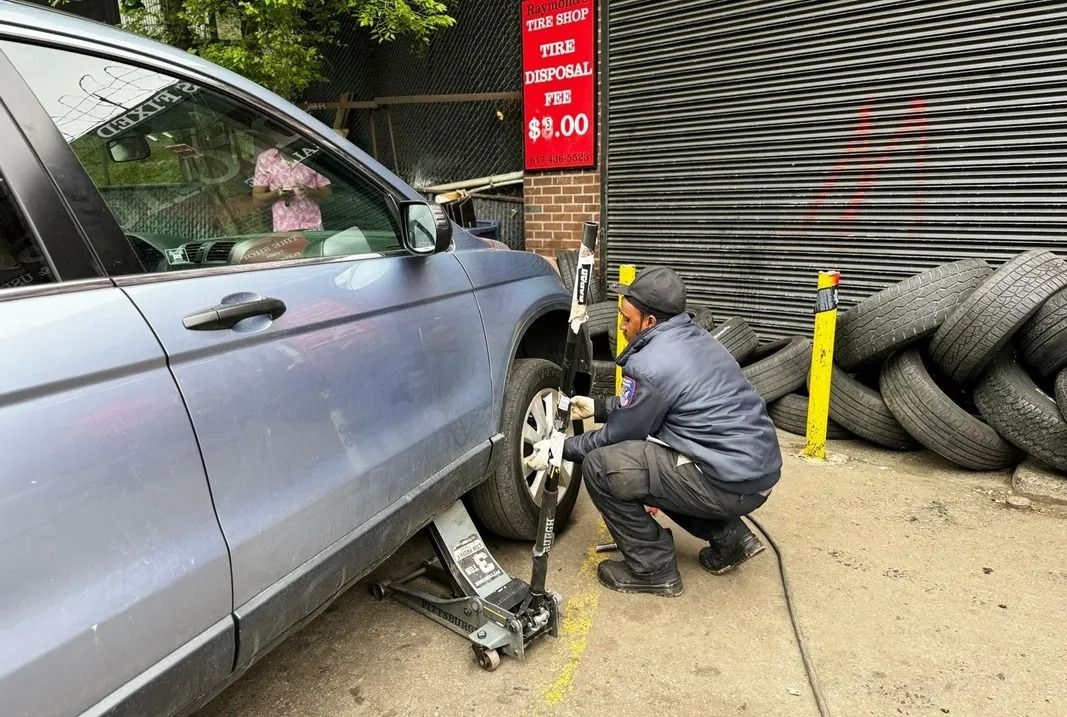
Mechanic changing a car tire at a tire shop. He is kneeling, using a jack. Tires piled nearby.

Le rôle du crédit au prorata
Beaucoup de garanties prévoient un crédit au prorata plutôt qu’un remplacement complet. Par exemple, si un pneu garanti 100 000 km s’use après 65 000 km, vous pouvez recevoir un pourcentage du coût d’un pneu neuf. Vous devez donc payer une partie du remplacement, mais pas la totalité. Comprendre ce système aide à gérer vos attentes financières.


Pourquoi la garantie ne doit pas être le seul critère
Bien que les garanties soient utiles, elles ne doivent pas être le seul facteur lors de l’achat. Un pneu de meilleure qualité sans longue garantie peut offrir de meilleures performances et une durée de vie plus longue qu’une option de moindre qualité avec une garantie généreuse. La performance, la sécurité et l’adéquation au véhicule et aux conditions de conduite doivent toujours primer. Chez Raymond’s Tire Shop, nous aidons nos clients à choisir les meilleures options et expliquons clairement les garanties.
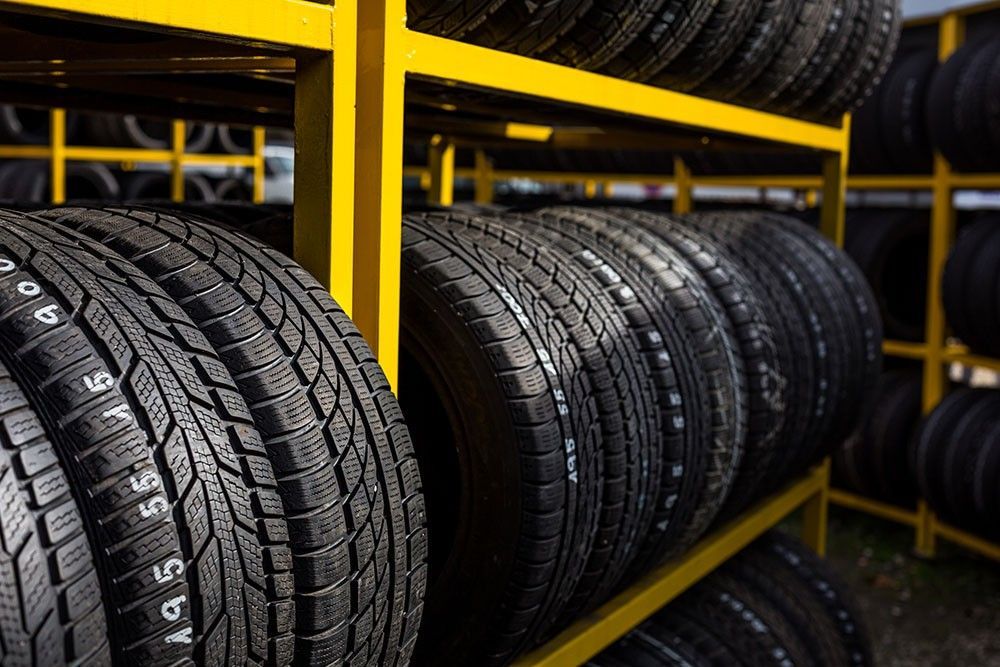
Tires stacked on yellow metal shelves, close up.

La tranquillité d’esprit grâce à la clarté
L’aspect le plus précieux d’une garantie est la tranquillité d’esprit — mais seulement si vous comprenez ce qu’elle couvre. Une communication claire et un accompagnement professionnel garantissent que vous connaissez vos droits et responsabilités. Dans notre boutique, nous expliquons en détail les garanties afin que les conducteurs aient confiance dans leur investissement.


Conclusion
Les garanties de pneus offrent une protection importante, mais elles ne couvrent pas tout. Savoir ce qui est inclus, ce qui est exclu et comment rester éligible permet de tirer le meilleur parti de votre couverture. Chez Raymond’s Tire Shop, nous associons des pneus de haute qualité à des conseils honnêtes pour aider nos clients à investir dans la sécurité, la performance et la valeur à long terme.
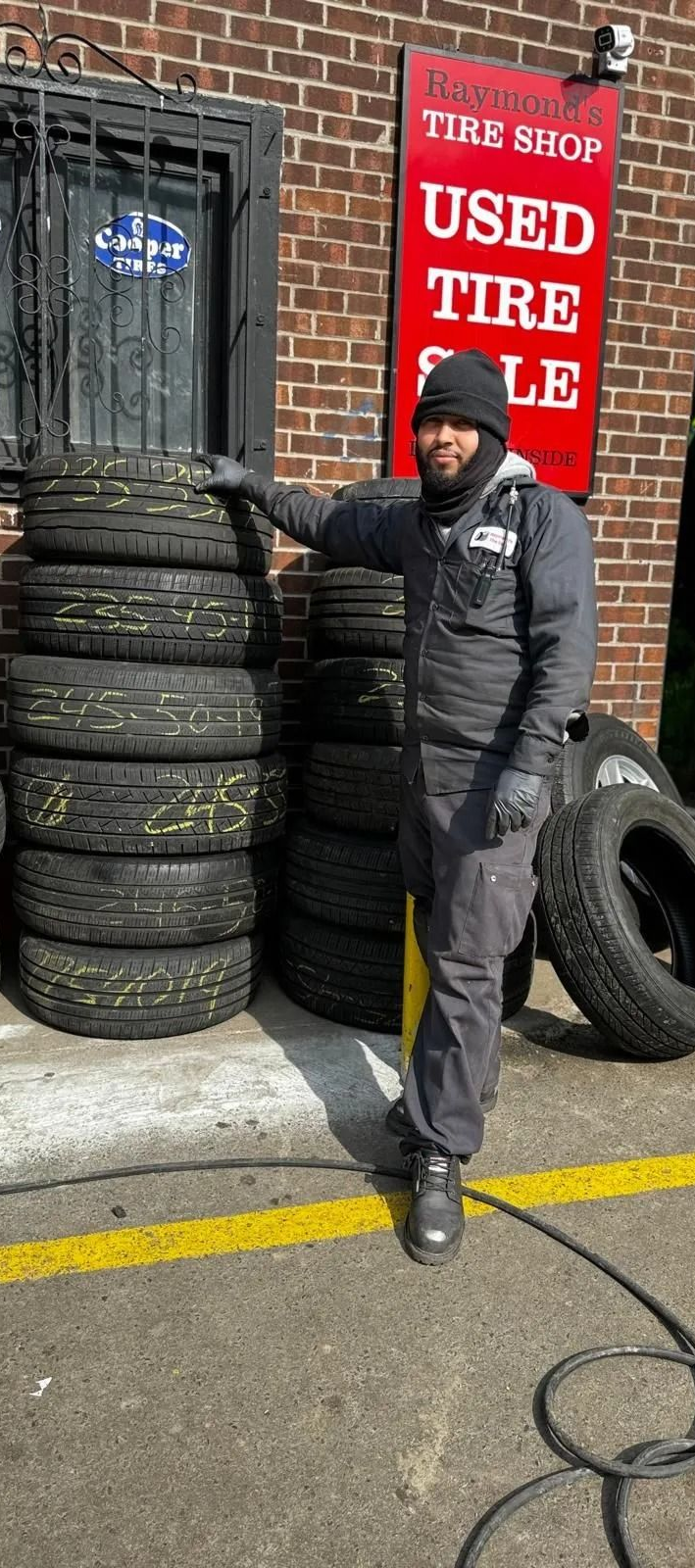
Man stands by tires stacked outside a used tire shop. Shop has a red sign, brick building.
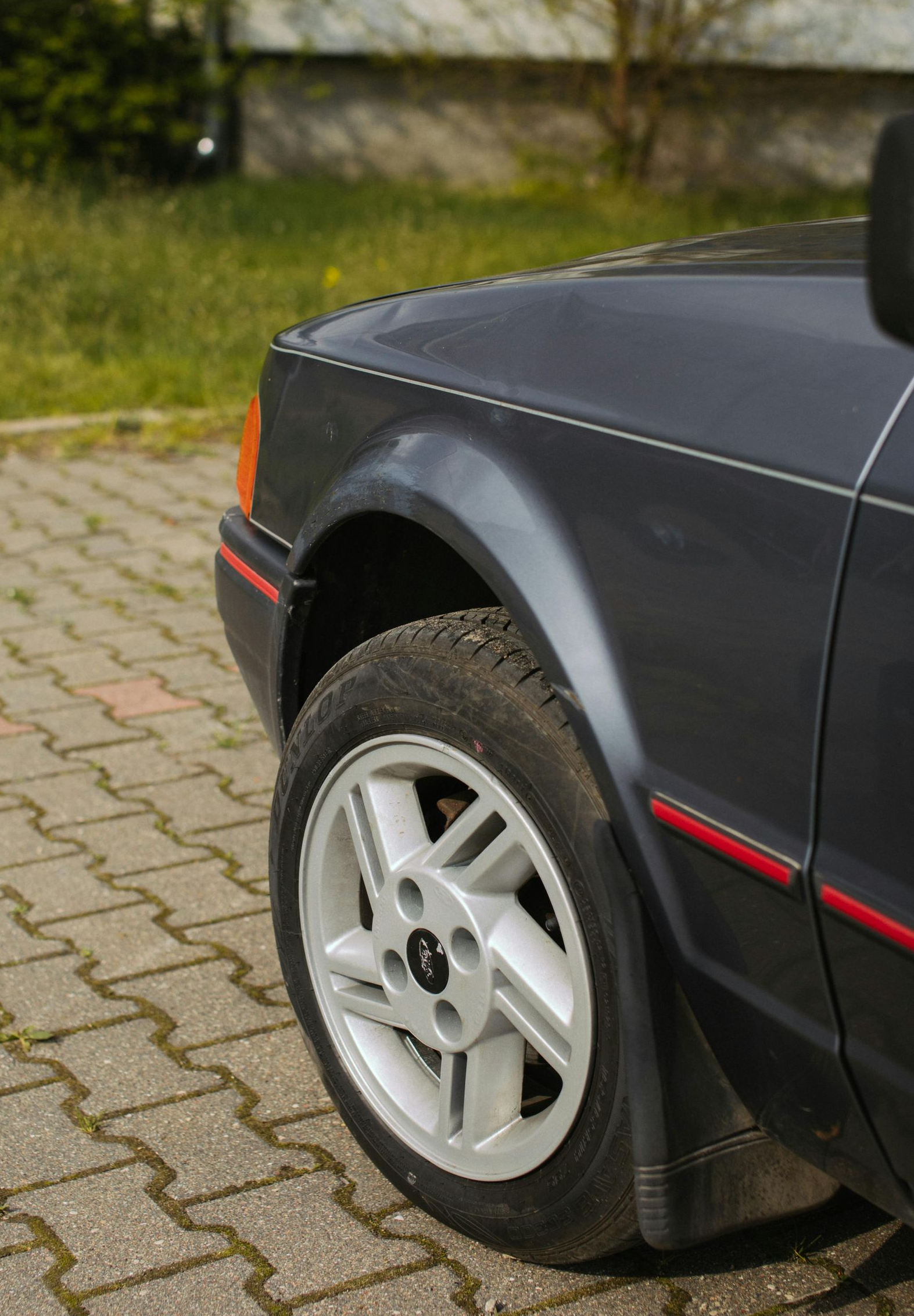
Gray car's front quarter, showing wheel, fender, and part of the hood. Red trim detail. Parked on paving stones.
Man in garage, lifting a tire with yellow rim.
Man at tire shop changing a tire on a red machine; surrounded by tires, standing next to a ladder.
October 7, 2026
Tire tread gets a lot of attention, but tread depth is not the only factor that matters. Tires also age . Even when a tire still has visible tread, the rubber compounds can gradually change over time because of heat, sunlight, weather exposure, and normal use. That is why knowing how to read the DOT date code can help drivers understand how old a tire really is.  The date code does not tell you everything about tire condition, but it provides an important piece of the overall picture.
October 1, 2026
A hard pothole impact can do more than damage a tire. The force can also bend a wheel, especially if the pothole is deep, the vehicle is moving quickly, or the tire has a lower-profile sidewall with less cushioning between the road and rim. Sometimes the damage is obvious. In other cases, the wheel may look normal but cause vibration, air loss, or handling problems.  Knowing what to watch for after a pothole strike can help drivers catch wheel damage before it creates additional tire or suspension problems.
September 23, 2026
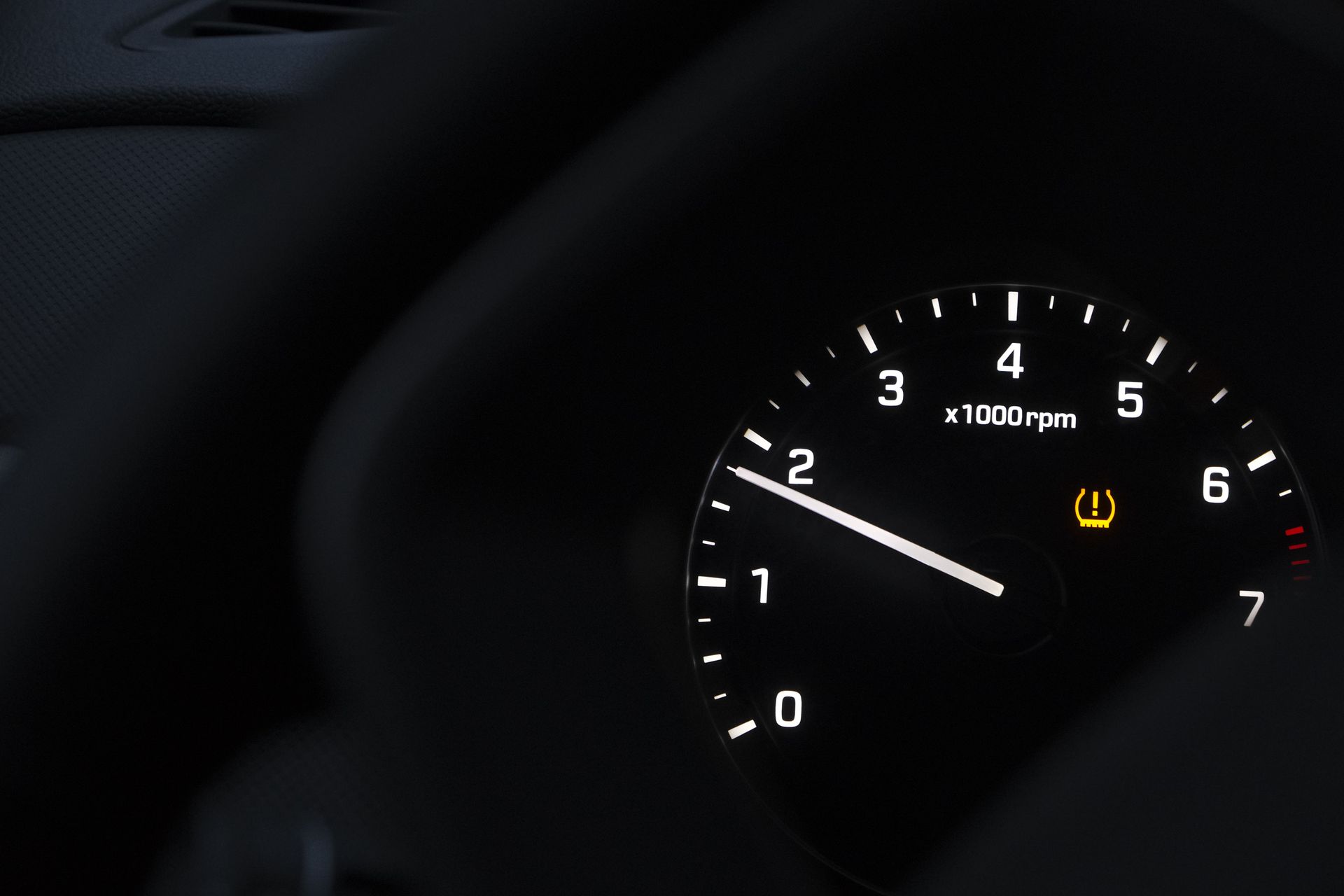
Most drivers are familiar with the tire pressure monitoring system , or TPMS, warning light. When it stays on steadily, it usually means one or more tires may be underinflated. A flashing TPMS light often means something different. Instead of simply warning about low tire pressure, a flashing light can indicate a problem with the monitoring system itself. That could involve a sensor, sensor battery, communication issue, or another TPMS-related fault.  Knowing the difference can help drivers avoid assuming that adding air will automatically solve the problem.
September 22, 2026
Tread depth is one of the first things drivers look at when deciding whether a tire still has life left. Deep grooves can make a tire appear healthy, especially if the vehicle is not driven very often. But tread is only part of the picture. Tires age even when they are not being used heavily. Over time, rubber compounds can harden, dry out, and become less flexible. That means an older tire may still have plenty of tread while no longer performing the way it did when it was newer. Rubber Changes With Age Tires are constantly exposed to oxygen, heat, sunlight, moisture, and changing temperatures. Those conditions gradually affect the rubber. As a tire ages, the material can lose some of its elasticity. That may reduce its ability to flex properly as it rolls and responds to the road. A tire that looks acceptable at a quick glance may therefore be significantly older than its appearance suggests. This is especially important for vehicles that accumulate very few miles each year.
September 11, 2026
A flat tire does not always mean the tire has to be replaced. In many cases, a small puncture can be repaired safely and returned to service. The key is where the puncture occurred, how large it is, and whether the tire suffered additional damage while losing air. That is why a professional inspection matters. Two punctures that lo ok similar from the outside may require completely different solutions once the tire is removed and examined internally. Location Matters Most One of the first things a technician looks at is where the puncture is located. Damage in the central tread area is often the best candidate for repair. This part of the tire is designed to handle contact with the road and can sometimes be repaired when the puncture is small and otherwise straightforward. Punctures near the shoulder or sidewall are much more concerning.  These areas flex significantly while the tire is moving and cannot usually be repaired safely using standard puncture-repair methods. If a nail, screw, or other object damages the sidewall or outer shoulder, replacement is often the safer option.
September 6, 2026
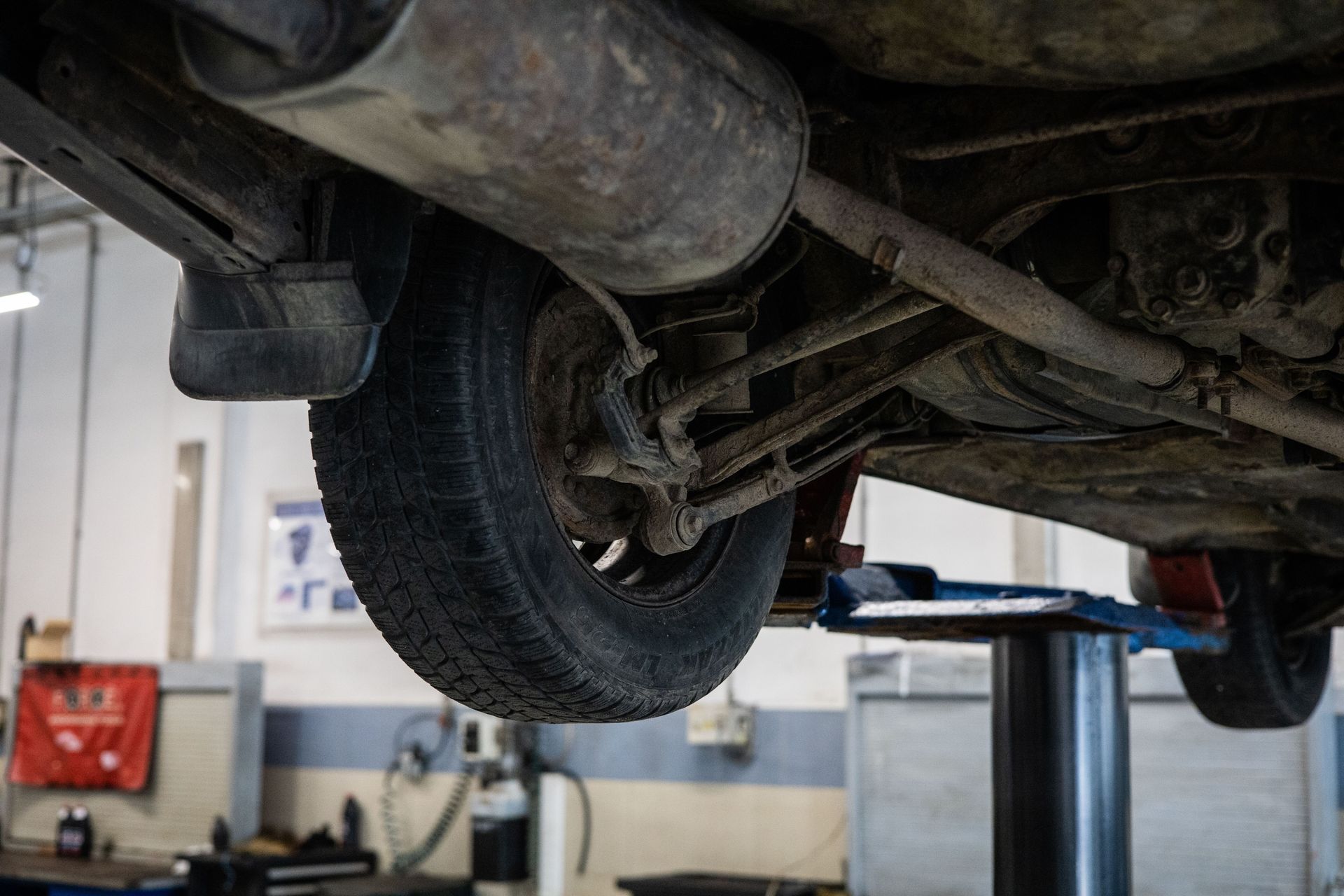
A wheel alignment can correct important steering and tire-angle settings, but the alignment itself depends on the suspension being in good mechanical condition. If ball joints, tie rods, control arm bushings, wheel bearings, or other components are worn, the wheels may not stay in the position the technician sets.  That is why some vehicles continue pulling , wearing tires unevenly, or developing an off-center steering wheel even after an alignment. In those cases, the problem may not be the alignment machine or the adjustment. It may be worn suspension or steering components underneath the vehicle.