Entendiendo las garantías de neumáticos y lo que realmente cubren

Al comprar neumáticos nuevos, muchos conductores se sienten tranquilos al ver la palabra «garantía» en la documentación. Sin embargo, no todas las garantías de neumáticos son iguales, y comprender lo que realmente cubren puede ayudarle a tomar decisiones informadas y evitar sorpresas costosas. En Raymond’s Tire Shop creemos en brindar claridad a nuestros clientes para que sepan exactamente qué protección acompaña su compra.


Tipos de garantías de neumáticos
La mayoría de los fabricantes de neumáticos ofrecen garantías, pero su cobertura varía. Las dos más comunes son:

  • Garantías limitadas de desgaste de la banda de rodadura: Garantizan que el neumático durará cierto número de millas bajo un uso normal. Por ejemplo, un neumático puede venir con una garantía de 60,000 millas. Si se desgasta antes, el fabricante puede ofrecer un crédito prorrateado para un reemplazo.
  • Garantías de mano de obra y materiales: Cubren defectos en la fabricación o en los materiales usados. Si un neumático falla prematuramente por un defecto, puede ser reemplazado con poco o ningún costo.


Algunas marcas también ofrecen garantías contra daños en carretera, que cubren golpes de baches, clavos o escombros. Este tipo de cobertura es menos común, pero puede brindar protección valiosa.
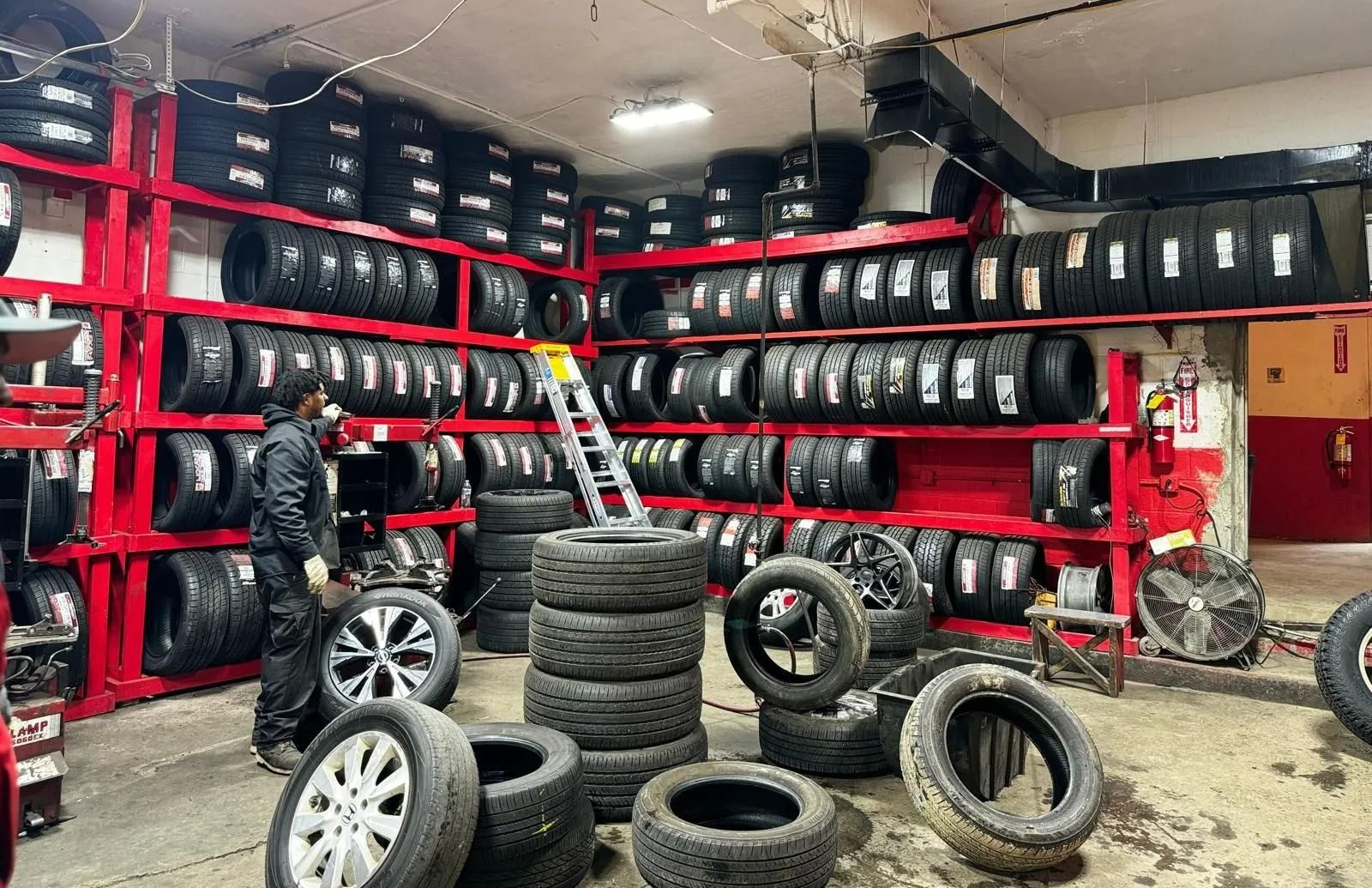
A mechanic in a shop with many tires on red shelves. Some tires on the floor, ladder present.

Lo que no cubren las garantías
También es importante entender lo que generalmente se excluye. La mayoría no cubre daños por mal mantenimiento, desalineación, sobreinflado o inflado insuficiente. Tampoco cubren accidentes, daños climáticos ni el desgaste normal por conducción agresiva. En resumen, están diseñadas para proteger contra defectos, no contra todos los escenarios posibles.


Cómo mantener la cobertura
Para aprovechar una garantía, los fabricantes suelen exigir prueba de mantenimiento adecuado. Esto incluye mantener la presión recomendada, rotar los neumáticos regularmente y asegurar la alineación correcta del vehículo. En Raymond’s Tire Shop animamos a nuestros clientes a realizar inspecciones y rotaciones rutinarias para preservar la cobertura.
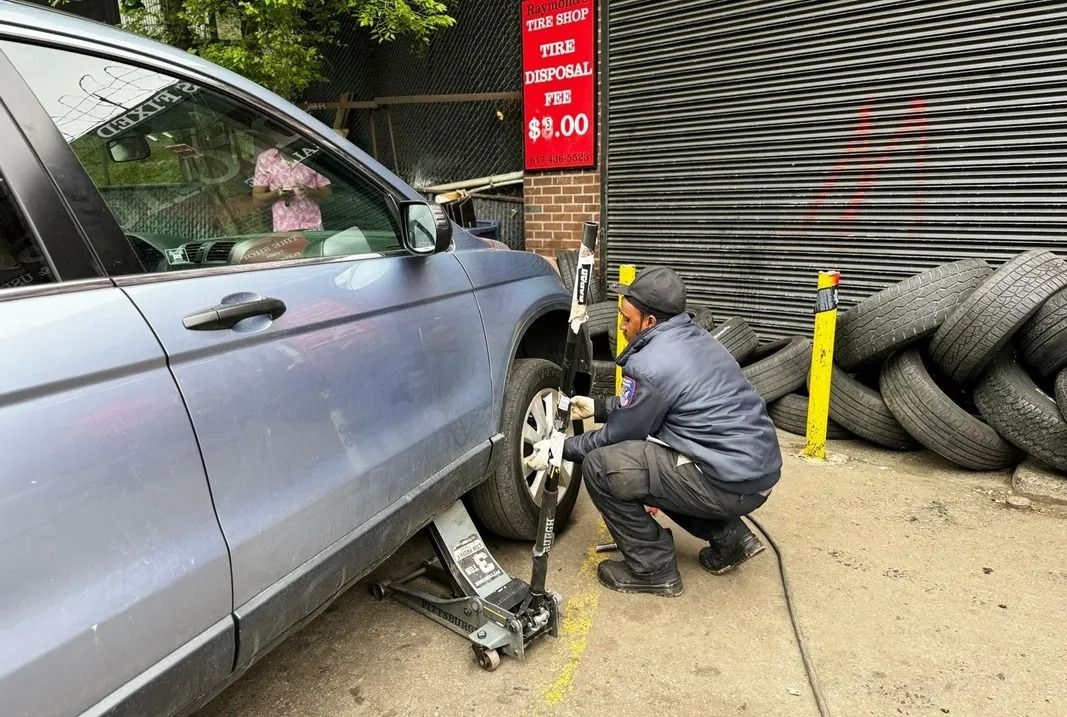
Mechanic changing a car tire at a tire shop. He is kneeling, using a jack. Tires piled nearby.

El papel de la cobertura prorrateada
Muchas garantías ofrecen crédito prorrateado en lugar de un reemplazo completo. Por ejemplo, si un neumático con garantía de 60,000 millas se desgasta a las 40,000, puede recibir un porcentaje del costo de un neumático nuevo. Esto significa que usted paga parte del reemplazo, pero no el total. Comprender cómo funciona ayuda a tener expectativas realistas.


Por qué la garantía no debe ser el único factor
Aunque las garantías son útiles, no deberían ser el único criterio al comprar. Un neumático de mayor calidad sin garantía extensa puede durar más y rendir mejor que uno de menor calidad con una garantía generosa. El rendimiento, la seguridad y la adecuación al vehículo y condiciones de manejo deben ser prioritarios. En Raymond’s Tire Shop ayudamos a nuestros clientes a elegir la mejor opción y explicamos claramente las garantías.
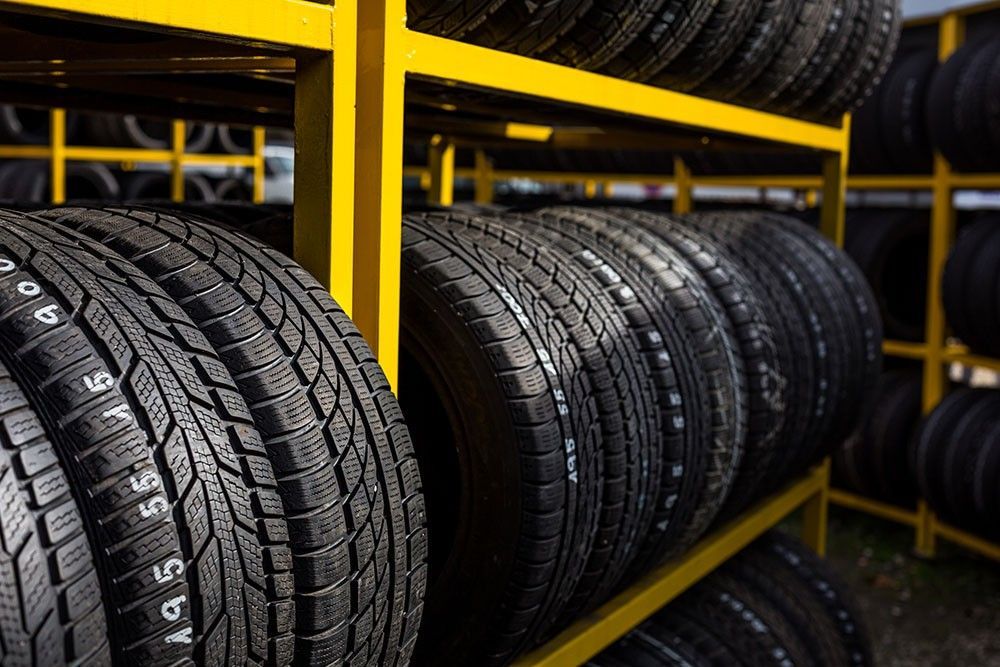
Tires stacked on yellow metal shelves, close up.

Tranquilidad a través de la claridad
El aspecto más valioso de una garantía de neumáticos es la tranquilidad, pero solo si se entiende lo que cubre. Una comunicación clara y una orientación profesional aseguran que conozca sus derechos y responsabilidades. En nuestra tienda explicamos cada detalle de las garantías para que los conductores se sientan seguros en su inversión.


Conclusión
Las garantías de neumáticos ofrecen protección importante, pero no son absolutas. Saber qué incluyen, qué excluyen y cómo mantener la elegibilidad le ayuda a aprovecharlas al máximo. En Raymond’s Tire Shop combinamos neumáticos de alta calidad con orientación honesta para que nuestros clientes elijan neumáticos que brinden seguridad, rendimiento y valor durante años.
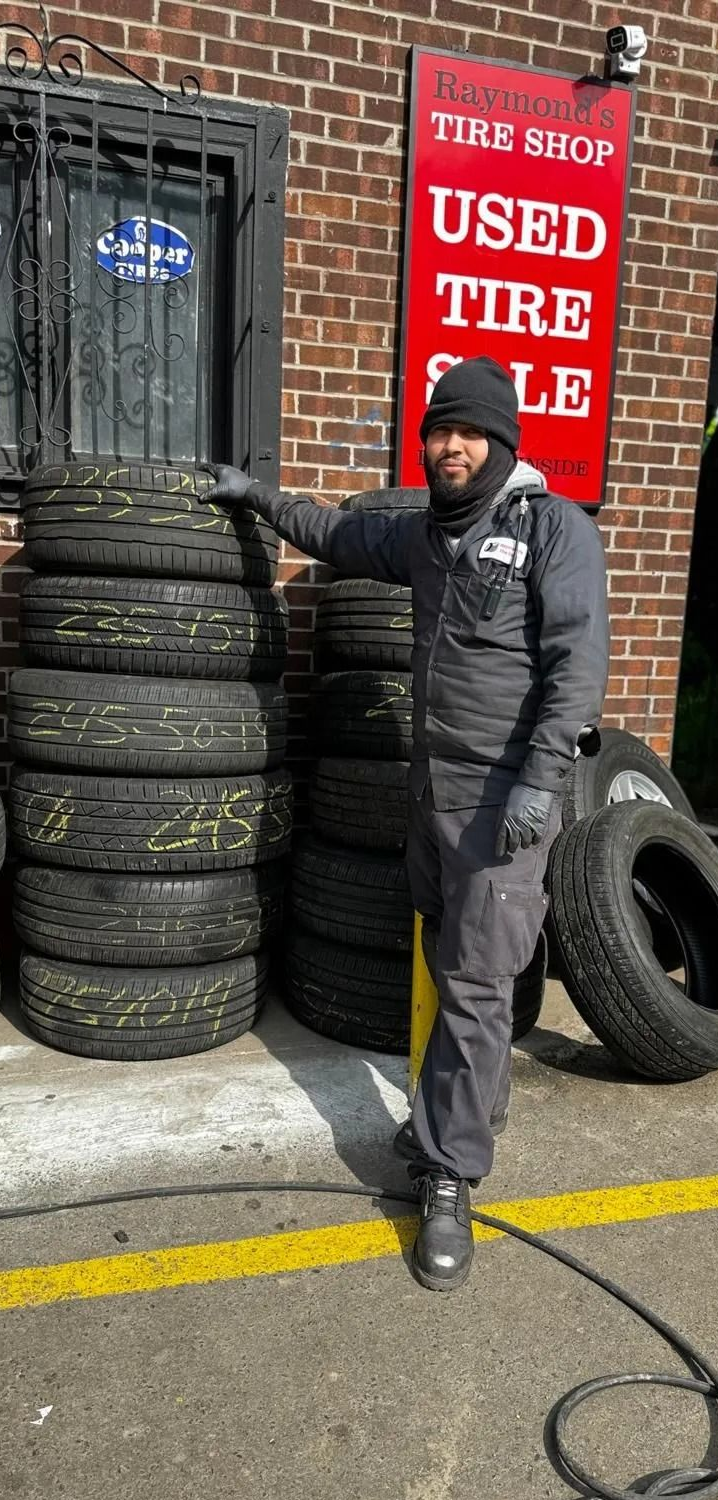
Man stands by tires stacked outside a used tire shop. Shop has a red sign, brick building.
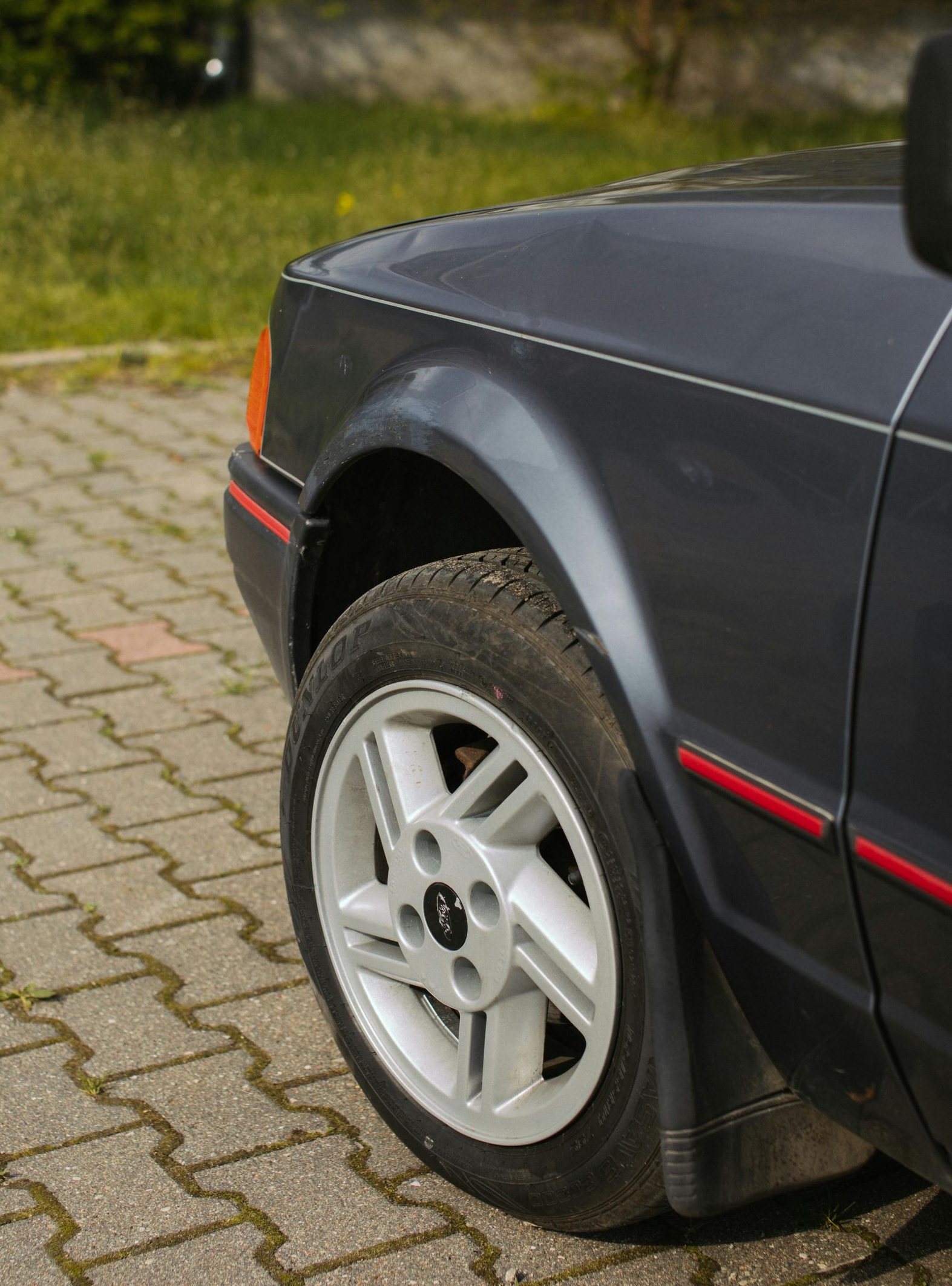
Gray car's front quarter, showing wheel, fender, and part of the hood. Red trim detail. Parked on paving stones.
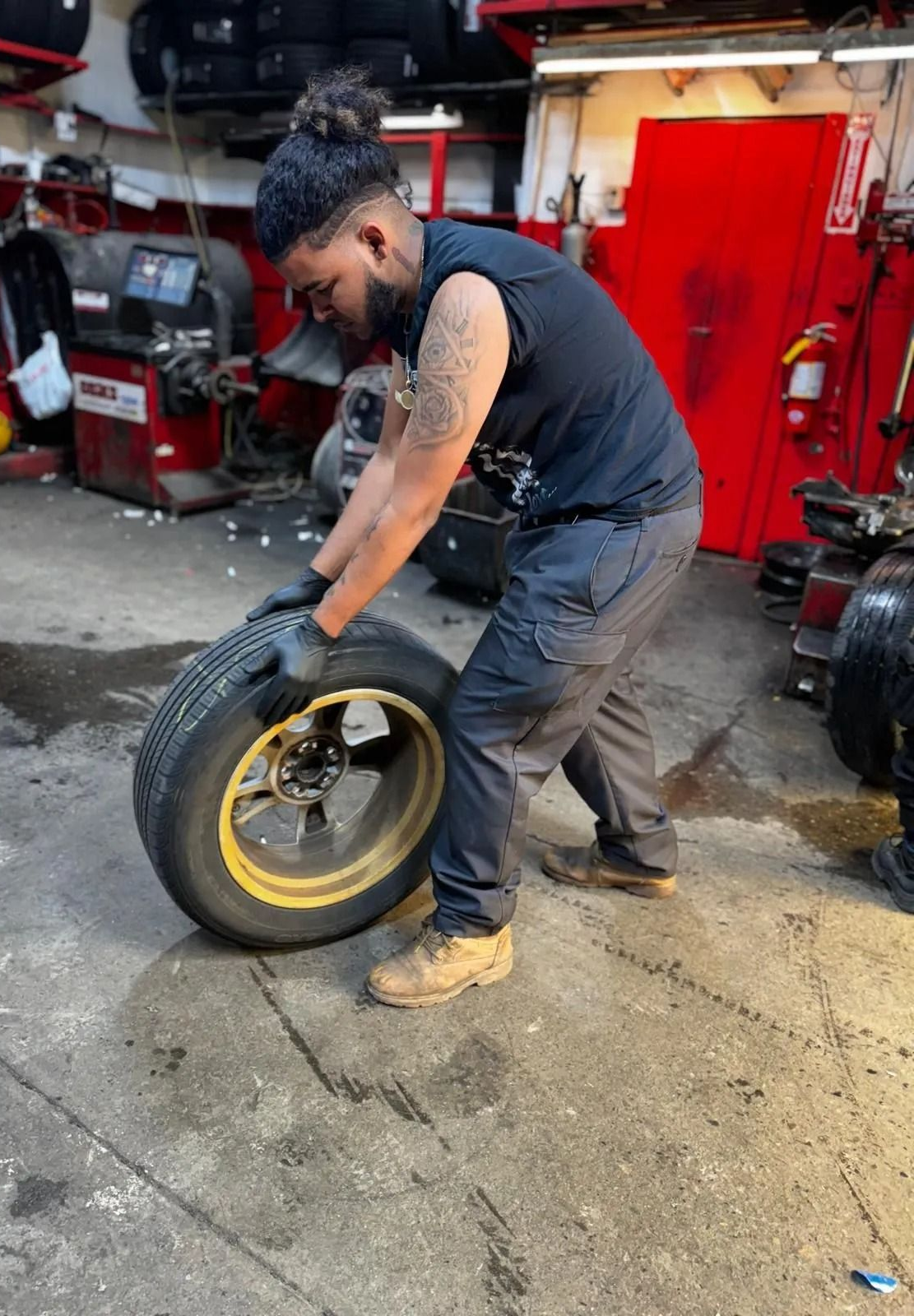
Man in garage, lifting a tire with yellow rim.
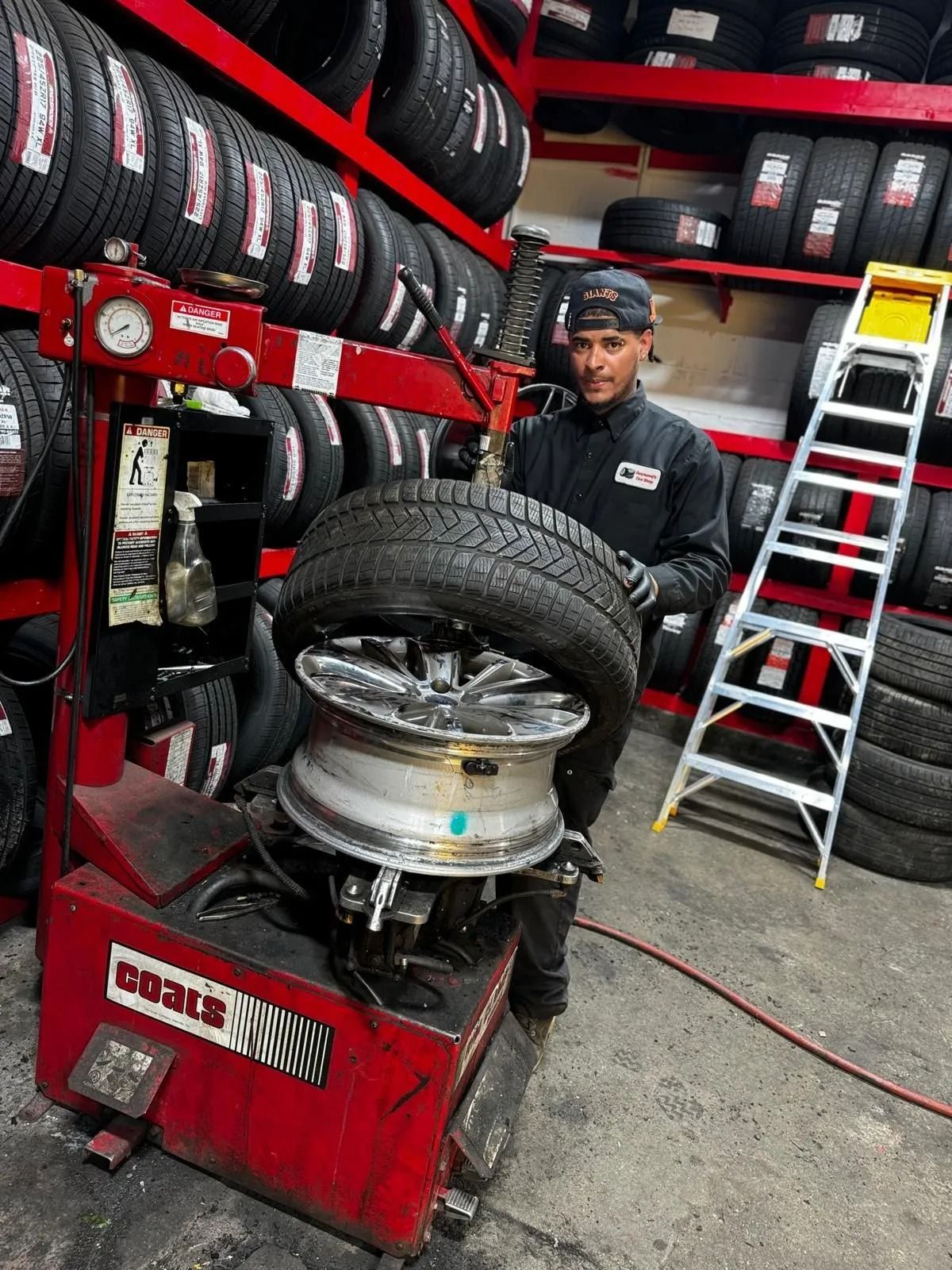
Man at tire shop changing a tire on a red machine; surrounded by tires, standing next to a ladder.
August 23, 2026
A pothole impact can feel like a quick jolt, but the forces involved can affect several parts of the tire and wheel assembly. The faster the vehicle is moving, the less time the tire has to absorb the impact. In some cases, the damage is immediately obvious. In others, problems may not become noticeable until later. Raymond’s Tire Shop helps drivers inspect tires, wheels, balancing, and alignment after hard road impacts. Understanding what can happen during a pothole strike can make it easier to recognize when a tire needs professional attention. The Tire Is Compressed Extremely Quickly When a tire drops into a pothole and strikes the far edge, the sidewall and tread can be compressed between the road and the wheel. Tires are designed to flex, but a severe impact can exceed what the internal structure can safely absorb.  The risk can be greater when tire pressure is too low because there is less air cushioning between the road surface and the wheel. However, even a properly inflated tire can be damaged by a deep pothole at sufficient speed.
August 16, 2026
Tires are one of the most important safety components on any vehicle because they are the only parts that maintain direct contact with the road. As tires wear, their ability to grip pavement, channel water, and respond predictably can gradually decline. The challenge is that unsafe tire conditions are not always obvious until performance has already been affected.  Raymond’s Tire Shop helps drivers evaluate tread wear, tire damage, pressure issues, alignment problems, and other conditions that can affect tire safety. Knowing what to look for can help you recognize when a tire needs professional attention or replacement.
August 7, 2026
Most drivers think of tires simply as the round rubber components that allow a vehicle to roll down the road. In reality, tires are sophisticated pieces of engineering that perform several essential functions every time a vehicle is in motion. They support the weight of the vehicle, transmit steering and braking forces, absorb road irregularities, and maintain traction in changing driving conditions. Every acceleration, turn, and stop depends on these four small contact patches where the tires meet the road.  Understanding the primary functions of a tire helps drivers appreciate why routine maintenance and timely replacement are so important. Raymond’s Tire Shop helps customers choose quality tires and maintain them properly so their vehicles continue to perform safely and efficiently throughout the life of the tire.
July 31, 2026
Understanding how your tires interact with wet pavement is one of the most important parts of safe driving. While most drivers know that rain can make roads slippery, fewer understand how hydroplaning occurs or why it can cause a vehicle to suddenly lose traction. Knowing what causes hydroplaning—and how proper tire maintenance can reduce the risk—can help you stay safer during wet weather.  At Raymond’s Tire Shop, we believe that informed drivers make safer decisions. Keeping your tires in excellent condition is one of the best ways to improve vehicle performance when road conditions are less than ideal.
July 23, 2026
Your tires are one of the hardest-working components of your vehicle. They provide traction, support your vehicle’s weight, absorb impacts from the road, and help you maintain control in a wide range of driving conditions. Because they experience constant wear, replacing tires is an expected part of vehicle ownership. However, proper maintenance can help maximize their lifespan, improve performance, and save you money over time. Many of the factors that affect tire longevity are within a driver’s control. By following a few simple maintenance practices, you can help your tires wear more evenly and perform as intended throughout their service life.
July 17, 2026
Your tires are the only part of your vehicle that remains in constant contact with the road, making them one of the most important components for safety, performance, and fuel efficiency. While many drivers remember to check their oil or schedule routine maintenance, tire pressure is often overlooked until a problem develops.  Maintaining proper tire inflation is one of the simplest and most effective ways to extend the life of your tires. It takes only a few minutes to check your tire pressure, yet this small maintenance task can help improve vehicle performance and protect your investment over the long term.