Entendendo as garantias de pneus e o que elas realmente cobrem

Ao comprar pneus novos, muitos motoristas ficam tranquilos ao ver a palavra «garantia» na documentação. No entanto, nem todas as garantias de pneus são iguais, e entender o que elas realmente cobrem pode ajudá-lo a tomar decisões informadas e evitar surpresas caras. Na Raymond’s Tire Shop, acreditamos em oferecer clareza aos nossos clientes para que saibam exatamente qual proteção acompanha sua compra.


Tipos de garantias de pneus
A maioria dos grandes fabricantes de pneus oferece garantias, mas a cobertura varia. As duas mais comuns são:

  • Garantias limitadas de desgaste da banda de rodagem: Garantem que o pneu durará um certo número de quilômetros em uso normal. Por exemplo, um pneu pode ter uma garantia de 100.000 km. Se o desgaste ocorrer antes, o fabricante pode conceder um crédito proporcional para substituição.
  • Garantias de mão de obra e materiais: Cumprem defeitos de fabricação ou de materiais. Se um pneu falhar prematuramente por um defeito, pode ser substituído sem custo ou com custo reduzido.


Algumas marcas também oferecem garantias contra danos de estrada, que cobrem buracos, pregos ou detritos. Esse tipo de cobertura é menos comum, mas pode oferecer proteção valiosa.
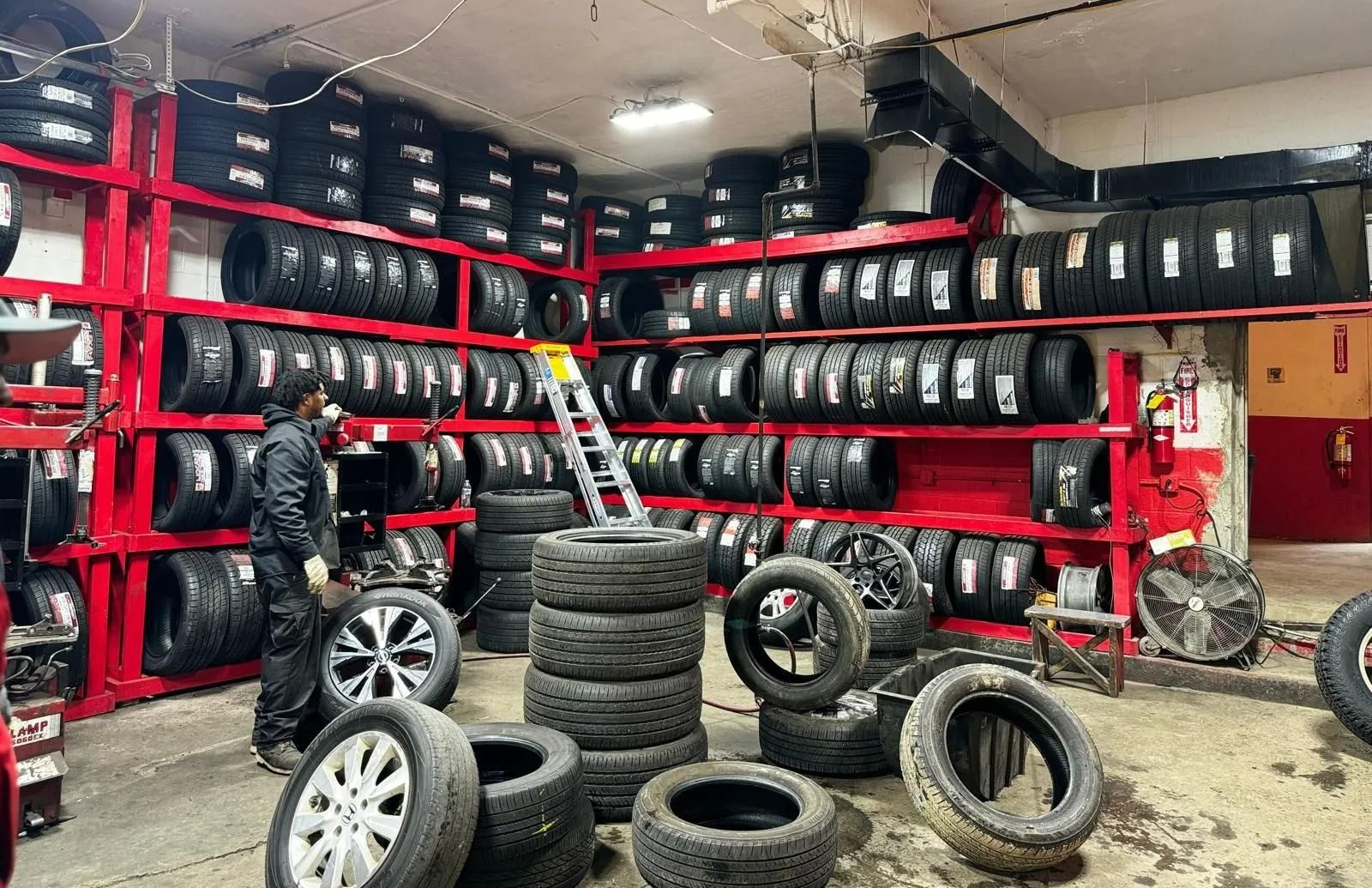
A mechanic in a shop with many tires on red shelves. Some tires on the floor, ladder present.

O que as garantias não cobrem
É igualmente importante entender o que geralmente é excluído. A maioria não cobre danos causados por má manutenção, desalinhamento, excesso ou falta de pressão. Também não cobrem acidentes, danos climáticos ou desgaste normal devido a condução agressiva. Em outras palavras, protegem contra defeitos, não contra todos os cenários possíveis.


Como manter a cobertura
Para usufruir de uma garantia, os fabricantes geralmente exigem comprovação de manutenção adequada. Isso inclui manter a pressão recomendada, rodízio regular dos pneus e alinhamento correto do veículo. Na Raymond’s Tire Shop incentivamos nossos clientes a realizar inspeções e rodízios periódicos não só para manter os pneus em bom estado, mas também para garantir a elegibilidade da garantia.
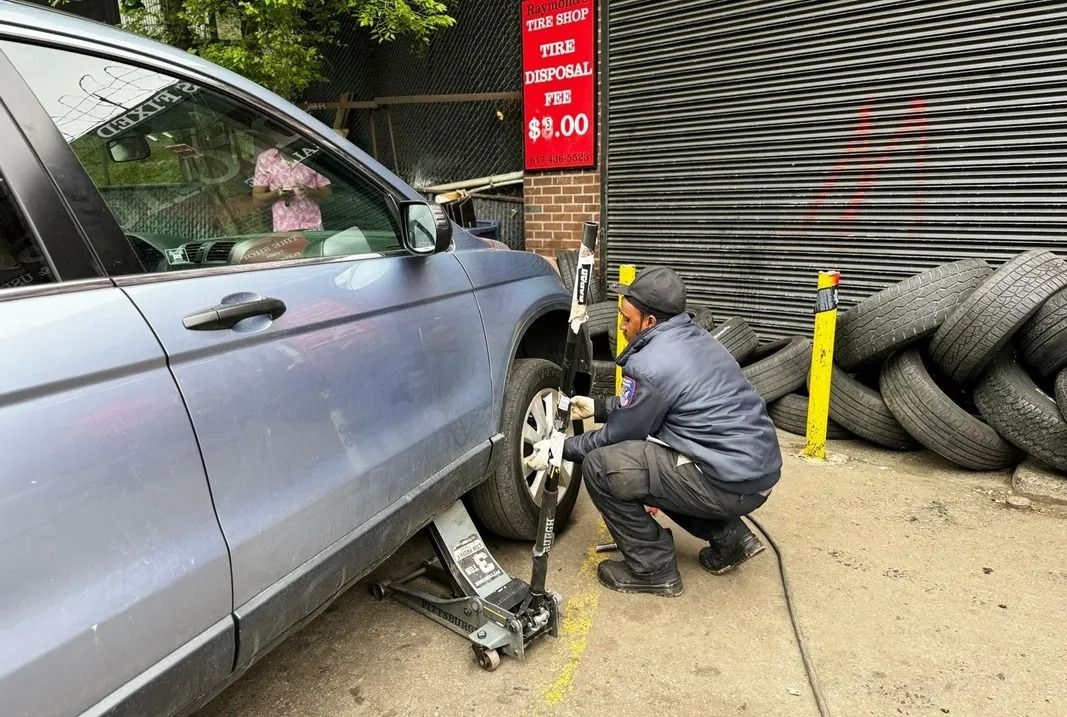
Mechanic changing a car tire at a tire shop. He is kneeling, using a jack. Tires piled nearby.

O papel da cobertura proporcional
Muitas garantias oferecem crédito proporcional em vez de substituição completa. Por exemplo, se um pneu com garantia de 100.000 km se desgastar aos 65.000 km, você pode ter direito a um percentual do custo de um novo pneu. Isso significa que paga parte da substituição, mas não o valor total. Entender esse sistema ajuda a definir expectativas realistas.


Por que a garantia não deve ser o único fator
Embora úteis, as garantias não devem ser o único critério na compra. Um pneu de maior qualidade sem longa garantia pode ter melhor desempenho e durar mais do que uma opção inferior com ampla cobertura. O desempenho, a segurança e a adequação ao veículo e às condições de condução devem sempre vir em primeiro lugar. Na Raymond’s Tire Shop orientamos os clientes para as melhores opções, explicando claramente as garantias.
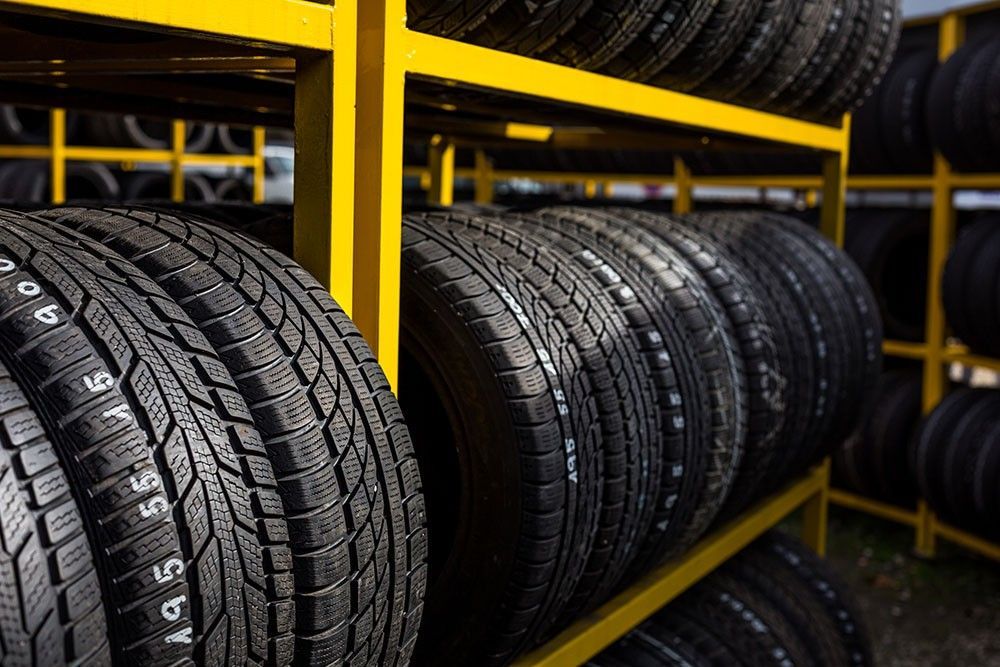
Tires stacked on yellow metal shelves, close up.

Tranquilidade através da clareza
O aspecto mais valioso de uma garantia de pneus é a tranquilidade — mas apenas se você entender o que ela cobre. Comunicação clara e orientação profissional garantem que conheça seus direitos e responsabilidades. Em nossa loja, priorizamos explicar os detalhes das garantias para que os motoristas se sintam confiantes em seu investimento.


Considerações finais
As garantias de pneus oferecem proteção importante, mas não são absolutas. Saber o que está incluído, o que está excluído e como manter a elegibilidade ajuda a aproveitar ao máximo a cobertura. Na Raymond’s Tire Shop unimos pneus de alta qualidade com orientação honesta para ajudar nossos clientes a escolher pneus que ofereçam segurança, desempenho e valor por muitos anos.
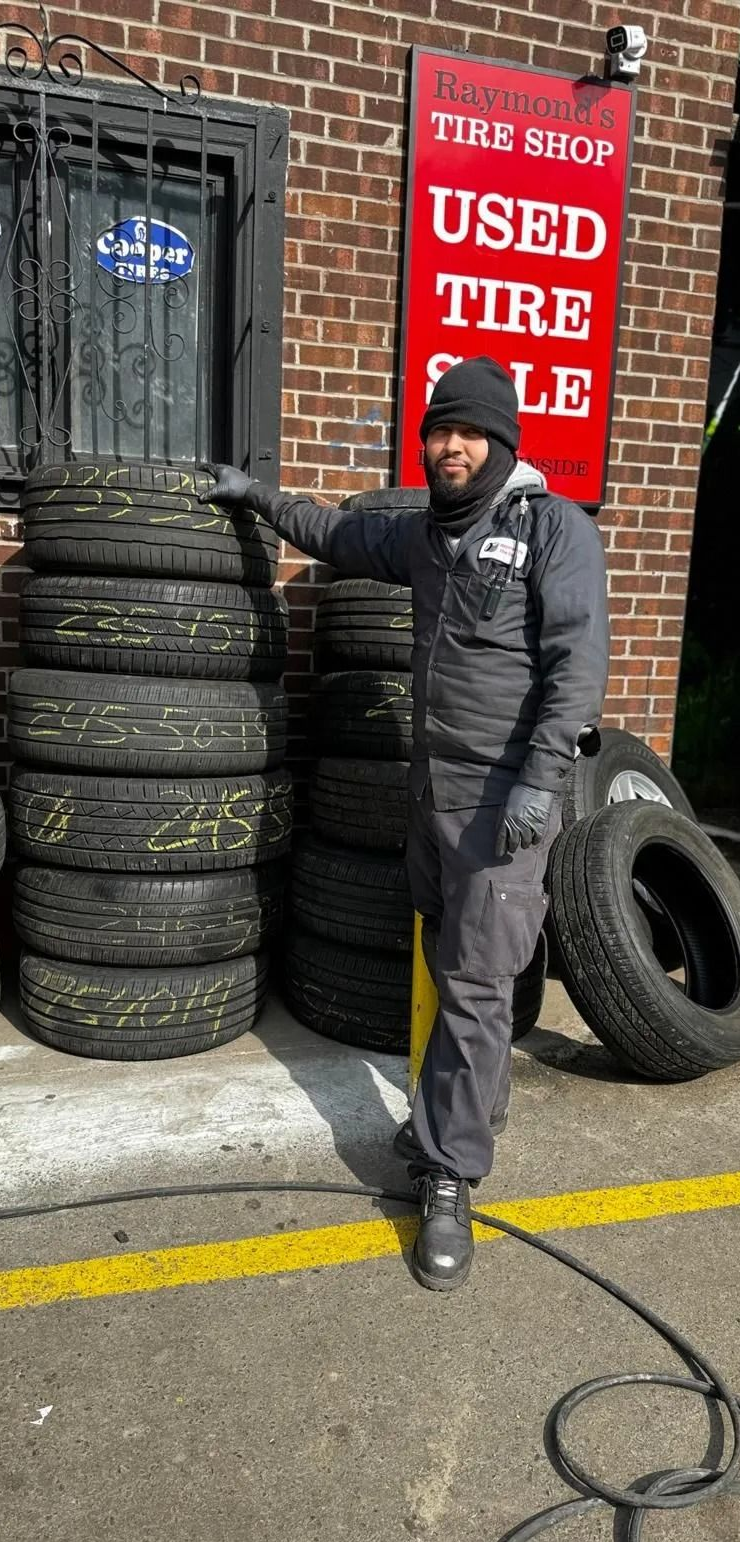
Man stands by tires stacked outside a used tire shop. Shop has a red sign, brick building.
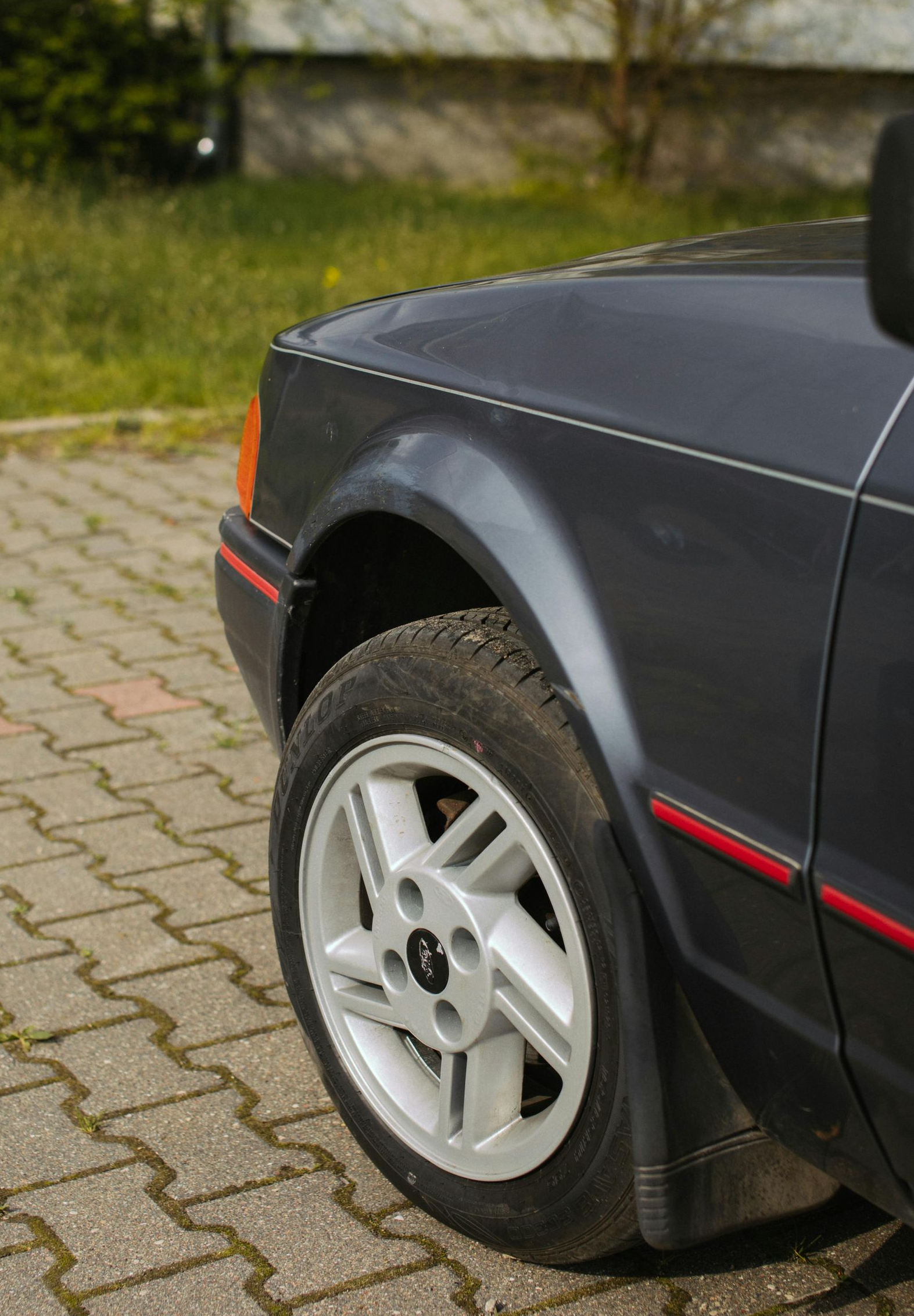
Gray car's front quarter, showing wheel, fender, and part of the hood. Red trim detail. Parked on paving stones.
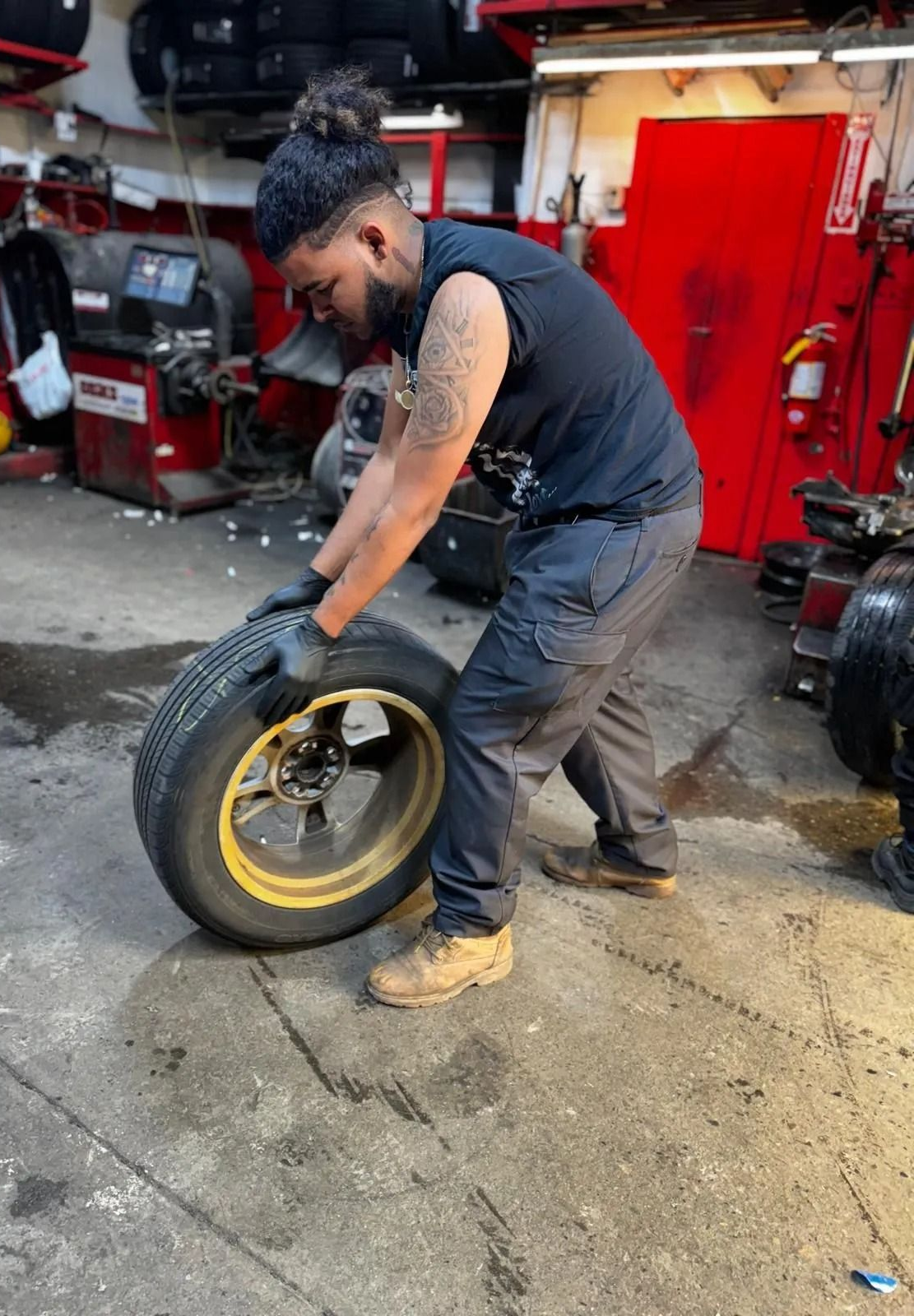
Man in garage, lifting a tire with yellow rim.
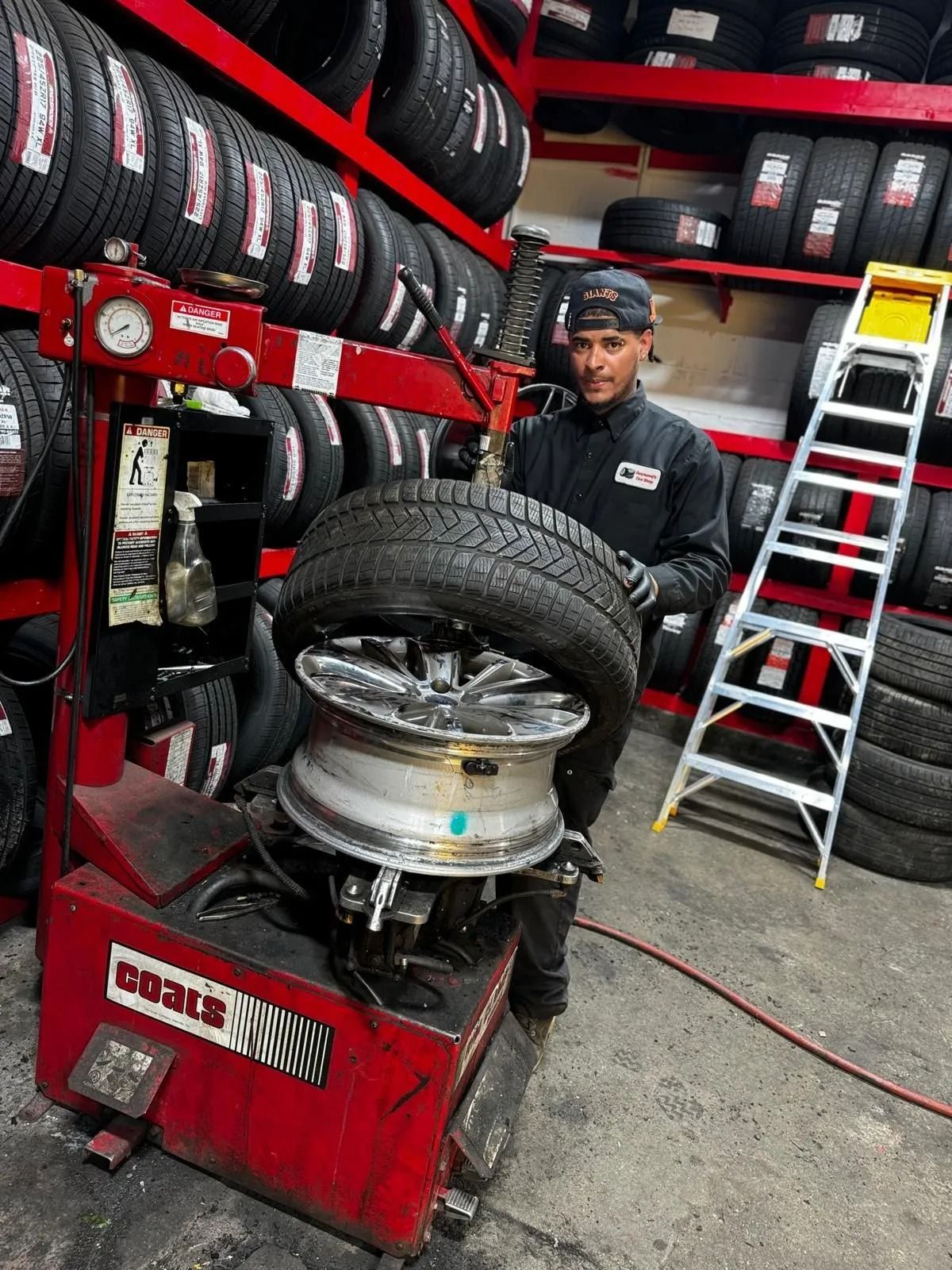
Man at tire shop changing a tire on a red machine; surrounded by tires, standing next to a ladder.
August 28, 2026
When a tire repeatedly loses air but there is no obvious nail, screw, or visible puncture, the problem may be where the tire meets the wheel. This area is known as the tire bead, and a poor seal between the bead and the rim can allow air to escape gradually. Tire bead leaks are a common cause of slow pressure loss. Understanding why they happen can help drivers recognize when a tire needs professional inspection rather than repeatedly adding air. What Is the Tire Bead? The bead is the reinforced inner edge of the tire that sits tightly against the wheel rim. When a tire is properly mounted and inflated, air pressure helps hold the bead securely against the wheel, creating an airtight seal. If that sealing surface becomes damaged, dirty, corroded, or distorted, a small pathway can develop for air to escape.  Because these leaks may be very small, the tire can lose pressure over several days or weeks rather than going flat immediately.
August 23, 2026
A pothole impact can feel like a quick jolt, but the forces involved can affect several parts of the tire and wheel assembly. The faster the vehicle is moving, the less time the tire has to absorb the impact. In some cases, the damage is immediately obvious. In others, problems may not become noticeable until later. Raymond’s Tire Shop helps drivers inspect tires, wheels, balancing, and alignment after hard road impacts. Understanding what can happen during a pothole strike can make it easier to recognize when a tire needs professional attention. The Tire Is Compressed Extremely Quickly When a tire drops into a pothole and strikes the far edge, the sidewall and tread can be compressed between the road and the wheel. Tires are designed to flex, but a severe impact can exceed what the internal structure can safely absorb.  The risk can be greater when tire pressure is too low because there is less air cushioning between the road surface and the wheel. However, even a properly inflated tire can be damaged by a deep pothole at sufficient speed.
August 16, 2026
Tires are one of the most important safety components on any vehicle because they are the only parts that maintain direct contact with the road. As tires wear, their ability to grip pavement, channel water, and respond predictably can gradually decline. The challenge is that unsafe tire conditions are not always obvious until performance has already been affected.  Raymond’s Tire Shop helps drivers evaluate tread wear, tire damage, pressure issues, alignment problems, and other conditions that can affect tire safety. Knowing what to look for can help you recognize when a tire needs professional attention or replacement.
August 7, 2026
Most drivers think of tires simply as the round rubber components that allow a vehicle to roll down the road. In reality, tires are sophisticated pieces of engineering that perform several essential functions every time a vehicle is in motion. They support the weight of the vehicle, transmit steering and braking forces, absorb road irregularities, and maintain traction in changing driving conditions. Every acceleration, turn, and stop depends on these four small contact patches where the tires meet the road.  Understanding the primary functions of a tire helps drivers appreciate why routine maintenance and timely replacement are so important. Raymond’s Tire Shop helps customers choose quality tires and maintain them properly so their vehicles continue to perform safely and efficiently throughout the life of the tire.
July 31, 2026
Understanding how your tires interact with wet pavement is one of the most important parts of safe driving. While most drivers know that rain can make roads slippery, fewer understand how hydroplaning occurs or why it can cause a vehicle to suddenly lose traction. Knowing what causes hydroplaning—and how proper tire maintenance can reduce the risk—can help you stay safer during wet weather.  At Raymond’s Tire Shop, we believe that informed drivers make safer decisions. Keeping your tires in excellent condition is one of the best ways to improve vehicle performance when road conditions are less than ideal.
July 23, 2026
Your tires are one of the hardest-working components of your vehicle. They provide traction, support your vehicle’s weight, absorb impacts from the road, and help you maintain control in a wide range of driving conditions. Because they experience constant wear, replacing tires is an expected part of vehicle ownership. However, proper maintenance can help maximize their lifespan, improve performance, and save you money over time. Many of the factors that affect tire longevity are within a driver’s control. By following a few simple maintenance practices, you can help your tires wear more evenly and perform as intended throughout their service life.