Understanding the Four Main Functions of a Tire
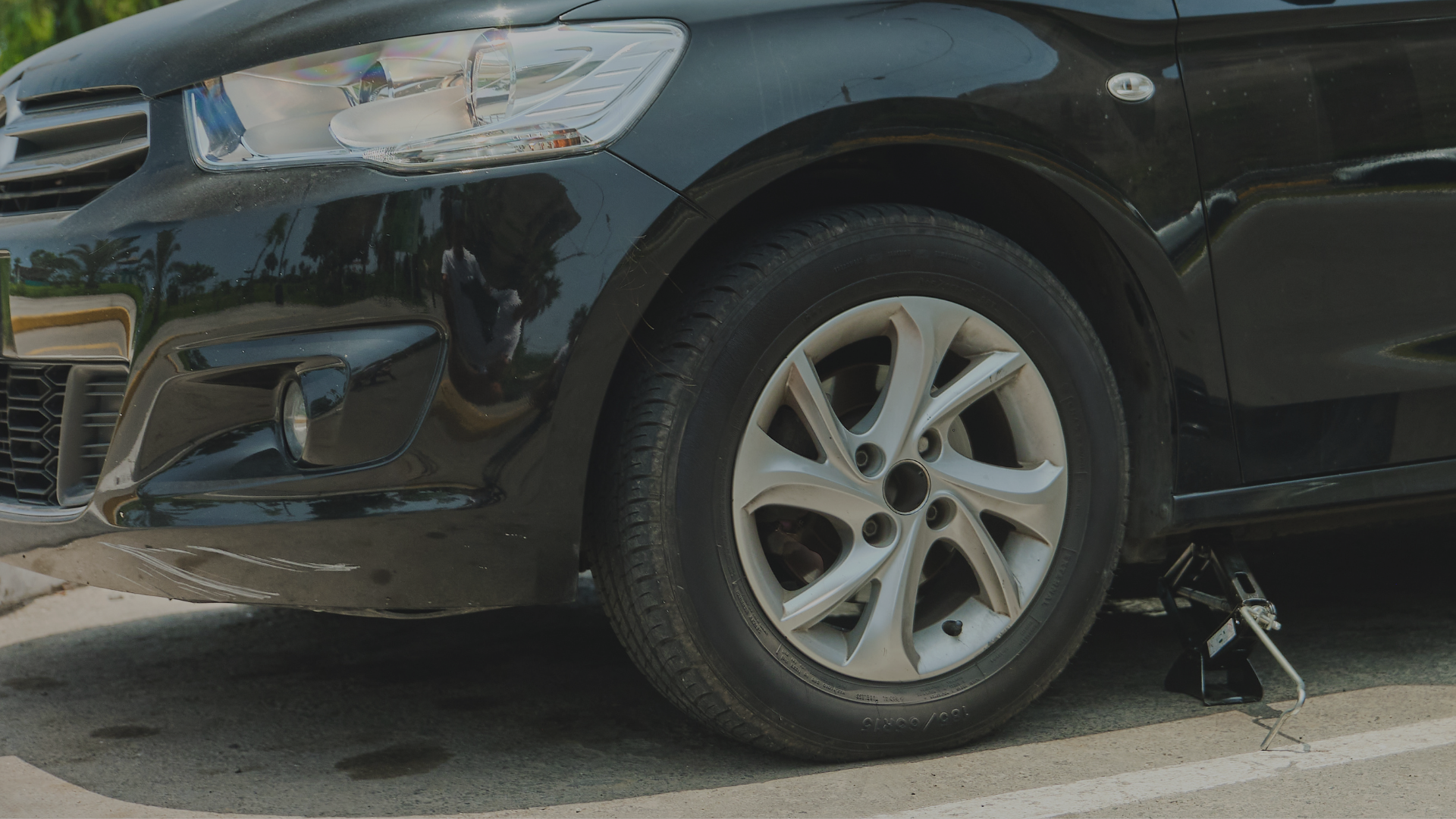
Most drivers think of tires simply as the round rubber components that allow a vehicle to roll down the road. In reality, tires are sophisticated pieces of engineering that perform several essential functions every time a vehicle is in motion. They support the weight of the vehicle, transmit steering and braking forces, absorb road irregularities, and maintain traction in changing driving conditions. Every acceleration, turn, and stop depends on these four small contact patches where the tires meet the road.
Understanding the primary functions of a tire helps drivers appreciate why routine maintenance and timely replacement are so important. Raymond’s Tire Shop helps customers choose quality tires and maintain them properly so their vehicles continue to perform safely and efficiently throughout the life of the tire.
Supporting the Weight of the Vehicle
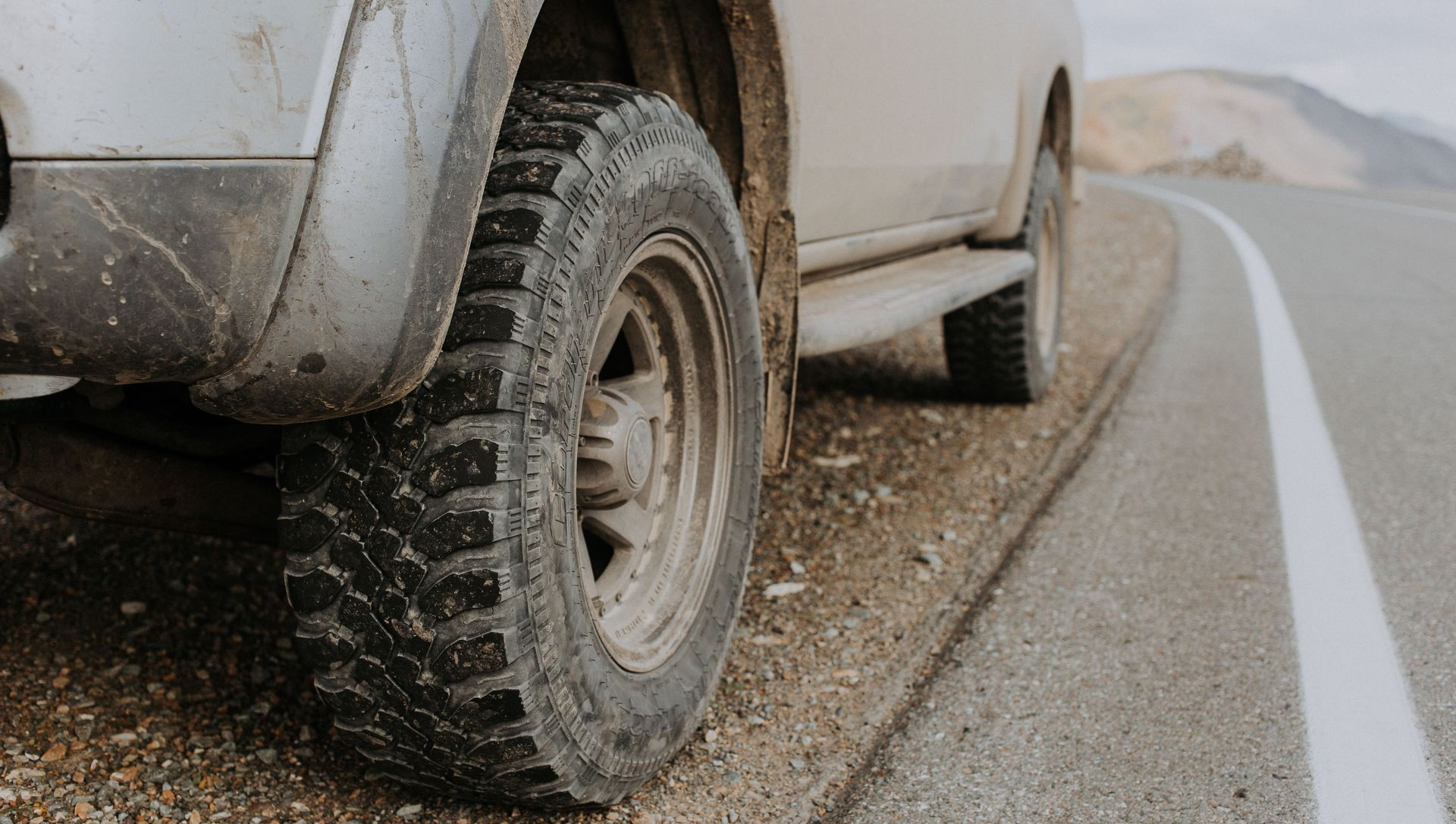
The first and most obvious function of a tire is supporting the vehicle’s weight.
Although tires are made primarily of rubber, they also contain layers of steel belts, reinforcing cords, and other structural materials that allow them to safely carry thousands of pounds while maintaining their shape. Proper inflation is essential because air pressure inside the tire helps distribute the vehicle’s weight evenly across the tread.
When tires are underinflated or overloaded, additional stress is placed on the internal structure. Over time, this can contribute to uneven wear, reduced performance, and an increased likelihood of tire damage.
Maintaining the correct tire pressure helps ensure that each tire carries its share of the vehicle’s weight as intended by the manufacturer.
Providing Traction for Acceleration, Braking, and Turning
A tire’s second major function is generating traction.
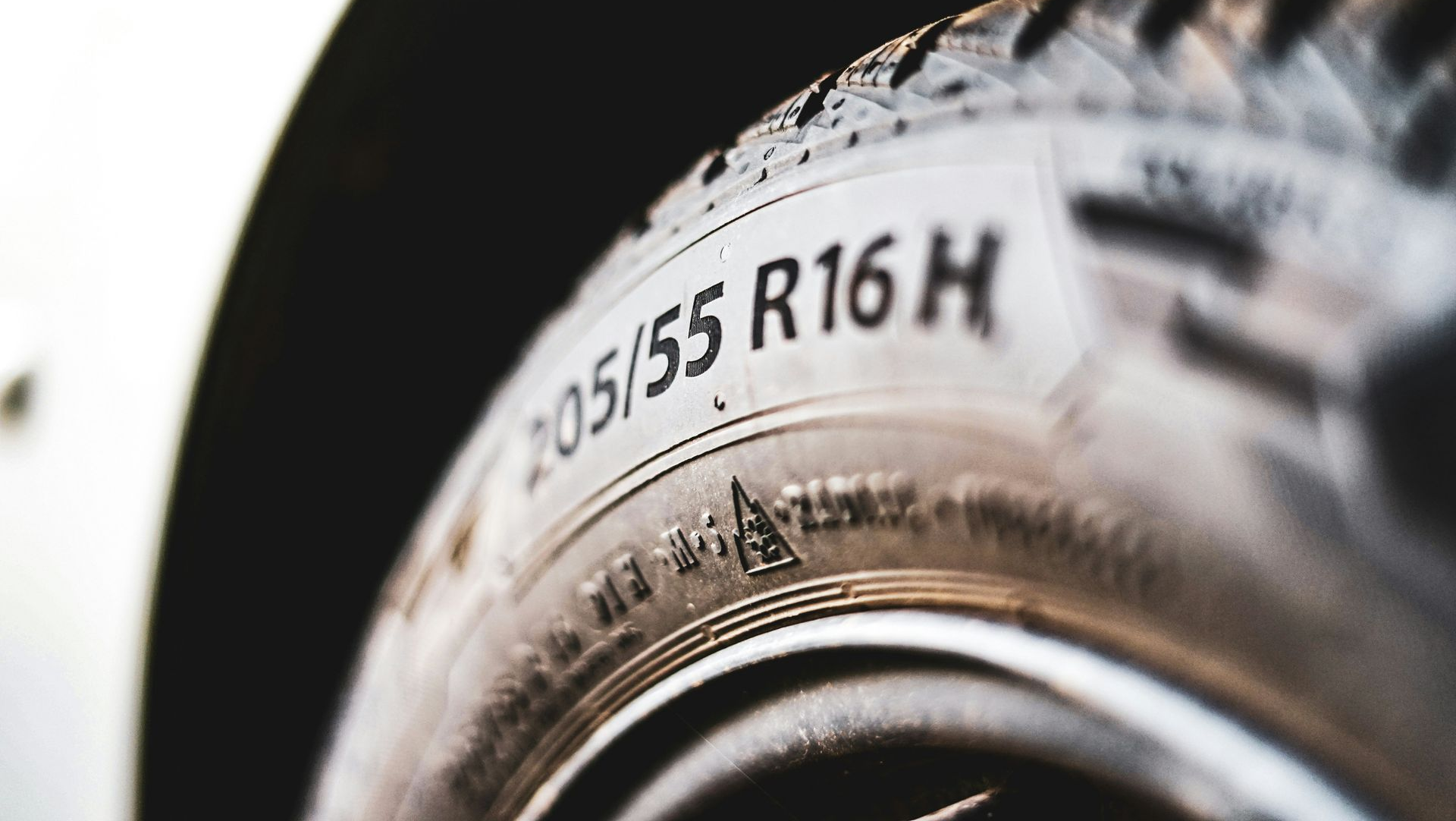
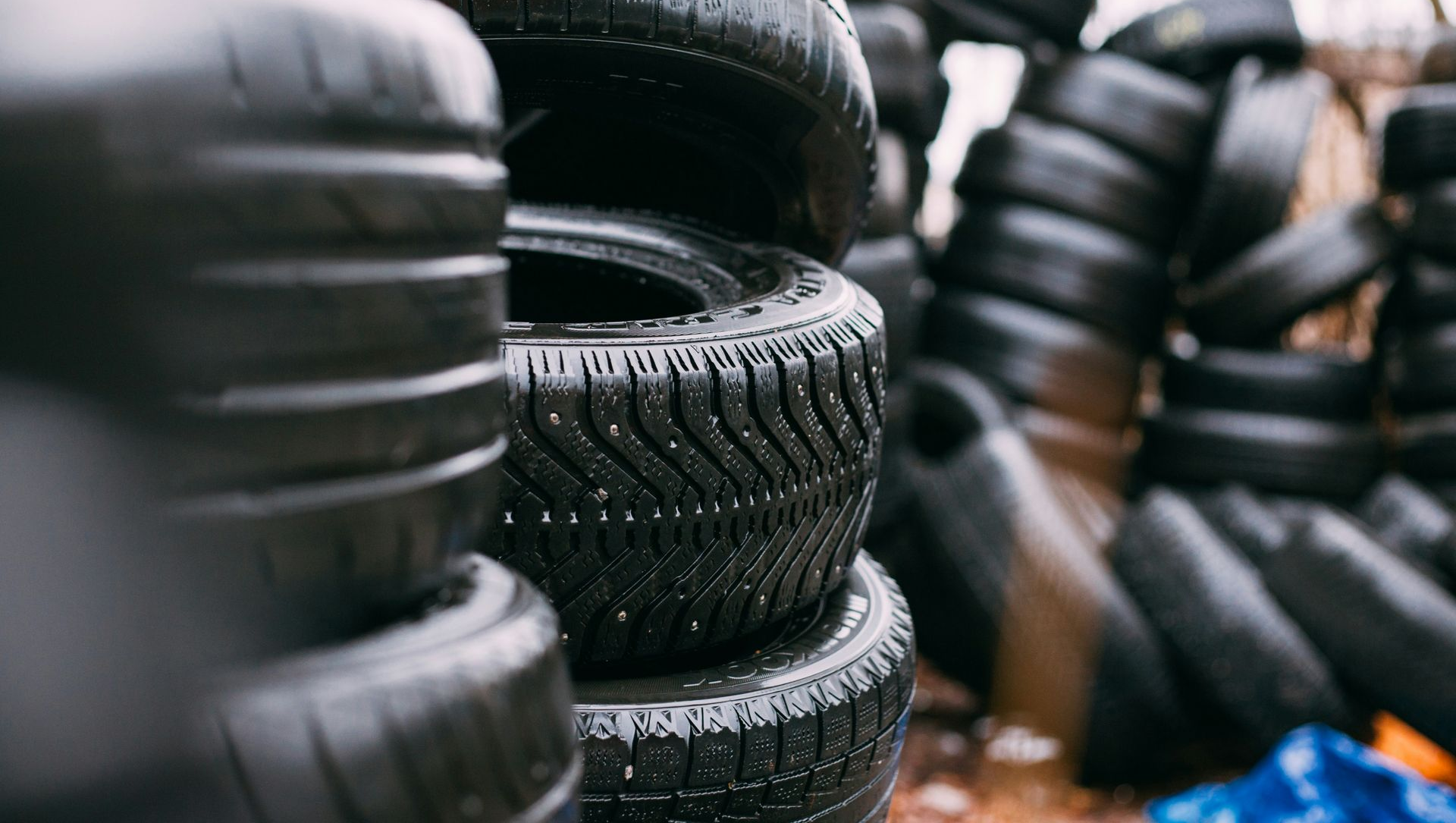
The small area where each tire contacts the pavement is responsible for transmitting the forces required to accelerate, brake, and steer. Tire tread patterns and specially engineered rubber compounds work together to create grip under a variety of driving conditions.
As tread wears down, the tire’s ability to maintain traction—particularly on wet roads—gradually decreases. Reduced traction can increase stopping distances and affect how the vehicle responds during emergency maneuvers.
Regular tire inspections help drivers identify worn tread before it begins affecting vehicle performance.

Absorbing Road Impacts
Roads are rarely perfectly smooth. Potholes, expansion joints, rough pavement, and other irregularities create constant impacts as a vehicle travels.
Tires serve as the vehicle’s first line of suspension by flexing slightly as they encounter these imperfections. This flexibility helps absorb shock before it reaches the wheels, suspension components, and passengers.
Properly inflated tires contribute to a smoother, more comfortable ride while helping protect the vehicle from unnecessary stress caused by everyday road conditions.
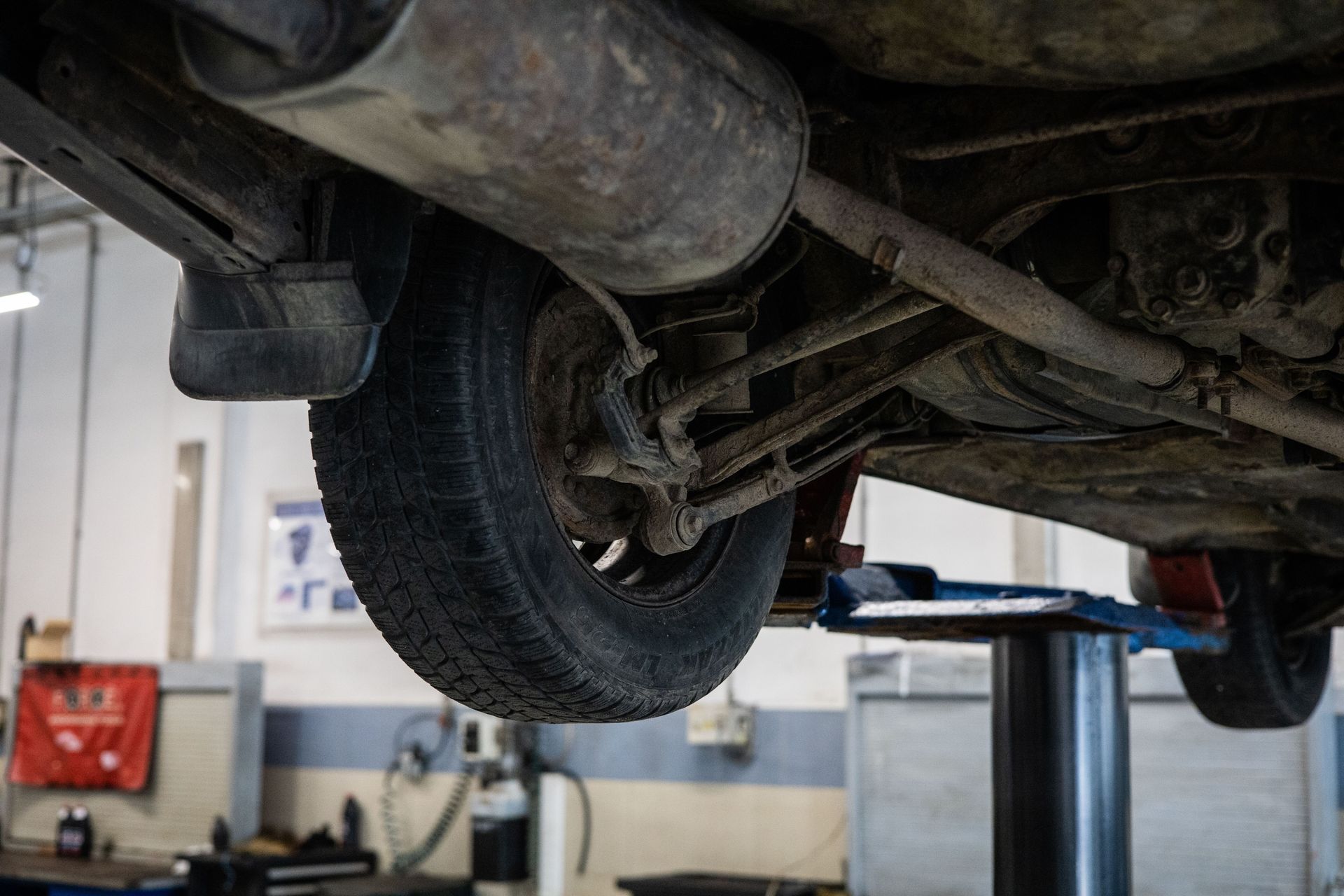
Because tires work together with the suspension system, maintaining both components helps preserve ride quality and vehicle handling.

Maintaining Directional Stability
The fourth primary function of a tire is helping the vehicle maintain predictable handling and directional stability.
When properly maintained, tires help the driver steer accurately through curves, maintain control during lane changes, and respond consistently to steering inputs. Balanced tires and correct wheel alignment also contribute to stable handling by ensuring that each tire maintains proper contact with the road surface.
If tires become unevenly worn, improperly inflated, or out of balance, drivers may notice symptoms such as vibration, wandering, or the vehicle pulling to one side. These conditions should be evaluated promptly to prevent additional wear and preserve safe handling characteristics.
Routine tire rotations, wheel balancing, and alignment services all help maintain consistent vehicle performance.
Proper Maintenance Supports All Four Functions
Each of these four functions depends on routine maintenance.
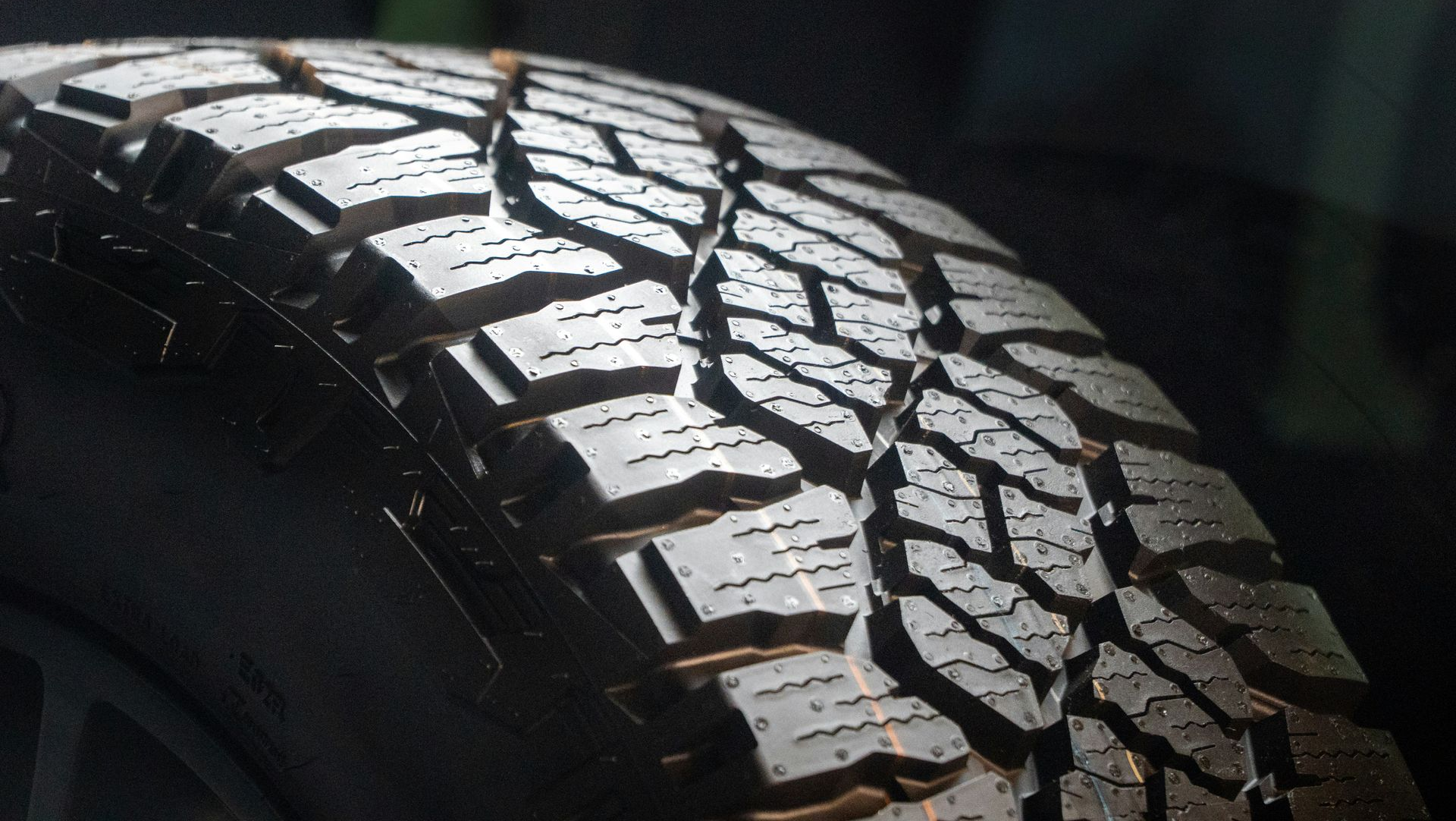
Regular tire pressure checks, scheduled tire rotations, wheel balancing, proper wheel alignment, and periodic inspections all help maximize tire performance and longevity. Addressing small issues early often prevents premature tire replacement while helping maintain the safety and comfort of the vehicle.
Choosing the correct tires for your vehicle and driving conditions is equally important. High-quality tires that are properly maintained can continue performing their intended functions throughout their expected service life.
Keep Your Tires Performing at Their Best
Raymond’s Tire Shop provides professional tire sales, installation, tire rotations, wheel balancing, alignments, flat tire repair, and complete tire maintenance services. Whether you need new tires or want to ensure your current set continues performing safely, our experienced team is here to help keep your vehicle ready for the road ahead. Contact Raymond’s Tire Shop today to schedule your next tire service.