What Happens to a Tire When You Hit a Pothole at Speed?

A pothole impact can feel like a quick jolt, but the forces involved can affect several parts of the tire and wheel assembly. The faster the vehicle is moving, the less time the tire has to absorb the impact. In some cases, the damage is immediately obvious. In others, problems may not become noticeable until later.


Raymond’s Tire Shop helps drivers inspect tires, wheels, balancing, and alignment after hard road impacts. Understanding what can happen during a pothole strike can make it easier to recognize when a tire needs professional attention.


The Tire Is Compressed Extremely Quickly

When a tire drops into a pothole and strikes the far edge, the sidewall and tread can be compressed between the road and the wheel.


Tires are designed to flex, but a severe impact can exceed what the internal structure can safely absorb.


The risk can be greater when tire pressure is too low because there is less air cushioning between the road surface and the wheel. However, even a properly inflated tire can be damaged by a deep pothole at sufficient speed.

Empty tree-lined street with cracked pavement and overcast sky, bordered by houses and yellow walls

Internal Damage May Not Be Visible

One of the biggest concerns after a pothole impact is damage inside the tire.


A tire contains layers of reinforcing material beneath the rubber. A hard impact can weaken or separate some of these internal components even when the outside surface initially appears normal.


A bulge or bubble may later develop on the sidewall. This can indicate that the internal structure has been compromised and air pressure is pushing outward against weakened material.


A sidewall bulge deserves prompt professional inspection because significant structural damage generally cannot be repaired safely.

Circular patch of orange leaves on dark wet pavement, resembling a small puddle

The Wheel Can Also Be Damaged

The tire is not the only component absorbing the impact.


A severe pothole strike can bend or damage the wheel, particularly if the tire is compressed far enough for the rim to take a direct hit.


A bent wheel may cause air leakage, vibration, or difficulty balancing the tire properly. Damage is not always easy to see without removing or rotating the wheel during an inspection.


Repeated air loss after a pothole impact may therefore involve the tire, the wheel, or the seal between them.

Flat tire on dark floor with a green-handled screwdriver beside it

Alignment Can Be Knocked Out

A hard impact can also affect wheel alignment.


If suspension or steering angles change, the vehicle may begin pulling to one side or the steering wheel may sit off-center when traveling straight.


Alignment problems can create uneven tire wear if they are left uncorrected. This means one pothole impact can potentially shorten the life of an otherwise good set of tires.


If the vehicle feels different immediately after the impact, an alignment check may be worthwhile.

Sunlit wet road curving through lush greenery, with puddles reflecting the light.

Vibration Can Signal a Problem

Drivers sometimes notice a new vibration after hitting a pothole, especially at highway speeds.


That vibration may come from a bent wheel, damaged tire, lost wheel weight, or another component affected by the impact.


A tire may also develop internal damage that changes its shape as it rotates.


Because several issues can cause similar symptoms, vibration should be diagnosed rather than assumed to be a simple balancing problem.

Black-and-white scene of a shallow puddle or pond in a rough, grassy field

Check the Tire Soon After the Impact

After a hard pothole strike, inspect the affected tire when it is safe to do so.


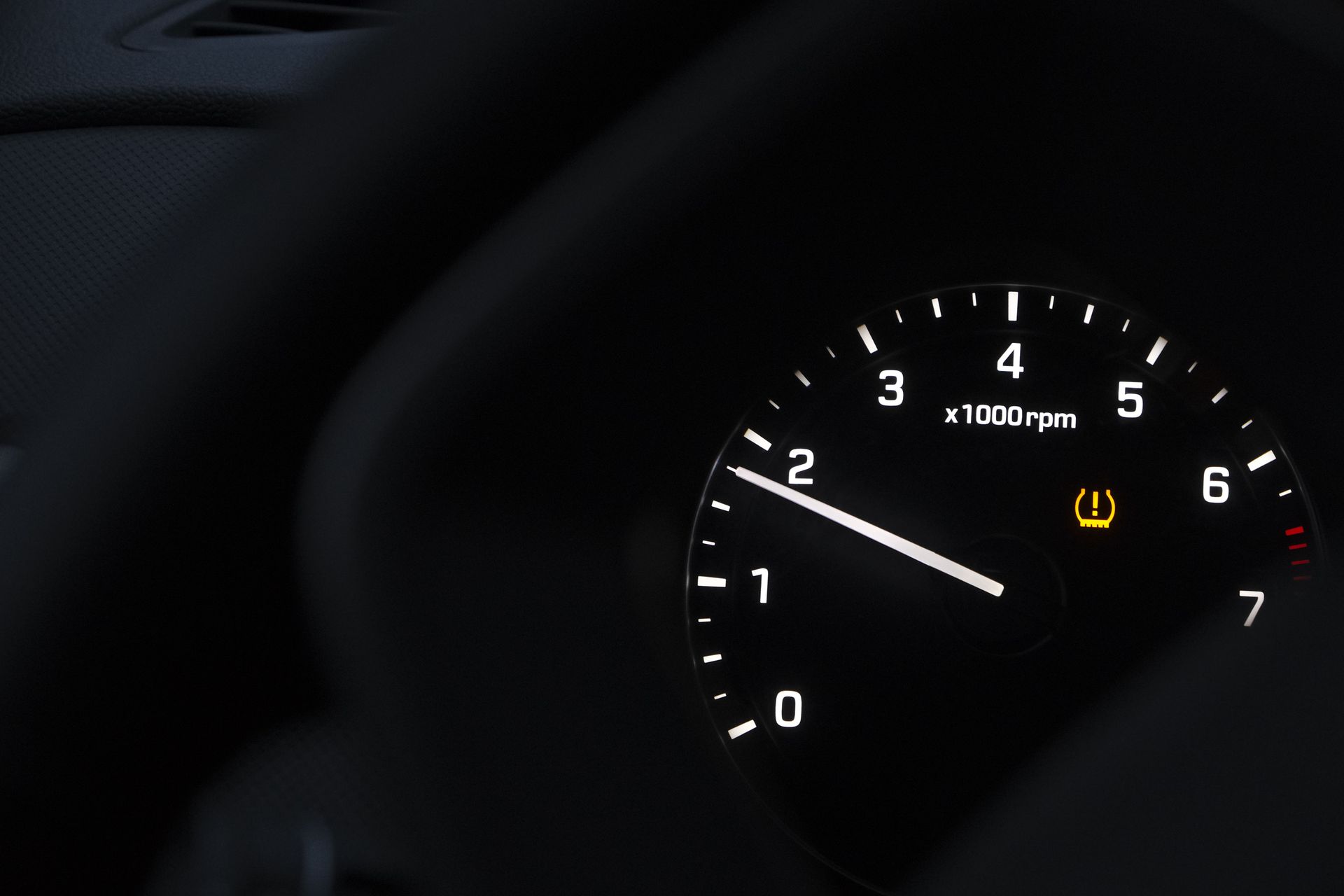
Look for cuts, bubbles, bulges, cracking, exposed material, or obvious wheel damage. Check tire pressure as well, particularly if the tire pressure monitoring system activates.


Over the next several days, pay attention to recurring air loss, pulling, steering changes, vibration, or unusual tire noise.


Even if the tire looks normal, a strong enough impact can justify a professional inspection.
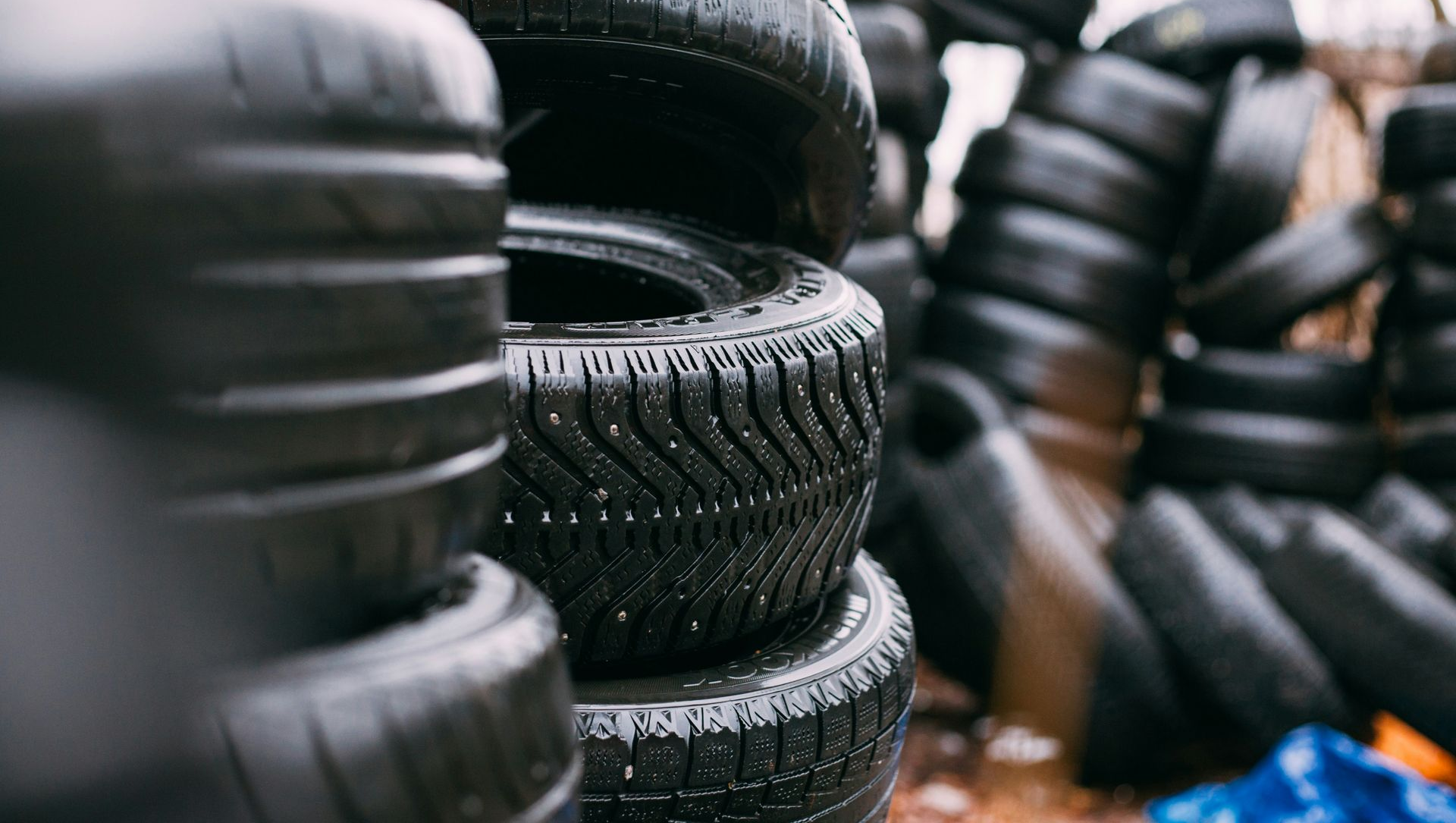
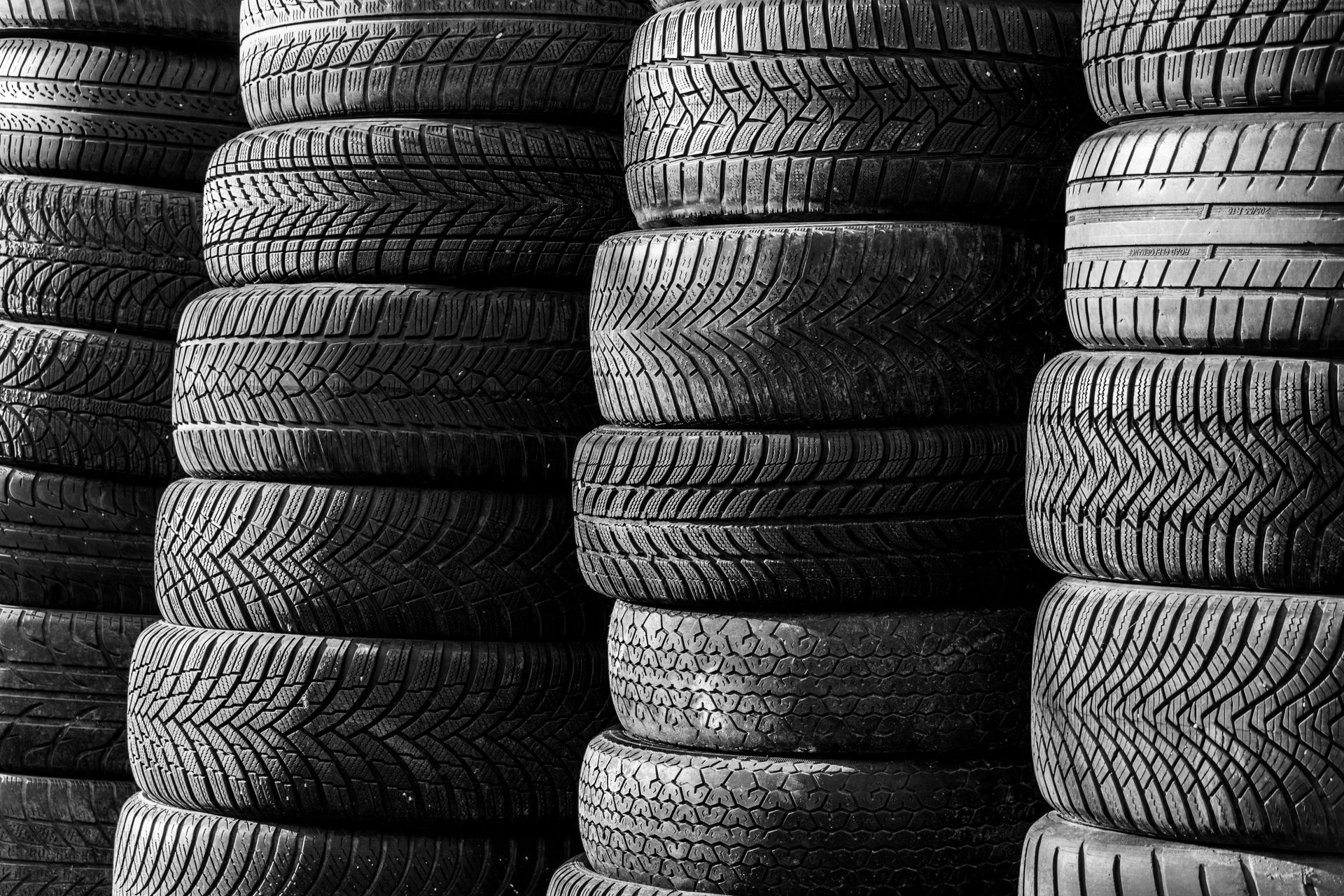
Stacks of black car tires in a tire shop, with one tire centered in the foreground.

Do Not Ignore a Changed Driving Feel

A pothole impact does not automatically mean the tire must be replaced, but new symptoms should not be ignored.


Raymond’s Tire Shop provides tire inspections, flat repair, replacement, balancing, rotations, wheel service, and alignments. If your vehicle starts vibrating, pulling, losing tire pressure, or simply feels different after hitting a pothole, contact Raymond’s Tire Shop for an inspection. Catching impact damage early can help prevent uneven tire wear and reduce the chance of a damaged tire creating a larger problem on the road.

Gravel farm road curving past green trees and a brown field under an overcast sky
Close-up of a black car tire and chrome wheel rim in sunlight
Cracked road with a large puddle reflecting an orange building
Damaged rural road with a large pothole and cracks in the pavement
Close-up of a gray alloy car wheel and tire on a wet floor
Close-up of a car tire beside a white vehicle on a wet road.
Dirt road between green fields under a clear blue sky, leading to leafless trees in the distance
August 16, 2026
Tires are one of the most important safety components on any vehicle because they are the only parts that maintain direct contact with the road. As tires wear, their ability to grip pavement, channel water, and respond predictably can gradually decline. The challenge is that unsafe tire conditions are not always obvious until performance has already been affected.  Raymond’s Tire Shop helps drivers evaluate tread wear, tire damage, pressure issues, alignment problems, and other conditions that can affect tire safety. Knowing what to look for can help you recognize when a tire needs professional attention or replacement.
August 7, 2026
Most drivers think of tires simply as the round rubber components that allow a vehicle to roll down the road. In reality, tires are sophisticated pieces of engineering that perform several essential functions every time a vehicle is in motion. They support the weight of the vehicle, transmit steering and braking forces, absorb road irregularities, and maintain traction in changing driving conditions. Every acceleration, turn, and stop depends on these four small contact patches where the tires meet the road.  Understanding the primary functions of a tire helps drivers appreciate why routine maintenance and timely replacement are so important. Raymond’s Tire Shop helps customers choose quality tires and maintain them properly so their vehicles continue to perform safely and efficiently throughout the life of the tire.
July 31, 2026
Understanding how your tires interact with wet pavement is one of the most important parts of safe driving. While most drivers know that rain can make roads slippery, fewer understand how hydroplaning occurs or why it can cause a vehicle to suddenly lose traction. Knowing what causes hydroplaning—and how proper tire maintenance can reduce the risk—can help you stay safer during wet weather.  At Raymond’s Tire Shop, we believe that informed drivers make safer decisions. Keeping your tires in excellent condition is one of the best ways to improve vehicle performance when road conditions are less than ideal.
July 23, 2026
Your tires are one of the hardest-working components of your vehicle. They provide traction, support your vehicle’s weight, absorb impacts from the road, and help you maintain control in a wide range of driving conditions. Because they experience constant wear, replacing tires is an expected part of vehicle ownership. However, proper maintenance can help maximize their lifespan, improve performance, and save you money over time. Many of the factors that affect tire longevity are within a driver’s control. By following a few simple maintenance practices, you can help your tires wear more evenly and perform as intended throughout their service life.
July 17, 2026
Your tires are the only part of your vehicle that remains in constant contact with the road, making them one of the most important components for safety, performance, and fuel efficiency. While many drivers remember to check their oil or schedule routine maintenance, tire pressure is often overlooked until a problem develops.  Maintaining proper tire inflation is one of the simplest and most effective ways to extend the life of your tires. It takes only a few minutes to check your tire pressure, yet this small maintenance task can help improve vehicle performance and protect your investment over the long term.
July 9, 2026
When it is time to replace your tires, it can be tempting to focus only on price or brand recognition . While both are important considerations, one of the most overlooked factors is how you actually use your vehicle every day. The right tire for one driver may not be the best choice for another, even if they own the same make and model.  Choosing tires that match your driving habits can improve vehicle performance, enhance safety, extend tire life, and provide a more comfortable driving experience. Understanding your daily driving routine is an excellent place to start.