How to Tell When Your Tires Are No Longer Safe
Tires are one of the most important safety components on any vehicle because they are the only parts that maintain direct contact with the road. As tires wear, their ability to grip pavement, channel water, and respond predictably can gradually decline. The challenge is that unsafe tire conditions are not always obvious until performance has already been affected.
Raymond’s Tire Shop helps drivers evaluate tread wear, tire damage, pressure issues, alignment problems, and other conditions that can affect tire safety. Knowing what to look for can help you recognize when a tire needs professional attention or replacement.
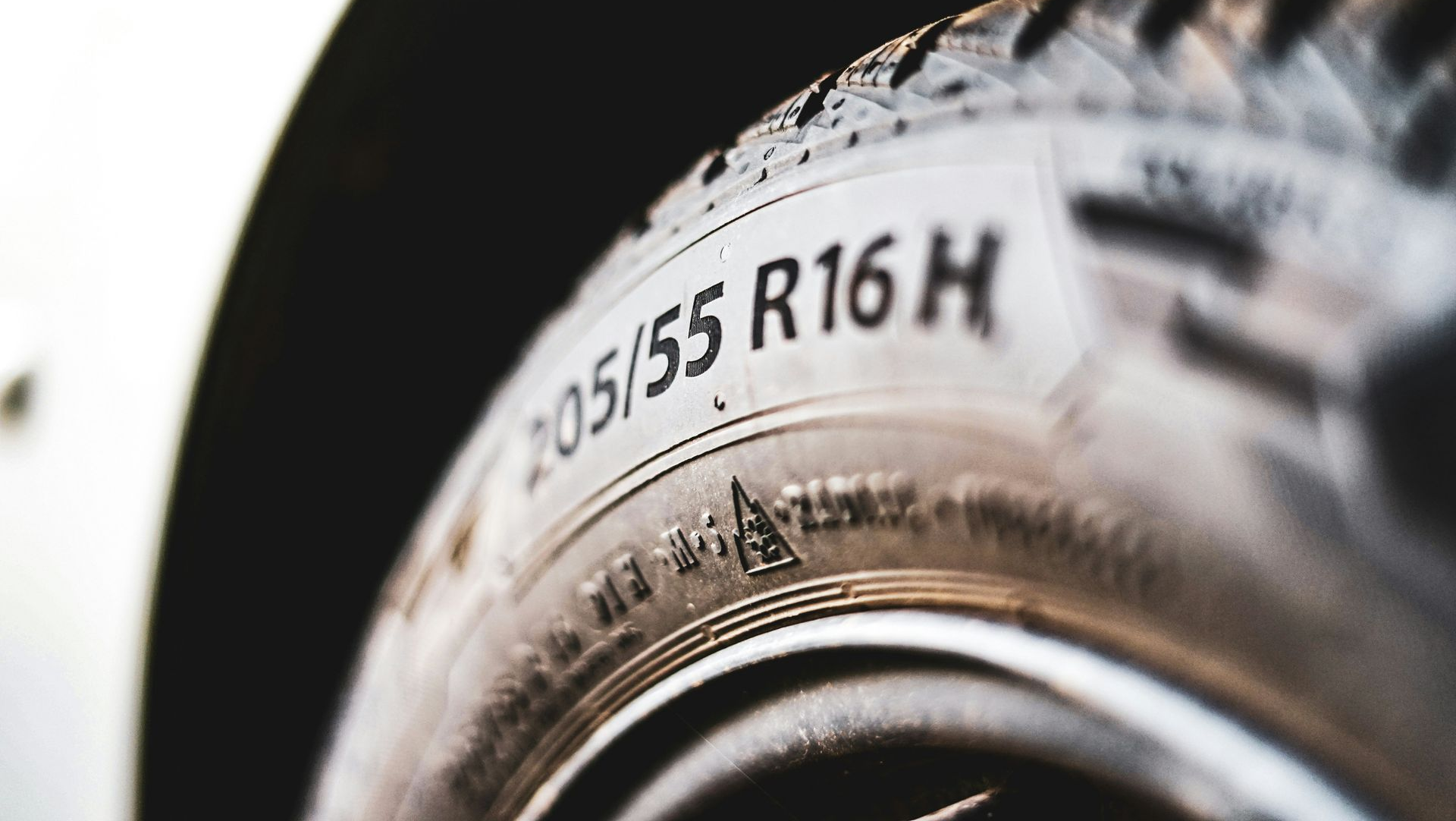
Check the Remaining Tread Depth
Tread depth plays a major role in traction, especially on wet roads.
As tread wears down, the grooves become shallower and have less capacity to move water away from the tire. This can increase the likelihood of reduced wet-weather grip and hydroplaning.
A common quick check is the penny test. Insert a penny into a tread groove with Lincoln’s head facing downward. If the top of his head remains completely visible, the tread is extremely worn and the tire should be professionally evaluated.
Tread depth should be checked in several places across each tire because wear is not always even.
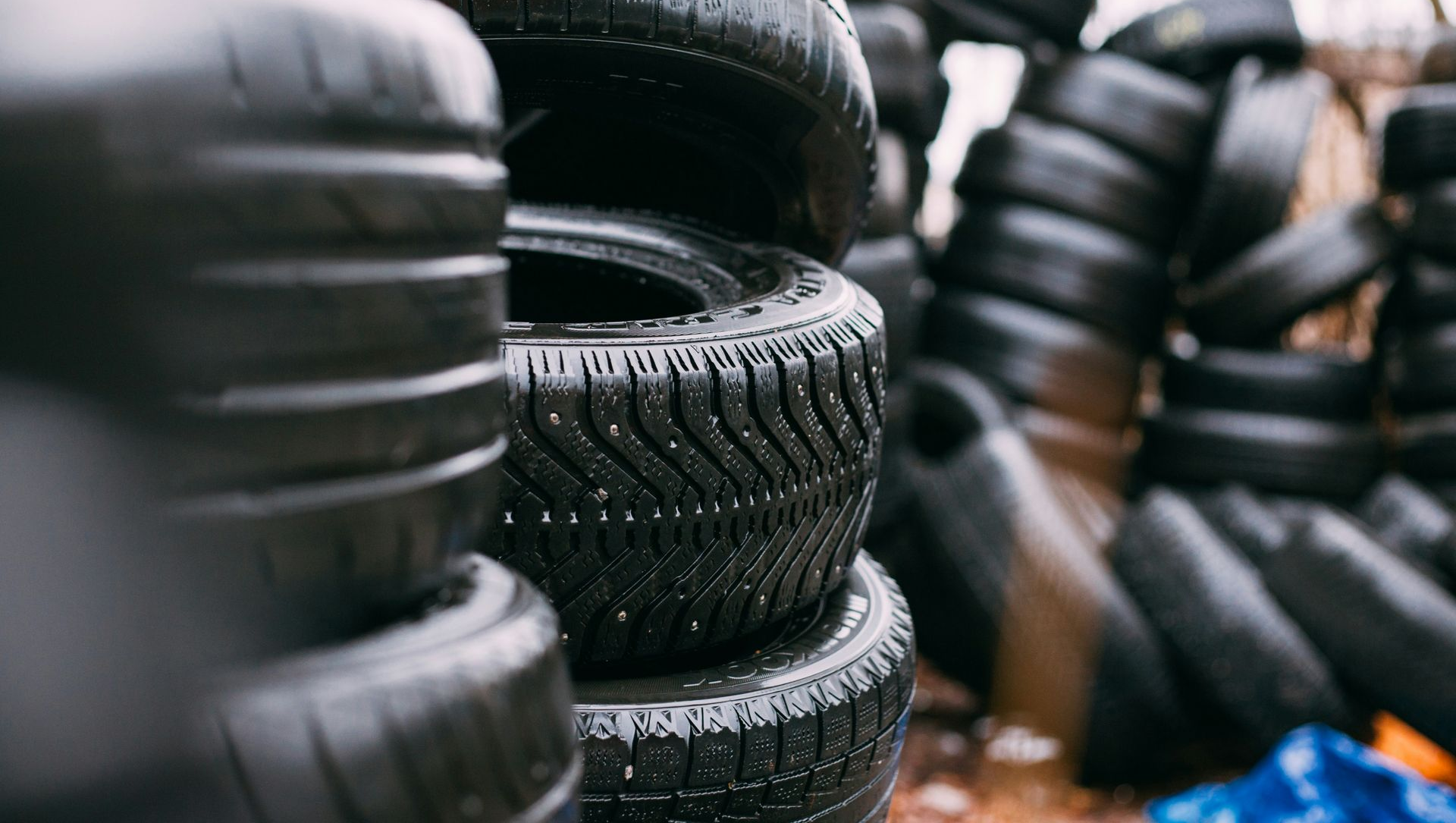
Look for Uneven Wear
A tire may have plenty of tread in one area while another section is nearly worn out.
Excessive wear on the inside or outside shoulder may indicate an alignment issue. Wear concentrated in the center can sometimes be associated with improper inflation, while irregular or cupped wear may point to suspension, balancing, or other mechanical concerns.
Uneven tread is important because it can reduce usable tire life and may also reveal another vehicle problem that needs attention.
If the wear pattern looks unusual, a tire inspection should include more than simply measuring tread depth.

Inspect the Sidewalls
Tread is not the only area of a tire that can become unsafe.
Inspect the sidewalls for cuts, deep cracks, bulges, bubbles, or exposed material. A bulge can indicate internal structural damage, sometimes caused by hitting a pothole, curb, or other road hazard.
Sidewall damage deserves particular attention because this area flexes constantly while the tire is moving. Unlike some punctures in the tread area, significant sidewall damage generally cannot be safely repaired.
If you notice a bulge or obvious structural damage, avoid continuing to drive on the tire unnecessarily and have it inspected as soon as possible.
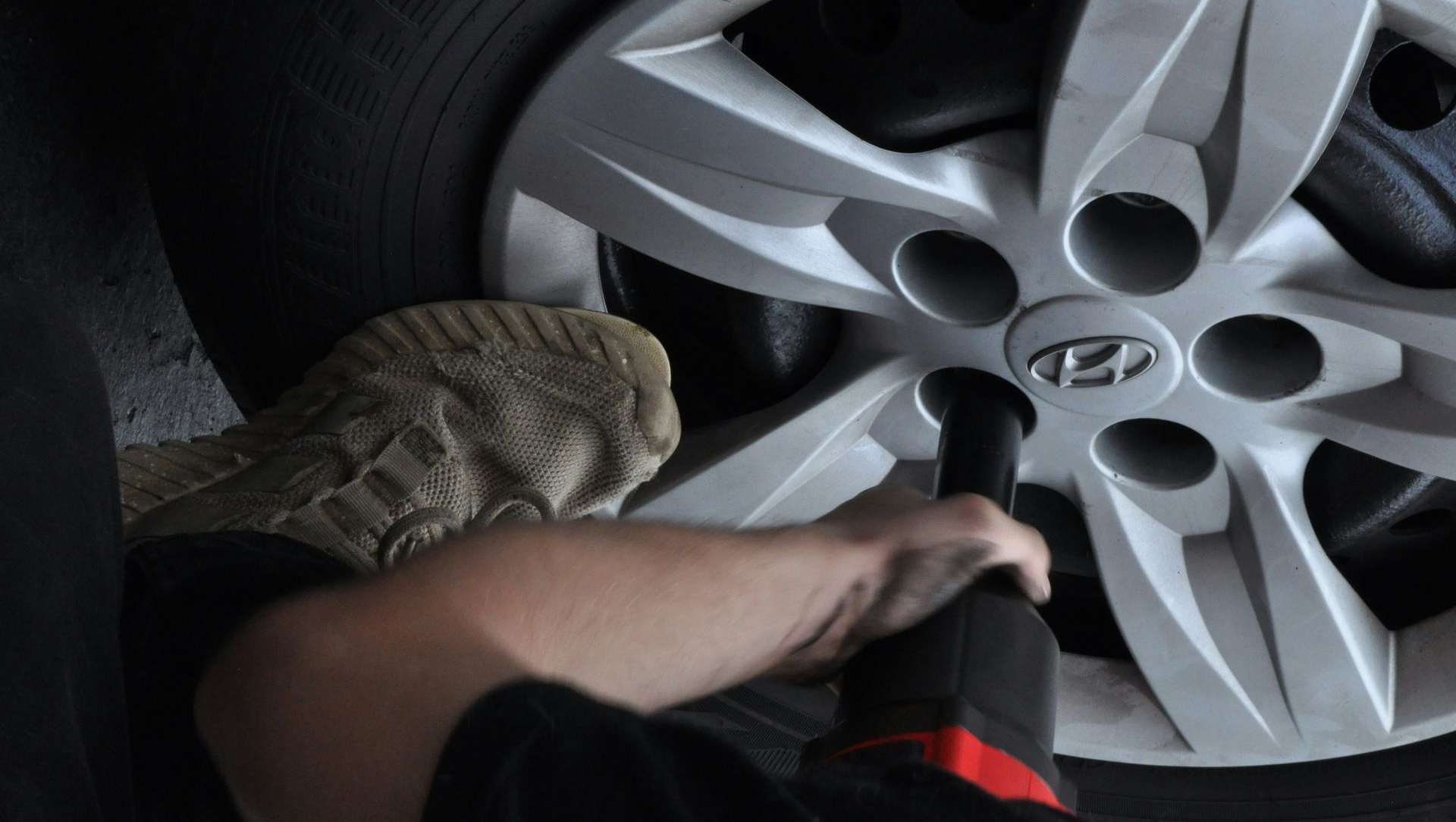
Do Not Ignore Repeated Air Loss
A tire that constantly needs more air is telling you something.
Slow leaks may be caused by a puncture, valve problem, wheel issue, or damage where the tire seals against the rim. Temperature changes can also affect tire pressure, but one tire repeatedly losing more air than the others deserves investigation.
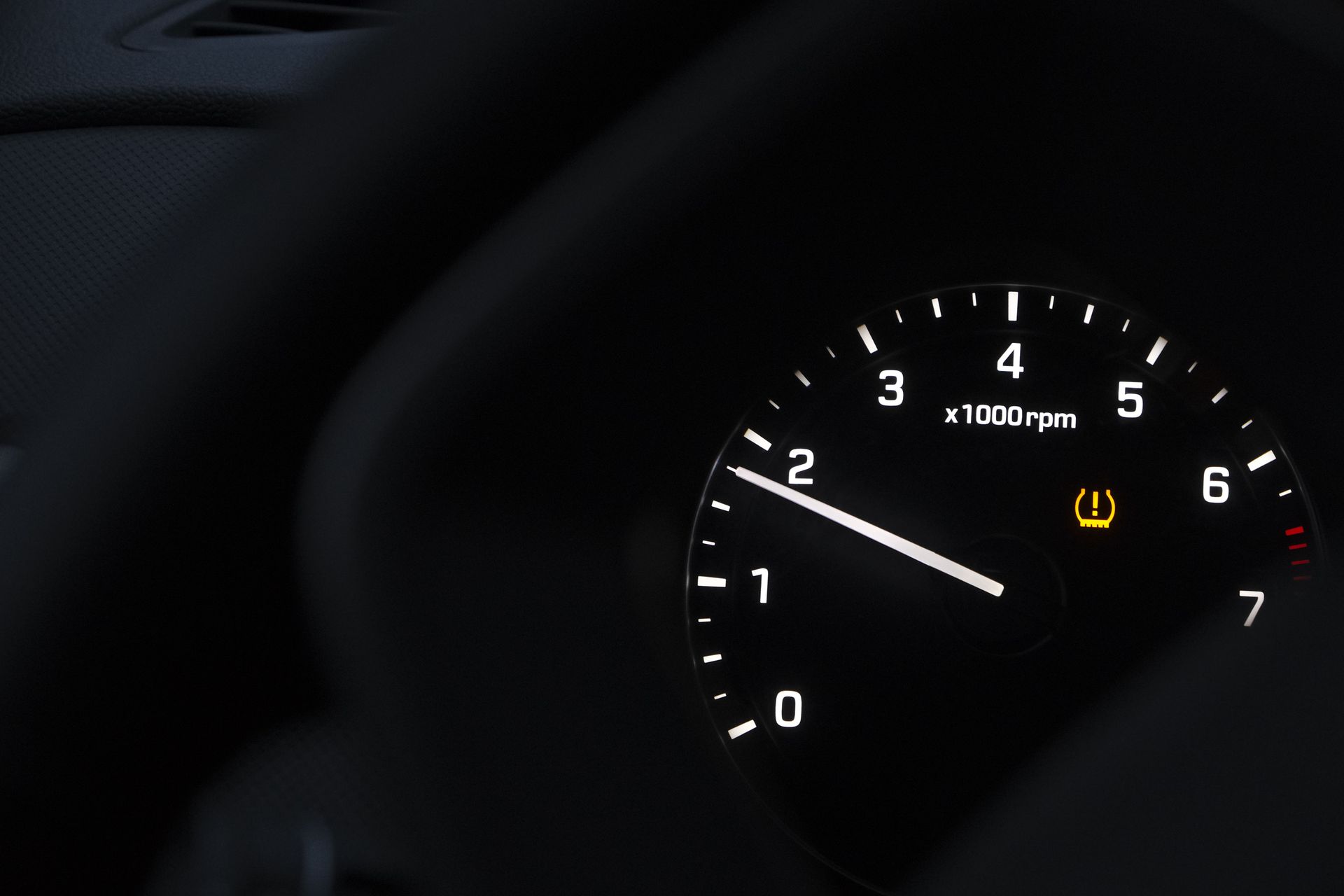
The tire pressure monitoring system can provide an important warning, but drivers should still check pressure manually from time to time.
Driving with consistently low pressure can increase heat buildup and cause abnormal wear.
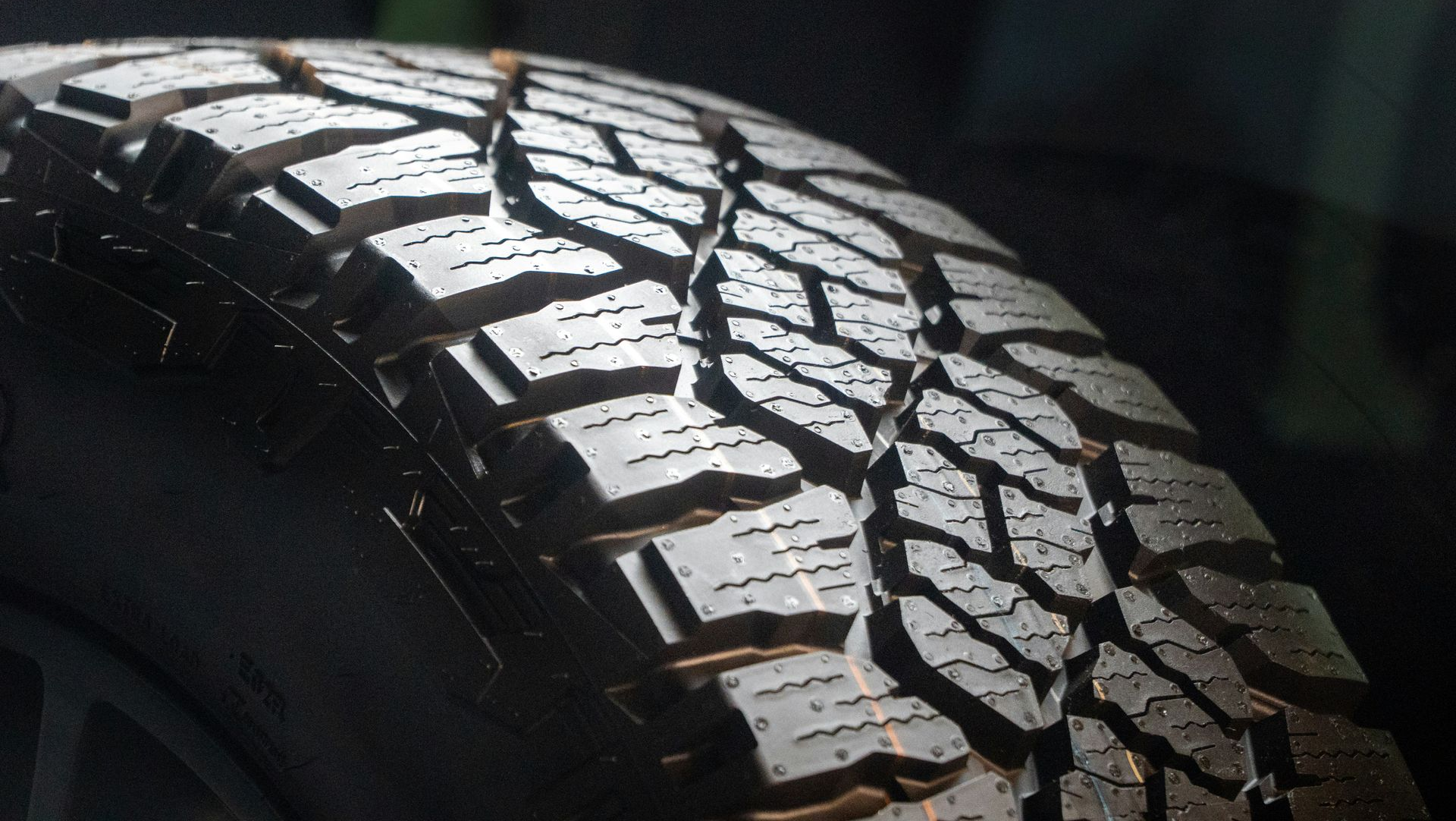
Pay Attention to Vibration and Handling Changes
Changes in the way your vehicle feels can sometimes provide an early warning of a tire problem.
Unusual vibration may be associated with an unbalanced wheel, irregular tire wear, damage, or another mechanical issue. Pulling to one side can sometimes point to alignment or tire-pressure differences.
A sudden change in handling should not simply be accepted as normal vehicle aging. Tires, wheels, alignment, and suspension components may all need to be inspected to identify the actual cause.
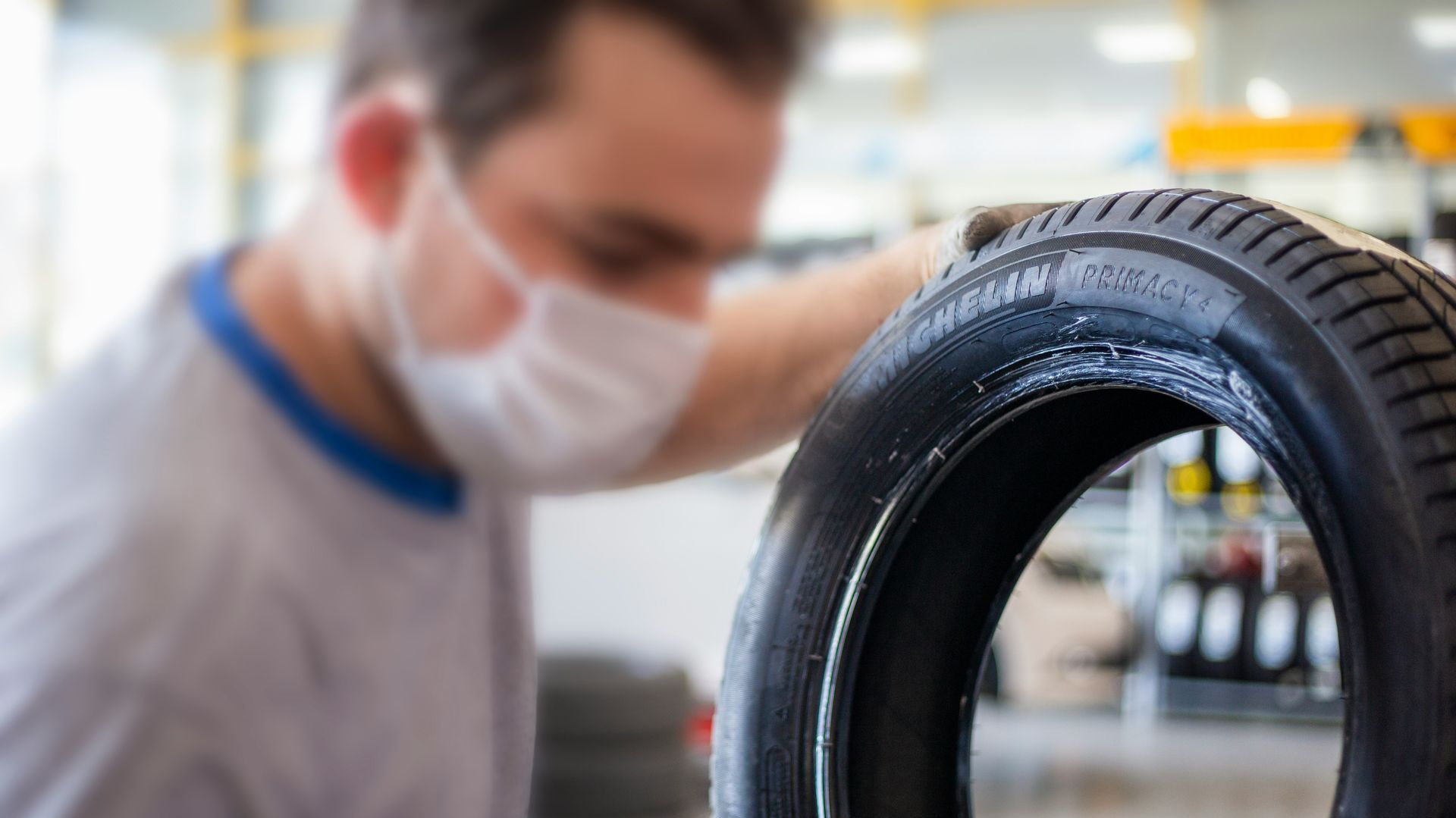
Consider the Age of the Tire
A tire can become questionable even if it still has visible tread.
Rubber changes over time due to heat, sunlight, environmental exposure, and normal aging. Older tires may begin to develop cracking or other deterioration even when the vehicle is not driven frequently.
The tire identification number molded into the sidewall includes a date code indicating when the tire was manufactured. If you are unsure about the age or condition of your tires, a professional inspection can help determine whether continued use is appropriate.
Know When It Is Time for an Inspection
Low tread, sidewall damage, repeated pressure loss, uneven wear, cracking, vibration, or changes in handling are all reasons to have your tires checked.
Raymond’s Tire Shop provides tire inspections, replacement, flat repair, rotations, balancing, alignments, and other tire services to help drivers keep their vehicles performing safely and smoothly. If you are unsure whether your tires still have enough life left, contact Raymond’s Tire Shop for a professional evaluation before a small warning sign becomes a bigger problem.