La importancia del montaje profesional de neumáticos y por qué hacerlo uno mismo puede ser arriesgado
Protege tu vehículo y tu seguridad con la instalación profesional de neumáticos
Reemplazar un juego de neumáticos puede parecer sencillo, pero el montaje adecuado requiere mucho más que unas cuantas herramientas básicas. Demanda precisión, experiencia y el equipo correcto para garantizar la seguridad y el rendimiento de tu vehículo. Aunque los tutoriales en línea hacen que el montaje de neumáticos por cuenta propia parezca fácil, incluso los errores más pequeños pueden generar resultados costosos o peligrosos. En
Raymond’s Tire Shop, sabemos que el montaje profesional de neumáticos protege tu inversión, tu seguridad y la durabilidad de tu vehículo.
Qué implica el montaje de neumáticos
El montaje de neumáticos es el proceso de colocar un neumático de forma segura sobre una llanta e inflarlo a la presión adecuada. Suena simple, pero involucra varios pasos precisos. El talón del neumático debe asentarse perfectamente contra el borde de la llanta para crear un sello hermético. Además, el neumático debe balancearse después para evitar vibraciones y desgaste irregular.
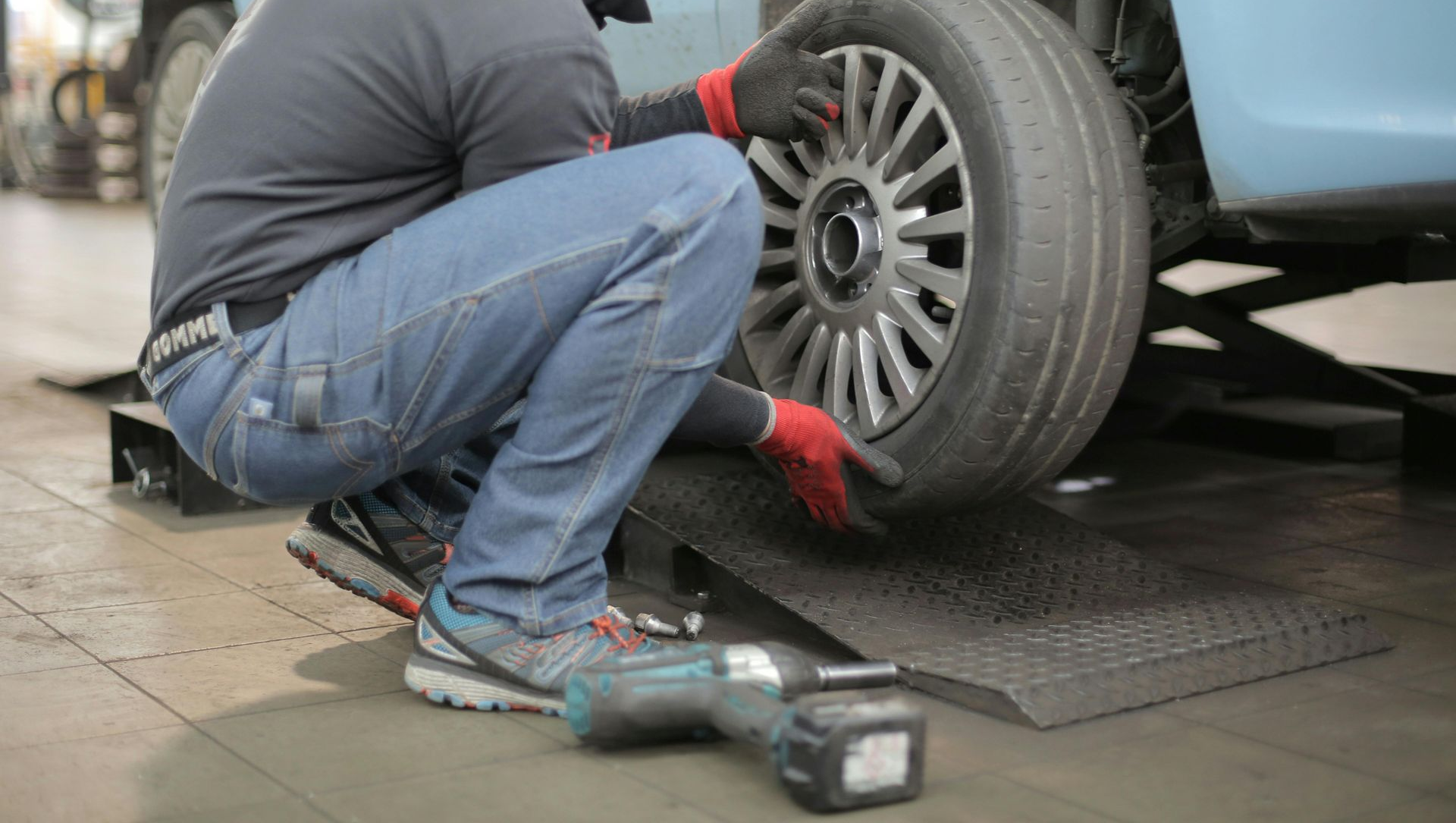
Los técnicos profesionales utilizan máquinas especializadas que aplican presión uniforme y protegen tanto el neumático como la llanta de daños durante la instalación. Montar neumáticos a mano o con herramientas inadecuadas puede rayar fácilmente la llanta, pellizcar el talón o dañar los componentes internos del neumático. Incluso una pequeña imperfección en el talón puede causar fugas de aire o
reventones a altas velocidades.

Los riesgos ocultos del montaje de neumáticos por cuenta propia
Muchas personas intentan montar sus propios neumáticos para ahorrar dinero, pero los posibles riesgos suelen superar los ahorros. Sin el equipo profesional adecuado, es casi imposible garantizar la presión, el balanceo y la alineación correctos. La sobreinflación puede causar que el neumático reviente, mientras que la baja presión genera un manejo deficiente, mayor desgaste y menor eficiencia de combustible.
Los neumáticos mal montados también pueden deslizarse o moverse sobre la llanta durante la aceleración o el frenado, afectando el control de la dirección. En vehículos con sistemas de monitoreo de presión de neumáticos (TPMS), un montaje incorrecto puede dañar los sensores, provocando reparaciones costosas.
En resumen, aunque los neumáticos parezcan estar bien al principio, una instalación inadecuada puede conducir a condiciones de manejo inseguras, desgaste prematuro y mayores costos a largo plazo.
Por qué el montaje profesional es importante
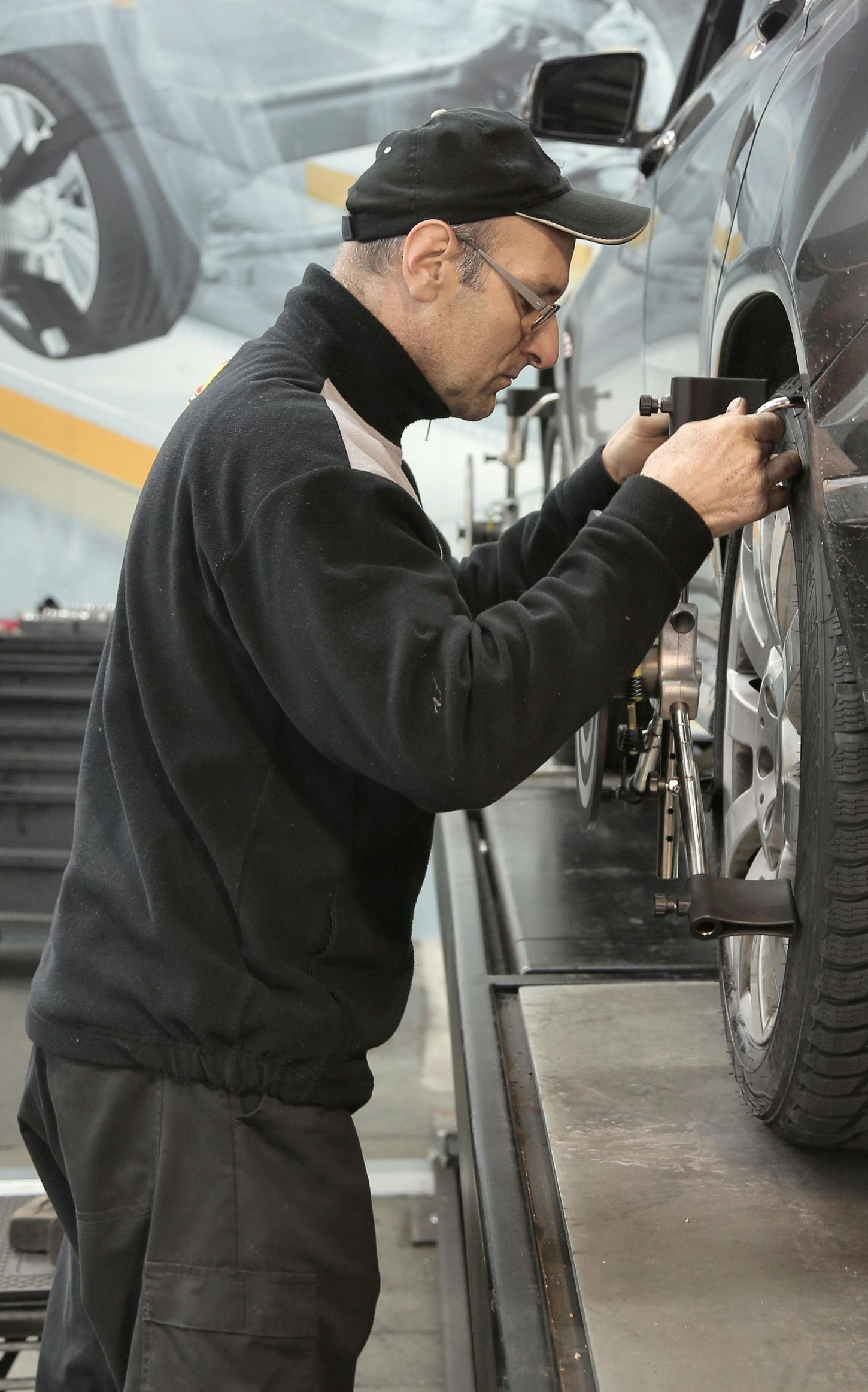
El montaje profesional garantiza que cada neumático funcione como fue diseñado. Los técnicos certificados utilizan máquinas modernas que aplican la presión precisa durante la instalación, protegiendo el talón del neumático y la superficie de la llanta. Después del montaje, cada neumático se balancea con equipos avanzados que miden la distribución del peso en toda la rueda. Un balanceo correcto previene vibraciones y desgaste desigual, mejorando la comodidad de conducción y la vida útil del neumático.
En Raymond’s Tire Shop, también inspeccionamos el estado de las llantas, válvulas y componentes del TPMS antes de la instalación. Esto asegura que todas las partes del sistema de neumáticos funcionen correctamente en conjunto. Cuando es necesario, reemplazamos válvulas desgastadas y calibramos los sensores para mantener la precisión del sistema de monitoreo.
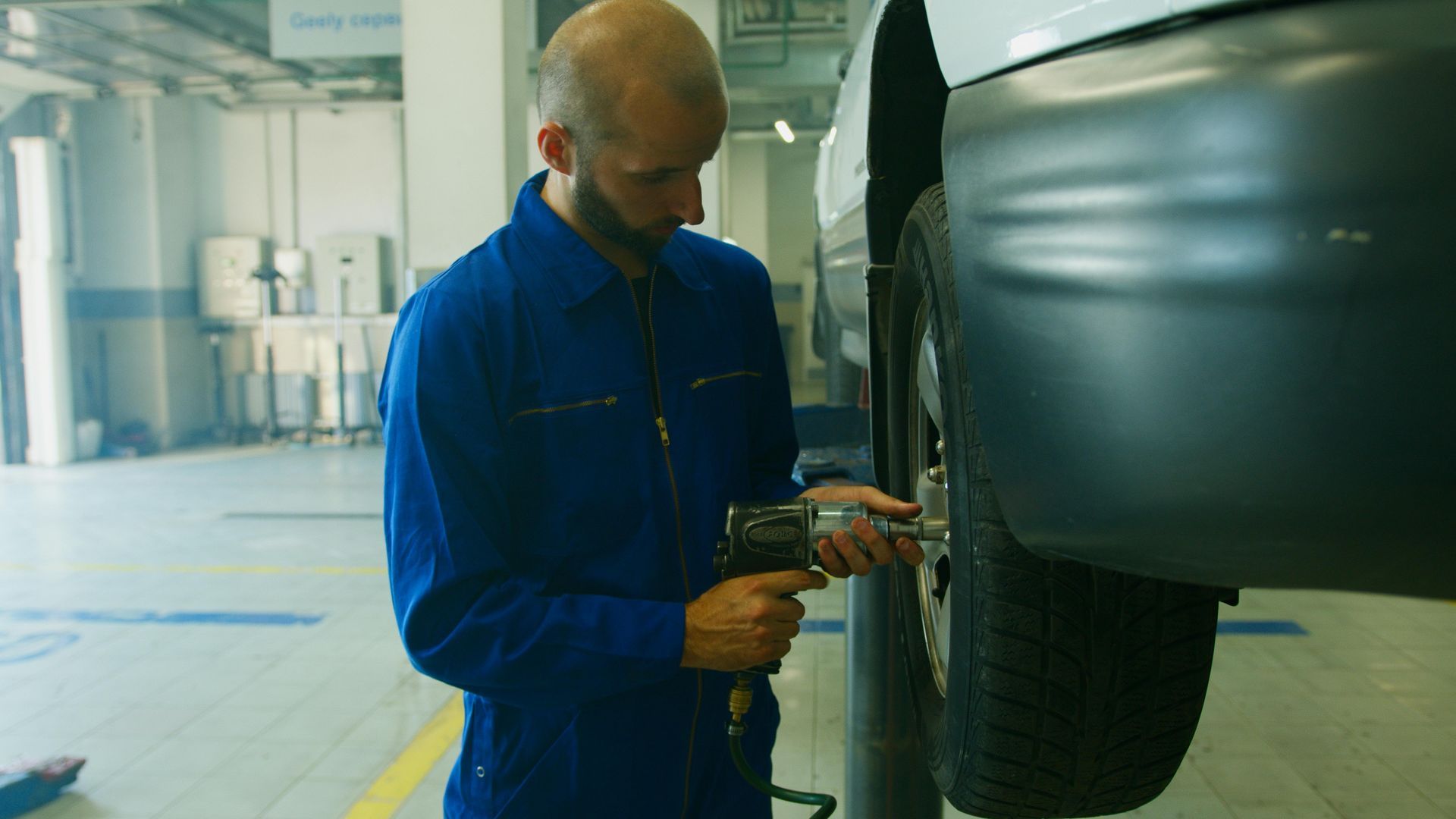
Los beneficios de un montaje adecuado de neumáticos
- Mayor seguridad: Los neumáticos correctamente montados y balanceados reducen el riesgo de reventones y pérdida de control.
- Mayor duración del neumático: Una distribución uniforme del peso evita el desgaste irregular, maximizando la vida de la banda de rodadura.
- Mejor eficiencia de combustible: La presión y alineación correctas reducen la resistencia al rodamiento, ahorrando combustible.
- Mayor comodidad de conducción: Los neumáticos balanceados eliminan vibraciones, brindando un viaje más suave y silencioso.
- Protección de llantas y sensores: Las herramientas profesionales previenen daños a las llantas y a los componentes del TPMS.
Estas ventajas se traducen en mayor seguridad y ahorro con el tiempo. Invertir en un servicio profesional se paga solo con menos reparaciones, mejor manejo y mayor durabilidad de los neumáticos.
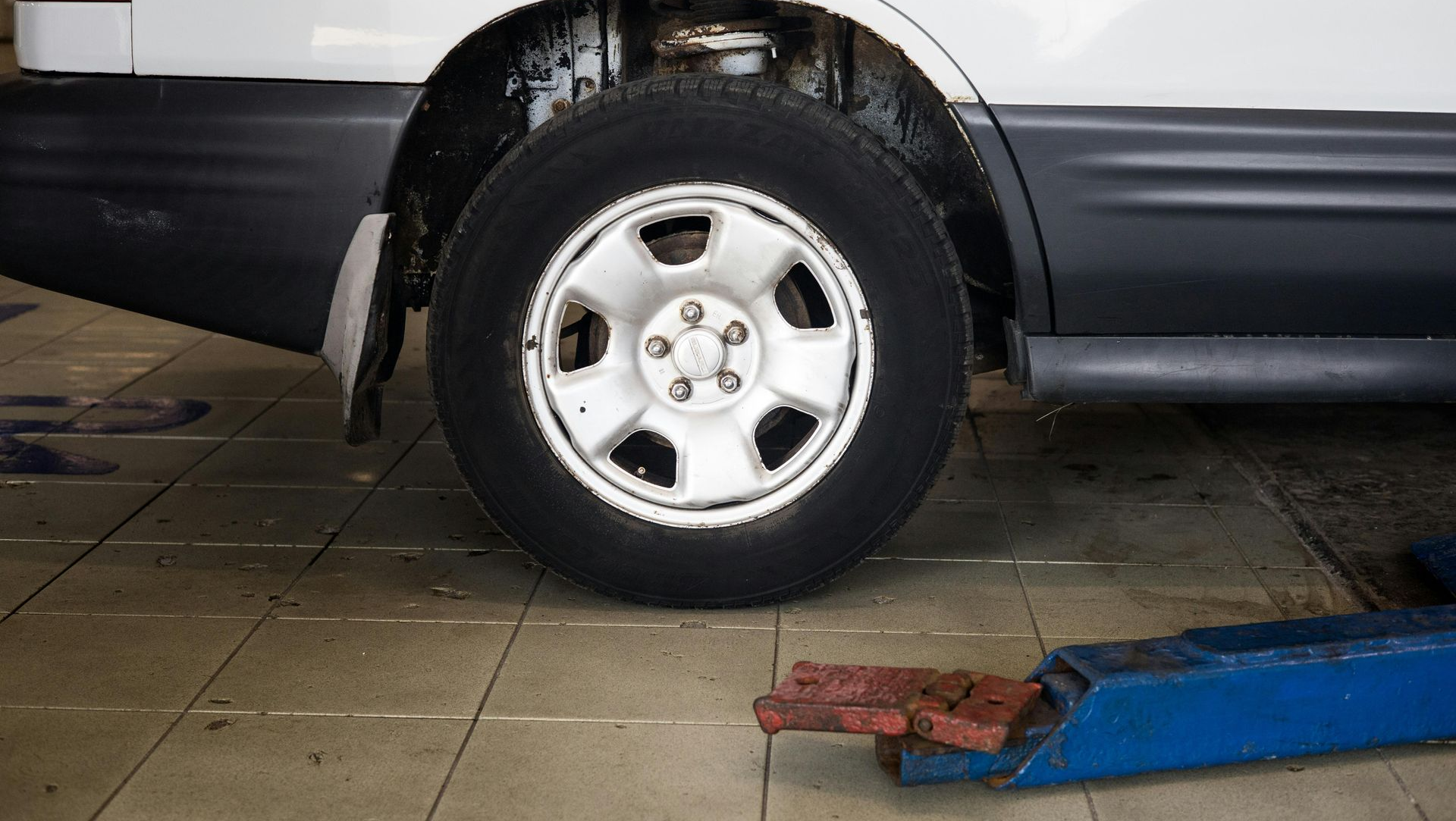
Por qué elegir Raymond’s Tire Shop
En Raymond’s Tire Shop, combinamos experiencia con tecnología avanzada para asegurar que tus neumáticos se monten de forma segura y precisa. Nuestros técnicos están capacitados para trabajar con todo tipo de neumáticos, desde modelos de uso diario hasta neumáticos de alto rendimiento o especializados.
Cada montaje se realiza con precisión, cuidado y atención al detalle. Creemos que la instalación de neumáticos nunca debe basarse en suposiciones. Cuando traes tu vehículo con nosotros, puedes conducir con la confianza de que tus neumáticos están balanceados, seguros y listos para la carretera.
Reflexión final
Los neumáticos son uno de los componentes de seguridad más importantes de cualquier vehículo, y un montaje adecuado es esencial para su rendimiento. Intentar instalarlos sin las herramientas o el entrenamiento apropiado puede causar errores costosos y situaciones peligrosas.
El montaje profesional de neumáticos garantiza que funcionen como deben, extendiendo su vida útil y manteniéndote seguro en el camino. En Raymond’s Tire Shop, nos enorgullece ofrecer un servicio confiable en el que los conductores pueden confiar. Cuando llegue el momento de cambiar tus neumáticos, deja que nuestros expertos se encarguen del montaje para que puedas disfrutar de un viaje más suave y seguro.