The Importance of Professional Tire Mounting and Why DIY Can Be Risky

Protect Your Vehicle and Safety with Expert Tire Installation

Replacing a set of tires may seem straightforward, but proper mounting requires more than a few basic tools. It demands precision, experience, and the right equipment to ensure the safety and performance of your vehicle. While online tutorials make do-it-yourself tire mounting appear easy, even small mistakes can lead to costly or dangerous results. At Raymond’s Tire Shop, we know that professional tire mounting protects your investment, your safety, and your vehicle’s longevity.


What Tire Mounting Involves

Tire mounting is the process of fitting a tire securely onto a wheel and inflating it to the proper pressure. It sounds simple, but it involves several precise steps. The bead of the tire must seat perfectly against the rim to create an airtight seal. The tire must also be balanced afterward to prevent vibration and uneven wear. Professional technicians use specialized machines that apply even pressure and protect both the tire and the wheel from damage during installation.


Mounting tires by hand or with improper tools can easily scratch the wheel, pinch the bead, or damage internal tire components. Even a small imperfection in the bead can cause air leaks or blowouts at highway speeds.
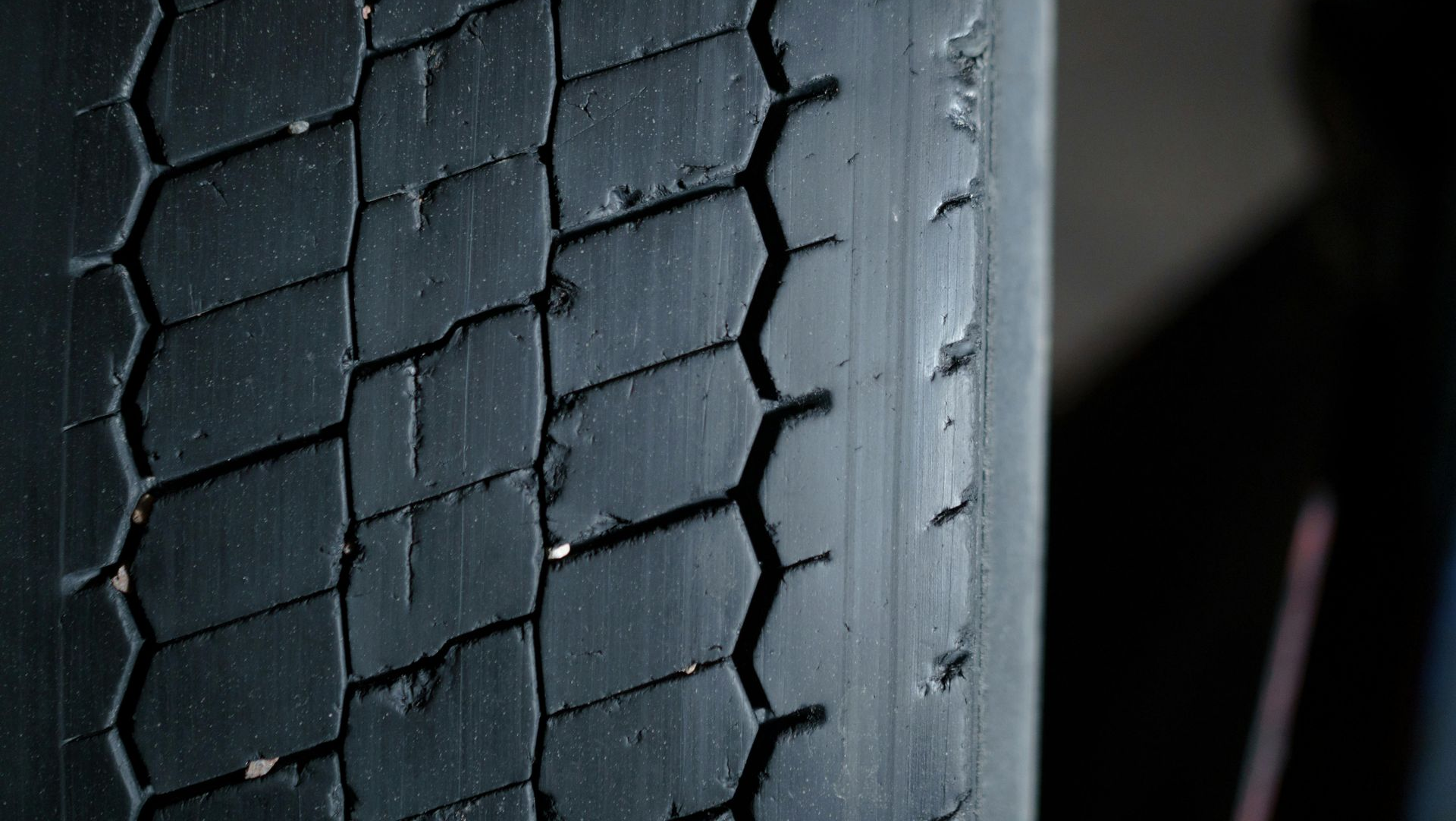
Close-up of a used tire with worn tread. Black rubber with hexagonal tread pattern and cracks.

The Hidden Risks of DIY Tire Mounting

Many people attempt to mount their own tires to save money, but the potential risks often outweigh the savings. Without professional equipment, it is nearly impossible to ensure correct pressure, balance, and alignment. Overinflation can cause the tire to burst, while underinflation leads to poor handling, increased wear, and reduced fuel efficiency.


Improperly mounted tires may also slip or shift on the rim under acceleration or braking, affecting steering control. For vehicles with tire pressure monitoring systems (TPMS), incorrect mounting can damage sensors, resulting in expensive repairs.


In short, even if the tires appear fine at first, improper installation can lead to unsafe driving conditions, faster tire degradation, and higher long-term costs.
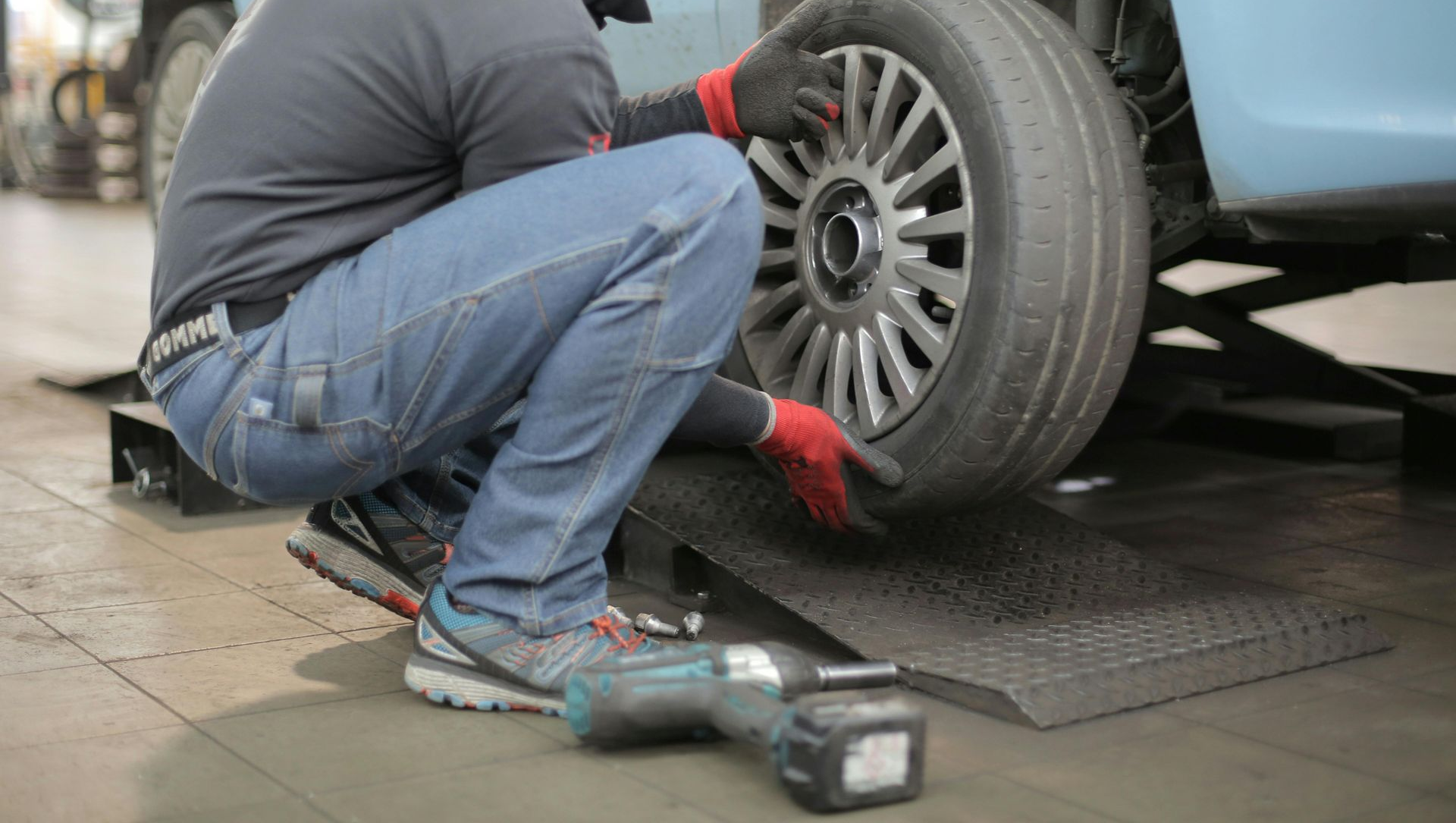
Mechanic changing a tire on a blue car in a garage.

Why Professional Mounting Matters

Professional tire mounting ensures that every tire performs as designed. Certified technicians use modern machines that apply precise pressure during installation, protecting the tire bead and rim surface. After mounting, each tire is balanced using advanced equipment that measures weight distribution across the wheel. Correct balancing prevents vibration and uneven wear, improving ride comfort and tire lifespan.


At Raymond’s Tire Shop, we also inspect the condition of the wheels, valve stems, and TPMS components before installation. This ensures that all parts of the tire system work together correctly. When necessary, we replace worn valve stems and calibrate sensors to keep your vehicle’s tire monitoring system accurate.
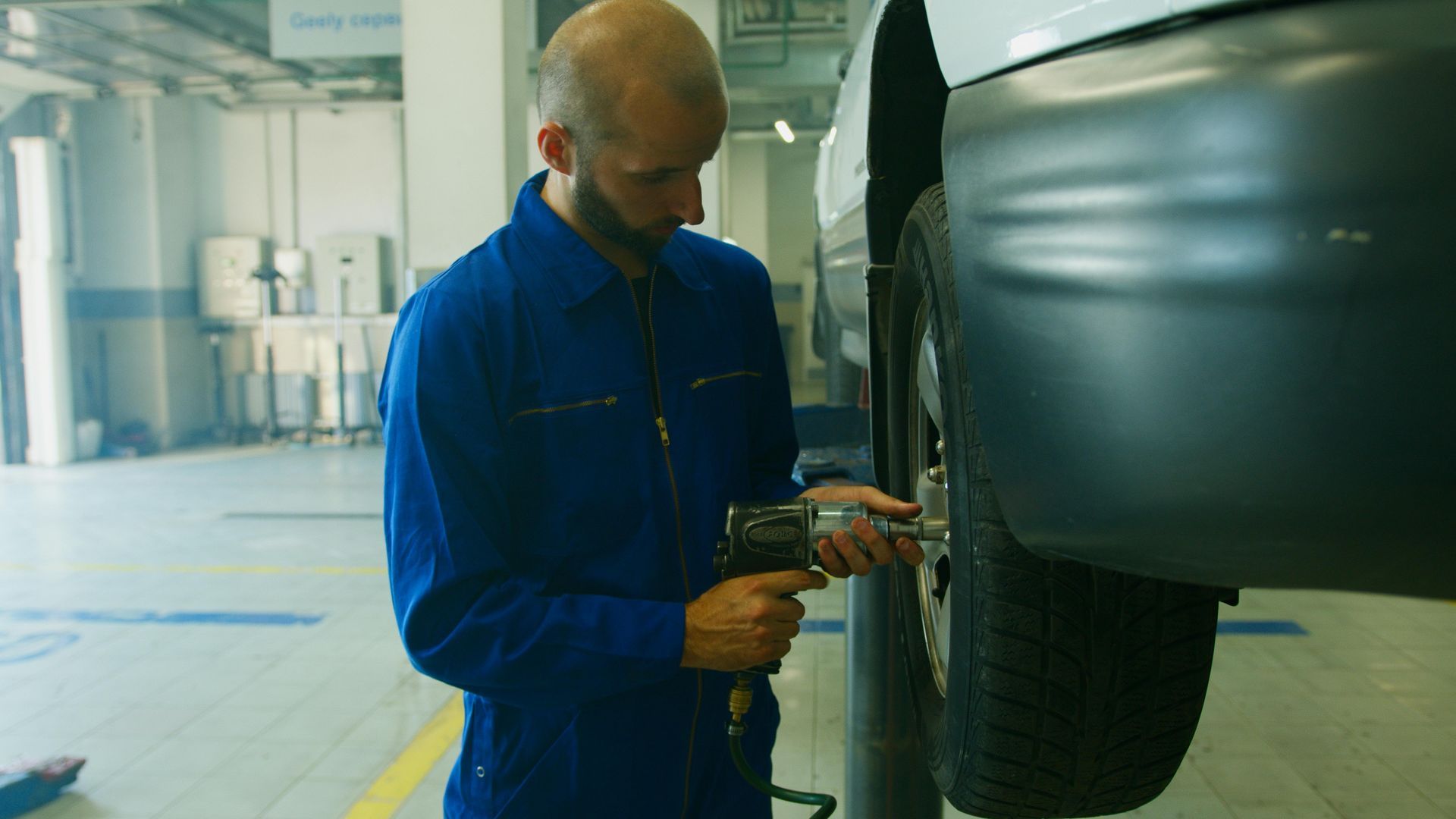
Mechanic in blue coveralls using a power tool to remove a tire in a garage.

The Benefits of Proper Tire Mounting

  • Improved Safety: Properly mounted and balanced tires reduce the risk of blowouts and loss of control.
  • Longer Tire Life: Even weight distribution prevents uneven wear, maximizing tread life.
  • Better Fuel Efficiency: Correct tire pressure and alignment reduce rolling resistance, saving fuel.
  • Enhanced Ride Comfort: Balanced tires eliminate vibration, providing a smoother and quieter drive.
  • Protection for Wheels and Sensors: Professional tools prevent damage to rims and TPMS components.

These advantages translate into both safety and savings over time. Investing in professional service pays off through fewer repairs, better handling, and longer intervals between replacements.
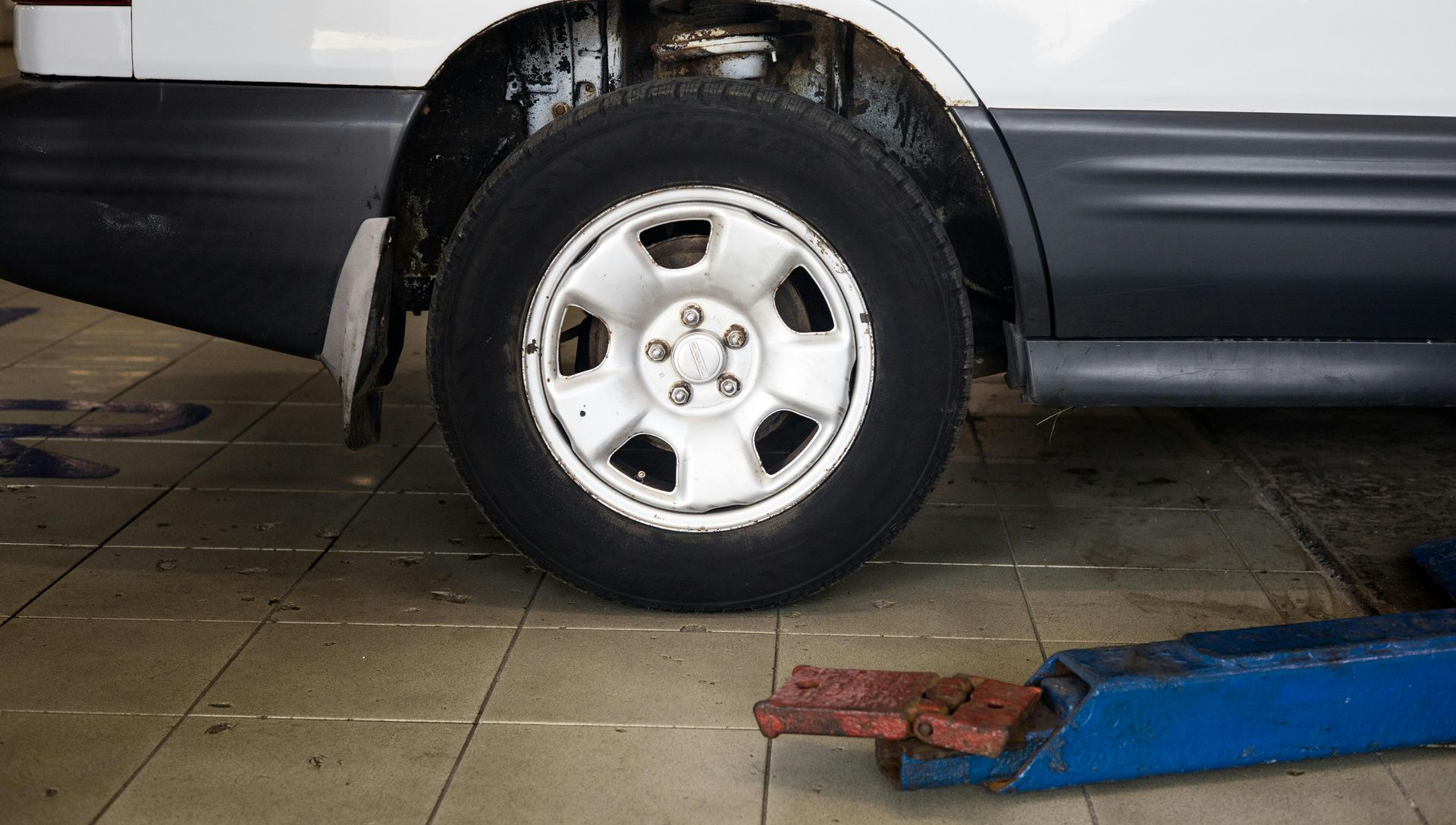
Car tire and wheel on a vehicle in a repair shop, with blue lift and floor tiles visible.

Why Choose Raymond’s Tire Shop

At Raymond’s Tire Shop, we combine expertise with the latest equipment to ensure your tires are mounted safely and correctly. Our technicians are trained to handle all types of tires, from everyday commuter models to high-performance and specialty tires. Every mounting is performed with precision, care, and attention to detail.


We believe that tire installation should never involve guesswork. When you bring your vehicle to us, you can drive away knowing that your tires are balanced, secure, and ready for the road.


Final Thoughts

Tires are one of the most important safety features on any vehicle, and proper mounting is essential to their performance. Attempting to install tires without professional tools or training can lead to costly mistakes and dangerous outcomes.


Professional tire mounting ensures that your tires perform as intended, extending their lifespan and keeping you safe on the road. At Raymond’s Tire Shop, we take pride in delivering reliable service that drivers can trust. When it is time for new tires, let our experts handle the mounting so you can focus on enjoying a smooth and confident ride.
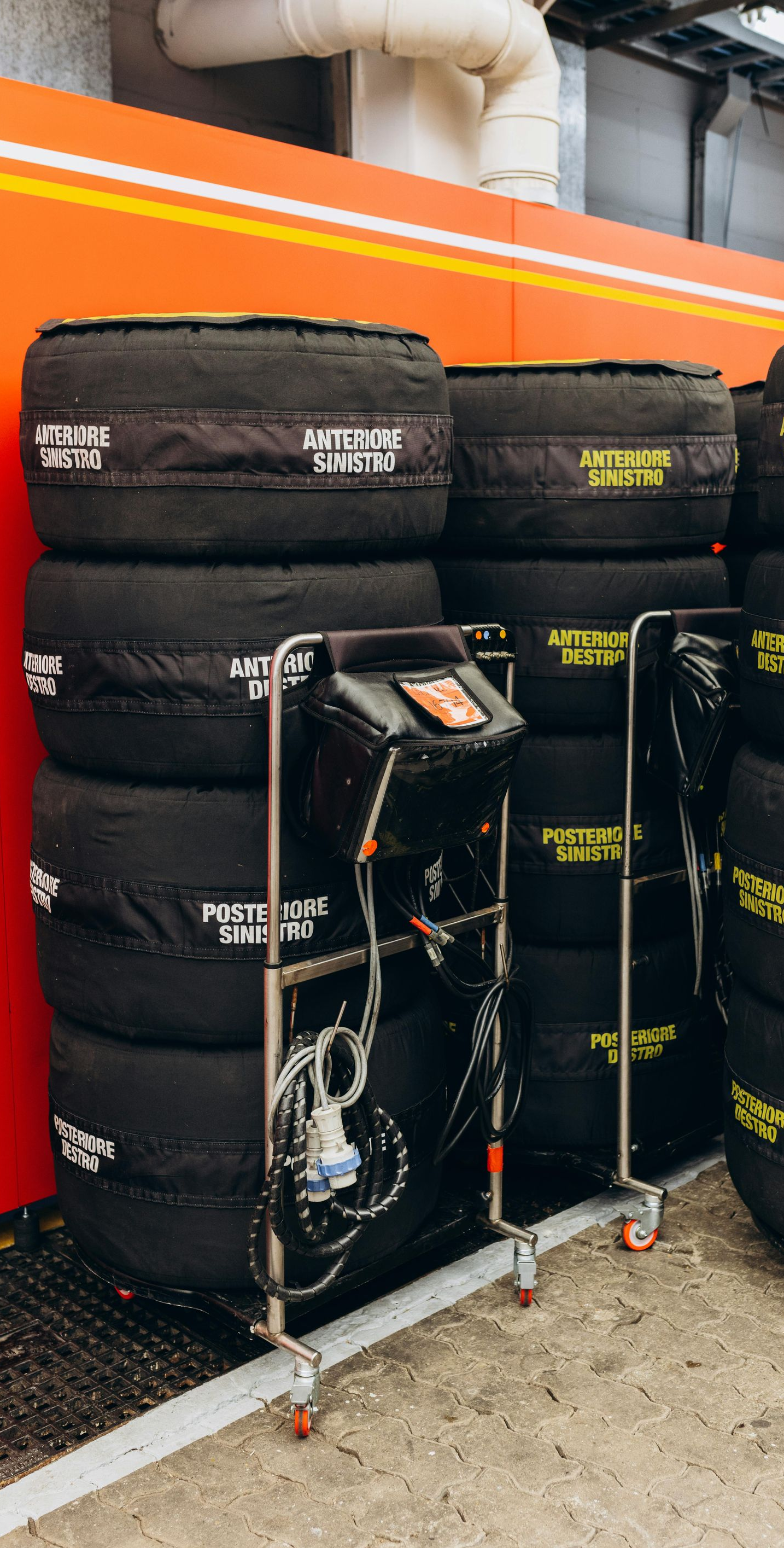
Stacks of black racing tires on metal carts inside a garage.
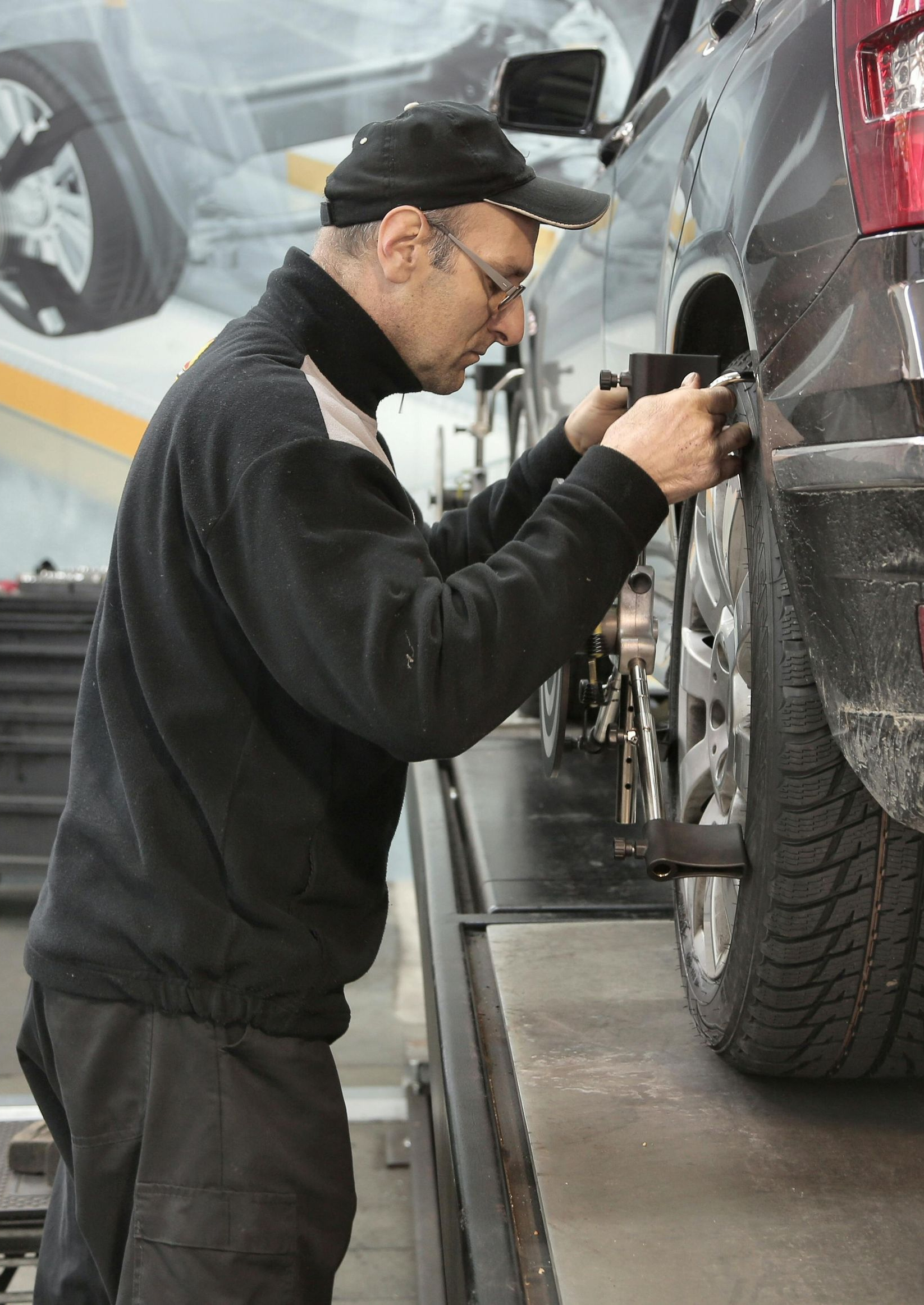
Mechanic aligning a car tire in a repair shop.
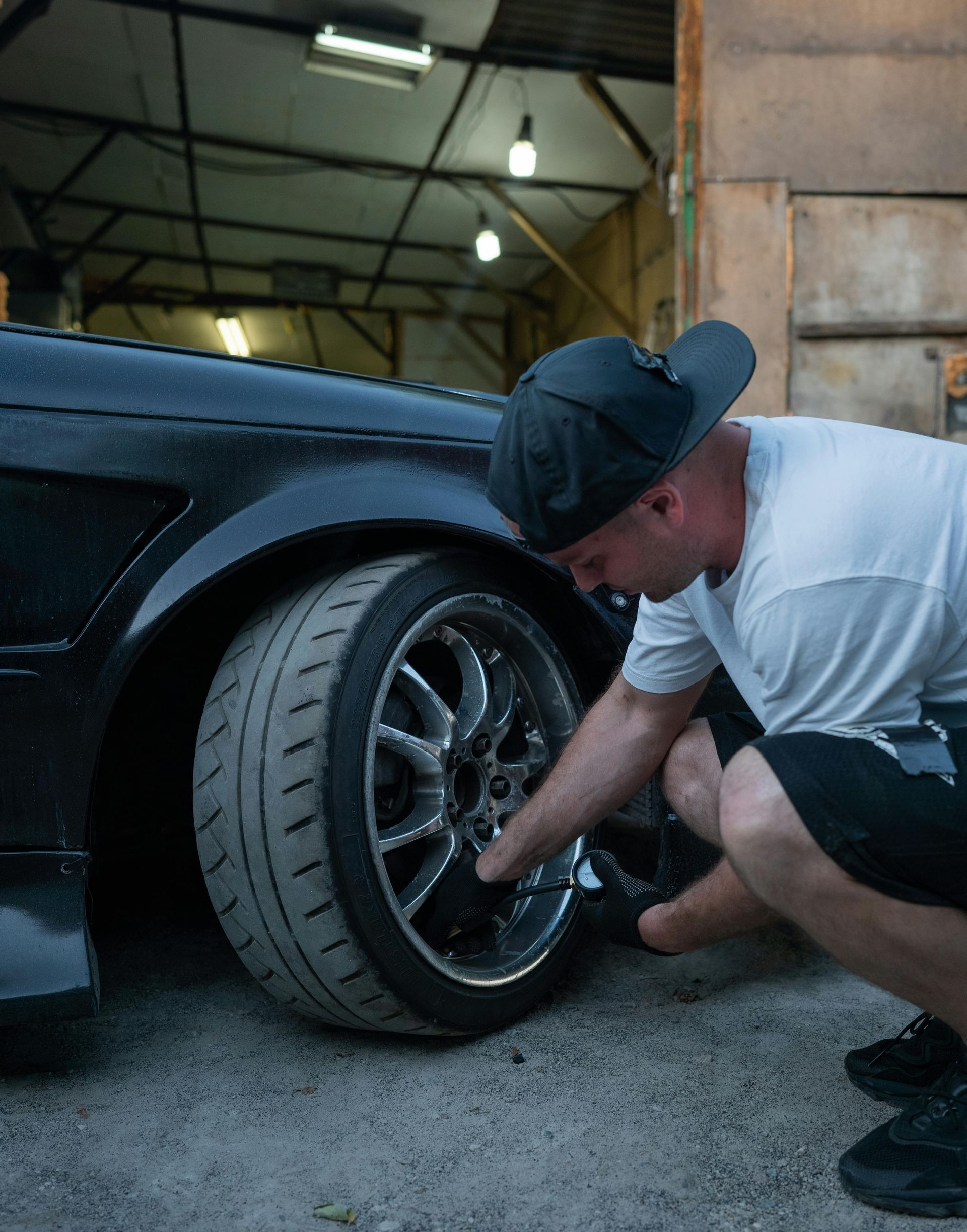
Man checking the wheel of a black car in a garage. He’s wearing a hat, shorts, and a white t-shirt.
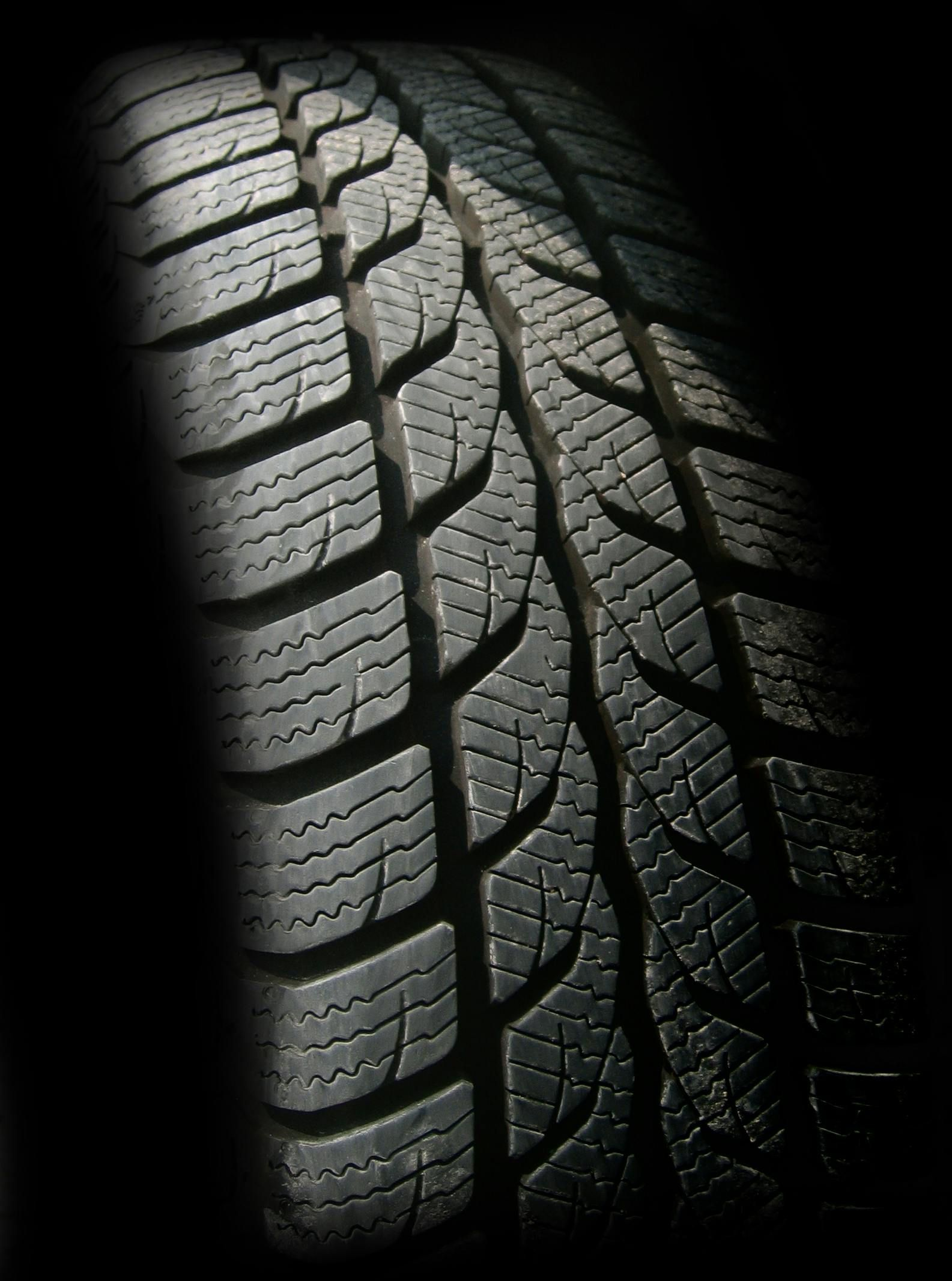
Close-up view of a car tire with a deep tread pattern, angled against a black background.
Person in blue jeans and brown boots leaning against a car wheel with a red rim.
October 7, 2026
Tire tread gets a lot of attention, but tread depth is not the only factor that matters. Tires also age . Even when a tire still has visible tread, the rubber compounds can gradually change over time because of heat, sunlight, weather exposure, and normal use. That is why knowing how to read the DOT date code can help drivers understand how old a tire really is.  The date code does not tell you everything about tire condition, but it provides an important piece of the overall picture.
October 1, 2026
A hard pothole impact can do more than damage a tire. The force can also bend a wheel, especially if the pothole is deep, the vehicle is moving quickly, or the tire has a lower-profile sidewall with less cushioning between the road and rim. Sometimes the damage is obvious. In other cases, the wheel may look normal but cause vibration, air loss, or handling problems.  Knowing what to watch for after a pothole strike can help drivers catch wheel damage before it creates additional tire or suspension problems.
September 23, 2026
Most drivers are familiar with the tire pressure monitoring system , or TPMS, warning light. When it stays on steadily, it usually means one or more tires may be underinflated. A flashing TPMS light often means something different. Instead of simply warning about low tire pressure, a flashing light can indicate a problem with the monitoring system itself. That could involve a sensor, sensor battery, communication issue, or another TPMS-related fault.  Knowing the difference can help drivers avoid assuming that adding air will automatically solve the problem.
September 22, 2026
Tread depth is one of the first things drivers look at when deciding whether a tire still has life left. Deep grooves can make a tire appear healthy, especially if the vehicle is not driven very often. But tread is only part of the picture. Tires age even when they are not being used heavily. Over time, rubber compounds can harden, dry out, and become less flexible. That means an older tire may still have plenty of tread while no longer performing the way it did when it was newer. Rubber Changes With Age Tires are constantly exposed to oxygen, heat, sunlight, moisture, and changing temperatures. Those conditions gradually affect the rubber. As a tire ages, the material can lose some of its elasticity. That may reduce its ability to flex properly as it rolls and responds to the road. A tire that looks acceptable at a quick glance may therefore be significantly older than its appearance suggests. This is especially important for vehicles that accumulate very few miles each year.
September 11, 2026
A flat tire does not always mean the tire has to be replaced. In many cases, a small puncture can be repaired safely and returned to service. The key is where the puncture occurred, how large it is, and whether the tire suffered additional damage while losing air. That is why a professional inspection matters. Two punctures that lo ok similar from the outside may require completely different solutions once the tire is removed and examined internally. Location Matters Most One of the first things a technician looks at is where the puncture is located. Damage in the central tread area is often the best candidate for repair. This part of the tire is designed to handle contact with the road and can sometimes be repaired when the puncture is small and otherwise straightforward. Punctures near the shoulder or sidewall are much more concerning.  These areas flex significantly while the tire is moving and cannot usually be repaired safely using standard puncture-repair methods. If a nail, screw, or other object damages the sidewall or outer shoulder, replacement is often the safer option.
September 6, 2026
A wheel alignment can correct important steering and tire-angle settings, but the alignment itself depends on the suspension being in good mechanical condition. If ball joints, tie rods, control arm bushings, wheel bearings, or other components are worn, the wheels may not stay in the position the technician sets.  That is why some vehicles continue pulling , wearing tires unevenly, or developing an off-center steering wheel even after an alignment. In those cases, the problem may not be the alignment machine or the adjustment. It may be worn suspension or steering components underneath the vehicle.