Lista de verificación de llantas para el Año Nuevo: comience el año en la carretera con confianza
Preparando su vehículo para el camino por delante
El Año Nuevo es un momento natural para reiniciar hábitos, revisar prioridades y atender tareas que se han pospuesto. Para muchos conductores, el mantenimiento del vehículo entra en esa categoría. Las llantas, en particular, desempeñan un papel fundamental en la seguridad, el control y el rendimiento general de manejo. En Raymond’s Tire Shop, animamos a los conductores a comenzar el año con una lista de verificación completa de llantas para asegurarse de que su vehículo esté listo para lo que traigan los próximos meses.
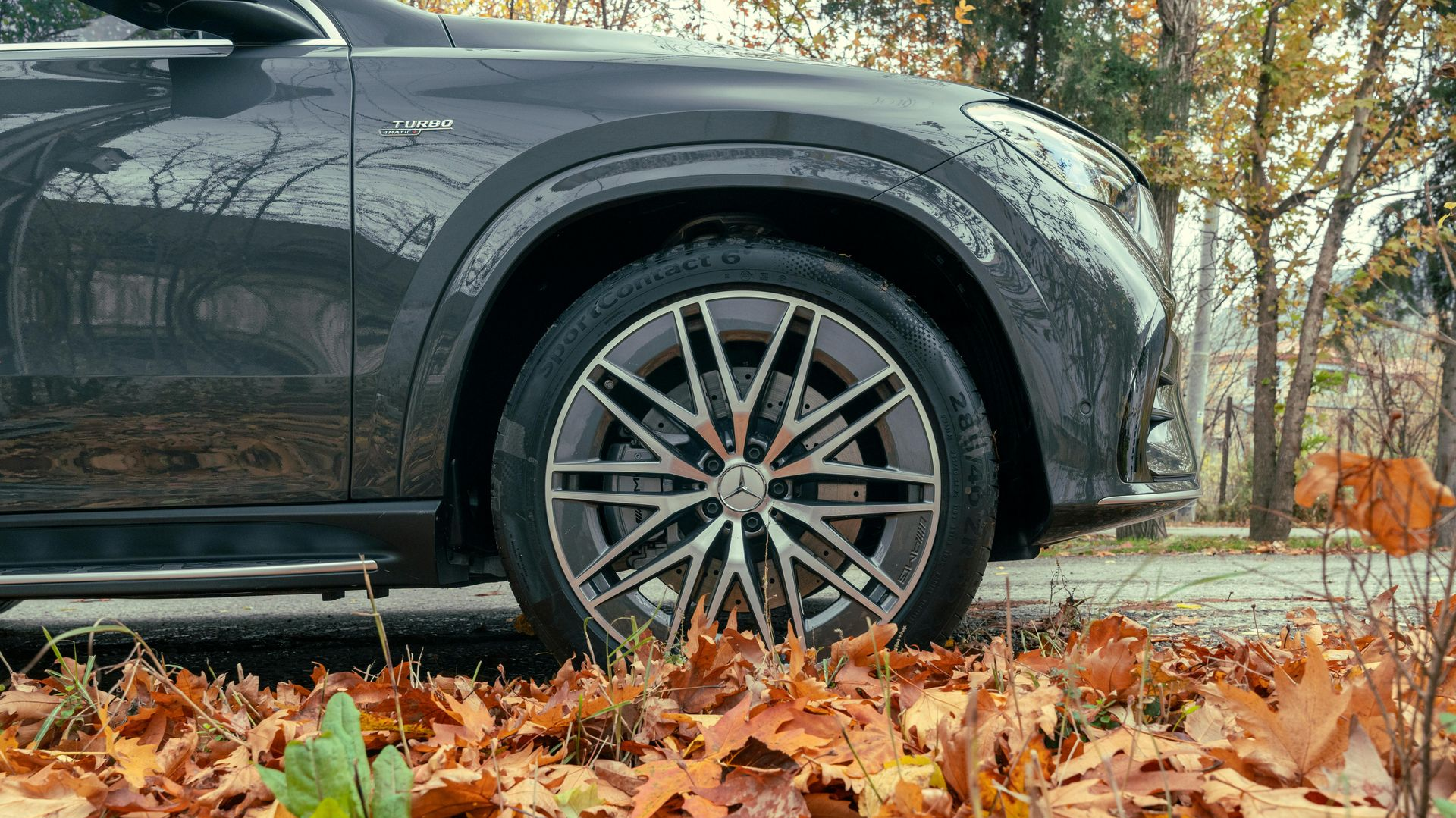
Inspección de la profundidad del dibujo y el estado de las llantas
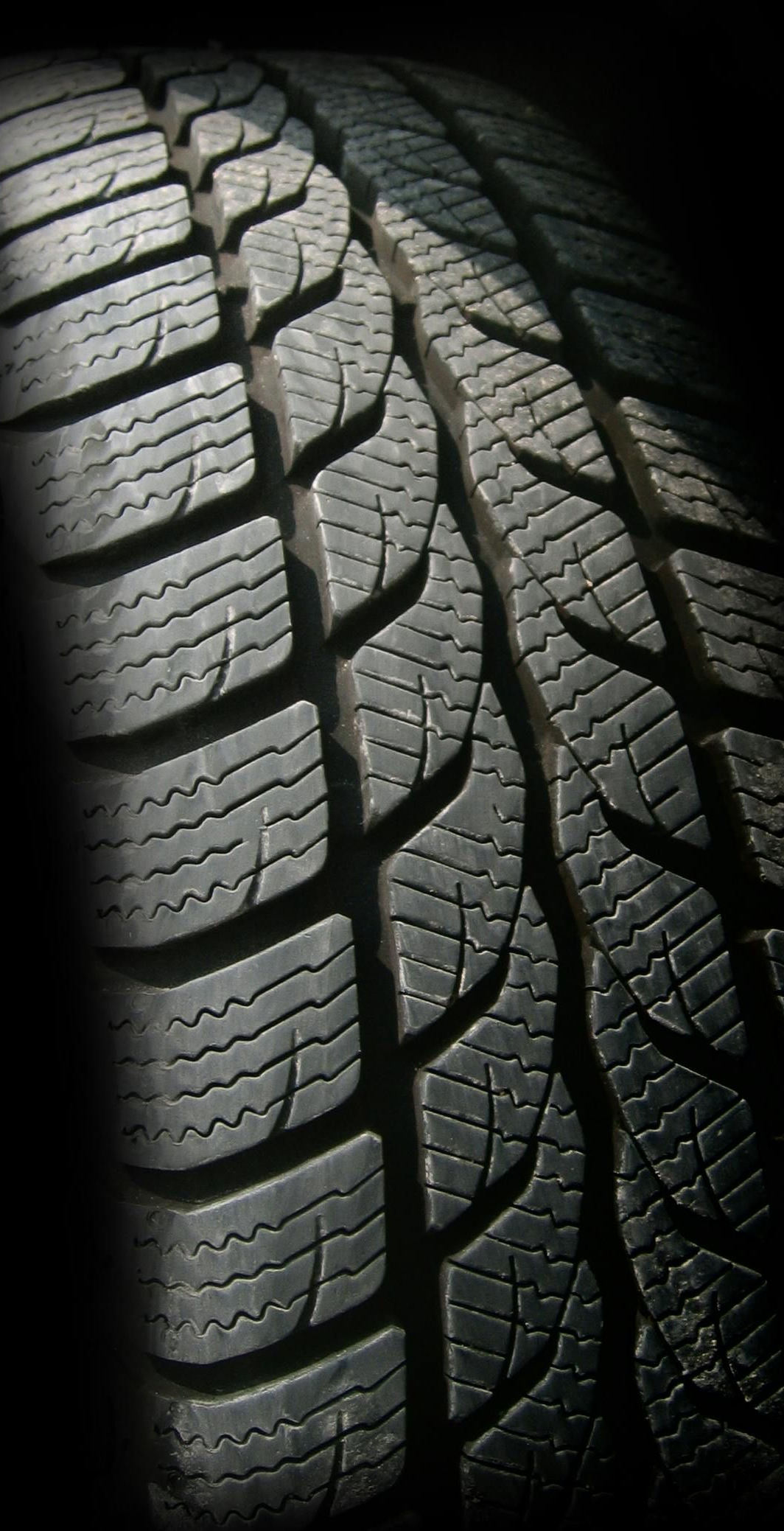
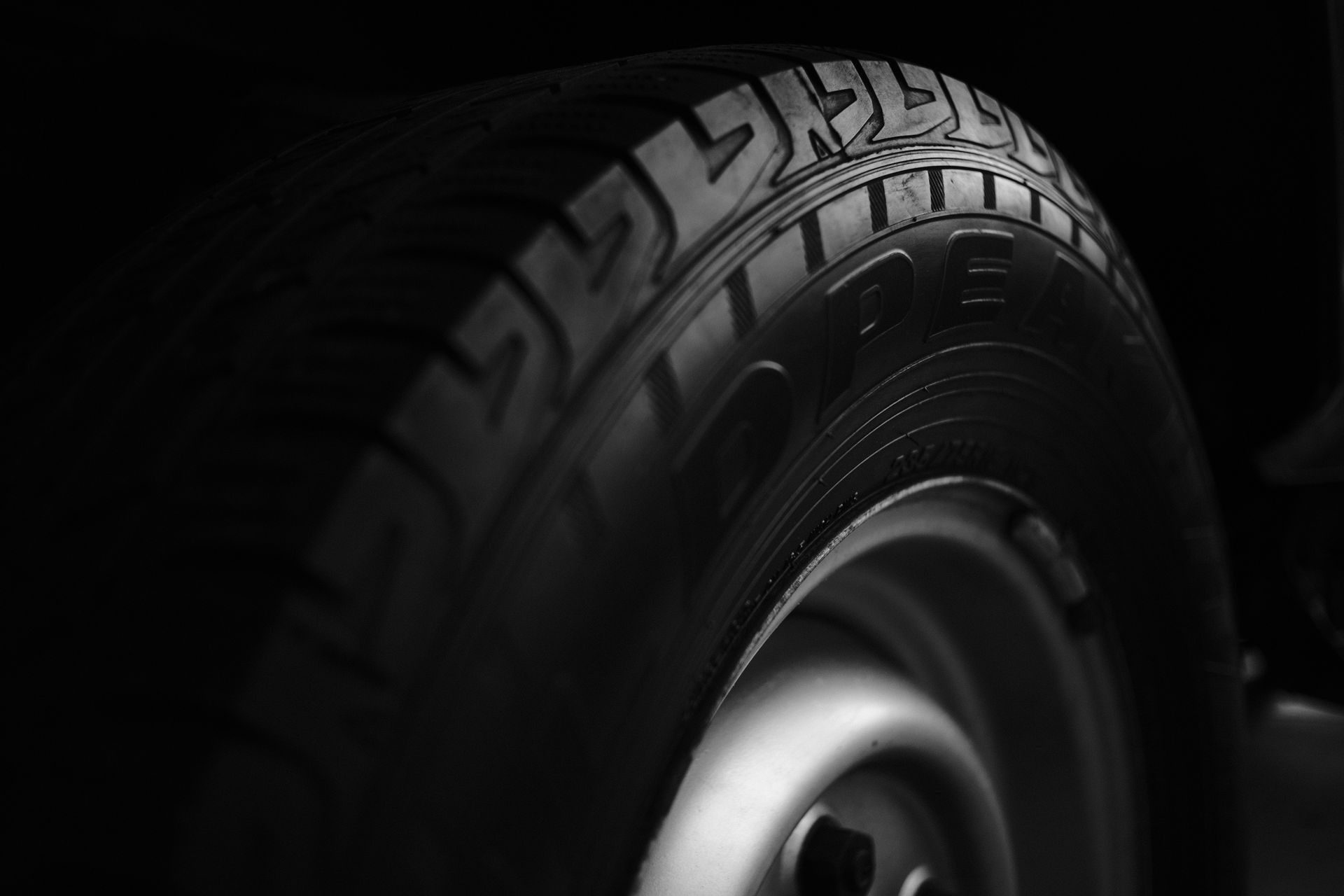
Uno de los puntos más importantes de cualquier lista de verificación de llantas es la profundidad del dibujo. Un dibujo adecuado ayuda a mantener la tracción en condiciones húmedas, mejora el desempeño de frenado y reduce el riesgo de hidroplaneo. Con el tiempo, el dibujo se desgasta gradualmente, lo que hace fácil pasarlo por alto.
Una inspección profesional puede determinar si las llantas aún se encuentran dentro de límites seguros o si se están acercando al momento de reemplazo. También es esencial revisar el desgaste irregular, daños en los costados y grietas visibles, ya que estos problemas pueden comprometer la integridad de la llanta incluso si la profundidad del dibujo parece aceptable.
Revisión y ajuste de la presión de las llantas
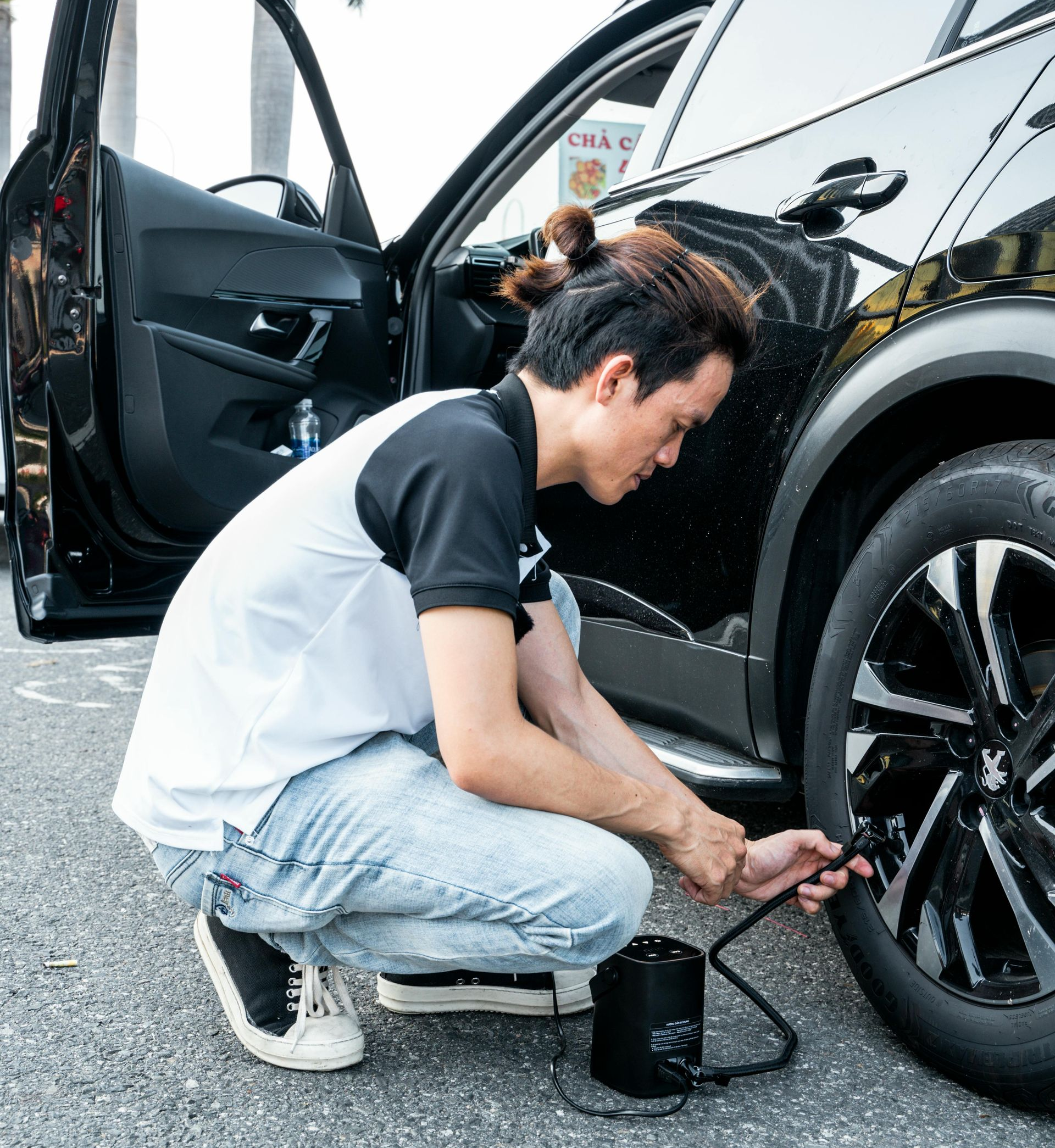
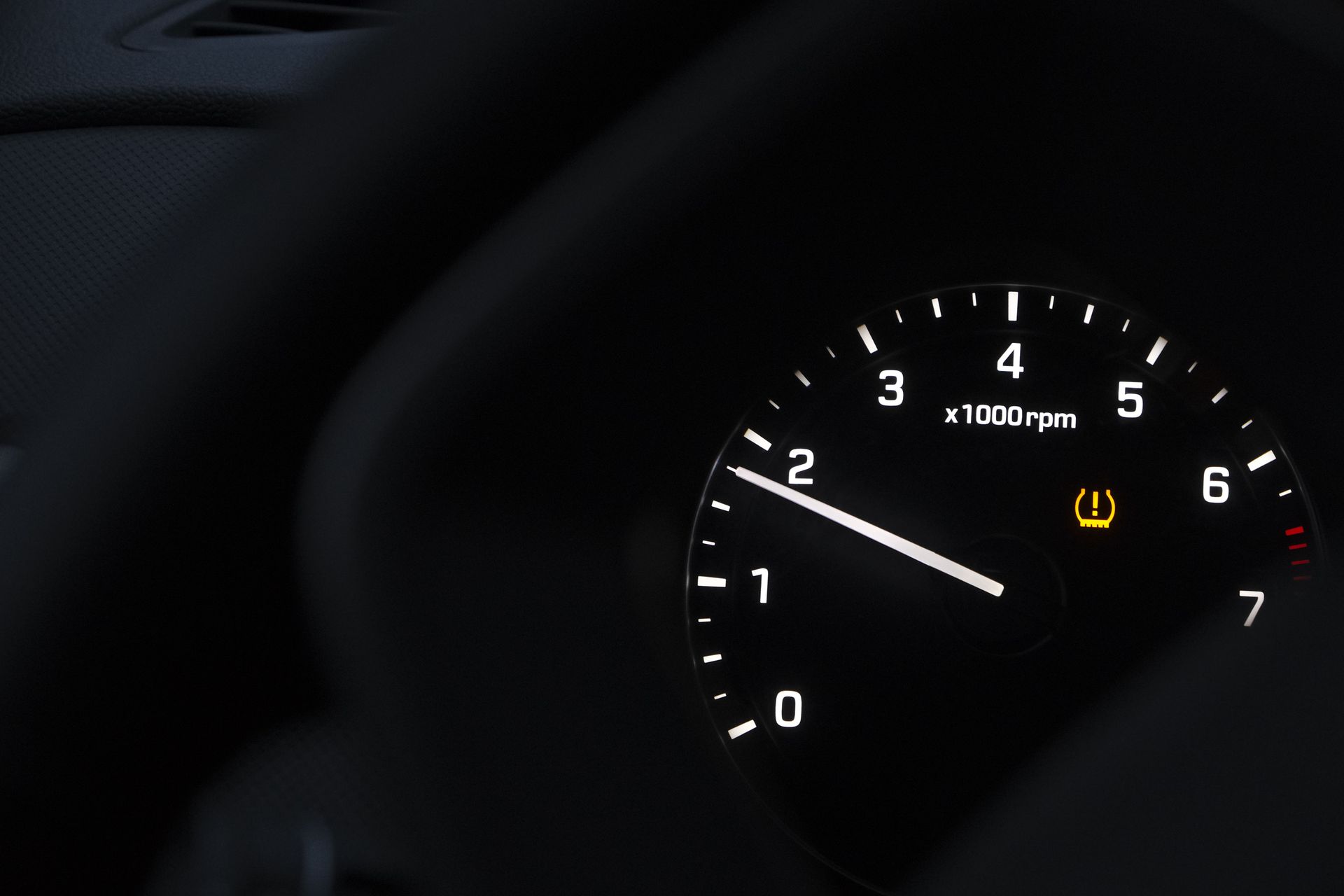
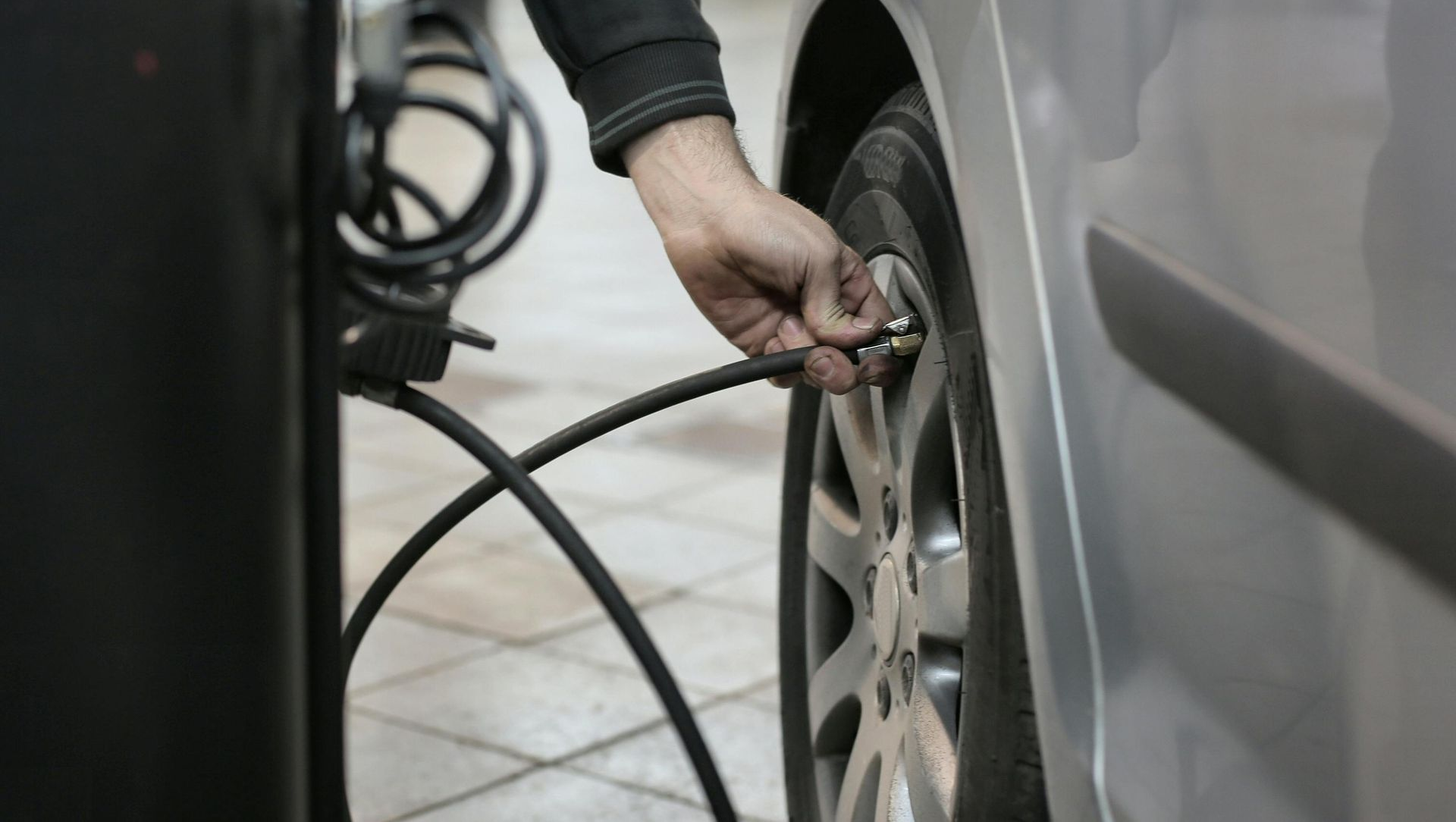
La presión de las llantas suele fluctuar con los cambios de temperatura, especialmente durante los meses de invierno. Conducir con llantas desinfladas o sobreinfladas puede afectar la eficiencia del combustible, el manejo y la vida útil de las llantas.
Como parte de la lista de verificación de Año Nuevo, revisar y ajustar la presión de las llantas según las especificaciones del fabricante ayuda a garantizar un rendimiento constante. Una inflación adecuada también promueve un desgaste uniforme del dibujo, lo que puede prolongar la vida de las llantas.
Rotación de llantas para un desgaste uniforme
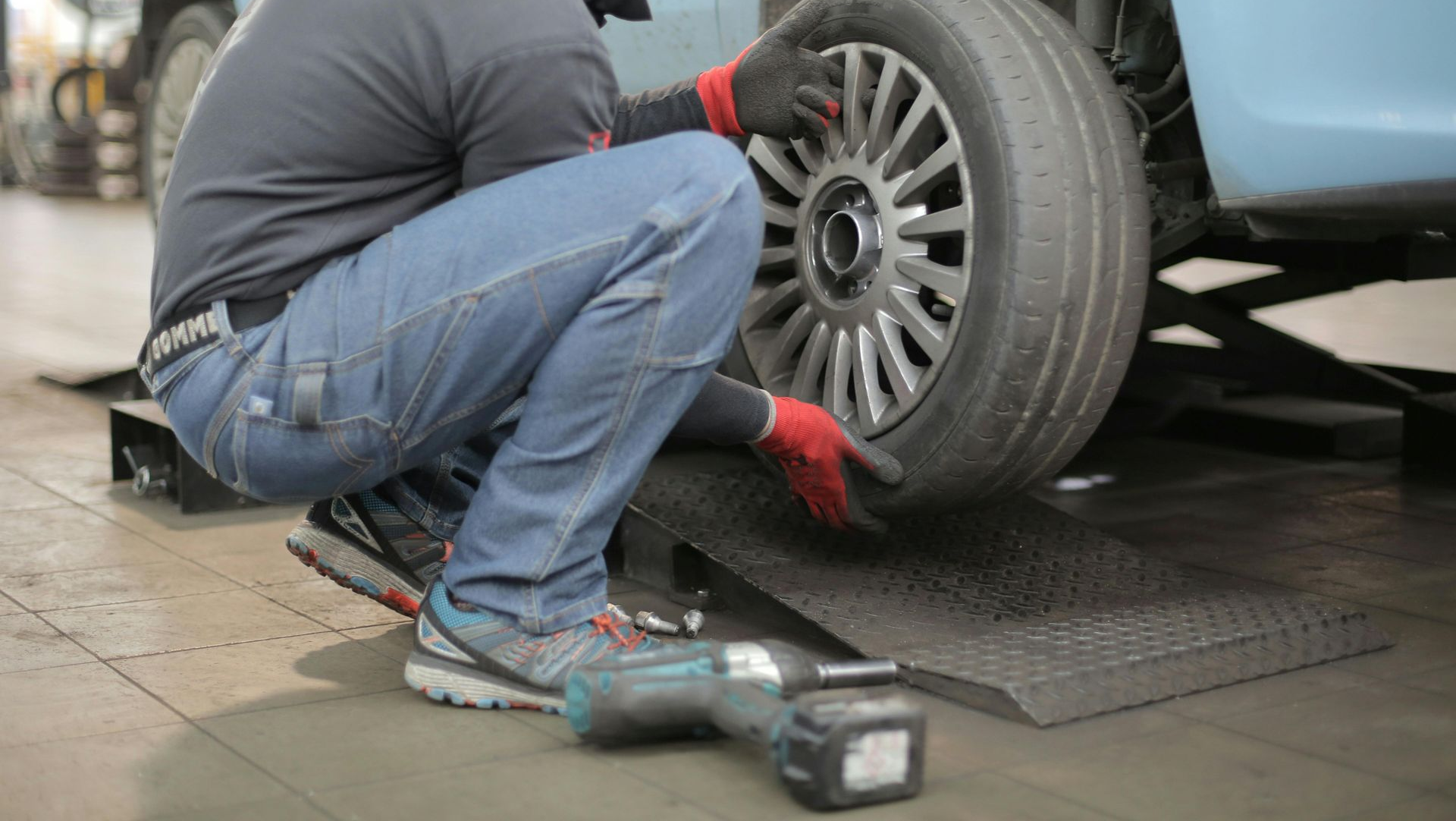
Las llantas no se desgastan de manera uniforme en todas las posiciones del vehículo. Las llantas delanteras suelen experimentar un estrés diferente al de las traseras debido a las fuerzas de dirección y frenado. La rotación regular de llantas ayuda a distribuir el desgaste de manera más uniforme, lo que puede mejorar el manejo y prolongar su vida útil.
El Año Nuevo es un momento ideal para programar una rotación, especialmente si han pasado varios meses desde la última. Mantener un desgaste uniforme reduce la probabilidad de un reemplazo prematuro.
Alineación de ruedas para estabilidad y control
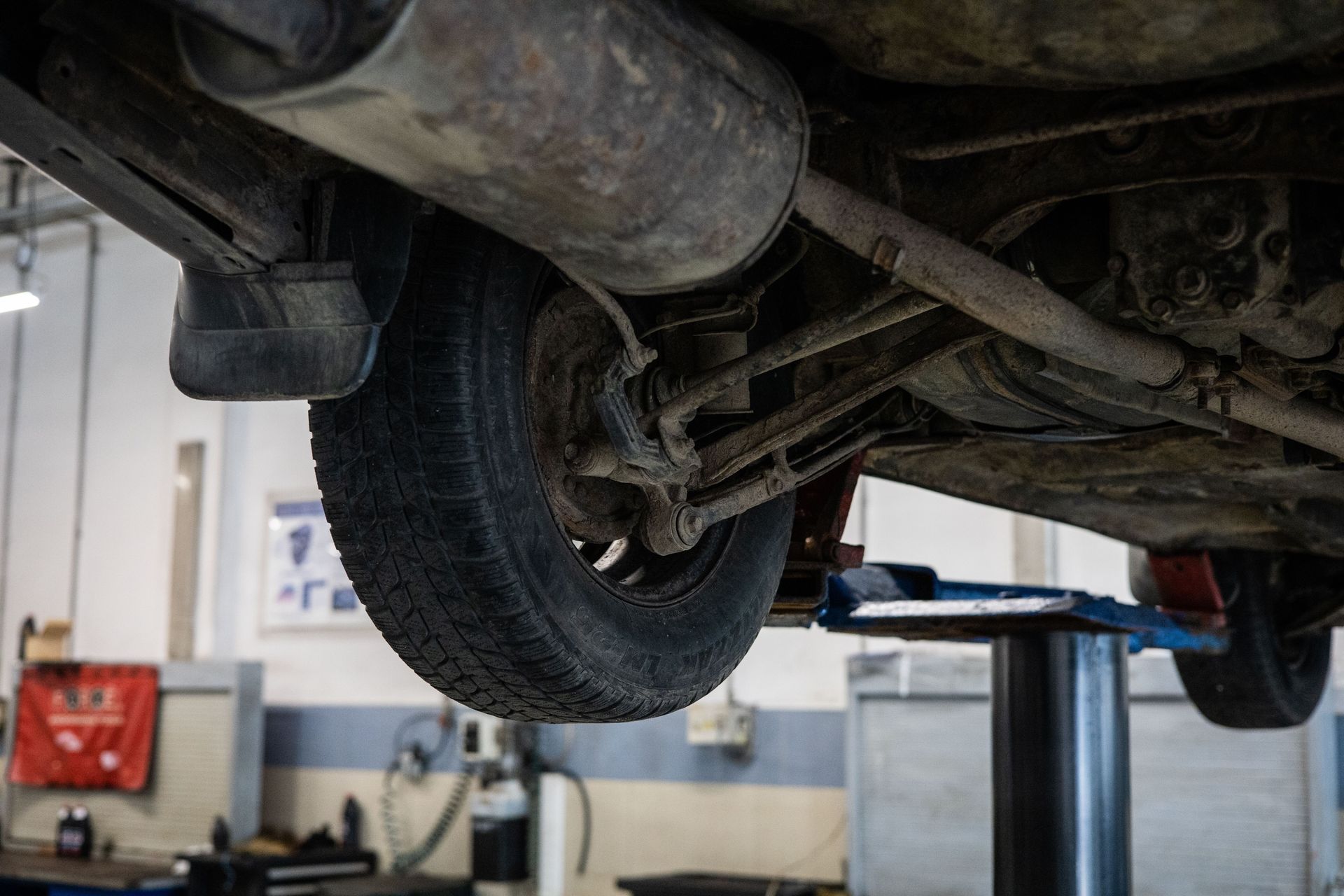
Si el vehículo se desvía hacia un lado, el volante se siente descentrado o las llantas muestran patrones de desgaste irregular, es posible que se necesite una alineación. Una alineación adecuada asegura que las llantas mantengan un contacto uniforme con la carretera y que el vehículo avance en línea recta.
Incluir una revisión de alineación en la lista de verificación de llantas de Año Nuevo favorece una conducción más suave y ayuda a prevenir un desgaste innecesario. También mejora la respuesta de la dirección y la comodidad general al conducir.
Balanceo de llantas para una conducción suave
Las llantas desbalanceadas pueden causar vibraciones a ciertas velocidades, lo que genera incomodidad y desgaste irregular. El balanceo de llantas asegura que el peso esté distribuido de manera uniforme alrededor de cada rueda.
El balanceo es especialmente importante al instalar llantas nuevas o si con el tiempo han aparecido vibraciones. Comenzar el año con llantas correctamente balanceadas contribuye a una experiencia de manejo más suave y controlada.
Evaluación de la necesidad de llantas nuevas
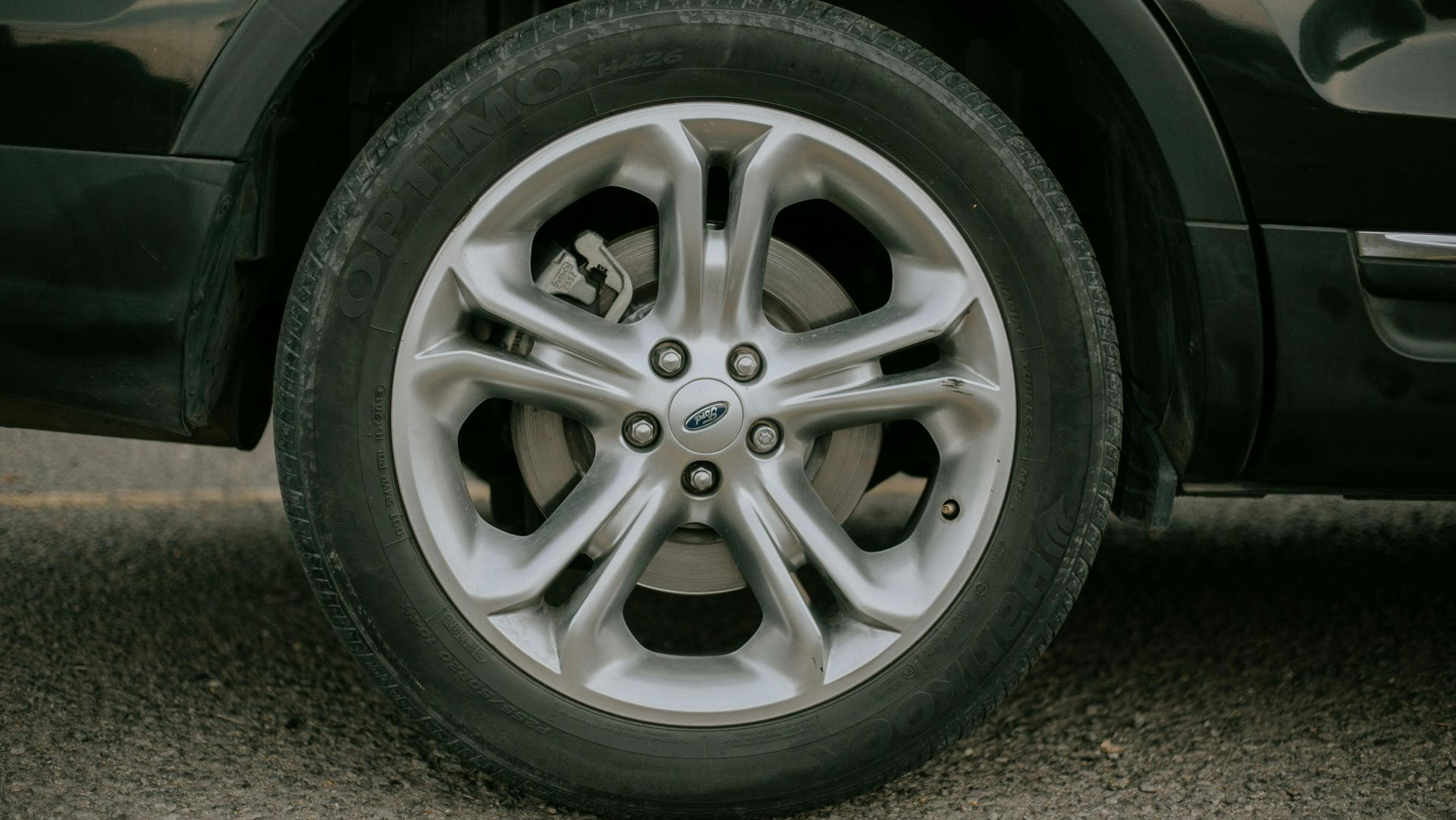
El Año Nuevo también es un buen momento para considerar si el reemplazo de llantas se aproxima. Las llantas desgastadas o envejecidas pueden volverse menos efectivas incluso si aún mantienen el aire. Los compuestos de caucho se degradan con el tiempo, lo que puede reducir la tracción.
Una evaluación profesional ayuda a los conductores a comprender sus opciones y planificar con anticipación en lugar de enfrentar un reemplazo inesperado más adelante en el año. Elegir las llantas adecuadas según los hábitos de manejo y las condiciones de conducción respalda la seguridad y la confianza.
Consideraciones estacionales y hábitos de conducción
Las necesidades de manejo suelen cambiar a lo largo del año. Los patrones de desplazamiento, las condiciones de la carretera y el kilometraje pueden aumentar o disminuir. Revisar las necesidades de las llantas al inicio del año permite a los conductores prepararse para estos cambios.
Ya sea seleccionar llantas adecuadas para uso durante todo el año o ajustar los programas de mantenimiento, la planificación proactiva ayuda a evitar sorpresas.
Una forma inteligente de comenzar el año
El Año Nuevo se trata de prepararse para el éxito, y eso incluye la seguridad del vehículo. Las llantas son el único punto de contacto entre su vehículo y la carretera, lo que hace que su estado sea especialmente importante.
En Raymond’s Tire Shop, ayudamos a los conductores a comenzar el año con una lista de verificación completa de llantas que respalda la seguridad, el rendimiento y la tranquilidad. Atender los servicios relacionados con las llantas ahora ayuda a garantizar que el año que comienza arranque sin problemas y se mantenga en buen camino.