New Year Tire Checklist: Start the Year on the Road With Confidence

Preparing Your Vehicle for the Road Ahead

The New Year is a natural time to reset habits, review priorities, and take care of tasks that have been delayed. For many drivers, vehicle maintenance falls into that category. Tires, in particular, play a critical role in safety, handling, and overall driving performance. At Raymond’s Tire Shop, we encourage drivers to begin the year with a comprehensive tire checklist to ensure their vehicle is ready for whatever the months ahead may bring.


Inspecting Tread Depth and Tire Condition

One of the most important items on any tire checklist is tread depth. Adequate tread helps maintain traction during wet conditions, improves braking performance, and reduces the risk of hydroplaning. Over time, tread wears down gradually, making it easy to overlook.


A professional inspection can determine whether tires are still within safe limits or approaching replacement. Checking for uneven wear, sidewall damage, and visible cracks is also essential, as these issues can compromise tire integrity even if tread depth appears acceptable.
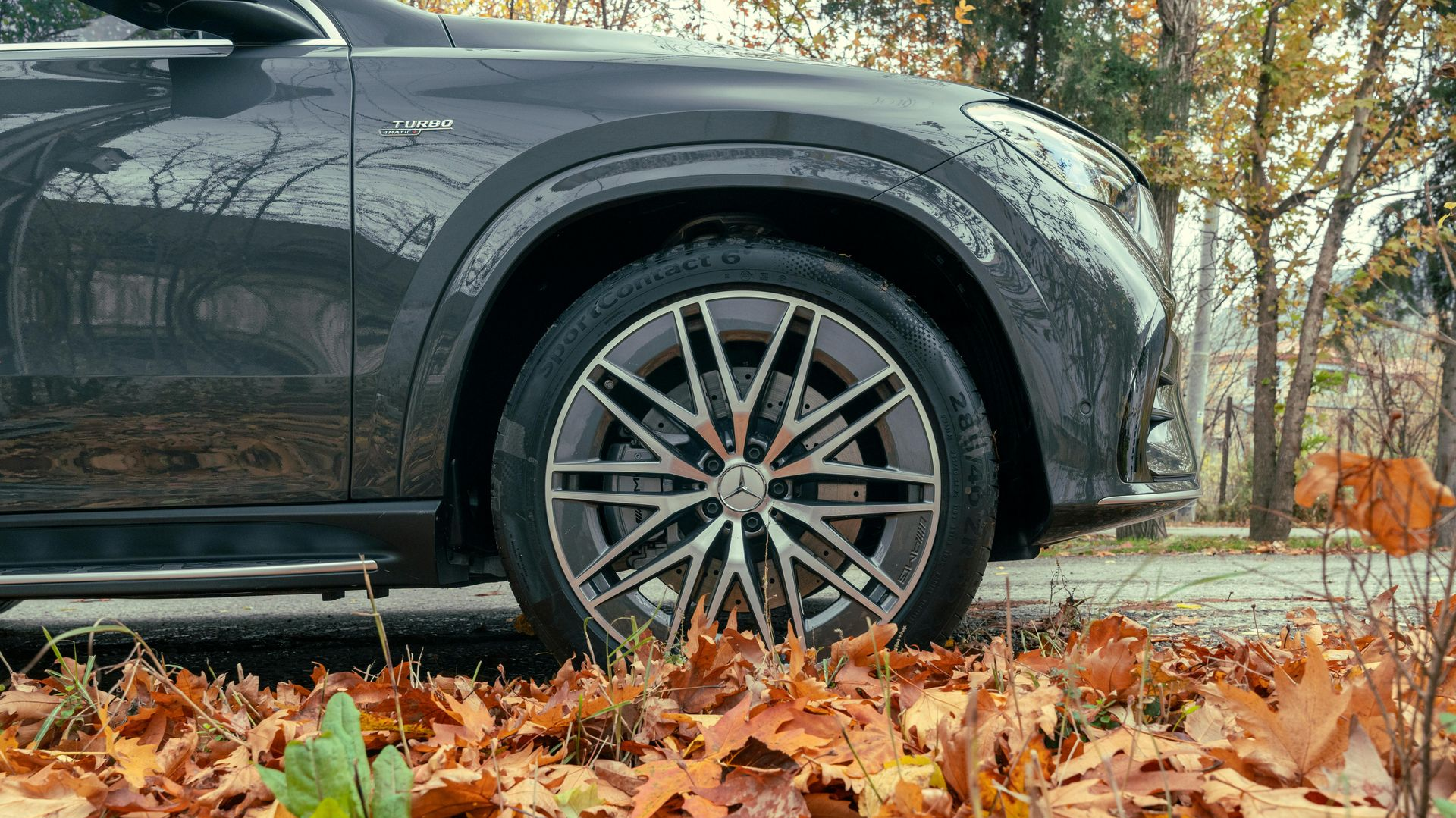
Gray car wheel on a road covered in autumn leaves.

Checking and Adjusting Tire Pressure

Tire pressure often fluctuates with temperature changes, especially during winter months. Driving on underinflated or overinflated tires can affect fuel efficiency, handling, and tire lifespan.


As part of a New Year checklist, having tire pressure checked and adjusted to manufacturer specifications helps ensure consistent performance. Proper inflation also promotes even tread wear, which can extend the life of your tires.


Tire Rotation for Even Wear

Tires do not wear evenly across all positions on a vehicle. Front tires often experience different stress than rear tires due to steering and braking forces. Regular tire rotation helps distribute wear more evenly, which can improve handling and prolong tire life.


The New Year is an ideal time to schedule a rotation, especially if it has been several months since the last one. Keeping tires wearing evenly reduces the likelihood of premature replacement.
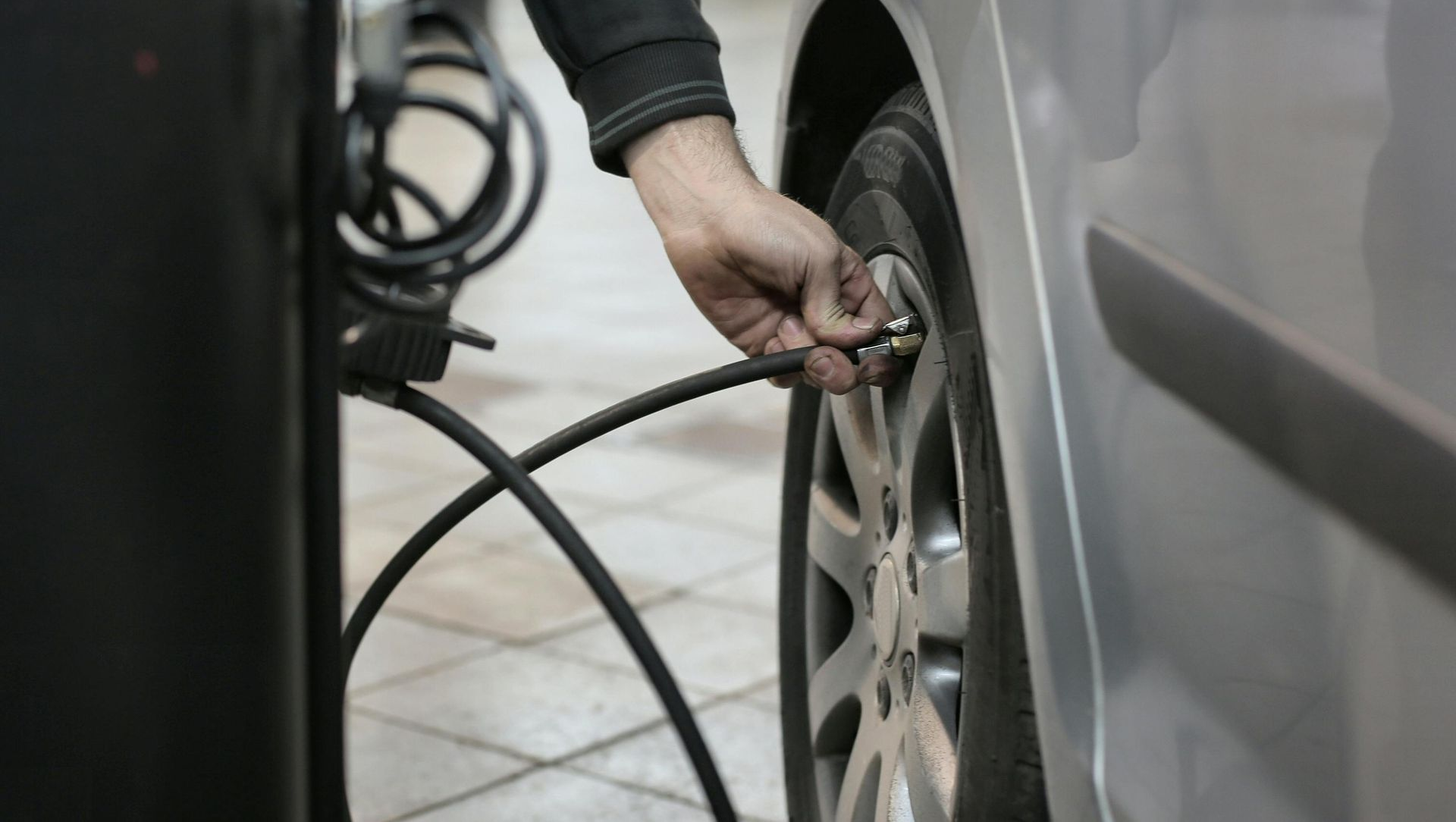
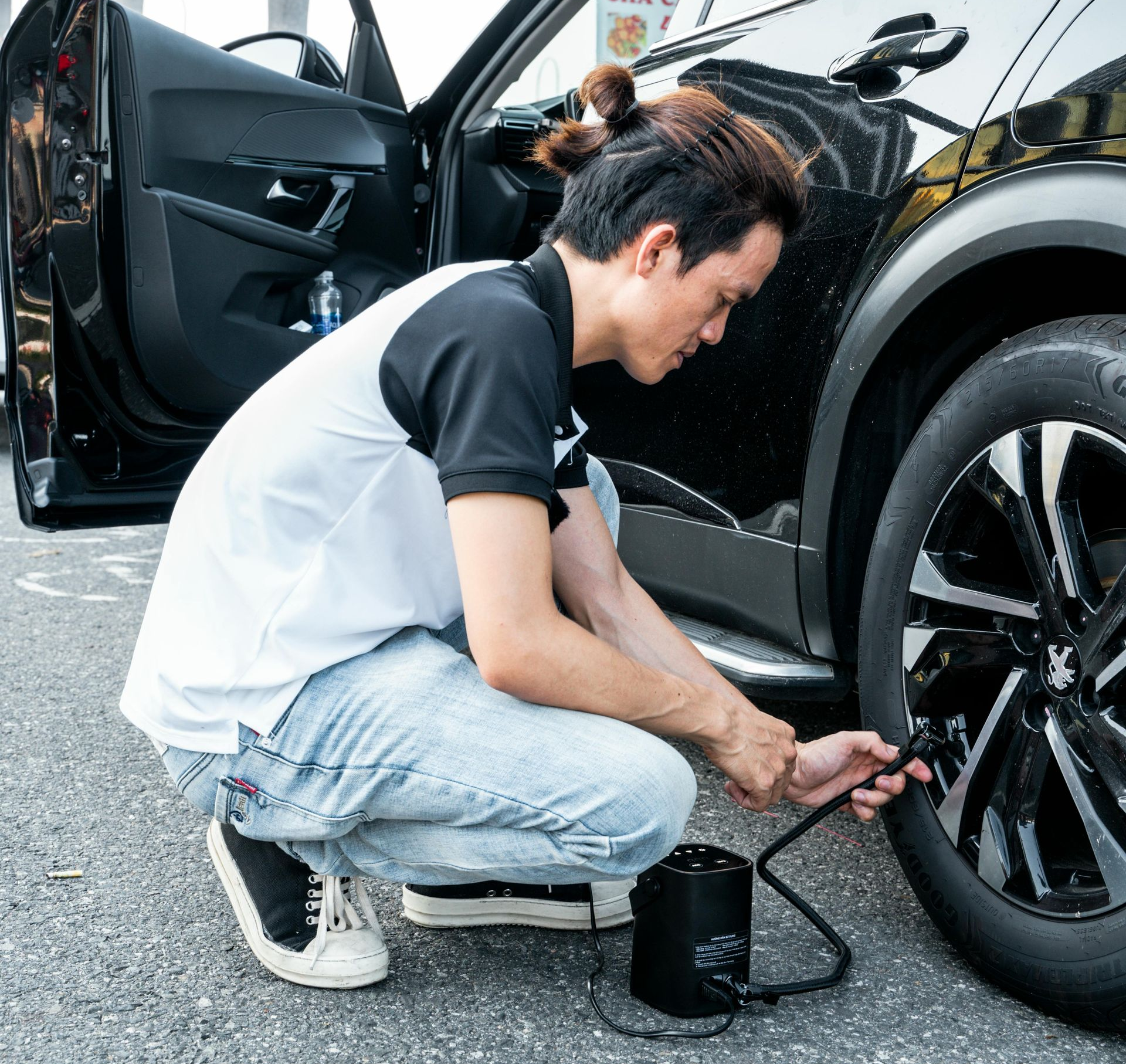
Person inflating a car tire with an air compressor in a garage.

Wheel Alignment for Stability and Control

If a vehicle pulls to one side, the steering wheel feels off center, or tires show uneven wear patterns, alignment may be needed. Proper alignment ensures that tires make consistent contact with the road and that the vehicle tracks straight.


Including an alignment check in your New Year tire checklist supports smoother driving and helps prevent unnecessary wear. It also improves steering response and overall driving comfort.


Balancing Tires for a Smooth Ride

Unbalanced tires can cause vibration at certain speeds, leading to discomfort and uneven wear. Tire balancing ensures that weight is evenly distributed around each wheel.


Balancing is especially important when installing new tires or if vibrations have developed over time. Starting the year with properly balanced tires contributes to a smoother and more controlled driving experience.
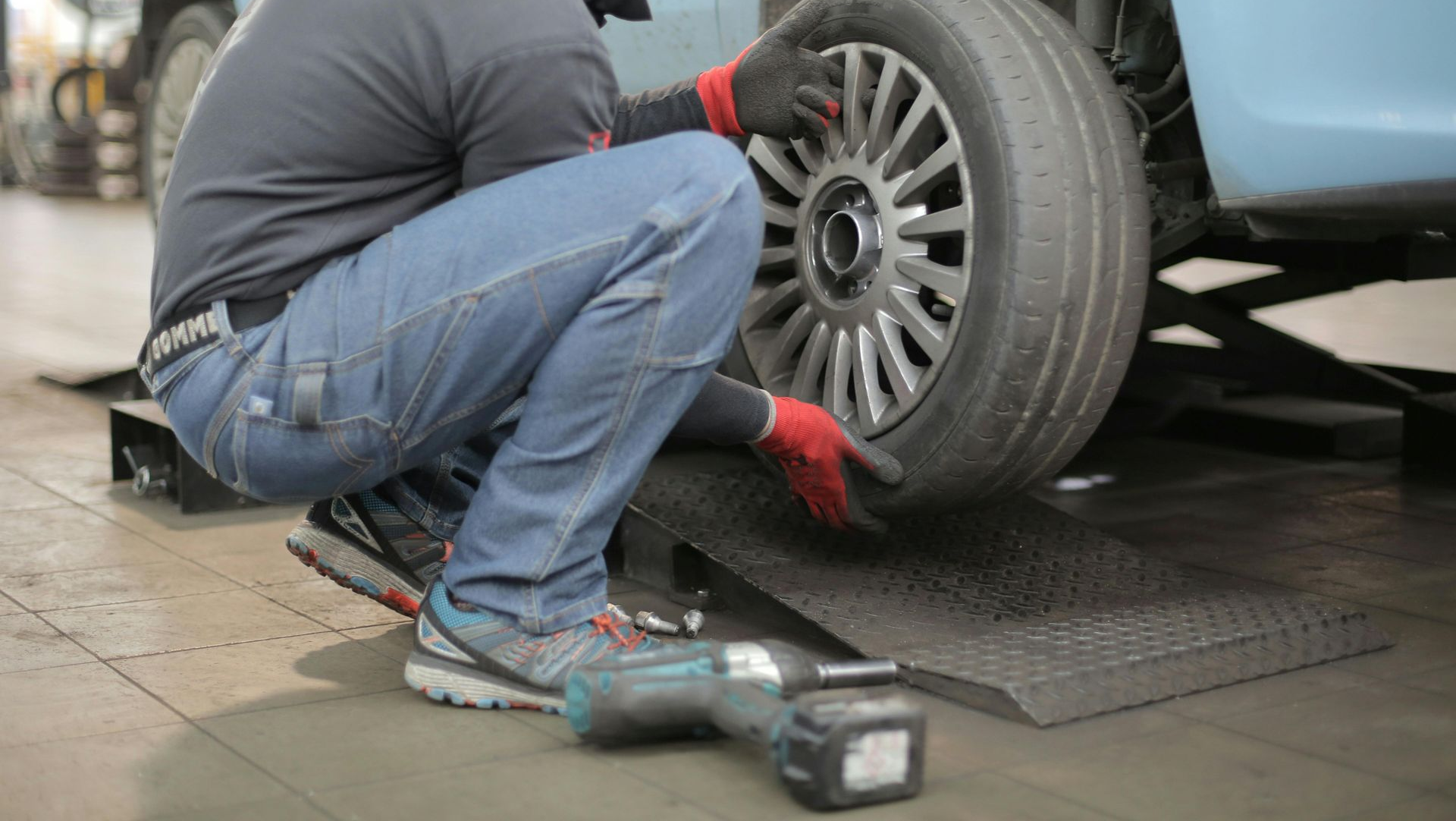
Mechanic changing a tire on a blue car in a garage, using a power tool and wearing red gloves.

Evaluating the Need for New Tires

The New Year is also a good time to consider whether tire replacement is approaching. Worn or aging tires can become less effective even if they still hold air. Rubber compounds degrade over time, which can reduce traction.


A professional evaluation helps drivers understand their options and plan ahead rather than facing an unexpected replacement later in the year. Choosing the right tires for driving habits and conditions supports safety and confidence.
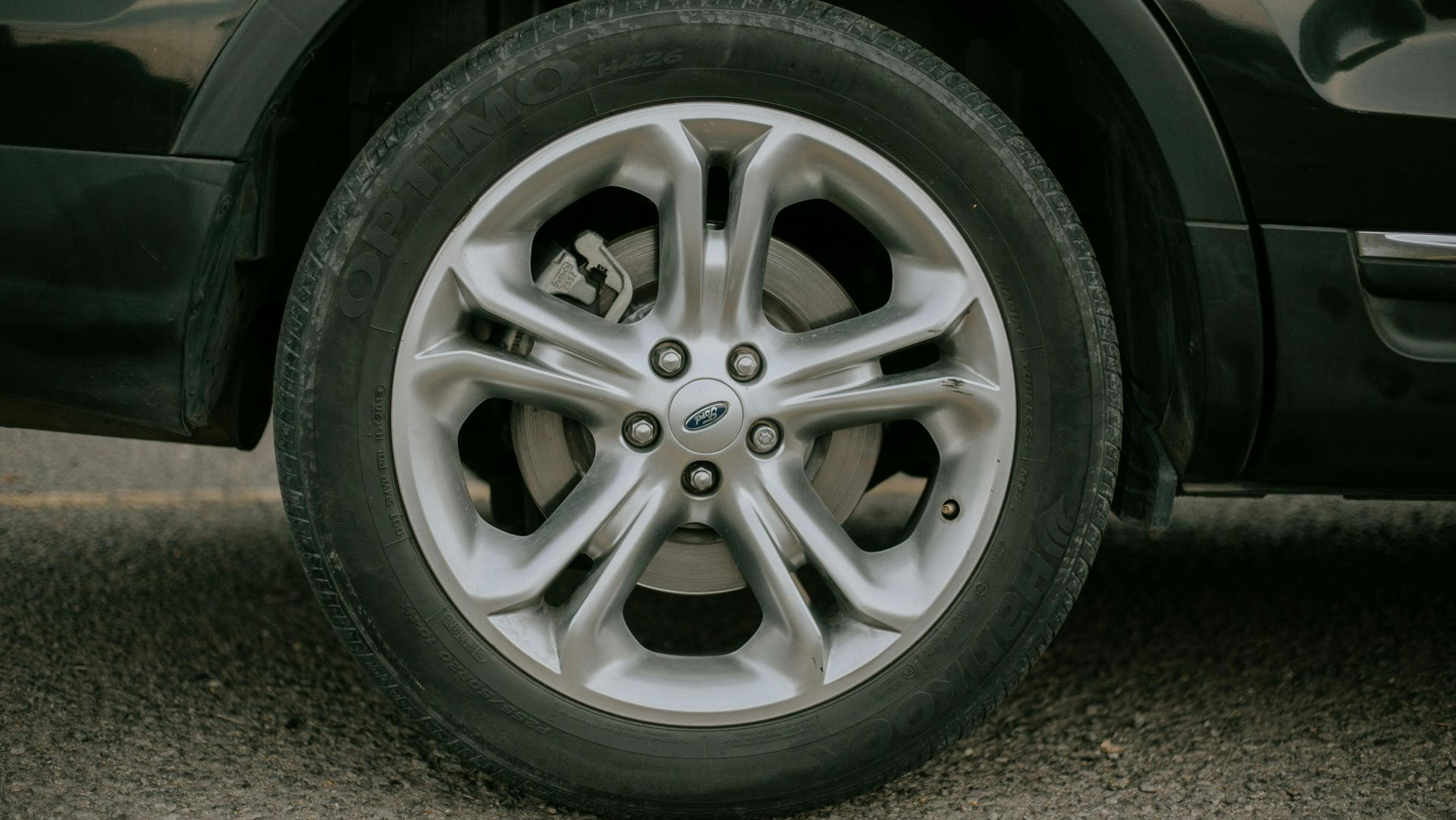
Close-up of a silver car wheel with a black tire on asphalt.

Seasonal and Driving Habit Considerations

Driving needs often change throughout the year. Commuting patterns, road conditions, and mileage may increase or decrease. Reviewing tire needs at the start of the year allows drivers to prepare for these changes.


Whether it is selecting tires suited for year round driving or adjusting maintenance schedules, proactive planning helps avoid surprises.


A Smart Way to Start the Year

The New Year is about setting yourself up for success, and that includes vehicle safety. Tires are the only point of contact between your vehicle and the road, making their condition especially important.


At Raymond’s Tire Shop, we help drivers begin the year with a complete tire checklist that supports safety, performance, and peace of mind. Taking care of tire related services now helps ensure that the year ahead starts smoothly and stays on track.

Dashboard of a car with a hand on the steering wheel, gauges visible. Sunlight shines.
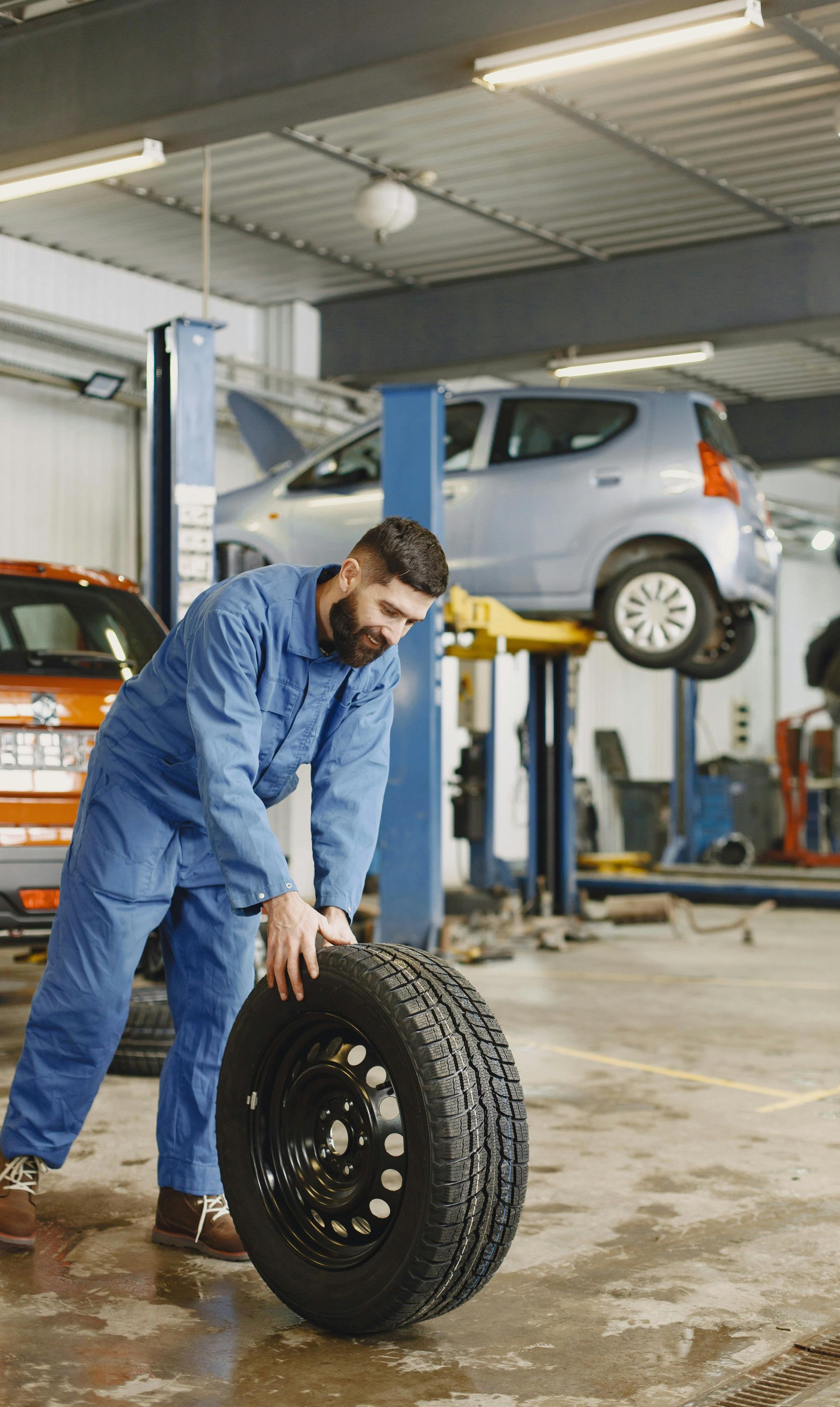
Mechanic rolling a tire in a garage, another car on a lift in the background.
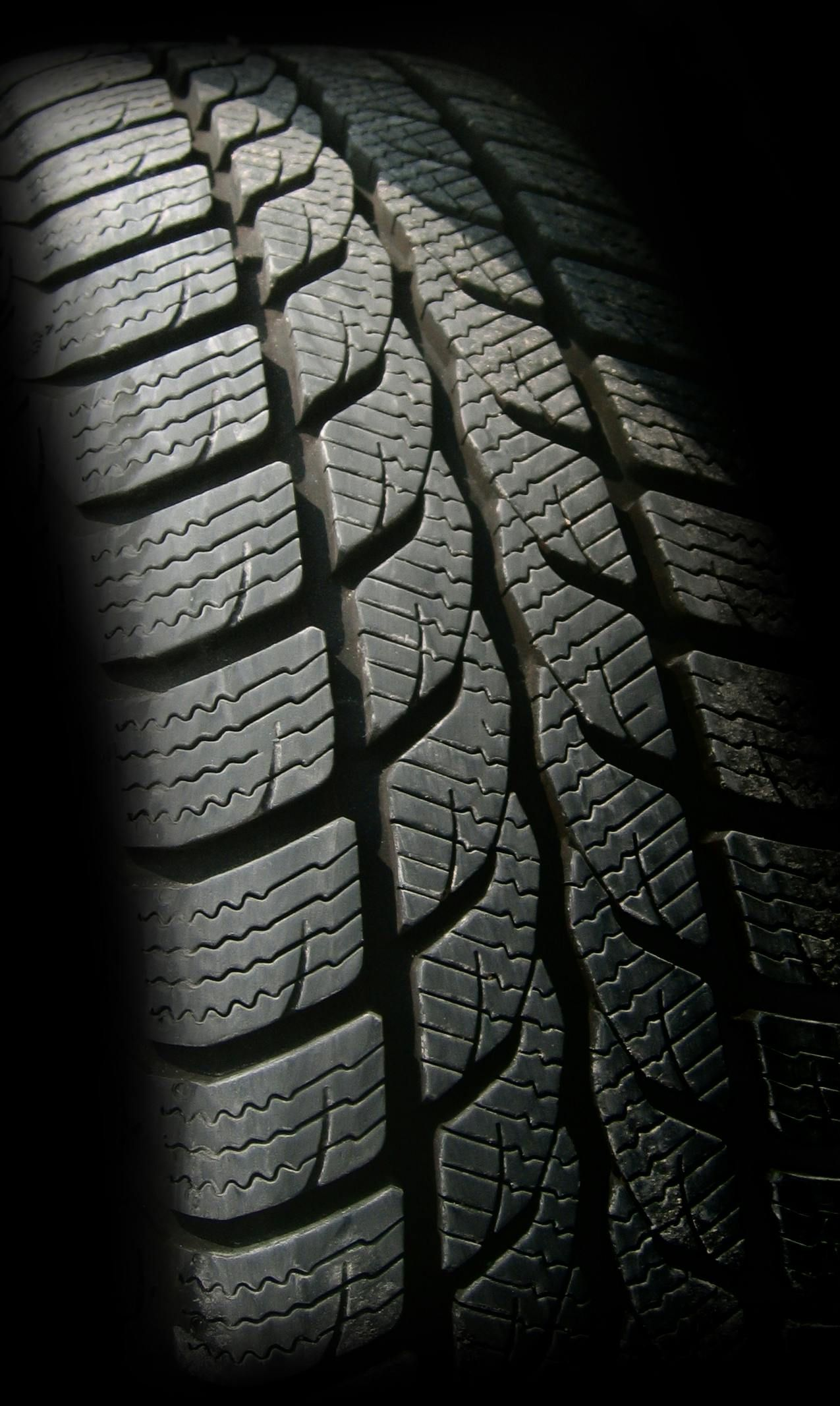
Close-up of a black tire with deep tread patterns.
Man inflating car tire with a black air pump; vehicle door open.
Dashboard with a start/stop button and speedometer in a car.
August 23, 2026
A pothole impact can feel like a quick jolt, but the forces involved can affect several parts of the tire and wheel assembly. The faster the vehicle is moving, the less time the tire has to absorb the impact. In some cases, the damage is immediately obvious. In others, problems may not become noticeable until later. Raymond’s Tire Shop helps drivers inspect tires, wheels, balancing, and alignment after hard road impacts. Understanding what can happen during a pothole strike can make it easier to recognize when a tire needs professional attention. The Tire Is Compressed Extremely Quickly When a tire drops into a pothole and strikes the far edge, the sidewall and tread can be compressed between the road and the wheel. Tires are designed to flex, but a severe impact can exceed what the internal structure can safely absorb.  The risk can be greater when tire pressure is too low because there is less air cushioning between the road surface and the wheel. However, even a properly inflated tire can be damaged by a deep pothole at sufficient speed.
August 16, 2026
Tires are one of the most important safety components on any vehicle because they are the only parts that maintain direct contact with the road. As tires wear, their ability to grip pavement, channel water, and respond predictably can gradually decline. The challenge is that unsafe tire conditions are not always obvious until performance has already been affected.  Raymond’s Tire Shop helps drivers evaluate tread wear, tire damage, pressure issues, alignment problems, and other conditions that can affect tire safety. Knowing what to look for can help you recognize when a tire needs professional attention or replacement.
August 7, 2026
Most drivers think of tires simply as the round rubber components that allow a vehicle to roll down the road. In reality, tires are sophisticated pieces of engineering that perform several essential functions every time a vehicle is in motion. They support the weight of the vehicle, transmit steering and braking forces, absorb road irregularities, and maintain traction in changing driving conditions. Every acceleration, turn, and stop depends on these four small contact patches where the tires meet the road.  Understanding the primary functions of a tire helps drivers appreciate why routine maintenance and timely replacement are so important. Raymond’s Tire Shop helps customers choose quality tires and maintain them properly so their vehicles continue to perform safely and efficiently throughout the life of the tire.
July 31, 2026
Understanding how your tires interact with wet pavement is one of the most important parts of safe driving. While most drivers know that rain can make roads slippery, fewer understand how hydroplaning occurs or why it can cause a vehicle to suddenly lose traction. Knowing what causes hydroplaning—and how proper tire maintenance can reduce the risk—can help you stay safer during wet weather.  At Raymond’s Tire Shop, we believe that informed drivers make safer decisions. Keeping your tires in excellent condition is one of the best ways to improve vehicle performance when road conditions are less than ideal.
July 23, 2026
Your tires are one of the hardest-working components of your vehicle. They provide traction, support your vehicle’s weight, absorb impacts from the road, and help you maintain control in a wide range of driving conditions. Because they experience constant wear, replacing tires is an expected part of vehicle ownership. However, proper maintenance can help maximize their lifespan, improve performance, and save you money over time. Many of the factors that affect tire longevity are within a driver’s control. By following a few simple maintenance practices, you can help your tires wear more evenly and perform as intended throughout their service life.
July 17, 2026
Your tires are the only part of your vehicle that remains in constant contact with the road, making them one of the most important components for safety, performance, and fuel efficiency. While many drivers remember to check their oil or schedule routine maintenance, tire pressure is often overlooked until a problem develops.  Maintaining proper tire inflation is one of the simplest and most effective ways to extend the life of your tires. It takes only a few minutes to check your tire pressure, yet this small maintenance task can help improve vehicle performance and protect your investment over the long term.