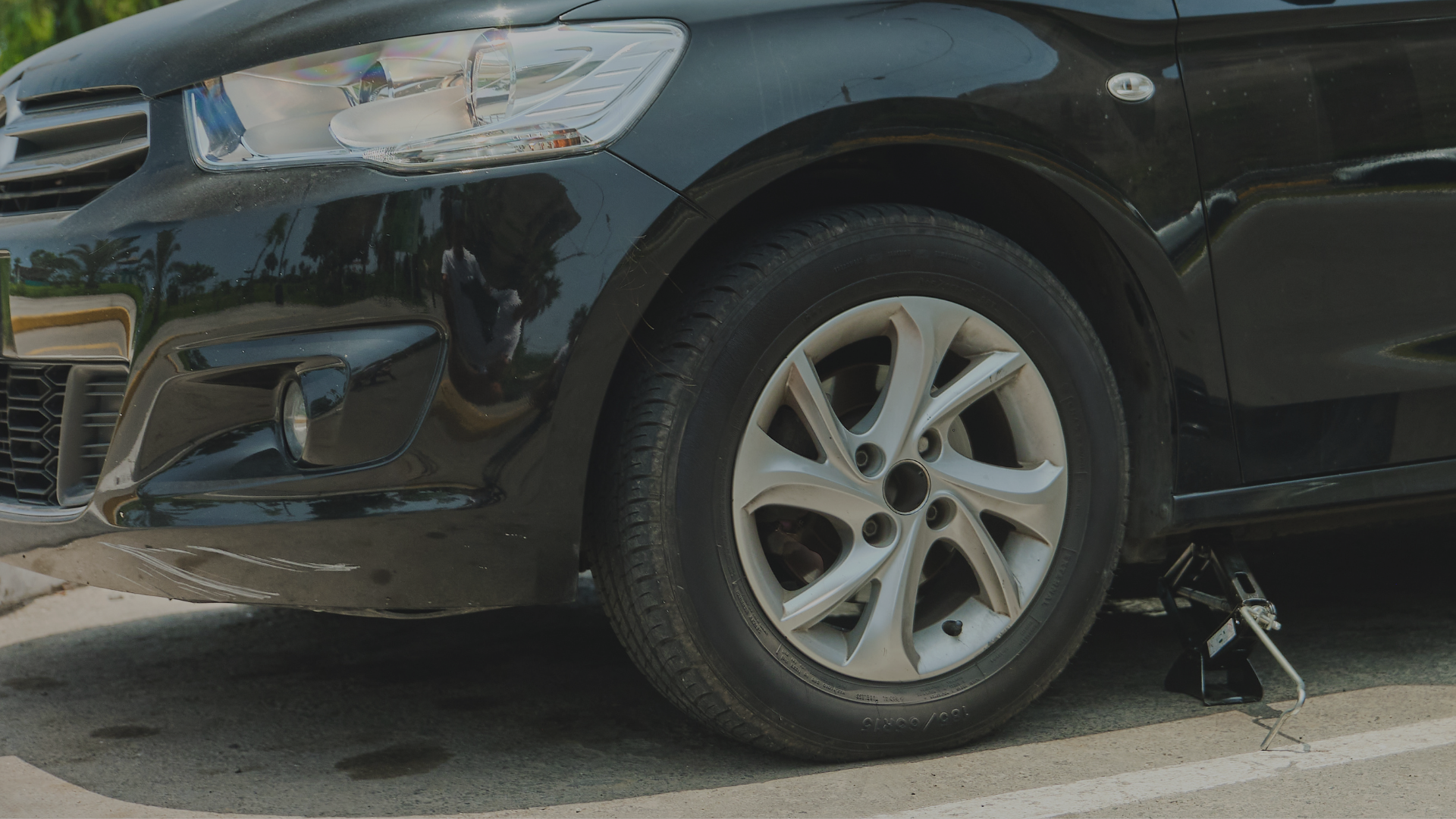
Los riesgos ocultos de conducir con neumáticos desgastados
Muchos conductores prestan atención a los cambios de aceite, el servicio de frenos y otros mantenimientos de rutina, pero el estado de los neumáticos a menudo se pasa por alto hasta que el problema se vuelve evidente. Los neumáticos se desgastan gradualmente con el tiempo y, debido a que este proceso ocurre lentamente, puede ser fácil ignorar las señales de advertencia. Desafortunadamente, conducir con neumáticos desgastados puede generar serios riesgos de seguridad que muchos automovilistas subestiman.
En Raymond’s Tire Shop, con frecuencia vemos vehículos que llegan con neumáticos que tienen mucho menos dibujo del que es seguro para la conducción diaria. Comprender cómo el desgaste de los neumáticos afecta la tracción, el frenado y el control del vehículo puede ayudar a los conductores a reconocer cuándo es momento de reemplazarlos antes de que esos riesgos se vuelvan peligrosos.
Por qué es importante el dibujo del neumático
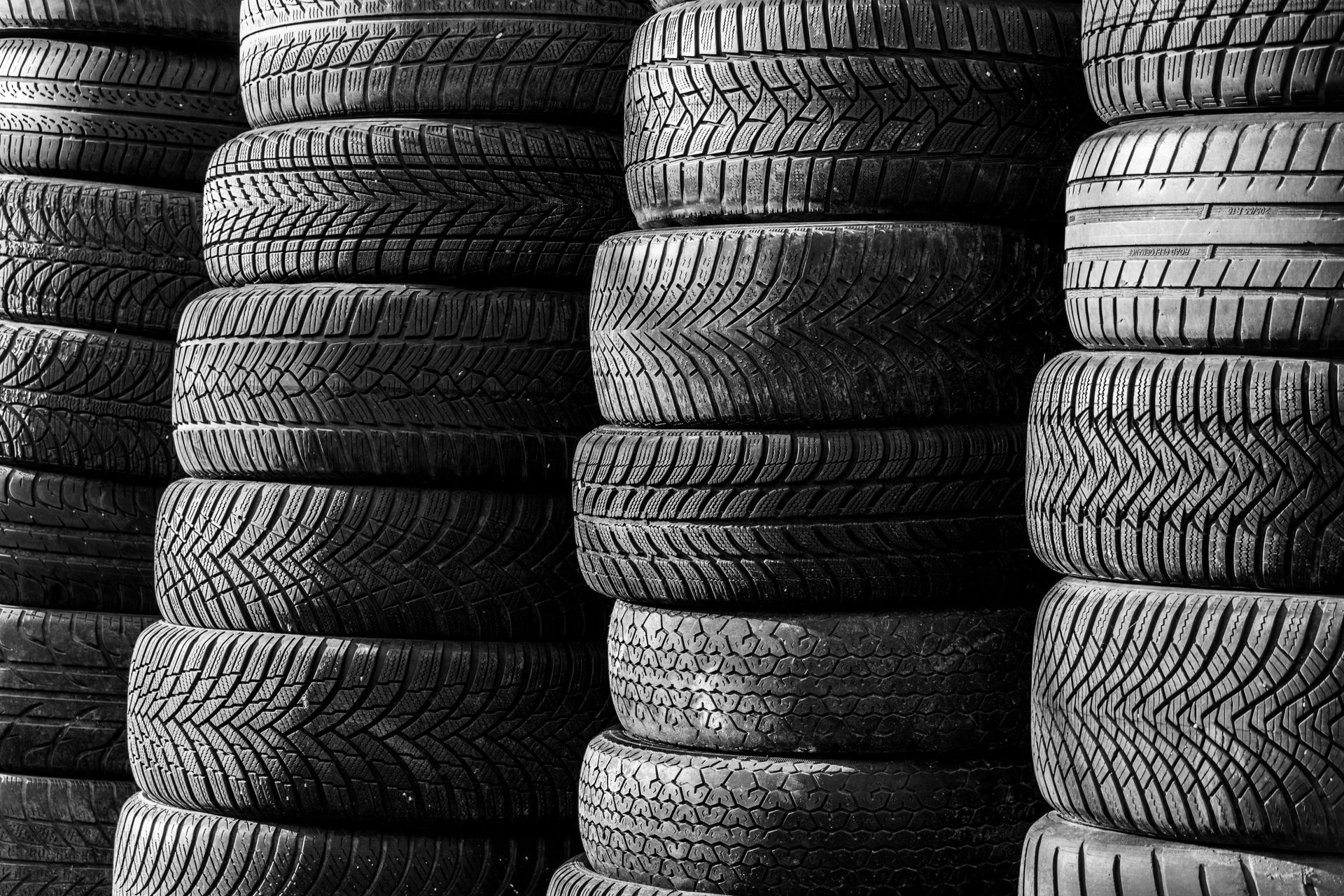
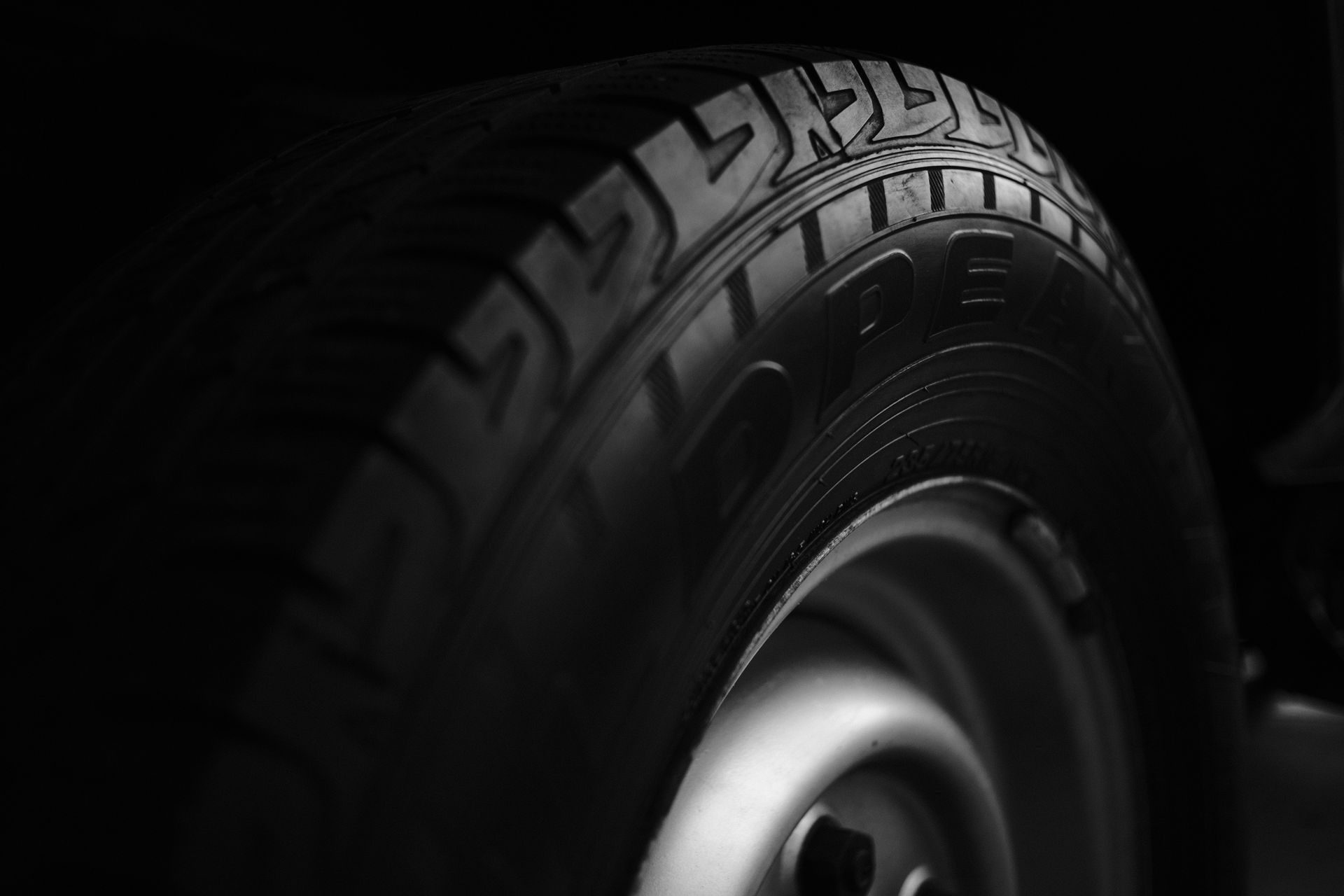
El dibujo o la banda de rodadura de los neumáticos desempeña un papel fundamental para mantener la tracción en la carretera. Esas ranuras y canales están diseñados específicamente para desplazar el agua fuera del área de contacto del neumático, permitiendo que el caucho mantenga agarre sobre el pavimento.
Cuando los neumáticos son nuevos, los patrones profundos del dibujo pueden canalizar el agua de manera eficiente, ayudando a prevenir el hidroplaneo durante lluvias. A medida que los neumáticos se desgastan, esas ranuras se vuelven más superficiales. Con el tiempo, pierden la capacidad de desplazar el agua de manera efectiva, lo que aumenta la probabilidad de que el neumático se deslice sobre una fina capa de agua en lugar de adherirse a la superficie de la carretera.
Esta pérdida de tracción es una de las consecuencias más peligrosas de los neumáticos desgastados.
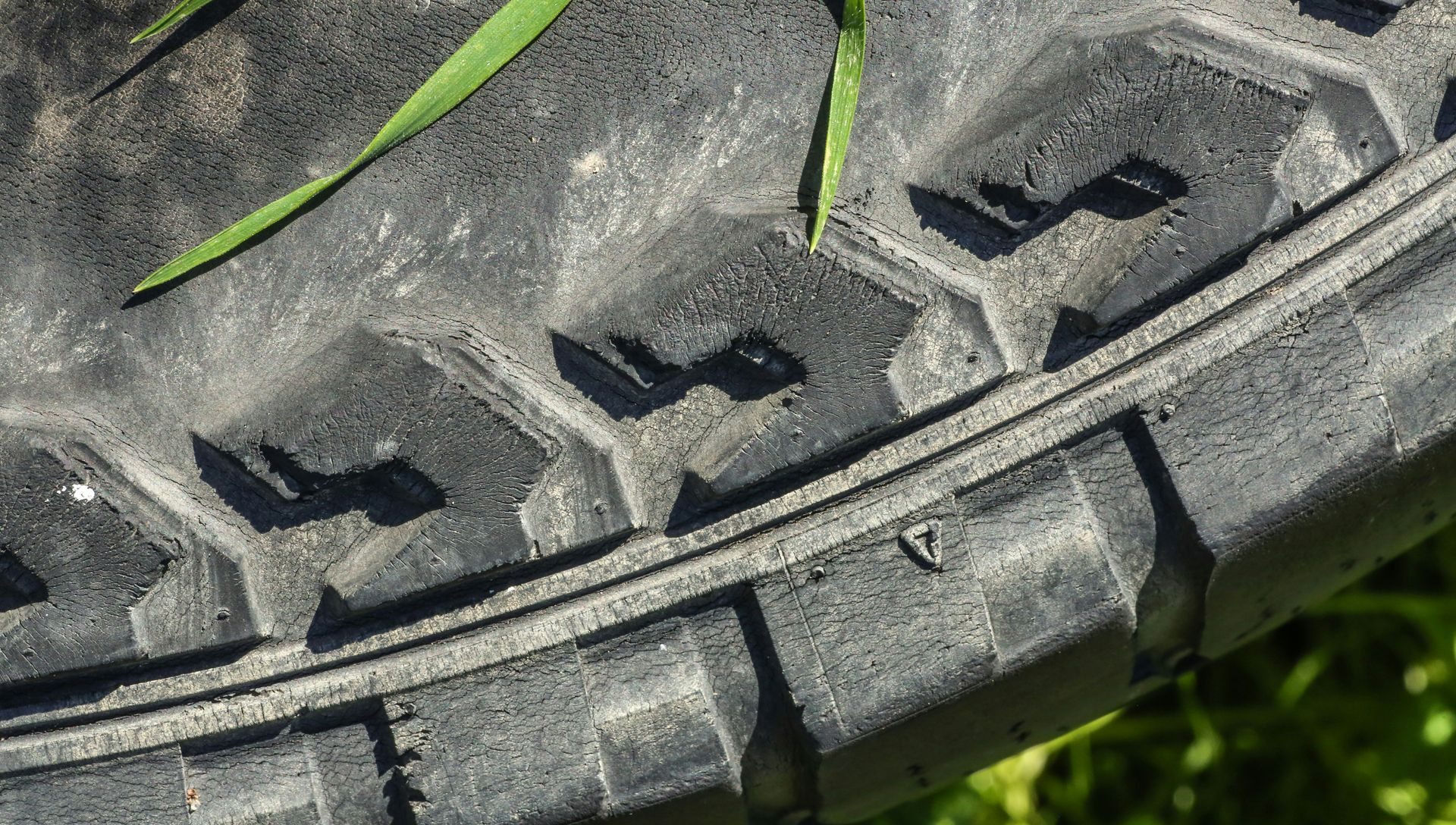
Mayor riesgo de hidroplaneo
El hidroplaneo ocurre cuando un neumático pierde contacto con la carretera y comienza a deslizarse sobre el agua acumulada. Cuando esto sucede, los conductores pierden temporalmente el control de la dirección y el frenado.
Los neumáticos desgastados aumentan significativamente el riesgo de hidroplaneo porque la menor profundidad del dibujo no puede evacuar el agua con la suficiente rapidez. Incluso una lluvia moderada puede crear condiciones en las que los neumáticos desgastados tengan dificultades para mantener contacto con la carretera.
En situaciones en las que los conductores deben frenar repentinamente o hacer correcciones rápidas de dirección, esta pérdida de tracción puede dificultar mucho evitar una colisión.

Mayores distancias de frenado
El dibujo del neumático también es esencial para el rendimiento del frenado. Las ranuras y el compuesto de caucho ayudan a que los neumáticos se adhieran al pavimento cuando se aplican los frenos.
A medida que la profundidad del dibujo disminuye, la eficiencia del frenado también se reduce. Los neumáticos desgastados requieren una mayor distancia para detener completamente un vehículo, especialmente en carreteras mojadas o resbaladizas. Esta diferencia puede ser el factor decisivo entre una detención segura y un accidente grave.
Muchos conductores asumen que el sistema de frenos es el único responsable del rendimiento de frenado, pero los neumáticos son igualmente importantes en ese proceso.
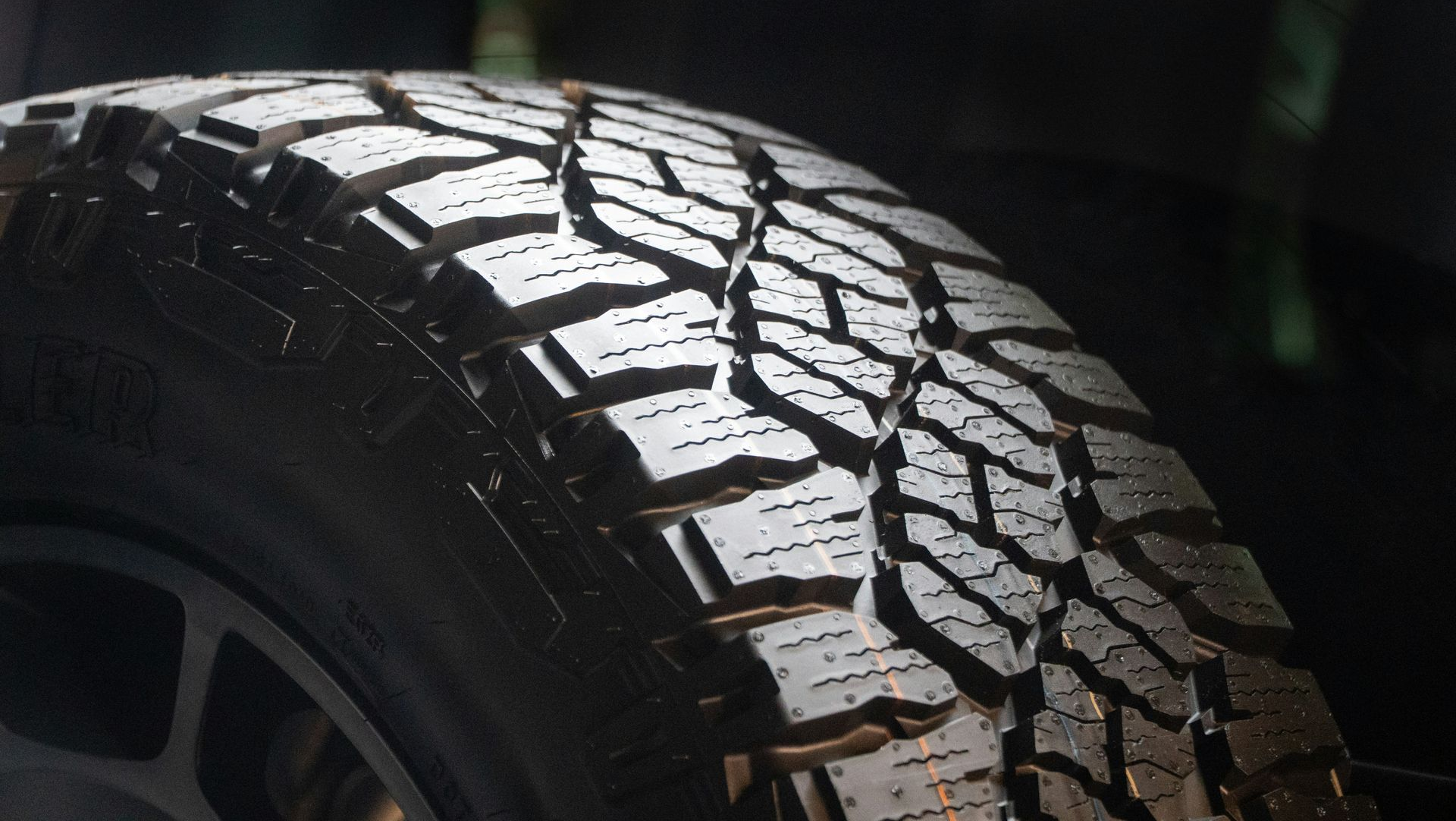
Menor control y estabilidad
Los neumáticos influyen en mucho más que el frenado. También afectan la respuesta de la dirección y la estabilidad del vehículo. Cuando el dibujo está muy desgastado, los conductores pueden notar que su vehículo responde menos al girar o maniobrar.
Esto puede ser especialmente peligroso al tomar curvas, incorporarse a autopistas o reaccionar ante obstáculos repentinos en la carretera. La pérdida de tracción causada por neumáticos desgastados hace más difícil que el vehículo mantenga la estabilidad.

El límite legal de profundidad del dibujo
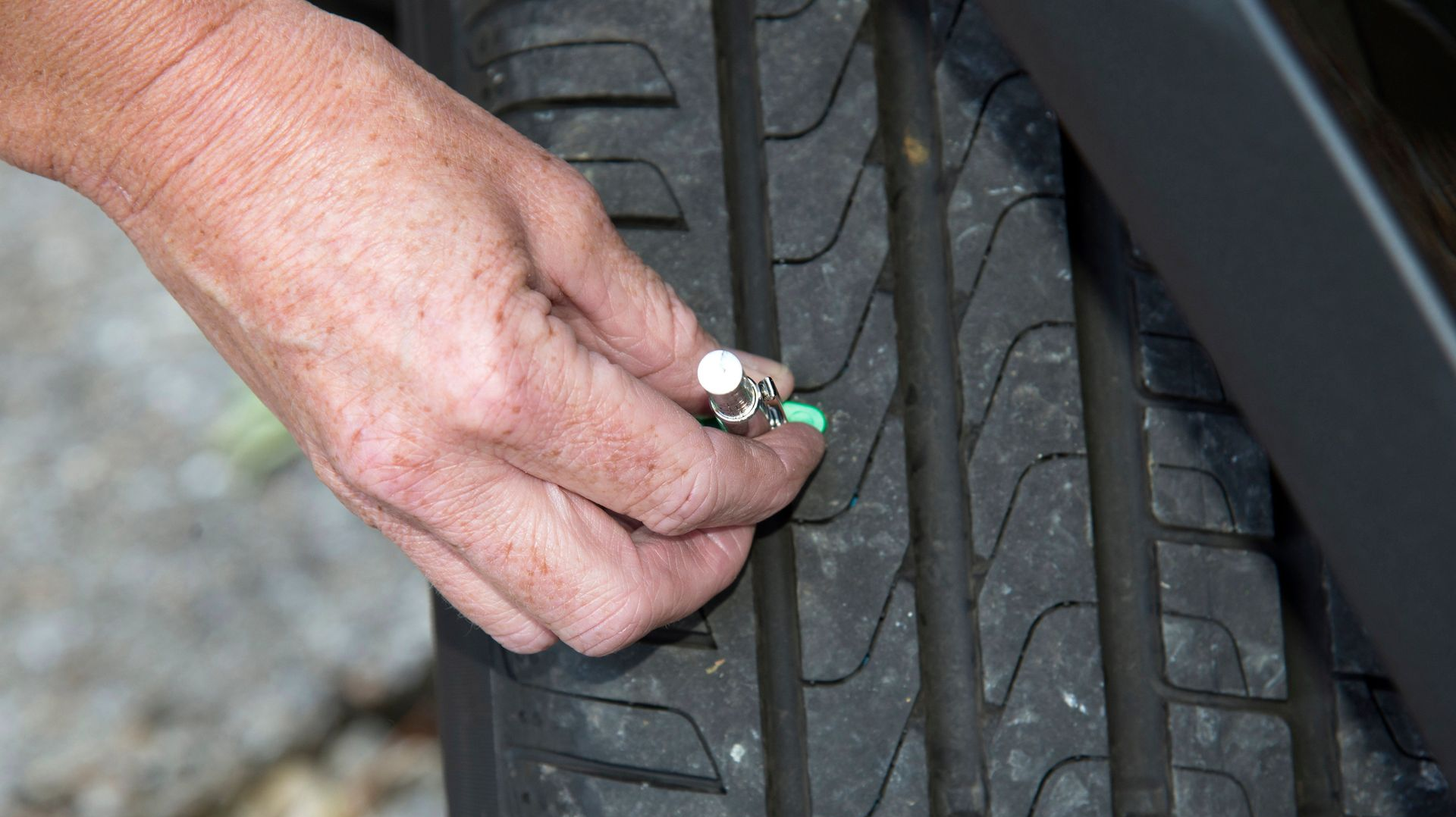
En la mayoría de los estados, la profundidad mínima legal del dibujo es de 2/32 de pulgada. Sin embargo, los expertos en seguridad recomiendan reemplazar los neumáticos antes de llegar a ese límite. Muchos profesionales sugieren hacerlo cuando la profundidad del dibujo alcanza 4/32 de pulgada, especialmente en regiones donde llueve con frecuencia.
Una forma sencilla de revisar el dibujo es la conocida “prueba del centavo”. Al insertar un centavo en la banda de rodadura con la cabeza de Lincoln hacia abajo, los conductores pueden obtener una indicación rápida de la profundidad del dibujo. Si se puede ver la parte superior de la cabeza de Lincoln, el neumático probablemente ya está demasiado desgastado para conducir con seguridad.
Aunque esta prueba puede ofrecer una guía básica, una inspección profesional proporciona una evaluación mucho más precisa.
Desgaste irregular de los neumáticos
Otro problema al que los conductores deben prestar atención es el desgaste irregular. Una mala alineación, una presión de aire incorrecta o problemas en la suspensión pueden hacer que ciertas partes del neumático se desgasten más rápido que otras.
El desgaste desigual puede reducir la tracción y acortar la vida útil del neumático. Las rotaciones y alineaciones regulares ayudan a distribuir el desgaste de manera uniforme y a maximizar la duración de los neumáticos.
La importancia de las inspecciones regulares
Los neumáticos son la única parte del vehículo que tiene contacto directo con la carretera. Por esta razón, su estado desempeña un papel fundamental en la seguridad general al conducir. Las inspecciones regulares ayudan a identificar neumáticos desgastados antes de que se vuelvan peligrosos.
En Raymond’s Tire Shop, ayudamos a los conductores a evaluar la profundidad del dibujo, revisar la presión de los neumáticos e identificar señales de desgaste irregular. Cuando el reemplazo se vuelve necesario, elegir los neumáticos adecuados para su vehículo garantiza una seguridad y un rendimiento óptimos.
Protéjase en la carretera
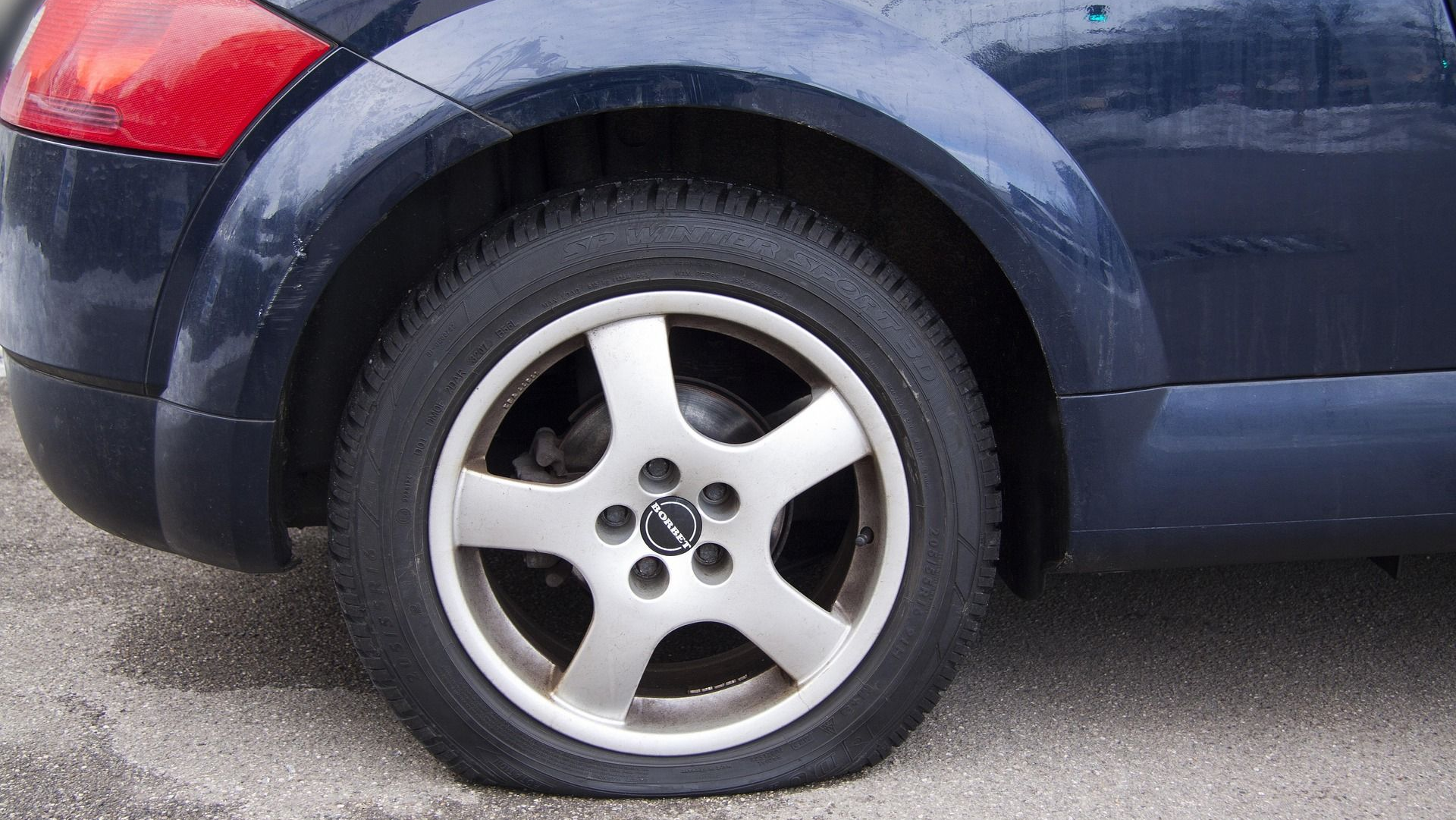
Conducir con neumáticos desgastados puede parecer un problema menor, pero aumenta significativamente el riesgo de accidentes, especialmente durante el clima lluvioso. Reemplazar los neumáticos en el momento adecuado protege su capacidad para frenar, girar y mantener el control del vehículo.
Si no está seguro sobre el estado de sus neumáticos, una inspección profesional puede brindarle tranquilidad. En Raymond’s Tire Shop, nuestro equipo está comprometido a ayudar a los conductores a mantenerse seguros con servicio experto de neumáticos y reemplazos de calidad cuando más se necesitan.