O que esperar de um serviço de balanceamento e alinhamento de pneus

Serviços simples que protegem seu carro

Se o seu veículo começou a apresentar um comportamento estranho — talvez uma leve vibração em altas velocidades ou o volante esteja em um ângulo incomum — pode ser hora de agendar um serviço de balanceamento e alinhamento de pneus. Embora sejam serviços diferentes, eles geralmente são realizados juntos, pois ambos afetam a dirigibilidade do carro, o desgaste dos pneus e a segurança na estrada.


Na Raymond’s Tire Shop, em Boston, oferecemos cuidados completos para pneus, incluindo balanceamento profissional e alinhamento de alta precisão. Neste artigo, explicamos o que envolve cada serviço, os sinais de que você deve ficar atento e por que manter esses cuidados em dia é uma das atitudes mais inteligentes para proteger seu veículo — e seu bolso.
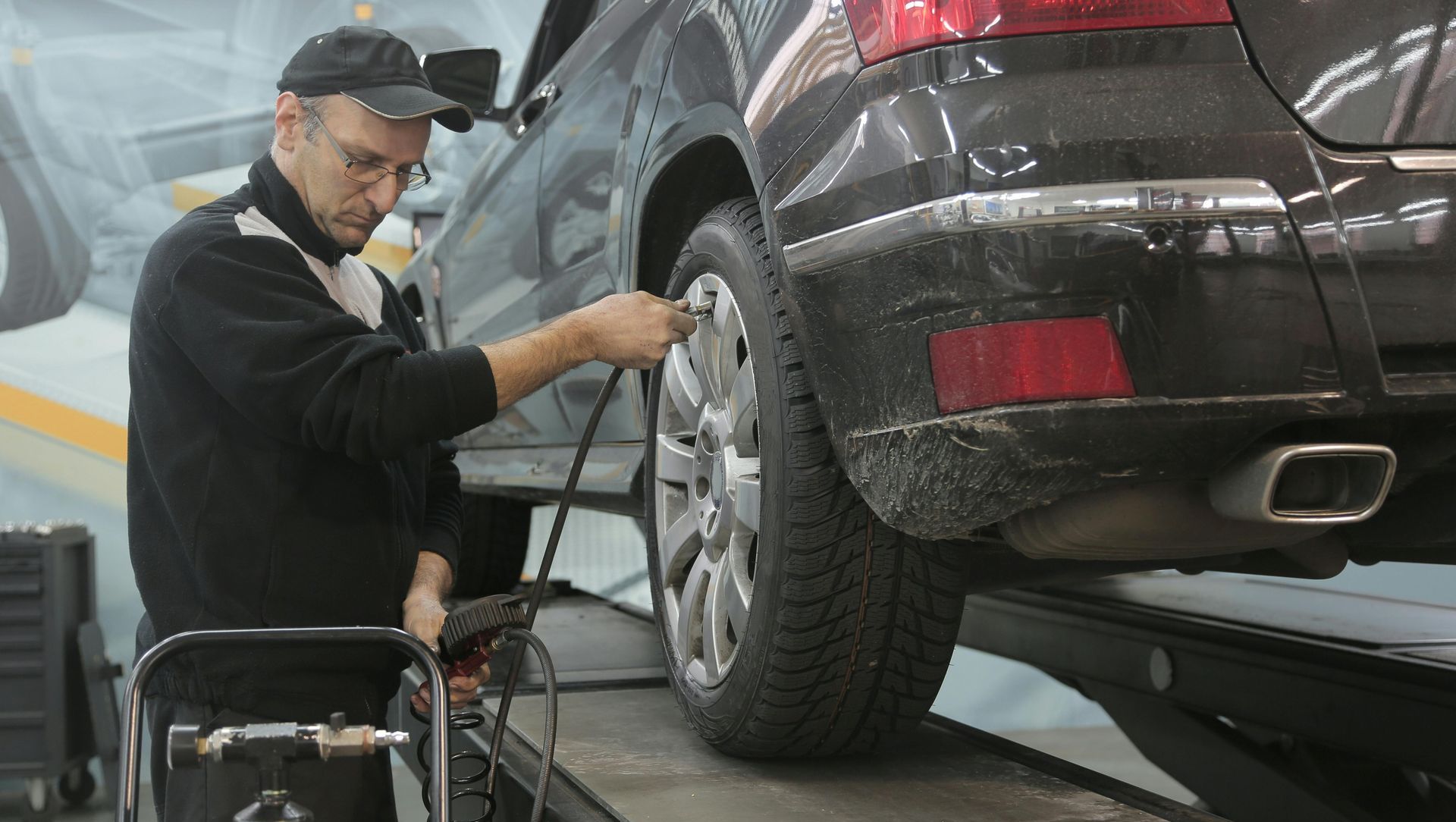
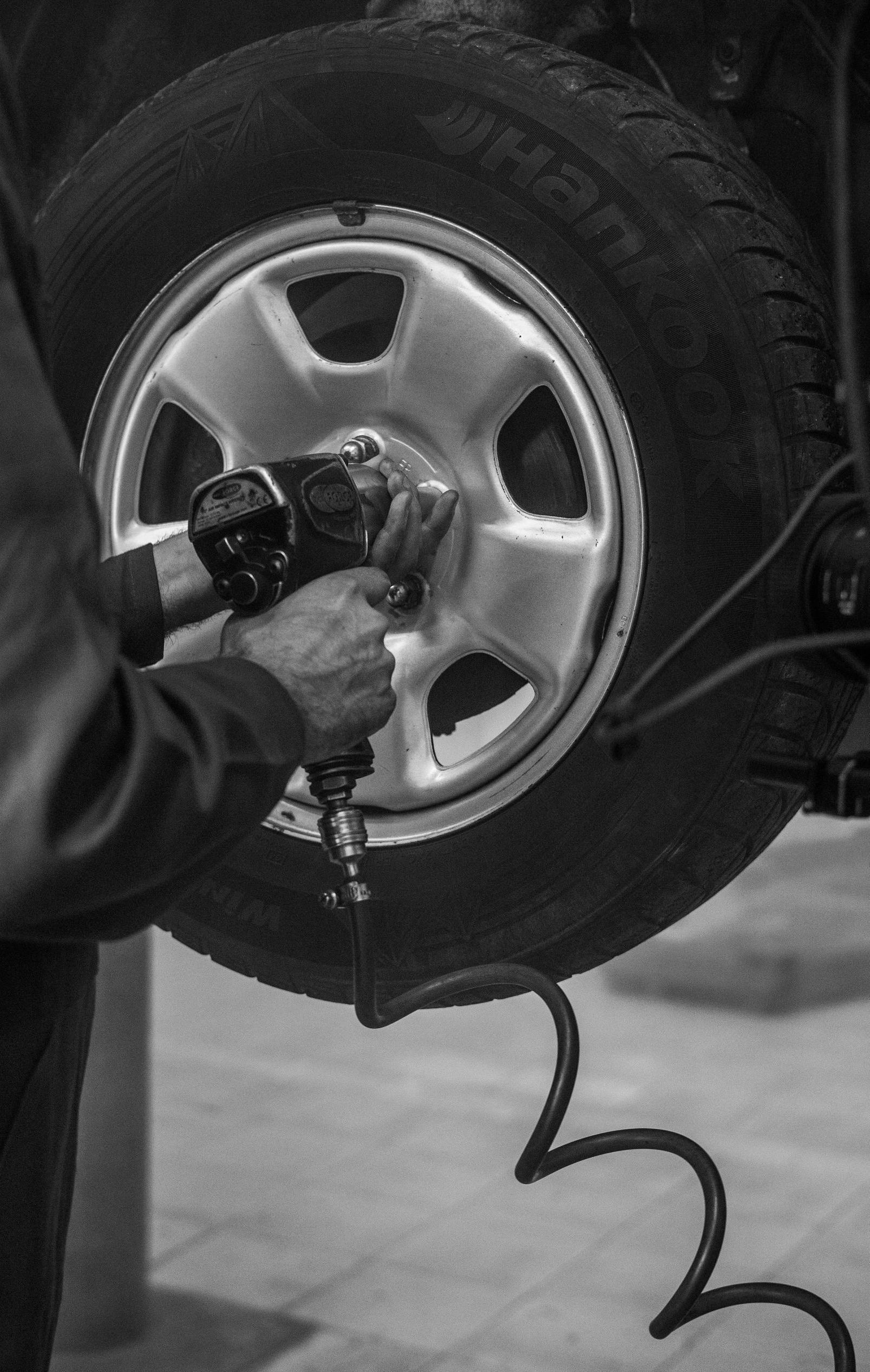
A man is changing a tire on a car in a garage.

Balanceamento de pneus: eliminando as vibrações

O que é?
O balanceamento corrige a distribuição desigual de peso nas rodas. Quando um pneu ou roda está mesmo que levemente mais pesado de um lado, pode causar vibrações perceptíveis ao dirigir, especialmente em velocidades elevadas.


Como funciona?
Nossos técnicos removem as rodas do seu veículo e as colocam em uma máquina de balanceamento computadorizada. Essa máquina gira cada roda para detectar desequilíbrios e nos indica exatamente onde aplicar pequenos pesos para corrigi-los. O resultado é uma condução mais suave, melhor economia de combustível e maior vida útil dos pneus.


Sinais de que você pode precisar desse serviço:

  • Vibrações no volante ou no banco ao dirigir
  • Desgaste irregular ou acelerado dos pneus
  • Ruídos ao dirigir, principalmente em certas velocidades


Mesmo pneus novos podem vir com pequenos desequilíbrios de fábrica, por isso o balanceamento é recomendado sempre que novos pneus forem instalados.
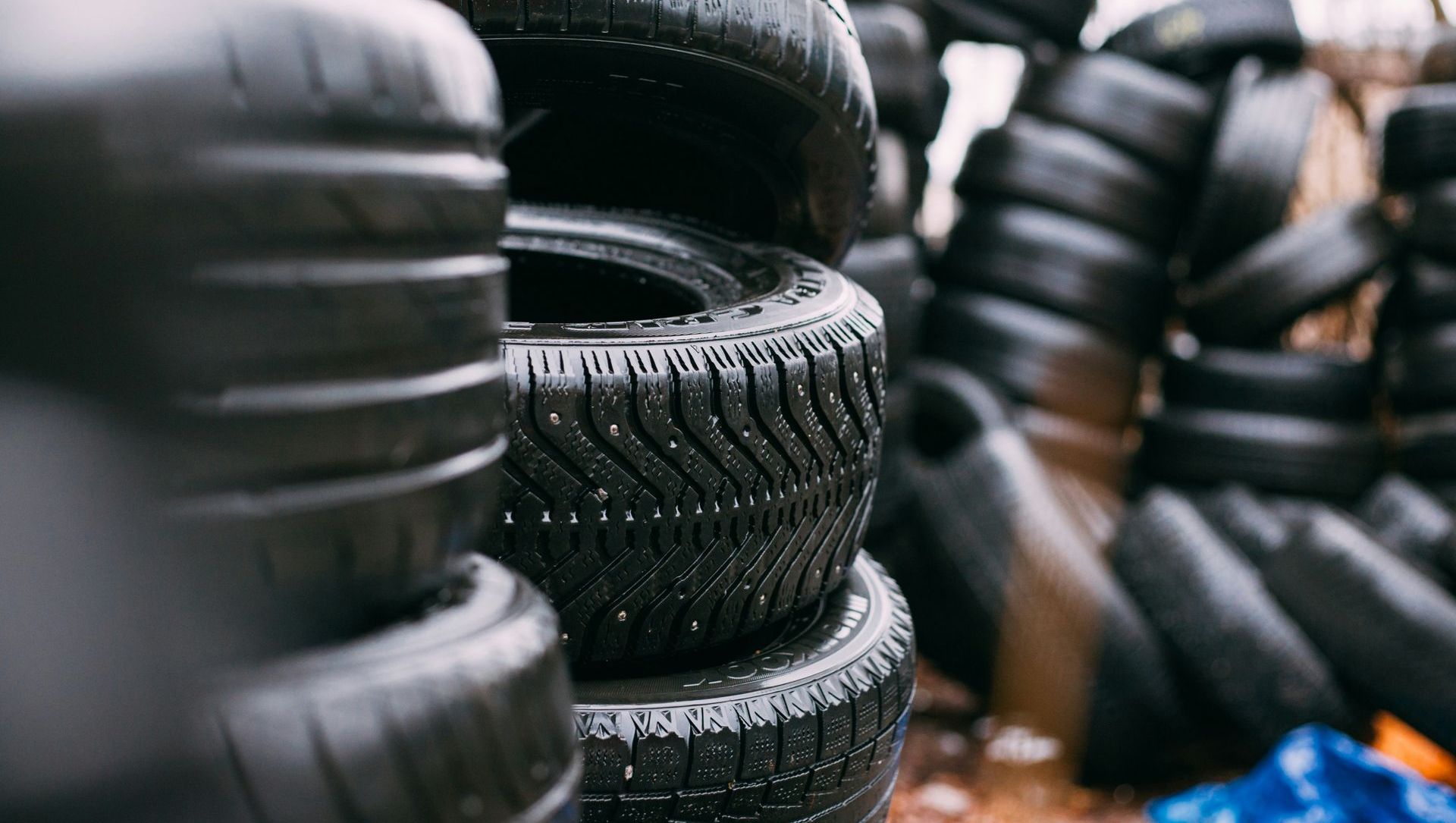
A pile of tires stacked on top of each other.

Alinhamento: mantendo o controle e a estabilidade

O que é?
O alinhamento se refere ao ângulo das rodas em relação à estrutura do carro e entre si. Quando o alinhamento está fora do ideal, o veículo pode puxar para um lado, a direção pode ficar solta e os pneus podem se desgastar de forma desigual e precoce.


Como funciona?
Utilizamos equipamentos modernos de alinhamento para medir e ajustar três ângulos principais:

  • Cambagem (inclinação da roda para dentro ou para fora)
  • Convergência/Divergência (Toe) (direção para onde os pneus apontam em relação ao centro do veículo)
  • Cáster (inclinação do eixo de direção de frente para trás)


Ao restaurar os ângulos conforme as especificações de fábrica, garantimos que os pneus toquem o solo de maneira uniforme e que o carro responda corretamente ao volante.


Sinais de que você pode precisar desse serviço:

  • O carro puxa para a esquerda ou para a direita ao dirigir em linha reta
  • Volante desalinhado (fora do centro)
  • Desgaste irregular ou com "dentes" nos pneus
  • Direção instável ou “folgada”


O alinhamento pode ser afetado por buracos (muito comuns em Boston), choques contra guias ou até pelo uso normal do veículo.
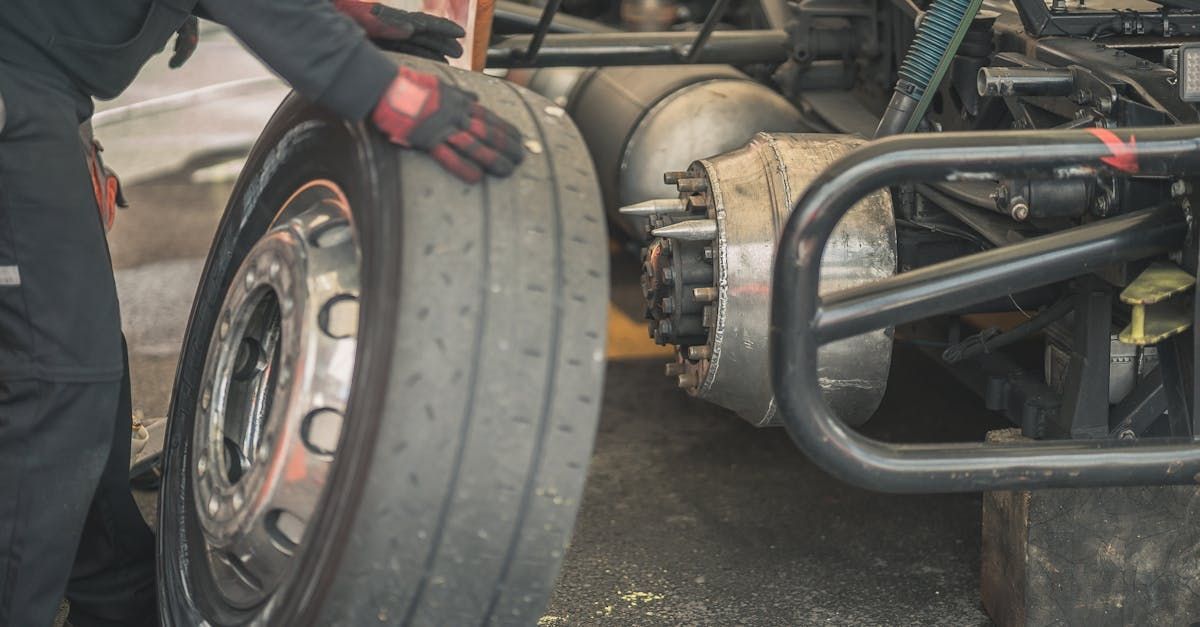
A man is changing a tire on a truck.

Por que esses serviços são importantes

Muitos motoristas pensam que o balanceamento e o alinhamento são opcionais, mas na verdade, são fundamentais para a durabilidade dos pneus e a segurança na condução. Pneus desbalanceados ou rodas desalinhadas podem reduzir a vida útil dos pneus em milhares de quilômetros, aumentar o desgaste de peças da suspensão e diminuir a eficiência de combustível do veículo.


A maioria dos fabricantes recomenda verificar o alinhamento uma vez por ano ou sempre que você notar alguma mudança no comportamento do carro. O balanceamento costuma ser feito a cada rodízio de pneus (cerca de 8.000 a 10.000 km), sempre que houver vibração ou ao instalar pneus novos.
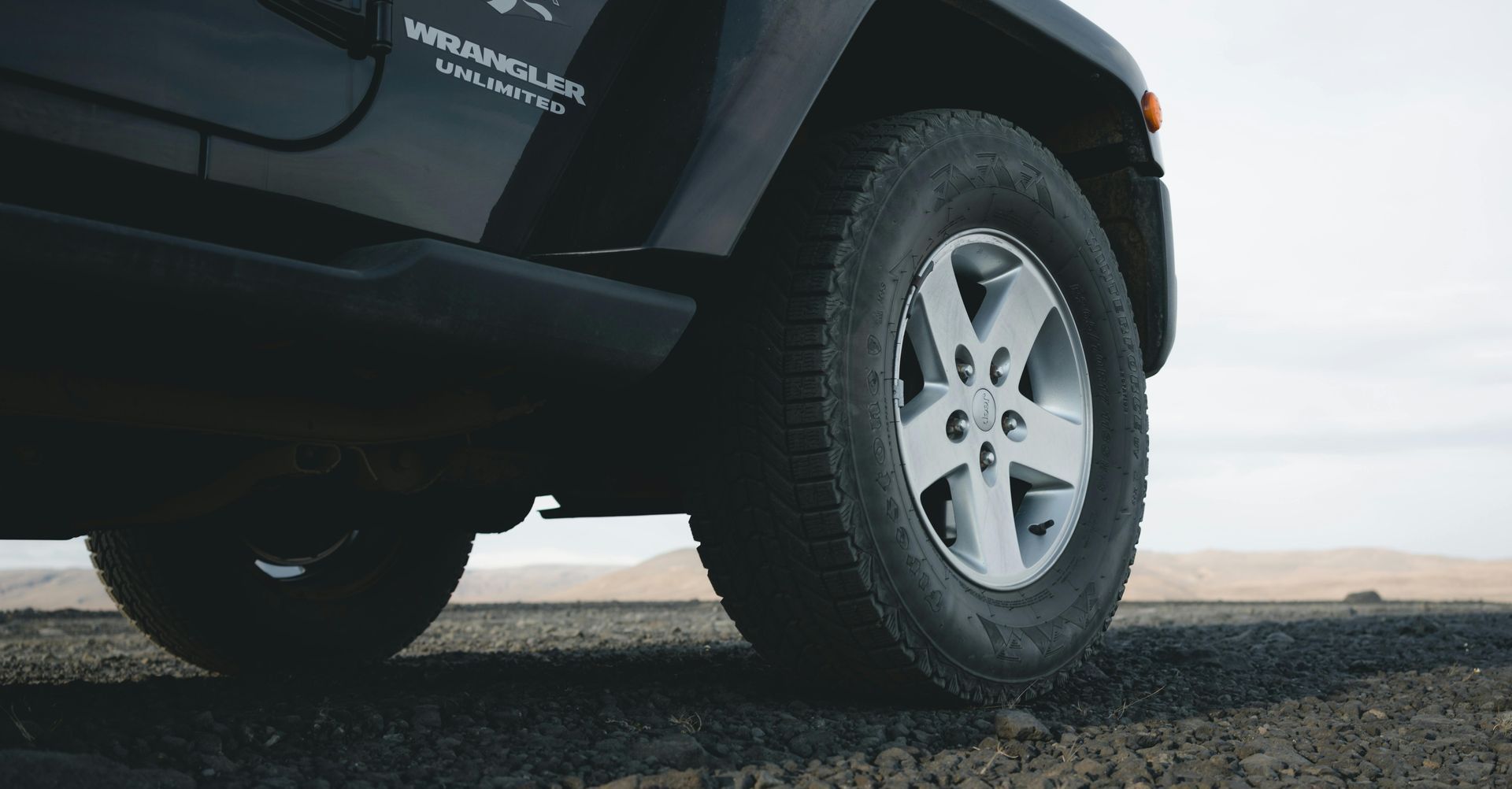
A black jeep is parked on the side of the road.

Serviço completo de pneus em Boston

Na Raymond’s Tire Shop, cuidamos da segurança e do conforto dos motoristas de Boston há anos. Seja por causa de uma vibração, desgaste acelerado dos pneus ou apenas para garantir tranquilidade, nossos técnicos estão prontos para ajudar.


Atendemos todos os modelos e marcas, e aceitamos clientes sem agendamento para a maioria dos serviços. Além disso, temos uma grande variedade de pneus novos e seminovos em estoque — se o balanceamento ou alinhamento revelar problemas maiores, temos a solução.


Visite a Raymond’s Tire Shop hoje mesmo ou ligue para agendar seu serviço de balanceamento e alinhamento. Seus pneus — e sua suspensão — vão agradecer.
A black and white photo of a man changing a tire
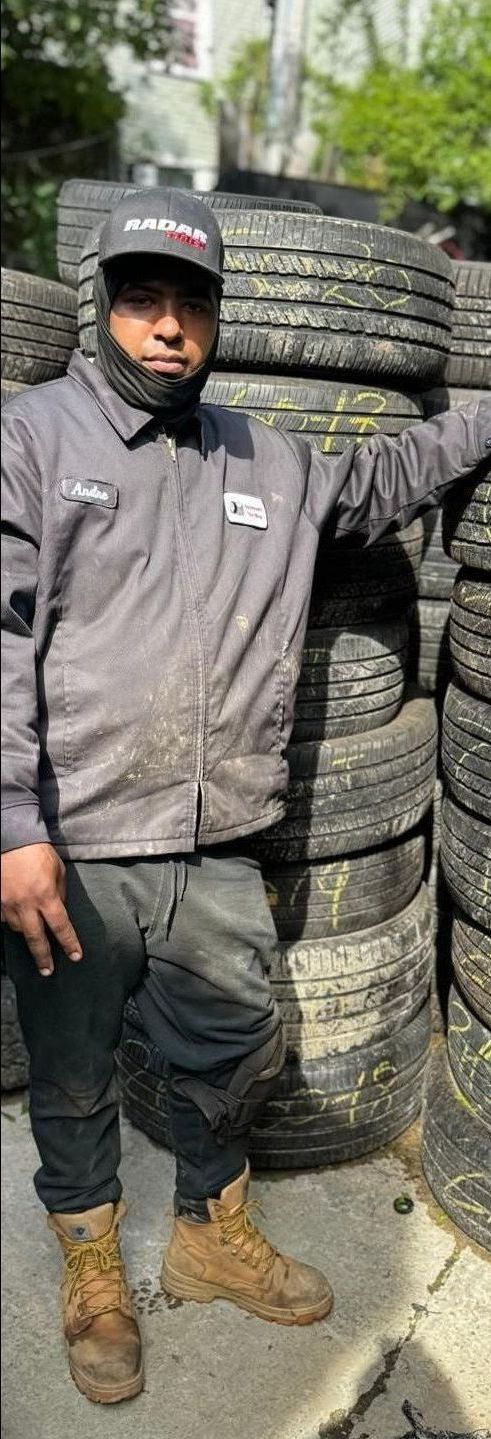
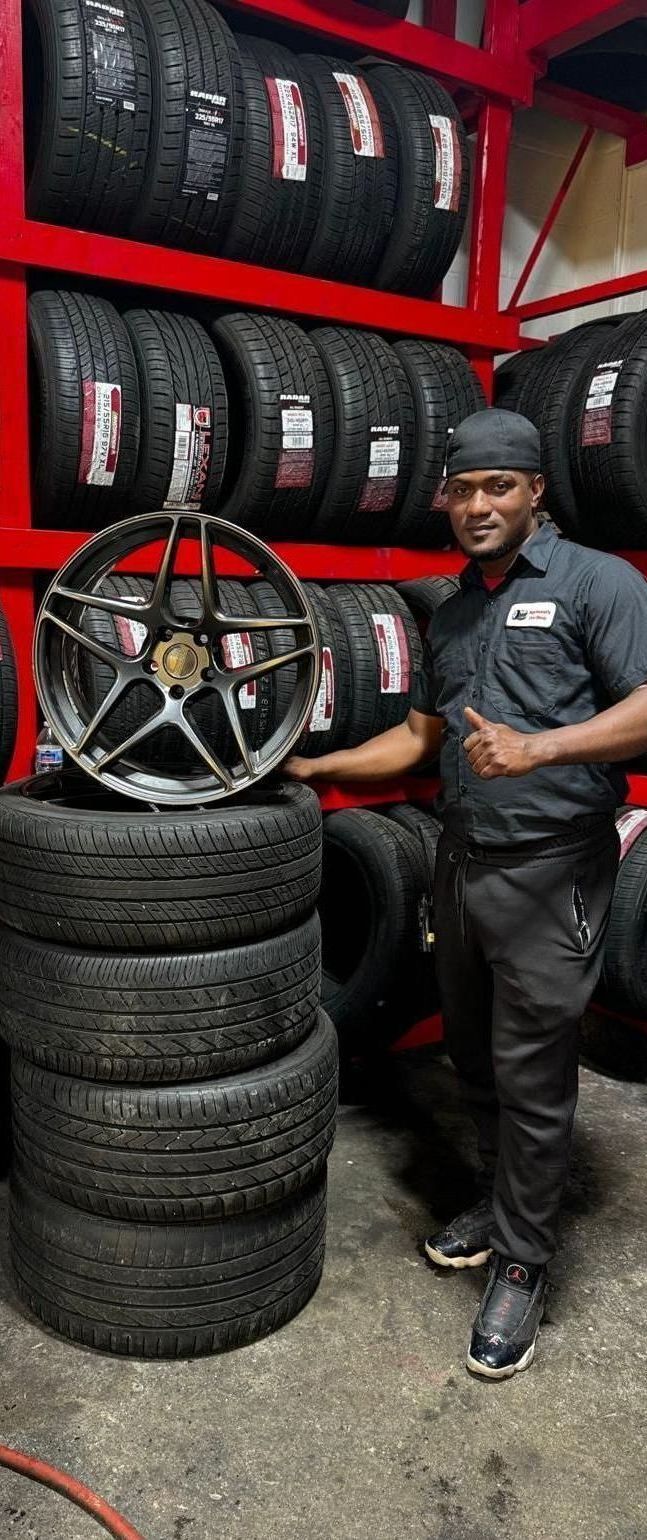
A man is standing next to a pile of tires in a tire shop.
A man is standing in front of a pile of tires.
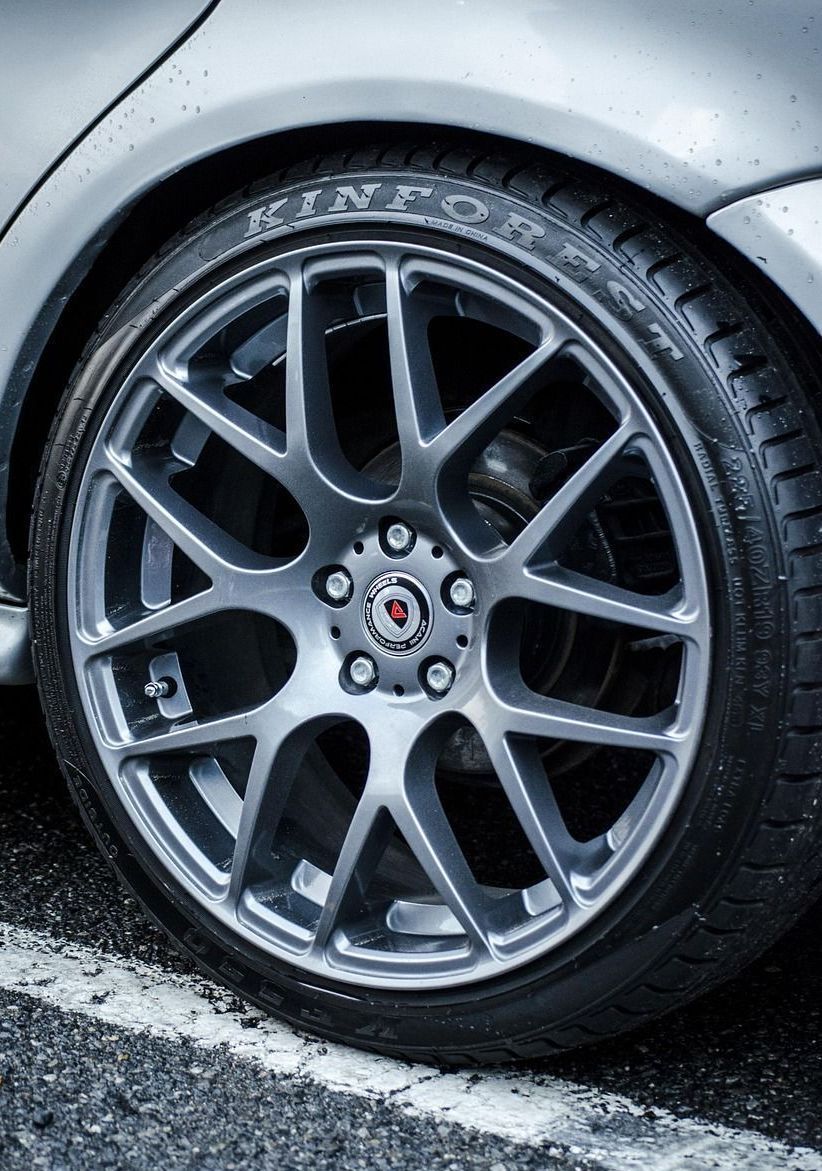
A close up of a car wheel with a tire on it.
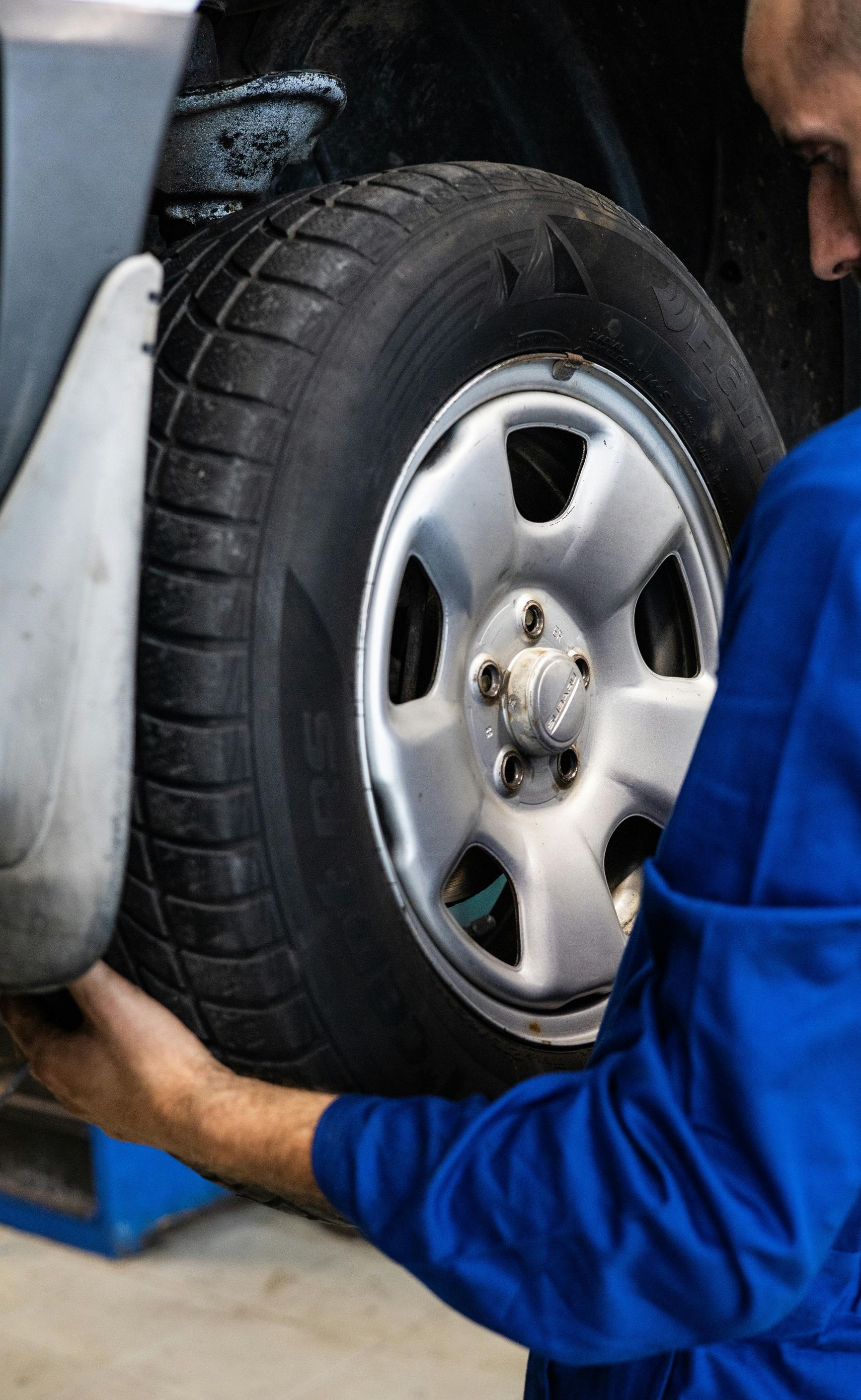
A man in a blue uniform is changing a tire on a car.
October 1, 2026
A hard pothole impact can do more than damage a tire. The force can also bend a wheel, especially if the pothole is deep, the vehicle is moving quickly, or the tire has a lower-profile sidewall with less cushioning between the road and rim. Sometimes the damage is obvious. In other cases, the wheel may look normal but cause vibration, air loss, or handling problems.  Knowing what to watch for after a pothole strike can help drivers catch wheel damage before it creates additional tire or suspension problems.
September 23, 2026
Most drivers are familiar with the tire pressure monitoring system , or TPMS, warning light. When it stays on steadily, it usually means one or more tires may be underinflated. A flashing TPMS light often means something different. Instead of simply warning about low tire pressure, a flashing light can indicate a problem with the monitoring system itself. That could involve a sensor, sensor battery, communication issue, or another TPMS-related fault.  Knowing the difference can help drivers avoid assuming that adding air will automatically solve the problem.
September 22, 2026
Tread depth is one of the first things drivers look at when deciding whether a tire still has life left. Deep grooves can make a tire appear healthy, especially if the vehicle is not driven very often. But tread is only part of the picture. Tires age even when they are not being used heavily. Over time, rubber compounds can harden, dry out, and become less flexible. That means an older tire may still have plenty of tread while no longer performing the way it did when it was newer. Rubber Changes With Age Tires are constantly exposed to oxygen, heat, sunlight, moisture, and changing temperatures. Those conditions gradually affect the rubber. As a tire ages, the material can lose some of its elasticity. That may reduce its ability to flex properly as it rolls and responds to the road. A tire that looks acceptable at a quick glance may therefore be significantly older than its appearance suggests. This is especially important for vehicles that accumulate very few miles each year.
September 11, 2026
A flat tire does not always mean the tire has to be replaced. In many cases, a small puncture can be repaired safely and returned to service. The key is where the puncture occurred, how large it is, and whether the tire suffered additional damage while losing air. That is why a professional inspection matters. Two punctures that lo ok similar from the outside may require completely different solutions once the tire is removed and examined internally. Location Matters Most One of the first things a technician looks at is where the puncture is located. Damage in the central tread area is often the best candidate for repair. This part of the tire is designed to handle contact with the road and can sometimes be repaired when the puncture is small and otherwise straightforward. Punctures near the shoulder or sidewall are much more concerning.  These areas flex significantly while the tire is moving and cannot usually be repaired safely using standard puncture-repair methods. If a nail, screw, or other object damages the sidewall or outer shoulder, replacement is often the safer option.
September 6, 2026
A wheel alignment can correct important steering and tire-angle settings, but the alignment itself depends on the suspension being in good mechanical condition. If ball joints, tie rods, control arm bushings, wheel bearings, or other components are worn, the wheels may not stay in the position the technician sets.  That is why some vehicles continue pulling , wearing tires unevenly, or developing an off-center steering wheel even after an alignment. In those cases, the problem may not be the alignment machine or the adjustment. It may be worn suspension or steering components underneath the vehicle.
August 28, 2026
When a tire repeatedly loses air but there is no obvious nail, screw, or visible puncture, the problem may be where the tire meets the wheel. This area is known as the tire bead, and a poor seal between the bead and the rim can allow air to escape gradually. Tire bead leaks are a common cause of slow pressure loss. Understanding why they happen can help drivers recognize when a tire needs professional inspection rather than repeatedly adding air. What Is the Tire Bead? The bead is the reinforced inner edge of the tire that sits tightly against the wheel rim. When a tire is properly mounted and inflated, air pressure helps hold the bead securely against the wheel, creating an airtight seal. If that sealing surface becomes damaged, dirty, corroded, or distorted, a small pathway can develop for air to escape.  Because these leaks may be very small, the tire can lose pressure over several days or weeks rather than going flat immediately.