Qué esperar de un servicio de balanceo y alineación de llantas

Los servicios sencillos que protegen tu auto y tus llantas

Si tu vehículo ha comenzado a sentirse un poco raro — tal vez hay una ligera vibración a altas velocidades o el volante está en un ángulo extraño — puede ser momento de programar un servicio de balanceo y alineación de llantas. Aunque son dos servicios distintos, a menudo se realizan juntos porque ambos afectan cómo se comporta tu auto, cómo se desgastan las llantas y qué tan seguro es tu vehículo en la carretera.


En Raymond’s Tire Shop en Boston, ofrecemos un cuidado completo de llantas, incluyendo balanceo profesional y alineaciones de precisión. En este artículo, te explicaremos en qué consiste cada servicio, qué señales debes observar y por qué mantenerlos al día es una de las decisiones más inteligentes que puedes tomar por tu vehículo — y por tu bolsillo.

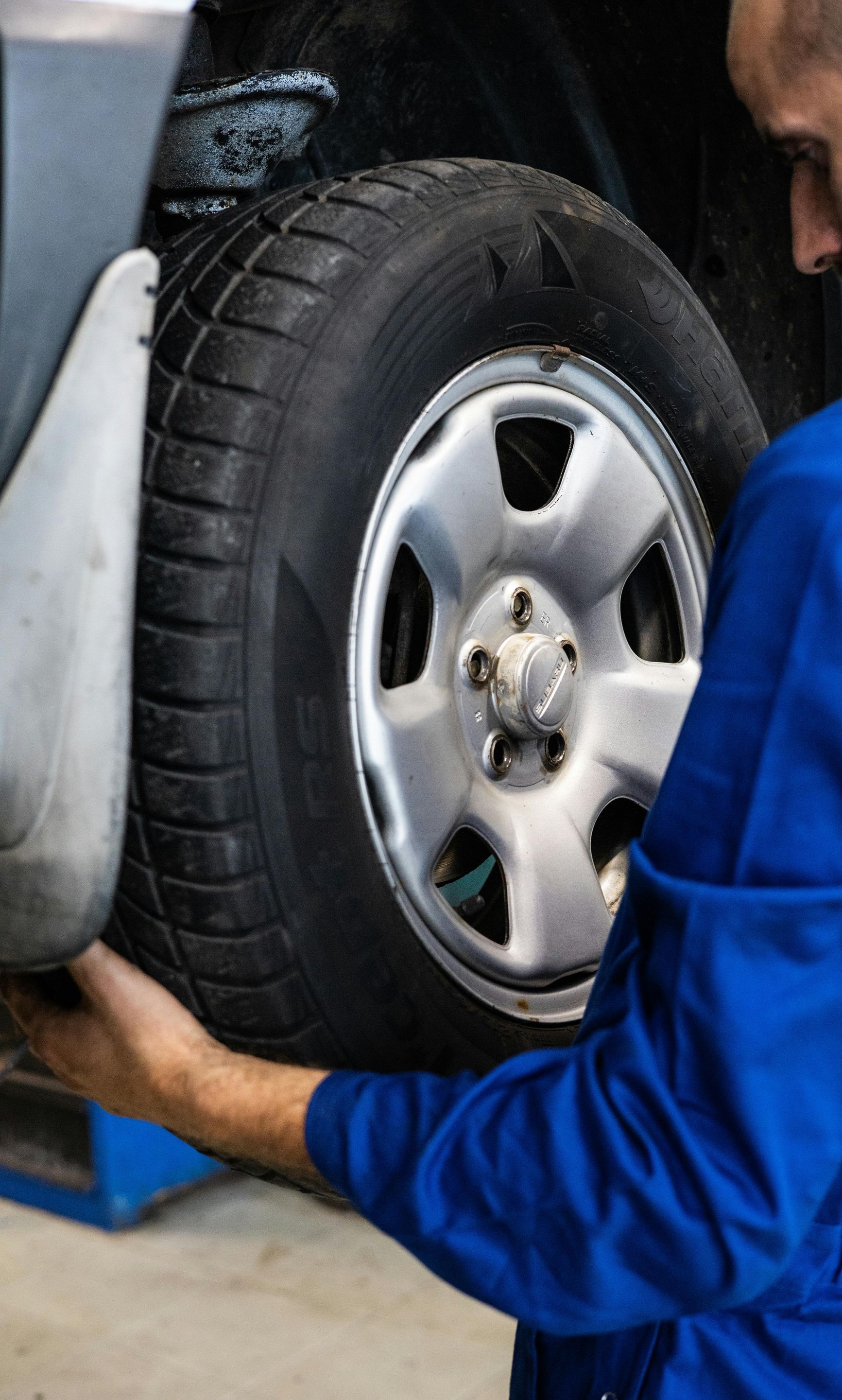
A man is changing a tire on a car in a garage.

Balanceo de llantas: Solucionando la vibración

¿Qué es?
El balanceo de llantas corrige la distribución desigual del peso en tus ruedas. Cuando una llanta o rueda es incluso ligeramente más pesada de un lado, puede causar una vibración perceptible al conducir, especialmente a altas velocidades.


¿Cómo funciona?
Nuestros técnicos retiran las ruedas de tu vehículo y las montan en una máquina balanceadora computarizada. Esta máquina gira cada rueda para detectar desequilibrios y luego nos indica exactamente dónde colocar pequeños pesos para corregirlos. El resultado es un viaje más suave, mejor rendimiento de combustible y mayor duración de las llantas.


Señales de que podrías necesitarlo:

  • Vibraciones en el volante o el asiento mientras conduces
  • Desgaste desigual o rápido de las llantas
  • Ruido excesivo al conducir, especialmente a ciertas velocidades


Incluso las llantas nuevas pueden venir ligeramente desbalanceadas de fábrica, por lo que se recomienda balancearlas cada vez que se instalan nuevas.

A pile of tires stacked on top of each other.

Alineación de ruedas: manteniéndote recto y estable

¿Qué es?
La alineación se refiere al ángulo de las ruedas en relación con el marco del auto y entre sí. Cuando la alineación está desajustada, el vehículo puede jalar hacia un lado, el volante puede sentirse suelto o las llantas pueden desgastarse de forma irregular y prematura.


¿Cómo funciona?
Utilizamos equipos de alineación de última generación para medir y ajustar tres ángulos clave:

  • Camber (inclinación hacia adentro o hacia afuera de la rueda)
  • Toe (dirección en la que apuntan las llantas respecto al centro)
  • Caster (inclinación del eje de dirección de adelante hacia atrás)


Al restablecer la alineación de tus ruedas según las especificaciones de fábrica, aseguramos que las llantas toquen el camino de forma uniforme y que el auto maneje correctamente.


Señales de que podrías necesitarlo:

  • El auto se desvía a la izquierda o derecha al conducir en línea recta
  • El volante no está centrado
  • Desgaste irregular o con bordes en las llantas
  • Manejo deficiente o volante flojo


La alineación puede verse afectada por baches (muy comunes en Boston), al golpear un bordillo, o por el desgaste normal con el tiempo.
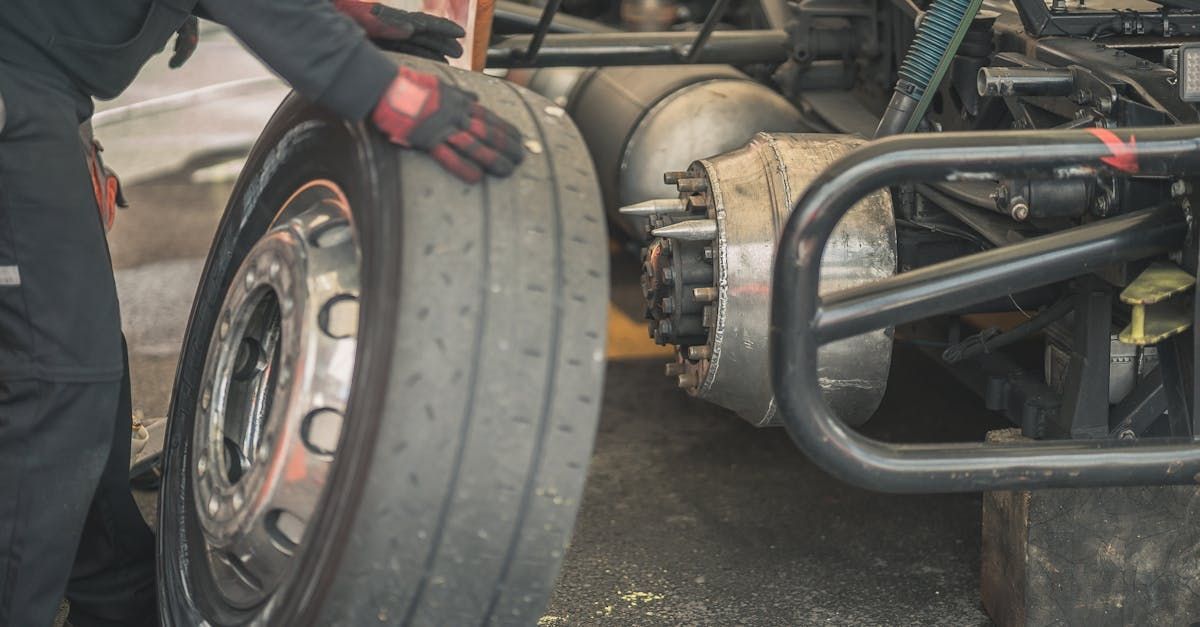
A man is changing a tire on a truck.

Por qué estos servicios son importantes

Aunque muchos conductores piensan que el balanceo y la alineación son opcionales, la verdad es que son fundamentales para la duración de las llantas y la seguridad al conducir. Ruedas desalineadas o llantas desbalanceadas pueden reducir la vida útil de tus llantas en miles de millas, aumentar el desgaste en los componentes de suspensión y disminuir la eficiencia de combustible de tu vehículo.


La mayoría de los fabricantes recomiendan revisar la alineación una vez al año o cada vez que notes un cambio en cómo se comporta tu auto. El balanceo se realiza comúnmente con cada rotación de llantas (cada 8,000 a 10,000 km aproximadamente), o siempre que sientas vibraciones o instales llantas nuevas.
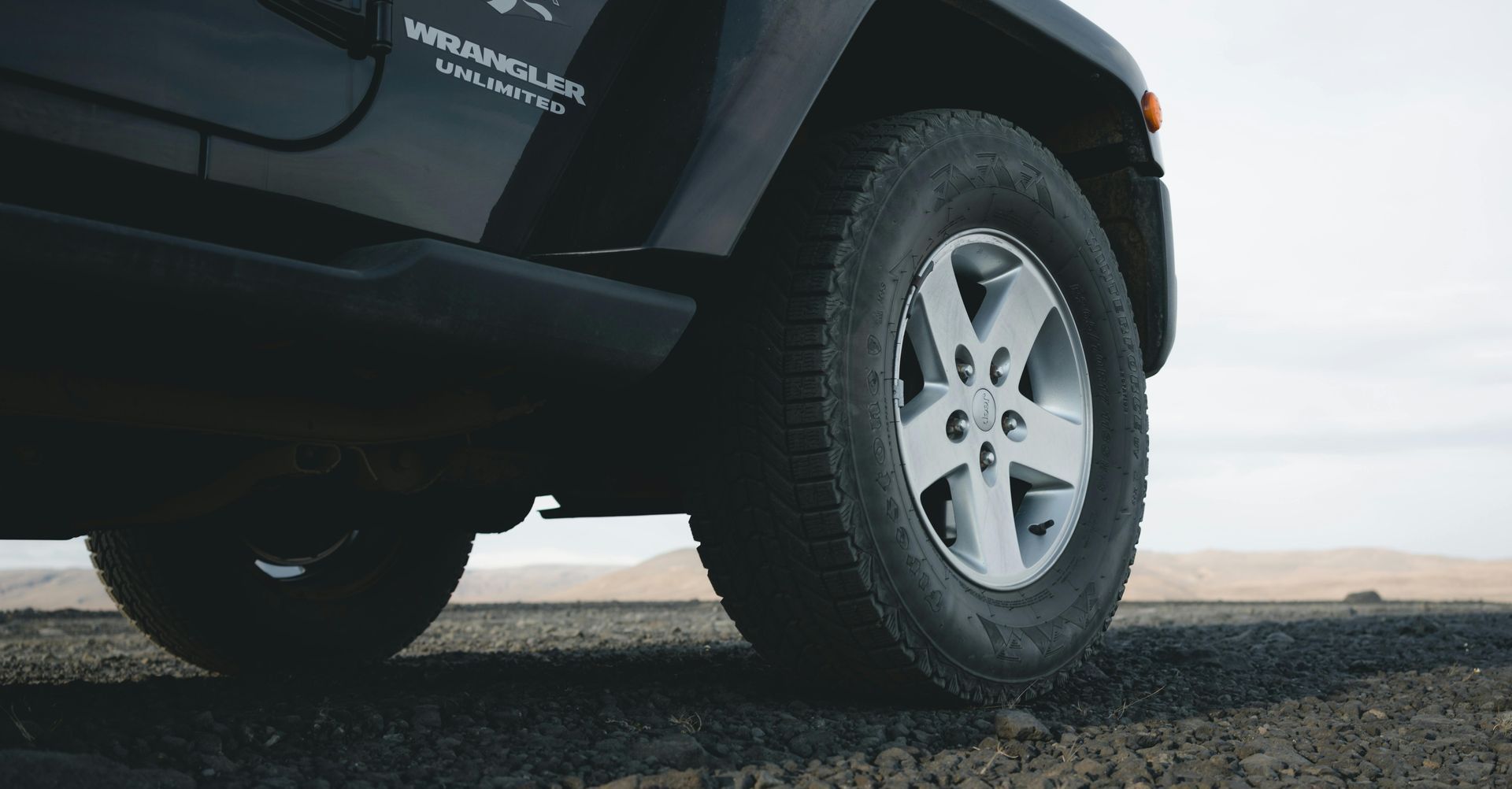
A black jeep is parked on the side of the road.

Servicio completo de llantas en Boston

En Raymond’s Tire Shop, llevamos años ayudando a los conductores de Boston a mantenerse seguros y cómodos. Ya sea que notes una vibración, que tus llantas se estén desgastando demasiado rápido, o simplemente quieras tranquilidad, nuestros técnicos están aquí para ayudarte.


Atendemos todos los modelos y marcas, y ofrecemos disponibilidad sin cita previa para la mayoría de los servicios.

Además, contamos con una amplia selección de llantas nuevas y usadas en inventario, así que si el balanceo o alineación revelan problemas mayores, también podemos ayudarte.


Visítanos hoy en Raymond’s Tire Shop o llama para programar tu servicio de balanceo y alineación. Tus llantas — y tu suspensión — te lo agradecerán.
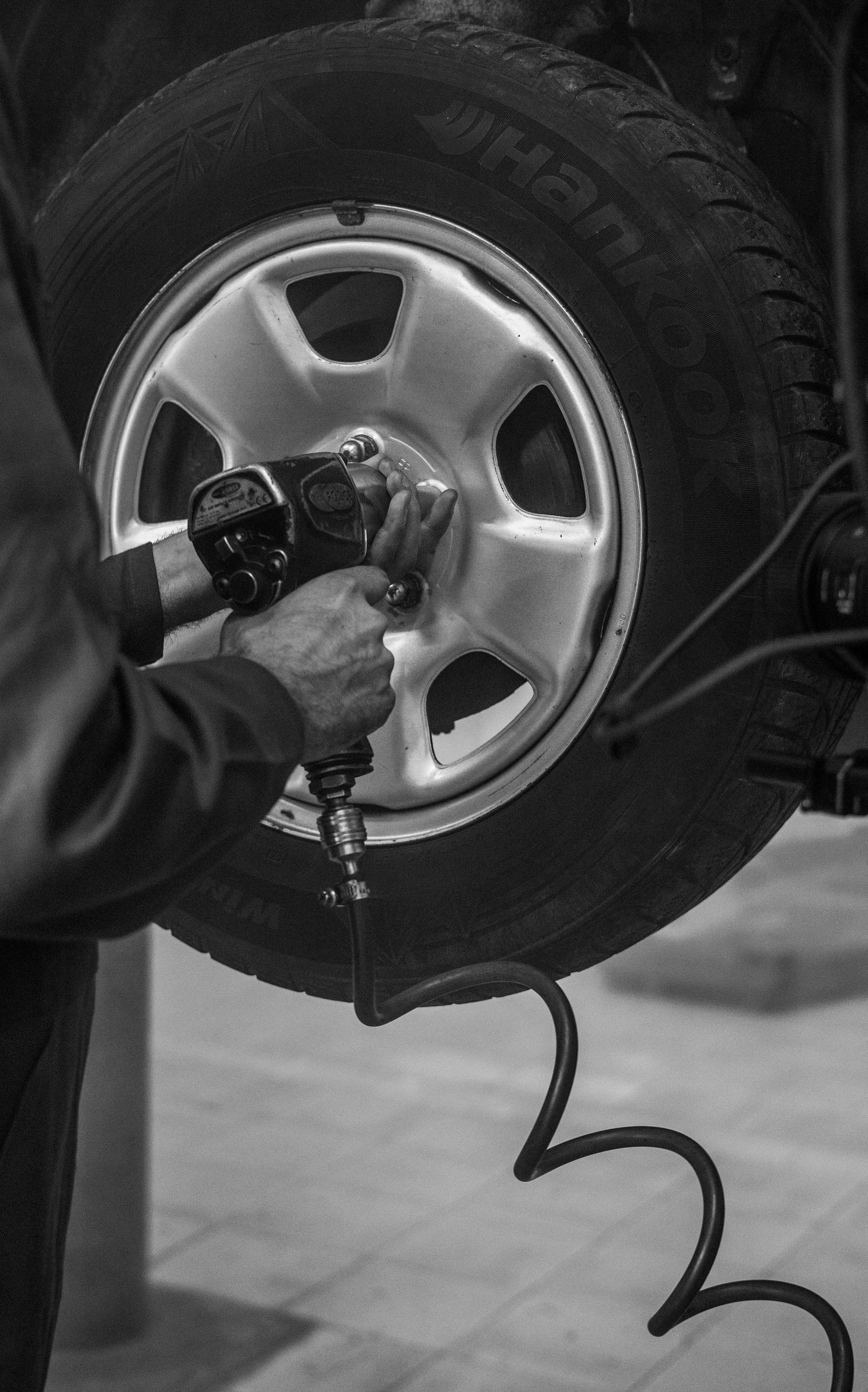
A black and white photo of a man changing a tire
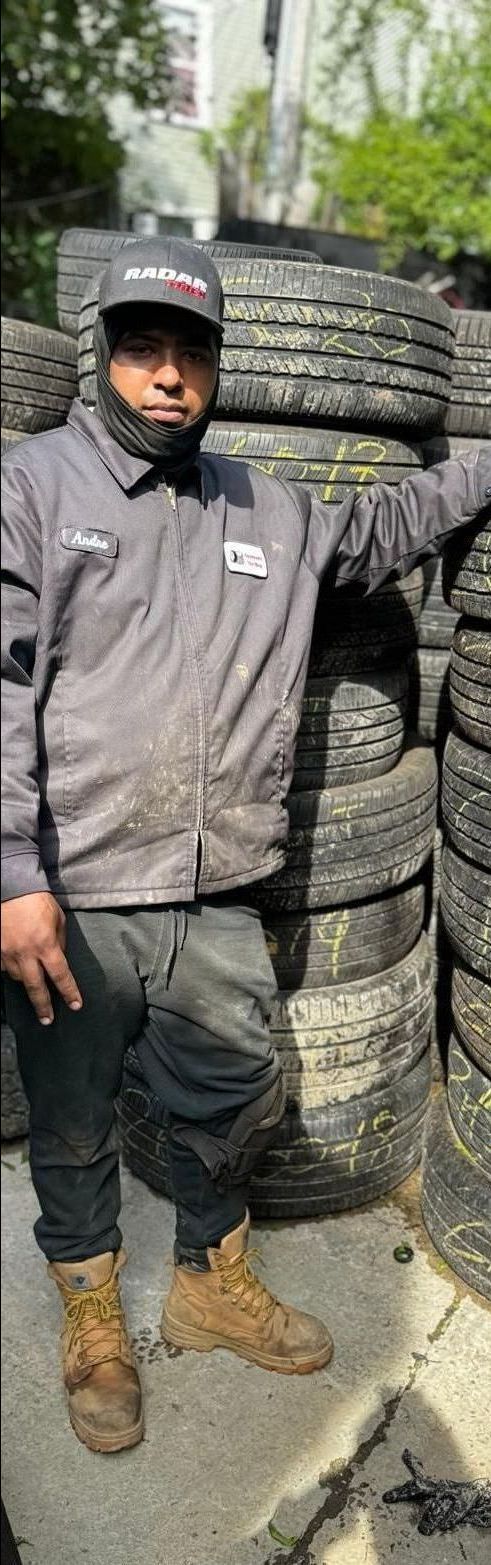
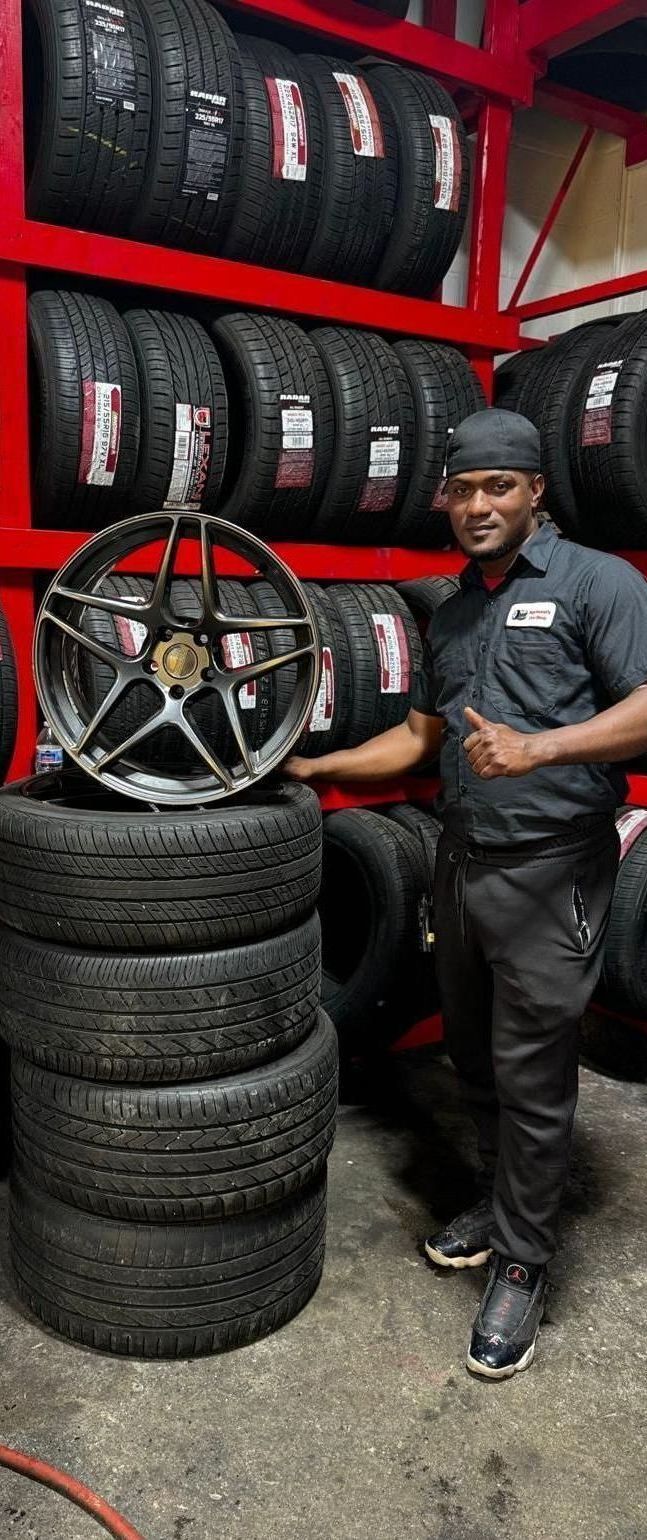
A man is standing next to a pile of tires in a tire shop.
A man is standing in front of a pile of tires.
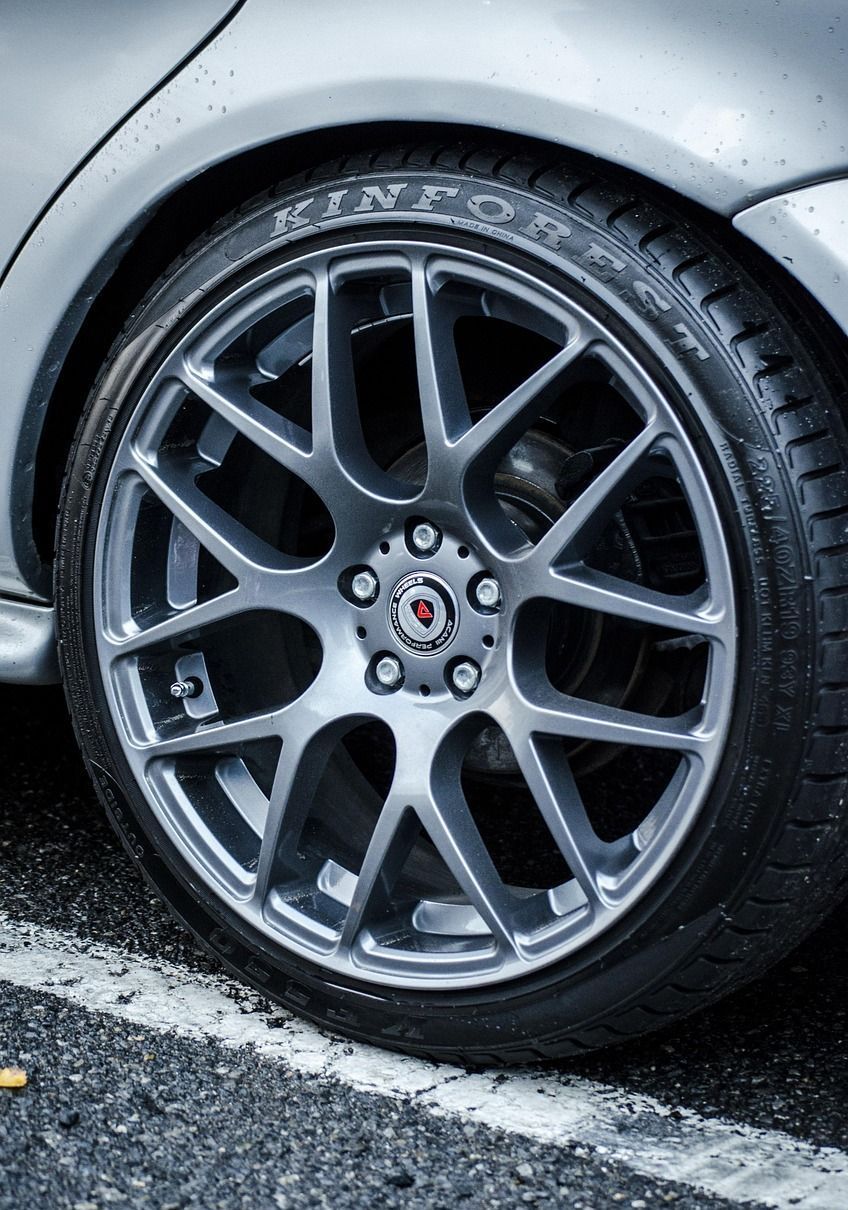
A close up of a car wheel with a tire on it.
A man in a blue uniform is changing a tire on a car.
October 1, 2026
A hard pothole impact can do more than damage a tire. The force can also bend a wheel, especially if the pothole is deep, the vehicle is moving quickly, or the tire has a lower-profile sidewall with less cushioning between the road and rim. Sometimes the damage is obvious. In other cases, the wheel may look normal but cause vibration, air loss, or handling problems.  Knowing what to watch for after a pothole strike can help drivers catch wheel damage before it creates additional tire or suspension problems.
September 23, 2026
Most drivers are familiar with the tire pressure monitoring system , or TPMS, warning light. When it stays on steadily, it usually means one or more tires may be underinflated. A flashing TPMS light often means something different. Instead of simply warning about low tire pressure, a flashing light can indicate a problem with the monitoring system itself. That could involve a sensor, sensor battery, communication issue, or another TPMS-related fault.  Knowing the difference can help drivers avoid assuming that adding air will automatically solve the problem.
September 22, 2026
Tread depth is one of the first things drivers look at when deciding whether a tire still has life left. Deep grooves can make a tire appear healthy, especially if the vehicle is not driven very often. But tread is only part of the picture. Tires age even when they are not being used heavily. Over time, rubber compounds can harden, dry out, and become less flexible. That means an older tire may still have plenty of tread while no longer performing the way it did when it was newer. Rubber Changes With Age Tires are constantly exposed to oxygen, heat, sunlight, moisture, and changing temperatures. Those conditions gradually affect the rubber. As a tire ages, the material can lose some of its elasticity. That may reduce its ability to flex properly as it rolls and responds to the road. A tire that looks acceptable at a quick glance may therefore be significantly older than its appearance suggests. This is especially important for vehicles that accumulate very few miles each year.
September 11, 2026
A flat tire does not always mean the tire has to be replaced. In many cases, a small puncture can be repaired safely and returned to service. The key is where the puncture occurred, how large it is, and whether the tire suffered additional damage while losing air. That is why a professional inspection matters. Two punctures that lo ok similar from the outside may require completely different solutions once the tire is removed and examined internally. Location Matters Most One of the first things a technician looks at is where the puncture is located. Damage in the central tread area is often the best candidate for repair. This part of the tire is designed to handle contact with the road and can sometimes be repaired when the puncture is small and otherwise straightforward. Punctures near the shoulder or sidewall are much more concerning.  These areas flex significantly while the tire is moving and cannot usually be repaired safely using standard puncture-repair methods. If a nail, screw, or other object damages the sidewall or outer shoulder, replacement is often the safer option.
September 6, 2026
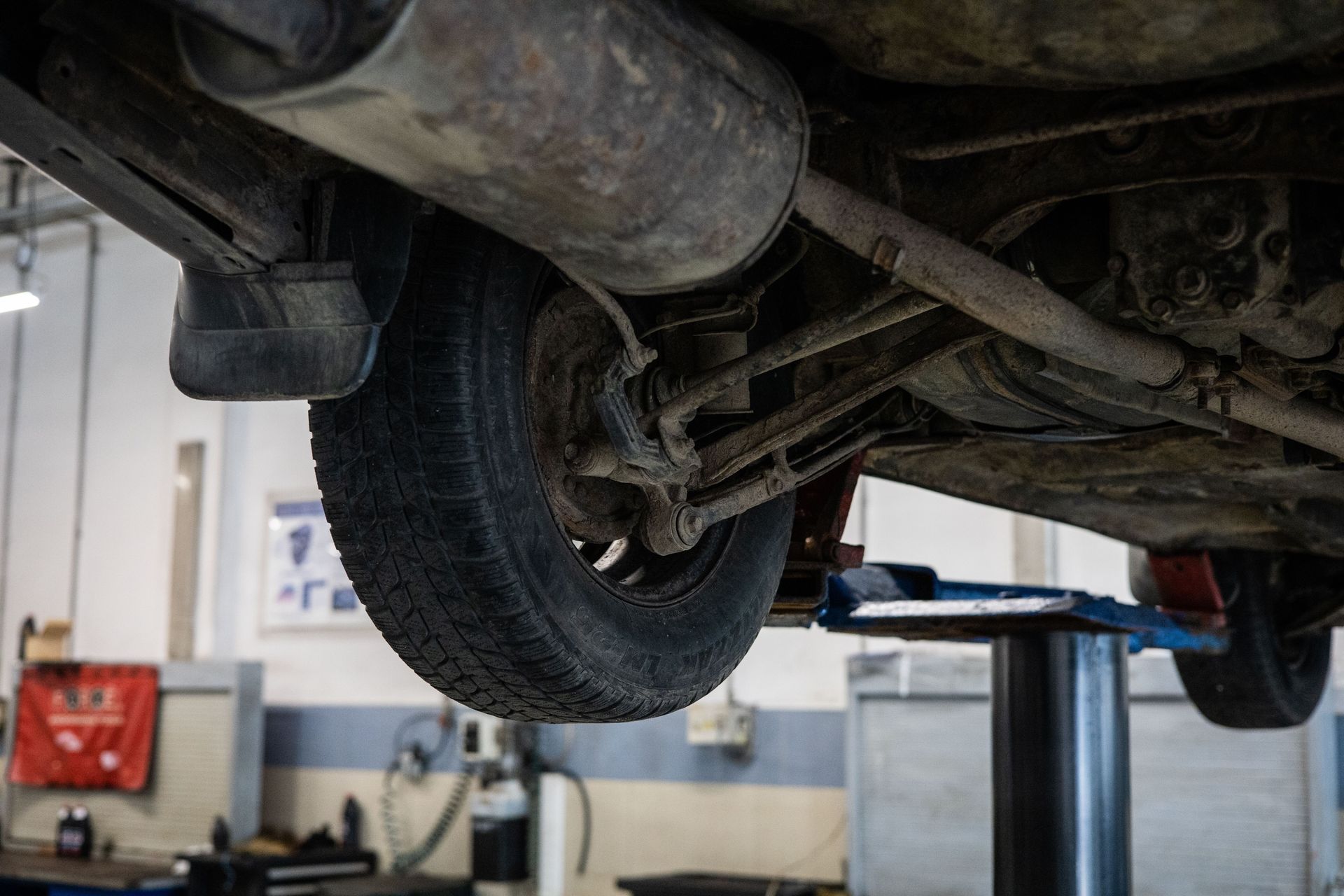
A wheel alignment can correct important steering and tire-angle settings, but the alignment itself depends on the suspension being in good mechanical condition. If ball joints, tie rods, control arm bushings, wheel bearings, or other components are worn, the wheels may not stay in the position the technician sets.  That is why some vehicles continue pulling , wearing tires unevenly, or developing an off-center steering wheel even after an alignment. In those cases, the problem may not be the alignment machine or the adjustment. It may be worn suspension or steering components underneath the vehicle.
August 28, 2026
When a tire repeatedly loses air but there is no obvious nail, screw, or visible puncture, the problem may be where the tire meets the wheel. This area is known as the tire bead, and a poor seal between the bead and the rim can allow air to escape gradually. Tire bead leaks are a common cause of slow pressure loss. Understanding why they happen can help drivers recognize when a tire needs professional inspection rather than repeatedly adding air. What Is the Tire Bead? The bead is the reinforced inner edge of the tire that sits tightly against the wheel rim. When a tire is properly mounted and inflated, air pressure helps hold the bead securely against the wheel, creating an airtight seal. If that sealing surface becomes damaged, dirty, corroded, or distorted, a small pathway can develop for air to escape.  Because these leaks may be very small, the tire can lose pressure over several days or weeks rather than going flat immediately.