¿Qué hace que un neumático sea apto para circular? Tu lista de verificación antes de salir de viaje

Vacaciones seguras comienzan con neumáticos en buen estado

Ya sea que salgas de Boston para un fin de semana en la playa o tomes la ruta larga por las carreteras panorámicas de Nueva Inglaterra, tus neumáticos son lo primero entre tu vehículo y la carretera. Los neumáticos desgastados o dañados pueden convertir rápidamente unas vacaciones de verano en una situación costosa o peligrosa. La buena noticia es que una inspección rápida antes de salir puede ayudarte a evitar la mayoría de los problemas.


Aquí tienes una lista de verificación confiable y directa para determinar si tus neumáticos están realmente listos para la carretera antes de tu próximo viaje.

A red car is parked in front of a corn field

1. Profundidad de la banda de rodadura: no escatimes en tracción

La banda de rodadura es lo que le da agarre a tus neumáticos, especialmente en carreteras mojadas. Si es demasiado superficial, el riesgo de hidroplaneo aumenta y la distancia de frenado puede incrementarse significativamente.


Cómo verificarlo:
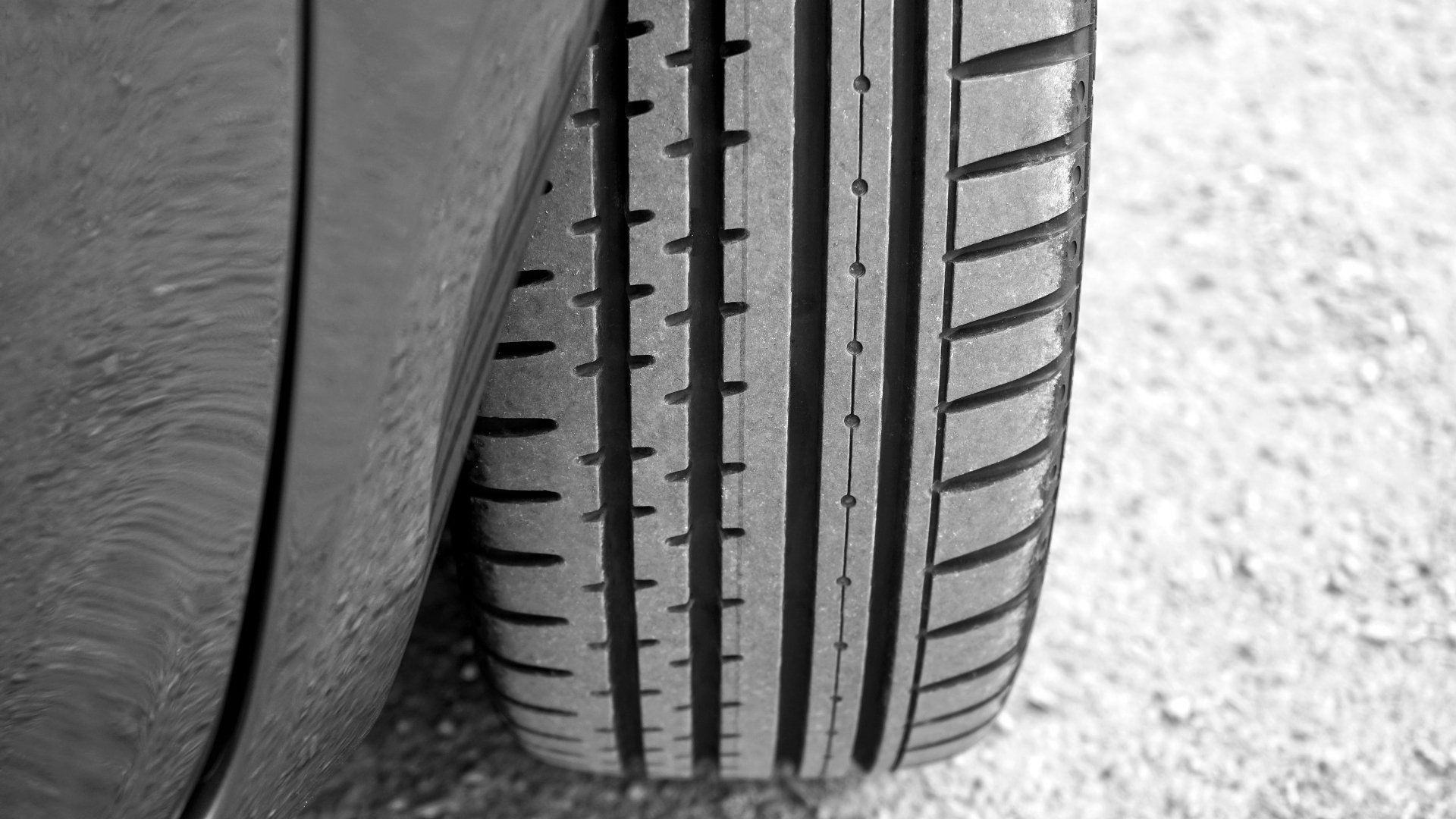
Usa un medidor de profundidad o una moneda. Inserta la moneda en la banda con la cabeza de Lincoln hacia abajo. Si puedes ver la parte superior de su cabeza, la banda está demasiado gastada (menos de 2/32 de pulgada).


Si tus neumáticos están cerca del mínimo legal, es hora de reemplazarlos, especialmente antes de un viaje largo.

An aerial view of a highway intersection surrounded by trees and grass.

2. Revisa el desgaste irregular

El desgaste desigual de los neumáticos suele ser un signo de problemas de alineación, suspensión o presión de aire inconsistente. Si no se corrige, puede acortar la vida útil de los neumáticos y provocar reventones o una conducción inestable.


Qué buscar:

  • Más desgaste en un borde del neumático
  • Zonas calvas o desgaste desigual en la banda
  • Abolladuras o irregularidades en la superficie del neumático


Si notas alguno de estos patrones, pasa por Raymond’s Tire Service para una inspección antes del viaje.
A black and white photo of a car tire on the ground.

3. Presión de los neumáticos: uno de los aspectos de seguridad más ignorados

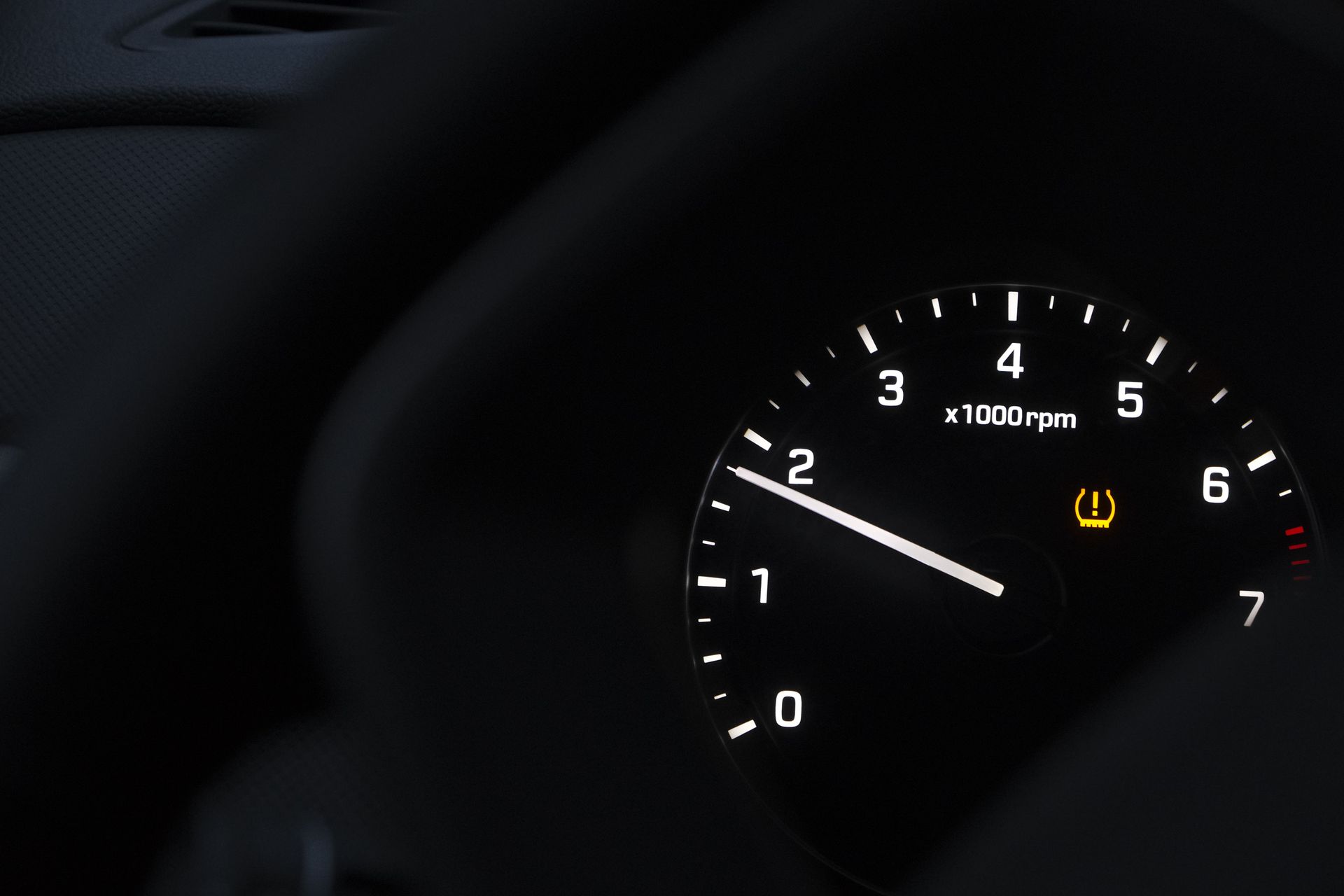
Tener la presión adecuada no solo es crucial para el rendimiento del combustible, sino también para el manejo y frenado seguro. Los neumáticos con presión alta o baja pueden causar muchos problemas.


Antes del viaje:

  • Revisa la presión con los neumáticos fríos (antes de conducir).
  • Usa un manómetro de buena calidad, no solo el de la gasolinera.
  • Infla según las especificaciones del fabricante, que se encuentran en el marco de la puerta del conductor (no el número del costado del neumático).


Ofrecemos revisiones rápidas de presión en Raymond’s Tire Service, y nuestras unidades móviles pueden ayudarte si lo necesitas.
A close up of a car wheel with a red brake caliper.

4. Revisa si hay grietas, abultamientos o caucho seco

El calor del verano puede agravar los daños existentes. Con el tiempo, el caucho se degrada de forma natural, especialmente en la conducción urbana donde los neumáticos sufren frenadas frecuentes, golpes con bordillos y cambios bruscos de temperatura.


Señales de advertencia:

  • Grietas en los laterales (indican envejecimiento del caucho)
  • Abultamientos (indican separación interna)
  • Caucho seco o cordones expuestos


Si notas alguno de estos problemas, reemplaza el neumático de inmediato.


5. Considera la edad de tus neumáticos

Aunque la banda de rodadura esté en buen estado, los neumáticos viejos pueden fallar por degradación estructural. La mayoría de los fabricantes recomienda reemplazar neumáticos de más de seis años, sin importar el uso.


Cómo verificar la edad del neumático:
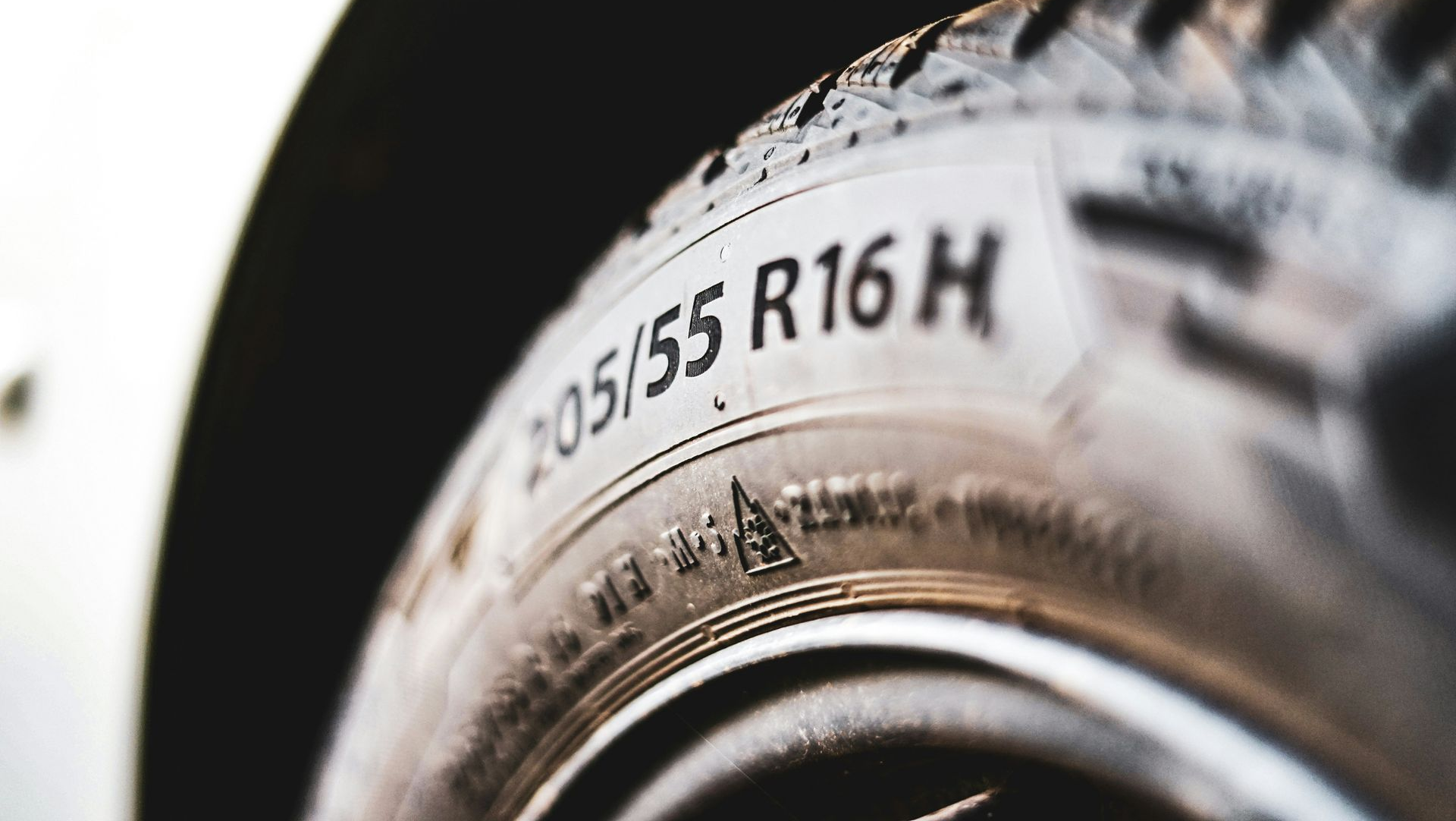
Busca el número DOT en el costado del neumático. Los últimos cuatro dígitos indican la semana y el año de fabricación. Por ejemplo, “2319” significa la semana 23 del año 2019.
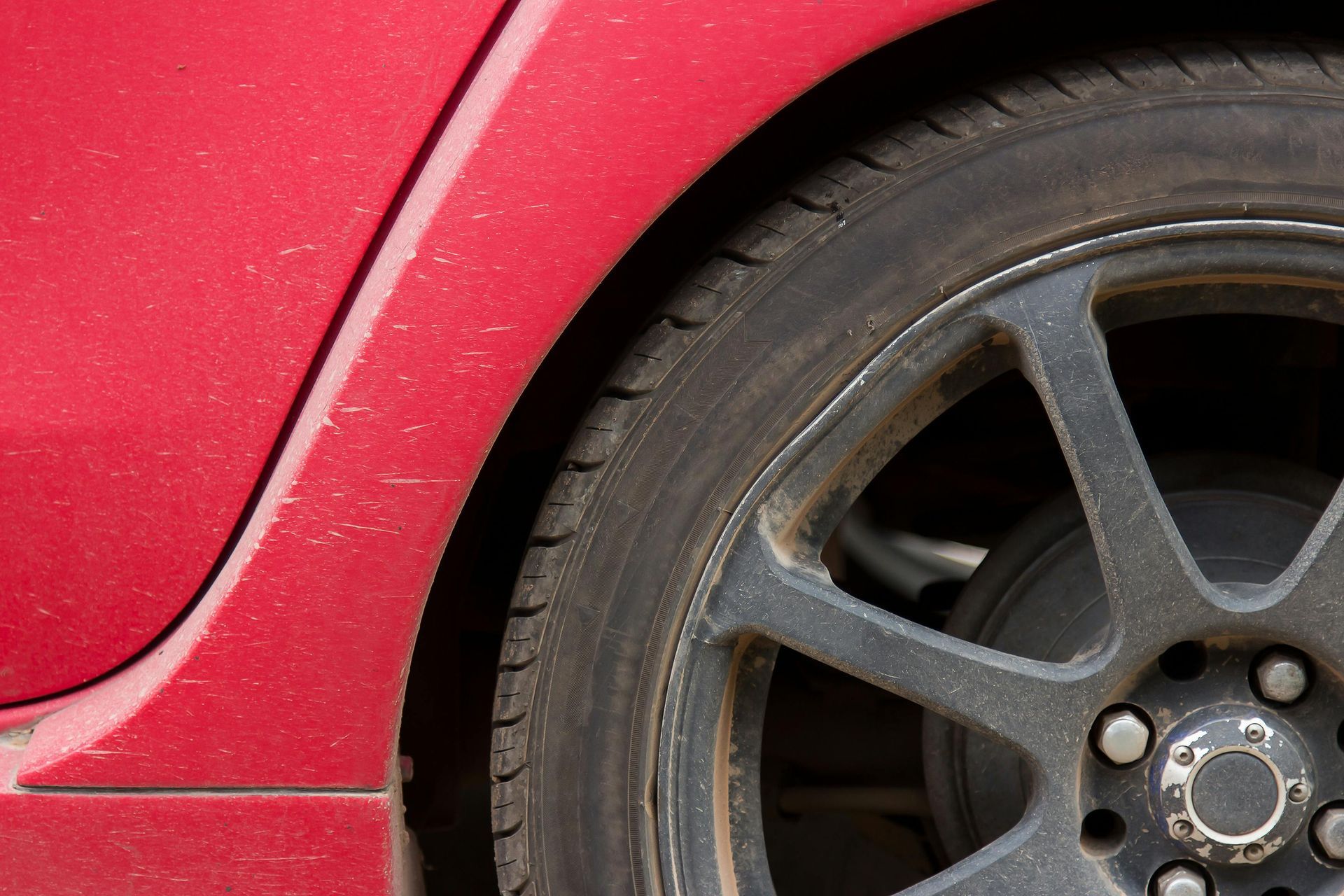
A close up of a red car 's tire and wheel

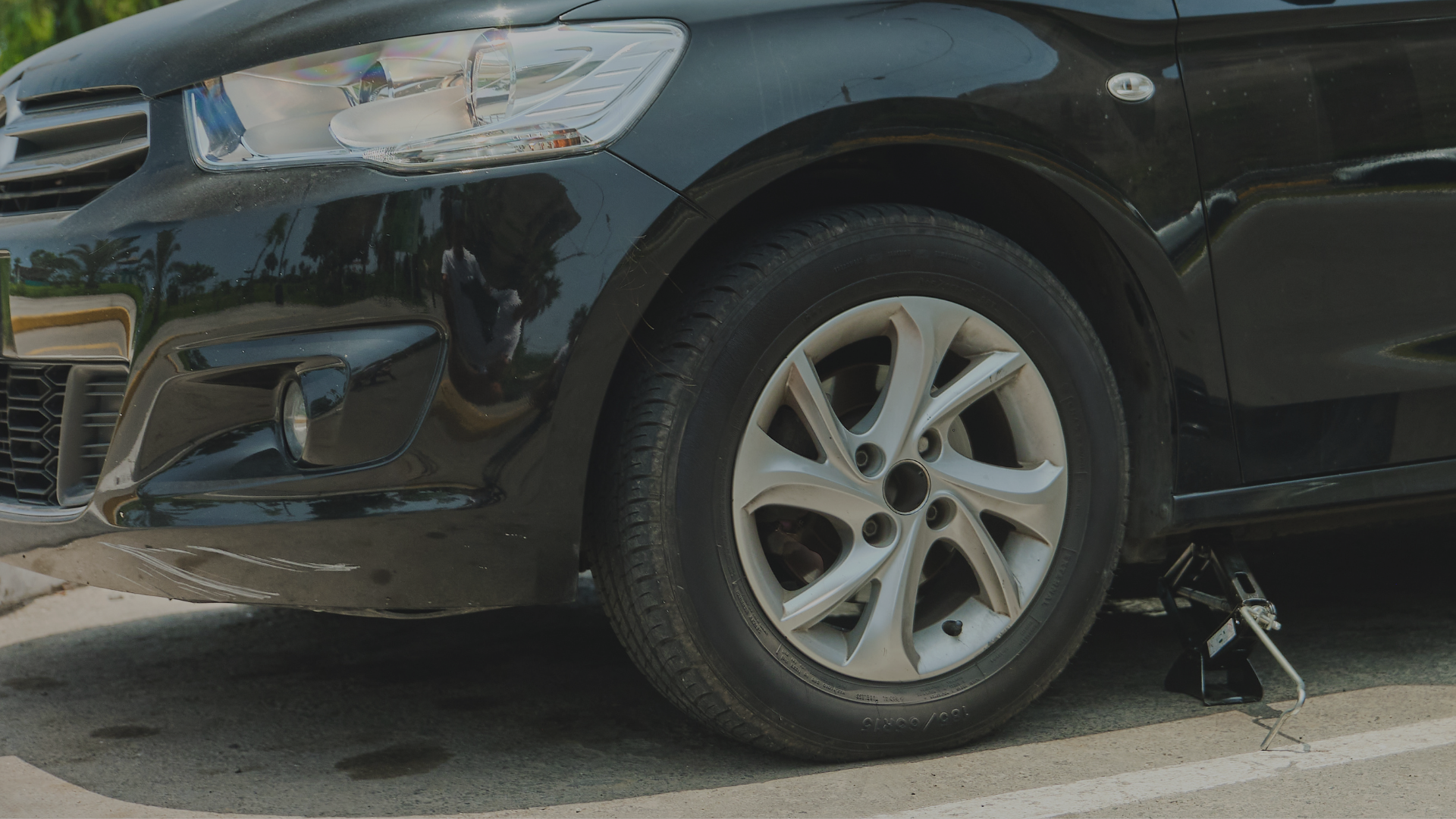
6. No olvides la llanta de repuesto

Tu llanta de repuesto es tu póliza de seguro, pero muchos conductores no la revisan hasta que la necesitan.


Antes de salir a la carretera:

  • Asegúrate de que esté inflada a la presión correcta.
  • Revisa la banda y los costados por si hay daños visibles.
  • Confirma que el gato y las herramientas estén presentes y en buen estado.


¿Necesitas ayuda? Estamos a solo una llamada

En Raymond’s Tire Service, sabemos lo mucho que depende de tus neumáticos. Ya sea que visites nuestro taller en Boston o aproveches nuestro servicio móvil, podemos realizar inspecciones completas de seguridad, instalar reemplazos y asegurarnos de que tu vehículo esté listo para el camino.


No esperes a quedarte varado a mitad de camino hacia Cape Cod. Déjanos revisar tus neumáticos antes de salir.


Contáctanos hoy mismo para agendar una revisión previa al viaje. La seguridad empieza aquí.

A black car is driving down a highway with trees in the background.
A close up of a car wheel and tire
A car is driving down a road surrounded by trees.
A close up of a car wheel on a brick road.
A car is driving down a road next to a forest.
A close up of a tire with a green background
October 1, 2026
A hard pothole impact can do more than damage a tire. The force can also bend a wheel, especially if the pothole is deep, the vehicle is moving quickly, or the tire has a lower-profile sidewall with less cushioning between the road and rim. Sometimes the damage is obvious. In other cases, the wheel may look normal but cause vibration, air loss, or handling problems.  Knowing what to watch for after a pothole strike can help drivers catch wheel damage before it creates additional tire or suspension problems.
September 23, 2026
Most drivers are familiar with the tire pressure monitoring system , or TPMS, warning light. When it stays on steadily, it usually means one or more tires may be underinflated. A flashing TPMS light often means something different. Instead of simply warning about low tire pressure, a flashing light can indicate a problem with the monitoring system itself. That could involve a sensor, sensor battery, communication issue, or another TPMS-related fault.  Knowing the difference can help drivers avoid assuming that adding air will automatically solve the problem.
September 22, 2026
Tread depth is one of the first things drivers look at when deciding whether a tire still has life left. Deep grooves can make a tire appear healthy, especially if the vehicle is not driven very often. But tread is only part of the picture. Tires age even when they are not being used heavily. Over time, rubber compounds can harden, dry out, and become less flexible. That means an older tire may still have plenty of tread while no longer performing the way it did when it was newer. Rubber Changes With Age Tires are constantly exposed to oxygen, heat, sunlight, moisture, and changing temperatures. Those conditions gradually affect the rubber. As a tire ages, the material can lose some of its elasticity. That may reduce its ability to flex properly as it rolls and responds to the road. A tire that looks acceptable at a quick glance may therefore be significantly older than its appearance suggests. This is especially important for vehicles that accumulate very few miles each year.
September 11, 2026
A flat tire does not always mean the tire has to be replaced. In many cases, a small puncture can be repaired safely and returned to service. The key is where the puncture occurred, how large it is, and whether the tire suffered additional damage while losing air. That is why a professional inspection matters. Two punctures that lo ok similar from the outside may require completely different solutions once the tire is removed and examined internally. Location Matters Most One of the first things a technician looks at is where the puncture is located. Damage in the central tread area is often the best candidate for repair. This part of the tire is designed to handle contact with the road and can sometimes be repaired when the puncture is small and otherwise straightforward. Punctures near the shoulder or sidewall are much more concerning.  These areas flex significantly while the tire is moving and cannot usually be repaired safely using standard puncture-repair methods. If a nail, screw, or other object damages the sidewall or outer shoulder, replacement is often the safer option.
September 6, 2026
A wheel alignment can correct important steering and tire-angle settings, but the alignment itself depends on the suspension being in good mechanical condition. If ball joints, tie rods, control arm bushings, wheel bearings, or other components are worn, the wheels may not stay in the position the technician sets.  That is why some vehicles continue pulling , wearing tires unevenly, or developing an off-center steering wheel even after an alignment. In those cases, the problem may not be the alignment machine or the adjustment. It may be worn suspension or steering components underneath the vehicle.
August 28, 2026
When a tire repeatedly loses air but there is no obvious nail, screw, or visible puncture, the problem may be where the tire meets the wheel. This area is known as the tire bead, and a poor seal between the bead and the rim can allow air to escape gradually. Tire bead leaks are a common cause of slow pressure loss. Understanding why they happen can help drivers recognize when a tire needs professional inspection rather than repeatedly adding air. What Is the Tire Bead? The bead is the reinforced inner edge of the tire that sits tightly against the wheel rim. When a tire is properly mounted and inflated, air pressure helps hold the bead securely against the wheel, creating an airtight seal. If that sealing surface becomes damaged, dirty, corroded, or distorted, a small pathway can develop for air to escape.  Because these leaks may be very small, the tire can lose pressure over several days or weeks rather than going flat immediately.